INTERNACIONAL
En un escenario de fragmentación geopolítica, León XIV consolida su liderazgo global con la gira por América Latina

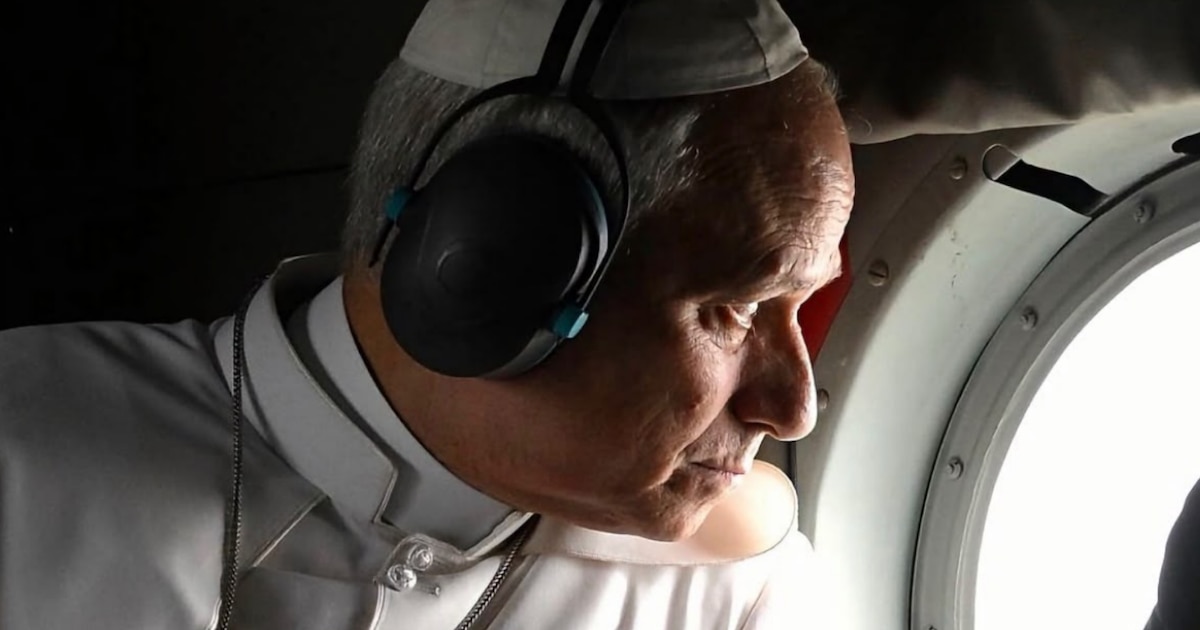
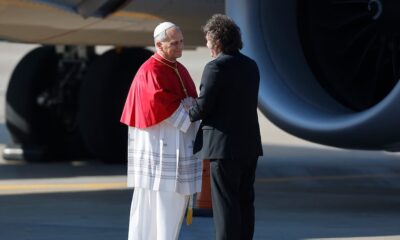
(Desde Cuzco, Perú) Una sucesión acontecimientos inesperados y expectativas cumplidas instaló definitivamente a Leon XIV en el centro del escenario internacional, tras su histórica gira por América Latina que hoy alcanza su apogeo frente a la Catedral de Cusco.
La derrota de Donald Trump en los comicios de medio termino, el epílogo de Benjamín Netanyahu en Israel y la presión constante de Xi Jinping para capturar posiciones a favor de China, definen al Papa como una firme variable de balance de poder.
No se trata de una esquema posible analizado en un laboratorio académico: con la gira a Uruguay, Argentina y Peru, Su Santidad demostró que tiene una propuesta a nivel mundial que es acompañada por millones de fieles.
León XIV movilizó a millones de feligreses en diez días de campaña pastoral, una repercusión popular que Trump, Xi y Netanyahu no están en condiciones de igualar.
El Papa une discurso global con respaldo popular, una ecuación que podría transformar al Vaticano en un mecanismo de disuasión diplomática frente a las actuales debilidades estructurales de las Naciones Unidas, la Casa Blanca, el G7, el G20, la OEA y la Unión Europea.
Fue inesperado que Trump perdiera tanto poder; era muy posible que la gira de León XIV impactará globalmente por su contenido social y su respaldo popular.

Trump se adueñó de las posibles soluciones para resolver la crisis en Medio Oriente, y propuso un mecanismo de guerra por capítulos junto a Netanyahu que tuvo escasos resultados frente a la resistencia táctica de Irán.
Entre el 27 de octubre y el 4 de noviembre, la situación de política doméstica varió en Estados Unidos e Israel. Trump y Netanyahu fueron derrotados en los comicios y su poder global se redujo a la mínima expresión. Ya no son un mecanismo de posible solución para Medio Oriente.
No es una anomalía diplomática que el Vaticano participe en las negociaciones de paz entre israel, la Liga Árabe e Irán. Francisco, antecesor de León XIV, lo hizo en silencio y fue efectivo.
Ahora, el Papa espera que se decante la situación electoral en Israel -aún no hay gobierno- y que Arabia Saudita, Emiratos y Qatar insinúen que el Vaticano puede actuar como fixer allí donde Trump y Netanyahu fracasaron.
Nadie promete resultados tangibles en Medio Oriente. Se trata de evitar que una guerra promovida desde Washington y Jerusalén sirva simplemente para ocultar que una nueva etapa histórica ya inició en Estados Unidos e Israel.
“Las guerras y tensiones que afligen a tantos pueblos reclaman una diplomacia paciente, que mantenga abierto el diálogo, respete el derecho internacional y busque acuerdos”, sostuvo el Papa en Lima.

La relación personal y diplomática entre León XIV y Trump es fría y protocolar.
El presidente de Estados Unidos no comparte la propuesta pastoral del Papa, y esa diferencia básica bloquea la participación activa y pública del Vaticano en la resolución de los conflictos internacionales.
Así como Trump opera directo con Netanyahu para Medio Oriente, dialoga sin límites formales con Vladimir Putin para concluir la invasión de Rusia a Ucrania.
Pero el conflicto en Europa cumplirá cinco años en febrero, y la Casa Blanca ahora se encuentra en un laberinto. Perdió peso por la derrota electoral, Europa y Volodimir Zelensky aprovecharán esta coyuntura para sondear otras variables diplomáticas, y Putin siempre se apalanca en probadas relaciones de poder.
En este contexto, el Vaticano aparece como un jugador posible en la búsqueda de una posible solución entre Moscú y Kyiv. Francisco dejó un largo antecedente de sus conversaciones con Zelensky y Putin, y León XIV no dudará en utilizar esa experiencia para proponer soluciones diferentes a Trump.
“Gracias a Dios por lo que se ha conseguido, pero aún queda mucho por hacer para alcanzar la paz”, sostuvo el Papa durante su viaje de Roma a Montevideo.

La actual coyuntura global y la propia arquitectura institucional del Vaticano juegan a favor de fortalecer el liderazgo geopolítico de Léon XIV.
El Papa tiene un programa social que es apoyado por millones de fieles, Trump perdió los comicios, Xi lidera un régimen totalitario y Putin representa una autocracia moderna.
León XIV se crió en Estados Unidos, pero forjó su mirada entre los pobres de Chiclayo, un pueblo ignoto al sur de Perú. El Papa no pertenece a los salones de Milán, ni cortejo legisladores en DC.
Esta ausencia de vínculos con el poder real aparece como su principal ventaja al momento de participar en la arena diplomática: no debe favores y tiene una mirada despojada de clichés.
La gira por Uruguay, Argentina y Perú aparece como una oportunidad geopolítica para Su Santidad. Francisco aprovechó la ola que navegaban Barack Obama y Ángela Merkel, y fue clave en Siria y en las relaciones bilaterales Estados Unidos-Cuba.
León XIV no tiene nada comparable con los compañeros de ruta que tuvo Francisco, pero en América Latina demostró que es pragmático, táctico y firme en sus concepciones.
El Papa fue capaz de citar a Jorge Luis Borges, y después alertar sobre las consecuencias de permitir que la inteligencia artificial fije sus propias reglas de juego.
“La técnica debe estar siempre supeditada a la ética; el algoritmo no puede sustituir el discernimiento humano”, afirmó León XIV en Buenos Aires.
Una definición que lo enfrenta a Trump y Xi.
León XIV,Fuerza Aérea del Perú,Chiclayo,Cajamarca,helicóptero











INTERNACIONAL
Small town residents cry for help as immigrant influx fueled by trucking industry has unintended consequences
This article is Part 3 of a Digital exclusive series investigating trucking fraud, public safety, and assimilation concerns in southwest Ohio. You can read Part 1 here and Part 2 here.
OHIO – An influx of Uzbek immigrants and trucking companies, coupled with mounting concerns about roadway safety and alleged fraud, is fueling frustration in southwest Ohio, where residents are speaking out about changes they say have left them feeling unsafe on their roads and increasingly uneasy in their own neighborhoods.
Jane, a resident of southwest Ohio, is one of many who have been affected by the Uzbek influx, which she says ultimately drove her out of a new home she purchased in a southwest Ohio community after just 18 months.
«I have literally been screaming about what has been going on for years, and I’m like somebody needs to take notice of this,» Jane told Digital.
Jane recounted repeated problems involving neighbors she identified as Uzbek, describing unsupervised children grabbing moving cars, climbing construction equipment, threatening to punch, kick or choke her dog, and taking her child’s bicycle while ignoring demands to return it. She also described children urinating on neighbors’ vehicles, adults slaughtering chickens outdoors in view of her frightened child, and semi-truck cabs obstructing driveways.
WORKING-CLASS AMERICANS SAY THEIR TOWN IS THE NEXT DEARBORN — AND THEY’VE HAD ENOUGH
Jane described feeling «incredibly uncomfortable» encountering groups of roughly 15 men she identified as Uzbek gathered on the grass between neighboring homes while she was walking her dog.
«They all look at me like I have like 12 freaking heads, like I’m the most disgusting person in the world,» she said.
Jane also described a situation where a group of Uzbek men showed up at her neighbor’s door late at night carrying large bags before being told by the neighbor they had the wrong address. That neighbor then watched them go across the street into a garage and count cash that came from inside those bags.
She estimated calling police roughly 20 times or more and said she felt authorities were unwilling or unable to intervene, leaving her family feeling they had little recourse but to leave. Jane was granted anonymity and is not using her real name due to fear for her family’s safety and possible retribution.
TRUMP ADMIN INVESTIGATING 75 TRUCK DRIVER SCHOOLS FOR FRAUD, HELPING NON-CITIZENS GET LICENSES
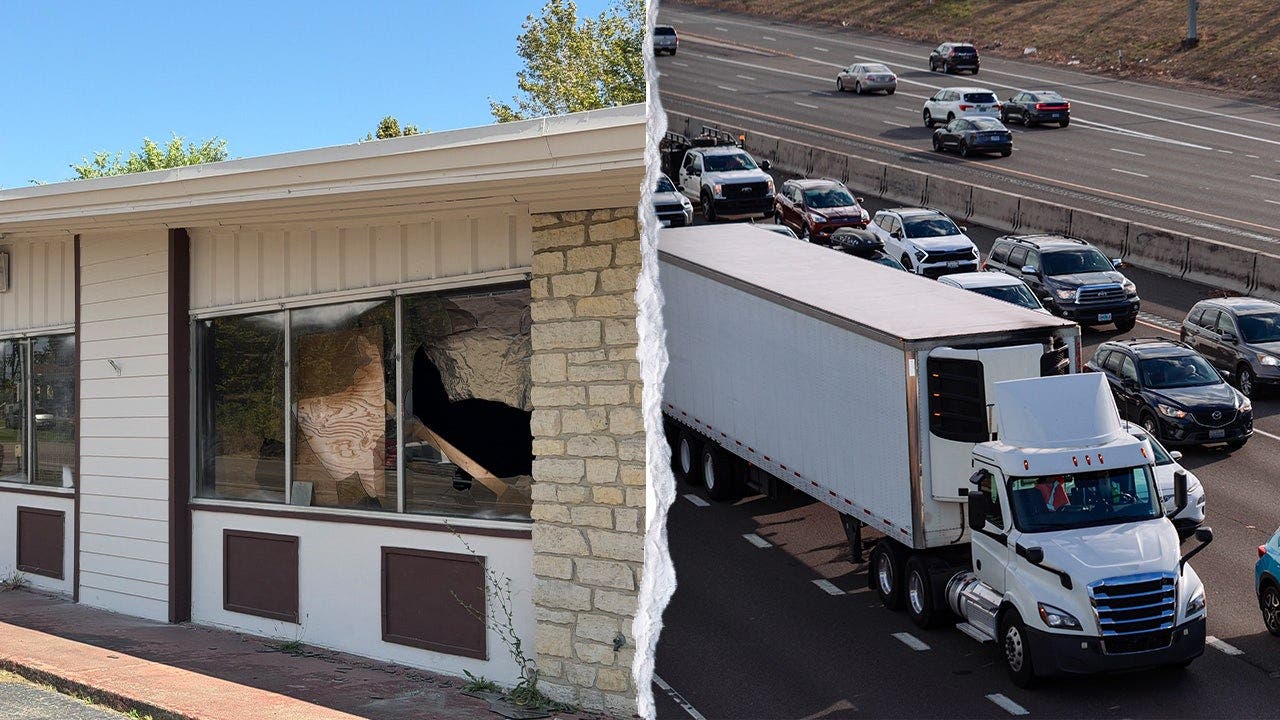
In nearby Middletown, Digital visited a site in mid-October that used to be a restaurant where GHOSTOPSUZ, a resident who has been flagging suspicious trucking companies and Uzbek influx to his followers anonymously online, used to frequent every Sunday after Mass with his family as a child.
Today, the building is abandoned and in disarray with smashed-out windows and no sign of life inside, but registered as the active headquarters of a trucking company, UAG Express, with over two dozen violations for infractions including vehicle maintenance, unsafe driving, suspended-CDL and an hours-of-service violation.
«It’s devastating, dude, I mean, it really is,» GHOSTOPSUZ said as he walked around the dilapidated building that had multiple big rigs parked in the back but no sign of any recent activity. The location was recently highlighted by Border Hawk News.
«My daughter plays competitive volleyball, so we’re on these roads that we’re sharing with these people that don’t speak English, don’t understand our laws, can’t read our laws and frankly, I don’t think they care, it’s quite obvious…and it doesn’t show respect for the community that you’re in to do things like this.»
OUT OF CONTROL, UNQUALIFIED ILLEGAL ALIEN TRUCKERS ENDANGERING KIDS ON US ROADS, INSIDER WARNS: ‘JUST MADNESS’
Digital reached out to UAG Express, owned by Aziz Ishanov, for comment but did not receive a response.
On Nov. 4, Digital attended a meeting where dozens of Hamilton Township residents expressed their concerns to the local trustees and told stories of first-hand experiences ranging from alleged trucking fraud to the mosque, to crowded schools, to crime concerns related to the Uzbek community in the area.
«It has been a great place to grow up, now I’m very concerned at this point with what we’re learning about the fraud from these trucking companies, the Uzbek trucking companies, about the funds that they’re using to build the mosque right now. I’m just wondering, how did this get approved in the first place?» One local resident asked.
Residents voiced concerns about a wide variety of issues including Uzbek men learning at women outside gyms, crowded schools, an unsupervised Uzbek child who recently drowned in a local pond, and Uzbek truck drivers offering money to women to get inside their trucks.
One resident said, «Christian values are not compatible with Islamic values; they just simply aren’t, and I don’t like calling a people group out, especially as a Christian, that’s very hard for me to do. But the facts are the facts, and we have to look at the facts. They are not here to assimilate; some are, I’m sure. But I know how they operate.»
«We are drowning,» one resident said while discussing the crowded schools and students who can’t speak English which has stretched resources thin. «We are drowning here, our kids our suffering.»
Local law enforcement has taken action on the trucking safety issue, and in the meeting, Hamilton Township Police Chief Quillan Short unveiled the data from a recent freight fraud crackdown that multiple local agencies coordinated between Oct. 19-23.
That operation resulted in 561 traffic stops, 258 truck inspections, 423 citations and 73 vehicles being placed out of service. Authorities also placed 49 drivers out of service and made 36 arrests, including 31 on charges related to immigration-related offenses, according to data presented by Short.
Hamilton Township Trustee Darryl Cordrey, in a statement to Digital, called the results of the crackdown «staggering» especially considering it only lasted 5 days.
«Hamilton Township residents have every right to be concerned about unsafe commercial vehicles , unqualified drivers on our roads, and other criminal issues that have stemmed from the substantial increase in commercial trucking operations in Hamilton Township,» Cordrey said. «Our residents should not have to bear the consequences of failures in immigration policy and commercial trucking oversight.»
Cordrey added that the Biden administration’s immigration policies have «contributed to the broader problems we are now confronting» and that he is «fully committed» to doing his part to resolve the issues working alongside local, state, and federal agencies.
Ohio Republican state lawmaker Michelle Teska was present at the meeting as well and has taken action on the issue in the form of a bill to strengthen commercial-driver licensing requirements, including a measure requiring driver examinations to be administered in English.
«We have a community that’s being inundated with people from a certain area and how they got here is through the trucking industry, and they got here because, again, in the state of Ohio, you can get a CDL and a driver’s license in 10 different languages,» Teska told Digital, adding that she and the Hamilton Township trustees share the frustration and are doing what they can to address it despite many of the issues being rooted at the state and federal level.
The federal government has ramped up efforts to crack down on trucking fraud over the past year, and the Department of Transportation and Federal Motor Carrier Safety Administration have mounted a sweeping crackdown on fraud and safety violations, placing roughly 34,000 drivers out of service for failing basic English-language proficiency requirements, revoking or canceling more than 31,000 illegally issued commercial driver’s licenses, and shutting down or purging nearly 10,000 noncompliant driving schools from the federal registry.
«This is a safety issue,» Teska said. «This is not a partisan issue in any way, shape, or form, but this is a safety issue, and you know we’ve had a rape conviction, a federal human smuggling indictment, a fatal crash where a driver couldn’t communicate with troopers without a translator, and every single one of those things was preventable.»
Warren County Prosecutor David Fornshell previously told Digital that clearly «there’s something going on» within the Uzbek community in southwest Ohio that «warrants at least awareness on the part of law enforcement.»
«I would say hardly a week goes by where we don’t have some felony case involving an Uzbek, it’s pretty frequent at this point,» Fornshell said.
On Friday, the Islamic Center of Maineville, the mosque that has drawn the ire of some in the community, posted on its Telegram channel that it acknowledges the concerns and is hoping to work with the community to resolve them.
«On behalf of the Hamkor Uzbek Cincinnati Association, we recognize that some local residents have concerns and questions about our community. We believe that mutual respect, open communication, and understanding are the best ways to address these issues,» the message said. «Our Uzbek community is willing to listen to local residents, understand their concerns, clear up any misunderstandings, and work together to find practical solutions. We want to build trust, strengthen relationships, and promote unity between the Uzbek community and our neighbors. We believe that respectful dialogue and cooperation, rather than arguments and division, will help us move forward as one community.»
Data from the 2024 Census show that roughly 1,500 people born in Uzbekistan live in Greater Cincinnati, while about 3,800 Uzbekistan-born residents live across Ohio. Uzbek community leaders say the actual population is significantly higher, estimating that roughly 4,000 Uzbek families live in southern Ohio, including U.S.-born children.
«Our community was selected by the Uzbeks because they didn’t think we would push back on their foreign influence,» online researcher Nodawolf, a local resident who has been at the forefront of reporting on alleged trucking fraud over the past year, said via a statement read by an attendee at the trustees meeting. «Here we are. We are here to say that our community will not be exploited for their monetary gain.»
America Up Close is a Digital Politics series taking the country’s biggest political debates beyond Washington to uncover their real-world costs for the Americans living with the results.
politics, ohio, illegal immigrants, migrant crime, enforcement, fox news investigates
INTERNACIONAL
Irán, la guerra olvidada: qué puede pasar en Medio Oriente después de la derrota electoral de Donald Trump
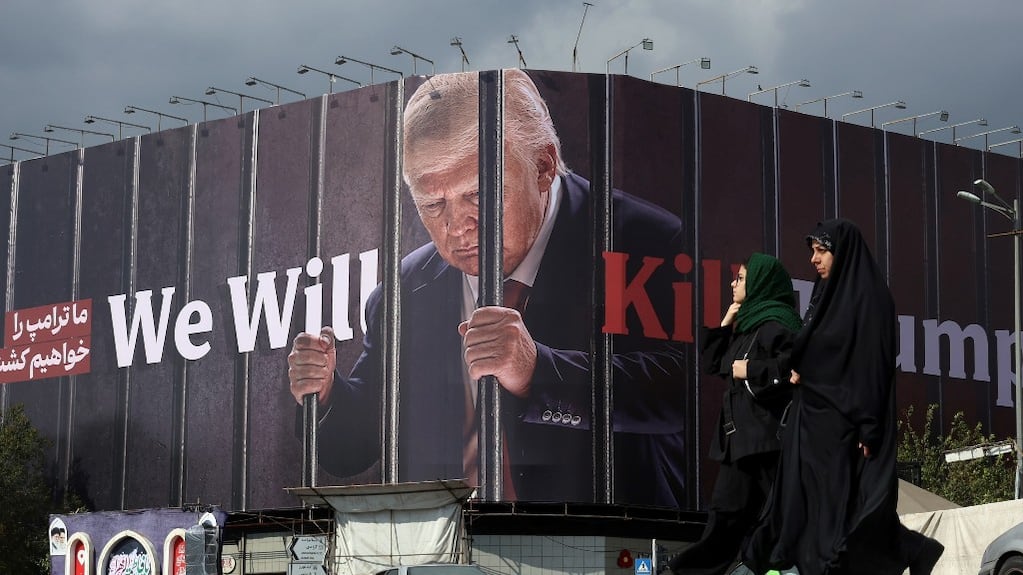
Casi nueve meses después del inicio de la guerra en Irán, Donald Trump se erigió como el gran perdedor de un conflicto destinado al olvido y cuyas secuelas económicas aún persisten en todo el mundo.
Trump, de 80 años, perdió las elecciones de medio término y comenzó su ocaso político arrastrado por una guerra que cambió el humor del electorado estadounidense por su fuerte impacto en el bolsillo de los consumidores, en especial por el aumento del precio del combustible y de otros insumos básicos.
El mandatario republicano se vanagloria de que Estados Unidos devastó gran parte del poderío militar y nuclear iraní, pero el gobierno de los ayatollahs sobrevivió y puso en jaque a Washington y a sus aliados en Medio Oriente, una región atravesada por una fuerte inestabilidad.
Trump no quiere continuar con la guerra. Ya no habla de “aniquilar” a Irán ni “borrarlo de la faz de la tierra”. Ahora se refugia en victorias militares pírricas que lo dejaron sin el control político del Congreso para sus dos últimos años de mandato.
“No necesitamos un acuerdo con Irán. Esos días ya pasaron. Tenemos su dinero, centenares de miles de millones de dólares, y tenemos su estrecho” de Ormuz, aseguró Trump esta semana en su plataforma Truth Social. Pero Irán afirma lo contrario y asegura que mantiene un virtual bloqueo, o al menos duras restricciones, al tráfico marítimo.
En el terreno, nadie ejerce un dominio absoluto. Estados Unidos ejecuta un bloqueo sobre los puertos iraníes, pero Teherán mantiene un importante poder de disuación militar a lo largo del estrecho.
El comercio petrolero sigue bajo fuerte presión. El precio del barril de crudo Brent -de referencia europea- asciende a alrededor de 95 dólares contra 70 dólares antes de la guerra. Llegó a cotizarse a 110 dólares en pleno conflicto.
El analista egipcio Abdullah Al-Arian, académico de la Universidad de Georgetown en Qatar, dijo a TN que las recientes elecciones en Estados Unidos reconfiguraron el escenario en Medio Oriente. “Cabe preguntarse hasta qué punto (esta derrota electoral) podrá limitar las decisiones políticas de Trump en la región”, dijo.
Qué está pasando en Medio Oriente
La región vive hoy un clima de absoluta tensión.
Israel está sumido en una crisis política derivada de las elecciones del 28 de octubre, en la que una coalición de centroderecha liderada por Gadi Eisenkot busca formar un nuevo gobierno y poner un punto final a la carrera del primer ministro Benjamin Netanyahu, de 77 años.
El viejo líder del Likud fracasó en su intento de voltear al gobierno iraní y se aferra al poder a pesar de la fuerte presión opositora. Trump ya le avisó sobre el fin de la ayuda militar estadounidense, en medio de una creciente presión internacional por la grave situación en Gaza y en la Cisjordania ocupada.
Al gobierno de Israel solo le queda observar cómo Trump sale ahora de la guerra con Irán, de la que fue su activo socio en el primer tramo de la ofensiva conjunta que devastó gran parte de la estructura bélica iraní.
Las negociaciones están estancadas. Cada intento de avanzar en un acuerdo de desmantelamiento del programa nuclear iraní terminó en un absoluto fracaso. En ese escenario, cada tanto se conocen noticias de un ataque contra una embarcación que atraviesa el estrecho de Ormuz.
Las retaliaciones estadounidenses terminaron pocos días antes de las elecciones de medio término del 3 de noviembre. Desde entonces, todo es silencio.
Trump
INTERNACIONAL
Socialist LA mayor’s bold homelessness promise ahead of 2028 Olympics hit with reality check: ‘Not optimistic’
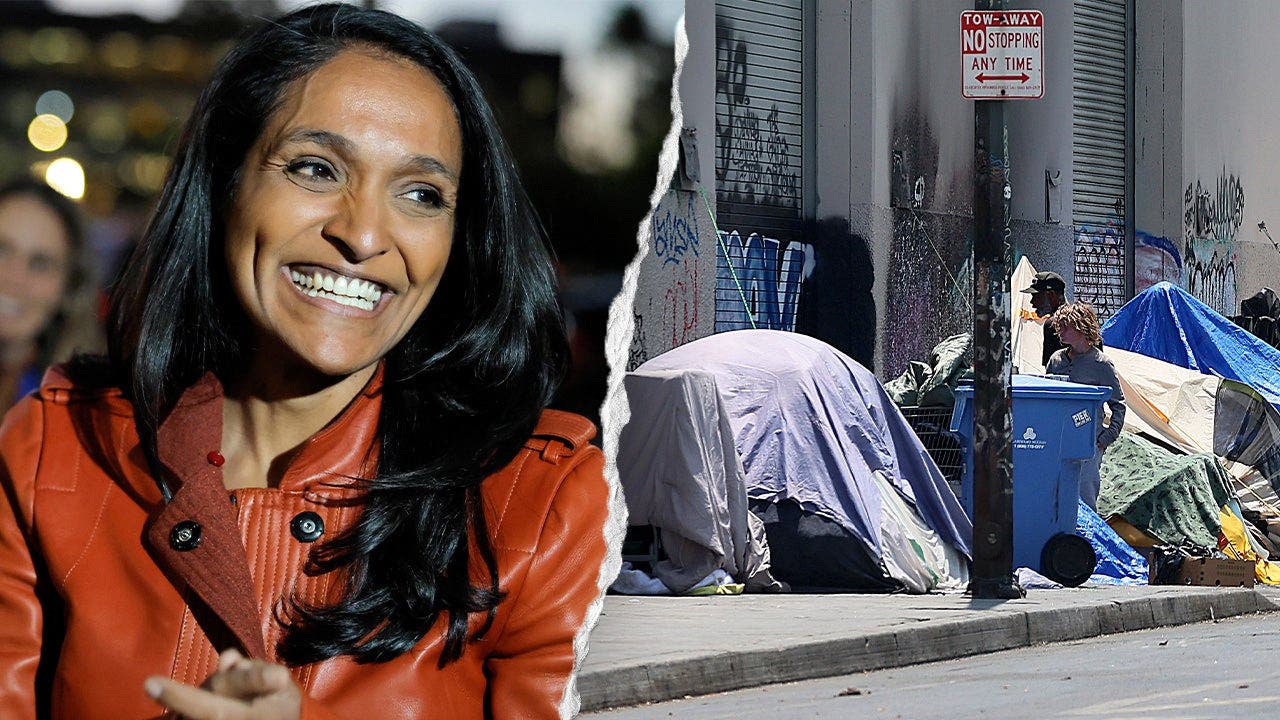
Incoming Los Angeles Mayor Nithya Raman has promised to cut the number of people sleeping in tents and homeless encampments by at least 50% before the 2028 Summer Olympics, but one local activist believes her vision may not be realistic.
The blue city’s growing homeless population became a major focus of Raman’s mayoral campaign. A member of the Democratic Socialists of America (DSA), she plans to expand shelter and housing options while stretching «every dollar as far as possible.»
John Alle, a business owner and co-founder of the Santa Monica Coalition, told Digital Raman won’t be able to «hide» the city’s homelessness problem from tourists arriving for the Games and raised concerns about potential gaps in her plan to deliver lasting results.
«I don’t think we’re going to be able to hide that before the crowds,» Alle said, adding that the city has become a «Third World country.»
4 OF NATION’S LARGEST CITIES NOW LED BY SOCIALIST MAYORS AFTER TUESDAY’S ELECTION, AFFECTING TENS OF MILLIONS
«We’re not hiding it now. We’re seeing tourists being attacked in Santa Monica. We’re seeing tourists being attacked in LA. Our tourism, everything that funds our general fund, our retail sales taxes are all down. The morale of the police, which we need, is down.»
Alle warned that Raman’s plan will be a temporary solution that will move homeless people off the streets ahead of the Olympics, and they’ll return once the Games are over.
«When the Olympics come, they’ll be picked up, they’ll be bussed, they’ll be sent elsewhere, and they’ll wander right back after the three-week Olympic and Paralympic events.»
Former Mayor Karen Bass accepted the Olympic flag during the closing ceremony in Paris two years ago, marking the handoff of hosting duties. This will be the first time LA has hosted the Games since 1984.
According to the Los Angeles Homeless Services Authority’s 2026 annual count, homelessness rose 3.4% in LA and 1.2% across the broader LA area, undoing two consecutive years of declines under Bass.
But how does Raman plan to follow through on that promise?
Raman has pledged to expand housing, shelter capacity and rental assistance to eliminate long-term encampments by the end of her first term. Raman has previously called the city’s «desensitization to homelessness» a «moral failing.» Her plan calls for sending medical teams directly into encampments to provide mental health and addiction treatment and help with transitions into long-term housing or care within 90 days.
Raman has also criticized Bass’ Inside Safe program, which often places homeless people in costly hotels and motels. Instead, Raman wants to shift funding toward less expensive alternatives, like rental vouchers.
SEATTLE MAYOR KATIE WILSON’S SOCIALIST AGENDA STALLS AMID HOMELESSNESS AND PUBLIC SAFETY CONCERNS
Other parts of Raman’s proposal include sending unarmed crisis response teams rather than police officers to certain emergencies, auditing stalled housing projects and increasing oversight of homelessness spending.
Despite Raman’s ambitious vision, Alle said he isn’t convinced her plan will bring meaningful change and argued that city leadership has gone «from bad to worse.»
«It’s not that much different than Mayor Karen Bass’s plan,» Alle said.
Alle, who manages roughly 1 million square feet of commercial property across Los Angeles, said he sees the homelessness crisis firsthand and raised concerns about its impact on local businesses and workers.
He warned that treating homeless people on the streets will only prolong the crisis, saying that many Angelenos avoid parts of the city that have been left untouched.
«Pick up the individuals and take them to their facilities away from the parks, away from kids, away from seniors,» he said.
Alle said there must be more transparency over how the city has handled more than $1 billion in homelessness funding before allocating more taxpayer dollars.
«She’s got a billion-dollar problem on her hands right now, and she knows,» he said.
FURIOUS RESIDENTS CONFRONT HOMELESS HOUSING LEADERS AS POPULAR BEACH COMMUNITY HITS BREAKING POINT
Raman chaired the City Council’s Housing and Homelessness Committee from 2023 until her removal this year amid her mayoral campaign. Alle said Raman will have to explain where the money went but acknowledged her push to investigate the spending.
«To her credit, she wants to audit every single nonprofit and every single agency that spent money, including the nonprofits that are supported by the city with taxpayer funds for programs,» he said.
One of the biggest red flags in Raman’s plan is the proximity of supportive housing to families and children, according to Alle. He added that some facilities don’t require residents to remain sober.
«There is no commitment for anyone not to use drugs while they’re there,» he said.
Pointing to her past opposition to restrictions on camping in public spaces and near schools, Alle argued Raman’s approach isn’t «aggressive enough.»
«I don’t see the solutions that have been put forth that could work being used, and, so, I’m not optimistic,» he said.
Alle described LA as having a drug and mental health problem, not a homelessness problem. He said the city needs to stop making life on the streets more comfortable for those who refuse help.
«Until those two issues are addressed, we’re not gonna solve homelessness,» he said.
He urged Raman to find a more practical solution by moving outreach services off the streets and ending LA’s sanctuary city status for good.
«Of course, I want her to succeed,» he said. «If Nithya succeeds, we all succeed.»
Raman ousted Bass in the midterm elections and will take office in December as mayor of Los Angeles, a city of roughly 4 million residents.
Digital reached out to Raman’s team and LA28 for comment.
politics, homeless crisis, los angeles, socialism, blue city crime

Esta es la fecha de la final de la Copa Argentina que disputarán Boca Juniors y Platense

A 20 años de Gran Hermano, Vanina Gramuglia revela el lado B del éxito: el cumple con Maradona, drogas, depresión, acoso y la traición de Marianela Mirra

La reacción de Jorge Jesus cuando le preguntaron si Portugal extrañó a Cristiano Ronaldo tras la dura derrota contra Dinamarca

Hay alerta amarilla por tormentas para este domingo 15 de noviembre: las provincias afectadas

En un escenario de fragmentación geopolítica, León XIV consolida su liderazgo global con la gira por América Latina

El juez Ricardo Lorenzetti: “La gran revolución del siglo XXI es proteger lo humano”

Fútbol sudamericano: por qué es importante seguir el calendario de partidos

La dolorosa despedida al aire de Horacio Pagani a su amigo Carlos Babington: “Fue una noticia fulminante que la recibí en el auto”

La plataforma Doctor SV triplicó su red médica y acumuló 5.4 millones de consultas en su primer año en El Salvador

Villa La Angostura: la Justicia ordenó completar el desalojo de una comunidad mapuche, pero el operativo sigue sin fecha

 CHIMENTOS3 días ago
Escándalo íntimo en el cumpleaños de Emilia Mernes: un número uno, el mejor amigo, la novia del mejor amigo y una confesión que hizo estallar todo: «Me tocó y…»
- ECONOMIA3 días ago
Banco Santander anunció aumento de precio en sus paquetes y esto valdrá desde enero
- POLITICA3 días ago
El Gobierno cree que la visita del Papa logró desactivar las tensiones internas y se prepara para una semana clave en el Congreso