INTERNACIONAL
Mamdani’s $30M plan to fight antisemitism includes increased funding for anti-Israel group

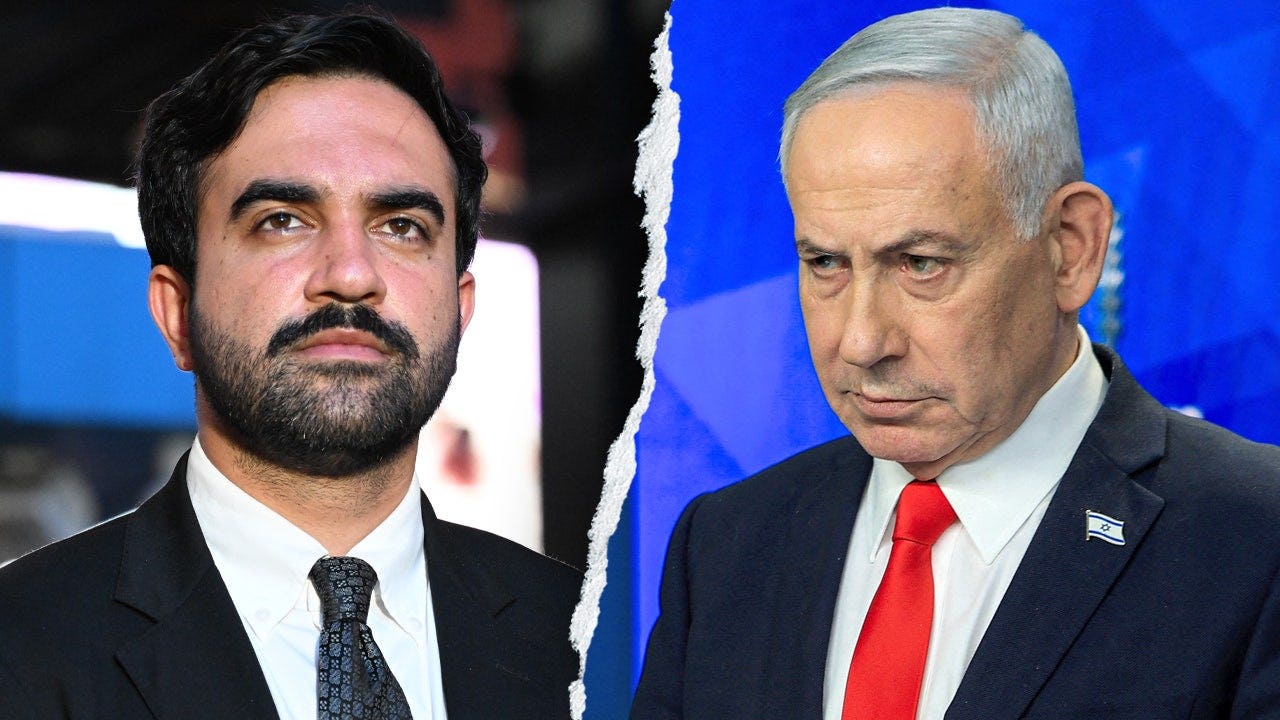
Socialist Mayor Zohran Mamdani’s plan to combat antisemitism indirectly furthers funding to an Arab-American group critical of U.S.–Israel relations.
As part of $30 million in investments to push back persecution of the Jewish community, the strategy includes a $6.4 million grant to the Partners Against Hate (PATH). To carry out its mission to «enhance awareness and reporting of hate crimes,» PATH partners with a group of six other groups — including the Arab American Association of New York (AAANY), which was formerly led by disgraced Women’s March co-founder and notorious anti-Israel activist Linda Sarsour.
The link between New York City and AAANY comes as Mamdani struggles to overcome skepticism among Jewish communities that its first Muslim mayoral administration has done enough to adequately combat rising levels of antisemitism in the Big Apple.
MAMDANI PLEDGES MILLIONS TO COMBAT ANTISEMITISM WHILE LEAVING KEY QUESTION UNRESOLVED
Antisemitic acts make up the greatest slice of the city’s tracking for hate crimes in 2026, accounting for roughly 9% of the picture, according to NYPD reporting. In the first eight months of 2026, the city has recorded a hate crime uptick of 16% over last year’s levels.
Recorded hate crimes in the «homosexual» category, for instance, make up 29 incidents, and those against Muslims make up another 21. Hate crimes against Jews have reached 181.
One hundred thirty-one of those are felony offenses.
The surge prompted Mamdani to unveil his $30 million plan earlier this month, calling it a key step towards combatting hate towards Jewish communities.
«My administration has a responsibility to ensure New York City remains a place where Jewish New Yorkers can live their lives peacefully and safely, where they can walk down the street, enter their houses of worship and build their lives knowing that this city will stand with them,» Mamdani said in a strategy document.
Notably, the indirect partnership between New York City and AAANY, the Arab-American group, is not new.
AAANY’s link to PATH was listed in a 2021 press release from then-Mayor Bill de Blasio. In those remarks, de Blasio listed out the organizations that would partner with PATH to combat racial crimes through a $3 million grant distributed among its partners.
«The anchor organizations will work closely with the [Office for the Prevention of Hate Crimes] and other city agencies to ensure a comprehensive, community-based approach to preventing hate crime,» the press release states.
PROMINENT HOLOCAUST MUSEUM CHALLENGES MAMDANI WITH OFFER IN RESPONSE TO CLAIMS ABOUT ‘GENOCIDE’ IN GAZA
«In New York City, we do not tolerate hate, violence, or bigotry in any form. As we drive a recovery for all of us, we must lift up the community leaders standing up against America’s hate epidemic. We are taking action to make sure the hate in our beloved city is eliminated — once and for all,» de Blasio said at the time.
In the years since, however, AAANY has come under scrutiny for its advocacy against the state of Israel, a position that, in the view of some critics, goes outside the scope of its mission to combat racial prejudice. Since 2021, AAANY has reportedly given over $223,000 to the Council on American-Islamic Relations, New York (CAIR-NY). The national CAIR organization has long been the subject of controversy over its alleged ties to Hamas. In 2007, federal prosecutors named the organization an unindicted co-conspirator in the Holy Land Foundation terrorism financing case, the largest terrorism financing prosecution in U.S. history.
Alongside recognizing Israel’s war as a form of genocide, AAANY has pushed for the U.S. to distance itself from Israel.
During Mamdani’s time as a state legislator, the group rallied around his «Not On Our Dime» bill. That legislation sought to restrict New York nonprofit donations from going to Israeli settlement activity, citing what it called a «violation of the Geneva Conventions.»
The group’s executive director, Marwa Janini, has similarly pressed for the city to oppose the Israel-Hamas war in Gaza, citing humanitarian concerns.
«I visited Cairo to pack food aid for Gaza and support Palestinian refugees. Despite their resilience in the face of the unimaginable loss and hardships they are facing, it is evident that merely sending aid to Gaza is not enough. The NYC City Council must pass a ceasefire resolution to end this U.S.-funded genocide and bring hope and stability to Gaza,» Janini said in a statement.
Longstanding critics of AAANY have argued that the organization has tried to delegitimize the state of Israel.
In 2017, AAANY received backlash from groups like the Anti-Defamation League, a group that combats antisemitism, when Linda Sarsour, who was one of its executive directors, espoused a similar position.
«We profoundly reject Linda Sarsour’s positions that delegitimize Israel. We have vigorously opposed efforts like the Boycott, Divestment and Sanctions movement, which she supports, and we oppose her stance that one cannot be simultaneously a feminist and pro-Israel,» the Anti-Defamation League wrote.
Sarsour was previously pushed out of the Women’s March, alongside a couple of other co-founders, for allegations of antisemitism and their embrace of notorious antisemite Louis Farrakhan.
NETANYAHU ACCUSES MAMDANI OF ‘FOMENTING HATE,’ SAYS RHETORIC IS MAKING NEW YORK JEWS AFRAID
Sarsour is a longtime political ally of Mamdani. In 2020, she endorsed his bid for the New York Assembly, calling him her «favorite guy,» and was a major backer of his mayoral campaign.
The New York Mayor’s Office did not immediately respond to a request for comment from Digital on whether it is concerned that ties to AAANY may undermine efforts to combat antisemitism.
Fox News’ Andrew Mark Miller contributed to this report.
politics, zohran mamdani, anti semitism, new york city, hate crime








INTERNACIONAL
Quejas de los consumidores panameños suman más de USD 26.6 millones entre enero y septiembre de este año

Un total de USD 26.6 millones concentran las quejas presentadas por consumidores panameños entre enero y septiembre de este año ante la Autoridad de Protección al Consumidor y Defensa de la Competencia (Acodeco).
El dato más llamativo no es la suma general, sino una desproporción puntual, toda vez que los 74 casos por vicios ocultos movieron USD 3.954.861,78, una cifra superior a la que generaron las 130 reclamaciones por cláusulas abusivas juntas.
Esa diferencia confirma que el tamaño del reclamo no siempre corresponde a la cantidad de denuncias.
Algunas categorías con pocos casos concentran montos más altos que otras con volúmenes mayores de quejas.
El incumplimiento de garantías encabeza la lista en las dos variables: 1.008 casos, por un total de USD 9.029.278,49.

Entre enero y septiembre, los panameños presentaron 2.562 reclamaciones que suman USD 26.631.922,30, principalmente por incumplimiento de garantías, devolución de dinero y falta de información, según Autoridad de Protección al Consumidor y Defensa de la Competencia.
Después del incumplimiento de garantías aparecen las reclamaciones por devolución de dinero, con 229 casos por USD 3.656.844,49, y la falta de información, con 482 quejas que suman USD 3.478.272,12.
El incumplimiento de contrato sumó 65 reclamaciones por USD 2.476.435,85.
Inmobiliarias, almacenes y agencias de autos concentran la mayoría de las denuncias
Al revisar las quejas por rubro comercial, se tiene en efecto que las inmobiliarias ocuparon el primer lugar con 321 casos.

Los almacenes por departamentos siguieron con 288 reclamaciones, y las agencias de autos cerraron el podio con 254.
El informe de la entidad gubernamental también revela que los comercios de electrodomésticos y equipos electrónicos sumaron 228 quejas.
En tanto, la venta de autos usados acumuló 124 casos, mientras que los establecimientos de venta de celulares registraron 102.
También figuran 101 quejas vinculadas a televisión por cable, 95 por hoteles o planes vacacionales y 92 por talleres de reparación de autos.
Los repuestos para vehículos y los servicios de telefonía registraron 53 casos cada uno.
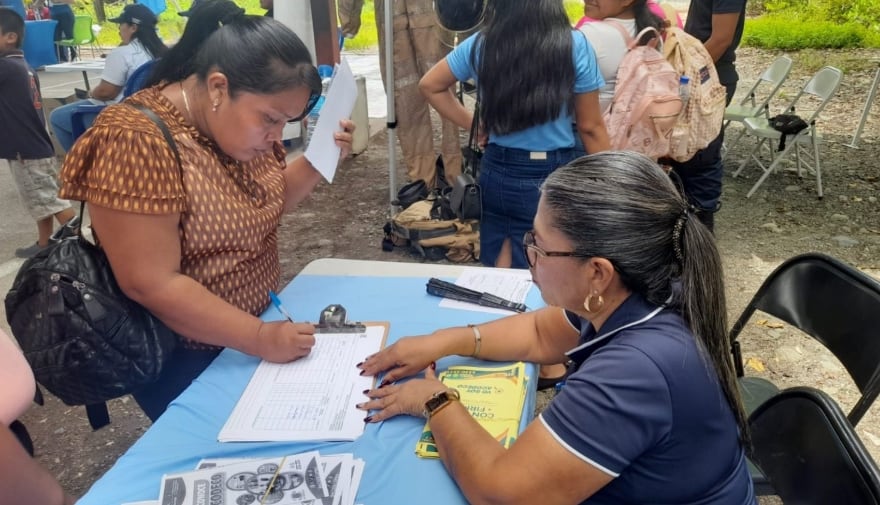
El resto de las actividades señaladas, siempre de acuerdo a un informe de la Autoridad de Protección al Consumidor y Defensa de la Competencia, incluye bancos (49 casos), actividades recreativas (48), funerarias (45) y servicios profesionales (43).
Las mueblerías y los talleres de reparación no automotrices sumaron 40 quejas cada uno.
Completan el listado las agencias de motos (32 casos), las universidades (31), los cursos de inglés (28), las joyerías y relojerías (28) y las ópticas (26).
La entidad de protección al consumidor recordó a los consumidores la importancia de conocer sus derechos antes de contratar un servicio o adquirir un producto. El organismo recomienda revisar las condiciones de cada operación de forma previa.
La institución gubernamental también insistió en conservar facturas, contratos, garantías y comprobantes de pago.
Esos documentos, afirma, respaldan cualquier reclamación posterior que tengan los consumidores ante irregularidades que estime se le presenten.
Cuando un consumidor considera que sus derechos fueron vulnerados, puede presentar la queja correspondiente ante la entidad y aportar la documentación que sustente su caso.
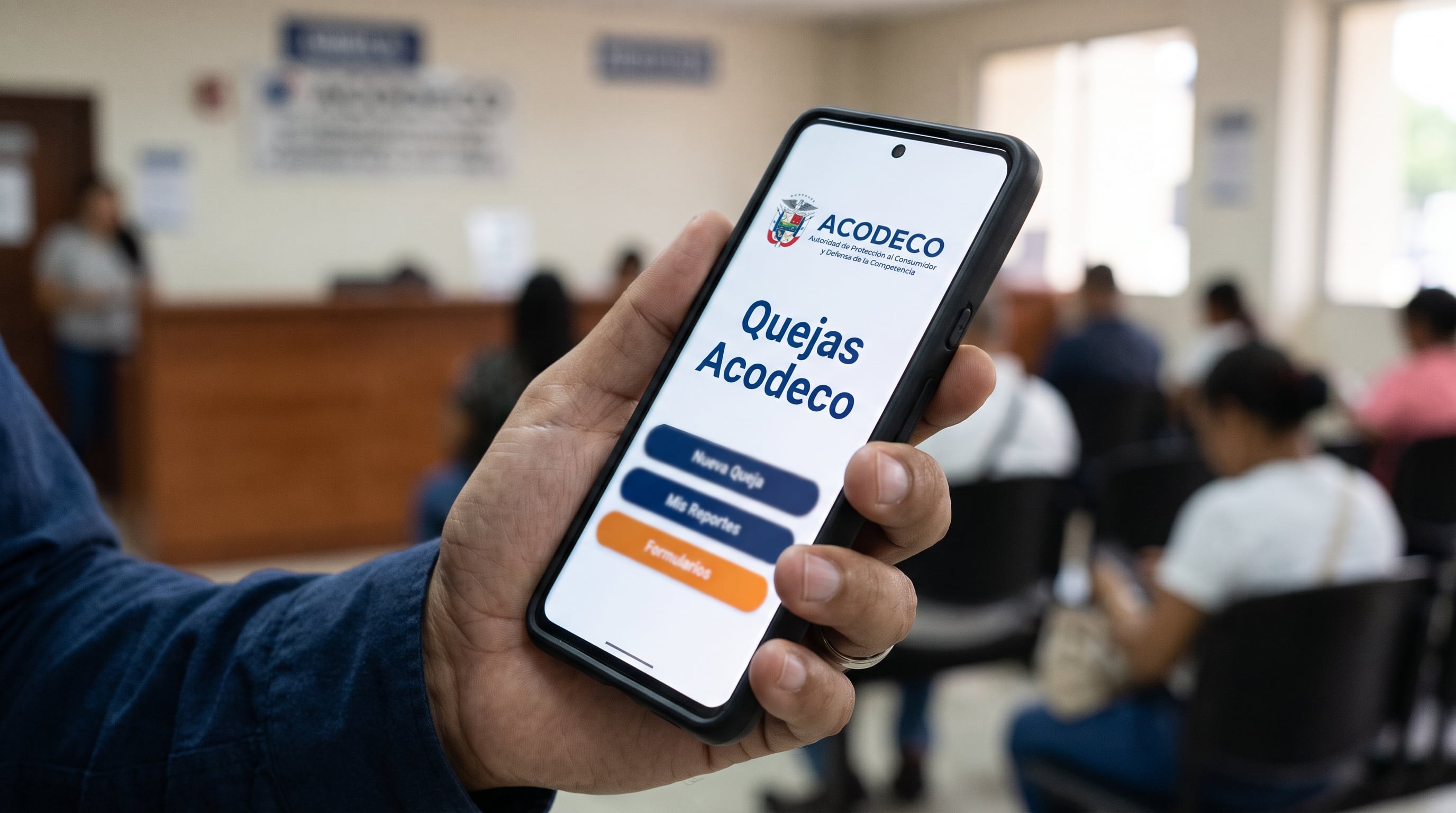
La Acodeco también informó que prepara el lanzamiento de una aplicación móvil que permitirá presentar quejas y denuncias desde el teléfono celular. Se indicó que la herramienta se encuentra actualmente en fase de pruebas y revisión.
El desarrollo forma parte de los preparativos previos al lanzamiento oficial de la plataforma, de acuerdo a la información oficial. Con ella, los consumidores podrán registrar sus casos de manera más sencilla y dar seguimiento a sus trámites.
La institución busca que el acceso a sus servicios se agilice mediante herramientas digitales. El objetivo es que la atención de las reclamaciones gane rapidez frente al volumen actual de denuncias.
factura,documento comercial,pago
INTERNACIONAL
Peltola campaign’s alleged Dan Sullivan spoiler plot takes new turn as DOJ faces major legal hurdle
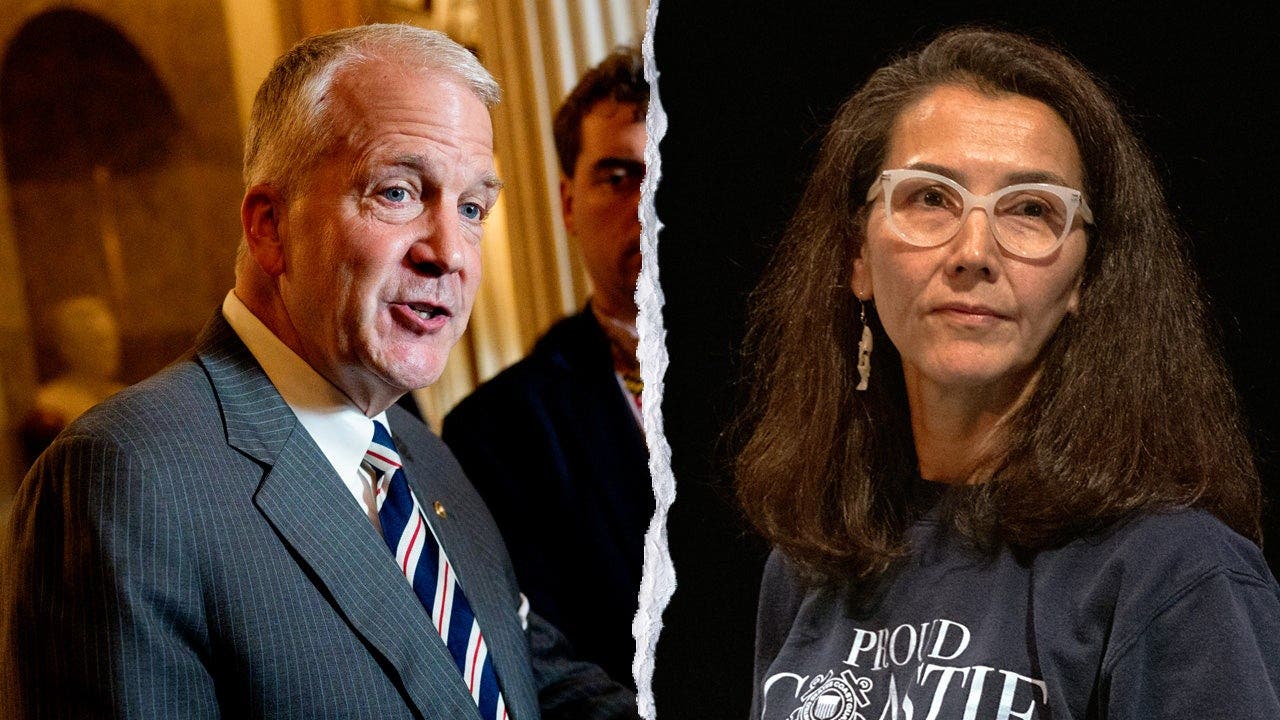
The Department of Justice faces an uphill legal battle in Alaska, where it is trying to convince a federal court that confusion between two Senate candidates with nearly identical names could be enough to delay certification of the election results.
Roughly two weeks before Election Day on Oct. 22, the DOJ filed a federal lawsuit seeking to delay certification if Sen. Dan Sullivan loses and votes cast for another candidate named Daniel J. Sullivan could have changed the result, pending an investigation into whether voters mistakenly selected the wrong candidate.
The DOJ’s complaint stems from a controversy in Alaska where two individuals by the name of Dan Sullivan, one a retired schoolteacher and the other the state’s incumbent senator, appear alongside each other on the state’s ballots. Although Alaska has traditionally been a Republican stronghold in Senate elections, the state’s race could carry greater national significance this year as Republicans seek to defend their narrow Senate majority.
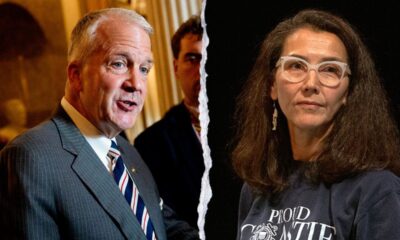
The New York Times reported Wednesday that the campaign of Mary Peltola, the Democrat running for Senate in Alaska, reportedly worked with operatives to recruit another Dan Sullivan to run for Alaska’s Senate seat, hoping voter confusion would draw support from the incumbent Republican senator. Citing interviews, text messages and documents prepared for a potential lawsuit, the Times reported that the effort also targeted other potential spoiler candidates, despite the Peltola campaign’s repeated denials of involvement in the second Sullivan’s candidacy.
TODD BLANCHE CHALLENGES DANA BASH FOR ONLY CITING PART OF CONSTITUTION DURING HEATED ELECTION CLASH
learned Wednesday that federal prosecutors are conducting an «aggressive criminal investigation» into how the second Sullivan secured a spot on Alaska’s ballot, according to two sources familiar with the probe. Investigators are preparing grand jury subpoenas and examining potential violations of voters’ rights, with the investigation expected to continue beyond Election Day. The DOJ declined to comment.
On Sunday, Peltola’s campaign and the Democratic Senatorial Campaign Committee filed a proposed motion to dismiss the Justice Department’s lawsuit, arguing that the federal law cited by the DOJ governs voter registration, not candidate eligibility or ballot design. They also urged the court to resolve the case before Election Day.
Conservatives have argued that two similar names on the same ballot could possibly lead to voters who would prefer to reelect the state’s Republican senator accidentally voting for the retired school teacher. Opponents of the effort to remove Daniel J. Sullivan from the ballot argue that sharing a name with an incumbent is not grounds for disqualification and that Alaska’s ranked-choice voting system allows voters to rank both candidates, potentially limiting the effects of mistaken selections.
Alaska’s Division of Elections initially sided with conservatives, disqualifying Sullivan the schoolteacher by finding that his candidacy was not a genuine, good-faith bid for office but instead was designed to confuse voters into mistaking him for the senator. Alaska Superior Court Judge Thomas Matthews overturned the decision in June, holding that the Division of Elections had no authority to void a candidacy on that basis.
Alaska’s general election ballot identifies the incumbent as «Sullivan, Dan S.,» with Republican and incumbent designations, while listing the other candidate as «Sullivan, Daniel J. Jr.,» without a party affiliation, a measure some argue is enough to clear up potential confusion. Lawyers at the Justice Department, however, remain unconvinced.
Although Attorney General Todd Blanche has suggested that officials could examine ranked-choice ballot patterns for signs of confusion, the Justice Department has not explained how those patterns could establish that individual voters mistakenly selected the wrong candidate. Voter privacy protections pose a major obstacle to a potential federal case, as it would be nigh impossible to tie specific voters to specific ballots to serve as evidence of confusion.
ALASKA HAS A VOTING SYSTEM LIKE NO OTHER STATE; REPUBLICANS WORRY IT COULD COST THEM IN NOVEMBER
«This is just the stuff that is just impossible to measure after the fact,» Notre Dame law professor Derek Muller said of the DOJ’s plan to infer voter intentions from anonymous ballots.
Blanche, in interviews with the press, has provided some insight into how he would like the DOJ to go about solving this problem.
«So, because of rank-based voting, voters… they write not just one, not just two, but multiple names on the ballot. And so there are a number of scenarios where it could be obvious that a voter was confused by the way they wrote down candidates,» Blanche told CNN’s Dana Bash.
Blanche’s comments suggest that the Justice Department could examine ranked-choice ballot patterns for potential signs of confusion, although such patterns alone would not establish whether voters intended to support a different candidate.
«It will be obvious from the results and from the ballots that voters were confused, and that could be obvious from the way that they rank the Dan Sullivans or not including a Dan Sullivan on the ballot,» he said in a later interview with CBS.
ALASKA REPUBLICANS SCRAMBLE TO EDUCATE VOTERS ON SUSPECTED DEM PLANT AS ‘BALLOT FATIGUE’ THREATENS RACE
Don Palmer, senior legal fellow for election integrity at the right-of-center Heritage Foundation, told Digital that he feels the Justice Department might have a case if the agency’s lawyers construct it properly. Statistical analysis of ballots alone, he maintains, will likely not be sufficient to convince a judge of the administration’s position.
«You’ll have the opportunity to interview witnesses, do some statistical analysis, and make a decision whether or not the campaign wants to contest the results of the election,» Palmer said. «So it’s actually quite a high standard where you have to bring in witnesses. You can’t generally just prove it with some statistical analysis… the campaign would have to show to the court through statistical and expert testimony, plus witness testimony, plus affidavits, that enough voters were confused, that they made inaccurate choices on what they intended to do. Then and only then could the court determine whether the race should be overturned.»
«If voters voted for the non-Republican Dan Sullivan as their first choice, but voted down ballot for Republicans as their first choice otherwise, that could indicate patterns of confusion whereby voters were looking to vote straight Republican as their first choice and were prevented from doing so because the inclusion of Daniel J. Sullivan on the ballot confused matters,» a spokesman for the America First Policy Institute told Digital.
Ben Hovland, a senior fellow at the left-of-center Center for American Progress and an expert on elections, was more bearish on the DOJ’s prospects.
SEEING DOUBLE: SECOND DAN SULLIVAN ADVANCES, SETTING UP BIZARRE ALASKA SENATE BALLOT
«You’ve never seen a claim like this made under the National Voter Registration Act,» he told Digital. «This is not a matter of federal law. This is a state ballot qualification issue and the Alaska Supreme Court addressed this issue months ago. For the Department of Justice to step in at this point and sort of make this claim, you know, doesn’t appear to be about winning in a lawsuit because it doesn’t seem like there’s any scenario where [they win], this is clearly about trying to sow confusion or sow doubt or set the stage to undermine the results of the election if the administration doesn’t like what the voters will have to say.»
Walter Olson, a senior legal fellow at the libertarian Cato Institute, also isn’t convinced that the Justice Department will be able to get its case off the ground.
«I wouldn’t expect Blanche’s local allies to get very far in this effort unless a federal court rules in favor of his theory that Alaska violated federal (as opposed to state) law by letting the schoolteacher stay on the ballot,» Olson told Digital. «I think the state is likely to beat Blanche in federal court on that point, and that should end the case.»
Alaska has already moved to have the DOJ’s case dismissed.
The DOJ did not respond to a request for comment when reached by Digital on Tuesday.
politics, elections disputes, justice department, voting, elections, midterm elections
INTERNACIONAL
Entre el silencio y la desconfianza, el gobierno de Lula reacciona con cautela a la huída de Flávio Bolsonaro desde la Argentina
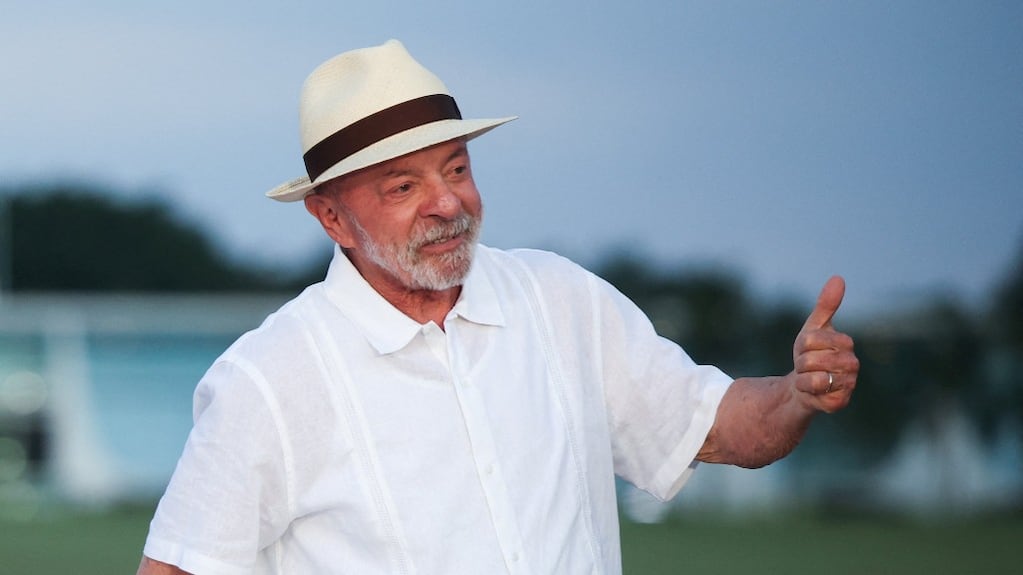
El reelecto presidente brasileño, Luiz Lula da Silva, guarda silencio sobre una eventual participación argentina en el plan de fuga de Flávio Bolsonaro. Prefiere, al menos por ahora, no agravar la ya tensa relación con el gobierno de Javier Milei.
La entrada del derrotado candidato presidencial de derecha y su familia a Puerto Iguazú y su posterior viaje a Estados Unidos en un vuelo privado, volvió a poner la figura del presidente argentino en la mira del Palacio del Planalto, sede de gobierno. Pero Itamaraty, la Cancillería brasileña, se maneja con cautela.
El extenso comunicado divulgado este miércoles por Flávio Bolsonaro desde la Florida parece dejar en evidencia la participación de Milei en su plan de salida de Brasil. En la nota, le agradeció “por su valentía, sentido de justicia y legalidad”.
El gobierno de Lula, fuertemente empoderado tras su histórico triunfo en el balotaje del domingo, analiza ahora cada elemento de la fuga del autoexiliado excandidato presidencial del Partido Liberal que incluyó una “cortina de humo” informativo con la falsa noticia de su salida del país el martes como método de “distracción”.
“Lo primero que se debe comprobar es si hubo un apoyo explícito del gobierno argentino en esta salida de Flávio Bolsonaro. Y en caso de que sea así, obviamente tendremos una reacción del gobierno brasileño”, dijo a TN el analista Lucas de Aragão, socio de la consultora política Arko Advice.
¿Puede agravarse la crisis diplomática?
El silencio parece ser hoy el mejor amigo de la diplomacia bilateral. Ni el embajador brasileño Julio Bitelli ni su par argentino Daniel Raimondi -ambos de regreso a sus países tras la crisis de agosto desatada por las descalificaciones de Milei a Lula- responden a los contactos periodísticos.
Pero el diputado nacional del PT (Bahía) Valmir Assunção habló y dijo a TN que “el gobierno brasileño tiene que seguir ignorando a Milei”.
“Es un gobierno de extrema derecha, que no respeta la democracia, que a lo largo de este período aumentó la pobreza en Argentina y la dependencia con el FMI, con el Banco Mundial y con Estados Unidos”, afirmó.
Además, señaló: “Es un gobierno que no tiene democracia. Un gobierno que, si pudiera, esclavizaría a la población. O sea, no podemos esperar nada de él. Tenemos que aumentar la solidaridad y el apoyo al pueblo argentino. Pero tenemos que seguir ignorando a este gobierno porque es un gobierno que apoya a los golpistas. No podemos tener ninguna relación con este gobierno. Pero con el pueblo argentino sí”, indicó
Mientras tanto, Milei sigue mudo sobre la reelección de Lula.
Al gobierno del viejo líder metalúrgico no le conviene tensar los vínculos bilaterales en este momento. De hecho, la salida de Flávio Bolsonaro significó una noticia positiva para el gobierno izquierdista. La huida no solo contrasta con la posición de Lula que se quedó en el país tras ser acusado de corrupción y pasó 580 días preso antes de ser absuelto por la justicia. También allana el diálogo del oficialismo en el Congreso con la derecha más moderada.
Bolsonaro entró a la Argentina al parecer con sus documentos brasileños. Se cree que lo hizo con su cédula de identidad después que la justicia cancelara su pasaporte. Pero aún es una incógnita cómo sorteó los controles del lado brasileño de la frontera.
El senador pasó a la Argentina “con documentación hábil de viaje sin ningún impedimento legal” a través del puente internacional Tancredo Neves, entre la localidad brasileña de Foz de Iguaçu y Puerto Iguazú, según la AFP. Hizo 1500 kilómetros desde su casa en Brasilia sin que nadie lo notara.
El portal G1 dijo que la parte brasileña no inspecciona a todos los brasileños ni a todos los vehículos nacionales que cruzan esa frontera. Además, Flávio Bolsonaro no tenía un pedido de captura en su contra. Recorrió medio Brasil mientras se ponía en práctica el plan de distracción sobre su paradero.
¿Habrá una reaccion oficial?
El gobierno de Lula esperará ahora para tener más datos sobre si hubo participación argentina en la salida del primogénito de Jair Bolsonaro del país.
“Creo que esto va a quedar en el campo de las palabras, de los cuestionamientos diplomáticos, sin grandes impactos prácticos en la relación entre los países. Principalmente en el área que más importa a ambas naciones, que es la relación comercial”, dijo De Aragão.
Además, el analista afirmó: “Brasil y Argentina tienen estructuras institucionales, burocráticas, que dialogan y están consolidadas. Son dos países que tienen una relación histórica, independientemente de los presidentes, si les gusta o no, si se cuestionan o no. Estas estructuras están preservadas por años y años de personas que trabajan, instituciones que se conectan y conversan con los otros”.
Brasil

La Justicia pospuso una semana las indagatorias de los hermanos Kovalivker en la causa de Andis

Quejas de los consumidores panameños suman más de USD 26.6 millones entre enero y septiembre de este año

Uno por uno, todos los ganadores de los Premios Ídolo 2026

Brasil gana terreno entre los argentinos: los paquetes ya representan el 53% de la demanda

Propiedad privada: se demora en el Senado el dictamen que incluye límites a la venta de tierra a extranjeros

¿Quién es el Riquelme que anotó un gol para el Inter Miami de Messi?

Medios brasileños afirman que Flávio Bolsonaro escapó del país y está en vuelo a Estados Unidos

CFK, Axel Kicillof, Sergio Massa y otros referentes del PJ celebraron el triunfo electoral de Lula da Silva

Edgerunners 2 ha vuelto a poner a David Martinez en el centro de la conversación. Su showrunner tiene algo que aclarar sobre su destino

El boom de Vaca Muerta no para: aporta más del 70% del crudo y empuja a la Argentina hacia el millón de barriles diarios

 INTERNACIONAL1 día ago
Medios brasileños afirman que Flávio Bolsonaro escapó del país y está en vuelo a Estados Unidos
- DEPORTE3 días ago
Jugó un Mundial con la Selección, el Dibu le regaló sus guantes y apunta a enfrentar a Messi
- POLITICA3 días ago
El acusado de amenazar a Waldo Wolff reconoció el delito, pidió disculpas en un video y visitará dos museos