INTERNACIONAL
Un marino estadounidense fue detenido por el crimen de una mujer en Okinawa y EE.UU. suspendió sus operaciones en la base militar

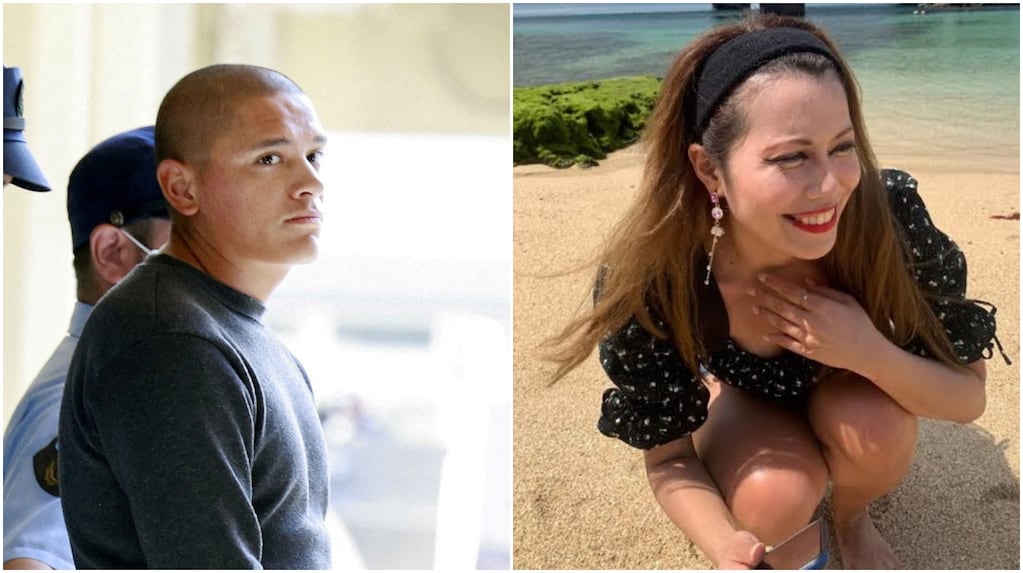
Un infante de la marina estadounidense de 20 años, destinado en la Base Aérea de Futenma, fue arrestado en Okinawa por el presunto asesinato y robo a una mujer local de 39 años en un hotel de Naha, la capital de la isla.
El crimen ocurrió el sábado a la madrugada y volvió a poner en el centro del debate la fuerte presencia militar de Estados Unidos en la región.
Según informó la policía de la prefectura de Okinawa, el joven militar, Devin Jacob Ballard, es sospechoso de haber estrangulado a la víctima, Anna Yagi, y de haberse llevado su cartera y su mochila.
Las cámaras de seguridad del hotel registraron al hombre entrando junto a la mujer y saliendo solo poco después. El cuerpo fue encontrado en la habitación y, de acuerdo a la agencia Kyodo, la causa de muerte habría sido asfixia.
Un agente detuvo al sospechoso tras verlo caminando solo por el distrito de entretenimiento de Naha, horas después del crimen.
“Perdimos a un miembro de nuestra familia y estamos abrumados por el dolor. Nuestros padres, en particular, están devastados”, dijo el hermano mayor de Yagi en un comunicado, según el diario Mainichi.
En virtud del Acuerdo bilateral sobre el Estatuto de las Fuerzas Armadas, Japón tiene el derecho primordial de ejercer jurisdicción sobre los delitos cometidos por personal militar estadounidense fuera de servicio.
El Cuerpo de Infantería de Marina de Estados Unidos confirmó que el sospechoso está asignado a la III Fuerza Expedicionaria de Marines en Okinawa y aseguró que coopera plenamente con la investigación.
“El Cuerpo de Marines se toma estas acusaciones muy en serio y espera que cada infante de marina se adhiera a los más altos estándares de conducta”, señalaron en un comunicado.
Fuerte repudio de las autoridades locales y nacionales
El caso generó una ola de indignación en Okinawa, donde la convivencia con las bases estadounidenses es un tema sensible desde hace décadas.
El gobernador Genta Koja expresó: “El caso estremeció y llenado de miedo a los okinawenses, que ya están obligados a vivir junto a bases de Estados Unidos. Es absolutamente imperdonable y estamos indignados”.
Koja también cuestionó la efectividad de las medidas disciplinarias y educativas implementadas por el ejército estadounidense tras incidentes previos: “Debo decir que la disciplina y la educación de las tropas no están funcionando en absoluto”.
La primera ministra Sanae Takaichi calificó el crimen como “extremadamente lamentable” y aseguró que su gobierno protestó enérgicamente ante las autoridades estadounidenses, exigiendo máxima cooperación en la investigación y medidas más estrictas para evitar nuevos delitos.
Por su parte, el ministro de Exteriores Toshimitsu Motegi convocó al embajador estadounidense George Glass para transmitirle la “indignación” del gobierno japonés. Glass, a través de sus redes sociales, expresó sus condolencias a la familia de la víctima y afirmó que Estados Unidos está colaborando con las autoridades japonesas.
EE.UU. prohibió el alcohol e impuso un toque de queda a sus tropas en Okinawa
El Ejército de Estados Unidos anunció a última hora del martes medidas que incluyen un toque de queda durante un mes a las tropas desplegadas en Okinawa.
El coordinador del área de Okinawa de las Fuerzas Armadas de Estados Unidos en Japón, Benjamin Watson, publicó un comunicado en redes sociales en el que indicaba que el toque de queda estará en vigor desde la medianoche hasta las 05:00 hora local durante 30 días a partir de este viernes.
Además, desde este miércoles el cuerpo castrense aplicará una “pausa operativa” de 48 horas denominada “periodo de capacitación”, durante la cual “no habrá permisos para salir de la base, incluyendo una prohibición total del consumo de alcohol dentro o fuera de la base”.
Watson señaló que “incidentes como este exigen” una “pausa para reflexionar” sobre la disciplina, las normas y la alianza con Japón, subrayando que estar de servicio en Okinawa conlleva responsabilidad y que “cada miembro debe comprender que la conducta individual tiene consecuencias”.
“Vivimos, trabajamos y nos relacionamos con la población de Okinawa; su hogar es también el nuestro. Cada interacción con nuestros vecinos fortalece o socava la confianza que es esencial para nuestro equipo. Cuando esa confianza se daña, afecta a la solidez de nuestra alianza y la seguridad de esta región”, expresó.
Un conflicto histórico por la presencia militar en Okinawa
En Japón hay unos 50.000 soldados estadounidenses, la mitad de ellos en Okinawa, una isla estratégica para la alianza militar entre ambos países en el contexto de las tensiones con China.
Sin embargo, la presencia de las bases fue motivo de quejas constantes por parte de los habitantes locales, que denuncian ruido, contaminación y delitos vinculados a los militares.
La base de Futenma, ubicada en una zona densamente poblada, fue durante años un foco de conflicto. Aunque el gobierno central autorizó su traslado a Henoko, en la costa oriental de la isla, el proyecto enfrenta demoras y resistencia social.
El caso más recordado ocurrió en 1995, cuando la violación de una nena de 12 años por tres militares estadounidenses desató protestas masivas.
En 2008, un militar estadounidense agredió sexualmente a una estudiante de secundaria dentro de un auto.
En 2016, un empleado civil del ejército estadounidense mató a una oficinista de 20 años que estaba dando un paseo.
En 2023, un miembro de las fuerzas armadas estadounidenses secuestró y agredió sexualmente a una niña, recordó The Japan Times.
Según la policía prefectural, el año pasado se registraron más de 100 arrestos relacionados con militares norteamericanos y sus familias. La reiteración de delitos sexuales y la demora en la divulgación de algunos casos profundizaron profundizado el malestar en la población.
Japón, Asesinato, Estados Unidos







INTERNACIONAL
Crece el rechazo a la inteligencia artificial en las universidades de Estados Unidos: los argumentos de estudiantes y profesores
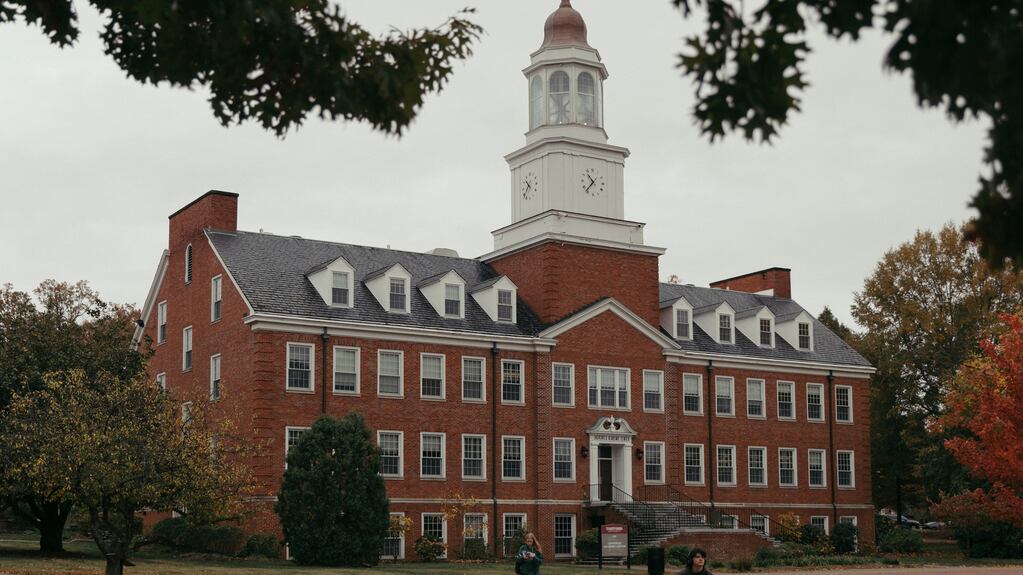
En marzo, estudiantes de la Universidad de Transilvania lanzaron una petición para intentar frenar el avance de la inteligencia artificial en el campus. En ella se pedía a la administración que cancelara las licencias de los chatbots con los gigantes de la IA y que mejor se invirtiera el dinero en una “educación enfocada en el ser humano”.
Aproximadamente un tercio de los estudiantes de la universidad la firmaron.
Transilvania, en Lexington (Kentucky), es una universidad muy pequeña, con menos de 1000 estudiantes. Sin embargo, tanto en Estados Unidos como en el resto del mundo, ha surgido una ola de resistencia universitaria contra la IA, impulsada en parte por un creciente grupo de objetores de conciencia que se niegan por completo a utilizarla.
Las encuestas indican que la gran mayoría de los estudiantes estadounidenses usan chatbots para sus tareas académicas. Por su parte, las autoridades universitarias han recibido con los brazos abiertos la IA, argumentando que es clave para preparar a los estudiantes para el mercado laboral.
No obstante, a medida que crece el uso de la IA, cada vez más estudiantes y profesores encienden las alarmas e intentan frenarla.
Gran parte de la oposición viene de la izquierda política y se centra en cómo la IA podría dañar el medio ambiente, restar poder a los trabajadores o utilizarse con fines bélicos. Algunas de las voces más críticas de la oposición estudian arte –donde la creatividad humana es fundamental– o derecho, ya que las empresas tecnológicas enfrentan demandas por posibles violaciones a los derechos de autor y a la privacidad.
También existe una profunda preocupación de que la IA empobrezca la misma experiencia universitaria al eliminar el esfuerzo constructivo que supone el aprendizaje.
Desde California hasta Sidney y París, los opositores publican cada vez más manifiestos en los que plantean sus exigencias: que las universidades no se asocien con empresas de IA; que no se obligue a los profesores a usar IA generativa en las clases o a la hora de calificar y que se permita a los estudiantes negarse a realizar tareas que requieran el uso de chatbots, sin que esto afecte sus calificaciones.
Times
INTERNACIONAL
Hakeem Jeffries wins overwhelming Speaker-designate vote as progressives’ revolt falls flat
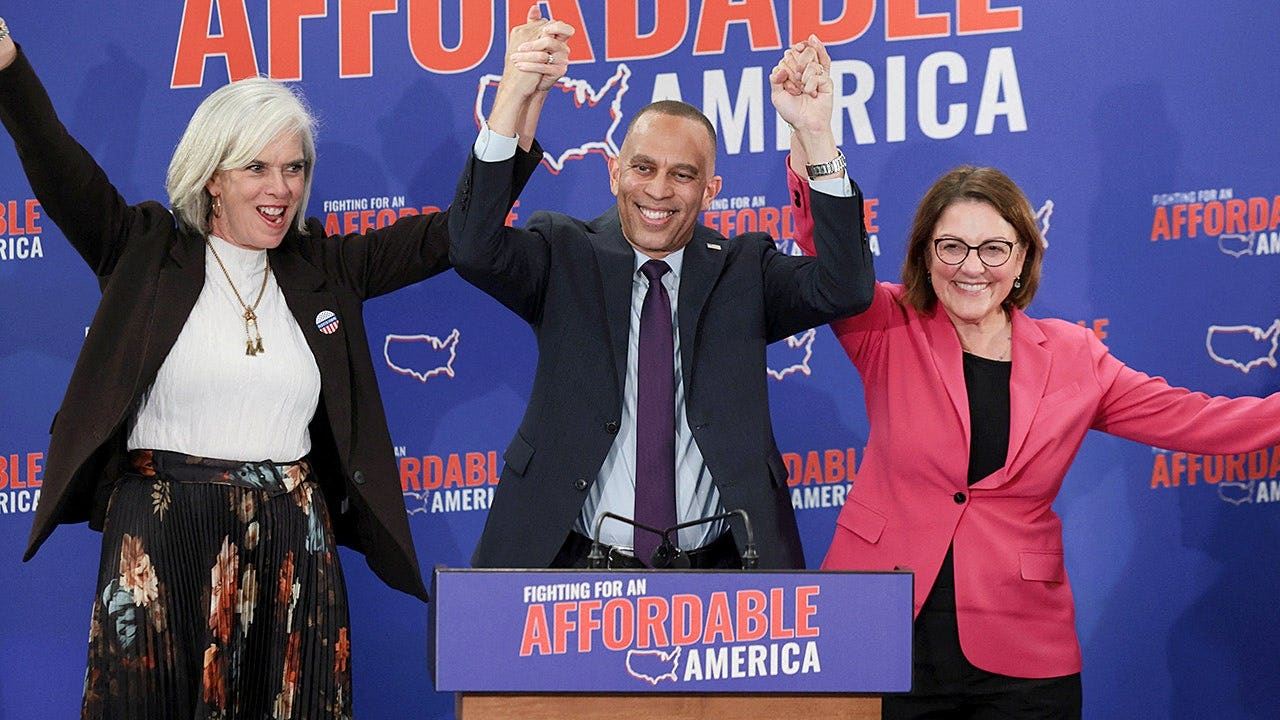
Democrats are fretting that the «Bloc» of progressives will lug House Democrats to the left.
But, there is strength in numbers.
Yours truly wanted to understand just how much sway progressives might have over the House Democratic Caucus. Look no further than Wednesday morning’s vote for speaker.
No one challenged House Minority Leader Hakeem Jeffries (D-N.Y.) to become speaker-designate in the internal caucus vote.
It’s about the math.
Jeffries marshaled 251 of the 262 secret ballots cast. The recorded vote revealed that despite all of their noise and clamor, extreme progressives really don’t have much juice compared to the rest of the Democratic Caucus. In fact, rank-and-file Democrats crushed their progressive colleagues.
Democrats did not vote by name. But numbers say a lot. While the recorded vote could have revealed potential craters of dissent among Democrats and questions about Jeffries, the tally registered the opposite. It showed just how diminutive the hard left is in the Democratic Caucus.
JEFFRIES BRUSHES OFF OPPOSITION FROM FAR-LEFT DEMS WHO VOTED NO: ‘WE’RE GOING TO WORK TOGETHER’
Do they exude an outsized political voice? Yes. But success in Congress is measured in numbers. And at least on Wednesday, the numbers signaled few results for the Bloc and a show of unity among Democrats.
«With the majority as big as it is, it’s going to be very hard for anybody to try and hold our group of hostage,» forecast Rep. Tom Suozzi (D-N.Y.).
«We’re going to work together to find the highest common denominator in order to make life better for the American people,» said Jeffries.
With more than 260 likely members in the Democratic Caucus, the Bloc wasn’t a factor on the first vote which mattered.
In January, Jeffries becomes the 57th person and the first Black speaker to grip the gavel. Members of the Congressional Black Caucus celebrated the ascendency of their colleague.
«I’ve been thinking about (the former Rep.) John Lewis (D-Ga.) a lot this week,» said former House Majority Whip and Rep. Jim Clyburn (D-S.C.), invoking the civil rights figure. «This is a very surreal moment for me.»
Clyburn spoke on behalf of Jeffries’ candidacy in the caucus, declaring that the path for the New York Democrat to the speakership makes him «feel vindicated.»
«As a Black woman from the South, having the next speaker of the House to be a Black man means a lot to me,» said Rep. Nikema Williams (D-Ga.).
Rep. Jonathan Jackson (D-Ill.) is the son of late Rev. Jesse Jackson. I asked what Jackson’s father would think of Jeffries rising to the speakership.
«He’d be more than happy to see America making progress. This is what the world looks like. This is what America looks like,» said Jackson.
WATCH: JEFFRIES FACES UNCERTAINTY FROM INCOMING DEMOCRATS AS HOUSE SPEAKER VOTE APPROACHES
But let’s filet the caucus vote for speaker to understand what unfolded with 11 Democrats who withheld their support from Jeffries.
Representative-elect Don Leonard (D-Ohio) is a populist in a district which President Trump won by 10 points in 2024. Leonard defeated Rep. Mike Carey (R-Ohio). The district Leonard flipped in central Ohio is a long way politically from left-leaning districts in New York City and New Jersey where renegade members of the Bloc refused to cast their ballots for Jeffries.
«What we need is a commitment from the speaker to get a 28th Amendment passed in 2028, to end Citizens United, end the corruption and call a vote on U.S. military aid to Israel,» said Leonard. «If he does those things, he’s got my vote.»
Seven of the progressives published a joint statement, demanding commitments from Jeffries to stop ICE and end «genocide in Gaza.»
The seven declared they saw «meaningful progress» in their talks with Jeffries. But since those negotiations continue, «our vote in caucus today was no» against Jeffries.
Despite repeated efforts, none of the seven spoke to Fox.
But what’s remarkable is that two of the seven withholding their support hail from Jeffries’ hometown, New York City. One is Representative-elect Claire Valdez (D-N.Y.) — who will represent a wide swath of Brooklyn and Queens. The other is Representative-elect Darializa Avila Chevalier (D-N.Y.). That district comprises parts of Upper Manhattan and The Bronx.
Your trusty reporter tried to understand what the dissent meant.
«How are their districts different than yours, being next door?» I asked Jeffries.
He deflected.
«The numbers speak for themselves,» said Jeffries.
I tried again.
«But those districts — are they that different from what you represent? And yet they weren’t willing to vote for you, Mr. speaker-designate?»
No response.
The lack of support for Jeffries from the dissidents annoyed Rep. Marilyn Strickland (D-Wash.).
«This idea that Hakeem Jeffries has not earned this is completely absurd. He has worked hard. He’s done everything he needed to do,» said Strickland.
Rep. Nydia Velázquez (D-N.Y.) is retiring at the end of this Congress. She opposed Valdez as her successor. She was bewildered that Valdez and Avila Chevalier wouldn’t support their hometown, Big Apple Congressman for speaker.
«My advice to them is take the time to know how this institution runs and what it takes to be successful here,» said an agitated Velázquez.
Rep. Joe Morelle (D-N.Y.) served with Jeffries in the state legislature. He argued that Valdez and Avila Chevalier made a mistake.
«They’re going to have to answer to their constituents,» said Morelle. «I think they should have been with Hakeem Jeffries who’s led us to this historic majority.»
And if you aren’t on the team in politics, the team also isn’t on you.
«It is a small group that marginalized themselves,» said Rep. Henry Cuellar (D-Texas) about the holdouts.
However, Representative-elect Dan Koh (D-Mass.) saw it differently.
«They all got elected with very different constituencies. A lot of them have different priorities,» said Koh. «There are things that their constituencies have demanded. And they want to make sure have the audience of the leader.»
Rep. Greg Landsman (D-Ohio) believed there was strategy in the dissent.
«They probably chose to do this because it’s a way of lifting up their issues,» said Landsman.
And keep in mind, this wasn’t the actual vote for speaker. That comes on the floor in January. It’s a win-win for Jeffries and the holdouts if they forge an accord. He promises them certain votes. And they can then tout what they extracted from the next speaker.
This is politics.
But let’s put the 11 defections into context.
Democrats flipped the House in 2018. In the internal caucus election, former House Speaker Nancy Pelosi (D-Calif.) lost 32 votes. In the vote for speaker in January 2019, 12 Democrats voted for someone else. Three members voted present.
«Nancy Pelosi will be remembered,» said Rep. Jared Moskowitz (D-Fla.). «And the 30 people who voted against her will not be remembered.»
Jeffries will go down in the history books as the first Black speaker. The holdouts? They’re freshmen. As Moskowitz suggests, we’ll see if anyone recalls them in a few years.
politics, congress, house of representatives, the squad, democrats elections

NEWYou can now listen to Fox News articles!
Ukrainian President Volodymyr Zelenskyy is calling on the U.S. to quickly organize talks with Russia with the full participation of European negotiators and advisors in what would mark a first-of-its-kind meeting.
He made the call Thursday after meeting with several U.S. and European leaders in Berlin at the Coalition of the Willing summit, which focused on security guarantees aimed at deterring future Russian aggression. During the meeting, U.S. special envoy Jared Kushner announced that Moscow and President Donald Trump had agreed to a multilateral negotiating format involving Europe.
«We are counting on the American side to help organize the first multilateral meeting at the team level, with full European participation, as soon as possible,» Zelenskyy said.
The push signals an effort to prevent Europe and Kyiv from being sidelined in U.S.-Russia talks.
KUSHNER, WITKOFF SET FOR KYIV TALKS AFTER PUTIN MEETING IN US PUSH FOR PEACE
Ukrainian President Volodymyr Zelenskyy on Thursday met with European leaders and U.S. envoys Jared Kushner and Steve Witkoff in Berlin to discuss security guarantees and efforts to end Russia’s war in Ukraine. (@ZelenskyyUa/X)
«From the very beginning, Ukraine has advocated for this approach — maximum coordination among us on everything concerning European and Ukrainian security and our future,» Zelenskyy said.
«We need to work quickly, and this is the only approach Ukraine is taking. The more actively the discussions move forward, the greater the chances of achieving real progress.»

British Prime Minister Andy Burnham, Ukrainian President Volodymyr Zelenskyy, German Chancellor Friedrich Merz, French President Emmanuel Macron and U.S. envoys Jared Kushner and Steve Witkoff attend a press conference during a Ukraine summit in Berlin Nov. 19, 2026. (Nadja Wohlleben/Getty Images)
According to Kushner, Russia agreed to the expanded negotiating format, including a recent breakthrough on prisoner exchanges.
«Russia has agreed to engage in the multilateral format with the Europeans. Part of that was us explaining to the Russians that we do believe that Russia having Europe at the table will be essential to ending this war in a just and long-term, durable way,» Kushner said.
«There’s going to be thousands of prisoners of war who will be going home to their families in the next weeks, which will be, obviously, a great gesture and a great relief for people.»
FRENCH TROOPS SECRETLY DEPLOYED INSIDE UKRAINE AS EX-NATO CHIEF PRAISES MACRON’S ‘GUTS’

Jared Kushner said Russia has agreed to multilateral Ukraine war talks involving Europe. (@ZelenskyyUa/X)
He added that President Donald Trump will not impose a unilateral deal but will work with allies to finalize postwar security guarantees.
«President Trump wants to make a deal with Europe by his side. He’s not looking to impose anything unilaterally,» Kushner said.
«Our goal is really to end this war and to really help build a durable peace. We are very committed. President Trump will do whatever it takes to do that.»
ukraine, wars, conflicts, russia, donald trump, the european union

Crece el rechazo a la inteligencia artificial en las universidades de Estados Unidos: los argumentos de estudiantes y profesores

Con un beneficio al kirchnerismo, Villarruel designó a los senadores para el Consejo de la Magistratura – Nexofin

La final del Mundial 2030, en juego: Marruecos se prepara para el examen de la FIFA

Di Tullio apuntó contra Bullrich: “Hay que ser cobarde y miserable para reprimir a personas con discapacidad”

Hakeem Jeffries wins overwhelming Speaker-designate vote as progressives’ revolt falls flat

Zelenskyy presses US for expanded Russia talks as Kushner announces breakthrough

Milei dijo que el riesgo país sube por el miedo a "Orcolandia" y afirmó: "Los argentinos no van a votar hacia el pasado"

Encontraron muerto a un trabajador en el Observatorio de La Plata

Se agudiza la suba de tasas y se complica la economía mundial

Feroz escándalo con Wanda Nara en su interminable pelea con la China Suárez: «Ya saben cómo se hizo famosa, te desnudabas en…»

 POLITICA3 días ago
Milei dijo que el riesgo país sube por el miedo a "Orcolandia" y afirmó: "Los argentinos no van a votar hacia el pasado"
- POLITICA18 horas ago
Javier Milei y sus medidas, en vivo: “Hoy discutimos si crecemos un punto más o menos”, dijo el Presidente
- INTERNACIONAL3 días ago
Caída de sistemas, fallas y sospechas: qué hay detrás de la suspensión del tráfico aéreo y los problemas en los bancos de EE.UU.