INTERNACIONAL
Neighborhood backlash collides with America’s tech arms race — but is this the plan to fix it?

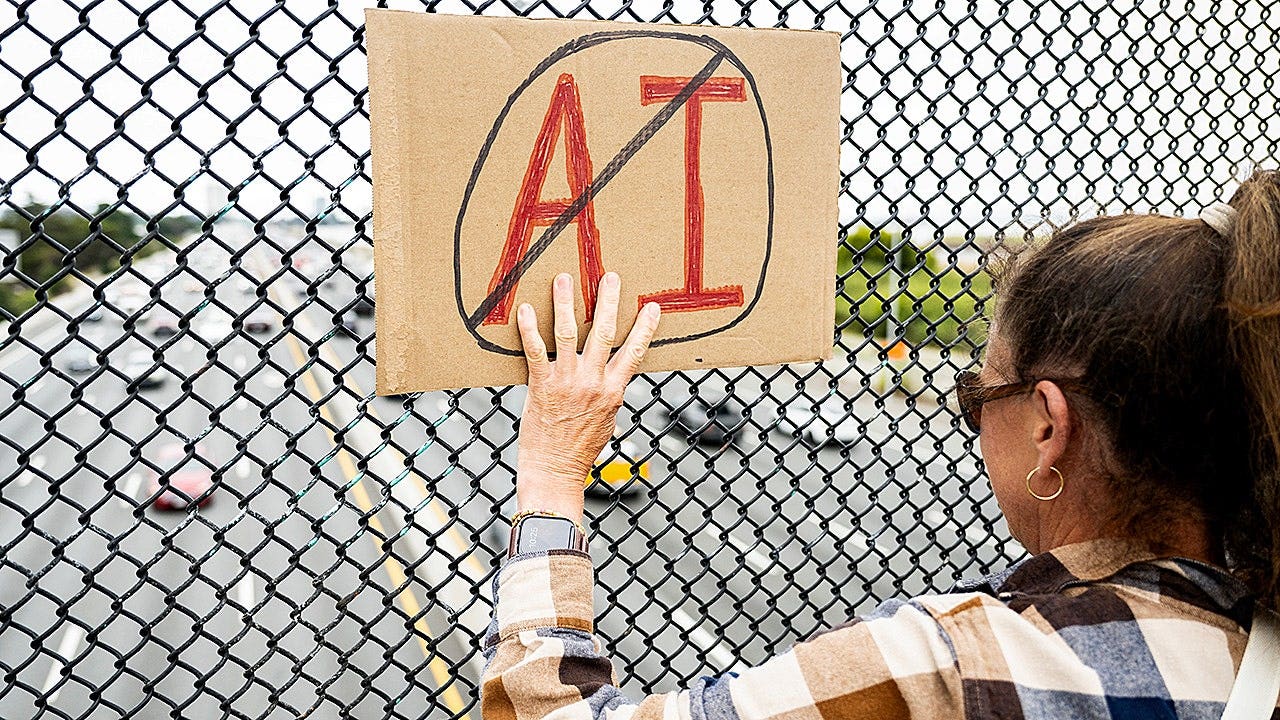
A national security push to expand the infrastructure behind America’s technological ambitions is running into resistance from the communities being asked to host it, pitting Washington’s race to stay ahead of China against mounting local backlash.
Rep. Suhas Subramanyam, D-Va., who represents America’s «Data Center Alley,» warns that backlash could obstruct the very buildout Washington considers a national priority unless Congress steps in — arguing that community buy-in is necessary to keep expansion moving.
«The communities are being steamrolled by the industry,» Subramanyam told Digital. «They’re not feeling like anyone’s listening to them.»
Subramanyam is pitching a four-part federal plan aimed at breaking what he sees as a false choice between unchecked development and outright moratoriums. The proposal addresses siting, power costs, energy and water measurement, and security for the facilities and surrounding communities.
TRUMP’S DATA CENTER PUSH FRACTURES CONGRESS AS LOCAL ANGER EXPLODES: ‘GRASPING AT STRAWS’
«If you are concerned about a race with China, when it comes to building data centers and AI, you should want to work with us on a plan to get community buy-in for where to build data centers,» Subramanyam said.
His Fair Share Act would push states to require large power users to cover more of the infrastructure costs needed to serve them, according to the plan.
HOMEOWNERS IN THE HEART OF AMERICA’S AI BOOM ARE GETTING AN UNEXPECTED PAYOFF
«At the federal level, if we say that we’re going to take away some of your federal funding if you do this, then it will be a no-brainer,» he said, arguing data centers should «pay their fair share for the infrastructure that needs to be built because of them.»
The tension surfaced again this week as Digital reported on complaints of noise and encroachment from a massive data center built against an Ashburn cul-de-sac.
Subramanyam said many residents in his district understand the need for the infrastructure but object to how he says its costs and burdens are distributed.
Loudoun County says data center revenue has helped it lower its real-property tax rate, from $1.145 per $100 of assessed value in 2016 to $0.805 in 2026, according to the county.
But Subramanyam argued residents must weigh those benefits against costs he says can appear elsewhere, particularly on utility bills.
«What’s not OK is feeling like they come in, jack up utility costs and we pay for their power infrastructure,» he said, also citing water, air quality and other community concerns.
The industry disputes that data centers are driving higher residential power bills. The Leesburg-based Data Center Coalition has cited a recent analysis by energy consulting firm E3 that found no historical evidence that data centers increased residential electricity costs under existing rate structures.
Digital reached out to the trade group, which is based in Data Center Alley, for comment on the package.
Subramanyam argues infrastructure with national implications cannot continue developing «ad hoc» under a patchwork of state and local rules.
CHINA ‘THROWING GASOLINE ON THE FIRE’ IN AI DATA CENTERS RACE, SAY LAWMAKERS
Other pieces of the plan would establish federal standards for siting and measurement and develop protections against security threats, including attacks on critical infrastructure overseas.
«I know that localities do zoning, states do energy policy and other related things, but Congress and the federal government need to get involved,» Subramanyam said.
AMERICA’S REDDEST STATE CHASES BILLION-DOLLAR BOOM AS OTHERS SOUR ON MASSIVE EMERGING INDUSTRY
Those concerns have also become a focus of state action. Gov. Abigail Spanberger unveiled a September framework aimed at strengthening local control, shifting more infrastructure costs onto major power users and setting new standards for water use and grid reliability.
«In the years before I took office, data centers came to Virginia, and the commonwealth did not have a clear or coordinated plan to address their impacts on Virginians — on their electric bills, their water, their land, their air, or their quality of life,» Spanberger told Digital.
Leaders across the political spectrum, from Spanberger to Texas Republican Gov. Greg Abbott, have crafted plans and emphasized the issue’s importance on multiple fronts.
Just across the Blue Ridge, West Virginia has taken a different approach, creating a microgrid program designed to attract large projects. Critics have raised concerns about limits on local government powers, while proponents have mapped out potential property tax elimination.
Jefferson County stakeholders recently debated the issue with the state’s data-economy liaison at a forum in Shepherdstown, where county Commissioner Cara Keys criticized the potential loss of local control while the liaison maintained that project approvals would be handled judiciously, according to WVMetroNews.
«Two things can be true: You can support data centers, and you can be against the guardrails lacking in [the law],» Keys said.
SIGN UP TO GET THE POLITICS NEWSLETTER
For Subramanyam, the sharply different approaches on either side of the Blue Ridge illustrate the patchwork he says Washington must address before local resistance hardens further.
«The only plan I’ve seen is either to do nothing or a full moratorium,» he said. «And to me, neither of those is a viable option moving forward.»
national security, domestic policies, virginia, congress, state and local, politics, big tech backlash, infrastructure across america











INTERNACIONAL
Lula da Silva se impuso en Brasil: las causas de una remontada histórica que sorprendió al mundo

La izquierda regional respira. Luiz Inácio Lula da Silva consiguió lo que hasta hace un mes se vislumbraba imposible y ganó el balotaje de este domingo frente a su rival de derecha dura, Flávio Bolsonaro.
Lula asumirá el 5 de enero próximo, con 81 años que cumplirá el martes, un nuevo período de cuatro años de gobierno. Su reelección sorprendió a todos.
Fue una elección cambiante que dejó perplejo al “bolsonarismo”. Lula tomó la delantera, Bolsonaro lo dio vuelta y al promediar el conteo de la mitad de los votos, el actual presidente volvió a liderar el escrutinio hasta el final.
El tres veces presidente de Brasil tendrá su cuarto mandato no consecutivo. La izquierda regional logró mantener su último gran bastión ideológico ante lo que parecía un avance irrefrenable de la derecha más radical en Sudamérica.
Escrutados más del 96% de los votos, Lula obtenía el 51,74% de los votos frente al 48,26% de su rival del Partido Liberal.
¿Por que ganó Lula?
Pero, ¿cómo fue que Lula logró dar vuelta el resultado de la primera vuelta, en un hecho que jamás se había producido desde el regreso de la democracia en Brasil?
El analista Marco Teixeira, de la Fundación Getúlio Vargas, habló con TN sobre los motivos de esta “virada” en apenas tres semanas tras el triunfo de Bolsonaro por dos puntos sobre Lula (47% a 45%) en el primer turno del 4 de octubre.
“Hay tres factores. Primero, el Partido de los Trabajadores (PT) calibró la campaña y priorizó el mundo digital como una forma de movilizar las calles. El mérito fue del diputado Janones (André Luis Gaspar Janones)”, dijo.
Janones es un influencer conocido como el rey de las redes sociales. En las últimas tres semanas convirtió una campaña analógica en otra digital de enorme penetración electoral.
A los 42 años, este legislador de Minas Gerais logró crear lo que denominó “el ejército de Lula” con 10 millones de fieles seguidores digitales que sacaron al viejo líder progresista del letargo y de una campaña anquilosada y antigua. La campaña cambió y la izquierda logró posicionarse y competir como no lo había hecho en la primera vuelta.
Silva
INTERNACIONAL
Israel drills for surprise attack with massive military exercise as expert invokes 1973 war
NEWYou can now listen to Fox News articles!
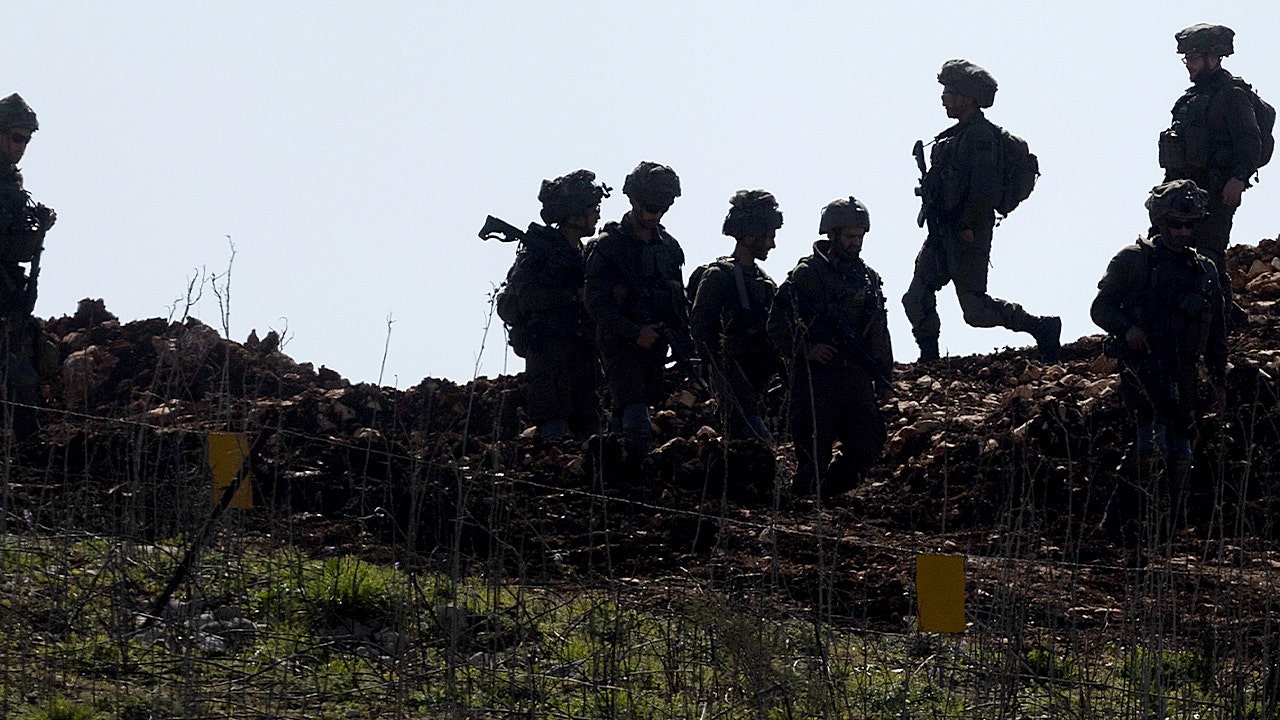
The Israeli military launched large-scale domestic military exercises on Sunday to counter surprise border infiltrations and ground raids across northern and central Israel, mobilizing multiple divisions and air assets amid rising regional tensions.
The drills, set to continue over 48 hours, came as an Israeli security expert invoked the 1973 Yom Kippur War, when Egypt and Syria used exercises to disguise preparations for a surprise attack, warning that escalating tensions in the region could in fact trigger what he described as a «dangerous miscalculation.»
The large-scale maneuvers, the IDF said, involve the Northern Command’s 210th Division, the West Bank Division, and the Central Command’s 98th and 96th divisions, alongside the Israeli Air Force.
IRAN TARGETS US WITH PSYCHOLOGICAL WARFARE CAMPAIGN TO MANIPULATE AMERICANS, EMBARRASS TRUMP: EXPERTS
The military exercise is not against Iran directly but against Iran’s proxies and allies at the border of Israel, analysts said. ( Jalaa MAREY / AFP via Getty Images)
The exercise, scheduled just ahead of Israel’s elections Oct. 27, aims to «maintain the forces’ alertness and readiness, strengthen the ability to defend communities, and make full use of aerial capabilities for defense in the area,» according to the IDF.
On Friday, the IDF said troops would practice «a variety of scenarios, including a surprise attack and infiltration into Israeli territory by air and land,» incorporating lessons learned from the Oct. 7, 2023, Hamas-led attacks on Israel.
«This exercise is mostly about non-state actors with or without Iranian support,» Israeli national security analyst Dr. Ehud Eilam told Fox News Digital.
«It’s aimed at those in Syria, Lebanon, and Jordan who might try to infiltrate into Israel or send ground raids. Some are supported by Iran; others are not. It could be planned by Iran or be a local initiative.»
NETANYAHU PRAISES TRUMP’S ‘WICKED SENSE OF HUMOR,’ DEFENDS IRONCLAD ALLIANCE AHEAD OF HISTORIC ISRAEL VOTE
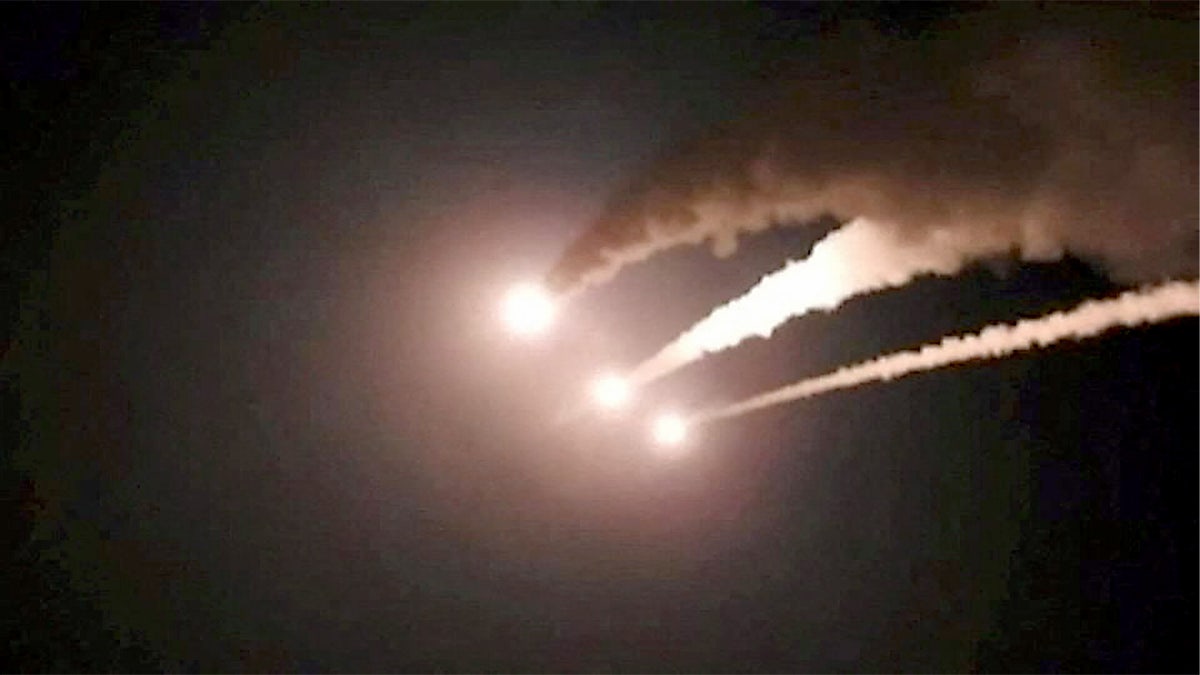
Iranian missiles are seen targeting Israel during the recent conflict. (Pool via WANA/Reuters)
«This is a massive exercise, the biggest one in recent years, aimed at protecting the borders,» the former Israeli Ministry of Defense researcher added.
«It’s all about making sure that the election day on October 27 will run smoothly. It’s also a message to Iran and others: don’t try to provoke us during election day, so nothing will be disrupted.»
The Israeli drills followed a show of force by Tehran days earlier, during which the Islamic Revolutionary Guard Corps (IRGC) fired roughly 30 ballistic missiles across two distinct weapon classes, according to reports.
That live-fire display highlighted Iranian strike capabilities and sparked renewed alerts about commercial shipping in the Strait of Hormuz and prompted the Israeli military to heighten its alert level while maintaining maximum readiness for a targeted strike against Iran.
TRUMP IS DISMANTLING IRAN’S WAR MACHINE, BUT AMERICA STILL NEEDS AN ENDGAME
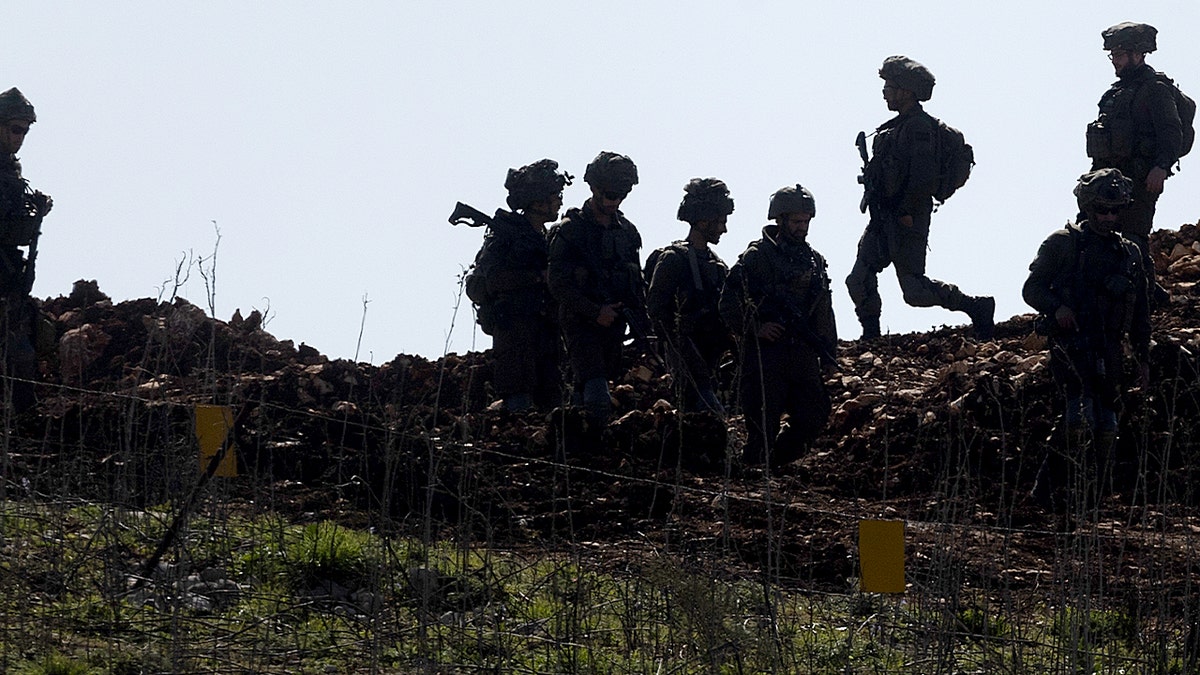
The IDF is practicing surprise attack and infiltration scenarios using lessons from the Oct. 7, 2023, assault. (Amir Levy/Getty Images)
During a visit to the IDF’s Central Command on Wednesday, Chief of Staff Lt. Gen. Eyal Zamir warned that the risk of escalation was growing.
«Given the numerous warnings across all fronts and the sensitivity of the current period, the potential for escalation has increased,» Zamir said.
«To ensure better operational control on the ground, we have reinforced our troop deployments across all sectors, including moving the 98th Division into the area to strengthen security and stability.»
«Part of mutual deterrence: a few days ago, Iran had their own pretty big exercise, and that was actually more intimidating as far as Israel is concerned because they launched missiles and prepared for a war with Israel,» Eilam said.
«This exercise on Sunday and Monday is against Iran’s proxies and allies at the border of Israel.»
Sunday’s Israeli drill also followed an Oct. 19 mission in which Israeli fighter jets and aerial refueling tankers flew 800 miles across Syrian and Iraqi airspace to Iran’s border.
FROM INTELLIGENCE SHARING TO MISSILE DEFENSE, HOW ISRAEL’S PARTNERSHIP PROTECTS AMERICAN SECURITY
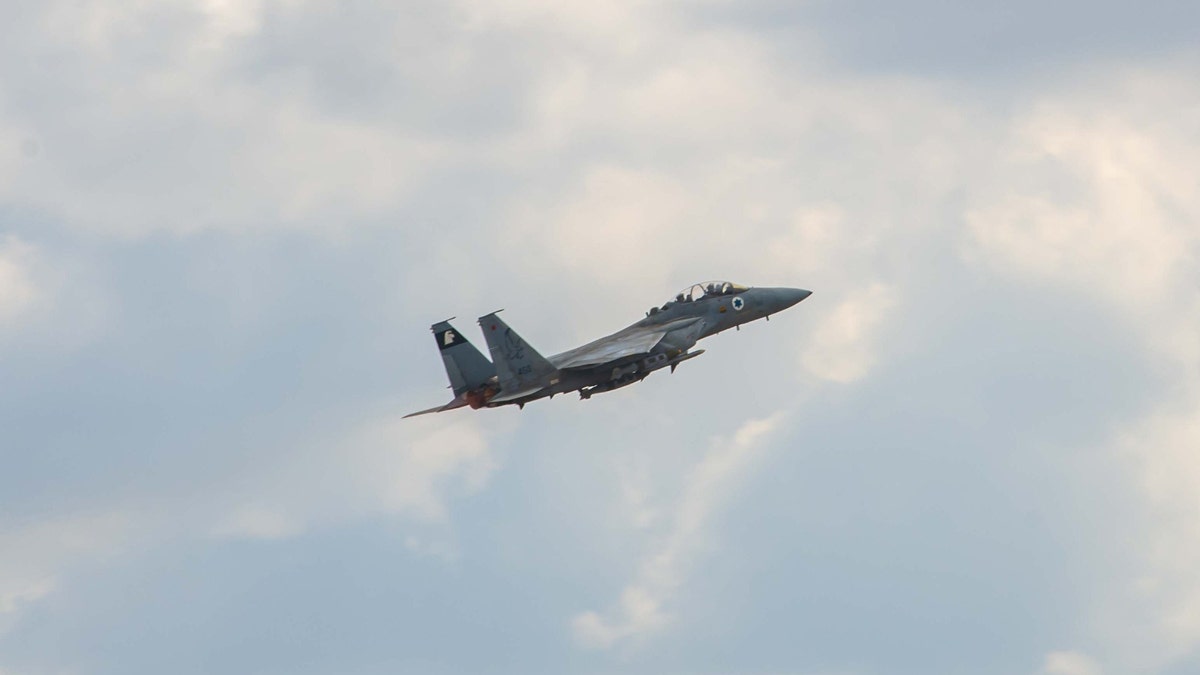
An Israeli fighter jet takes off for strikes in Tehran. (IDF)
Washington was notified in advance and viewed the maneuver as a non-kinetic show of force following the postponement of a broader strike package earlier in the month.
Despite the deterrence signals, Eilam warned that large-scale military exercises carry the «risk of miscalculation» and particularly when troop movements could be mistaken for preparations for an attack.
«During the Cold War, every time the Soviet Union or NATO carried out a major drill, having so many troops in the field meant they might attack if that was the intention,» Eilam said.
He pointed to the 1973 Yom Kippur War, when Egypt and Syria used military exercises to help conceal troop buildups along Israel’s borders.
Israeli intelligence largely dismissed the movements as routine drills, allowing the two countries to achieve strategic surprise when they launched a coordinated, two-front attack on Yom Kippur.
TRUMP SAYS NETANYAHU NEEDS TO BE RE-ELECTED, OR ELSE US WILL HAVE TO ‘FINISH THE JOB’ AGAINST IRAN ALONE

Military personnel perform during a military parade in Damascus, Syria, Dec. 8, 2025. (Khalil Ashawi/Reuters)
«The classic example in Israel is 1973, when Egypt and Syria conducted a major exercise just before the war that turned into the actual attack,» the analyst said.
«Israel and Iran are now watching each other very closely and both sides suspect the other might strike first,» Eilam added before stating that there is the chance of what they call «miscalculation — that each side suspects the other and strikes first by mistake.»
«It’s all about sending messages to each other.»
«It remains uncertain whether there will eventually be an Israeli attack on Iran because it depends on U.S. authorization,» Eilam concluded.
«Right now, both sides are signaling: ‘We are ready, don’t mess with us, but we don’t want to start a war right now.’»
world, middle east foreign policy, military, israel, national security, iran, syria, lebanon
INTERNACIONAL
La actriz Sandra Hüller, de la Alemania de posguerra al presente: "Hay que ir contra el fascismo hasta que lo hayamos derrotado"

“Sí, lo sé”, dice Sandra Hüller y baja, un poco, los ojos. Le pesa en el corazón algo que ella no hizo, pero de lo que se hace cargo. La actriz —famosa por Anatomía de una caída y La zona de interés, ambientada en la época del nazismo— ahora protagoniza Tierra de mi padre (Fatherland en su título original), una película del realizador polaco Pawel Pawlikowski que se estrena en cines el jueves 29 y que cuenta el regreso de Thomas Mann a Alemania después del nazismo. Con ese rostro duro, contenido, Hüller encarna a su hija Erika.
No es —no fue en la realidad— un regreso fácil a su país el del autor de Muerte en Venecia y La montaña mágica. Alemania estaba dividida desde el fin de la guerra —cuando quedaron cuatro zonas, cada una a cargo de uno de los países vencedores— ya se había proclamado Alemania Occidental y faltaban unos meses para que fuera una entidad legal la Alemania Oriental. Entonces a Mann, que había partido en 1933, le dieron el Premio Goethe y en julio de 1949 fue a recibirlo. Formalmente, la ceremonia era en Frankfurt, en el oeste. Pero él quiso pasar por sobre ese tajo y hablar como alemán sin más. Y por eso fue también a Weimar, en el Este. En todas partes vio un país destrozado. Y, además, dividido. Una grieta que parece sin retorno.
“Me rodean ruinas que la catástrofe nacional ha dejado como evidencia palpable”, dijo Mann en el discurso que dio —en la realidad, no en la película— por esos días en las dos ciudades. Y trazó su anhelo, que en ese momento también era su derrota: “No conozco ‘zonas’”. Mi visita se dirige a la propia Alemania, a Alemania en su conjunto y no a ningún territorio de ocupación.»
Pero era imposible, simplemente era imposible, en 1949, encontrar la “Alemania en su conjunto”. Y Tierra de mi padre hace algo poco habitual: muestra la Alemania del Este en el momento de su nacimiento cuando, todavía, significaba también un proyecto, un anhelo, una forma diferente de salir del nazismo y de la guerra. Eso lo ha visto claramente Sandra Hüller, que creció en Alemania del Este. Lo ha dicho, incluso, con alguna nostalgia: “Agradezco que Pawel diera espacio a esta idea política que no sobrevivió en Alemania, pero que quizá la gente todavía pueda pensar. La idea socialista”.
Esta es la mujer que ahora baja un poco la vista y dice “Ya sé”. No hablábamos de socialismo, hablábamos de si es real eso de no tomar partido, no elegir bandos. Y ella entiende que la pregunta apunta a lo que pasa en estos días en Alemania, donde la ultraderecha está en ascenso.
—Si hablás de lo que pasa en mi país, hay que ir contra el fascismo de una manera muy clara, constante e incansable, hasta que lo hayamos derrotado —dice Hüller.
—En tu país y en el mundo, pero tu país tiene una experiencia radical.
Es ahí cuando Hüller baja la cabeza: “Sí, lo sé”. Y por un momento la cara imperturbable de la actriz se conmueve. Pero serán segundos.
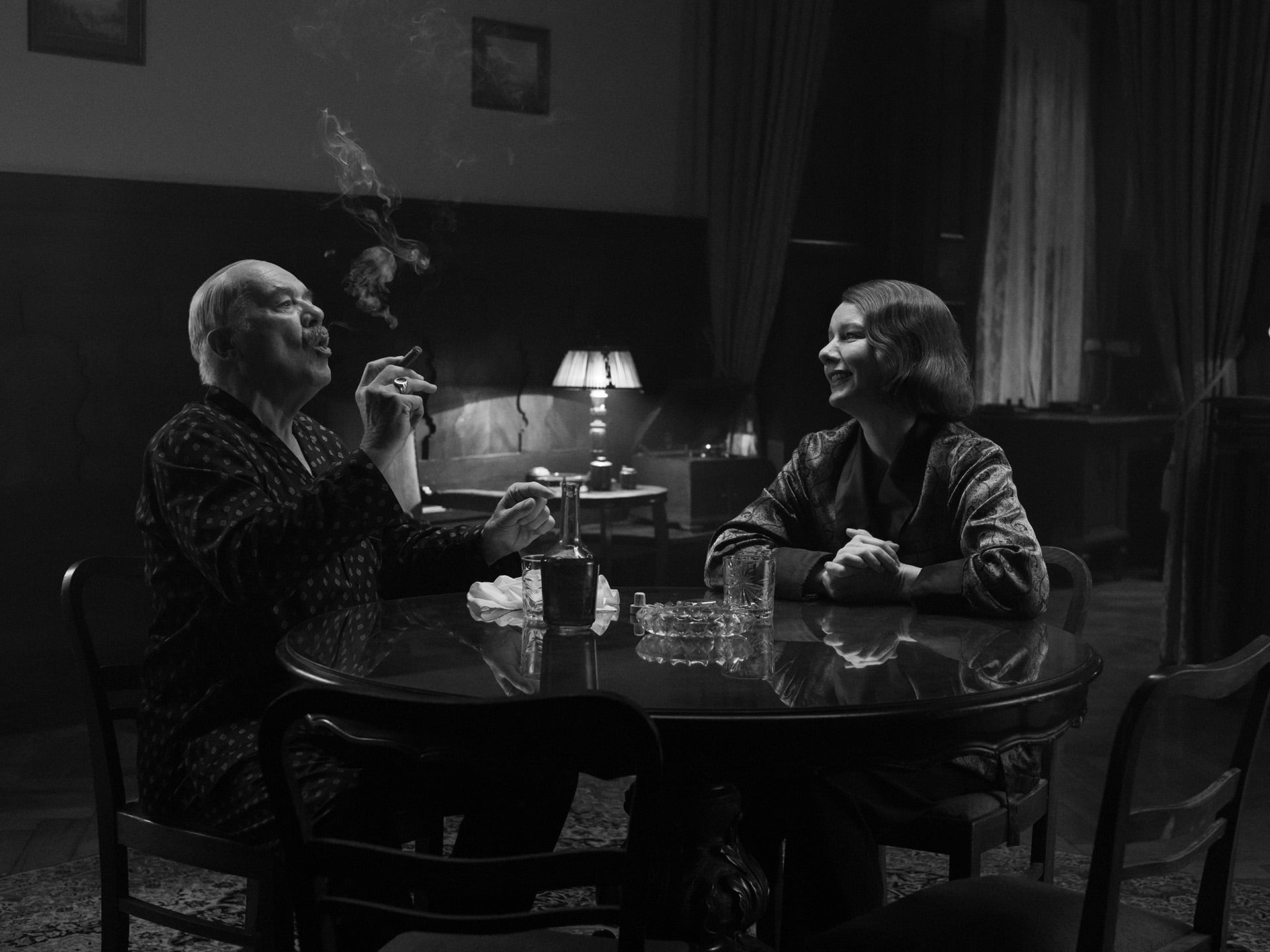
En la película, la hija de Mann es quien lo lleva en el auto pero, sobre todo, quien lo confronta. Lo ayuda a elaborar y a exponer sus ideas, pero también lo contiene. O lo pone frente a una realidad: Klaus, el hijo del escritor, se acaba de suicidar. El film arranca con Klaus (August Diehl) hablando con ella, hablándole de su cariño por ella y de su odio al padre de los dos. La actitud de Mann —encarnado por Hanns Zischler— frente a esa muerte va a ser fría: es uno de los temas de la película.
En mayo, Pawlikowski ganó el Premio a la Mejor Dirección del Festival de Cannes por esta película. El director polaco ya había obtenido ese reconocimiento en 2018 por Cold War y alcanzó proyección internacional con Ida, la primera película polaca en ganar el Oscar a mejor película extranjera, en 2015. Ahora, a días del estreno en América Latina, Hüller habla sobre su personaje, sobre las secuelas de la Segunda Guerra, sobre cómo se ve el fascismo hoy en Alemania. Entre otras cosas.
La otra cara de La zona de interés
¿Acaso esta película es la otra cara de la moneda de La zona de interés? Porque si aquella ocurría en la guerra y el nazismo esta transcurre en sus secuelas, en su devastación. Y lo que sigue es ver cómo se sana. La actriz asiente:
—Interesante, sí. Ambas son retratos de un tiempo y un espacio afectados por esta guerra. Yo nunca había tenido ese pensamiento, pero es hermoso. Gracias.

La guerra, la guerra, la guerra que terminó en 1945. Y acá estamos.
—¿Por qué una historia de posguerra nos importa hoy? ¿Qué dice sobre nuestro mundo?
—Siento que, dado que la guerra y también el mundo de posguerra afectan mucho nuestra vida hoy, muchos conflictos en el mundo están relacionados con eso, encontraron su origen en eso o han sido alimentados por eso. Por supuesto que es importante hablar de la Guerra hoy, para encontrar otra forma de lidiar con las heridas, de lidiar con el dolor.
En el principio, cuenta Hüller, cuando terminó de leer el guion, le gustó “la forma condensada en la que se presenta”. Le gusta, dice, “que no se usen demasiadas palabras para describir una situación”. Y: “me encanta que se trate más sobre una relación entre personas y entre las personas y su origen, que de una película biográfica. Me pareció una forma muy inusual de tratar a figuras históricas”.
—En su discurso, Mann dice que un alemán “puede ser modelo para la humanidad”. ¿Sí? ¿Dicho en ese contexto?
—En general creo que todos pueden ser un modelo a seguir. Solo tienen que actuar responsablemente, así que no importa de dónde vengas ni cuál sea tu historia, siempre puedes decidir ser una luz para otras personas.
—Erika parece muy contenida en la película. Sobre todo, porque carga con el peso de la historia de su hermano. Es imposible no pensar en eso mientras pasan otras cosas en la película. ¿Cómo entendés las emociones del personaje? ¿Cómo desarrollaste su interpretación?
—Ella tiene una responsabilidad muy grande para que este viaje funcione, para apoyar a su padre en la decisión que ha tomado. Y, al mismo tiempo, ha perdido a la persona más querida de su vida. Así que la película trata sobre este conflicto y sobre cómo las personas lidian con ello, cómo ponen el destino del mundo por encima de su propio destino, y cuán difícil es eso. Pero el intento de hacer justicia al país del que proceden y tratar de reunificarlo es algo hermoso.

¿Cómo fue, entonces, para una alemana, ponerse la ropa de época y entrar en esas escenas en que el país está tan dañado? ¿Cómo fue el primer día?
—Fue mi primer momento con Hanns y conduciendo el Buick. Ponerse el vestuario es un verdadero placer, todo se sentía muy, muy elegante, refinado y protector. El primer día consistió principalmente en averiguar cómo íbamos a trabajar juntos porque nunca nos habíamos tratado.
¿Y el trabajo con Diehl, con quien nunca están juntos en la pantalla, porque el vínculo, en la película es apenas una llamada? Bueno, al revés que con Zischler. “August y yo nos conocemos desde hace 30 años. Estudiamos juntos en la escuela de arte dramático. Habíamos soñado con trabajar juntos durante mucho tiempo y pensamos que finalmente lo haríamos en esta película, pero solo nos encontramos en el catering… La llamada telefónica tuvo lugar, de su lado, en un estudio donde construyeron la habitación donde él está. Y de mi lado, en mi cocina. Así que, en realidad nunca nos encontramos frente a cámara.
—¿Cómo fue trabajar con Pawel?
—Muy inspirador. Es una persona maravillosa con la que te alegra pasar tiempo todos los días. Es muy enérgico, pero al mismo tiempo no, no lanza palabras constantemente ni explica demasiado. Confía mucho en nosotros como actores. Él es muy responsable, por supuesto, de la imagen y el encuadre y de todas esas cosas y de esas cosas increíbles que se pueden ver en la película. Pero nos deja a nosotros la responsabilidad de dar forma a nuestros personajes.
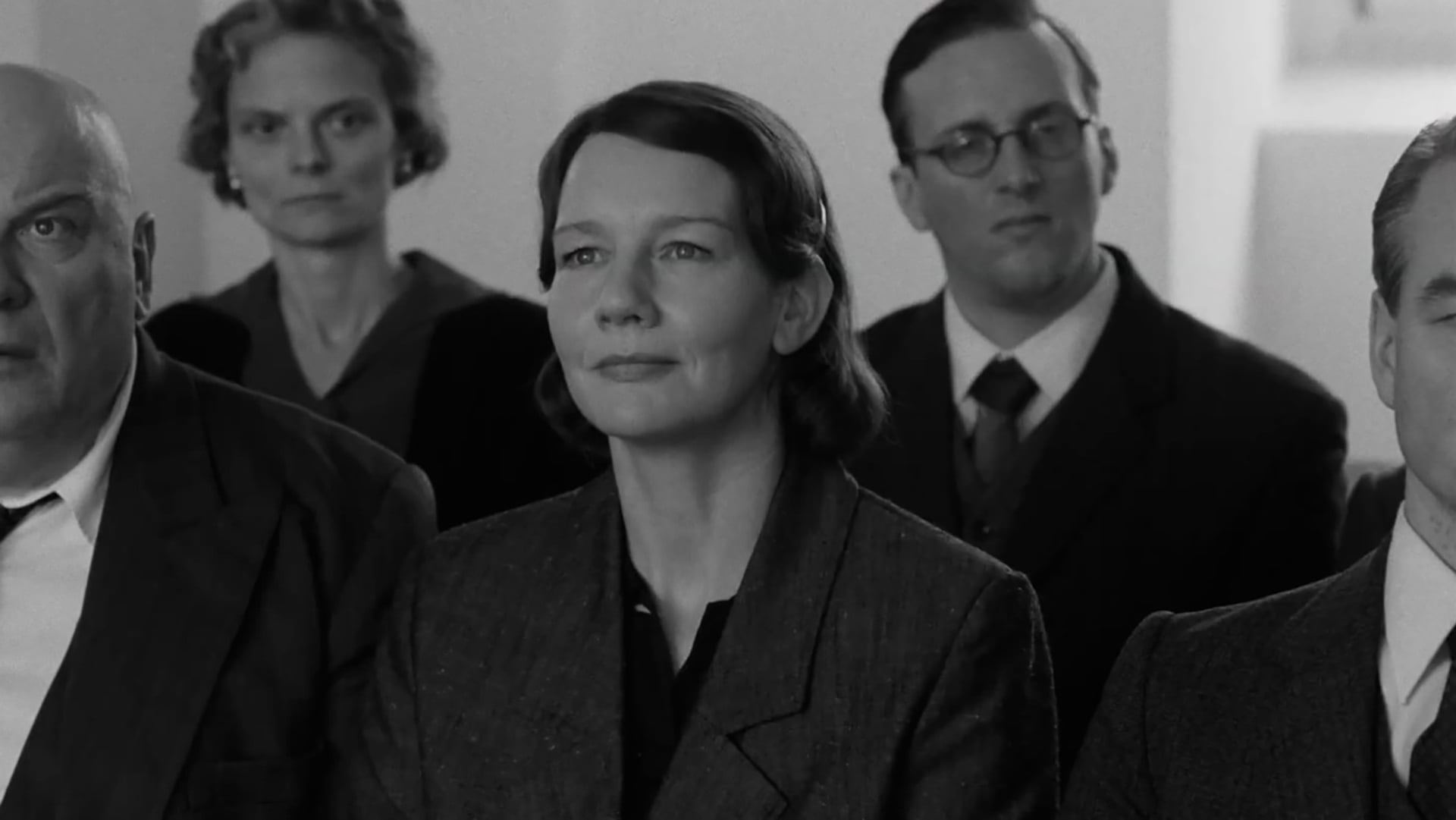
—Dijimos que Erika es muy contenida y seria. ¿Preferís este tipo de personajes? ¿Qué tipo de personaje te gustaría hacer después?
—No tengo deseos respecto de los personajes. Trato de estar abierta a las cosas que llegan a mí, y entonces puedo decidir si tengo el valor para, para intentar interpretarlos. No prefiero este tipo de personaje. En este caso, era necesario actuar de esta manera. Pensá que ella tuvo fases muy diferentes a lo largo de su vida, este es solo un pequeño episodio. Ella fue piloto de carreras, periodista, activista política, comediante. Así que ha hecho muchas cosas que no son contenidas en absoluto.
—Pero hablo de vos. ¿Qué tipo de personaje te gustaría interpretar?
—Como dije, no tengo una preferencia.
Arts / Culture / Entertainment,Europe

Facundo Nejamkis: “Bullrich está condicionando al Gobierno”

Carmen Barbieri habló sobre su estado de salud y generó preocupación: “Estuvieron por internarme”

9 frases de Ponzio tras el triunfo de River ante Racing: las lesiones de Moreno y Driussi, la visita de Gallardo y su deseo ante Boca

Sorpresa y replanteo: Milei perdió al socio que esperaba, pero sostendrá su antagonismo con Lula da Silva de cara a 2027

Defensores de Belgrano vs San Miguel: formaciones, hora y dónde ver por tv

Lula da Silva se impuso en Brasil: las causas de una remontada histórica que sorprendió al mundo

Javier Milei y sus medidas, en vivo: el mandatario dijo que piensa un proyecto a “100 años” para la Argentina

Escándalo con Sancor Salud: Cuotas millonarias por un servicio nefasto que abandona a los pacientes en urgencias

Cuánto debería crecer la economía argentina en septiembre para no caer en recesión técnica

Estudiantes de La Plata busca su sexta final de Copa Libertadores: la tabla histórica del torneo y la disputa Argentina-Brasil que podría dirimir

 POLITICA3 días ago
Javier Milei y sus medidas, en vivo: el mandatario dijo que piensa un proyecto a “100 años” para la Argentina
- SOCIEDAD2 días ago
Escándalo con Sancor Salud: Cuotas millonarias por un servicio nefasto que abandona a los pacientes en urgencias
- CHIMENTOS3 días ago
Fue mamá por primera vez a los 30 años, se separó a los 3 meses y el papá de su hija es el hermano mellizo de su ex novio: «Es lo peor que te puede pasar»