INTERNACIONAL
Carta a Javier Bardem


Elijo el nombre de Javier Bardem, y no es al azar. Podría haber dirigido esta carta simbólica a Angelina Jolie, o a Billie Eilish, o a esa encarnación del antisemitismo más ruin que es Roger Waters. Y más allá del mundo rutilante del famoseo, la lista de dirigentes políticos que podrían merecerla pululan por todos los rincones de la demagogia. Ahí están los Pedro Sánchez, los Petro, los Mélenchon, los Iglesias…, todos esos ruidosos justicieros que escupen su propaganda desde el atrio de su soberbia moral. Muchos…, tantos…, tan presentes y estridentes hace poco tiempo, y ahora tan ausentes y callados.
Pero de todos ellos, escojo a Javier Bardem porque nadie encarna con tanta precisión la indecencia de una izquierda caviar que solo alza el puño, con impostada indignación, cuando la causa cuadra con su obsesión ideológica. Ese Bardem enfundado en el Free Palestine que cumple con todos los requisitos del activismo sectario. “Un actor comprometido”, dicen los titulares rutilantes, pero se olvidan del verbo que lo acompaña: Comprometido, depende… Depende de si Israel tiene algo que ver, o los estadounidenses, o el colonialismo capitalista, o Trump, o las derechas pérfidas… Es el prototipo del “no jews, no news”, de manera que si no hay judíos o yankees de por medio, no hay causa, no hay pancarta y no hay indignación. Son los progresistas de nuestro tiempo, tipos de grito en la manifestación y verbo acusador que deciden qué causas son dignas, y quiénes son víctimas y quiénes verdugos. Nunca, en la historia de la lucha por los derechos humanos, hubo tanta hipocresía arrogante y rastrera como ahora.
¿Dónde están? ¿Dónde estuvieron? Nunca los oímos cuando Hamas convertía Gaza en una cárcel de dos millones de personas, a las que saqueaba, empobrecía, reprimía y condenaba a un ciclo permanente de violencia. Nunca los oímos cuando el Yemen languidecía en años de guerra atroz, sacudida por la locura chiíta. Nunca, cuando Irán fabricaba su círculo de fuego, aupando al dictador sirio, financiando las peores organizaciones yihadistas y destruyendo el Líbano, mientras amenazaba con destruir a Israel. Tampoco los oímos cuando miles de israelíes sufrieron el terror del 7 de octubre: bebés en sus cunas, familias enteras, ancianos, jóvenes cantando en un festival, muertos, heridos, secuestrados. Su silencio, cuando las mujeres nos explicaban el horror de sus cuerpos violados. Su silencio cuando los bebés eran ahogados… Nunca hubo flotillas para ellos.
Y otros, tantos silencios. Nunca los oímos cuando Afganistán se convertía en un terrible infierno para las mujeres, las niñas sin escuelas, las jóvenes sin rostro, el aliento detrás de una cárcel de tela. Nunca en el horror de Sudán, nunca en el dolor cristiano en Nigeria, nunca en ningún lugar, porque si los malos no son los que ellos homologan ideológicamente, no existen víctimas, ni existen causas.
Por eso nunca les oímos hablar del dolor de los iraníes. A pesar de que el terrible régimen de los ayatollahs hubiera convertido la libertad en un crimen penal, y sustentara su poder en la represión y la muerte, nunca oímos a los Bardem. Al contrario, fueron esas izquierdas moralistas y doctrinarias las que antaño iban a visitar al “libertador de los persas”, un tal Khomeini y aplaudieron su “revolución social”. Durante décadas, nunca les preocupó la represión contra los ciudadanos iraníes, directores de cine encarcelados, opositores condenados a muerte, estudiantes torturados, nunca, nada… Al contrario: algunos de esos gurús de la izquierda irredenta se convirtieron en periodistas de los canales iraníes que intentaban vender su veneno a través de Hispan TV. Ahí están los Pablo Iglesias.
Y por eso ahora, cuando Irán arde por todos sus costados, con un pueblo extraordinariamente valiente que se enfrenta directamente a la muerte, y con miles de ellos siendo asesinados, todos estos actores, periodistas, políticos “comprometidos” no están, no hablan, no gritan, no levantan pancartas, no montan excursiones en flotillas, nada. Quizás alguna Irene Montero se despista y dice algo pero solo para avisar que Trump es muy malo y que Israel tiene la culpa de lo que ocurre en Irán.
Esta es la miseria de una izquierda tuerta y dogmática que ha ideologizado tanto las causas universales, que acaba siendo cómplice de los verdugos. Su obsesión antioccidental y su paternalismo arrogante hacia el Islam los ha convertido en incapaces para la causa de la libertad. Hablan mucho de ella, pero retuercen su significado hasta dejarla hueca.
Ese es el activismo de los Bardem de turno: un grito vacío. Moralistas de doble moral y progresistas a tiempo parcial, no forman parte de la solución, pero sin ninguna duda, forman parte del problema.
X: @RaholaOficial
Web: https://pilarrahola.com
Instagram: pilar_rahola

INTERNACIONAL
Red state auditor’s report flags Democratic governor’s ‘concerning’ spending on ‘luxury’ expenditures
NEWYou can now listen to Fox News articles!
Kentucky’s Republican auditor Allison Ball spoke to Fox News Digital this week about a report she put out flagging concerns about lavish spending in the state’s executive branch headed up by Democratic Gov. Andy Beshear, who is widely believed to have presidential ambitions down the road.
Ball issued a report earlier this month outlining spending by the executive branch in fiscal year 2025 entered into the state’s system and flagging issues she believes demonstrate extravagant spending of tax dollars that «needs to stop.»
The «concerning expenditures» listed include $183,576 in out-of-state travel costs, including $7,632 for a limousine in Germany; a $17,013 dinner at a Kentucky distillery; and $360,000 for 75 people to attend a two-day conference within the Commonwealth.
DEM GOVERNOR IN DEEP-RED STATE CALLS FOR ICE PULLOUT, TRIGGERING CLASH OVER ENFORCEMENT AUTHORITY
«We saw some really excessive, really worrying and questionable expenditures,» Ball told Fox News Digital.
«For example, one of the things we saw is that the governor and the tourism cabinet spent about $338,000 on a nonprofit called First Saturday in May. So, for people who are not from Kentucky, the first Saturday in May is when the [Kentucky] Derby happens. So, that money actually went to events for VIPs to come in and celebrate and observe the Derby.»
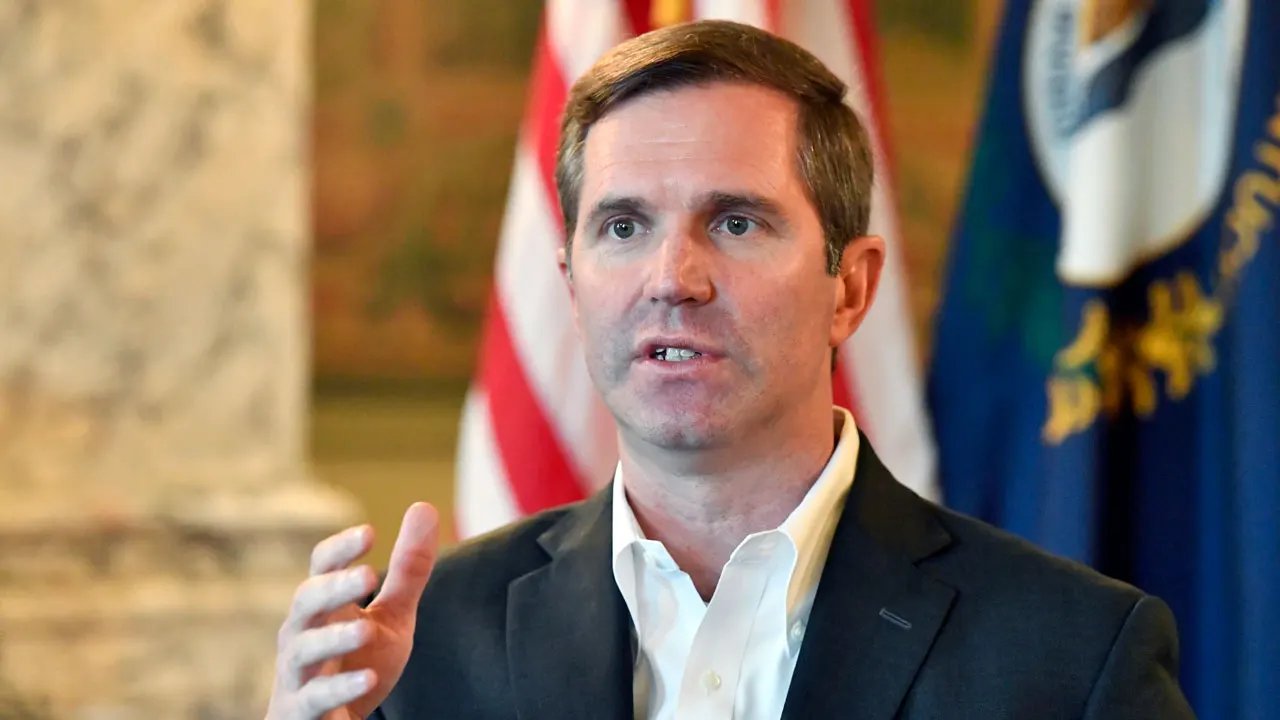
Gov. Andy Beshear responded to a report from the state auditor on potentially problematic spending as «political.» (AP Photo/Timothy D. Easley, File)
Ball says the spending data was all entered by the executive branch into the Commonwealth’s eMARS system, and while she understands elected officials need to spend more on security than typical citizens, she categorized much of the spending she flagged as «luxury items.»
«I absolutely think the governor needs security. We want people to be safe. We don’t want anything to happen to our elected officials,» Ball explained. «But this is the time when you look at, OK, are you spending an excessive amount? And I think $7,000 for limo services in Germany, $5,000 to navigate the airport in Switzerland, hotels like in Beverly Hills, Aspen.
«We even found an expenditure in the hundreds of dollars for something called the Caribou Club, which is a private club in Aspen. So, these expenses are essentially luxury items when you’re looking at where they’re at and the amount of money that’s being paid.»
KENTUCKY GOVERNOR TAKES HEAT FOR CITING BIBLE TO DEFEND TRANSGENDER TREATMENTS FOR CHILDREN
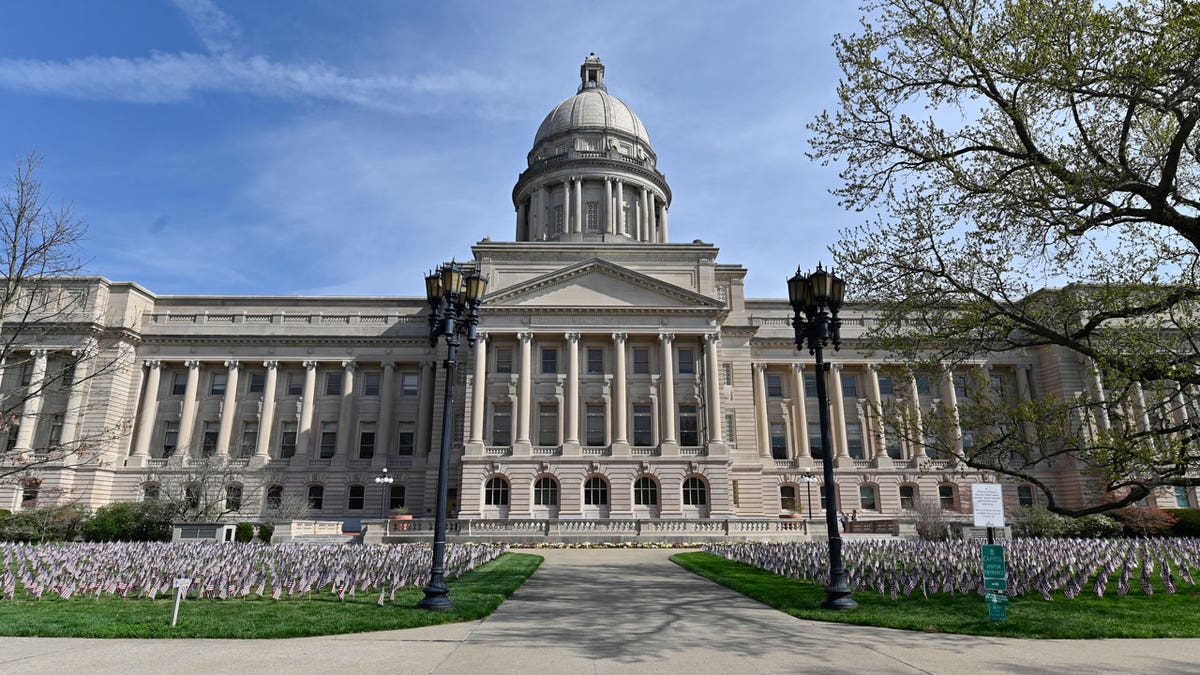
The Kentucky State Capitol in Frankfort, Ky. (AP Photo/Timothy D. Easley, File)
Fox News Digital reached out to Beshear’s office for comment but did not receive a response.
«They never asked us any questions, and you have to do that if it’s an audit report,» Beshear recently told local media. «All they did was take lines, and they didn’t ask questions because if they had gotten the answers, they couldn’t have done the political attack that it was.»
Ball said it’s «no surprise» when elected officials push back on reports like hers, «but my job is about transparency.»
Ball’s report noted $39 million in spending by the executive branch’s advertising arms in various departments, over $7 million in out-of-state travel, over $23 million on in-state travel and over $16 million in trainings, conferences, food and trade shows.
CLICK HERE TO DOWNLOAD THE FOX NEWS APP
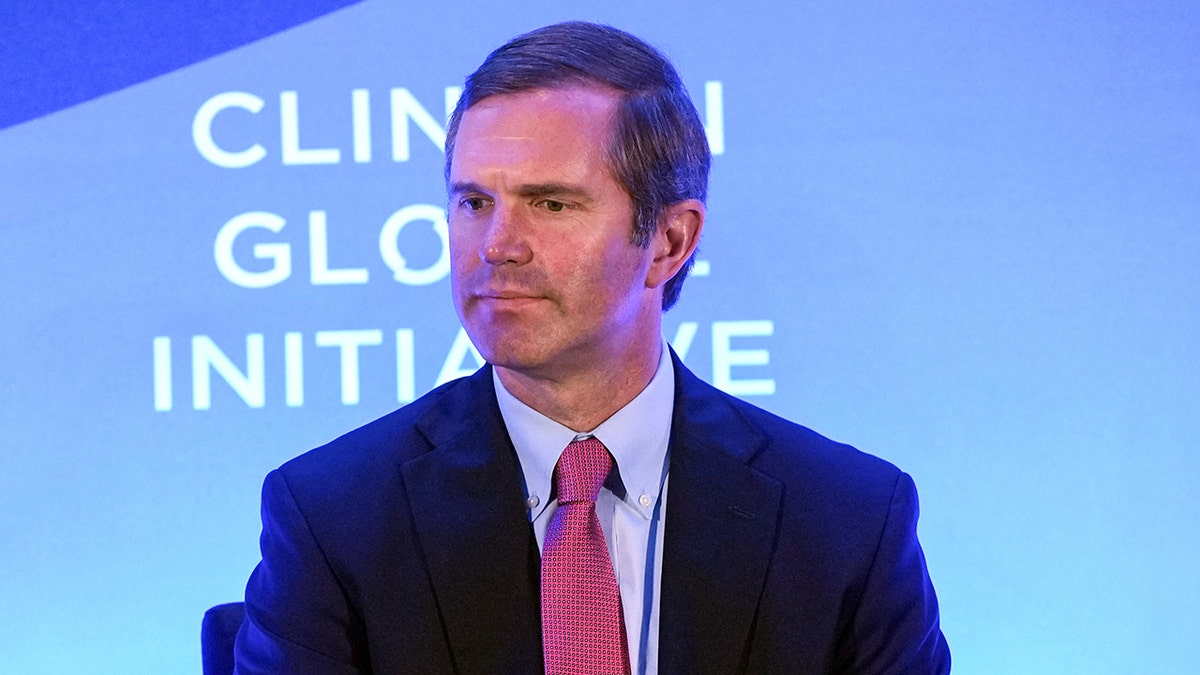
Kentucky Gov. Andy Beshear attends the Clinton Global Initiative 2024 Annual Meeting at New York Hilton Midtown Sept. 24, 2024, in New York City. (John Nacion/Getty Images)
«It’s a budget year, and this is when the General Assembly is actually crafting what money they’re going to appropriate through all levers of state government. And that’s why they asked us, this is early in the process, and they wanted to know, ‘OK, what is the executive branch spending its money on?» Ball explained.
«And they specifically asked us about travel. They asked about conferences. They ask us about food and beverage because those are the things usually that can get out of control quick if you’re not paying close attention. So, we’re here just to provide information.»
Beshear told CNN last summer he was weighing a 2028 presidential bid, and many predict he would be a formidable candidate given his popularity governing as a Democrat in deep red Kentucky.
In another CNN interview Thursday, The Hill reported that Beshear said he is still weighing a run but that he won’t make a final decision until his term as governor ends in late 2017.
«We have got to do more than just beat [President] Trump,» Beshear said. «We have got to end this division. We have got to restore the American dream. We have got to bring hope back to the American people about a brighter future.»
politics,kentucky,elections
NEWYou can now listen to Fox News articles!
Iran is rebuilding nuclear sites damaged in previous U.S. strikes and «preparing for war,» despite engaging in talks with the Trump administration, according to a prominent Iranian opposition figure.
Alireza Jafarzadeh, deputy director of the Washington office of the National Council of Resistance of Iran (NCRI), said newly released satellite images also prove the regime has accelerated its efforts to restore its «$2 trillion» uranium enrichment capabilities.
«The regime has clearly stepped up efforts to rebuild its uranium enrichment capabilities,» Jafarzadeh told Fox News Digital. «It is preparing itself for a possible war by trying to preserve its nuclear weapons program and ensure its protection.»
IRAN SAYS US MUST ‘PROVE THEY WANT TO DO A DEAL’ ON NUCLEAR TALKS IN GENEVA
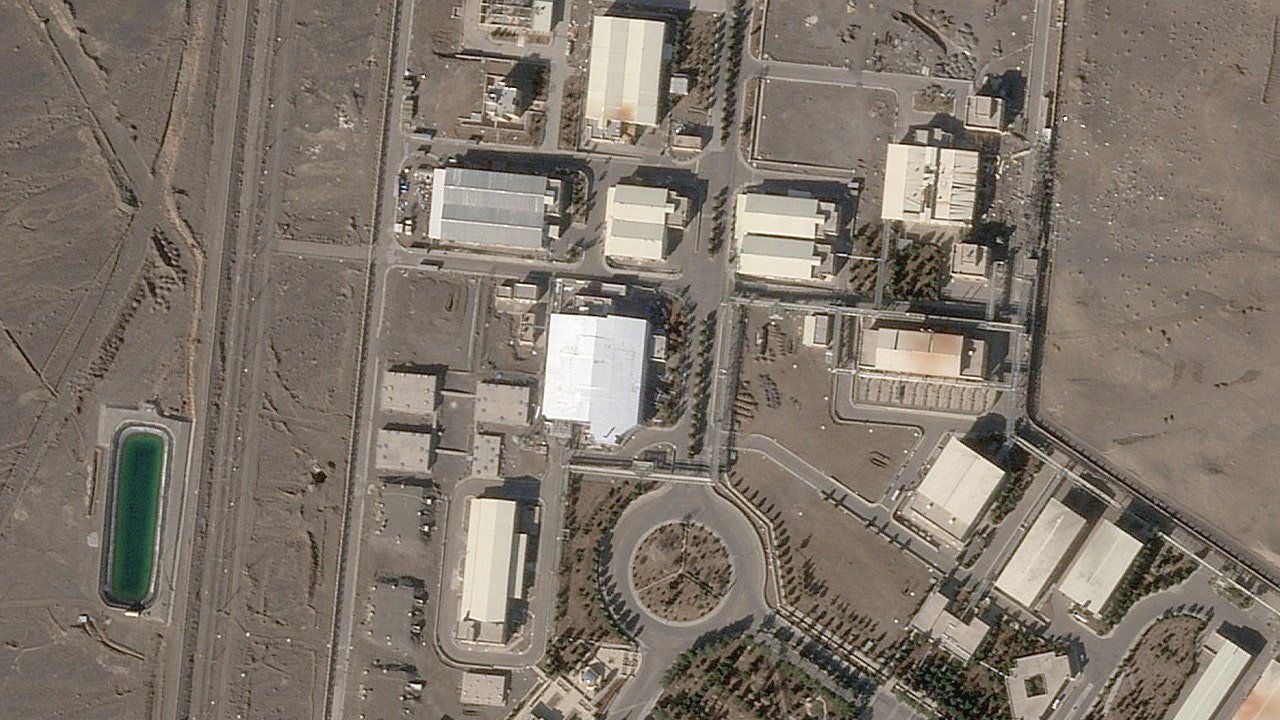
Reconstruction activity appears to be underway at Iran’s Isfahan nuclear complex. (Planet Labs PBC/Handout via Reuters)
«That said, the ongoing rebuilding of Iran’s uranium enrichment capabilities is particularly alarming as the regime is now engaged in nuclear talks with the United States,» he added.
New satellite images released by Earth intelligence monitor, Planet Labs, show reconstruction activity appears to be underway at the Isfahan complex.
Isfahan is one of three Iranian uranium enrichment plants targeted in the U.S. military operation known as «Midnight Hammer.»
The June 22 operation involved coordinated Air Force and Navy strikes on the Fordow, Natanz and Isfahan facilities.
US POSITIONS AIRCRAFT CARRIERS, STRIKE PLATFORMS ACROSS MIDDLE EAST AS IRAN TALKS SHIFT TO OMAN
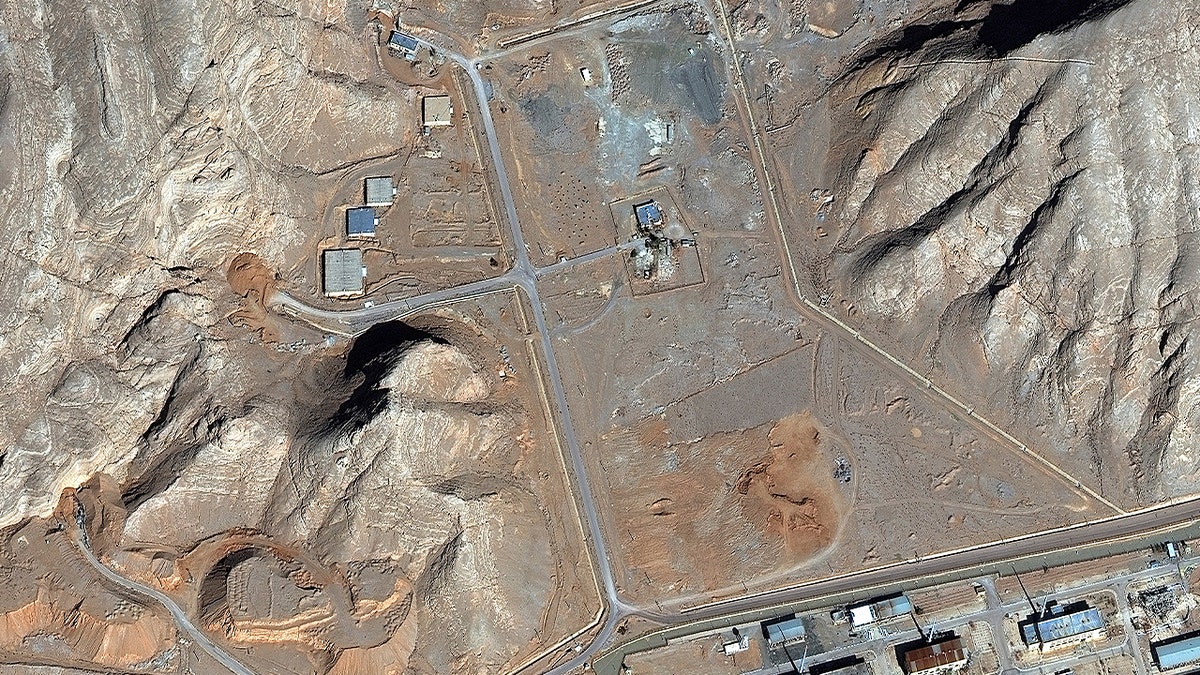
A satellite image shows tunnel entrances covered with soil at Isfahan nuclear complex. (Vantor/Handout via Reuters)
Despite the damage, the satellite images show Iran has buried entrances to a tunnel complex at the site, according to Reuters.
Similar steps were reportedly taken at the Natanz facility, which houses two additional enrichment plants.
«These efforts in Isfahan involve rebuilding its centrifuge program and other activities related to uranium enrichment,» Jafarzadeh said.
The renewed movements come as Iran participated in talks with the U.S. in Geneva.
On Thursday, President Donald Trump warned that «bad things» would happen if Iran did not make a deal.
While the talks were aimed at curbing Iran’s nuclear program in exchange for sanctions relief, Jafarzadeh argues that for the regime, talks would be nothing more than a tactical delay.
TRUMP SAYS IRAN ALREADY HAS US TERMS AS MILITARY STRIKE CLOCK TICKS
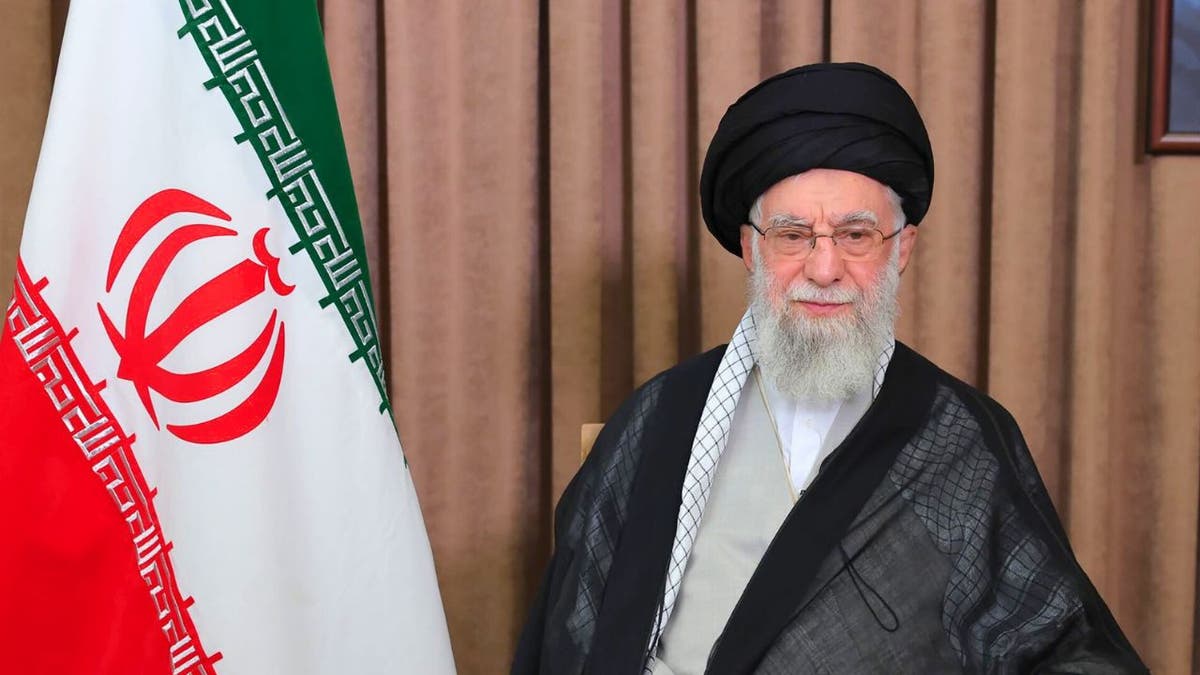
Iran’s Supreme Leader Ayatollah Ali Khamenei «agreed to the nuclear talks as it would give the regime crucial time to avoid or limit the consequences of confrontation with the West,» according to Jafarzadeh. ( Office of the Supreme Leader of Iran via Getty Images)
«Supreme Leader Ali Khamenei agreed to the nuclear talks as it would give the regime crucial time to avoid or limit the consequences of confrontation with the West,» he said.
Jafarzadeh also described the regime spending at least «$2 trillion» on nuclear capabilities, which he said «is higher than the entire oil revenue generated since the regime came to power in Iran in 1979.»
«Tehran is trying to salvage whatever has remained of its nuclear weapons program and quickly rebuild it,» he said. «It has heavily invested in the nuclear weapons program as a key tool for the survival of the regime.»
IRANIAN OFFICIAL SAYS NUCLEAR TALKS WILL CONTINUE AFTER US, TEHRAN NEGOTIATIONS HAD ‘A GOOD START’ IN OMAN
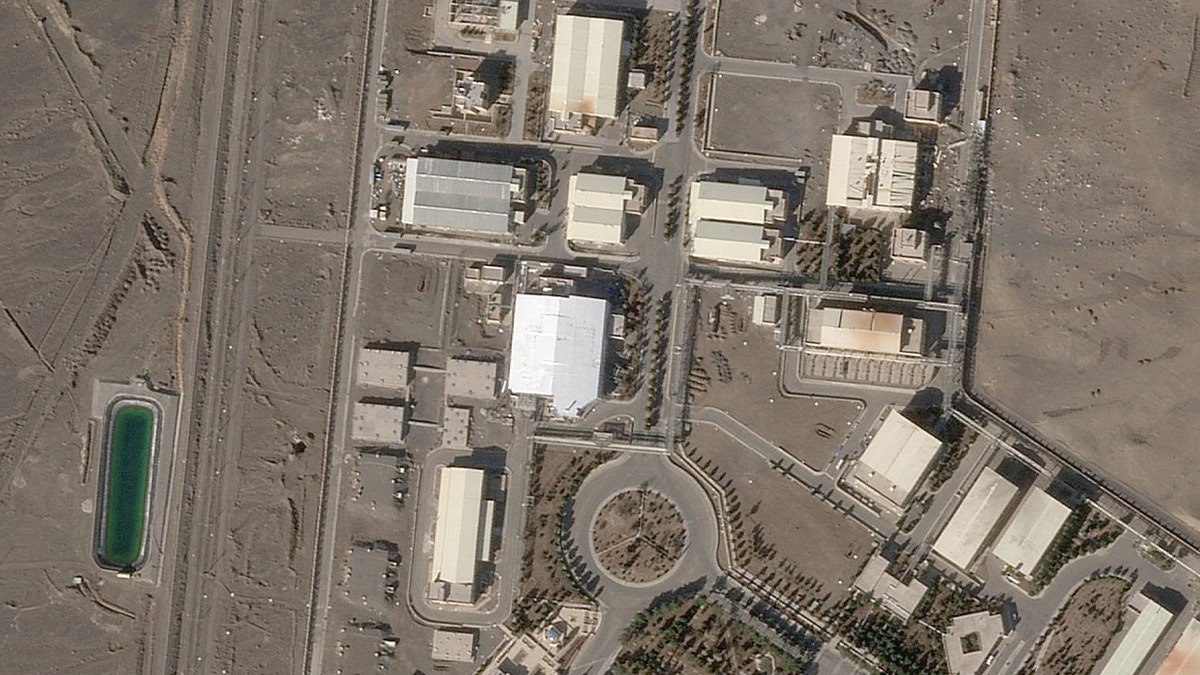
Satellite imagery taken on January 30, 2026, shows a new roof over a previously destroyed building at Natanz nuclear site. (2026 PLANET LABS PBC/Handout via Reuters)
Jafarzadeh is best known for publicly revealing the existence of Iran’s Natanz nuclear site in 2002, which led to inspections by the International Atomic Energy Agency and intensified global scrutiny of Tehran’s nuclear ambitions.
«The insistence of the Iranian regime during the nuclear talks on maintaining its uranium enrichment capabilities, while rebuilding its damaged sites, is a clear indication that Supreme Leader Ali Khamenei has no plans to abandon its nuclear weapons program,» he said.
CLICK HERE TO DOWNLOAD THE FOX NEWS APP
The National Council of Resistance of Iran, led by Maryam Rajavi, exposed for the first time the nuclear sites in Natanz, Arak, Fordow and more than 100 other sites and projects, Jafarzadeh said, «despite a massive crackdown by the regime on this movement.»
iran,nuclear proliferation,middle east,ali khamenei,sanctions,nuclear terror
INTERNACIONAL
El sector privado en Cuba empieza a importar combustible para uso particular, pese al asedio petrolero de Estados Unidos
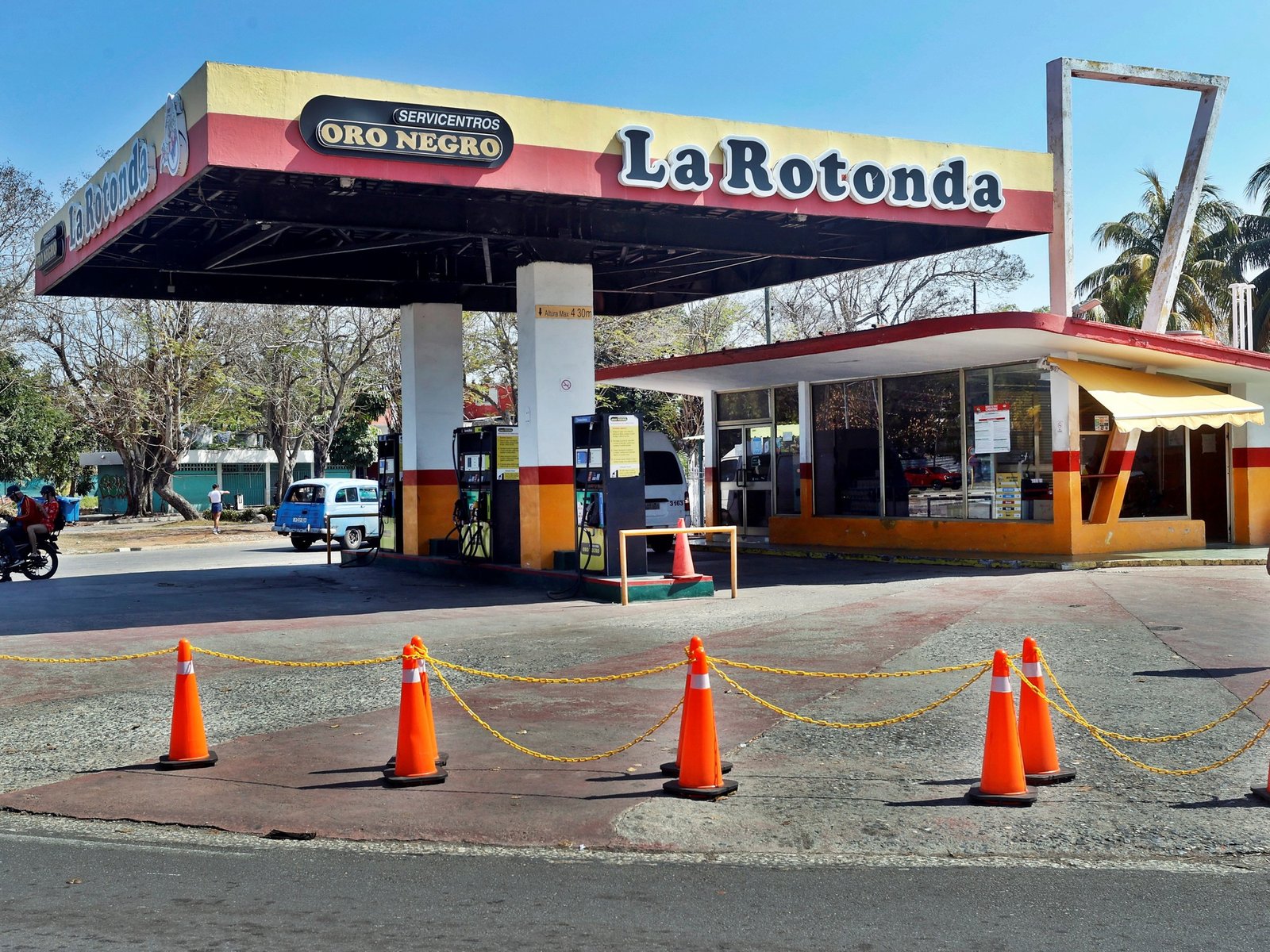
Pequeñas empresas privadas cubanas han empezado a importar directamente combustible en pleno asedio petrolero de EE.UU., mientras firmas internacionales asentadas en la isla exploran esta vía.
La opción, una bocanada de aire frente a la asfixia energética inducida por Washington, está sin embargo amenazada tanto por la farragosa burocracia cubana, con sus múltiples condiciones y retrasos, como por la sombra ambigua de las sanciones estadounidenses.
Además, los volúmenes que se están contratando son en todo caso para necesidades empresariales concretas y no servirían de ninguna forma para atender las necesidades energéticas del país, de unos 110.000 barriles diarios (de los que 40.000 proceden de pozos propios).
Según confirmaron varias fuentes, el Gobierno cubano ha celebrado encuentros en los últimos días con empresarios extranjeros y emprendedores locales para explicarles cómo podría realizarse esa gestión, mientras la parálisis económica y social que atenaza progresivamente la isla.
Se trata de concretar el anuncio que hizo en noviembre pasado el ministro de Comercio Exterior e Inversión Extranjera, Oscar Pérez-Oliva, de que «en breve» iba a permitirse a empresas extranjeras y mixtas importar su propio combustible, «cuando sea necesario».
Hasta el momento el Estado cubano detentaba el monopolio de la importación de petróleo y combustibles -principalmente mediante tanqueros propios y rentados- y de la venta minorista de productos refinados dentro de la isla.
Varios participantes en estas reuniones con responsables del Gobierno explicaron que la importación de depósitos de combustible dentro de buques cargueros sería similar a la de cualquier otro producto en el exterior (a través de una importadora estatal), un proceso habitualmente lento.
Sin embargo, añadieron, habría que cumplir algunos requisitos extra de seguridad, por tratarse de material peligroso, y contar en destino con una localización segura también certificable o almacenarlos en empresas estatales ya acondicionadas para este uso.
Las autoridades cubanas recalcaron a los empresarios que el combustible que puedan importar particulares es exclusivamente para autoconsumo y no está permitida la reventa.
Según explicaron algunos interesados, la importación se realizaría en depósitos cilíndricos de acero inoxidable del tipo isotanque T11, que tienen capacidad para entre 21.000 y 26.000 litros. Estos dispositivos pueden instalarse en cualquier carguero porque se insertan en una estructura metálica de medidas estándar.
Varias empresas con sede en Estados Unidos tienen licencias específicas para exportar diésel en isotanques a Cuba, pero exclusivamente para clientes privados. No obstante, algunos empresarios en Cuba apuntan que están explorando opciones de compra en otros países de la región.
No es evidente que la importación de combustible por el sector privado en Cuba esté incluida dentro de la orden ejecutiva que firmó el pasado 29 de enero el presidente de EE.UU., Donald Trump.
El texto, específicamente, prevé aranceles «a los bienes importados a Estados Unidos que son productos de cualquier otro país que directa o indirectamente venda o provea de alguna forma petróleo a Cuba».
EFE solicitó a la Embajada de Estados Unidos en Cuba una aclaración formal, para confirmar si la expresión «a Cuba» incluía también a empresas privadas -locales o internacionales establecidas en la isla- que no estén controladas por el Estado cubano o su red de empresas.
La legación diplomática respondió escuetamente remitiendo al texto original de la orden ejecutiva.
Fuentes involucradas en este comercio indican a EFE a este respecto que han recibido «señales» de que la administración estadounidense está dispuesta a tolerar estos envíos.
En este mismo contexto, el semanario británico The Economist publicaba en su último número que la administración estadounidense contempla permitir la entrada a la isla de un cierto volumen de combustibles para atender necesidades básicas.
La presión de EE.UU. está paralizando progresivamente la economía cubana, que se encontraba ya en su peor crisis en décadas. Tan solo en los últimos cinco años, la isla ha perdido un 15 % de su producto interno bruto (PIB) y más de un 20 % de su población. La desigualdad y la pobreza se han disparado.
El Gobierno cubano ha puesto en marcha un duro plan de contingencia para tratar de subsistir sin petróleo importado, algo insostenible a medio plazo. Los hospitales están en servicios mínimos, el transporte público prácticamente desaparecido y el combustible severamente racionado.

Los signos del horóscopo Chino que iniciarán nuevos procesos con energía positiva en febrero, según Ludovica Squirru: «Dragón, Conejo, Tigre, Búfalo y Rata»

Red state auditor’s report flags Democratic governor’s ‘concerning’ spending on ‘luxury’ expenditures

Iran rebuilding nuclear program despite Trump talks, opposition figure claims

La Justicia citó a indagatoria y les prohibió salir del país a “Chiqui” Tapia y Pablo Toviggino por evasión

Schiaretti faltó a la sesión: “no pudo viajar por el paro”, justificaron

"No creo que Sony pueda salirse con la suya con PS6". Un exjefe de PlayStation habla de lo que no debería ser su próxima consola

Reforma laboral bomba: menos indemnización, más horas y despidos más fáciles — el cambio que puede sacudir el empleo en Argentina

Cristian Ritondo: “Vamos a apoyar la ley de modernización laboral, pero no el régimen de licencias por enfermedad”

El dólar no sólo cae en la Argentina: qué pasa con otras monedas emergentes y cuáles son las causas

Tras el anuncio de la CGT, también habrá paro total de los medios de transporte de pasajeros en el país

 POLITICA2 días ago
Reforma laboral bomba: menos indemnización, más horas y despidos más fáciles — el cambio que puede sacudir el empleo en Argentina
- POLITICA2 días ago
El Gobierno endurece las medidas de seguridad y control en la marcha prevista contra la reforma laboral en el Congreso
- INTERNACIONAL3 días ago
House Dem’s graphic chicken decapitation ‘horrified’ her college roommates: ‘Blood went everywhere’