INTERNACIONAL
Congress melts down: Members unleash personal attacks after weeks of shutdown drama


NEWYou can now listen to Fox News articles!
Let’s face it: Politics is personal. And you cannot separate the two on Capitol Hill.
Lawmakers may not have missed legislating during the government shutdown. But they sure missed attacking one another.
Yes, both chambers of Congress voted to reopen the government. That’s legislating. There were certainly a few bills of consequence on the House and Senate floors in September before the shutdown.
There was a little bit in the Senate, which remained in session during the shutdown. There was the adoption of the measure to compel the release of the Epstein files.
EPSTEIN DOCUMENTS RAISE NEW QUESTIONS ABOUT TRUMP CONDUCT AS HE DENOUNCES DEMOCRATS
But prior to that, one must hustle all the way back to the Senate’s approval of the «big, beautiful bill» in June and the House in early July — plus the plan to defund foreign programs and the Corporation for Public Broadcasting — to find Congress really engaging in legislation of consequence in 2025.
So, what has the House of Representatives resorted to since it’s been back in session? Members taking on members. Even fellow lawmakers of their own party.
It’s gotten personal. And you don’t even have to be a voting member of the House to face the wrath of your colleagues.
There was an effort by Republicans to censure the non-voting Democratic member from the U.S. Virgin Islands to Congress, Del. Stacey Plaskett, for exchanging messages with Epstein in preparation for President Donald Trump’s first impeachment in 2019.
Trump loyalists in the House would find revenge on Paskett sweeter than Caribbean sugar cane. Plaskett served as one of the House’s impeachment «managers,» prosecuting the House’s second impeachment case of Trump before the Senate in early 2021.
Democratic Rep. Stacey Plaskett, right, was revealed to have texted Jeffrey Epstein during a 2019 congressional hearing. (Rick Friedman/Rick Friedman Photography/Corbis via Getty Images; Anna Moneymaker/Getty Images)
The measure to rebuke Plaskett failed. And, as a result, Democrats refrained from a similar censure effort for Rep. Cory Mills, R-Fla.
That said, Democrats and some Republicans want to discipline Mills for two alleged transgressions. Democrats prepped a resolution in September to censure Mills for allegedly harassing and assaulting an ex-girlfriend in Washington, D.C.
Mills contends he did nothing wrong.
Rep. Nancy Mace, R-S.C., wants to censure Mills now. Mills provided a key vote earlier in 2025 to block the censure of Rep. Ilhan Omar, D-Minn., over her remarks following the assassination of Charlie Kirk.
Some lawmakers also want House discipline for Mace after authorities claim she cursed and berated TSA workers and other employees at the Charleston, South Carolina, airport recently.

Rep. Marie Gluesenkamp Perez forced a vote on rebuking fellow House Democratic Rep. Jesus «Chuy» Garcia. (Bill Clark/CQ-Roll Call, Inc via Getty Images; Jonathan Gibby/Getty Images)
Rep. Marie Gluesenkamp Perez, D-Wash., is one of the most centrist members in the House. She prepped a rebuke of Rep. Chuy Garcia, D-Ill., in November.
Garcia is retiring at the end of his term in early 2027. He filed for re-election but then decided at the last moment to step aside.
The Illinois Democrat cited family-related health reasons and his family’s recent adoption of an 8-year-old boy. However, the only person who apparently knew about the Congressman’s plans was Patty Garcia, his chief of staff.
Chuy Garcia is not related to Patty Garcia. However, she filed paperwork to run for the House seat with just moments to spare before the deadline. It turns out that Patty Garcia is the only one to file for the seat. That means Patty Garcia is practically a shoo-in for victory in the heavily Democratic seat.
JOHNSON SAYS HE’S ‘OPEN’ TO CHANGING HOUSE CENSURE RULES AFTER WEEK OF POLITICAL DRAMA
The audacious move by Patty Garcia and Chuy Garcia gave critics fodder to chew on. They believed that the outgoing congressman pre-baked the ballot, delivering a political Walter Payton stiff-arm that blocked anyone else from running except his chief of staff.
Old-style Chicago machine politics haven’t been this brutal in the Windy City since they originally brewed Old Style beer.
Gluesenkamp Perez and others excoriated the sitting congressman, voting 236-183 to sanction him. Including Gluesenkamp Perez, 23 Democrats voted with all Republicans to dock Chuy Garcia.
So, it’s likely that voters will elect Patty Garcia as congresswoman-elect in the fall of 2026. But after the vote to sanction her old boss, winds blowing off of Lake Michigan would provide a warmer welcome for Patty Garcia to Capitol Hill when she prospectively takes office in January 2027.
Now there’s a move to sanction Rep. Shelia Cherfilus-McCormick D-Fla., after she was indicted for allegedly stealing $5 million in COVID-related health aid.
Rep. Greg Steube, R-Fla., prepped a resolution to expel Cherfilus-McCormick even though there’s been no trial. Cherfilus-McCormick says the indictment is a sham.

Rep. Sheila Cherfilus-McCormick was indicted by a Miami grand jury Nov. 18, 2025, for allegedly stealing $5 million in FEMA funds, according to the Department of Justice. (Tom Williams/CQ-Roll Call via Getty Images)
And we haven’t even discussed efforts earlier in 2025 to expel Rep. LaMonica McIver, D-N.J., after she was charged with allegedly assaulting ICE agents at a detention center in Newark, New Jersey, in the spring. McIver continues to serve and pleaded not guilty.
This may only get worse.
Sens. Elissa Slotkin, D-Mich.; Mark Kelly, D-Ariz.; and Reps. Chrissy Houlahan, D-Pa;, Chris Deluzio, D-Pa.; Jason Crow, D-Colo.; and Maggie Goodlander, D-N.H., faced criticism over a video in which they instructed service members to defy illegal orders.
Secretary of War Pete Hegseth has now launched an investigation into Kelly and threatened to recall the former astronaut to active duty to face military discipline.
And it’s not just member on member. The president also excoriated his arch-nemesis on the Republican side of the aisle, Rep. Thomas Massie, R-Ky., for getting married 16 months after the congressman’s first wife, Rhonda, died.
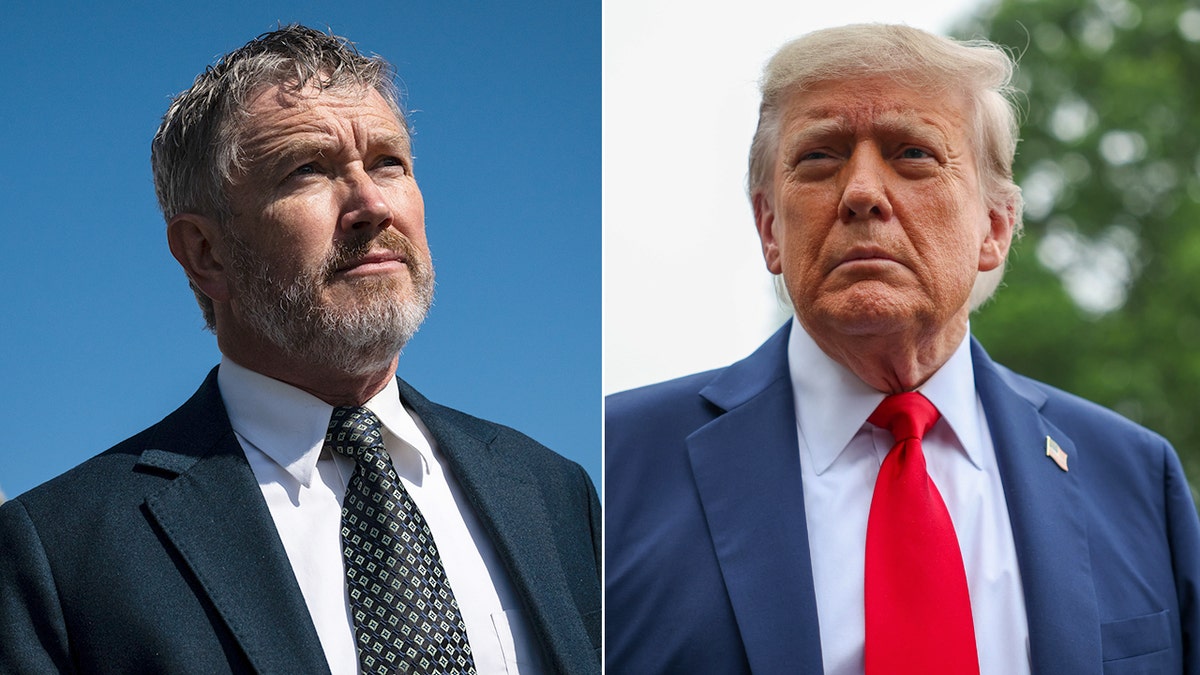
Rep. Thomas Massie, R-Ky., and President Donald Trump (Graeme Sloan/Bloomberg via Getty Images; Tasos Katopodis/Getty Images)
«Did Thomas Massie, sometimes referred to as Rand Paul Jr., because of the fact that he always votes against the Republican Party, get married already??? Boy, that was quick!» Trump posted to Truth Social in November. «Anyway, have a great life Thomas and (?). His wife will soon find out that she’s stuck with a LOSER!»
It’s now officially the holiday season. And few on Capitol Hill are truly extending tidings of good cheer to their congressional colleagues. It surely can’t get any worse, can it?
Well, we’re not even halfway through the 119th Congress. And after lengthy recesses in July, all of August, a portion of September — and for the House, all of October and some of November — lawmakers are just making up for lost time. The recriminations will keep coming.
CLICK HERE TO DOWNLOAD THE FOX NEWS APP
Politicians have decided to make it personal. It’s easier to attack one another and score political points than legislate.
It’s not practical politics. Lawmakers just prefer personal politics.
congress,washington dc,donald trump,midterm elections,republicans,democrats











Detectar el dolor en los perros no siempre es tan sencillo como parece. Hay veces que los perros no gimen, no cojean ni se quejan, pero igual están sufriendo.
El dolor, cuando es sutil, se esconde en pequeños cambios: el perro se muestra menos juguetón, se aísla o actúa raro.
Muchas personas y hasta profesionales de la veterinaria no lo notan, y eso puede complicar mucho la vida del animal. Esos signos sutiles de dolor importan porque, si se detectan a tiempo, se puede evitar que el perro cargue con molestias durante meses o años.

Silvia Gardeweg, Dionne Picard e Ineke van Herwijnen forman parte del Grupo de Comportamiento Animal de la Facultad de Medicina Veterinaria de la Universidad de Utrecht en Países Bajos, y quisieron saber si las personas realmente detectan esos signos leves o si pasan desapercibidos.
En diálogo con Infobae, la líder del trabajo contó cómo se descubrió que la mayoría de las personas tiene dificultades para notar los síntomas más ocultos. Publicaron el estudio en la revista especializada Plos One.
El lenguaje secreto del dolor en perros
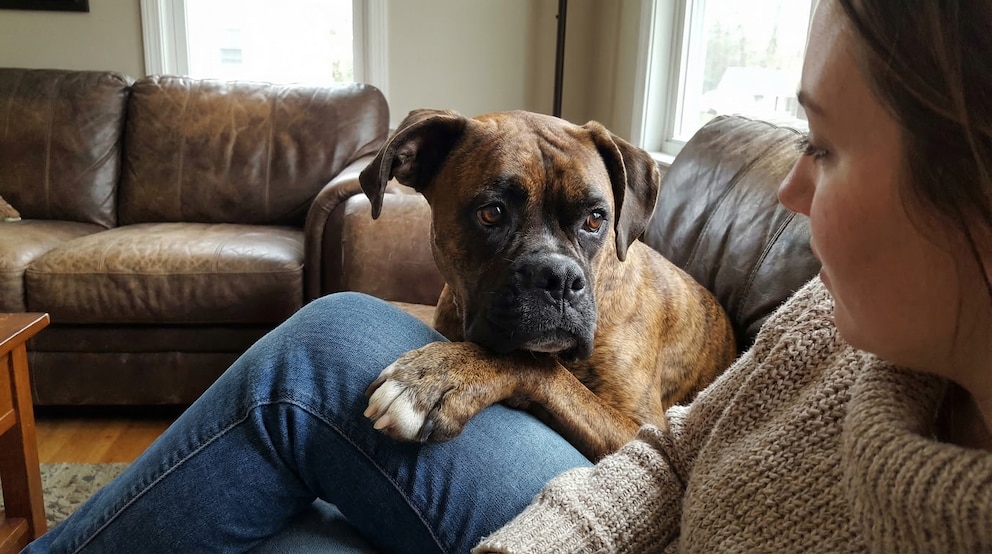
Antes de empezar con la investigación, las científicas se preguntaron por qué los signos sutiles de dolor se escapan tanto a la vista de las personas. Suelen confundirse con aburrimiento o mal ánimo.
Sin embargo, un perro que juega menos puede parecer perezoso, pero tal vez está sufriendo. Esto retrasa la visita al veterinario y agrava el problema.

La investigación buscó comparar si los responsables de perros y quienes no conviven con animales los reconocen igual. Hasta ahora, casi no había estudios que compararan a esos dos grupos de personas.
Detectar estos síntomas no es solo para evitar sufrimiento: puede prevenir problemas de conducta graves, como la agresión.
Lo que los gestos cuentan

Para investigar, las científicas diseñaron una encuesta en línea con 17 señales de dolor y tres casos de perros reales. Participaron 530 personas con perros y 117 que no tenían. Les pidieron que digan si cada señal les hacía pensar en dolor.
Algunos síntomas eran “cambios en la personalidad”, “levantar la pata con duda”, “menos ganas de jugar” y también otros menos obvios como “olfatear el aire”, “lamerse la nariz” y “bostezar”. No se explicó qué era dolor para que las respuestas fueran espontáneas.

Las viñetas del estudio describían tres situaciones: un perro con dolor sutil causado por panosteítis, que es una inflamación dolorosa y pasajera de los huesos largos; otro perro con dolor evidente por una luxación de rótula; y un tercer caso, sin dolor, que mostraba comportamiento de caza.
Los participantes leyeron cada historia y debían identificar la causa principal del comportamiento del perro en cada caso.
También calificaron la probabilidad de dolor de forma significativamente más alta en el caso que describía signos evidentes de dolor en el perro. Pero cuando los síntomas eran sutiles, responsables de perros y los otros que no lo eran fallaban casi igual.

En diálogo con Infobae, la profesora van Herwijnen señaló: “En nuestro estudio observamos que las personas que habían experimentado un evento doloroso, y en particular aquellas que habían tenido contacto con un perro que sufrió un evento doloroso, eran más propensas a interpretar señales sutiles de dolor”.
Consideró que los resultados “subrayan la importancia de la experiencia previa de las personas para reconocer estas señales en los perros”.
Por eso, plantearon que enseñar a las personas sobre el comportamiento canino puede ayudar mucho.

“Aún no se ha investigado qué tipo de entrenamiento resulta útil ni cómo debería aplicarse. Sin embargo, considerando el valor de la experiencia, es probable que el entrenamiento tenga beneficios”, aclaró.
Si el entrenamiento permite a las personas reconocer señales sutiles de dolor, los beneficios pueden incluir comprender el motivo de ciertos comportamientos en el perro.

“Si se interpreta erróneamente que el perro está aburrido o desobediente, suele haber menos paciencia. En cambio, entender que siente dolor permite ver su comportamiento de otra manera”, enfatizó.
Detectar las señales sutiles puede ayudar a prevenir problemas de conducta más graves o facilitar su resolución, como la agresión, cuando tiene origen en el dolor o la enfermedad.
“Reconocer a tiempo estas señales también posibilita evitar que el perro sufra más y que acceda a la consulta con el profesional de la veterinaria oportunamente”, afirmó.
Para el futuro, la investigadora consideró que “sería muy valioso estudiar si los signos de dolor en los perros se reconocen de manera diferente en distintas culturas”.

También sería interesante investigar si las diferencias culturales influyen en la percepción que tienen las personas sobre las experiencias de dolor en los perros y cómo afrontarlas.
“Es muy difícil que las familias reconozcan los cambios sutiles en los perros. Pueden ser signos de enfermedades oncológicas o de osteoartritis”, opinó Javier Brynkier, veterinario y docente especializado en clínica del dolor en la Facultad de Ciencias Veterinarias de la Universidad de Buenos Aires, al ser consultado por Infobae.
Es importante que los veterinarios compartan información con las personas que son tutoras de los perros. “La educación continua del entorno del animal hoy es clave”, concluyó Brynkier.
animal,basenji,bed,bedroom,bedspread,blanket,bored,boredom,brown,brunette,canine,cheerful,clever,closed eye,cold,comfort,comfortable,coverlet,creature,cuddle,cuddling,cute,dog,domestic,dormant,dreams,embrace,embracing,emotion,enjoyment,female,friend,friendship,fun,girl,green,happiness,holiday,home,hug,indoor,joy,love,pet,pink,romantic,sleep,sweet,winter,woman
INTERNACIONAL
El plan de la CIA para engañar a Teherán, mientras buscaban al piloto que había caído en territorio iraní y se escondía en la grieta de una montaña
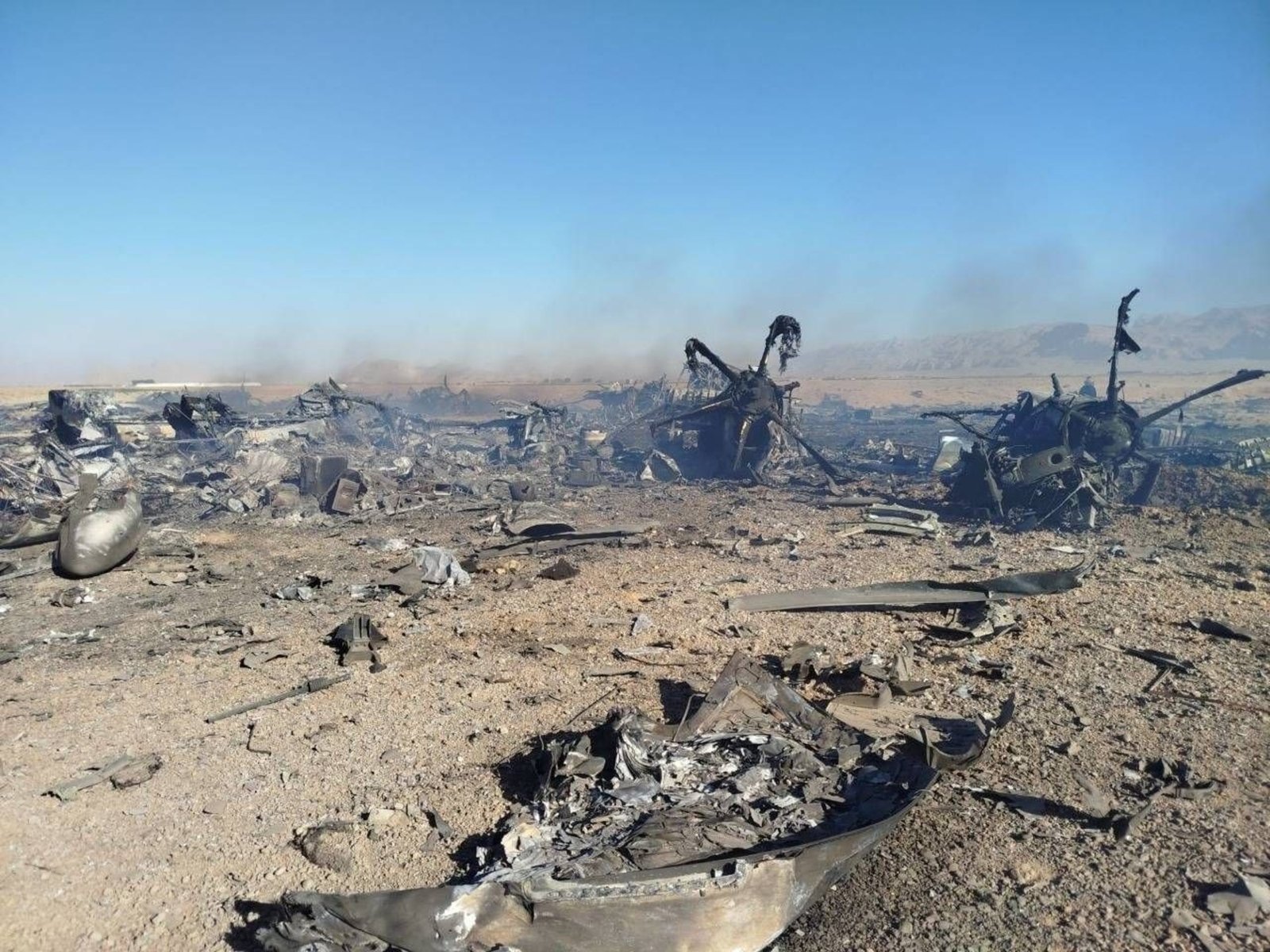
El gobierno de Estados Unidos dio detalle de cómo se produjo el rescate de los dos pilotos que habían desaparecido luego de que el avión en el que viajaban fuera derribado en Irán. Según informó la administración de Donald Trump, sacaron al primero “desde atrás de las líneas enemigas” antes de poner en marcha el operativo para extraer al segundo, “que se ocultó en las montañas mientras Teherán pedía a los iraníes que ayudaran a capturarlo”.
“Esta es la primera vez en la memoria militar que dos pilotos de Estados Unidos han sido rescatados, por separado, en lo profundo de territorio enemigo”, escribió este domingo el presidente estadounidense a través de su plataforma Truth Social.
De acuerdo con la información oficial, la CIA inició «una campaña de engaño para desorientar a la República Islámica antes de que encontraran al militar, al que ya habían localizado.
Si bien desde la Casa Blanca hablaron de “una misión casi cinematográfica, los rescatistas tuvieron varias complicaciones«, entre ellas, dos helicópteros Black Hawk que recibieron disparos y problemas con dos aviones de transporte que obligaron a las fuerzas armadas de EE.UU. a destruirlos.
Por su parte, los funcionarios de EE.UU. no hicieron comentarios mientras se desarrollaba la operación. Trump dijo después que la tarea implicó que el fin de semana estuvieran en silencio “para evitar poner en riesgo el esfuerzo hecho”, incluso mientras el mandatario y los principales miembros de su administración monitoreaban “de manera continua” la ubicación del aviador.
En ese sentido, tanto la Casa Blanca como el Pentágono se negaron durante más de 24 horas a hablar públicamente sobre lo sucedido con la nave de combate derribada. En particular, porque entonces Estados Unidos y el gobierno de Irán competían por encontrar al segundo tripulante, un oficial de sistemas de armas.
En tanto, la CIA difundió la versión de que Estados Unidos lo había encontrado y lo estaba trasladando por tierra para sacarlo de Irán. Esa confusión, sostienen, le permitió a la Agencia de Inteligencia descubrir la ubicación del militar, que se escondía en la grieta de una montaña. El organismo envió las coordenadas al Pentágono y a la Casa Blanca, donde Trump ordenó una operación de rescate.
Mientras tanto, un presentador de un canal afiliado a la televisión estatal iraní instó a los residentes de la región montañosa del suroeste de Irán, donde cayó el avión de combate, a entregar a la policía a cualquier “piloto enemigo” y prometió una recompensa a quien lo hiciera. Por este motivo, Trump sostuvo que el aviador estadounidense estaba siendo “cazado” por opositores que “se acercaban cada vez más con cada hora”.
En ese contexto, dijo Trump, ordenó al ejército el envío de aeronaves armadas para rescatar al tripulante, quien, según el mandatario, está “gravemente herido” pero se recuperará.
Los medios estatales iraníes, por su parte, habían informado que los ataques aéreos en el suroeste de Irán producidos el sábado mataron al menos a tres personas e hirieron a otras tantas, en la misma zona donde se creía que estaba el estadounidense.
Estados Unidos debió destruir aviones propios para evitar que caigan en manos del enemigo
La misión de rescate estadounidense se topó con grandes desafíos detrás de las líneas enemigas. El mando militar conjunto de Irán afirmó que atacó a dos helicópteros Black Hawk que participaban en la operación.
Una persona familiarizada con la situación dijo a AP que los dos helicópteros pudieron dirigirse a un espacio aéreo seguro, aunque no está claro si aterrizaron o si hubo tripulantes heridos. La persona habló bajo condición de anonimato para poder comentar.
Luego, las fuerzas armadas de Estados Unidos se vieron obligadas a incorporar aeronaves adicionales para completar el rescate del segundo militar debido a una falla técnica, según un funcionario de inteligencia regional al tanto de la misión. Estados Unidos destruyó dos aviones de transporte que se vio obligado a dejar atrás por el percance, dijo el funcionario, que habló bajo condición de anonimato porque la misión era encubierta.
INTERNACIONAL
Israel localizó una escuela del Líbano que era utilizada por los terroristas de Hezbollah para el almacenamiento de armas
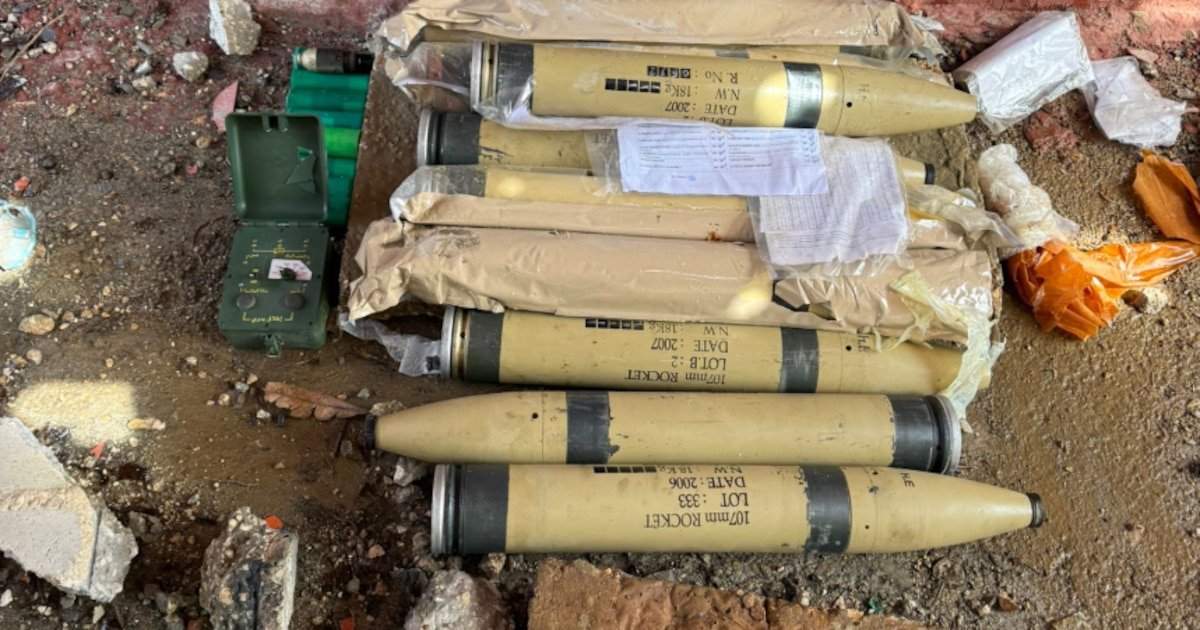
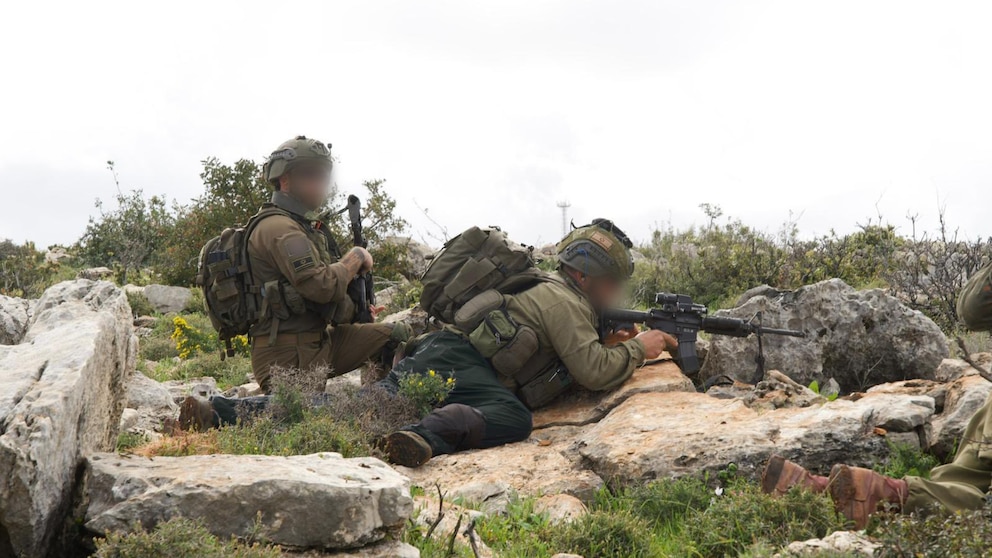
El Ejército israelí reportó este domingo el hallazgo de equipamiento militar y documentación vinculada al grupo terrorista Hezbollah en una escuela del sur de Líbano. Soldados de la Brigada Golani localizaron uniformes de combate, manuales de uso de lanzacohetes, certificados de formación de la unidad Radwan y proyectiles con sus respectivos lanzadores.
El material fue encontrado junto a cargamentos identificados como procedentes de Irán y destinados a localidades chiíes, según fuentes militares israelíes.
Durante la inspección del centro educativo, los efectivos hallaron prendas oficiales que identifican a miembros de Hezbollah, así como manuales técnicos para el manejo de armas antitanque tipo RPG.
Entre los objetos incautados figuran certificados de la fuerza Radwan, una unidad de elite del grupo chií implicada en operaciones especiales. Además, se encontraron cohetes de corto y mediano alcance, lanzadores, chalecos antibalas, cascos, artefactos explosivos y misiles antitanque.

Las Fuerzas de Defensa de Israel (FDI) también localizaron en las inmediaciones otro depósito oculto con más armas y material militar.
El ejército israelí sostiene que Hezbollah emplea infraestructuras civiles, como escuelas, para almacenar armamento y evitar ser detectado, poniendo en riesgo a la población local.
“Este tipo de hallazgos demuestra la utilización de infraestructuras escolares para fines militares”, indicó un portavoz castrense.
La operación se enmarca en un contexto de confrontación sostenida entre Israel y Hezbollah, grupo respaldado por Irán y catalogado como organización terrorista por el gobierno israelí.

Desde el inicio de la escalada, las fuerzas israelíes han intensificado los ataques aéreos y terrestres en el sur del Líbano, con el objetivo de limitar la capacidad operativa de Hezbollah y frenar el flujo de armas y recursos provenientes de Irán.
“Nuestro deber es proteger a la población civil israelí y reducir la amenaza en la frontera norte”, explicó el vocero del ejército.
El ejército israelí sostiene que los paquetes hallados estaban destinados a bastiones chiíes y contenían armas sofisticadas y documentación técnica.

Mohammad Reza Ashrafi Kahi
En paralelo a las operaciones en el sur de Líbano, Israel ha intensificado ataques selectivos contra figuras clave de la Guardia Revolucionaria iraní. Entre las últimas acciones reconocidas, el ejército israelí confirmó la eliminación en Teherán de Mohammad Reza Ashrafi Kahi, responsable de operaciones comerciales del sector petrolero del régimen.
Según fuentes militares, este organismo financia actividades y rearme militar de grupos aliados mediante la venta de hidrocarburos, eludiendo sanciones internacionales y canalizando recursos hacia Hezbollah y otros actores regionales.
El conflicto ha dejado numerosas víctimas en territorio libanés. Ataques aéreos y terrestres lanzados por Israel sobre Beirut y el sur del país han provocado decenas de muertos y heridos entre combatientes y civiles.
Según reportes oficiales, más de 1.400 personas han muerto desde el inicio de las hostilidades, entre ellas 126 menores de edad, y más de un millón de residentes han sido desplazados. Las autoridades libanesas han reportado importantes daños en viviendas e infraestructura básica.
En Kfar Hatta, una población alejada de la frontera, siete personas, incluida una niña de cuatro años, murieron tras un bombardeo israelí, pese a la orden de evacuación previa emitida por las fuerzas armadas israelíes.
El cierre temporal del paso fronterizo de Masnaa, principal enlace entre Líbano y Siria, ha agravado la crisis humanitaria y dificultado el acceso de mercancías esenciales. Israel justificó el ataque a este punto estratégico por el presunto uso para el traslado de armas y material militar por parte de Hezbollah.
El presidente libanés, Joseph Aoun, reiteró su disposición al diálogo con Israel para evitar una destrucción aún mayor en el sur del país.
“¿Por qué no negociamos… hasta que al menos podamos salvar las casas que aún no han sido destruidas?”, declaró Aoun, destacando la magnitud de los daños y el impacto de las ofensivas militares recientes en la población civil y la infraestructura libanesa.
(Con información de EFE y AFP)
cohetes,explosivos,militar,armamento,municiones,hallazgo,seguridad,conflicto,contrabando,guerra

Séptima victoria seguida del Mónaco con un Ansu Fati testimonial

Domingos en Olivos: Milei rediseña sus tertulias, con cambios de nombres, un sobreviviente y “menos ruido”

Por qué es difícil reconocer el dolor oculto en los perros

Caputo: “El año que viene no va a ser un típico año electoral, va a ser un paseo por el parque”

Preso y acorralado, Nicolás Maduro reapareció con un mensaje de Pascuas y llamó al diálogo

El Gobierno prepara una contraofensiva judicial ante las denuncias por los créditos del Banco Nación a sus funcionarios

Milei se pone al frente de la defensa de Adorni y lo suma a un acto por Malvinas en una nueva muestra de respaldo

Oriana Sabatini sorprendió al elegir a una famosa como madrina de Gia, su hija con Paulo Dybala

La Armada sorteará 30 lugares en el buque que escoltará la salida de la Fragata Libertad: cómo anotarse

La nueva advertencia de Donald Trump a Irán: «El tiempo se acaba, quedan 48 horas antes del infierno»

 INTERNACIONAL1 día ago
La nueva advertencia de Donald Trump a Irán: «El tiempo se acaba, quedan 48 horas antes del infierno»
- POLITICA1 día ago
Créditos del Banco Nación: el Gobierno reveló que Pettovello echó a Massaccesi porque “mintió”
- POLITICA18 horas ago
Círculo rojo: intrigas en el gabinete, desgaste por el caso Adorni y movimientos inquietantes en el Poder Judicial