INTERNACIONAL
Congress unveils $900B defense bill targeting China with tech bans, investment crackdown, US troop pay raise

NEWYou can now listen to Fox News articles!
Congress released a $900 billion defense bill that reshapes U.S. economic and military competition with China by imposing new investment restrictions, banning a range of Chinese-made technologies from Pentagon supply chains, and expanding diplomatic and intelligence efforts to track Beijing’s global footprint.
The legislation, which authorizes War Department spending at $8 billion above the White House’s request, includes a 4% pay raise for enlisted service members, expands counter-drone authorities, and directs new investments in the Golden Dome missile defense shield and nuclear modernization programs.
It also extends Pentagon support to law enforcement operations at the southwest border and strengthens U.S. posture in the Indo-Pacific, including funding for Taiwan’s security cooperation program.
In a victory for conservative privacy hawks like House Judiciary Committee Chairman Jim Jordan, R-Ohio, the legislation includes a non-defense provision that would mandate FBI disclosure when the bureau was investigating presidential candidates and other candidates for federal office.
That measure was the subject of party in-fighting last week when Rep. Elise Stefanik, R-N.Y., whom Speaker Mike Johnson, R-La., had appointed chairwoman of House GOP leadership, publicly accused the speaker of kowtowing to Democrats and allowing that provision to be removed.
WAR DEPARTMENT REFOCUSES ON AI, HYPERSONICS AND DIRECTED ENERGY IN MAJOR STRATEGY OVERHAUL
Johnson said he was blindsided by Stefanik’s anger and was unaware of her concerns when she had made them public.
Stefanik later claimed victory on X, stating the provision had been reinstated after a conversation between herself, Johnson and President Donald Trump.
Coverage of in vitro fertilization (IVF) for military families, which became a flashpoint in recent days, is not included in the final NDAA. Neither are provisions preempting states from regulating AI or banning a U.S. central bank digital currency (CBDC).
Republicans have pushed the CBDC prohibition as a privacy and civil-liberties measure, arguing that a government-issued digital dollar could give federal agencies the ability to monitor or restrict individual transactions.
House aides said the anti-CBDC language became tied to a separate housing-policy package known as «Road to Housing,» and the concessions required to keep both items together were unacceptable.
The bill also establishes a new «Artificial Intelligence Futures Steering Committee» charged with producing long-range forecasts and policy recommendations for advanced AI systems, including artificial general intelligence.
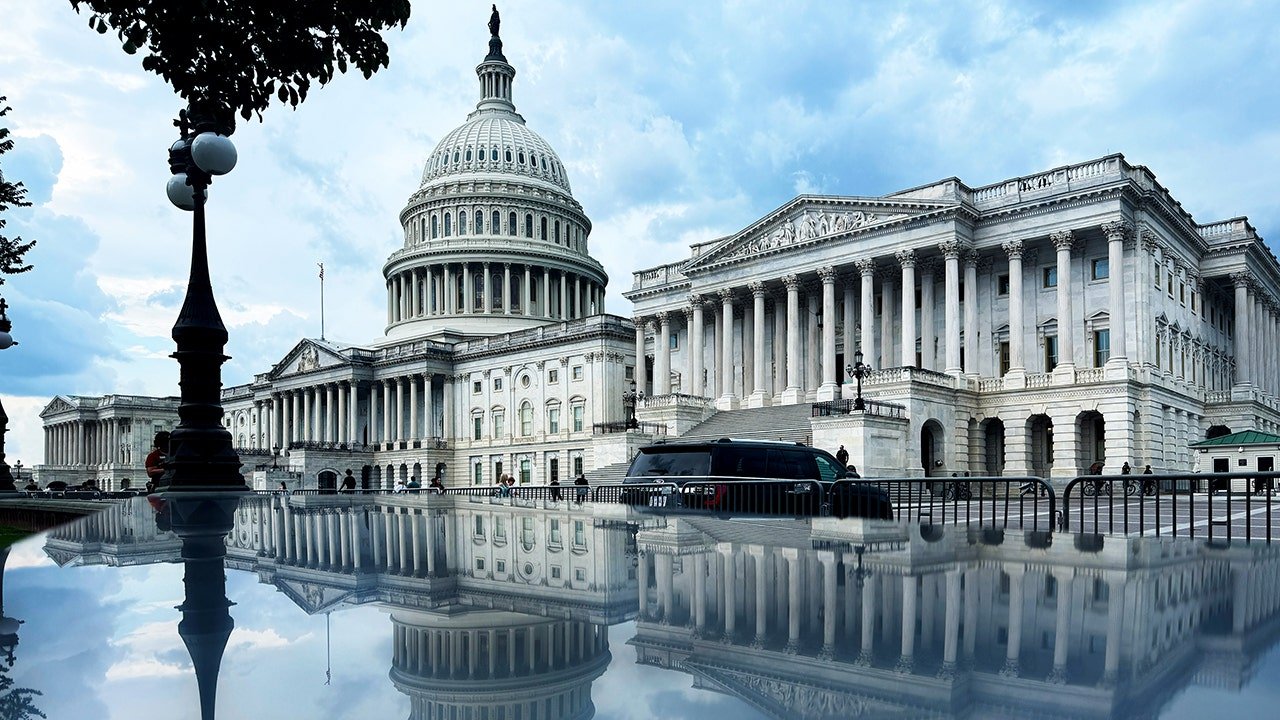
House and Senate negotiators released a $900 billion defense bill that reshapes U.S. economic and military competition with China by imposing new investment restrictions, banning a range of Chinese-made technologies from Pentagon supply chains, and expanding diplomatic and intelligence efforts to track Beijing’s global footprint. (Demetrius Freeman/The Washington Post via Getty Images)
The legislation takes aim at long-standing bottlenecks in the defense industrial base by authorizing new investment tools, expanding multi-year procurement for high-demand munitions and platforms, and overhauling portions of the acquisition system to speed the fielding of commercial and emerging technologies.
Alongside those reforms, lawmakers approved new «right-to-repair» style requirements that force contractors to provide the technical data the Pentagon needs to maintain and sustain major weapons systems—a change intended to reduce vendor lock-in and ease chronic maintenance delays across the fleet.
One major section of the bill establishes a far-reaching outbound investment screening system, requiring U.S. companies and investors to alert the Treasury Department when they back certain high-risk technologies in China or other «countries of concern.» The measure gives Treasury the ability to block deals outright, forces detailed annual reporting to Congress, and grants new authorities to sanction foreign firms tied to China’s military or surveillance networks. Lawmakers cast the effort as a long-overdue step to keep U.S. capital from fueling Beijing’s development of dual-use technologies.
US COULD LOSE NEXT MAJOR WAR DUE TO PENTAGON’S ‘BROKEN’ ACQUISITION SYSTEM
The bill also includes a procurement ban targeting biotechnology providers that would bar the Pentagon from contracting with Chinese genetic sequencing and biotech firms linked to the People’s Liberation Army or China’s security services.
Additional sourcing prohibitions restrict the War Department from purchasing items such as advanced batteries, photovoltaic components, computer displays, and critical minerals originating from foreign entities of concern, further tightening U.S. supply chains away from China. They also require the department to phase out the use of Chinese-made computers, printers and other tech equipment.
Beyond economic measures, the NDAA directs the State Department to deploy a new cadre of Regional China Officers at U.S. diplomatic posts around the world, responsible for monitoring Chinese commercial, technological, and infrastructure activities across every major geographic region, including Beijing’s Belt and Road Initiative.

NDAA authorizes Pentagon budget at $8 billion above White House request. (Julia Demaree Nikhinson/AP)
The NDAA contains several Israel-related provisions, including a directive for the Pentagon to avoid participating in international defense exhibitions that bar Israeli involvement. It authorizes funding for Iron Dome, David’s Sling, and Arrow – the missile defense programs the U.S. operates with Israel.
The bill also requires biennial reports comparing China’s global diplomatic presence to that of the United States. The Pentagon is separately directed to strengthen U.S. posture in the Indo-Pacific by extending the Pacific Deterrence Initiative and expanding cooperative training and industrial-base initiatives with regional allies, including Taiwan and the Philippines.
The legislation reauthorizes the Ukraine Security Assistance Initiative at $400 million per year for fiscal years 2026 and 2027. Congress will also require more frequent reporting on allied contributions to Ukraine to track how European partners support Kyiv.
The bill repeals two long-dormant war authorizations tied to earlier phases of U.S. military involvement in Iraq, while leaving the primary post-9/11 counterterrorism authority untouched. Lawmakers said the final text includes repeals of the 1991 Gulf War AUMF and the 2002 Iraq War AUMF, both of which successive administrations have said are no longer operationally necessary. The 1991 authorization approved the U.S.-led effort to expel Iraqi forces from Kuwait, and the 2002 authority permitted the invasion of Iraq under President George W. Bush.
CLICK HERE TO DOWNLOAD THE FOX NEWS APP
Both parties have debated winding down these authorizations for years, arguing they no longer reflect current U.S. missions in the Middle East. Presidents from both parties, including Trump, have maintained that modern military operations in the region do not rely on either statute and that the commander in chief already holds sufficient Article II authority to defend U.S. personnel when required. Repeal also answers long-running concerns in Congress about outdated war authorities being used as secondary legal justifications for actions far from their original intent, such as the 2020 strike on Iranian Gen. Qassem Soleimani.
The NDAA does not touch the 2001 Authorization for Use of Military Force, which remains the central legal basis for U.S. counter-terror operations against al-Qaeda, ISIS, and associated groups. That post-9/11 statute continues to underpin nearly all active U.S. counter-terror missions worldwide.
House aides said leaders in their chamber hoped to consider the bill as soon as this week. It will first need to go through the House Rules Committee, the final gatekeepers before legislation gets a chamber-wide vote. It could hit that panel as early as Tuesday afternoon.
Then it will head for a vote in the Senate before reaching Trump’s desk for his signature.
pentagon defense,spending,house of representatives politics,budget senate












INTERNACIONAL
Ex-Victoria’s Secret CEO’s lawyer caught on hot mic jokingly threatening to ‘kill’ him at Epstein deposition
NEWYou can now listen to Fox News articles!
Ex-Victoria’s Secret mogul Les Wexner’s lawyer was caught on a hot mic jokingly threatening to «kill» him if he continued giving long answers to questions during his deposition on Jeffrey Epstein by the House Oversight Committee.
The moment was caught after the committee released its full, nearly five-hour deposition of 88-year-old Wexner as part of its ongoing probe into Jeffrey Epstein’s network.
Several hours into the deposition, while Wexner was giving a particularly long-winded answer, Wexner’s attorney leaned over to him and whispered in his ear, «I’m going to f—ing kill you if you answer another question with more than five words, okay?»
Both Wexner and his attorney laughed after this statement, indicating Wexner understood it as a joke. The lawyer proceeded to instruct Wexner to «answer the question,» laughing more.
Shortly before this exchange, the attorney had urged Wexner to «answer the question,» saying, «I’m sure we all appreciate the stories, we’re just trying to answer questions that they actually want answered,» referring to the House committee.
EPSTEIN PROBE LEADER COMER SAYS ‘NO ONE IS ABOVE THE LAW’ AFTER EX-PRINCE ANDREW ARREST
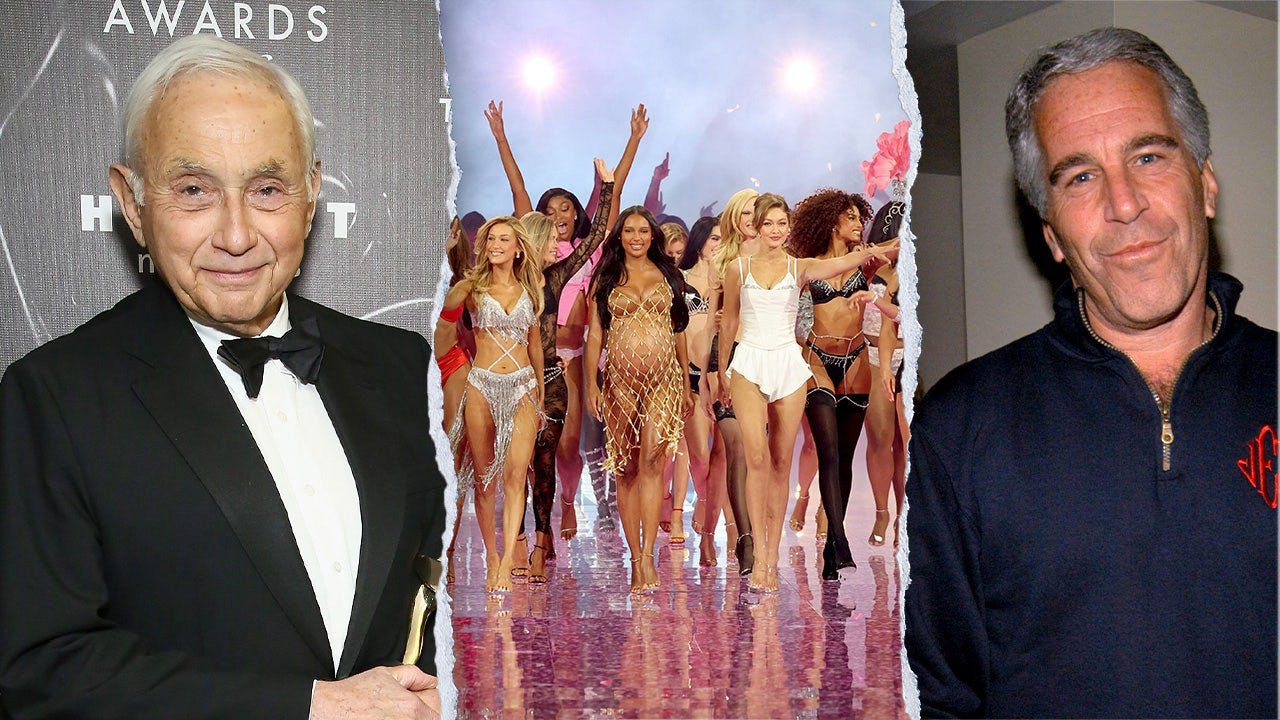
Leslie Wexner, founder of Victoria’s Secret and other fashion brands, is named numerous times in the DOJ’s files on Jeffrey Epstein. (Astrid Stawiarz/Getty Images for Fragrance Foundation; Kevin Mazur/Getty Images for Victoria’s Secret; Neil Rasmus/Patrick McMullan via Getty Images)
The Oversight Committee heard from Wexner, a billionaire fashion mogul best known for his work in revolutionizing the Victoria’s Secret store chain, about his involvement with Epstein, whom Wexner characterized as strictly a business associate rather than a close friend.
Despite being named a co-conspirator in a recently uncovered FBI document from 2019, Wexner said that he has never been directly contacted by either the FBI or the Department of Justice. He maintained his total innocence during the deposition, saying, «I was naïve, foolish, and gullible to put any trust in Jeffrey Epstein. He was a con man. And while I was conned, I have done nothing wrong and have nothing to hide. I completely and irrevocably cut ties with Epstein nearly twenty years ago when I learned that he was an abuser, a crook, and a liar.»
The committee stated it was releasing the full deposition with «no spin,» saying, «The American people deserve to see the testimony for themselves—transparency matters.»
Wexner is the founder of L Brands, formerly called The Limited, through which he acquired well-known companies Victoria’s Secret, Bath & Body Works, Express, and Abercrombie & Fitch, among others. He is no longer associated with Victoria’s Secret. He was one of Epstein’s first major clients as a financial advisor, with Epstein being granted power of attorney over Wexner’s vast wealth. Wexner also sold his Manhattan townhouse to Epstein, which was later discovered to be one of the locations where federal authorities accused Epstein of abusing young women and girls under 18.
Despite this, Wexner stated that he always kept his relationship with Epstein as strictly professional, saying, «I don’t think I ever went to lunch, or dinner, a movie or had a cup of coffee with Jeffrey,» adding, «My focus was on my business and on community.»
EXCLUSIVE: EPSTEIN EMAILS RELEASED AS DOJ SAYS NO CRIMINAL OR INAPPROPRIATE CONDUCT BY TRUMP
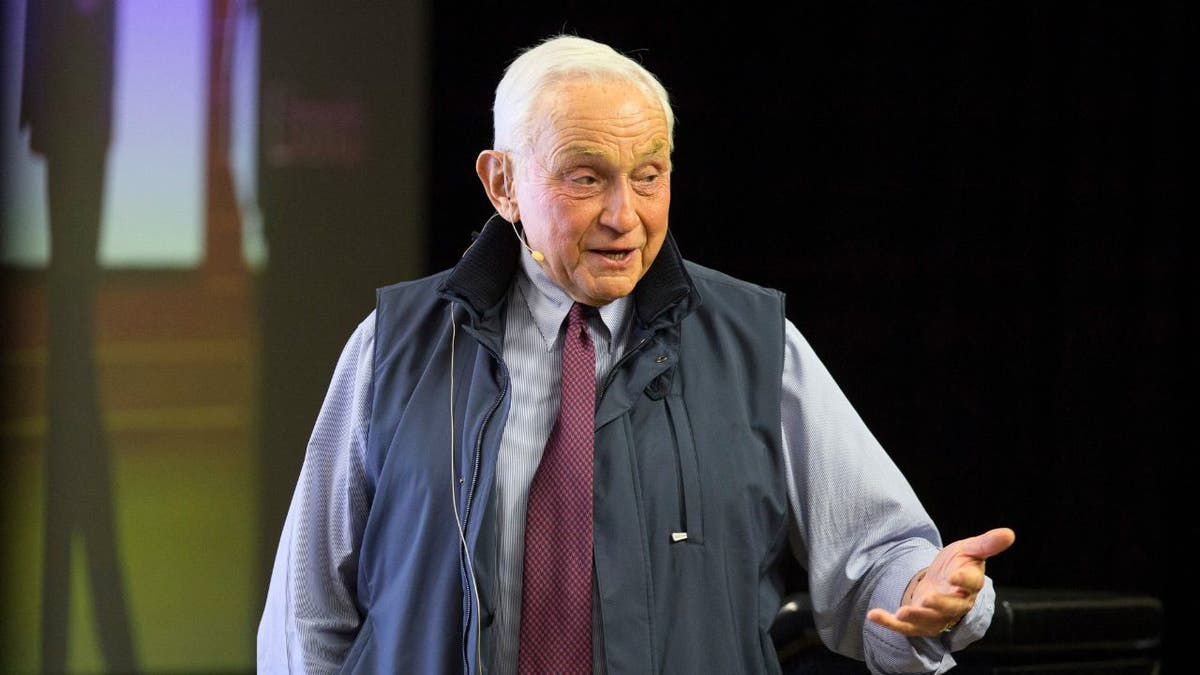
L Brands founder and former CEO Les Wexner speaks during the company’s investor day at the retailer’s headquarters in New Albany, Ohio, on Nov. 2, 2017. (Adam Cairns/Columbus Dispatch / USA TODAY NETWORK via Imagn Images)
Wexner said he severed ties with Epstein in 2007 after learning of an investigation and discovering that Epstein had misappropriated funds from him and his family. He said a substantial amount of the money was returned.
Wexner also testified that he was not aware of Epstein ever staying at a guesthouse on his New Albany, Ohio, estate, where Maria Farmer is said to have been abused by Epstein and associate Ghislaine Maxwell. He maintained that he only had knowledge of Epstein staying at a nearby neighbor’s residence. Pressed on whether he denies Farmer’s testimony that she was abused on his property, he stated, «I never met her, didn’t know she was here, didn’t know she was abused.»
He categorically denied any knowledge of either Epstein or Maxwell arranging women for prominent individuals. He also categorically denied ever having a sexual encounter with anyone introduced by Maxwell and Epstein or having any sexual relationship with Epstein himself.
He further denied any sexual contact or knowledge of another prominent Epstein victim, Virginia Giuffre.
AG PAM BONDI ANNOUNCES ‘ALL’ EPSTEIN FILES HAVE BEEN RELEASED, LISTING OVER 300 HIGH-PROFILE NAMES

Jeffrey Epstein beside Ghislaine Maxwell. (Patrick McMullan via Getty Images)
Wexner was also asked about his knowledge of Epstein and President Donald Trump’s relationship. He said that he does not think they were friends, but said Epstein «held him out as a friend.»
CLICK HERE TO DOWNLOAD THE FOX NEWS APP
Committee members also questioned Wexner on a note he wrote in a birthday book to Epstein in which he drew breasts with the caption, «Dear Jeffrey, I wanted to get you what you want, so here it is … Your friend, Leslie.»
Wexner confirmed that he wrote the note but dismissed it, saying, «He was a bachelor, so I drew a pair of boobs as kind of a joke, offhandedly, I would say.»
Wexner is the fourth person appearing before the House Oversight Committee in its Epstein probe.
Fox News Digital’s Liz Elkind contributed to this report.
jeffrey epstein,house of representatives politics,ghislaine maxwell
INTERNACIONAL
La mujer que a los 81 años comenzó a hacer CrossFit y hoy sigue levantando pesas a los 96

A los 96 años, Jean Stewart vive en Arizona y realiza ejercicios de fuerza dos veces por semana en un gimnasio local. Decidió asistir a clases de entrenamiento cuando tenía 81 años, tras notar dificultades para realizar tareas cotidianas. Buscaba una solución para recuperar la independencia en su rutina diaria y mejorar su salud física.
La motivación de Stewart surgió al experimentar debilidad y notar que acciones simples, como podar sus rosas, se volvían imposibles. Al cumplir 81 años, leyó sobre un gimnasio especializado en CrossFit para adultos mayores y decidió solicitar ayuda. Ese fue el inicio de una rutina que mantiene hasta hoy y que modificó su vida diaria de manera significativa.
El entrenamiento de fuerza permitió a Stewart volver a tareas que había dejado de hacer. También logró aumentar su capacidad física y mejorar su confianza. Estos cambios le devolvieron la autonomía perdida.
De acuerdo con The Guardian, Stewart tenía experiencia en deportes durante su juventud. Jugó hockey y sóftbol en la escuela, y trabajó para las Girl Scouts durante varios años. Sin embargo, al envejecer, notó cómo su fuerza disminuía y las actividades diarias resultaban cada vez más demandantes.
Según Stewart, la frustración creció al notar que quienes la rodeaban la trataban como una persona incapaz. Por eso, buscó clases que no solo le brindaran actividad física, sino también un espacio para recuperar la confianza. En su primer día en el gimnasio, experimentó nervios y emoción frente a los nuevos desafíos.

Cheryl Cohen, entrenadora y propietaria del gimnasio, diseñó un plan enfocado en movimientos útiles para la vida diaria, como levantarse del suelo o caminar con pesas ligeras. El progreso de Stewart fue gradual, pero constante. En poco tiempo, podía realizar flexiones completas y mantener una plancha el tiempo suficiente para escuchar una historia corta.
El camino para Stewart no estuvo libre de obstáculos. Según la misma fuente, durante estos años enfrentó problemas de salud severos, como una infección por MRSA y las consecuencias de un accidente automovilístico. Estas situaciones la obligaron a interrumpir su rutina y pasar por rehabilitación.
A los 91 años, Stewart sufrió una caída al pasear a su perro y necesitó cirugía por una fractura de cadera. A pesar de estos contratiempos, nunca abandonó el ejercicio. La constancia en su entrenamiento le permitió recuperar la movilidad y la fuerza tras cada incidente.
Cohen, su entrenadora, relató que Stewart mantiene su determinación incluso cuando le ofrecen ayuda en el supermercado. Prefiere cargar por sí misma objetos pesados, como baldes de arena para gatos, para demostrar su independencia.
Actualmente, según contó The Guardian, Stewart no puede realizar levantamientos de peso muerto debido a una condición en la columna, pero sigue entrenando con ejercicios adaptados. Su rutina incluye flexiones elevadas, sentadillas con pesas rusas y el empuje de un trineo con peso. Este entrenamiento le permite continuar con actividades cotidianas, como podar plantas o levantarse del suelo sin asistencia.

Para Stewart, esta rutina resulta esencial para su bienestar. En sus palabras: “Sin el entrenamiento de fuerza no estaría viva”. Ella transmite su entusiasmo por el ejercicio a otras personas mayores y aconseja a los jóvenes que dediquen tiempo a cuidar su salud física.
Stewart es integrante del Desert Fitness Collective, un gimnasio que ofrece clases adaptadas a adultos mayores. Su caso demuestra que el ejercicio regular puede mejorar la calidad de vida, incluso en edades avanzadas.
El ejemplo de Stewart ha inspirado a su entorno y a otras personas mayores que buscan mantener la autonomía. Su historia muestra que la edad avanzada no impide comenzar una rutina física ni recuperar habilidades perdidas con el tiempo. La constancia y la adaptación resultan claves en el proceso de envejecimiento activo.
Según The Guardian, la demanda de clases de entrenamiento para adultos mayores crece en Estados Unidos. Los profesionales del sector observan que el ejercicio no solo mejora la fuerza, sino que también contribuye a la autoestima y la independencia.
La experiencia de Jean Stewart evidencia la importancia de mantenerse activo para conservar la autonomía y la calidad de vida. Su historia confirma que la perseverancia y el entrenamiento de fuerza pueden marcar la diferencia en la vejez.
jean stewart
INTERNACIONAL
El peor momento de la monarquía británica en 400 años: menos mal que la reina Isabel no llegó a ver a su hijo preso por el caso Epstein
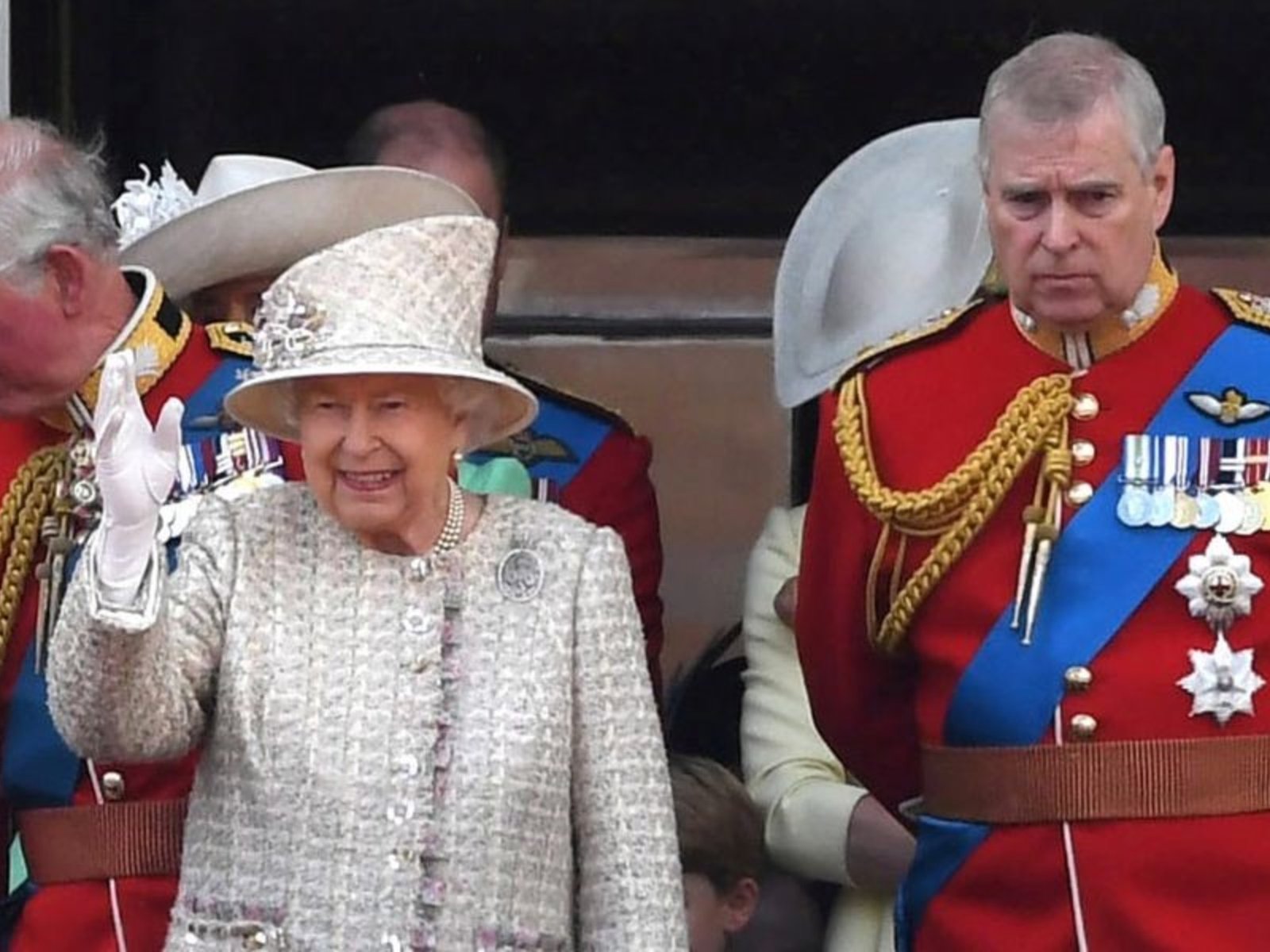
La reina Isabel se fue a la tumba con su mantra intacto: “Nunca quejarse, nunca explicar”. Andrés, su hijo favorito, rompió hoy 400 años de historia cuando fue detenido en Wood Farm, una casa del palacio de Sandringham, propiedad del rey Carlos, para explicar inicialmente por qué filtró al pedófilo Jeffrey Epstein documentos de Estado, cuando era enviado de negocios del gobierno británico.
Andrés, quien pasará su 66 cumpleaños bajo custodia, contaba con la confianza absoluta de su madre. La reina, aun enferma, almorzaba o tomaba diariamente el té con su hijo, que vivía a pasos del castillo de Windsor, en el Royal Lodge junto a Fergie, su ex esposa. Ella caminaba con los perros corgis junto a la soberana por los jardines de Frogmore Cottage, frente a la entonces casa del príncipe Harry.
Poco después del desayuno en el día de su cumpleaños, Andrés recibió un golpe en la puerta que esperaba que nunca se produjera. Era la policía británica.
Podrían haberlo convocado a asistir, pero eligieron este método porque tenían pruebas suficientes para incriminarlo y, con él detenido, podrían allanar sus casas en busca de más documentación. Por eso allanaron el Royal Lodge, donde la reina Isabel vivió y pasó su infancia en Windsor y luego vivió la reina madre, y su casa en Wood Farm en Sandringham. En ambos lados recogieron documentación.
El hijo de Isabel II, hermano del rey, fue trasladado en un coche patrulla sin distintivos, preparándose para afrontar las primeras preguntas serias de su vida. Fue arrestado por la Policía del Valle del Támesis bajo sospecha de mala conducta en un cargo público, tras la publicación de archivos que, aparentemente, demostraban que entregó documentos confidenciales a Jeffrey Epstein durante su periodo como enviado comercial británico.
Andrés ya ha sufrido la desgracia de perder su cargo público, su título y su residencia real. No es descabellado pensar que podría enfrentarse a la cárcel y no solo declarar ante el congreso norteamericano sobre Epstein.
Es el peor momento de la monarquía en casi 400 años. Ningún divorcio, ninguna separación, ninguna aventura extramatrimonial de los hijos de la reina se le parece. Incluso la abdicación, tan escandalosa en su día, palidece ante la visión de un hombre nacido príncipe y ahora en una comisaría británica.
Con la confianza de su madre, parcialmente protegido hasta hace poco por su hermano mayor, Andrés ahora se enfrenta a horas solitarias en compañía de la Policía del Valle del Támesis.
Los monárquicos de todo el país habrán tenido la misma idea: menos mal que la reina no está aquí para verlo.
Será un cumpleaños extraño y solitario. Andrés, quien en su día fue un héroe de la Guerra de las Malvinas y un símbolo de los príncipes, habrá escuchado las mismas palabras que cualquier otra persona arrestada: «No tiene que decir nada. Pero podría perjudicar su defensa si no menciona, cuando se le interroga, algo en lo que luego se basará en el tribunal». Tendrá derecho a un abogado de oficio; la policía podrá tomar fotografías y huellas dactilares.
Por primera vez desde su desafortunada entrevista en Newsnight, se enfrentará a preguntas sobre su relación con Epstein y la información que este compartió por correo electrónico. En aquel entonces, la entrevista se realizó en el Palacio de Buckingham. Ahora, será en una comisaría.
Ni el rey ni el palacio fueron informados previamente sobre la detención. La policía de Thames llamó al Ministerio del Interior para avisar antes de la detención y así se filtró a la prensa, que esperaba el allanamiento.
El rey asistió al Fashion Show de Londres y no respondió preguntas sobre su hermano. Lo mismo hizo la reina Camila en Westminster.
El plazo máximo para una detención es de 24 horas, excepto en investigaciones de delitos graves, como asesinato o terrorismo.
Los sospechosos pueden ser puestos en libertad bajo diferentes mecanismos. La «libertad bajo investigación» significa que pueden continuar en libertad a la espera de nuevas investigaciones sin condiciones.
Como alternativa, la policía puede conceder dos tipos de fianza. La «fianza incondicional» puede establecerse con una fecha y hora específicas en las que el sospechoso debe ponerse a disposición. La «fianza condicional» puede añadir requisitos adicionales, como residir en un domicilio específico o presentarse regularmente en una comisaría.
Las directrices establecen que «las condiciones no deben ser irrazonables, excesivamente restrictivas ni punitivas».

Uno por uno, qué diputados votaron a favor de la reforma laboral y quiénes en contra

El paro de la CGT en contra de la reforma laboral tuvo un fuerte impacto por la adhesión del transporte y hubo cruces con el Gobierno

Ex-Victoria’s Secret CEO’s lawyer caught on hot mic jokingly threatening to ‘kill’ him at Epstein deposition

Sueldo empleados de Comercio: cuánto cobran en febrero 2026 con las sumas fijas vigentes

Qué dijo Filipe Luis tras ser derrotado por Lanús en la ida de la Recopa Sudamericana

Maxi López y Guido Icardi protagonizaron un tenso cruce familiar tras polémicos dichos en televisión

Reforma laboral bomba: menos indemnización, más horas y despidos más fáciles — el cambio que puede sacudir el empleo en Argentina

Cristian Ritondo: “Vamos a apoyar la ley de modernización laboral, pero no el régimen de licencias por enfermedad”

El dólar no sólo cae en la Argentina: qué pasa con otras monedas emergentes y cuáles son las causas

Tras el anuncio de la CGT, también habrá paro total de los medios de transporte de pasajeros en el país

 POLITICA3 días ago
Reforma laboral bomba: menos indemnización, más horas y despidos más fáciles — el cambio que puede sacudir el empleo en Argentina
- POLITICA3 días ago
El Gobierno endurece las medidas de seguridad y control en la marcha prevista contra la reforma laboral en el Congreso
- ECONOMIA2 días ago
Ayuda Escolar Anual: a cuánto asciende, donde se tramita y quien puede cobrarla