INTERNACIONAL
De inmigrantes a empresarios: la historia de los hoteles que cambiaron la vida de miles de familias


Miles de familias indias inmigrantes llegaron a Estados Unidos durante el siglo XX en busca de oportunidades y, con el paso de las décadas, lograron instalarse como actores claves en el negocio hotelero del país. A fuerza de trabajo familiar, resistencia ante las adversidades y redes de apoyo creadas entre personas del mismo origen, grupos de padres, madres, hijos y parientes forjaron un legado que hoy se traduce en el control de más del 60% de los hoteles y moteles, a pesar de representar solo el uno por ciento de la población nacional.
Según datos de la Asociación Estadounidense de Hoteles Asiáticos, más de 33.000 hoteles y moteles en todo el país pertenecen a familias indias o sus descendientes, quienes generan millones de puestos de trabajo y miles de millones de dólares en ingresos.
De acuerdo con investigaciones llevadas a cabo en universidades y medios estadounidenses, el fenómeno obedece tanto a la solidaridad interna en la comunidad como al consejo y ejemplo de líderes de la primera generación.
El apellido Patel se convirtió en sinónimo de hotelería en Estados Unidos. De acuerdo con estudios citados por CNN, gran parte de los propietarios proceden del estado indio de Gujarat, una región caracterizada por sus tradiciones empresariales y su cultura de apoyo familiar. Si bien entre ellos existe una diversidad de historias y recorridos, comparten el valor del esfuerzo, la cooperación y la visión a largo plazo.

Los primeros pasos ocurrieron después de la llegada de Kanji Manchhu Desai, natural de Gujarat y considerado un pionero en este proceso, quien llegó a California en 1934, desde Trinidad, en busca de mejores condiciones de vida.
Según la investigación de Mahendra K. Doshi, periodista y autor de un libro clave para comprender este fenómeno, Desai primero se empleó en el campo y, más tarde, recibió la responsabilidad de administrar un hotel en Sacramento durante la Segunda Guerra Mundial. Esta oportunidad surgió cuando la dueña, ciudadana japonesa, fue enviada a un campo de detención y necesitó confiar en alguien su negocio.
De acuerdo con el relato de Doshi, Desai asumió el desafío con entrega y, después de la guerra, arrendó el Hotel Goldfield en San Francisco. Allí, no solo prosperó como empresario: abrió las puertas a otros inmigrantes, los hospedó y los aconsejó sobre la gestión hotelera.
En esos años, su frase “Si eres un Patel, alquila un hotel” comenzó a circular como una invitación y una apertura entre quienes llegaban desde Gujarat. Las redes de solidaridad nacidas a partir de la experiencia de Desai se consolidaron en préstamos de palabra, alojamiento y orientación para los recién llegados.
Según testimonios de descendientes de aquellos primeros emprendedores, difundidos por The Indian Global, como Jyoti Sarolia y su familia, la ayuda inicial de personajes como Desai fue clave para establecerse en el sector.
Sarolia recordó que su familia arribó en 1952 tras recibir una carta de aliento que relataba las posibilidades que ofrecía el país para quienes buscaban iniciar un negocio hotelero. Estas familias pronto se multiplicaron. De acuerdo a su relato, cuatro generaciones y unas 400 personas integran hoy su red familiar extendida en el negocio, en el que gestionan varias cadenas.

Las historias de estas familias no solo fueron relatos personales de superación. En muchos casos, los niños y niñas crecieron realizando tareas esenciales en los hoteles, atendiendo teléfonos, recibiendo huéspedes y organizando las habitaciones.
Según declaraciones por CNN, estos “niños del mostrador” transformaron los pasillos y cuartos en zonas de encuentro, aprendizaje y también juego. Con el tiempo, se integraron a la gestión, innovaron, diversificaron actividades e impulsaron la profesionalización del sector.
El fenómeno fue observado por la cultura popular y recibió diversas menciones en la prensa, el humor y la literatura. Según la Asociación Estadounidense de Hoteles Asiáticos, el éxito sostenido de estos grupos radica en la combinación de trabajo duro, disciplina, transmisión intergeneracional y apoyo comunitario. Aunque el apellido Patel destaca y predomina en las fachadas y registros comerciales, la realidad abarca una vasta red de historias singulares sobre migración, integración y crecimiento económico.
En los últimos años, cineastas y periodistas comenzaron a documentar el fenómeno para el público general. Uno de los proyectos más representativos es el cortometraje La historia del Motel Patel, dirigido y narrado por Amar Shah, quien vivió en carne propia la experiencia de una familia de inmigrantes dedicada a este sector.
Según explicó Shah a CNN, su percepción de la hotelería familiar cambió con el paso de los años: de sentir vergüenza en la infancia, pasó a valorar la magnitud del esfuerzo colectivo de su comunidad.
La película, estrenada en el Festival de Tribeca en Nueva York en junio de 2024, relata a través de imágenes y entrevistas cómo estos grupos edificaron verdaderos imperios inmobiliarios, muchas veces lejos del reconocimiento oficial o de los libros de historia.
De acuerdo con los productores y entrevistados, aún existen multitud de relatos que no fueron contados y que componen el verdadero retrato de la migración india en Estados Unidos.
timbre hotel

INTERNACIONAL
Estados Unidos: los millonarios se mudan a Miami para pagar menos impuestos y atraídos por el «glamour» de la ciudad

Impuestos y Trump, los factores
Latinoamericanos también llegan

INTERNACIONAL
Rick Scott says Prince Andrew ‘absolutely’ must face US trial in Epstein case if American laws were broken
NEWYou can now listen to Fox News articles!
A top Senate Republican demanded that if former Prince Andrew is found to have broken American laws with his ties to Jeffrey Epstein, he should stand trial in the U.S.
«If he’s violated American law, absolutely,» Sen. Rick Scott, R-Fla., told Fox News Digital.
Scott’s comments came after the news that the former prince, now Andrew Mountbatten-Windsor, who is linked to the late pedophile Jeffrey Epstein, was arrested on suspicion of misconduct in public office in the United Kingdom on Thursday.
EPSTEIN PROBE LEADER COMER SAYS ‘NO ONE IS ABOVE THE LAW’ AFTER EX-PRINCE ANDREW ARREST
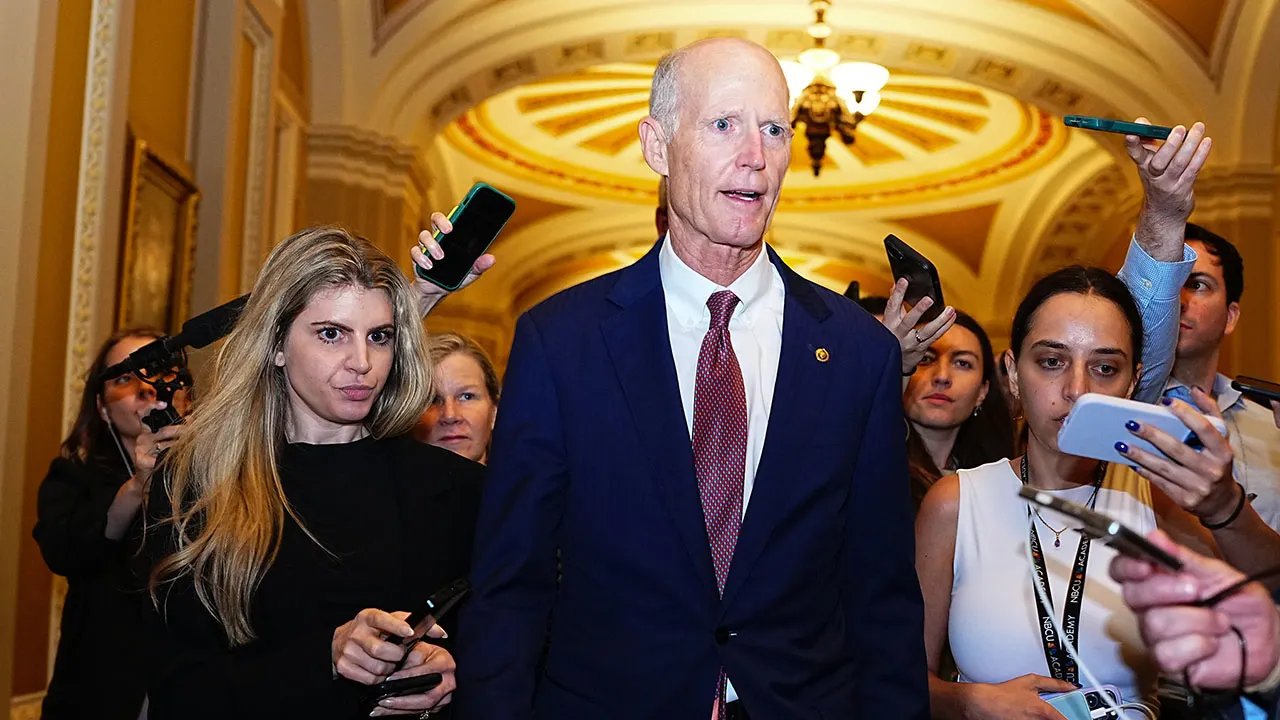
Sen. Rick Scott, R-Fla., said that former Prince Andrew, who was arrested under suspicion of misconduct in public office in the United Kingdom on Thursday, should «absolutely» stand trial in the U.S. if he was found to have broken any American laws with his ties to Jeffrey Epstein. (Aaron Schwartz/Bloomberg via Getty Images)
British authorities were reportedly investigating whether Mountbatten-Windsor had shared confidential trade information with Epstein while acting as Britain’s special envoy for trade over a decade ago, the Associated Press reported.
Mountbatten-Windsor has denied any wrongdoing in relation to Epstein, despite being one of his most well-known associates. He was also accused by the late Virginia Giuffre — one of Epstein’s most prominent accusers — in her memoir of having sex with her when she was a minor.
The list of co-conspirators and those connected to Epstein continues to grow, following Congress’ move to force the Department of Justice (DOJ) to release millions of documents related to him, known as the «Epstein Files.»
MASSIE, TOP OVERSIGHT DEMOCRAT CALL FOR SECRETARY LUTNICK TO RESIGN FOR ‘LYING’ ABOUT ALLEGED EPSTEIN TIES
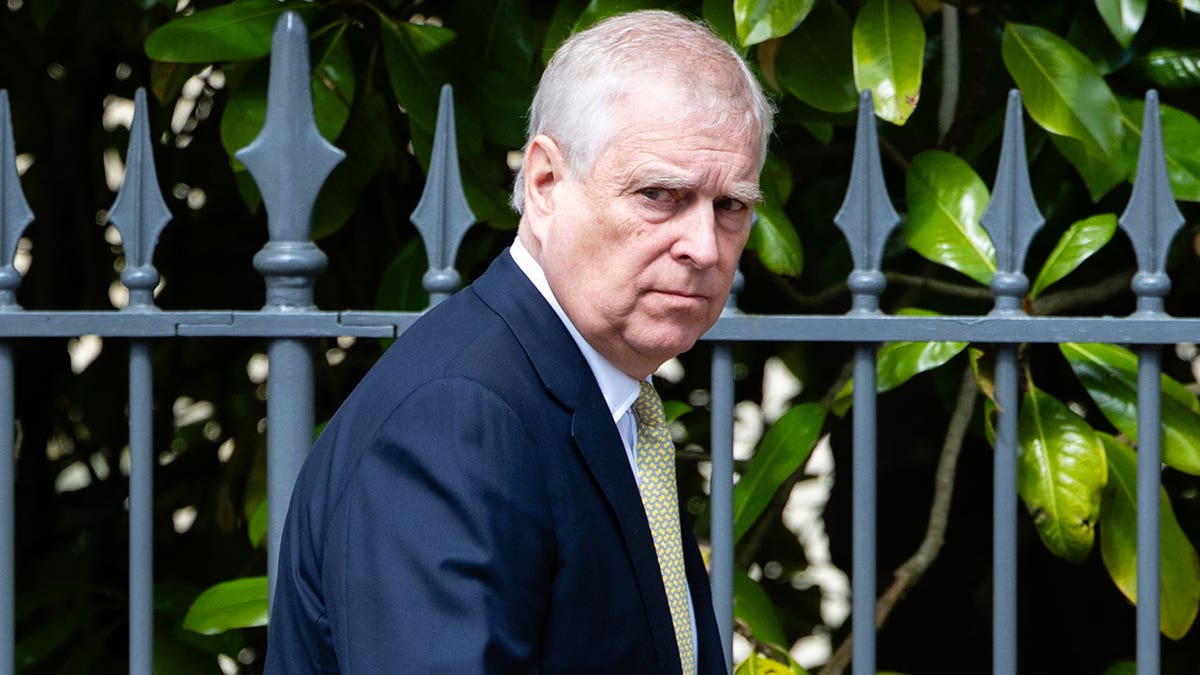
The former Prince Andrew, Duke of York attends the Easter service at St. George’s Chapel on April 20, 2025, in Windsor, England. He lost his princely title in October of that year. (Samir Hussein/WireImage/Getty Images)
But criminal action against those alleged to have ties with Epstein has remained scarce, given that appearing in the files doesn’t directly translate to criminal charges. Scott argued that if people «violate the law, you should be prosecuted to the full extent of the law.»
«It’s as simple as that. It’s despicable what Epstein did,» Scott said. «I can’t imagine these people who had relationships with Epstein, especially after he was convicted the first time, and they kept their relationship.»
«If they’ve done anything wrong, they should be held accountable,» he continued. «I don’t know if Prince Andrew has done anything wrong, but everybody who has should be held accountable. What you read that happened to these young girls is just like — I’ve got two daughters, I’ve got a granddaughter, and I can’t imagine, you know, the position that Epstein and, it seems like, some other people put these young women in.»
The Senate voted unanimously last year in favor of legislation that President Donald Trump signed into law that required the DOJ to release all unclassified records, documents, communications and investigative materials «publicly available in a searchable and downloadable format» related to the late financier and his accomplice Ghislaine Maxwell.
STARMER CALLS ON EX-PRINCE ANDREW TO TESTIFY BEFORE CONGRESS AFTER LATEST EPSTEIN RELEASE
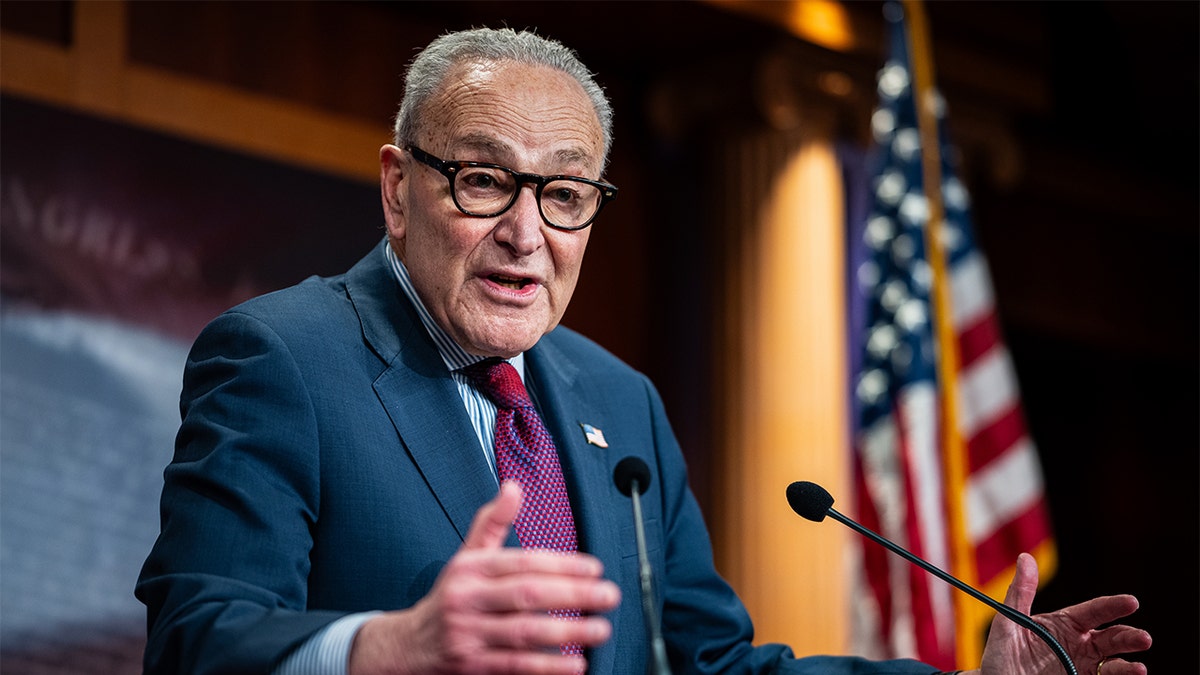
Senate Minority Leader Chuck Schumer, D-N.Y., speaks during a news conference at the U.S. Capitol in Washington, D.C., on Feb. 12, 2026. (Graeme Sloan/Bloomberg via Getty Images)
Several names of prominent Americans, including Commerce Secretary Howard Lutnick, were revealed in the trove of unredacted documents.
Senate Majority Leader John Thune, R-S.D., when asked if Lutnick or others should face consequences, said earlier this month that «transparency is something we all ought to aspire to here.»
«And if there are folks who are, you know, named in there or discussed in there in some way, they’re going to have to answer for that,» Thune said.
CLICK HERE TO DOWNLOAD THE FOX NEWS APP
Millions of files and a handful of months later, Attorney General Pam Bondi announced earlier this week that the DOJ had unloaded all the documents. But lawmakers have said it’s not enough.
Senate Minority Leader Chuck Schumer, D-N.Y., charged that the DOJ’s handling of the Epstein files «is a travesty.»
«But in France, the Paris prosecutor’s office just opened two investigations based on new leads from the released files,» Schumer said on X. «And in Britain, former Prince Andrew has been arrested over ties to Epstein. When will there be justice in America?»
politics,senate,jeffrey epstein,british royals,crime world
INTERNACIONAL
Iraq War flashbacks? Experts say Trump’s Iran buildup signals pressure campaign, not regime change
NEWYou can now listen to Fox News articles!
As U.S. forces surge into the Middle East amid escalating tensions with Iran, the military posture is drawing comparisons to the 2003 Iraq War buildup. But military experts and former officials say that while the scale of visible force may look similar, the design and intent are fundamentally different.
In early 2003, the United States assembled more than 300,000 U.S. personnel in the region, backed by roughly 1,800 coalition aircraft and multiple Army and Marine divisions staged in Kuwait and Saudi Arabia ahead of Operation Iraqi Freedom. The force was built for invasion, regime removal and occupation.
Today’s deployment tells a different story, as the absence of massed ground forces remains the clearest contrast with 2003.
«I believe there is absolutely no intention to put ground forces into Iran. So the buildup is very different,» retired Gen. Philip Breedlove, former NATO Supreme Allied Commander Europe, told Fox News Digital.
IRAN DRAWS MISSILE RED LINE AS ANALYSTS WARN TEHRAN IS STALLING US TALKS
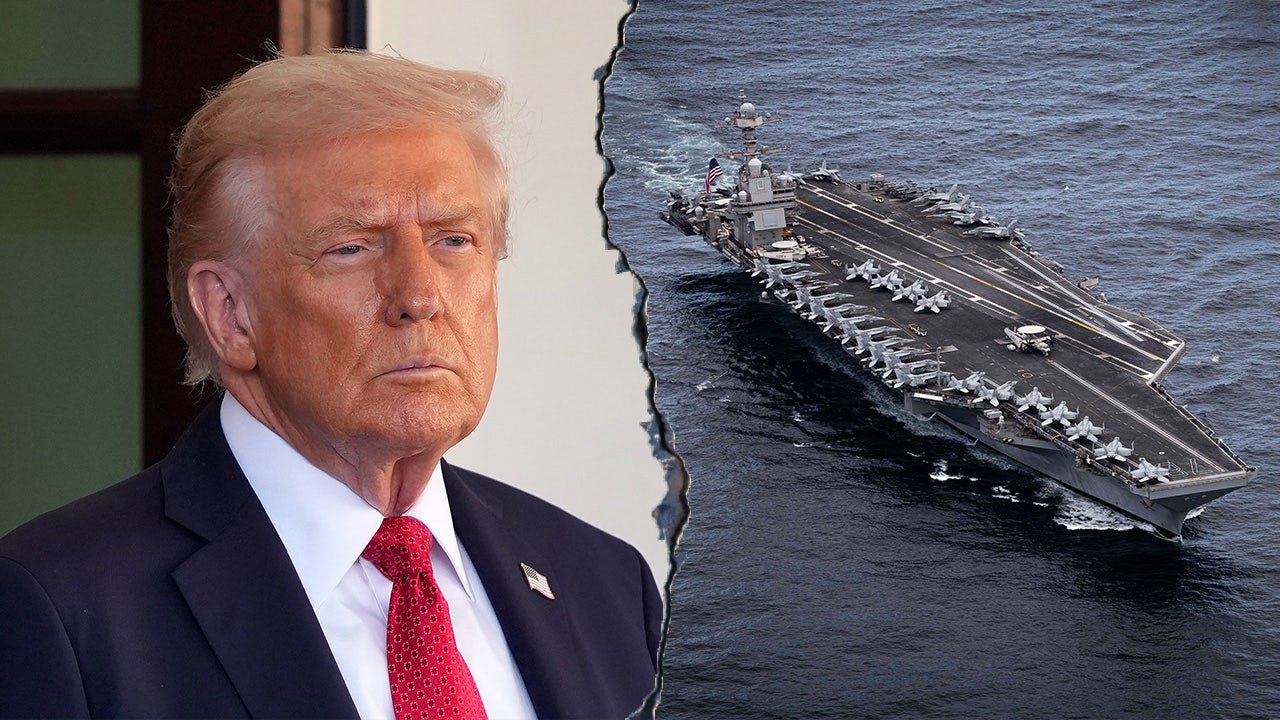
The world’s largest aircraft carrier USS Gerald R. Ford is seen in the North Sea during Exercise Neptune Strike 2025. The photo was taken in the North Sea in September 2025. (Jonathan Klein/AFP via Getty Images)
«What is happening is that both firepower and supplies are being moved to the right places … Amateurs talk tactics; professionals talk logistics. And right now we are getting logistics right, not only in the form of shooters but supplies to sustain an effort,» he said.
John Spencer, executive director of the Urban Warfare Institute, told Fox News Digital that «the strategic objective in both cases is coercion, shaping an adversary’s decision calculus through visible military power, but while the scale of the buildup may appear comparable, what is being mobilized and threatened is fundamentally different.»
«In 2003, the United States assembled a ground-centric force built for regime removal, territorial seizure and occupation,» he said. «Today’s posture is maritime and air-heavy, centered on carrier strike groups, long-range precision strike and layered air defense, signaling clear readiness to act while also sending an equally clear message that there are no boots on the ground planned.»
«The recent U.S. military buildup against Iran — which now includes two aircraft carrier battle groups, in addition to dozens of other U.S. planes that have been sent to bases in the region and air and missile defense systems — provides President Trump with a significant amount of military capability should he authorize military operations against Iran,» said Javed Ali, associate professor at the University of Michigan’s Ford School and former senior counterterrorism official.
Ali noted that U.S. capabilities already in the region at Al Udeid Air Base in Qatar, Diego Garcia in the Indian Ocean and other locations give Washington multiple strike options.
If ordered, he said, operations «would very likely be broad in scope against a range of targets like the ruling clerical establishment, senior officials in the IRGC, key ballistic missile and drone production, storage and launch facilities, and elements of Iran’s nuclear infrastructure, and last for days if not longer.»
IRAN RAMPS UP REGIONAL THREATS AS TRUMP CONSIDERS TALKS, EYEWITNESS ACCOUNTS OF REGIME VIOLENCE EMERGE
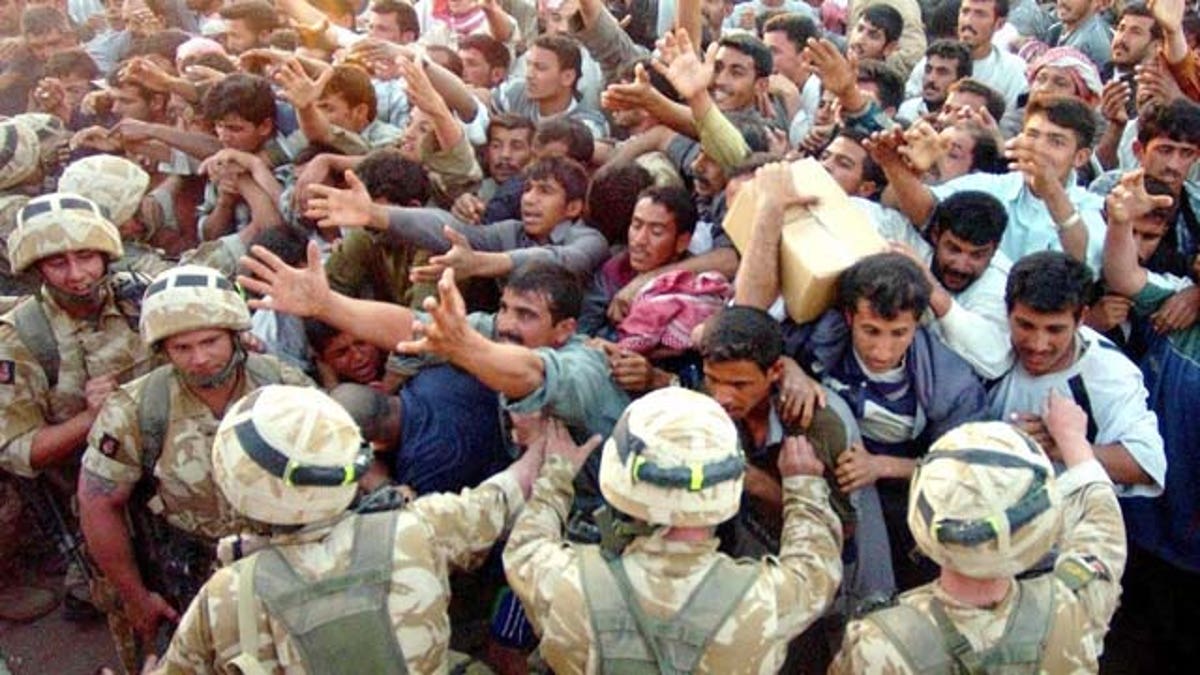
Soldiers of the British Light Infantry distribute aid packages to locals at Zubayr near Basra, southern Iraq. Britain, a key ally in the U.S.-coalition, was in charge of security in Iraq’s southern region until its withdrawal in 2007.
Breedlove said the incremental deployment of carriers and air assets appears designed to increase pressure, not trigger immediate war.
«We brought in one carrier battle group that did not change the rhetoric in Iran… so now the president has started sailing a second carrier battle group to the area. I think all of these things are increasing the pressure slowly on Iran to help them come to the right decision… Let’s sit down at the table and figure this out.»
Ali emphasized another major difference: legal authority and coalition structure. The 2003 Iraq War was authorized by a congressional Authorization for Use of Military Force and backed by a large international coalition, including tens of thousands of British troops. «Currently, no similar AUMF has been approved by Congress for military operations against Iran, which might mean President Trump may invoke his standing authority under Article II of the US Constitution as Commander in Chief as a substitute legal basis, given the threats Iran poses to the United States,» he said.

The aircraft carrier Pre-Commissioning Unit (PCU) Gerald R. Ford (CVN 78) pulls into Naval Station Norfolk for the first time. The first-of-class ship — the first new U.S. aircraft carrier design in 40 years — spent several days conducting builder’s sea trials, a comprehensive test of many of the ship’s key systems and technologies. (U.S. Navy photo by Matt Hildreth courtesy of Huntington Ingalls Industries/Released) (©Newport News Shipbuilding 2017)
That does not mean escalation is risk-free. Ali warned Iran could respond with «ballistic missile attacks» in far greater frequency than past strikes, along with drones, cyber operations and maritime disruption in the Persian Gulf.
Breedlove pointed to lessons learned from Iraq. «We want to have a clear set of objectives… we do not want to enter an endless sort of battle with Iran… we need to have a plan for what’s day plus one,» he said, warning against repeating past mistakes where military success was not matched by post-conflict planning.
CLICK HERE TO DOWNLOAD THE FOX NEWS APP

The world’s largest aircraft carrier, the U.S. Navy nuclear-powered Ford-class aircraft carrier USS Gerald R. Ford (CVN 78) arrives in St. Thomas, U.S. Virgin Islands, Dec. 1, 2025. (Seaman Abigail Reyes/U.S. Navy/Handout via Reuters)
The central military distinction, analysts say, is this: 2003 was an invasion architecture. Today is a deterrence and strike architecture.
The force now in place is optimized for air superiority, long-range precision strikes and sustained naval operations — not for seizing and holding territory. Whether that posture succeeds in compelling Iran back to negotiations without crossing into open conflict may depend less on numbers than on how each side calculates the cost of escalation.
iran,iraq,military,pentagon,national security,wars,middle east

Estados Unidos: los millonarios se mudan a Miami para pagar menos impuestos y atraídos por el «glamour» de la ciudad

Todo el line up de Lollapalooza Argentina 2026: cuándo tocan Sabrina Carpenter, Tyler, The Creator y Chappell Roan

La CGT celebró el “alto acatamiento” del paro y advirtió al Gobierno: “Esto recién empieza”

Los audios de Karina: revés judicial para la diputada Pagano y su esposo en una denuncia del Gobierno

Las exportaciones crecieron casi 20% y el superávit comercial se acercó a los u$s2.000 millones

Santi Castro sigue de racha en el Bologna: tercer gol seguido

Reforma laboral bomba: menos indemnización, más horas y despidos más fáciles — el cambio que puede sacudir el empleo en Argentina

Cristian Ritondo: “Vamos a apoyar la ley de modernización laboral, pero no el régimen de licencias por enfermedad”

El dólar no sólo cae en la Argentina: qué pasa con otras monedas emergentes y cuáles son las causas

Tras el anuncio de la CGT, también habrá paro total de los medios de transporte de pasajeros en el país

 POLITICA2 días ago
Reforma laboral bomba: menos indemnización, más horas y despidos más fáciles — el cambio que puede sacudir el empleo en Argentina
- POLITICA3 días ago
Cristian Ritondo: “Vamos a apoyar la ley de modernización laboral, pero no el régimen de licencias por enfermedad”
- ECONOMIA3 días ago
El presidente de Camarco habló tras el mensaje de Caputo a los empresarios: “Apoyamos fervientemente la reforma laboral”