INTERNACIONAL
Defiant Letitia James rallies with far-left ally Mamdani after indictment, vows to keep fighting Trump


NEWYou can now listen to Fox News articles!
New York Attorney General Letitia James rallied with New York City Democratic mayoral nominee Zohran Mamdani on Monday night and vowed to continue fighting President Donald Trump’s «aggressive policies» in her first public appearance since she was indicted on fraud charges.
With three weeks until Election Day, the «Our Time Has Come» rally in Washington Heights underscored how New Yorkers are uniting behind James as she faces federal charges. Mamdani was joined by James, Reps. Nydia Velázquez and Adriana Espaillat, and New York City Councilmember Chi Ossé.
«Thank you to New York’s attorney general, Tish James,» Mamdani said. «For years, you have fought the good fight for New Yorkers, and now it’s our time to fight for you.»
U.S. Attorney for the Eastern District of Virginia Lindsey Halligan announced Thursday that a federal grand jury indicted James for bank fraud and making false statements to financial institutions.
LEGAL EXPERT CALLS OUT ‘IRONIC’ TWIST AS NY AG WHO PROSECUTED TRUMP FACES FEDERAL BANK FRAUD CHARGES
New York City Democratic mayoral nominee Zohran Mamdani, left, greets New York Attorney General Letitia James during a rally in Washington Heights on Oct. 13, 2025. (Charly Triballeau/AFP via Getty Images)
«I know what it feels like to be attacked for just doing your job,» James said Monday. «I also know what it feels like to overcome adversity, and so I stand on solid rock, and I will not bow. I will not break. I will not bend. I will not capitulate. I will not give in. I will not give up.»
MAMDANI ASSAILS TRUMP FOR ‘POLITICAL RETRIBUTION’ AGAINST LETITIA JAMES IN SWEEPING DEFENSE OF EMBATTLED AG
The Mamdani rally was James’ first public appearance since she was indicted last week. The attorney general has endorsed Mamdani and joined him on the campaign trail this year.
«You come for me? You gonna come to all of us!» James shouted over the cheers of the Washington Heights crowd. The Mamdani campaign said 3,000 supporters attended the rally.
James has dismissed the indictment as «nothing more than a continuation of the president’s desperate weaponization of our justice system,» calling the «president’s actions» a violation of constitutional order.
«I will keep fighting for justice,» James vowed on Monday. «I will keep fighting for New Yorkers. I will keep fighting the aggressive policies of Washington, D.C. And I will not stop. I won’t give up, and I won’t give in.»
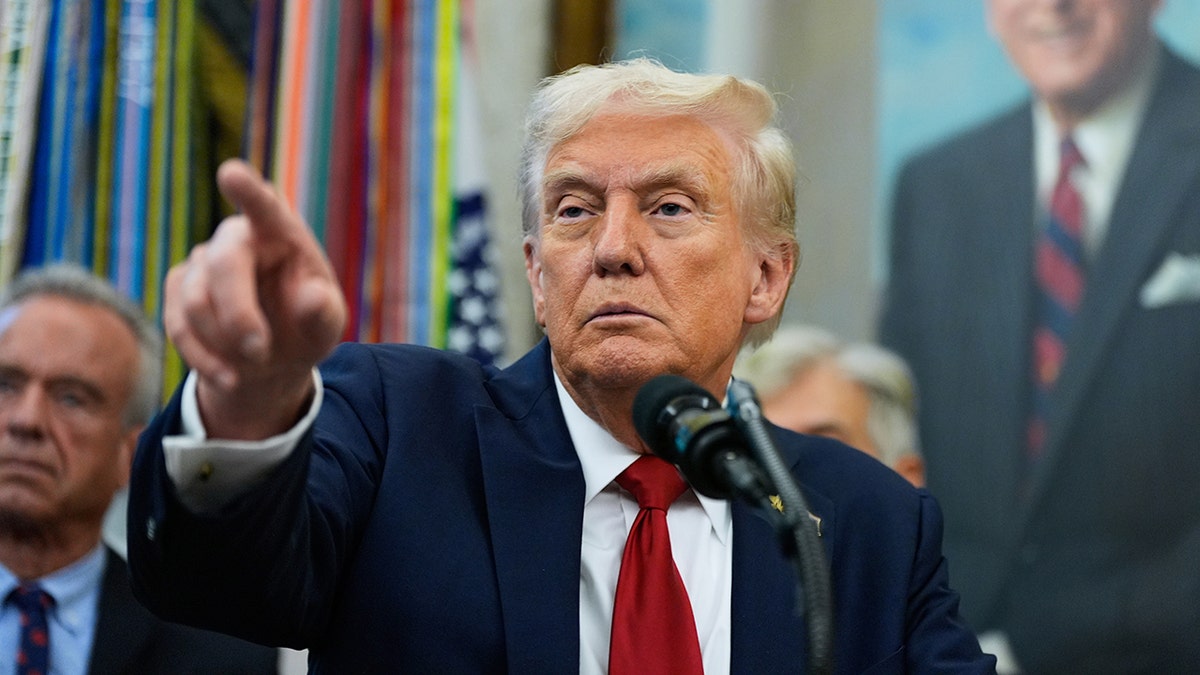
President Donald Trump points to a reporter in the Oval Office of the White House in Washington, Sept. 30, 2025. (Alex Brandon/AP)
As New York attorney general, James brought a civil fraud lawsuit against Trump and The Trump Organization, accusing them of inflating asset values and net worth to secure loans and insurance terms. A New York judge found Trump and his company liable for fraud.
«We have no time to linger and focus is on pettiness and revenge,» James said. «We’ve got to press on, press forward, continue the journey, claim the victory. Triumph over fear and courage. Courage, my friend, is resistance to fear. And so I fear no man. I see the courage that is embodied in Zohran.»
Mamdani joined fellow New York Democrats to condemn James’ indictment on Friday, calling it an «attack on our city.»
«We speak with a voice that recognizes that we are standing in front of the same courthouse where Attorney General Tish James did her job, upholding the law and holding Donald Trump accountable,» Mamdani said.
James on Monday said she is supporting Mamdani for mayor because he is committed to fighting for a better New York City.
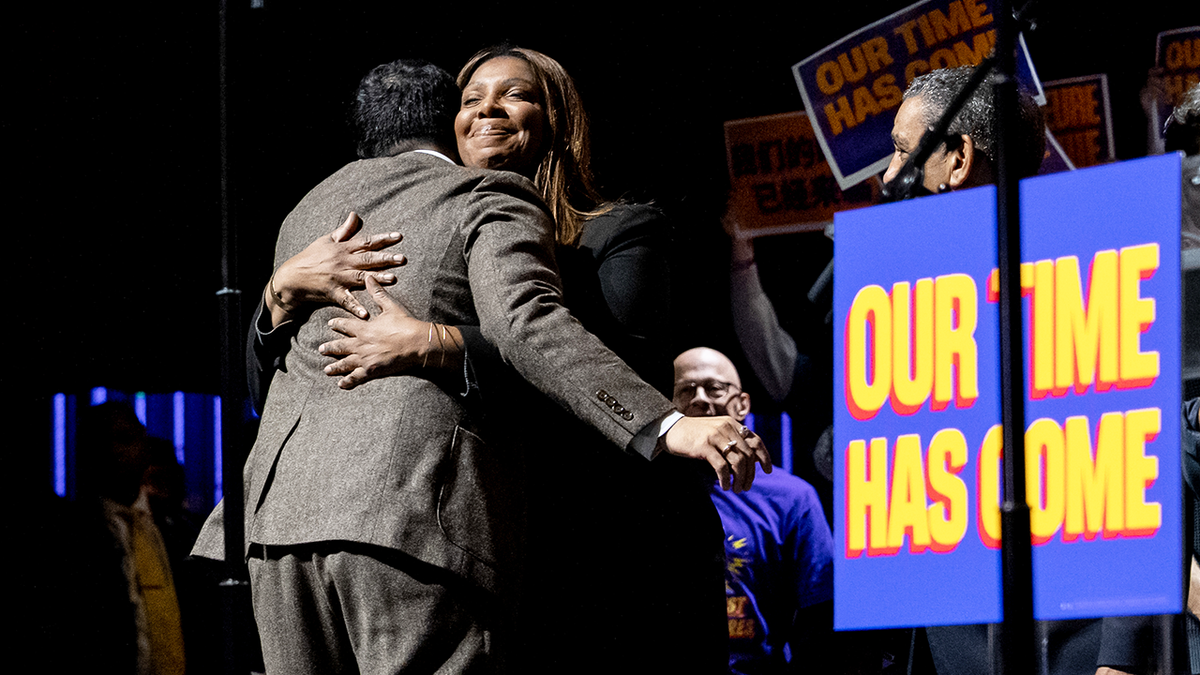
Letitia James, New York’s attorney general, and Zohran Mamdani, New York City mayoral candidate, embrace during a campaign rally at United Palace in New York City on Monday, Oct. 13, 2025. (Christian Monterrosa/Bloomberg via Getty Images)
«He, like me, knows what it’s like to be attacked, to be called names, to be threatened, to be harassed,» James said. «And each and every day he wakes up with this fire in his belly because he wants to build a better New York,» James said.
While Mamdani self-identifies as a so-called democratic socialist, Trump has labeled him a «communist» since he secured the Democratic nomination for mayor of New York City. Mamdani has committed to fighting Trump’s agenda in New York City if elected, while the president has teased cutting federal funding to New York City if Mamdani doesn’t «behave» if elected.
CLICK HERE TO GET THE FOX NEWS APP
As Mayor Eric Adams suspended his re-election campaign last month, New Yorkers will elect a new mayor on Nov. 4. Mamdani has emerged as the frontrunner ahead of former Gov. Andrew Cuomo, who is running as an Independent, and Republican nominee Curtis Sliwa.
The White House did not immediately respond to Fox News Digital’s request for comment.
zohran mamdani,new york city,2025 2026 elections coverage,donald trump,politics











INTERNACIONAL
Canadá evaluó su posible participación militar en la guerra de Irán: “Nunca se puede descartar categóricamente”
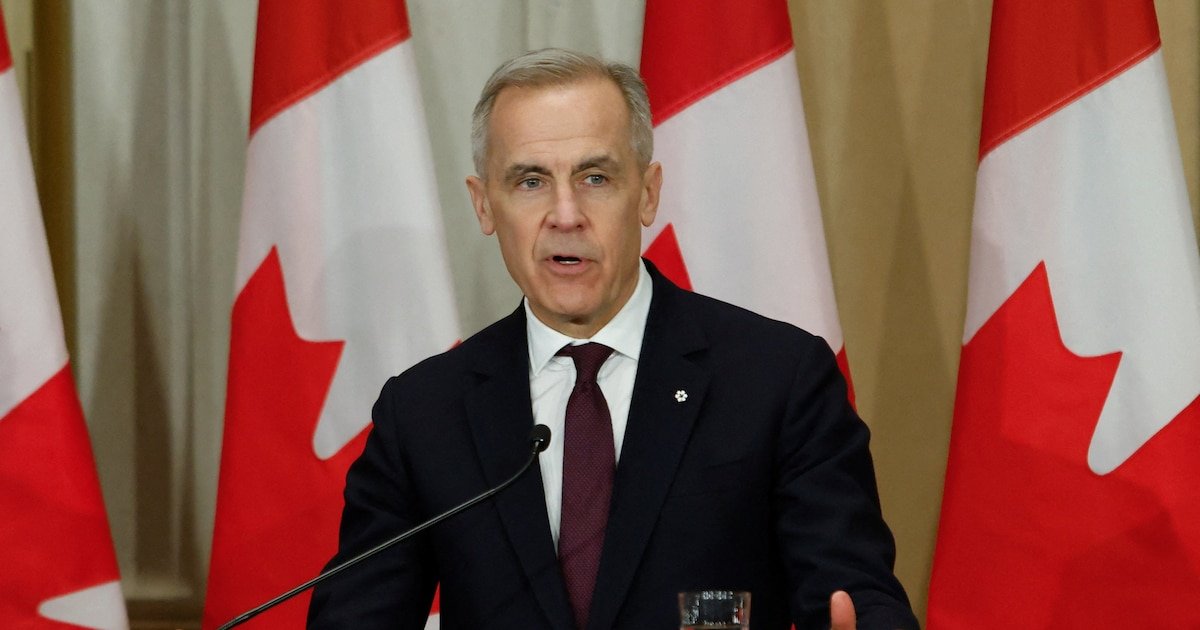
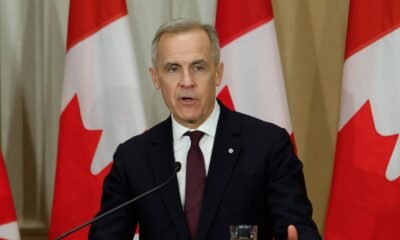
El primer ministro de Canadá, Mark Carney, afirmó que no podría descartar la participación militar de su país en la creciente guerra en Medio Oriente.
En una visita a Australia, marcada por la expansión del conflicto tras el ataque estadounidense-israelí que abatió al líder supremo iraní, Ali Khamenei, Carney fue consultado en Canberra junto al primer ministro local, Anthony Albanese, sobre la posibilidad de una intervención canadiense.
“Nunca se puede descartar categóricamente la participación”, declaró Carney, aunque calificó la cuestión de “hipotética”. En ese sentido, afirmó que Canadá apoyará a sus aliados e hizo hincapié en que “siempre defenderá a los canadienses” en primer lugar.
El líder del Partido Liberal canadiense calificó previamente los ataques contra Irán como “incompatibles con el derecho internacional”, pero expresó su respaldo a los esfuerzos para impedir que el régimen iraní obtenga armas nucleares, posición que adoptó “con pesar” al considerarla un reflejo del fracaso del orden internacional.
Carney reiteró su llamado a la “desescalada” del conflicto. Su viaje por Asia y el Pacífico busca reducir la dependencia de Estados Unidos y fortalecer lazos con otros países de “potencia media”. En el Parlamento australiano, instó a estas naciones a cooperar para influir en las nuevas reglas del sistema internacional, advirtiendo que “las grandes potencias pueden obligar, pero la coacción tiene costos”.

El primer ministro anunció la unión de Canadá y Australia como “colaboradores estratégicos” para aprovechar sus recursos minerales de tierras raras y detalló acuerdos en defensa e inteligencia artificial. “Sabemos que debemos trabajar con otros que comparten nuestros valores para construir capacidades sólidas”, dijo, alertando sobre el riesgo de quedar “atrapados entre los hiperescaladores y los hegemones”.
El líder canadiense expresó el sábado pasado el respaldo de Canadá a los ataques lanzados por Estados Unidos e Israel contra el régimen ayatollah, al que calificó como “principal fuente de inestabilidad y terrorismo en todo Medio Oriente”.
En primer lugar, reafirmó, el mismo día que estalló el conflicto, “el derecho de Israel a defenderse y a garantizar la seguridad de su población”. “Canadá respalda la actuación de Estados Unidos para impedir que Irán obtenga un arma nuclear y para evitar que su régimen siga amenazando la paz y la seguridad internacionales”, sostuvo en un comunicado.
Carney subrayó que la posición de Canadá “sigue siendo clara”: “La República Islámica de Irán es la principal fuente de inestabilidad y terrorismo en todo Medio Oriente, tiene uno de los peores historiales de derechos humanos del mundo y nunca debe permitírsele obtener o desarrollar armas nucleares”.

Carney destacó que, pese a los intentos diplomáticos, Irán “no desmanteló por completo su programa nuclear, no ha detenido todas las actividades de enriquecimiento ni ha puesto fin a su apoyo a grupos terroristas regionales que actúan como fuerzas subsidiarias”.
Finalmente, el primer ministro manifestó su solidaridad con el pueblo iraní “en su larga y valiente lucha contra el régimen opresivo de Irán”.
Ese mismo día, el presidente de Francia, Emmanuel Macron, advirtió que la escalada en Medio Oriente es “peligrosa para todos”. En un mensaje publicado en X, el mandatario señaló que el “desencadenamiento de la guerra entre Estados Unidos, Israel e Irán tiene graves consecuencias para la paz y la seguridad internacional”.
“La escalada actual es peligrosa para todos. Debe cesar. El régimen iraní debe comprender que ya no le queda otra opción que entablar negociaciones de buena fe para poner fin a su programa nuclear y balístico, así como a sus acciones de desestabilización regional”, sostuvo Macron.
(Con información de AFP)
Domestic,Politics,North America,Government / Politics
NEWYou can now listen to Fox News articles!
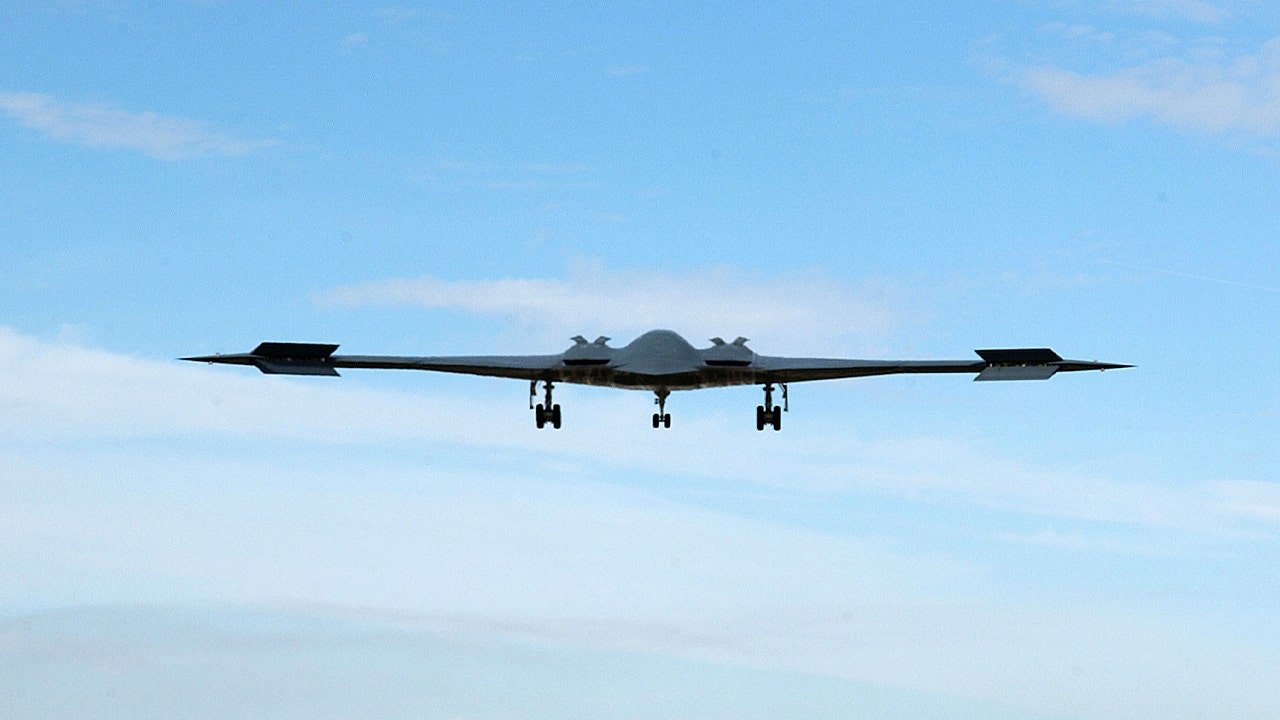
American stealth bombers are expected to land at U.K. military bases within days to join the U.S.-Israel campaign against Iran, according to reports.
Citing unnamed senior Western officials, The Telegraph reported Wednesday that air bases at Diego Garcia in the Indian Ocean and RAF Fairford in Gloucestershire are being readied for the arrival of B-2 Spirit stealth bombers — the $2 billion strategic bomber is also known as the world’s most expensive aircraft.
The bombers are understood to be landing at the U.K. bases «in a matter of days» as Washington intensifies operations in the region, the outlet reported.
As previously reported by Fox News Digital, the U.S. military used stealth B-2 bombers to strike Iranian ballistic missile facilities Feb. 28 as part of the launch of Operation Epic Fury.
Diego Garcia is a strategic Indian Ocean base hosting 2,500 US military personnel. (Reuters)
U.S. Central Command (CENTCOM) confirmed that B-2 stealth bombers, which were equipped with 2,000-pound bombs, struck Iranian «hardened» ballistic missile sites.
The U.S. was cleared to use British bases for limited strikes on Iran’s missile capabilities on Feb. 29 after Prime Minister Keir Starmer signed off on the plan, and while U.K. Defense Secretary John Healey stated Britain had «stepped up alongside the Americans.»
Starmer said the authorization was granted to protect U.K. and U.S. allies as the conflict escalated. He had previously said he would not allow American forces to use U.K. bases for offensive operations in the region.
Tensions have since been heightened in the U.K. by security incidents in Cyprus. RAF Akrotiri, a key British military base on the island, was struck by a suspected drone on March 2, causing minor damage.
IRAN’S DRONE SWARM ATTACKS UNLEASH ‘EXPONENTIAL COSTS’ ON US, PROLONGING WAR: ‘ASYMMETRIC CAPABILITY’

Several B-2 Spirit Stealth Bombers are seen on a runway at the Whiteman Air Force Base. (Whiteman Air Force Base)
The unmanned aircraft was reported to resemble an Iranian-made Shahed drone, similar to models used by Russia in Ukraine and by Tehran’s regional proxies.
The Ministry of Defense said force-protection measures were at the «highest level» and that the base had taken steps to defend personnel. About 4,000 service members and their families are based at RAF Akrotiri.
The U.S. State Department raised its travel advisory for Cyprus to Level 3, urging Americans to reconsider travel because of the threat of armed conflict and limited consular assistance in parts of the country.
Non-emergency embassy staff and family members were authorized to leave. Officials said the advisory change reflected adjustments in embassy operations rather than a direct change in underlying risk.
EX-CENTCOM CHIEF DETAILS ‘EXQUISITE INTELLIGENCE’ BEHIND IRAN STRIKES, SAYS NEXT STEPS HINGE ON ‘MISSILE MATH’
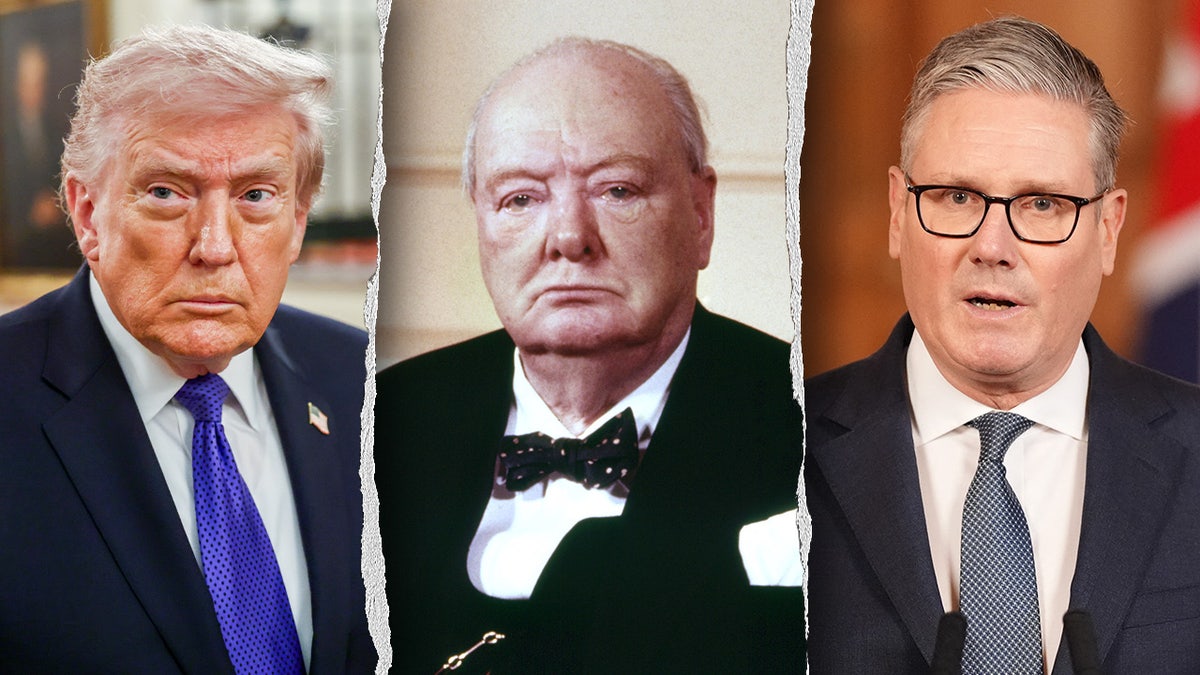
President Donald Trump blasted British Prime Minister Keir Starmer March 3, 2026, saying «this is not Winston Churchill we are dealing with,» amid a lack of support for the United States’ and Israel’s joint military operation against Iran. (Jim Lo Scalzo/EPA/Bloomberg via Getty Images ; PA Images via Getty Images ; Jonathan Brady/POOL/AFP via Getty Images)
CLICK HERE TO DOWNLOAD THE FOX NEWS APP
Trump had called Britain «uncooperative» and slammed Starmer as «not Winston Churchill» after Starmer initially rebuffed a U.S. request to use U.K. bases to attack Iran, according to The Associated Press.
Trump has also condemned Britain’s agreement to hand over the Chagos Islands, home to the Diego Garcia base, to Mauritius.
Related Article

war with iran,middle east,iran,uk politics,donald trump,military tech,bombings
INTERNACIONAL
Unearthed video shows Dem candidate supporting ‘reallocation’ of police funding to social service programs
NEWYou can now listen to Fox News articles!
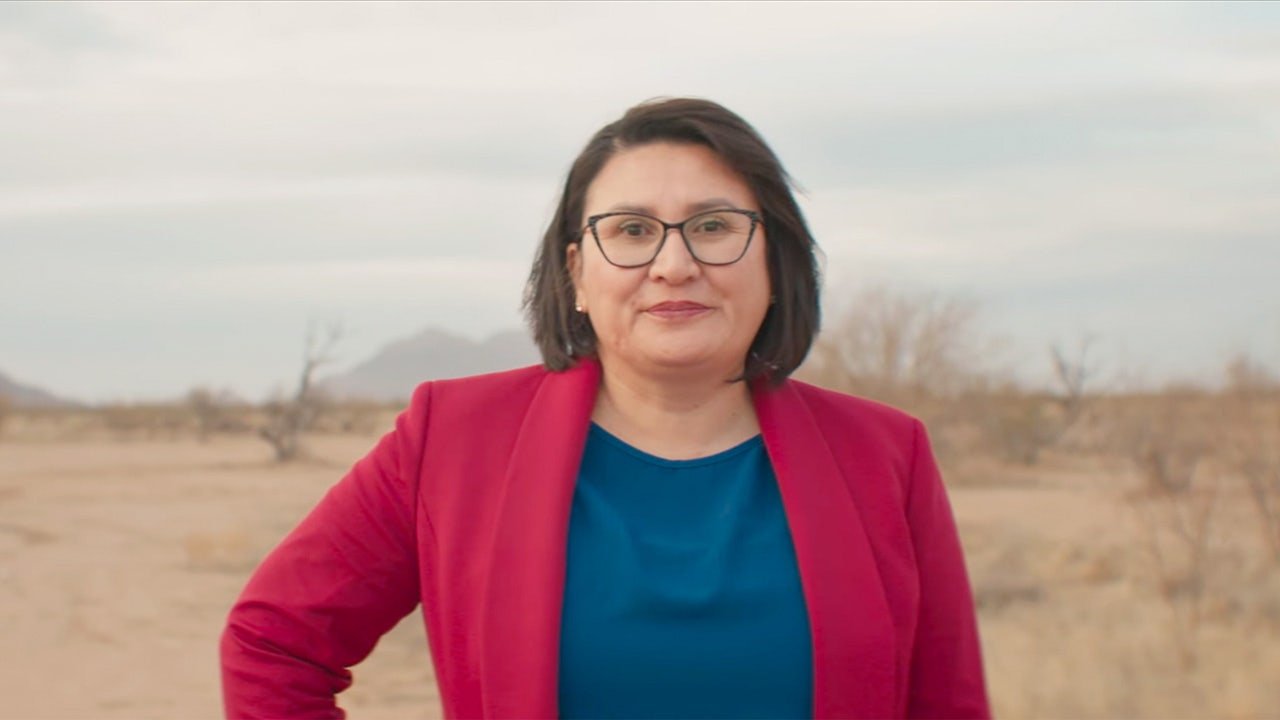
A Democrat running for Congress in one of the most competitive seats in the country once said she would combat systematic racism by redirecting law enforcement funding when asked if she would «defund the police» in 2020.
«I support the reallocation of funding to programs that would allow people to live their best lives,» JoAnna Mendoza, a Marine veteran, told the Arizona Clean Elections Commission and Arizona Capitol Times at a town hall event.
«Such as social service programs. Such as housing, public education, healthcare, ensuring that we are addressing economic stability and environmental safety.»
JoAnna Mendoza, a candidate for Congress, is running in one of the country’s most competitive races in 2026. (Joanna Mendoza for Congress/YouTube screenshot)
Mendoza, who is running to represent Arizona’s 6th Congressional District, denied ever supporting defunding the police, according to her campaign.
«Jo Mendoza has been on the record for years that police need MORE resources to do their jobs – not less – including body cameras and training. And she has repeatedly stated that she does not support defunding the police,» Mendoza’s campaign said in a statement to Fox News Digital.
«Any other assertion is categorically false, a lie and a political smear from D.C. hacks hoping to save Juan Ciscomani from an early retirement,» the campaign said, referring to the GOP incumbent Mendoza is running against.
Mendoza did not clarify what she had meant by the 2020 statement. However, her campaign pointed to other comments she made in 2020.
«I do not support defunding the police. Police officers are being asked to do too much. They’re being asked to address issues because of the lack of resources in our communities,» Mendoza said in another virtual event that year.
The Republican National Committee slammed Mendoza in a statement to Fox News Digital.
«There’s no way for JoAnna Mendoza to spin her extreme anti-police views, and Arizonans will know that she sides with dangerous criminals over them,» Nick Poche, a spokesperson for the RNC, told Fox News Digital.
The «defund the police» platform, which at the time was championed by several progressive Democrats, has aged poorly, leading Republicans and Democrats to view mere mentions of the phrase as a political liability in 2026.
The movement first burst onto the scene through the outrage after the death of George Floyd, a Black Minnesota resident who died after a police arrest in which an officer pinned him to the ground by placing a knee on his neck for an extended period.
His death sparked an uproar in cities across the country over racism in law enforcement and whether police in America could do more to avoid violence during arrests.
DEMOCRATS WORRY ‘ABOLISH ICE’ SLOGAN WILL BACKFIRE POLITICALLY LIKE ‘DEFUND THE POLICE’ DID
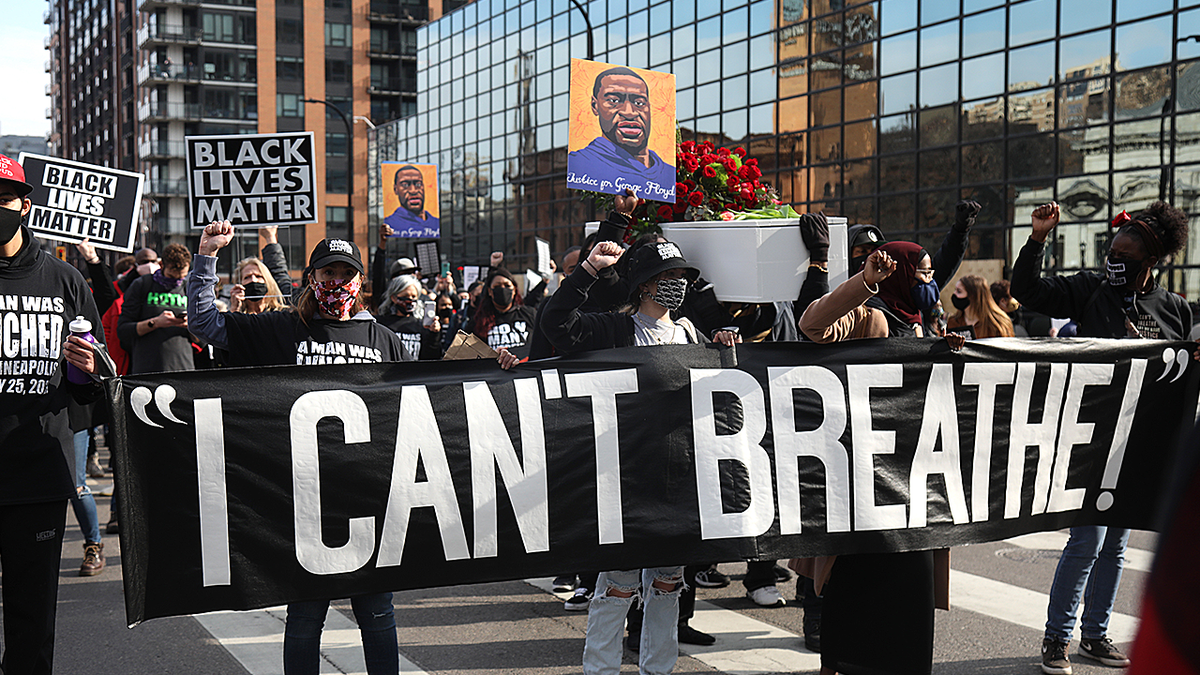
Demonstrators carry a banner during an «I Can’t Breathe» Silent March For Justice in Minneapolis March 7, 2021. (Emilie Richardson/Bloomberg via Getty Images)
Although the outrage over Floyd eventually subsided, many of the calls to divert resources away from police persisted as a Democratic platform, leading some cities like Minneapolis and Austin, Texas, to reduce their police budgets.
However, the movement began to draw ire from Democrats who feared the party had taken a stance that could be considered at odds with community safety and worsen their odds at the ballot box.
Rep. Jim Clyburn, D-S.C., the House Majority Whip under U.S. House Speaker Nancy Pelosi, D-Calif., in 2021, said the phrase was «cutting the throats of the party.»
«We keep making that mistake. This foolishness about you got to be this progressive or that progressive,» Clyburn said.
TENNESSEE CANDIDATE BLASTS DEM OPPONENT’S ‘UNACCEPTABLE’ TWEETS CALLING TO DISSOLVE NASHVILLE POLICE
Other Democratic strategists, such as James Carville, have also condemned the platform.
Carville called the slogan «the three stupidest words in the English language» in interviews in 2024 and went as far as suggesting the slogan could have led to the loss of Vice President Kamala Harris in her bid against Donald Trump.
«We could never wash off the stench of it,» Carville added.
TLAIB-BACKED SENATE CANDIDATE IN THE HOT SEAT AFTER DELETING ‘DEFUND THE POLICE’ SOCIAL MEDIA POSTS
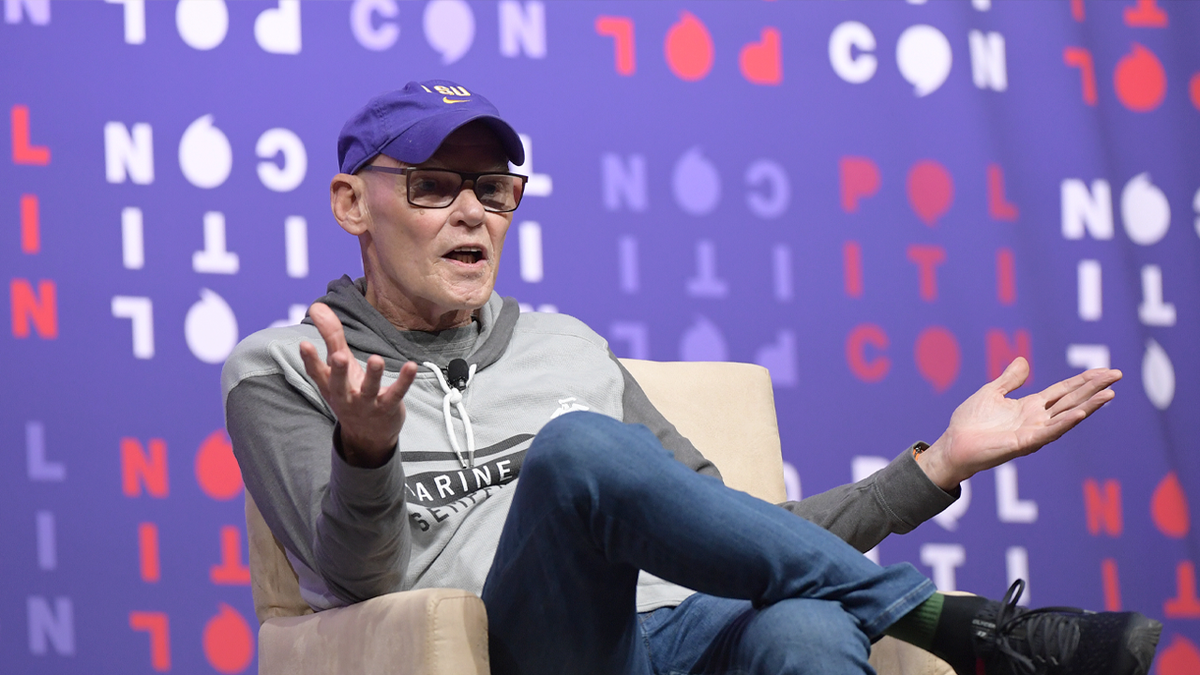
James Carville speaks onstage during Politicon at Music City Center in 2025. (Jason Kempin/Getty Images for Politicon)
Mendoza faces a tough race in Arizona’s 6th Congressional District. Ciscomani, the seat’s current incumbent, narrowly won election in 2024 in a 50%-47.5% victory over Democrat challenger Kirsten Engel.
The district is listed among the Cook Political Report’s most competitive races in 2026, earning one of the 18 seats with a «toss-up» designation.
CLICK HERE TO DOWNLOAD THE FOX NEWS APP
Poche believes Mendoza’s previous comments have just made her bid against Ciscomani harder.
«If the Democrats think a defund-the-police radical can beat him, they’re just plain stupid,» Poche said.
Related Article
congress,police and law enforcement,politics,democrats elections,arizona,elections

Caos total en la cocina de Gran Hermano: humo, gritos y portazos en medio de la guerra por la comida

La oposición anticipa sus reparos a la derogación de las PASO

Causa Vicentin: declaró el titular de la SIGEN ante el juez Ercolini y defendió su rol técnico en el Banco Nación

Carrefour renovó el 2×1 en pequeños electrodomésticos y ofrece 18 cuotas sin interés para Smart TV

¿Regreso a los banquillos de Klopp?

El titular de la Sigen fue indagado en la causa que investiga irregularidades en la quiebra de Vicentin por su pasado en el Banco Nación

Destrozaron a Andrea del Boca por el terrible pecado que tuvo en Gran Hermano: “La quiero presa”, apuntaron contra la actriz por un detalle en la cocina

La histórica figura de Intrusos que se va del programa y armó un escándalo con Adrián Pallares y Rodrigo Lussich: “Me voy”, reveló Pablo Layus

¡Otro abandono! El participante de Gran Hermano que anunció su salida de la casa: La confesión de Gabriel Lucero que se suma a la lista de renuncias

Puertas adentro, Villarruel explotó: «El esfuerzo no lo hizo la política» y demolió el relato económico de Milei

 POLITICA2 días ago
Puertas adentro, Villarruel explotó: «El esfuerzo no lo hizo la política» y demolió el relato económico de Milei
- CHIMENTOS3 días ago
Pampita se mudó a un castillo francés de detalles alucinantes: «1000 metros, 14 ambientes, vale 11 millones de dólares»
- CHIMENTOS3 días ago
El drama que vive Oriana Sabatini a horas del nacimiento de su hija con Paulo Dybala: se complicó la salud de su abuela de 90 años