INTERNACIONAL
Detectaron el primer caso de virus autóctono del virus Usutu en España: qué es y cómo se contagia

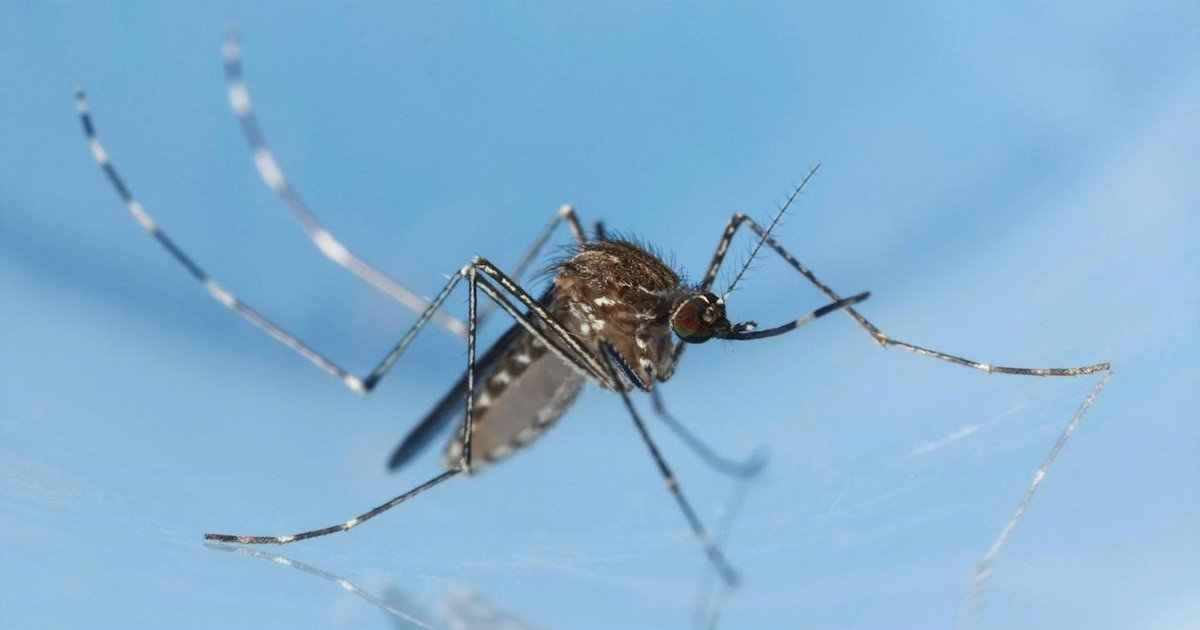
El hallazgo del primer caso autóctono de infección por el virus Usutu de mosquito en España encendió las alarmas en el sistema sanitario. Este virus, detectado en un donante de sangre de Mallorca mediante los análisis rutinarios en el verano de 2024, confirma que el agente circula localmente.
El caso fue validado por el Laboratorio Nacional de Referencia en Arbovirus del Instituto de Salud Carlos III mediante pruebas moleculares y análisis de neutralización, después de que el test inicial arrojara resultado positivo para el Virus del Nilo Occidental.
El virus Usutu es un arbovirus perteneciente a la familia Flaviviridae. Se identificó en África en 1959 y lleva el nombre del río Usutu, ubicado cerca del lugar de su descubrimiento. Originalmente afecta a gran variedad de especies de aves, que actúan como reservorio natural. En las décadas recientes, el virus Usutu se ha expandido sostenidamente por diversos países europeos, donde se le vincula con brotes en aves silvestres y ocasionalmente con infecciones humanas.

El virus Usutu se asemeja estructuralmente al virus del Nilo Occidental, presenta una similitud genética del 76 al 78 por ciento, y ambos se detectan con técnicas cruzadas en bancos de sangre.
La transmisión principal del virus Usutu a humanos ocurre por la picadura de mosquitos del género Culex. El ciclo habitual involucra a aves infectadas: un mosquito se alimenta de un ave portadora del virus y después pica a una persona, así transmite el virus de forma incidental. De acuerdo con la doctora Teresa Jiménez, directora médica del Banco de Sangre y Tejidos de Baleares, quien explicó a EFE, los humanos no son el principal objetivo de este virus, pero “es posible que se produzcan infecciones, sobre todo en zonas donde circulan aves migratorias y hay elevada actividad de mosquitos”.
Otra vía de contagio identificada en este caso español es la transfusión sanguínea. Si una persona infectada pero asintomática dona sangre, el virus puede ser transferido al receptor, algo destacado en un artículo publicado en la revista científica Transfusion.

No existe evidencia científica de transmisión directa entre humanos, ni de contagio por contacto físico, saliva o secreciones respiratorias.
La infección por virus Usutu en humanos suele transcurrir de manera desapercibida: la mayoría de los casos son asintomáticos o presentan molestias leves. Entre los síntomas que pueden aparecer se incluyen:
- Fiebre elevada
- Dolores de cabeza
- Malestar general
- Alteraciones neurológicas en algunos casos, como meningoencefalitis
En población inmunodeprimida o en personas con enfermedades previas, el virus puede desencadenar complicaciones de gravedad, sobre todo neurológicas. Un dato relevante es que, tras un año de seguimiento, el donante mallorquín infectado no experimentó síntomas ni secuelas.
El primer caso autóctono se identificó en Mallorca, donde el afectado no había salido de las islas en meses previos a la donación. El protocolo de cribado estacional, implementado para el control del Virus del Nilo Occidental, permitió detectar la presencia de Usutu durante los meses de máxima actividad de mosquitos.

Tras el caso de Mallorca se confirmaron dos infecciones adicionales en donantes de sangre de Cataluña. Ninguno de los implicados tenía antecedentes de viaje fuera de su comunidad autónoma, lo que demuestra circulación local del virus en la península ibérica.
La doctora Jiménez destacó a EFE que “este caso es un ejemplo emblemático del concepto de salud global”, subrayando la convergencia entre salud animal, humana y medioambiental.
El hallazgo pone de manifiesto la capacidad de los programas de vigilancia sanitaria españoles para detectar agentes emergentes y potencialmente peligrosos para la salud pública. También recalca la importancia de la supervisión reforzada en bancos de sangre durante las temporadas de actividad de mosquitos.

El estudio retrospectivo demostró que las pruebas destinadas a identificar el Virus del Nilo Occidental permiten también el rastreo precoz del virus Usutu, gracias a la reactividad cruzada observada en los laboratorios del Instituto de Salud Carlos III.
Este episodio ilustra el impacto de los cambios medioambientales, la migración de aves y la presencia de vectores en la dispersión de infecciones víricas en el continente europeo. Instituciones como el Banco de Sangre y Tejidos de Baleares, el Banco de Sangre y Tejidos de Cataluña, el Centro Nacional de Microbiología y distintas entidades internacionales colaboran actualmente en la vigilancia.
Entre las principales acciones, los bancos de sangre españoles y europeos reforzaron los controles en los periodos de mayor actividad de mosquitos. La vigilancia epidemiológica constante y la actualización de protocolos de detección buscan proteger especialmente a las personas inmunodeprimidas y a los pacientes que requieren transfusiones sanguíneas.
adult,adults only,bed – furniture,blanket,blowing,capsule – medicine,care,cold and flu,cold temperature,coronavirus,covid 19,depression – sadness,domestic life,fever,glass – material,handkerchief,headache,healthcare and medicine,heat – temperature,holding,horizontal,illness,lifestyles,lying down,medicine,nose,nutritional supplement,one person,one woman only,one young woman only,only women,pain,people,photography,pill,pillow,resting,sneezing,sofa,sore throat,symptom,temperature,tired,virus,vitamin,weakness,winter,women,young adult










Hace dos años, Megan Agnew, redactora de The Sunday Times en Londres, causó furor en internet con su perfil certero e inquietante sobre Hannah Neeleman, una exbailarina que se mudó a una granja en Utah con su esposo, tenía —en ese momento— ocho hijos y se convirtió en una exitosa influencer del movimiento tradwife. El artículo resultaba llamativo por la disonancia entre la historia que Neeleman y su esposo intentaban contar —la realización personal a través de la tradición— y los detalles que insinuaban una realidad más oscura.
“Daniel quería vivir en los grandes parajes salvajes del Oeste, así que lo hicieron; quería ser agricultor, así que lo son; le gustan las citas nocturnas una vez por semana, así que salen”, escribió Agnew. “No quería niñeras en la casa, así que no las hay”. Hannah bajó la voz al confesar que durante uno de sus partos, cuando Daniel no pudo estar presente, le pusieron una epidural. Habló con nostalgia de la carrera de danza que abandonó. Daniel le comentó a Agnew que, en ocasiones, Hannah se encuentra tan exhausta que pasa una semana en cama. En Instagram, algunos usuarios le pedían a Hannah que parpadeara dos veces si necesitaba ayuda.
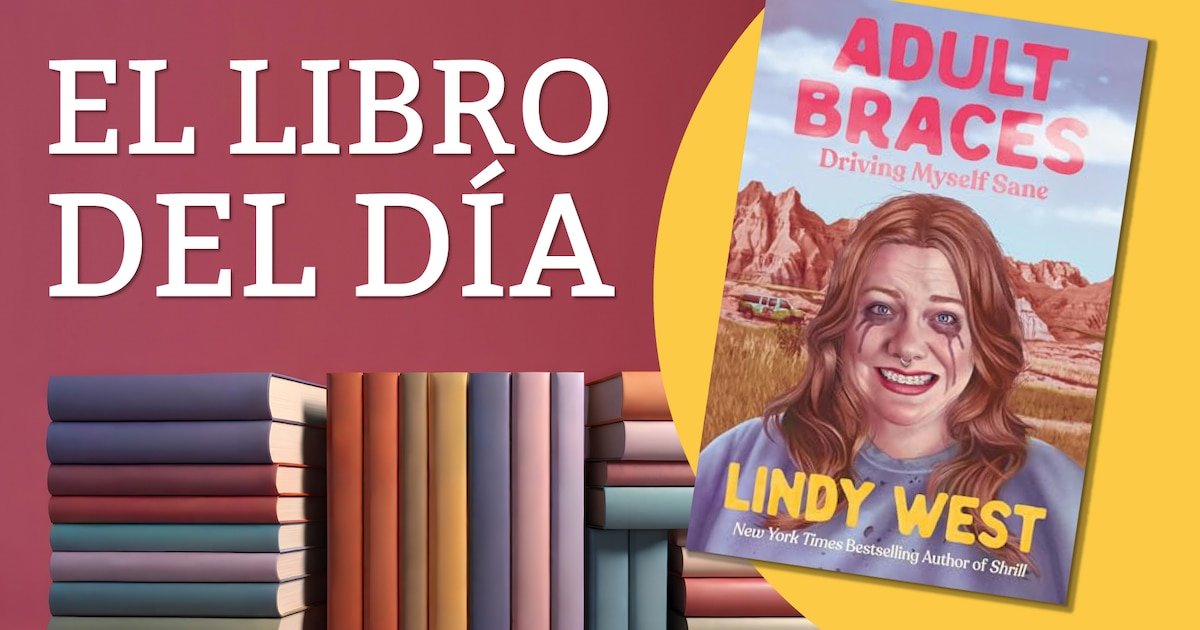
Las memorias Adult Braces de Lindy West, que han generado amplio debate, evocan una inquietud similar, aunque con la política en sentido opuesto. West había sido una figura destacada del feminismo digital de los años 2000 y un símbolo de la positividad corporal; su anterior autobiografía, Shrill, fue adaptada a una serie de televisión. Pero detrás de esa fachada, revela su nuevo libro, sufría un dolor extraordinario, con relaciones distorsionadas tanto con su cuerpo como con su esposo. Aunque ahora afirma haber encontrado paz y empoderamiento tras acceder a la exigencia de su esposo de tener un matrimonio poliamoroso, su relato no resulta del todo convincente.

No sorprende que algunos interpreten “Adult Braces” como una crítica a las creencias progresistas de West. Un ensayo en The Atlantic sobre el libro llevaba el título “La muerte del feminismo millennial”. The Wall Street Journal declaró: “El progresismo destruye a sus siervos más leales”. Pero interpreté el libro de West como una advertencia sobre la autoanulación femenina. Esa tendencia suele celebrarse en sectores conservadores, pero siempre ha estado presente en la izquierda también. Prácticamente cualquier ideología puede utilizarse para hacer sentir a las mujeres que están fallando.
En textos anteriores, West presentaba su unión con el músico Ahamefule Oluo, conocido como Aham, como una especie de final de cuento de hadas feminista. “Mi boda fue perfecta, y estuve gorda todo el tiempo”, tituló una columna en The Guardian en 2015. Pero si la boda fue idílica, West revela en “Adult Braces” que el matrimonio no lo fue. Casi desde el principio, escribe, Aham condicionó la relación a que él pudiera acostarse con otras mujeres. Ella accedió porque no quería perderlo, pero sus aventuras la hicieron sentir una inseguridad insoportable.
Como West vivía en un entorno progresista donde la no monogamia es habitual, sentía una capa extra de vergüenza por no poder aceptar la vida sexual extramatrimonial de Aham. (“En ese momento, ser comprensiva con el poliamor parecía un imperativo creciente en los círculos progresistas”, escribe). Su angustia aumentaba por un fuerte rechazo hacia su propio cuerpo, que, según ella misma reconoce, contradice la imagen que había construido públicamente. “¿Crees que alguna vez sentí que merecía exigirle algo a un hombre?”, pregunta.

Para muchos lectores, incluido yo, parecía que Aham se aprovechó de la profunda falta de autoestima de West. Utilizó su ideología en su contra; West cuenta que Aham, que es mitad nigeriano, “creía que la monogamia era, en esencia, un sistema de propiedad”. No es la primera vez que un hombre de izquierda emplea el lenguaje de la liberación para traspasar los límites de una mujer. Tras la revolución sexual de los años 60 y 70, Ellen Willis describió cómo los hombres de la contracultura “intensificaron las ansiedades sexuales de las mujeres al equiparar la represión con el deseo de amor y compromiso, y exaltar el sexo sin emoción ni apego como el ideal”. Es un ideal que muchas mujeres sienten la presión de cumplir.
Pero West —o al menos la versión de West que narra “Adult Braces”— no logra ver la aparente manipulación de Aham. En cambio, el libro, que transcurre durante un largo viaje por carretera, describe cómo West aprende a aceptar el poliamor y llega a querer a Roya, la novia de Aham, con quien ahora mantiene una relación de tres.
Al final de “Adult Braces”, Aham, Roya y West viven juntos en una cabaña que perteneció a los padres de ella. Se declara feliz, aunque con un tono defensivo: “Si crees que me han lavado el cerebro y que en secreto soy infeliz, sinceramente no sé qué decirte”. Pero aunque se tome al pie de la letra su satisfacción, hay un trasfondo inquietante en la situación, uno que sería evidente si el libro fuera una novela y no unas memorias.

A lo largo de “Adult Braces”, West, que ahora tiene 44 años, hace referencia a sus dificultades con la adultez, en ocasiones con una voz deliberadamente infantil. “¡Solo soy un angelito suave que todos quieren!”, escribe en un momento. Describe cómo, al mudarse sola, le costaba cuidar de sí misma: “Cuando tienes 25 años, nadie se enoja si no limpias tu cuarto”. Le embargaron el auto porque olvidó pagar las cuotas. Cuando estaba deprimida, Aham tenía que obligarla a ducharse y a cepillarse el cabello. Se pregunta si es “una mujer que podría discernir sus propios sentimientos o un bebé que necesita que le digan cuándo divorciarse”. Uno de los mejores días del viaje, se tatúa la frase “good girl”.
West parece añorar el cuidado y la simplicidad de la infancia, y al final del libro encuentra una aproximación a eso. De niña, cuenta, quería vivir en la cabaña a tiempo completo, y ahora lo hace. Roya paga las cuentas puntualmente para que no caigan en agencias de cobro y mantiene relaciones con Aham cuando West no quiere. “Me encanta dormir en el cuarto de invitados y meterme en la cama con ellos en la mañana”, escribe West. “Me encanta cuando me arropan y me dejan jugar con el móvil hasta tarde”. Duerme con un gato de peluche. Es como si, sintiéndose lastimada, hubiera optado por retroceder a una etapa infantil.
Tras la publicación del artículo de Agnew, Neeleman grabó un video en el que decía estar sorprendida por haber sido retratada “como oprimida, con mi esposo como el culpable”, y aseguró que adora a su marido y la vida que llevan. Pienso que es posible creerle y también pensar que adaptó sus deseos a los de su esposo, como se les anima a hacer a muchas mujeres. Si West hizo lo mismo, no es culpa del feminismo millennial ni del liberalismo social. La política no siempre puede salvarnos de la necesidad autoaniquiladora de ser amadas, en los términos que sean.
Fuente: The New York Times
Lindy West,escritora,activista,feminismo,retrato,autora,Jenny Jimenez,Hachette,cultura


INTERNACIONAL
Trump signs executive order overhauling mail-in voting in major election integrity push
NEWYou can now listen to Fox News articles!
President Donald Trump on Tuesday signed a sweeping executive order targeting mail-in voting and voter eligibility, calling the move a major step toward restoring confidence in U.S. elections.
Speaking from the Oval Office, Trump said the order is focused on «voter integrity and Mail-In ballots» and on «stopping the massive cheating that’s gone on.»
«We’re going to be signing an executive order,» Trump said. «It’s, I believe it’s foolproof… I think it’s very obvious what’s said.»
The order directs federal agencies to work with states to compile lists of eligible voters using federal citizenship and identity data, while also instructing the U.S. Postal Service to develop new safeguards for mail-in ballots, including barcode tracking and verification measures.
TRUMP REVEALS TOP ISSUES GOP SHOULD FOCUS ON TO SECURE MIDTERMS VICTORY: ‘I’VE NEVER BEEN MORE CONFIDENT’
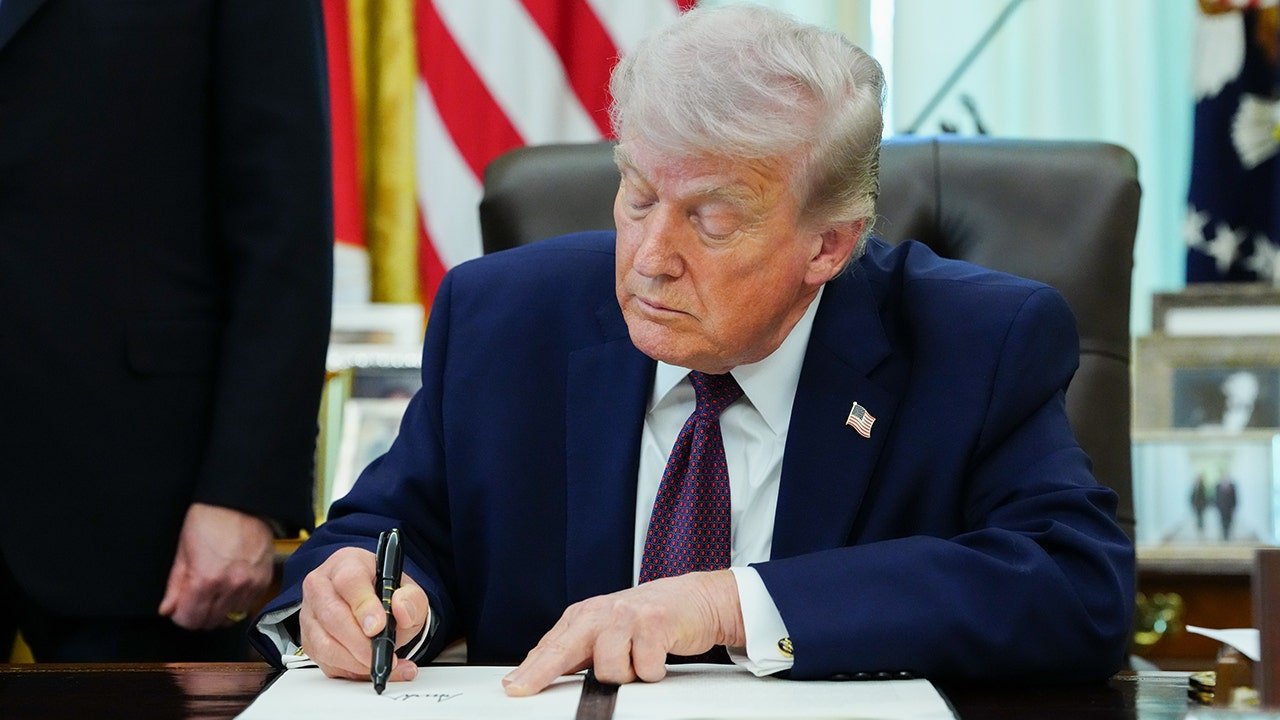
President Donald Trump signs an executive order addressing mail-in ballots in the Oval Office of the White House, Tuesday, in Washington, D.C. (Aaron Schwartz/CNP/Bloomberg via Getty Images)
Under the order, the Department of Homeland Security (DHS) working with the Social Security Administration and other federal databases, will create and share «State Citizenship Lists» with state election officials.
The lists are intended to identify individuals confirmed to be U.S. citizens who will be at least 18 years old by the time of a federal election and who reside in that state.
Those lists are to be updated and transmitted to states ahead of federal elections, according to the order.
The order also directs the attorney general to prioritize investigations and potential prosecutions involving officials or others who issue ballots to individuals not eligible to vote in federal elections, as well as those involved in the «printing, production, shipment, or distribution of ballots» to ineligible voters.
SCOTUS CONSERVATIVES SIGNAL READINESS TO CURB LATE-ARRIVING MAIL BALLOTS
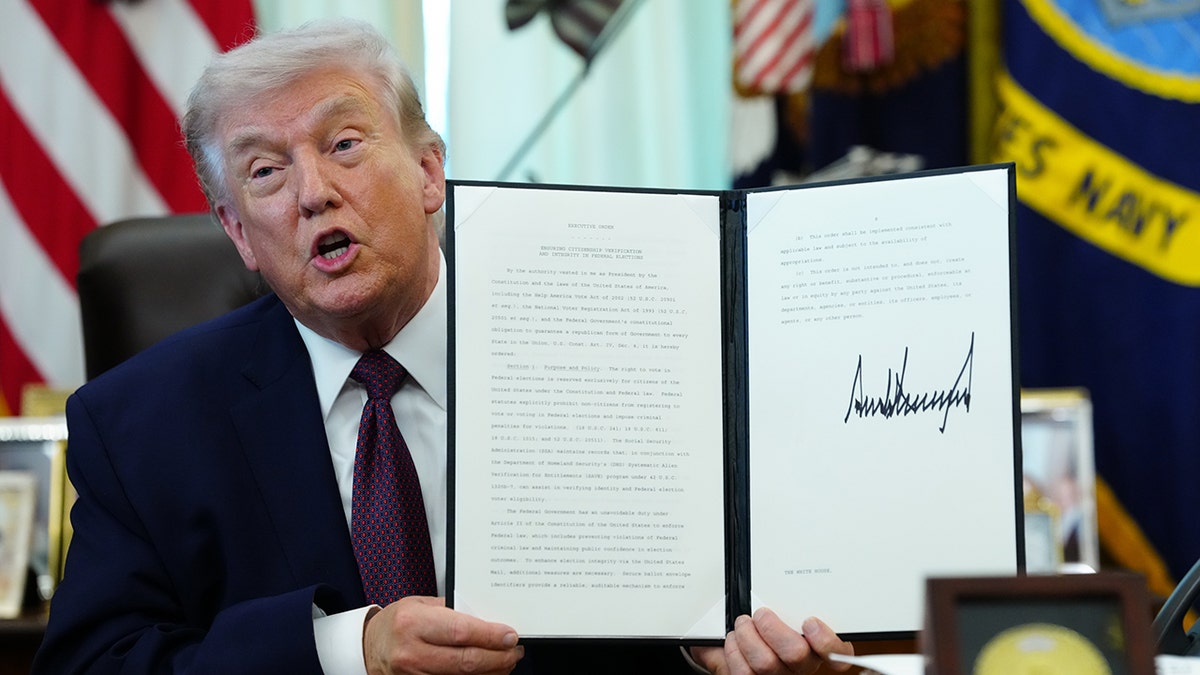
President Donald Trump addresses members of the assembled media after signing an executive order, Tuesday, in the Oval Office. (Aaron Schwartz/CNP/Bloomberg via Getty Images)
On mail ballots, the executive order calls on the postmaster general to initiate a rule-making process within 60 days. Proposed changes include requiring ballots to be clearly marked as official election mail, including a unique Intelligent Mail barcode or similar tracking technology, and undergoing Postal Service design review.
The order also outlines a system under which states would notify USPS if they plan to use mail-in or absentee ballots and provide lists of eligible voters, allowing the Postal Service to maintain participation records tied to ballot distribution.
Trump framed the changes as a direct response to what he described as longstanding vulnerabilities in voting by mail.
NOEM BACKS SAVE AMERICA ACT, SLAMS ‘RADICAL LEFT’ OPPOSITION TO VOTER IDS AND PROOF OF CITIZENSHIP
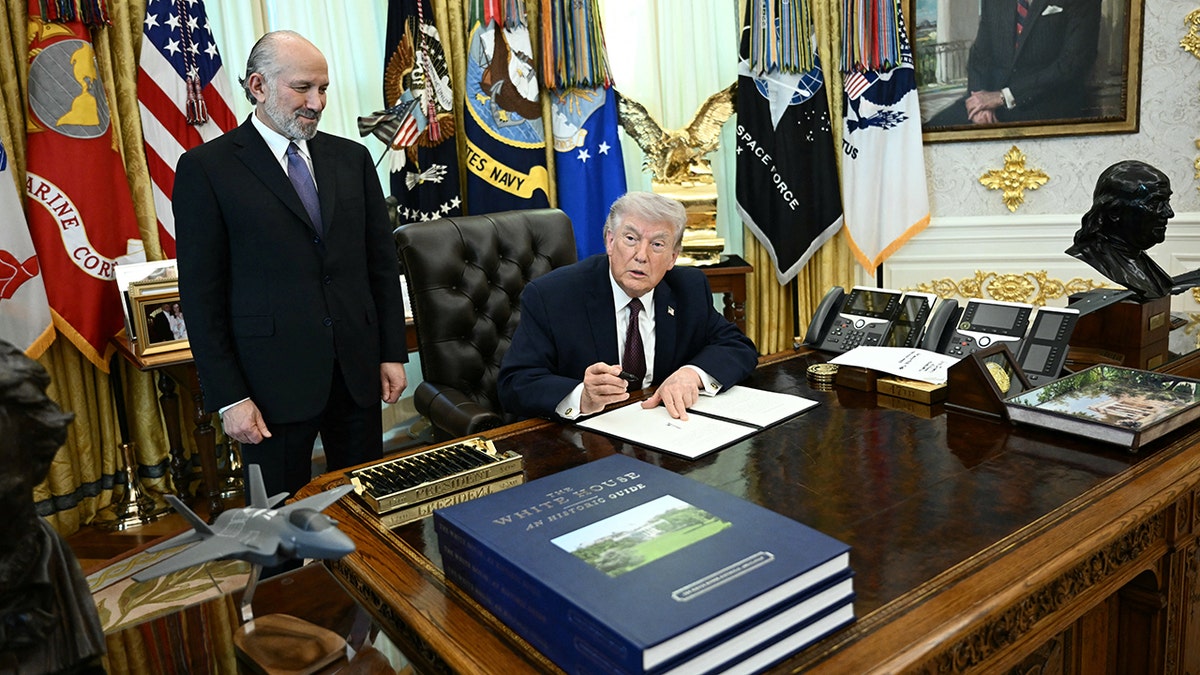
Commerce Secretary Howard Lutnick, left, looks on as President Donald Trump prepares to sign an executive order addressing mail-in voting. ( Brendan Smialowski/AFP via Getty Images)
«The cheating on mail-in voting is legendary,» he said. «It’s horrible what’s going on.»
Commerce Secretary Howard Lutnick said the administration is pushing for a system that ties each ballot to a trackable envelope.
«If you voted by mail, you will have it on the envelope,» Lutnick said. «There’ll be a million envelopes… and you’ll be able to know exactly correctly, that citizens voted.»
Trump said additional election-related measures, including voter ID and proof of citizenship requirements, are also under consideration.
«We’d like to have voter ID, we’d like to have proof of citizenship… we’re working on that,» he said.
He also argued that opposition to such measures is politically motivated.
«The only people that don’t want to do voter ID are people that cheat,» Trump said.
Trump acknowledged the order could face legal challenges but said he believes it will withstand them.
«I don’t know how it can be challenged,» Trump said after signing the order. «You may find a rogue judge… but that’s the only way that could be changed.»
The executive order states that voting in federal elections is reserved «exclusively for citizens of the United States» and argues that additional safeguards are necessary to «maintain public confidence in election outcomes.» It also says that ballot identifiers such as barcodes can help ensure that only eligible voters receive and cast ballots.
CLICK HERE TO DOWNLOAD THE FOX NEWS APP
Within minutes of Trump signing the order, top elections officials in Oregon and Arizona pledged to sue, arguing the president was illegally encroaching on states’ authority to run elections, according to The Associated Press.
Arizona Secretary of State Adrian Fontes said the state’s vote-by-mail system, originally designed by Republicans, is now used by about 80% of voters.
Arizona does not need the federal government to determine voter eligibility, and federal data is not always reliable, Fontes said.
Trump cast the issue in much broader terms.
«If you don’t have honest voting,» he said, «you can’t have really a nation.»
voting, donald trump, elections, white house, politics

Las memorias de una feminista millennial sobre el poliamor pueden ser desgarradoras

Frigorífico del creador de las hamburguesas Paty se presentó en concurso con una deuda millonaria

Se reactivó la comisión de Juicio Político en Diputados: la presidirá Lilia Lemoine

Acuerdo por la caja jubilatoria: Chubut recibirá $48.000 millones que le debía Nación

El jefazo de Mindseye quiere marcarse un Cyberpunk 2077 con su juego, incluso presume de ventas. Pero algo no cuadra

Canales para ver el Lanús vs. Platense por el Torneo Apertura

Máximo Kirchner salió al cruce de Milei y Macri tras el fallo por YPF a favor de la Argentina

La secretaria del piloto denunció que el amigo de Adorni la hostiga y la justicia dispuso medidas

El Gobierno cambia su propuesta de reforma: endurece penas para delitos comunes, pero no para los casos de corrupción

Nuevas críticas de Marcela Pagano contra los Milei: “Karina es la que gobierna”, aseguró

 POLITICA3 días ago
El Gobierno cambia su propuesta de reforma: endurece penas para delitos comunes, pero no para los casos de corrupción
- POLITICA2 días ago
Nuevas críticas de Marcela Pagano contra los Milei: “Karina es la que gobierna”, aseguró
- CHIMENTOS2 días ago
El incómodo momento que Wanda Nara y Martín Migueles le habrían hecho pasar a los japoneses en el tren bala: la foto