INTERNACIONAL
El CNE de Honduras atribuyó la caída del sistema de escrutinio a “problemas técnicos”: “El proceso ha sido una batalla constante”


La presidenta del Consejo Nacional Electoral (CNE), Ana Paola Hall, explicó este sábado a periodistas que la caída del sistema de escrutinio de las elecciones generales del pasado domingo obedece a “problemas técnicos ajenos al pleno”.
A su vez, afirmó que esos fallos “son propios de la empresa adjudicada”. Hall remarcó que desea “dejar muy claro que este CNE tiene la voluntad firme de que la divulgación sea continua”, y justificó los retrasos en que la falla no corresponde “a nuestro equipo técnico”.
En la misma línea, la consejera Cossette López-Osorio describió que “todo el proceso electoral ha sido una batalla constante, quisiéramos que esta etapa fuera distinta pero lastimosamente, no lo es”.
“El diseño preconcebido con el Consejo Nacional Electoral lastimosamente no ha sido posible por problemas técnicos ajenos a la voluntad de quienes tienen enfrente. Nosotros seguimos trabajando con vehemencia, mientras otros buscan municiones para desarmar el proceso y su legitimidad. Todos los problemas técnicos evidencian la dependencia que se tiene en el diseño legislativo establecido para el Consejo Nacional Electoral, con empresas a las cuales deben adjudicarse”, recalcó López-Osorio.
Sin embargo, precisó que “se han adoptado las medidas correctivas para asegurar la rápida segura, confiable y transparente conclusión del escrutinio general”.

La máxima autoridad electoral anunció también este sábado la extensión de los plazos para solicitar la nulidad administrativa y el recuento especial de votos de las elecciones presidenciales. La medida se toma en respuesta a las demoras en el procesamiento de resultados y la falta de acceso a la página oficial de divulgación, en medio de un ambiente de incertidumbre y denuncias de irregularidades.
Según el comunicado oficial, el plazo para presentar acciones de nulidad administrativa se amplía dos días y medio, venciendo el lunes 8 de diciembre a las 12:00 (hora local).
En cuanto a las solicitudes de revisiones y recuentos especiales, se conceden cinco días adicionales hasta el lunes 15 de diciembre a las 24:00 (hora local). Esta prórroga se da en un contexto de escrutinio paralizado desde el viernes pasado y de una plataforma de resultados que permanece inactiva desde hace más de un día.
El principal motivo para la ampliación de plazos reside en los problemas técnicos y logísticos que han marcado el desarrollo del proceso. El sistema de Transmisión de Resultados Electorales Preliminares (TREP) presentó fallos reiterados, generando desconfianza tanto en los partidos como en la población.
El CNE admitió que la falta de divulgación oportuna y las interrupciones en el recuento afectaron la transparencia y la confianza en el resultado del proceso.

Por el momento, con el 88,02% de las actas escrutadas, el candidato del Partido Nacional, Nasry Asfura, se mantenía a la cabeza con 1.132.321 votos (40,19%), mientras Salvador Nasralla del Partido Liberal acumulaba 1.112.570 (39,49%). La candidata de Libre, Rixi Moncada, continuaba en un distante tercer lugar con 543.675 papeletas (19,30%).
El Partido Nacional de Honduras, principal fuerza opositora, exigió al CNE que apresure el conteo de votos de las elecciones. “Le pedimos al Consejo Electoral que haga rápido el trabajo, no podemos seguir esperando, estamos hablando ya en este momento de casi 24 horas que no se mueven”, señaló Tomás Zambrano, jefe de la bancada nacionalista.
Nasralla, aspirante a la presidencia por el Partido Liberal, denunció la presencia de “inconsistencias y errores graves” en más de 5.000 actas electorales, exigiendo al Consejo Nacional Electoral (CNE) una revisión exhaustiva que podría llegar a un recuento voto por voto. A través de sus redes sociales, aseguró que estas irregularidades modifican el verdadero resultado de las elecciones y afirmó que, con “el 100 % de las actas físicas en mano”, su equipo sostiene que obtuvo la victoria en los comicios.
Desde el ámbito internacional, la Misión de Observación Electoral de la Organización de los Estados Americanos (OEA) instó este sábado a las autoridades de Honduras a acelerar el escrutinio de los votos de las elecciones celebradas.

La misión, liderada por Eladio Loizaga, hizo énfasis en la importancia de “agilizar el proceso de escrutinio, garantizando las medidas de trazabilidad que otorguen certeza en los resultados”. El organismo internacional remarcó que, a pesar de las demoras, sus observadores han verificado que la diferencia entre los candidatos es mínima, lo que contribuye a mantener la tensión en el país.
(Con información de EFE)
Domestic Politics,Elections,South America / Central America,Government / Politics,Elections / Voting







INTERNACIONAL
El Gobierno de Bolivia reemplazó al presidente de YPFB y anunció medidas ante la crisis por combustible de baja calidad
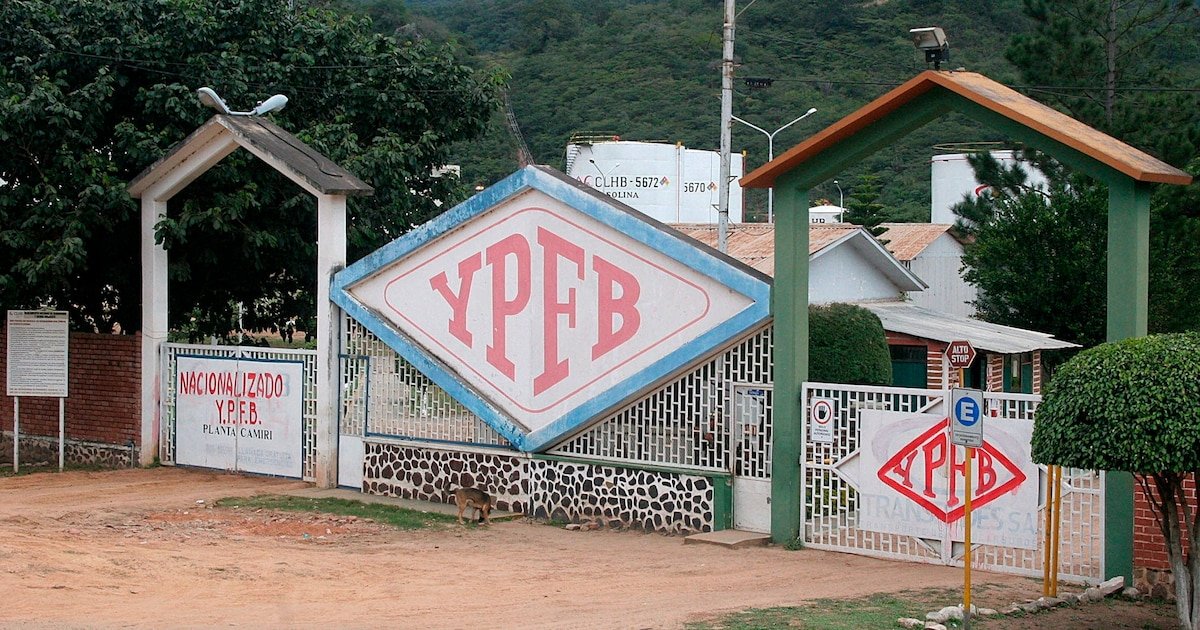
El Gobierno del presidente boliviano, Rodrigo Paz, resolvió este lunes relevar al presidente de la estatal Yacimientos Petrolíferos Fiscales Bolivianos (YPFB), Yussef Akly, y designar en su lugar a Claudia Cronenbold, en medio de una creciente crisis por la calidad del combustible que se comercializa en el país y tras protestas de transportistas en las principales ciudades.
El mandatario tomó juramento a Cronenbold en un acto en La Paz, poco después de que el ministro de Hidrocarburos y Energías, Mauricio Medinaceli, comunicó el cambio en la conducción de la empresa estatal junto con un paquete de medidas orientadas a garantizar el abastecimiento de carburantes y responder a los reclamos de usuarios afectados. Paz agradeció a Akly por su labor en esta “primera etapa” desde el cambio de Gobierno en noviembre pasado y destacó la trayectoria de su sucesora. “Por apostar por el país como siempre lo ha hecho en su carrera profesional”, expresó al dirigirse a la nueva titular de la compañía.
El jefe de Estado afirmó que la designación marca el inicio de “un segundo tiempo para YPFB” con nuevos objetivos estratégicos. Entre ellos, mencionó la aspiración de que Bolivia produzca su propia gasolina y que la empresa recupere su papel como una compañía “pujante”. En ese marco, remarcó la necesidad de enfrentar irregularidades dentro de la estatal. “Estaremos firmes para respaldar toda la lucha que sabemos va a ser muy dura contra la corrupción que hay en la estatal, para recuperar una empresa estatal para los bolivianos y que deje de ser una empresa de unos cuantos grupos de poder”, sostuvo.
Por su parte, Cronenbold expresó su compromiso al asumir el cargo y subrayó la relevancia de la empresa dentro del esquema energético del país. “Total compromiso y dedicación” para hacer “un buen papel en una empresa estratégica y muy importante”, declaró. La funcionaria se convierte en la segunda mujer en liderar YPFB, después de la designación de Katya Diederich en octubre de 2020 durante el Gobierno interino de Jeanine Áñez.

Antes del acto, el ministro Medinaceli destacó ante la prensa la experiencia de más de dos décadas de Cronenbold en el sector y la definió como un “ejemplo de liderazgo femenino en una industria estratégica”. Además del cambio en la conducción, el funcionario anunció una serie de decisiones orientadas a resolver la crisis por la calidad del combustible.
Entre las principales medidas, Medinaceli informó que el Gobierno firmará nuevos contratos “y con más variados proveedores de gasolina de mayor octanaje sin modificar el precio”. También indicó que la Agencia Nacional de Hidrocarburos (ANH) organizará un cronograma de limpieza de tanques en todas las estaciones de servicio del país, con el objetivo de garantizar el abastecimiento continuo. Según explicó, el plan se ejecutará mediante un calendario “que garantice el abastecimiento sin suspenderlo en ninguna zona del país”.
El ministro agregó que se “acelerará” el resarcimiento estatal a los propietarios de vehículos que denunciaron daños en sus motores por el uso de combustible contaminado. Asimismo, anunció que se impulsará la instalación de equipos de conversión a gas natural vehicular (GNV) tanto en el transporte público como en el privado, con el fin de reducir la dependencia de combustibles líquidos.
El paquete incluye además la aprobación de un decreto que habilita la importación de vehículos que funcionan con diésel “de menos de 4.000 de cilindrada”, así como la creación de un “equipo de supervisión permanente de hidrocarburos” para reforzar los controles sobre la cadena de suministro.

Las decisiones del Ejecutivo se producen tras meses de denuncias de usuarios que reportaron fallas mecánicas vinculadas a la calidad de la gasolina. De acuerdo con la propia YPFB, el combustible presentó niveles elevados de goma y manganeso. La situación generó protestas en distintos puntos del país.
La semana pasada, sindicatos de transportistas de La Paz y El Alto realizaron un paro con bloqueos durante dos días, en reclamo por la calidad del carburante y para exigir una compensación más ágil por los daños sufridos. Las manifestaciones intensificaron la presión sobre el Gobierno para adoptar medidas inmediatas.
Según datos oficiales, Bolivia depende en gran medida de las importaciones para abastecer su mercado interno, con casi el 100 % del diésel y alrededor del 60 % de la gasolina provenientes de países como Argentina, Chile, Perú, Paraguay y Estados Unidos. En ese contexto, el Gobierno busca estabilizar el suministro y recuperar la confianza de los consumidores tras la crisis.
(Con información de EFE)
NEWYou can now listen to Fox News articles!
MANCHESTER, N.H. — Rahm Emanuel is shrugging off the Democratic Party’s identity debate and emphasizing that the showdown for the Democrats’ 2028 presidential nomination should be about ideas and not gender.
The former Chicago mayor and White House chief of staff to President Barack Obama is mulling a White House run of his own in 2028 in the race to succeed term-limited Republican President Donald Trump. But in a party that has made diversity one of its core tenets, Emanuel will have to face the question: will the Democratic Party elect a straight White male to represent it?
Emanuel told Fox News Digital on Monday that Democrats should be asking potential presidential contenders different questions entirely, such as: «Do you have the ideas of how to make sure the American Dream is alive and well, accessible and affordable to another generation?»
POTENTIAL 2028 DEMOCRATIC CONTENDER PROPOSES 75-YEAR-OLD MANDATORY RETIREMENT FOR POLITICIANS
Former First Lady Michelle Obama lamented in a podcast late last year that the U.S. is not ready for a female president. (Tasos Katopodis/Getty)
In the wake of former Vice President Kamala Harris’ defeat to Trump in the 2024 election, former First Lady Michelle Obama made headlines late last year when she emphasized in a conversation posted on YouTube that the U.S. has «a lot of growing up to do» and that the nation is «not ready for a woman» as president.
And former President Joe Biden, in an interview last year on «The View,» argued that Harris lost to Trump because of sexism and racism.
Harris was the second female Democratic presidential nominee to come up short to Trump, following Hillary Clinton’s defeat in the 2016 election.
That’s got some in the Democratic Party suggesting that in order to recapture the White House in 2028, it might be better for the party to nominate a White male as their standard-bearer.
WHITE HOUSE RACE UNDERWAY: WITH 2026 LOOMING, BOTH PARTIES ARE ALREADY PLAYING FOR 2028
While Democrats take pride in their party’s diversity, an Axios article this past weekend, headlined «Some Dems’ 2028 strategy: a straight, White, Christian man,» included quotes from party operatives and strategists suggesting that parts of the American electorate are too biased to back a female or other diverse presidential candidate.
Emanuel disagrees.
«More important is the voters’ take. They’ll make a decision. And so to me, that’s the wrong thing. The question is, do you have the ideas that address the challenges that are facing America, regardless of who’s speaking it,» he said.
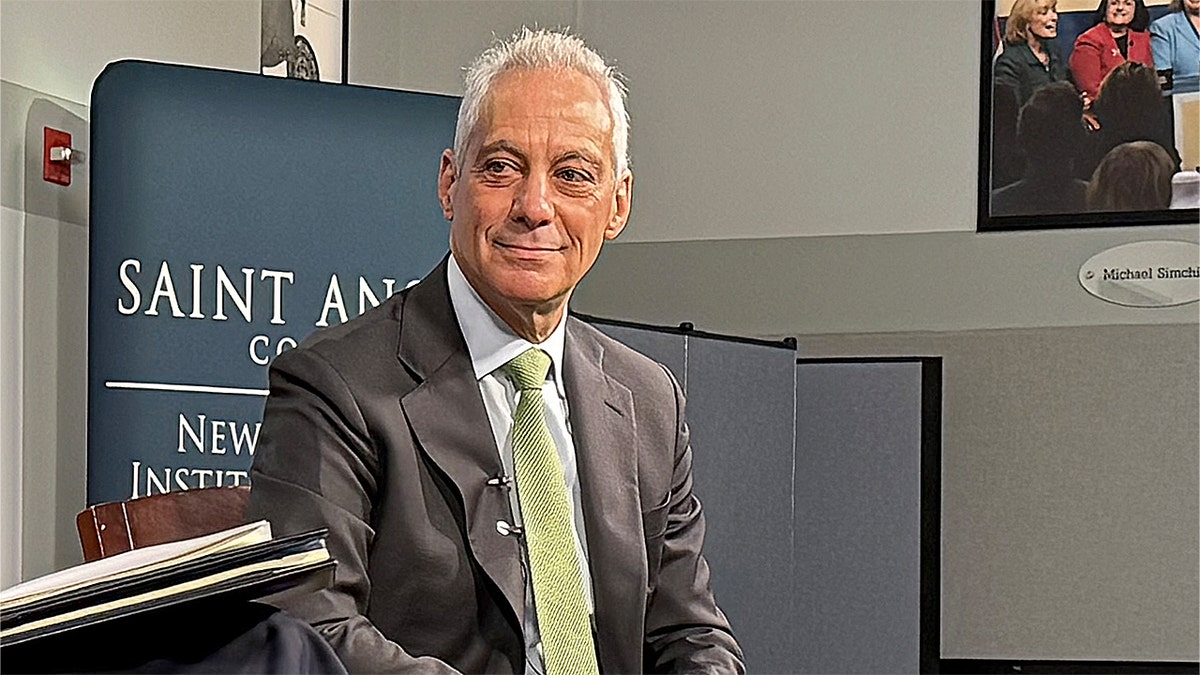
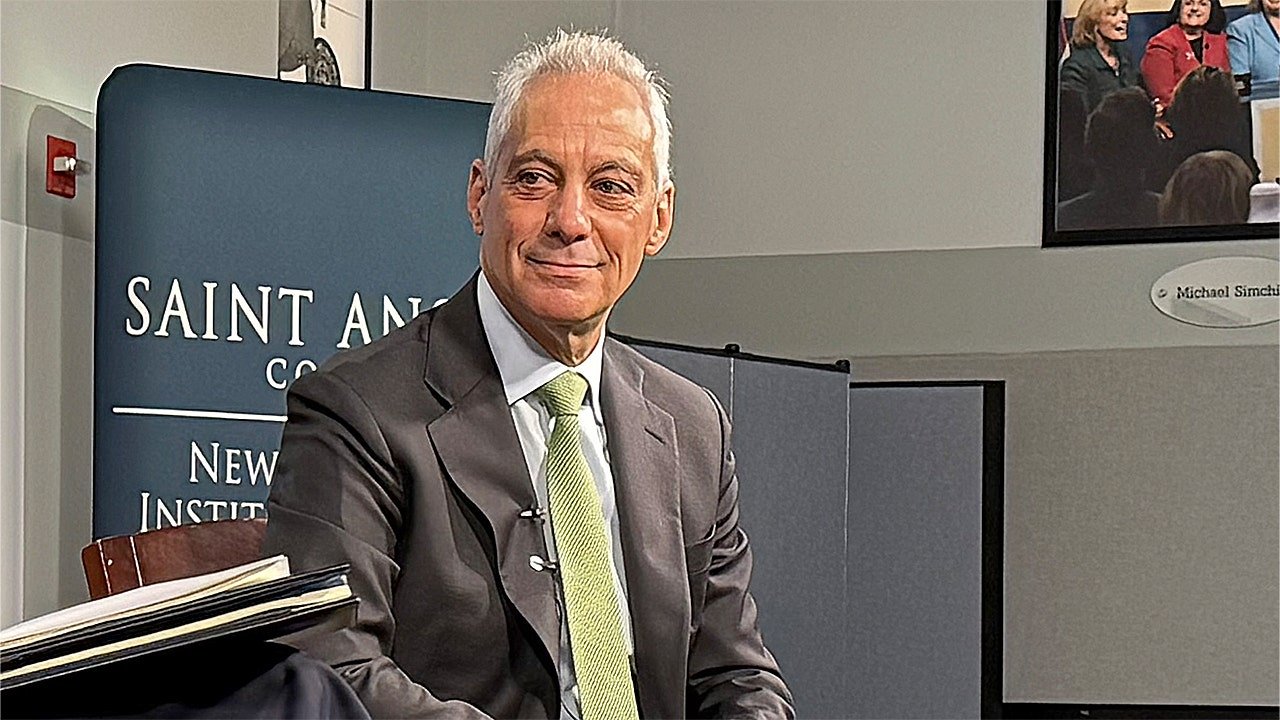
Former U.S. ambassador Rahm Emanuel, a former Chicago mayor who previous served as White House chief of staff in then-President Barack Obama’s administration and a former U.S. House member, speaks at the New Hampshire Institute of Politics, on March 30, 2026, in Manchester, N.H. (Paul Steinhauser/Fox News )
Emanuel spoke with Fox News and other news organizations after headlining «Politics and Eggs,» a speaking series at Saint Anselm College’s New Hampshire Institute of Politics that’s a must stop for White House hopefuls visiting the which for a century has held the first presidential primary in the White House race. And hours earlier, on Sunday evening, he was the main attraction at the latest «Stand Up New Hampshire» town hall hosted by top Democratic activists.
Emanuel has been crisscrossing the country in recent months, as he considers a presidential bid, including stops in two other crucial early primary states, Nevada and South Carolina, where he heads later this week.
On whether he’d become a presidential candidate, Emanuel said «if I think I have what it takes to answer what I think is ailing this great country, then I will jump into the deep end without my water wings.»
Emanuel, who hails from the more moderate center-left wing of the party, emphasized that in order to win in 2028, Democrats need to «centralize and ground ourselves in middle class values, tough enforcement at the border, put more police on the beat, and get kids, guns and gangs off the street, and invest in education opportunities.»
«Get to the core of what they expect from us and don’t get caught up in some cultural cul-de-sac that leads nowhere,» he added.
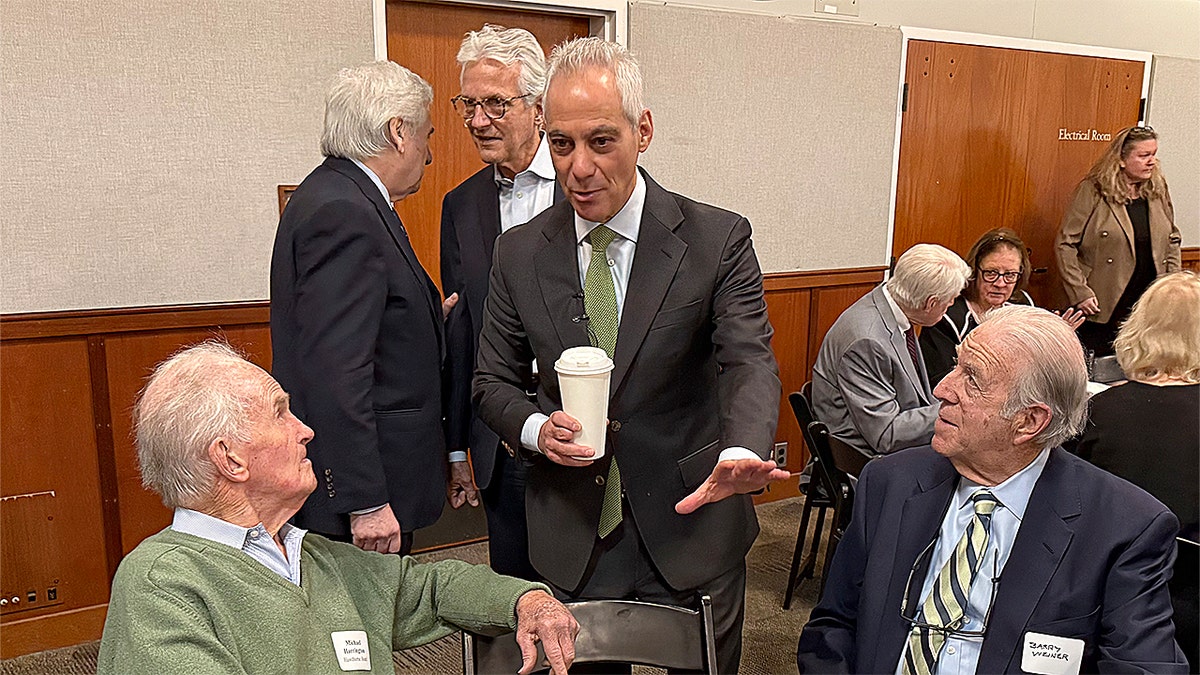
Potential 2028 Democratic presidential contender Rahm Emanuel greets audience members at ‘Politics and Eggs,’ a speaking series at Saint Anselm College’s New Hampshire Institute of Politics, on March 30, 2026, in Manchester. N.H. (Paul Steinhauser/Fox News)
As Democrats look for a fighter in 2028 to win back the White House, Emanuel is showing off his scrappy side.
«These are tough times that require a tough leader that knows how to do tough things and get them done on behalf of the American people. That’s the measure,» he told Fox News Digital.
And Emanuel also repeatedly took aim at Trump and his administration for their handling of the president’s efforts to acquire Greenland and the month-long strikes against Iran.
CLICK HERE TO DOWNLOAD THE FOX NEWS APP
«It’s a war of choice, and it’s a bad choice,» Emanuel said of Trump. «He could have gotten everything he wanted without going to war.»
And taking another shot, he said, «If they ever run a sequel to ‘Dumb and Dumber,’ I have recommendations for the lead roles, and there’s lots of competition in this administration.»
democratic party, democrats elections, kamala harris, michelle obama, presidential primaries, new hampshire
INTERNACIONAL
«Prefieren morir acá antes que irse»: el testimonio del cura argentino que refugia a desplazados en la montaña libanesa

La vida bajo las bombas
El mundo de los abandonados

¿Una invasión diferente?

Los cristianos no abandonan sus casas
La gente tiene ese apego a la tierra que perteneció a su familia durante siglos. Y entonces la gente no se quiere ir
¿Los shiítas, más cerca o más lejos de Hezbollah?

Pochettino responde a los rumores de su posible fichaje por el Madrid

El Gobierno fusionó temporalmente dos secretarías clave del Ministerio de Economía hasta que designen un nuevo titular

El horóscopo de hoy: martes 31 de marzo

Cuántos dólares consiguió el Gobierno para el pago de un vencimiento de deuda clave a mitad de año

"No se puede superar a los cerdos con más cerdos". Disney rompió una regla de oro con sus películas de animación y si Walt levantara cabeza, estaría horrorizado

La UIF intensifica el intercambio de información con entidades locales y del exterior

Máximo Kirchner salió al cruce de Milei y Macri tras el fallo por YPF a favor de la Argentina

La secretaria del piloto denunció que el amigo de Adorni la hostiga y la justicia dispuso medidas

El Gobierno cambia su propuesta de reforma: endurece penas para delitos comunes, pero no para los casos de corrupción

¡DERIVA ECONÓMICA Y SOBERBIA POLÍTICA! El abismo entre el «relato oficial» y la realidad de una clase media que no aguanta más

 POLITICA2 días ago
Máximo Kirchner salió al cruce de Milei y Macri tras el fallo por YPF a favor de la Argentina
- POLITICA3 días ago
La secretaria del piloto denunció que el amigo de Adorni la hostiga y la justicia dispuso medidas
- POLITICA2 días ago
El Gobierno cambia su propuesta de reforma: endurece penas para delitos comunes, pero no para los casos de corrupción