INTERNACIONAL
“El respeto a los derechos humanos hoy no es algo garantizado”: la UE y América Latina buscan respuestas comunes ante los retrocesos democráticos


“Hay cada vez más discursos que ponen en duda ciertos principios fundamentales que durante décadas hemos tomado por evidente”. Con estas palabras, Eran Nagan, subjefe de la Delegación de la Unión Europea en Argentina, abrió el seminario que reunió en Buenos Aires a especialistas, funcionarios y académicos de América Latina y Europa para debatir los desafíos actuales en materia de derechos humanos.
Organizado por la Red Política NetworkPolicyDebate y con apoyo de la Unión Europea, el IX Seminario Jean Monnet Network – Bridge Watch, con el eje temático Derechos humanos, dignidad e igualdad: un diálogo entre América Latina y Europa se desarrolló en la Universidad del Salvador.
Durante la apertura, Nagan destacó la pertinencia del seminario en un contexto global marcado por el auge del autoritarismo y el cuestionamiento de principios democráticos básicos. Insistió en que el respeto por los derechos humanos es una condición esencial tanto de la política interna como de la acción exterior de la UE, incluyendo acuerdos comerciales como el que se está ratificando con el Mercosur.
La doctora María Alejandra Mangano, co-titular de la Procuraduría de Trata y Explotación de Personas (PROTEX) de la Procuración General de la Nación Argentina, abordó la trata de personas como una forma contemporánea de esclavitud y crimen organizado, que requiere una articulación entre la persecución penal y la protección de las víctimas. “Esta aparente tensión entre lo penal y lo social es central para comprender los desafíos actuales del abordaje de la trata”, señaló.
Mangano repasó la evolución normativa desde la aprobación del Protocolo de Palermo (2000), que dio impulso a leyes nacionales contra la trata en la región. Insistió en que las víctimas deben estar en el centro del proceso judicial: “Los Estados no solo deben investigar y sancionar, sino también garantizar protección integral y reparación”. Denunció la criminalización frecuente de las víctimas y alertó sobre la falta de legislación específica para asegurar reparaciones económicas con fondos obtenidos de los delitos.

Mangano también destacó que, pese a los avances normativos, muchas víctimas continúan siendo criminalizadas por conductas a las que fueron forzadas en contextos de explotación. “Lo más habitual es que las víctimas sean utilizadas para cometer delitos menores o captar a otras personas”, explicó, y subrayó que los sistemas judiciales deben aplicar el principio de no criminalización desde el primer momento del proceso penal. Además, enfatizó la necesidad de que los Estados cuenten con legislación que permita usar los fondos decomisados a las redes criminales para reparar económicamente a las víctimas, una práctica que no está garantizada en muchos países de la región.
El jurista español Rafael Rubio Nuñez, de la Universidad Complutense de Madrid, abordó el impacto de la inteligencia artificial (IA) sobre la democracia y los derechos fundamentales. “La IA nos obliga a repensar los derechos existentes a la luz de nuevas amenazas”, afirmó.
Rubio destacó la paradoja entre el entusiasmo tecnológico y la preocupación creciente por sus efectos: “Hemos pasado de la utopía al apocalipsis”. Señaló que la IA afecta desde el derecho a la privacidad hasta la libertad de expresión, pasando por el derecho a no ser discriminado y el derecho al voto informado. “Cuando reducimos a la persona a la condición de dato, le quitamos su dignidad”, advirtió.
A su juicio, los sistemas jurídicos deben enfocarse menos en regular nuevas tecnologías desde el miedo y más en adaptar el marco de derechos existentes, fortaleciendo las instituciones de garantía. Celebró que proyectos como este seminario promuevan el diálogo entre Europa y América Latina, y concluyó: “Estamos ante una gran oportunidad de liderazgo compartido en el campo de los derechos humanos frente a la tecnología”.
La jurista brasileña Jamile Bergamaschine Mata Diz, profesora de la Universidad Federal de Minas Gerais, centró su intervención en el impacto de las normativas europeas en el comercio con terceros países.
Discrepando con quienes niegan la existencia de un “efecto Bruselas”, afirmó: “Yo digo que hay efectos Bruselas, Estrasburgo y Luxemburgo”. Enfatizó que las regulaciones europeas, incluso las más técnicas y complejas, como la Directiva 2024/1760 sobre debida diligencia en derechos humanos y medio ambiente, tienen un impacto concreto en las relaciones económicas con América Latina.

“No solo las empresas europeas deben cumplir esos requisitos, también sus filiales y socios comerciales en terceros países”, explicó. Aludió también al reglamento europeo sobre deforestación, que exige georreferenciar propiedades en países exportadores, una medida que ha generado tensiones.
La profesora brasileña también hizo hincapié en que muchas de las normativas europeas, como la directiva sobre debida diligencia en derechos humanos y medioambiente, tienen un impacto directo en las negociaciones y relaciones entre el Mercosur y la Unión Europea.
“Estamos en una relación de cooperación, no de sumisión”, advirtió, al señalar que las empresas latinoamericanas se ven obligadas a cumplir estándares europeos estrictos sin acceder a los mismos recursos ni condiciones de competitividad.
Según Bergamaschine, si Europa desea avanzar hacia una agenda común de sostenibilidad, debe hacerlo “en pie de igualdad”, evitando imponer regulaciones unilaterales que desborden las capacidades institucionales o económicas de los países del sur.
En conjunto, el seminario reflejó la urgencia de construir una agenda compartida entre la Unión Europea y América Latina frente a un escenario global incierto. Como remarcó Nuno Cunha Rodrigues, coordinador del proyecto Jean Monnet “Bridge Watch” y profesor de la Universidade de Lisboa: “El derecho puede aparecer como algo de estabilidad en las relaciones entre pueblos y entre Estados”.
Al leer los artículos 2 y 3 del Tratado de la Unión Europea, Rodríguez recordó que el bloque se funda en los valores de dignidad humana, democracia, igualdad y estado de derecho, y que tiene el mandato de promover estos principios en sus relaciones exteriores. La tensión entre intereses económicos, regulaciones exigentes y principios compartidos marcó muchas de las intervenciones.
En un momento de retrocesos democráticos en distintas partes del mundo, los participantes coincidieron en que la educación en derechos humanos, el fortalecimiento institucional y la cooperación interregional son herramientas imprescindibles para enfrentar los desafíos actuales.
“La educación es clave. Las nuevas generaciones deben entender el valor de los derechos humanos”, sintetizó Nagan.
seminario

INTERNACIONAL
Otro golpe para el ex príncipe Andrés: quieren eliminarlo de la línea de sucesión al trono británico por sus vínculos con Jeffrey Epstein
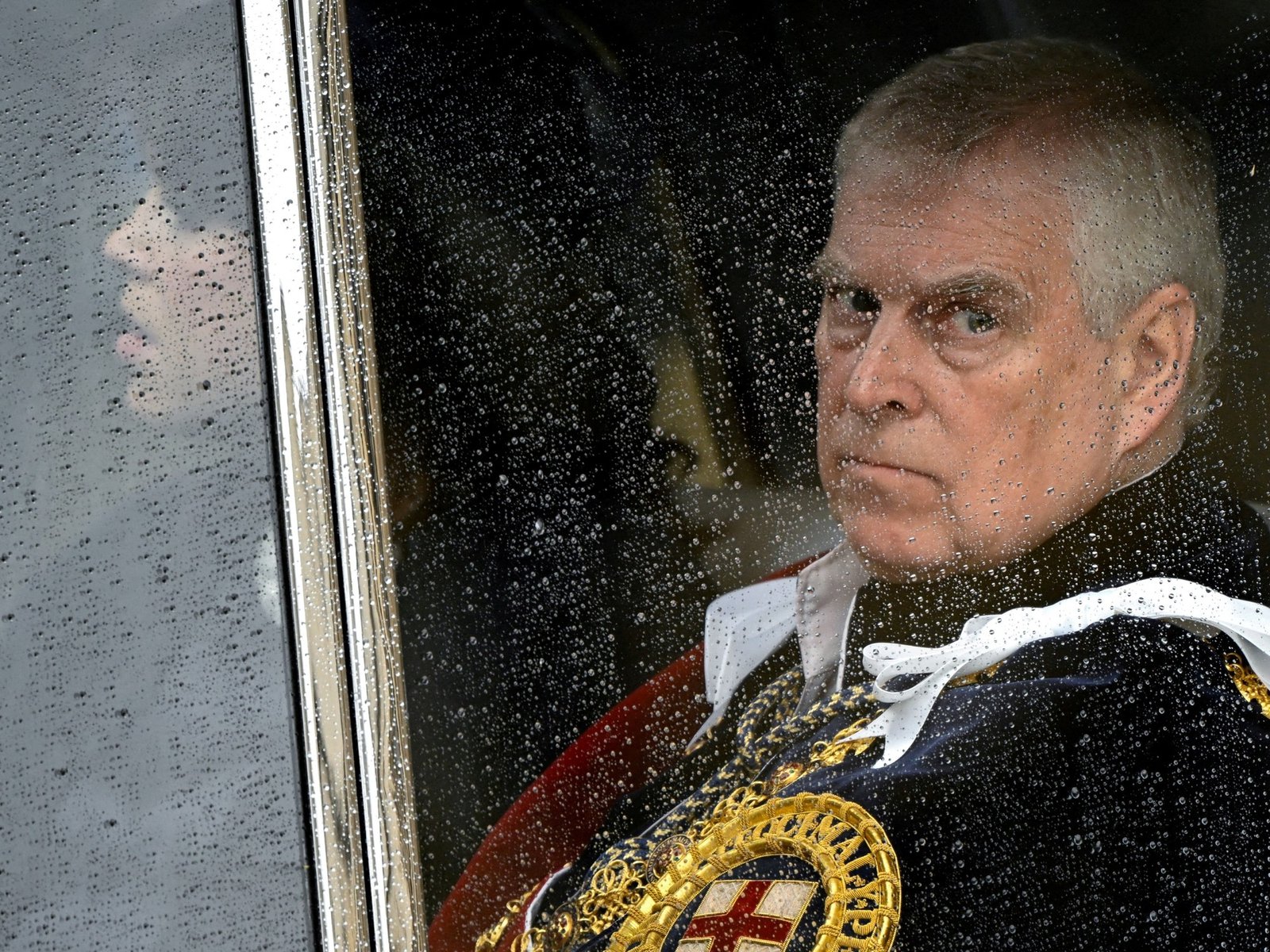
El ex príncipe Andrés será eliminado de la línea de sucesión al trono británico. Por ser el hijo de la reina Isabel ocupa el octavo lugar, tras haber sido segundo antes que nacieran los príncipes William, Harry y sus hijos. Downing St considerará introducir una ley para destituir al octavo en la sucesión al trono, una vez finalizada la investigación policial sobre el caso Epstein.
El primer ministro británico Sir Keir Starmer considerará aprobar una ley para destituir a Andrew Mountbatten-Windsor de la sucesión al trono. Cualquier cambio en la legislación se produciría una vez concluida la investigación policial sobre el ex príncipe caído en desgracia.
Esta histórica medida se produce tras el breve arresto de Mountbatten-Windsor el jueves, bajo sospecha de mala conducta en el ejercicio de un cargo público.
Mountbatten-Windsor ha sido despojado del título de príncipe, pero sigue siendo el octavo en la sucesión al trono, después de William, Harry y sus hijos.
El cambio requiere una ley del Parlamento. Downing Street consultará con los demás reinos de la Commonwealth antes de realizar cualquier cambio.
Todos los demás países donde Carlos III es rey, incluyendo Australia, Canadá y Nueva Zelanda, tendrían que aprobar la legislación para destituirlo.
El viernes, Andrew Bowie, secretario en la sombra para Escocia, declaró a GB News: «Creo que sería lo correcto. Por supuesto, si es declarado culpable de esto, creo que el Parlamento estaría en su derecho de actuar para eliminarlo de la línea de sucesión”.
«Pero, recordemos, todavía no ha sido declarado culpable de nada:aún no se le ha imputado ningún delito. Así que debemos dejar que la investigación policial siga su curso, y creo que todos deberíamos actuar en consecuencia», dijo.
Mountbatten-Windsor se convirtió en el primer miembro de la familia real en la historia moderna en ser arrestado el jueves, día que también coincidió con su 66° cumpleaños.
La policía allanó la residencia temporal del ex príncipe, Wood Farm, en Sandringham, a la hora del desayuno, antes de llevarlo a la comisaría de Aylsham, en Norfolk. Pasó casi 12 horas detenido antes de ser puesto en libertad bajo investigación.
Los correos electrónicos publicados como parte de los archivos de Epstein parecían demostrar que Mountbatten-Windsor filtró documentos confidenciales a Jeffrey Epstein mientras trabajaba como enviado comercial de Gran Bretaña, representando a la difunta reina Isabel II y al país en el extranjero.
Si el ex príncipe fuera declarado culpable de mala conducta en un cargo público, podría enfrentarse a la cárcel.
El viernes, la policía continuó registrando del Royal en Windsor, la antigua residencia del Sr. Mountbatten-Windsor, tras su liberación. Continuará investigando allí hasta el lunes.También ha comenzado a interrogar a los oficiales de la policía que lo custodiaran para ver si recuerdan hechos.
Por otra parte, la policía de West Yorkshire se convirtió en la décima fuerza policial en confirmar que estaba revisando material del tramo de archivos de Epstein, publicado por el Departamento de Justicia de Estados Unidos.
Un portavoz declaró que la fuerza policial estaba «evaluando los detalles de la información que se ha hecho pública para determinar cualquier posible vínculo con la zona de West Yorkshire».
El rey Eduardo VIII y sus descendientes fueron eliminados de la línea de sucesión cuando abdicó en 1936. El príncipe Michel de Kent también fue eliminado, en virtud de la Ley de Establecimiento de 1701, al contraer matrimonio con una católica en 1978. Sin embargo, fue restituido con la Ley de Sucesión a la Corona en 2013.
Este viernes, Sir Ed Davey, líder del Partido Liberal Demócrata, expresó su apoyo a la monarquía. Pero añadió: «Creo que deberíamos tener presentes a los sobrevivientes y víctimas de Epstein, que tienen que ver toda esta información y posiblemente revivir sus traumas. Es una situación bastante impactante. Dejemos que la policía haga su trabajo».
Se le preguntó a Sir Ed sobre las peticiones de los Demócratas Liberales en los últimos meses para que el ex príncipe comparezca ante el Parlamento para declarar ante los diputados y los pares.
Declaró a la BBC: «Creo que, en términos generales, de cara al futuro, necesitamos más transparencia. Y el Parlamento desempeña un papel fundamental».
INTERNACIONAL
Omar calls GOP probe into husband’s $30M business surge a ‘political stunt’ as records deadline passes
NEWYou can now listen to Fox News articles!
The office of Rep. Ilhan Omar, D-Minn., on Friday called a GOP-led investigation into her family’s finances a «stunt,» one day after a House deadline for her husband to turn over records tied to his companies’ rapid growth.
The House Oversight Committee had set Feb. 19 as a deadline for Tim Mynett, Omar’s husband, to provide information about the sudden success of two of his companies to the House Oversight Committee.
«This is all a political stunt. These sham accusations were referred to the Ethics Committee, and our office has not received any follow-up because this is a baseless, headline-generating speculation and a politically targeted attack on the Congresswoman,» a spokesperson for Omar told Fox News Digital.
Omar’s office declined to say whether it had submitted the business records as requested by lawmakers.
CONGRESS OPENS ‘INDUSTRIAL-SCALE FRAUD’ PROBE IN MINNESOTA, WARNS WALZ DEMANDS ARE ‘JUST THE BEGINNING’
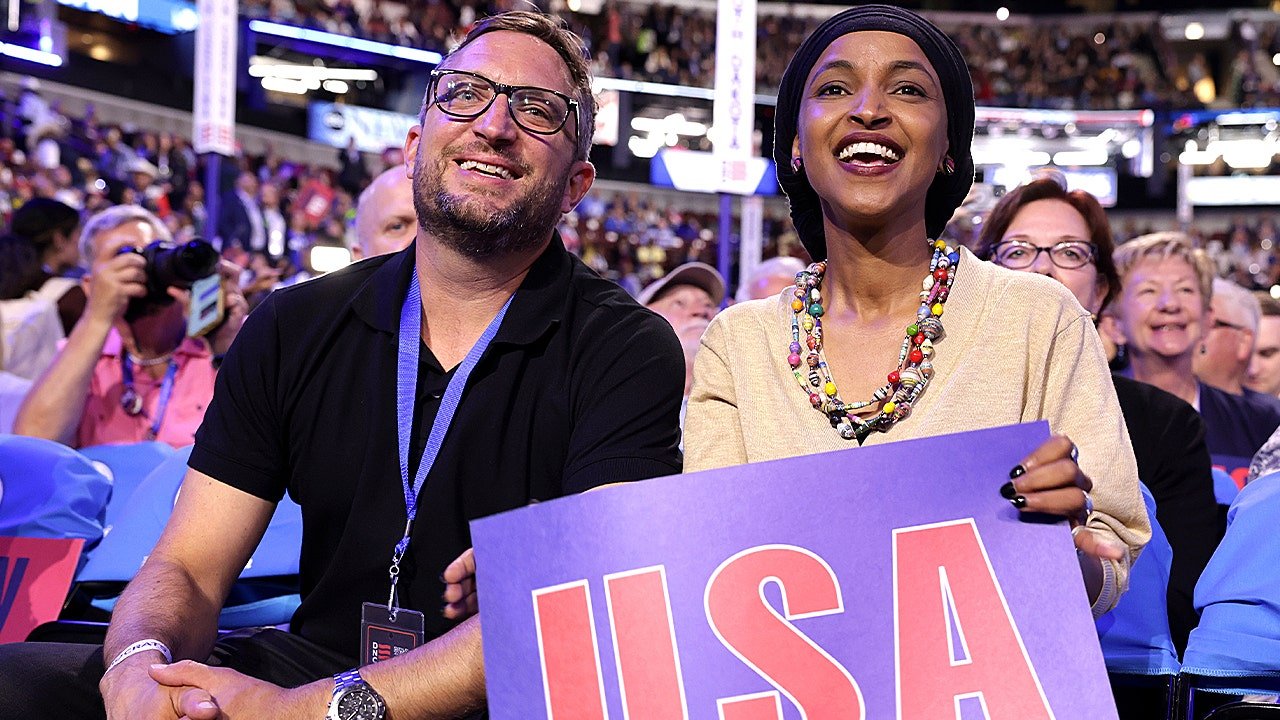
Rep. Ilhan Omar, D-Minn., sits with husband Tim Mynett during the first day of the Democratic National Convention at the United Center on Aug. 19, 2024, in Chicago, Illinois. (Alex Wong/Getty Images)
eStCru LLC, a winery, and Rose Lake Capital LLC, a consulting firm, both owned partially by Mynett, increased sharply in reported value between 2023 and 2024, drawing questions from lawmakers about the source of the pair’s wealth.
In just one year, the two companies added roughly $30 million in combined value.
The Oversight Committee, led by Chairman James Comer, R-Ky., asked Mynett to produce communications regarding the companies’ latest audits and with the Securities and Exchange Commission (SEC), correspondence with any other federal agencies, and travel records to or from the United Arab Emirates, Somalia or Kenya.
Omar’s office called the probe a GOP-led distraction from other hot-topic issues.
«If Republicans were interested in real oversight, they would be looking at Trump and his family enriching their net worth by billions of dollars, as well as their connections to their pedophile friend, Jeffrey Epstein,» Omar’s spokesperson said.
MINNESOTA GOV WALZ, AG ELLISON TO TESTIFY IN HOUSE INVESTIGATION INTO ALLEGED $9B WELFARE FRAUD
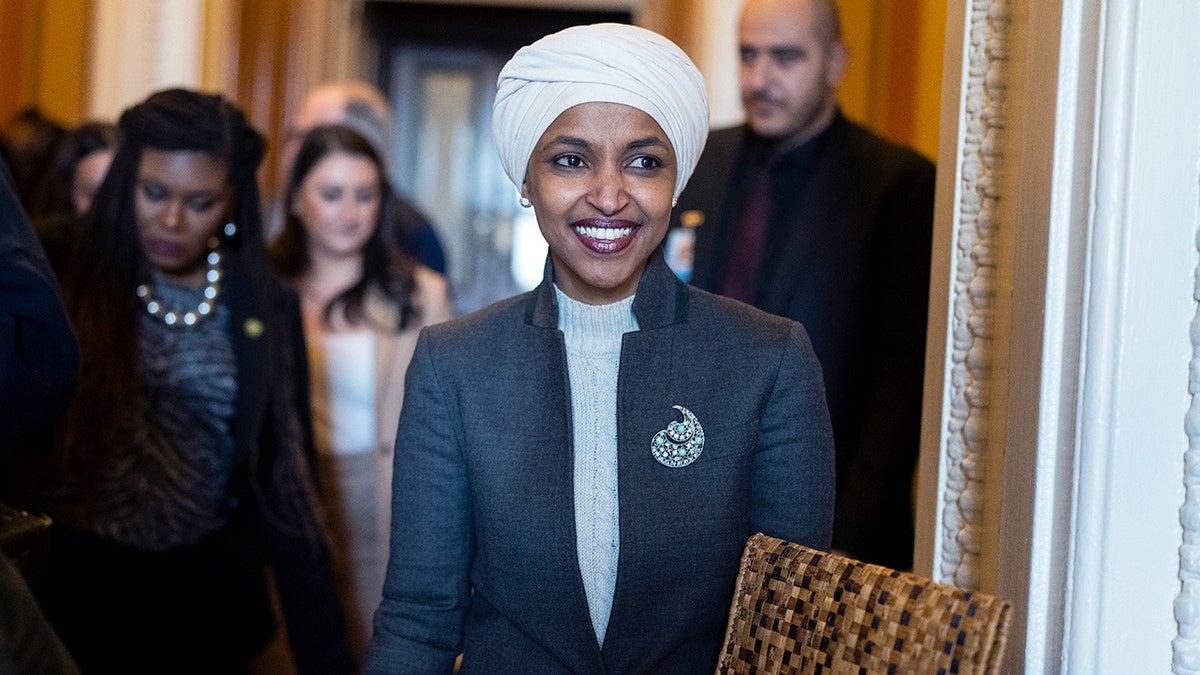
President Donald Trump pushed for a financial investigation into Democrat Rep. Ilhan Omar in January. (Tom Williams/CQ-Roll Call, Inc via Getty Images)
When asked if Omar and Mynett had turned in the requested documentation, a spokesperson for the House Oversight Committee told Fox News Digital that the committee has referred the matter to the House Ethics Committee, the body tasked with investigating financial disclosure statements and member misconduct.
«Americans have concerns about Rep. Omar’s skyrocketing wealth while in public office. The House Oversight Committee initiated a probe into these concerns and has asked the House Ethics Committee to do its job and review this matter,» a spokesperson for the House Oversight Committee told Fox News Digital.
In its letter to Mynett sent earlier this year, the Oversight Committee said it needed the business details to ensure Omar wasn’t being unduly influenced by her husband’s success.
MASSIVE MINNESOTA FRAUD CASE PUTS AG KEITH ELLISON UNDER MICROSCOPE AS CLIMATE TIES RESURFACE
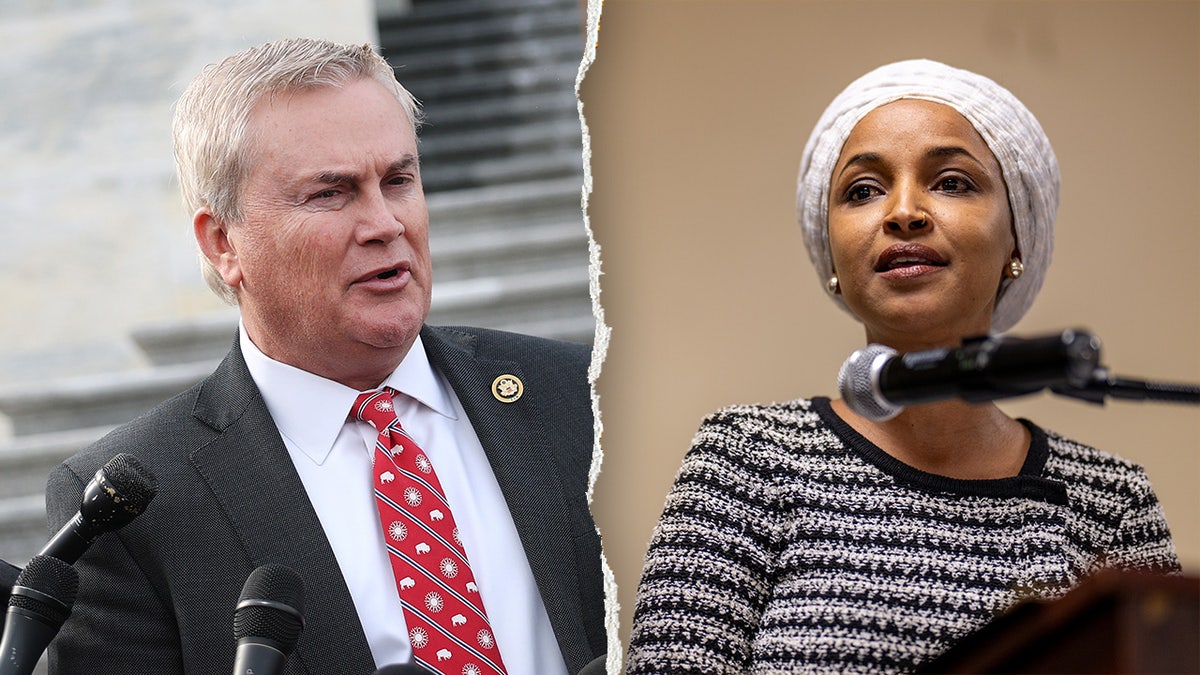
Rep. James Comer, R-Ky., left, pictured alongside Rep. Ilhan Omar, D-Minn., right. (Kevin Dietsch/Getty Images; Brandon Bell/Getty Images)
«Financial disclosure forms, filed by your wife, Representative Ilhan Omar of Minnesota, show eStCru LLC and Rose Lake Capital LLC, which you hold ownership stakes in, went from being worth as much as $51,000 in 2023 to as much as $30 million in 2024,» the committee wrote.
CLICK HERE TO DOWNLOAD THE FOX NEWS APP
«Given that these companies do not publicly list their investors or where their money comes from, this sudden jump in value raises concerns that unknown individuals may be investing to gain influence with your wife,» the Oversight Committee added.
The House Ethics Committee declined to comment on whether it would open a probe into Omar or her husband.
congress,ilhan omar,politics
INTERNACIONAL
Trump gives Iran 10-day ultimatum, but experts signal talks may be buying time for strike
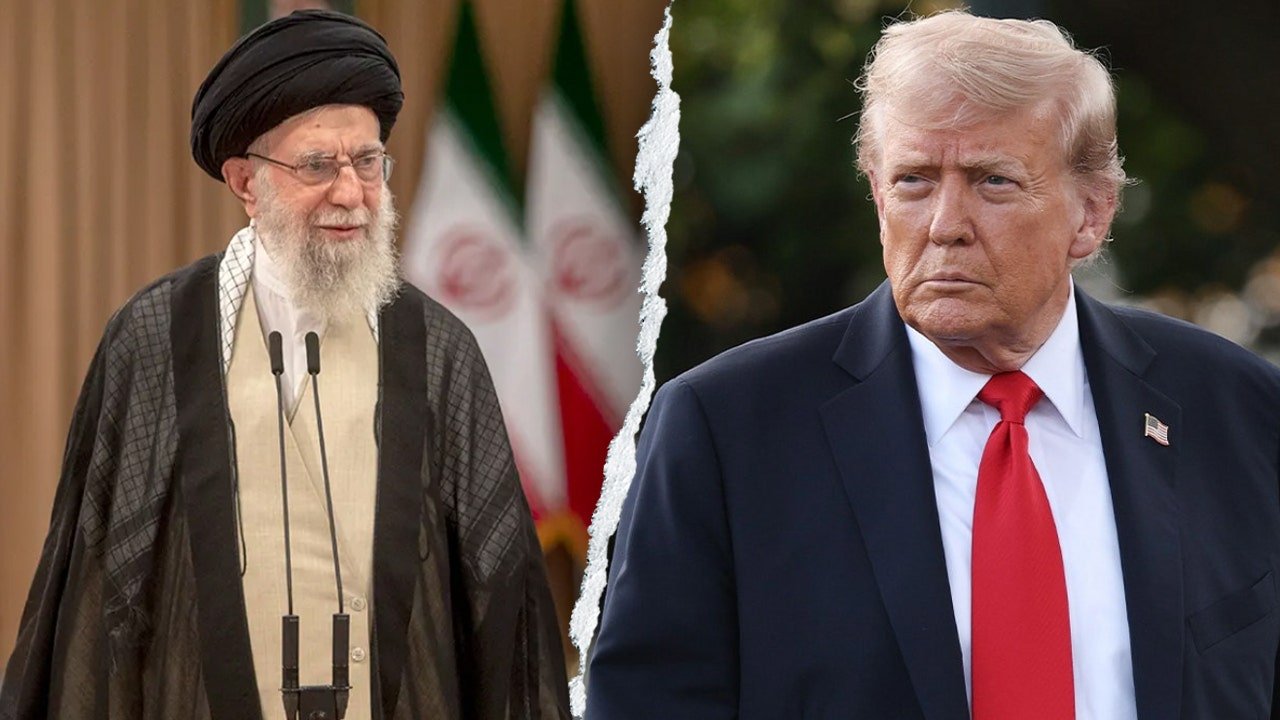
NEWYou can now listen to Fox News articles!
President Trump said in June he would decide «within the next two weeks» whether to strike Iran. He made the decision two days later.
On Thursday, he gave Tehran another clock, saying the Islamic Republic has 10 to 15 days to come to the negotiating table or face consequences.
The compressed timeline now sits at the center of a new round of high-stakes nuclear diplomacy. But with Trump, deadlines can serve as both warning and weapon.
Jason Brodsky, policy director at United Against Nuclear Iran, told Fox News Digital, «The Iranian regime has been operating under a grand delusion that they can turn President Trump into President Obama and President Trump has made it clear that that’s not happening.»
TRUMP MEETS NETANYAHU, SAYS HE WANTS IRAN DEAL BUT REMINDS TEHRAN OF ‘MIDNIGHT HAMMER’ OPERATION
Map of US naval ships in the Middle East. (Fox News )
Brodsky said there is little expectation inside the administration that diplomacy will produce a breakthrough. «I think there’s deep skepticism in the Trump administration that this negotiation is going to produce any acceptable outcome.»
Instead, he said, the talks may be serving a dual purpose. «They’re using the diplomatic process to sharpen the choices of the Iranian leadership and to buy time to make sure that we have the appropriate military assets in the region.»
A Middle Eastern source with knowledge of the negotiations told Fox News Digital that Tehran understands how close the risk of war feels and is unlikely to deliberately provoke Trump at this stage.
However, the source said Iran cannot accept limitations on its short-range missile program, describing the issue as a firm red line set by Supreme Leader Ali Khamenei. Iranian negotiators are not authorized to cross that boundary, and conceding on missiles would be viewed internally as equivalent to losing a war.
The source indicated there may be more flexibility around uranium enrichment parameters if sanctions relief is part of the equation.
According to Brodsky, Iran’s core positions remain unchanged. «They’re trying to engage in a lot of distraction… shiny objects, to distract from the fact that they’re not prepared to make the concessions that President Trump is requiring of them,» he said. «The Iranian positions do not change and have not changed fundamentally. They refuse to accept President Trump’s position on zero enrichment. They refuse to dismantle their nuclear infrastructure. They refuse limitations on Iran’s missile program, and they refuse to end support for terror groups.»
VANCE WARNS IRAN THAT ‘ANOTHER OPTION ON THE TABLE’ IF NUCLEAR DEAL NOT REACHED

USS Gerald R. Ford pictured in the Mediterranean Sea. (U.S Naval Forces Central Command / U.S. 6th Fleet / Handout via Reuters)
Behnam Taleblu, senior fellow at the Foundation for Defense of Democracies, warned that Tehran may be preparing a different kind of proposal altogether.
«The first kind of deal that we have to be worried about… they may pitch an agreement that is based more on transposing the current reality onto paper… these kinds of agreements are more like understandings,» Taleblu said.
«You take the present reality, and you transpose that onto paper, and then you make the U.S. pay for something it already achieved.»
Taleblu outlined what he sees as Tehran’s strategic objectives. «The Iranians want three things, essentially. The first is they want to deter and prevent a strike.»
«The second is that they are actually using negotiations… to take the wind out of the wings of Iranian dissidents. And then the third is… they actually do want some kind of foreign financial stabilization and sanctions relief.»
«What the Iranians want is to play for time… an agreement like this doesn’t really require the Iranians to offer anything.»
RETIRED GENERAL ARGUES MILITARY ACTION AGAINST IRAN IS ‘BEST OPTION’ AS TRUMP FACES ‘HISTORIC OPPORTUNITY’
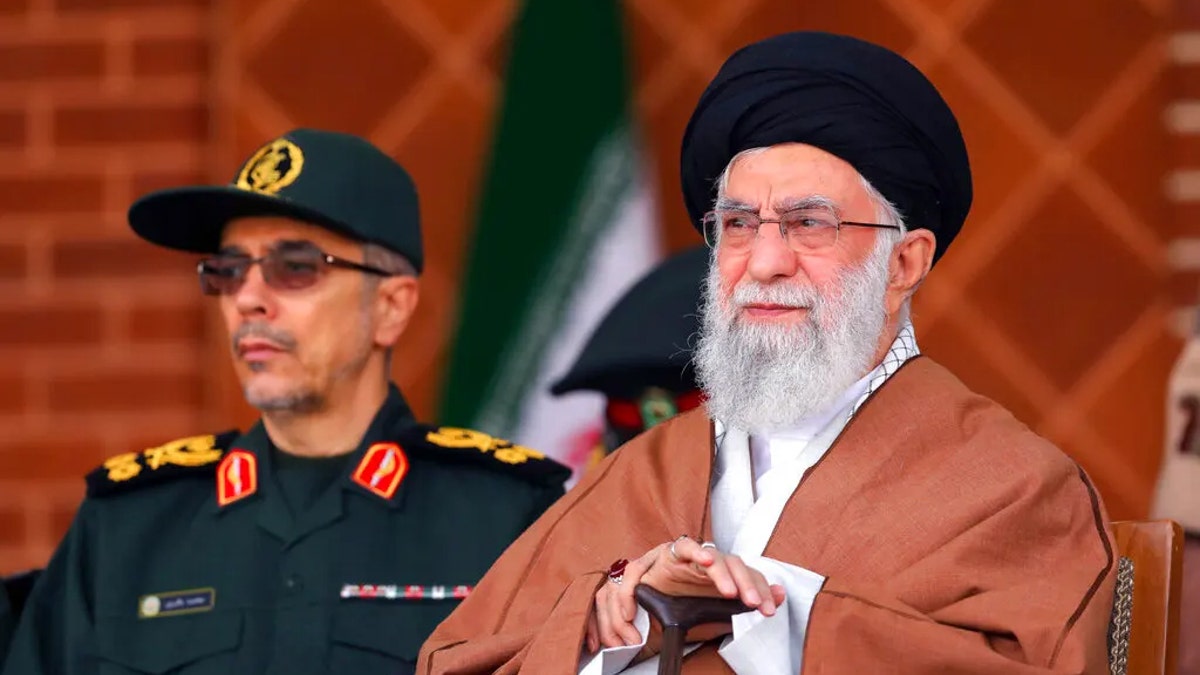
Iran’s Supreme Leader, Ayatollah Ali Khamenei pictured sitting next to senior military official in Iran. (Getty Images)
At the same time, Taleblu said the administration’s intentions remain deliberately opaque. «It’s hard to read the tea leaves of the administration here. Obviously, they don’t want a nuclear Iran, but also obviously they don’t want a long war in the Middle East.»
«The military architecture they’re moving into the region is signaling that they’re prepared to engage in one anyway. The question that the administration has not resolved politically… is: What is the political end state of the strikes? That’s the cultivation of ambiguity that the president excels at.»
Jacob Olidort, Chief Research Officer and Director of American Security at the America First Policy Institute, told Fox News Digital, «The President has been clear that he wants to give diplomacy a chance. However, if, in his estimation, diplomatic efforts prove unsuccessful, he will almost certainly turn to military options. What is rightfully unpredictable is the specific objective and scope of military action the President may take.»
«Specifically, will military action serve as a new layer of diplomatic pressure towards creating a new opportunity to make Iran agree to our demands — military force as coercive diplomacy — or simply achieve the intended objectives that diplomacy could not? Regardless, the President has a record of taking bold action to protect the American people from Iran’s threats.»
CLICK HERE TO DOWNLOAD THE FOX NEWS APP
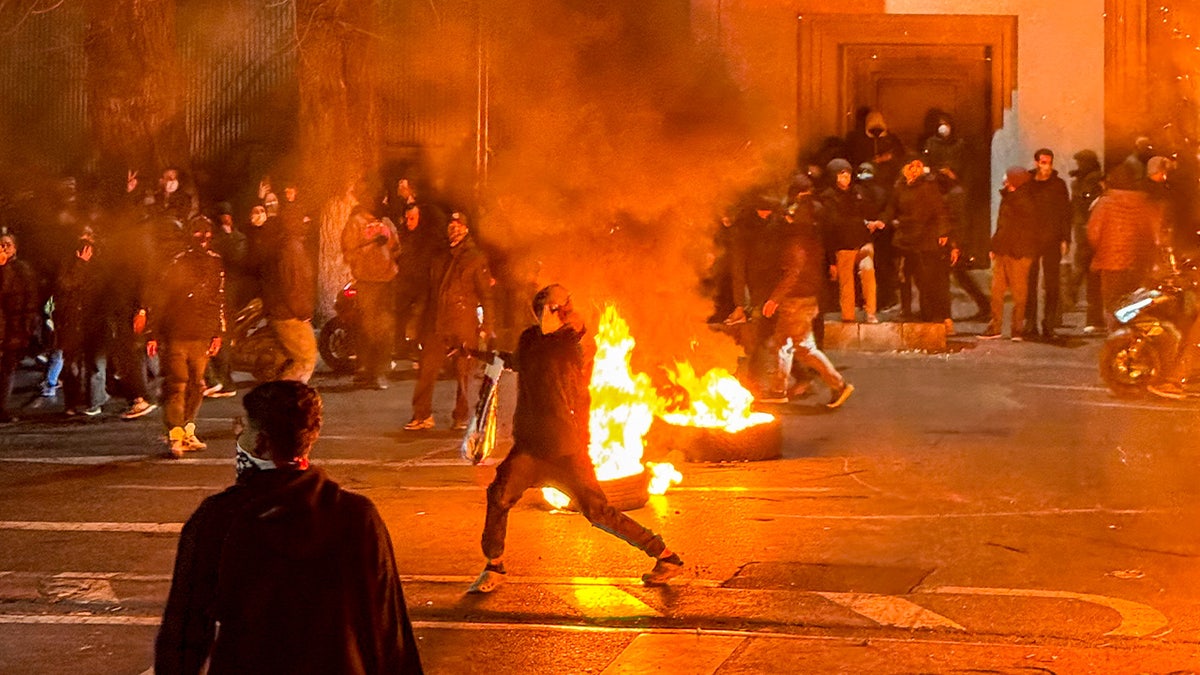
Iranians gather while blocking a street during a protest in Tehran, Iran on Jan. 9, 2026. (MAHSA / Middle East Images / AFP via Getty Images)
Public sentiment inside Iran remains deeply divided, Iranian sources told Fox News Digital. Many view a foreign military invasion as unacceptable, while anger over the killing of young protesters continues to fuel domestic tensions and uncertainty.
With a 10 to 15-day window ticking, Trump’s deadline may function less as a calendar marker and more as leverage.
iran,donald trump,wars,military,world protests

La Casación confirmó el sobreseimiento de Milei en una denuncia por injurias de Jorge Fontevecchia

Cómo fue la explosión en la Escuela de Gendarmería y a quién estuvo dirigido el ataque

Best Small-Business Loans in February 2026

Un abogado laboralista explicó qué norma regirá las indemnizaciones tras la reforma laboral

Empieza la MLS: así se juega la primera fecha, con Messi en Los Ángeles

Otro golpe para el ex príncipe Andrés: quieren eliminarlo de la línea de sucesión al trono británico por sus vínculos con Jeffrey Epstein

Reforma laboral bomba: menos indemnización, más horas y despidos más fáciles — el cambio que puede sacudir el empleo en Argentina

Cristian Ritondo: “Vamos a apoyar la ley de modernización laboral, pero no el régimen de licencias por enfermedad”

Ayuda Escolar Anual: a cuánto asciende, donde se tramita y quien puede cobrarla

El Gobierno endurece las medidas de seguridad y control en la marcha prevista contra la reforma laboral en el Congreso

 ECONOMIA2 días ago
Ayuda Escolar Anual: a cuánto asciende, donde se tramita y quien puede cobrarla
- CHIMENTOS22 horas ago
Escándalo en MasterChef: una famosa abandonó a los gritos y acusando que está todo arreglado
- POLITICA21 horas ago
Del himno peronista de Kelly Olmos al exabrupto de Agustina Propato: las perlitas del debate por la reforma laboral