INTERNACIONAL
Elecciones en Honduras 2025 EN VIVO: tras un día, el CNE sigue sin definir un ganador y solo procesó el 57% de los votos

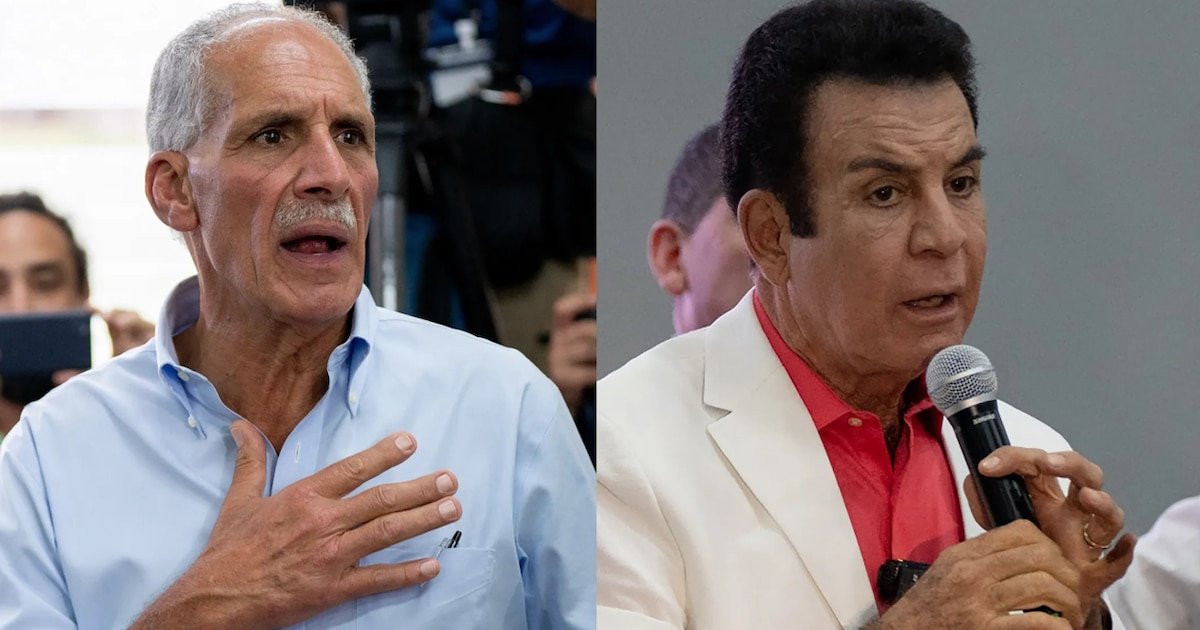
Hasta ahora, Asfura, del Partido Nacional, suma 39,91%, mientras Nasralla, del Partido Liberal, registra 39,89%, una diferencia de apenas 515 votos. La candidata oficialista, Rixi Moncada, del partido Libre, se ubica en tercer lugar con 19,2%
Tras más de 24 horas de las elecciones, el Consejo Nacional Electoral (CNE) de Honduras continúa sin definir un ganador y solo procesó el 57% de los votos. Nasry “Tito” Asfura y Salvador Nasralla encabezan el conteo preliminar en las primeras horas del martes, en un escenario que apunta a un posible retorno conservador tras cuatro años de gobierno izquierdista.
Hasta ahora, Asfura, del Partido Nacional, suma 39,91%, mientras Nasralla, del Partido Liberal, registra 39,89%, una diferencia de apenas 515 votos. La candidata oficialista, Rixi Moncada, del partido Libre, se ubica en tercer lugar con 19,2%, un resultado que representa un giro político significativo.
Durante la noche del lunes, el presidente estadounidense Donald Trump advirtió de posibles consecuencias si Honduras altera los resultados y exigió que el CNE reanude el conteo.
En un mensaje en Truth Social, afirmó que “Honduras está tratando de cambiar los resultados” y aseguró que “habrá consecuencias” si eso ocurre. También sostuvo que la voluntad expresada por los votantes “en abrumadoras cifras” debe respetarse, y concluyó: “¡La democracia debe prevalecer!”.
A continuación, la cobertura minuto a minuto:

El ex presidente hondureño Juan Orlando Hernández fue liberado este lunes de una prisión federal de alta seguridad en Hazelton (Pensilvania), operada por el Federal Bureau of Prisons (BOP), tras recibir un perdón total del presidente estadounidense Donald Trump, de acuerdo con los registros actualizados del BOP. La liberación ocurrió el 1 de diciembre, aunque no se han confirmado detalles oficiales sobre el paradero actual del exmandatario ni sobre los pasos legales siguientes, más allá de la actualización publicada en la base de datos del BOP.
La empresa a cargo de la transmisión de resultados electorales en Honduras denunció dos intentos de hackeo
La firma tecnológica dijo que detectó flujos anómalos en su plataforma, lo que ocasionó interrupciones en servicios clave y afectó la estabilidad del sistema de resultados preliminares


La empresa hondureña ADS, responsable de la infraestructura tecnológica para el sistema de Transmisión de Resultados Electorales Preliminares (TREP), reportó el lunes dos intentos de hackeo tras experimentar un inusual incremento de solicitudes en su plataforma relacionada a las elecciones de 2025. Según el comunicado difundido por ADS y recogido por El Heraldo, el primer incidente se registró la noche del 30 de noviembre, a las 22:30, al habilitar el tráfico hacia el portal oficial del sistema, momento en el cual se detectó un flujo de tráfico considerado atípico.
El CNE de Honduras atribuyó a una falla técnica la interrupción en la transmisión de resultados de la elección presidencial
La consejera Cossette López Osorio informó que un error en la plataforma tecnológica interrumpió la divulgación de datos. Aseguró que no fue una decisión del organismo dejar de informar los resultados preliminares

La consejera del Consejo Nacional Electoral (CNE), Cossette López Osorio, atribuyó a una falla técnica la detención en la Transmisión de Resultados Preliminares (TREP) de la elección presidencial en Honduras. En una entrevista en la cadena CNN, la funcionaria aclaró que no se trató de una decisión del organismo, sino de un problema inesperado en la plataforma responsable de la divulgación de los datos electorales. “No existió ninguna decisión al respecto. No es una voluntad expresa del Consejo Nacional Electoral, es literalmente una falla técnica en la plataforma de divulgación, misma sobre la cual nosotros ahora estamos auscultando y exigiendo”, señaló.
Incertidumbre y suspicacia en Honduras: el conteo electoral sigue a cuentagotas
La demora en la publicación de los datos oficiales tras las elecciones presidenciales ha generado inquietud entre los ciudadanos, mientras los principales aspirantes exigen transparencia y el CNE enfrenta cuestionamientos por el lento escrutinio
Seguir en

A medida que pasaban las horas y que el Consejo Nacional Electoral (CNE) en Honduras seguía sin divulgar el total del escrutinio de la elección presidencial del domingo, crecía la incertidumbre entre los electores.
La historia secreta del ultimátum de Trump para que el CNE hoy cuente los votos y anuncie al futuro presidente de Honduras
El líder republicano conoce al detalle sobre la profundidad de la crisis política hondureña, y decidió avanzar en público para evitar que la manipulación de los sufragios afecte un probable triunfo del candidato Asfura

(Desde Washington, Estados Unidos) Donald Trump hizo una apuesta política por el candidato Nasry “Tito” Asfura, que prometió el alineamiento diplomático de Honduras con Estados Unidos y la condena absoluta al dictador Nicolás Maduro, si vencía en los comicios presidenciales del domingo pasado.
La consejera del CNE, Cossette López, afirmó que la detención del TREP fue una “falla técnica”
La consejera del Consejo Nacional Electoral (CNE), Cossette López Osorio, afirmó en una entrevista con CNN que la detención en la Transmisión de Resultados Preliminares (TREP) respondió a una falla técnica. Señaló que no se trató de una decisión del organismo. “No existió ninguna decisión al respecto, no es una voluntad expresa del Consejo Nacional, es literalmente una falla técnica en la plataforma de divulgación, sobre la cual nosotros estamos solventando”, indicó. Explicó que trabajan con la compañía responsable y que el sistema estaría restablecido este martes por la mañana.
López Osorio repasó el desarrollo de la jornada electoral del domingo y sostuvo que el proceso transcurrió con normalidad. Mencionó que se registraron pequeñas fallas en los lectores biométricos, pero aseguró que se resolvieron durante el día.
La candidata oficialista, Rixi Moncada, afirmó que “las elecciones no están perdidas”

La candidata presidencial oficialista, Rixi Moncada, ofreció el lunes por la noche una conferencia de prensa en donde afirmó que “las elecciones no están perdidas”.
La candidata también criticó al presidente estadounidense Donald Trump. Según ella, el mandatario intervino de manera abierta en el clima previo a los comicios. “En un acto sin precedentes el presidente Donald Trump me condena y amenaza por mi participación, reconociéndome como la principal oponente. Mantendré mi posición. No me rindo. Estaré siempre del lado del pueblo con mis valores firmes en la defensa de mi patria libre”, afirmó la candidata izquierdista.
Moncada insistió en que las inconsistencias no se limitan al discurso político y señaló fallas y supuestas alteraciones en la Transmisión de Resultados Preliminares (TREP).
“Mantendré mis posiciones y no me rindo. Estaré siempre del lado del pueblo con mis valores firmes y los principios de la no injerencia y la soberanía popular, la independencia y la autodeterminación de los pueblos”, concluyó.
Donald Trump afirmó que Honduras está “intentando alterar los resultados” de las elecciones presidenciales
“Si lo hacen, habrá consecuencias”, declaró el mandatario estadounidense. “Es imperativo que la Comisión termine de contar los votos. ¡La democracia debe prevalecer!”, aseguró en un mensaje difundido en su red Truth Social

El presidente de Estados Unidos, Donald Trump, advirtió este lunes de posibles consecuencias si Honduras altera los resultados de las elecciones presidenciales del 30 de noviembre y exigió que el Consejo Nacional Electoral (CNE) reanude el conteo de votos. El mandatario afirmó que el proceso se interrumpió la noche de los comicios sin una explicación suficiente.
El CNE convocará a la empresa del sistema de publicación los datos electorales tras los retrasos en la transmisión y fallas en la plataforma
La consejera del Consejo Nacional Electoral (CNE), Cossette López, confirmó este lunes que el organismo convocará a los dueños de la empresa encargada del sistema de divulgación por el retraso en la transmisión de los resultados de las elecciones generales.
Sostuvo que el sistema Transmisión de Resultados Preliminares (TREP) no falló y continúa en funcionamiento, aunque precisó que el problema se ubica en la plataforma que muestra los datos al público.
López indicó que solicitará a la presidenta del CNE, Ana Paola Hall, una reunión urgente con los responsables de la empresa con el objetivo de resolver la situación de inmediato. La funcionaria remarcó que el mecanismo de transmisión permanece activo mientras se busca corregir la falla en la interfaz de difusión.
La página de resultados presentó inestabilidad desde su habilitación, lo que generó quejas de usuarios que enfrentaron dificultades para acceder a la información electoral.
Actas pendientes y revisión especial: cómo enfrentará Honduras el cierre de su elección presidencial más reñida en años
Con el escrutinio preliminar finalizado, la definición del ganador depende ahora de la revisión de actas rezagadas y la corrección de eventuales inconsistencias detectadas por auditores y delegados de partido

Tras el cierre oficial de la Transmisión de Resultados Electorales Preliminares (TREP), Honduras ingresó en la etapa más determinante de su proceso electoral. El Consejo Nacional Electoral (CNE) informó que el sistema de divulgación temprana quedó suspendido con el 57% de actas procesadas y un escenario prácticamente empatado entre los dos principales aspirantes a la presidencia.
Domestic Politics,Elections,South America / Central America,Government / Politics,Elections / Voting










INTERNACIONAL
Estados Unidos duplicó a USD 40.000 millones su reaseguro para buques en el estrecho de Ormuz

Estados Unidos duplicará, hasta alcanzar los 40.000 millones de dólares, su compromiso de proporcionar garantías de reaseguro a los buques que transiten por el estrecho de Ormuz, con la incorporación de nuevos socios aseguradores, entre ellos AIG y Berkshire Hathaway.
Esta medida, anunciada el viernes, representa el último esfuerzo estadounidense por aliviar la preocupación por esta vía marítima vital y fomentar la reanudación del tráfico, a pesar del bloqueo iraní y la persistencia de las hostilidades en la guerra que ya dura cinco semanas.
La Corporación Financiera de Desarrollo Internacional de Estados Unidos (DFC) anunció el mes pasado un programa de reaseguro de 20.000 millones de dólares. El viernes, la agencia informó que Travelers, Liberty Mutual Insurance, Berkshire Hathaway, AIG, Starr y CNA se unirán a Chubb para aportar 20.000 millones de dólares adicionales en reaseguro para su programa marítimo.
El anuncio del viernes constituye la primera información relevante que la DFC ha revelado públicamente sobre su programa de reaseguro desde la creación del proyecto hace casi un mes. El cierre efectivo del estrecho, por donde normalmente transita aproximadamente una quinta parte del flujo mundial de petróleo y gas natural licuado, ha convulsionado los mercados y desencadenado una amplia crisis energética.
“Junto con Chubb, estas aseguradoras estadounidenses líderes aportan una amplia experiencia en la suscripción de pólizas marítimas y de guerra marítima, lo que fortalece nuestros esfuerzos para ayudar a restablecer la confianza en el comercio marítimo”, declaró Ben Black, director ejecutivo de la DFC, en un comunicado.
El viernes, Trump reiteró su frustración por el cierre del estrecho y la falta de apoyo de sus aliados para reabrir la vía marítima.
“Con un poco más de tiempo, podemos abrir fácilmente el estrecho de Ormuz, extraer el petróleo y hacernos ricos”, publicó Trump en redes sociales. No quedó claro de inmediato qué medidas estaba considerando el presidente.

Sin embargo, las navieras siguen mostrándose escépticas ante un regreso generalizado al estrecho de Ormuz, incluso después de la promesa de Trump de proteger a los buques y su discurso del miércoles en horario estelar, en el que reiteró que la guerra pronto terminará. La principal preocupación sobre el tránsito por esta ruta marítima es que pone en riesgo la vida de las tripulaciones, ya que Irán continúa amenazando a los buques con ataques de drones, misiles y minas acuáticas.
La DFC también indicó en el comunicado que la agencia y sus socios aseguradores determinarán qué buques son elegibles para el programa de reaseguro. Para calificar, la DFC exige a los solicitantes que proporcionen, entre otros datos, el país de origen y destino del buque; los principales beneficiarios finales del buque y su domicilio; el propietario de la carga y su domicilio; e información sobre las entidades financieras que financian los buques.
Recuperar la confianza de los transportistas dispuestos a transitar por el Estrecho de Ormuz es uno de los objetivos más urgentes de Estados Unidos. Los precios mundiales de la energía han aumentado debido a la escasez de una línea de suministro de petróleo esencial para los países. India, el tercer mayor consumidor de petróleo del mundo y un importante comprador de gas, se ha visto particularmente afectada por la crisis.
En Estados Unidos, los precios de la gasolina han superado los 4 dólares por galón por primera vez desde 2022, lo que agrava aún más la situación de los consumidores estadounidenses, que ya enfrentan dificultades económicas.

Si bien duplicar el compromiso de reaseguro amplía las garantías financieras, el programa aún carece de la promesa de escoltas navales que, en teoría, brindarían protección a las tripulaciones de los buques. E incluso así, podría no ser suficiente para convencer a los buques de reanudar las expediciones a través del estrecho.
“Las primas de los seguros bajarán —y la disposición de los operadores comerciales a asegurar y enviar cargamentos a través del estrecho aumentará— solo después de que se debiliten las capacidades militares de Irán», declaró Bob McNally, presidente de Rapidan Energy Group, una consultora con sede en Washington, a Bloomberg News a principios de esta semana.
(Bloomberg)

NEWYou can now listen to Fox News articles!
Attorneys in Colorado are claiming that the state’s court e-file system is requiring them to certify they won’t share personal information to assist ICE or federal immigration enforcement.
Multiple attorneys on X reported an electronic notification citing the Protect Civil Rights Immigration Status Act, a state law passed in 2025 that prohibits collection or disclosure of information pertaining to immigration status in health care, education and government.
Covenant Law founder Ian Speir posted screenshots of an alleged electronic form that he was required to accept to access Colorado’s court filing system.
BLOCKING ICE COOPERATION FUELED MINNESOTA UNREST, OFFICIALS WARN AS VIRGINIA REVERSES COURSE
The page in question is not public-facing and appeared to be only accessible by attorneys registered in Colorado, Fox News Digital’s review of the website revealed.
«I certify under penalty of perjury that I will not use or disclose personal identifying information, as defined by [the act] obtained from this database for the purpose of investigating for, participating in, cooperating with, or assisting in federal immigration enforcement, including enforcement of civil immigration laws and 8 U.S.C. Sec. 1325 or 1326, unless required by federal or state law or to comply with a court-issued subpoena, warrant, or order,» the message says, asking attorneys to «accept» or «decline.»
MINNESOTA SUES TRUMP ADMIN OVER SWEEPING IMMIGRATION RAIDS IN TWIN CITIES
«Colorado is now requiring lawyers in the state, as a condition of logging into its court e-filing system, to promise not to cooperate with federal authorities in enforcing federal immigration law,» Speir said in response on X.
Speir added he doesn’t practice immigration nor criminal law, and nothing in his cases would be relevant to the law. But he «cannot log into the state’s official e-filing system without saluting ‘The Resistance’.»
DHS TORCHES NEW JERSEY’S PROFANE ‘F— ICE ACT’ AS ASSAULTS ON AGENTS SKYROCKET 1,300%
«I now cannot represent my clients, file lawsuits, access cases, file documents in existing cases,» he said, adding he chose the «accept» option «under protest.»
«The bottom line here is that Colorado seems to be unlawfully coopting private attorneys across the state to further its anti-federal sanctuary policies,» Speir told Fox News Digital later Friday.
Attorney and former law professor Matt Barber added on X that the oath the state expects lawyers to take is «indefensible.»
The announcement Barber received said the the Colorado Judicial Department deployed an «updated certification process» as of March 30 to comply with the new law.
TRUMP ADMIN SUES ILLINOIS GOV. PRITZKER OVER LAWS SHIELDING MIGRANTS FROM COURTHOUSE ARRESTS
Department of Homeland Security police officers patrol around the Edward Roybal Federal Building in Los Angeles. (Frederic Brown/Getty Images)
The original implementation was paused in September amid «additional review,» the agency said in its notice.
«The majority of CCE information remains public; this requirement only impacts access to nonpublic personal identifying information as defined by statute,» the agency said in its new terms, adding that attorneys who choose to decline the agreement must complete a «brief certification» to proceed.
«Democrats going back to their Confederacy roots,» another critic quipped, citing a screenshot of the 1956 law outlining «seditious conspiracy» as opposing federal authority by force or «hinder[ing] … execution of any law of the United States.»
Fox News contributor Guy Benson added, «Big lawsuits: Now.»
CLICK HERE TO DOWNLOAD THE FOX NEWS APP
Fox News Digital reached out to the Colorado Judicial Department, Gov. Jared Polis and the U.S. Department of Homeland Security for comment.
The 2025 law, authored by Sen. Julie Gonzales, D-Denver, and Sen. Mike Weissman, D-Aurora, also prevents civil arrests of people present at courthouses and «military force[s]» from other states from entering Colorado without executive permission unless acting upon federal orders.
And it repeals requirements that applicants for college admission or driver’s licenses must sign an form pledging they’ve applied for lawful presence in the U.S.
immigration, immigrant rights, law, colorado, justice department
INTERNACIONAL
Cuba comienza a liberar presos después de anunciar un indulto para más de 2.000 personas
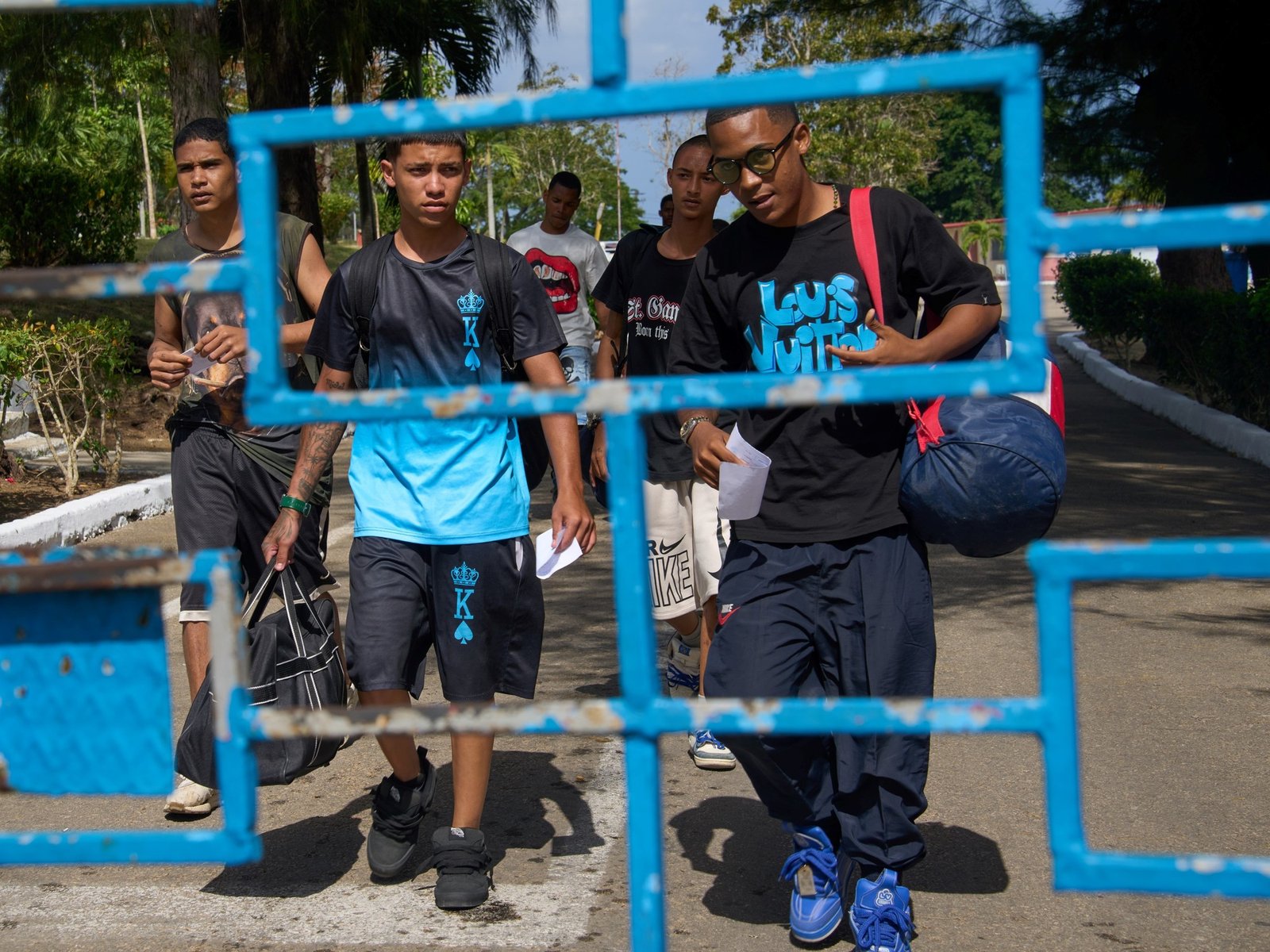
Cuba comenzó a liberar presos este viernes horas después de haber anunciado un indulto a 2.010 personas como «gesto humanitario» por Semana Santa, su segunda medida de este tipo en menos de un mes en medio de la presión de Estados Unidos.
De la cárcel La Lima, en el este de La Habana, salió al amanecer una veintena de detenidos. Los liberados se abrazaron y lloraron con familiares que esperaban fuera de la prisión. «Gracias al Papa», gritaron algunos de ellos que también se persignaron.
Estas liberaciones ocurren poco después de que el gobierno estadounidense alivió el bloqueo petrolero que estableció en enero sobre Cuba, al permitir esta semana el ingreso de un buque con crudo de Rusia.
El 12 de marzo, el gobierno cubano había anunciado la liberación anticipada de 51 prisioneros como muestra de «buena voluntad» hacia el Vaticano, mediador histórico entre La Habana y Washington.
Estados Unidos dijo estar al tanto de las excarcelaciones y reclamó a La Habana «la liberación inmediata de los cientos de otros valientes patriotas cubanos que permanecen injustamente detenidos», según un portavoz del Departamento de Estado.
El gobierno cubano no dio los nombres de las personas indultadas ni especificó los delitos que abarca el indulto, pero señaló que las liberaciones tienen en cuenta el tipo de crimen, la conducta en prisión, motivos de salud y el tiempo transcurrido en la cárcel.
«Gracias por esta oportunidad que nos dieron», declaró a la AFP Albis Gaínza, de 46 años, quien purgaba seis años de cárcel por robo y cumplió tres.
«Hace falta que esto siga» y «suelten a más» presos, dijo Gaínza, que afirmó que no pudo dormir desde que se enteró de los indultos.
Entre los indultados hay «jóvenes, mujeres, adultos mayores de 60 años», así como «extranjeros y ciudadanos cubanos residentes en el exterior», según el texto oficial.
«Esta es una oportunidad que solo la dan una vez en la vida» y «uno ha sufrido demasiado y las madres de uno», dijo Brian Pérez, de 20 años y que cumplía una sanción por lesión.
Damián Fariñas, también de 20 años, dijo que su liberación es «una bendición muy grande» que «llena de felicidad» a su familia. A este joven le faltaban 14 meses para cumplir su pena por robo.
El indulto descarta a aquellas personas que cometieron delitos de agresión sexual, pederastia con violencia, asesinato, homicidio, drogas, hurto y robo con violencia o fuerza con la utilización de armas», así como «corrupción de menores, delitos contra la autoridad, reincidentes y multirreincidentes».
El grupo de defensa de los derechos humanos Justicia 11J consideró «especialmente preocupante la mención de los llamados ‘delitos contra la autoridad’, que incluyen figuras como atentado, resistencia y desacato».
En un comunicado, esta ONG llamó la atención de que esas figuras delictivas son usadas por las autoridades cubanas para «criminalizar» la actividad opositora.
Según Justicia 11J, Cuba tiene 775 personas detenidas por razones políticas.
Pasado el mediodía de este viernes, la ONG Cubalex, con sede en Miami, no había podido confirmar la liberación «de ningún preso político», según declaró a la AFP su directora Laritza Diversent.
Cubalex cuestionó la «falta de transparencia en este proceso» y recordó que «históricamente, el uso del indulto en Cuba ha servido como una herramienta de canje político y propaganda, más que como un acto de justicia».
El presidente Donald Trump no oculta su deseo de un cambio de régimen en Cuba, considerada por Washington una «amenaza excepcional» para la seguridad nacional de Estados Unidos por sus estrechas relaciones con Rusia, China e Irán.
El gobierno del presidente cubano Miguel Díaz-Canel anunció hace dos semanas que mantiene conversaciones con Estados Unidos.
«Hay todo un discurso y una puesta en escena» como si el indulto «no tuviera nada que ver con las negociaciones, cuando claramente sí tiene que ver», dijo a la AFP Andrés Pertierra, historiador de Cuba en la Universidad de Wisconsin, en Estados Unidos.

Sandra Pettovello echó a su jefe de gabinete, Leandro Massaccesi

Estados Unidos duplicó a USD 40.000 millones su reaseguro para buques en el estrecho de Ormuz

San Lorenzo vs. Estudiantes: formaciones, hora y dónde ver por tv

Temen dilaciones: La Corte quiere apurar en el Consejo los cambios en el sistema de selección de jueces

El pueblo español que ofrece casa gratis, trabajo y una nueva vida en una localidad rural de 40 habitantes

Encontraron muerto a un enfermero en Palermo: había ampollas de propofol y fentanilo en su departamento

Dos jubiladas que le habrían prestado dinero a Manuel Adorni negaron conocerlo

El Gobierno reevalúa la estrategia de comunicación por el caso Adorni y mide el impacto en la imagen de Milei

Milei se pone al frente de la defensa de Adorni y lo suma a un acto por Malvinas en una nueva muestra de respaldo

Oriana Sabatini sorprendió al elegir a una famosa como madrina de Gia, su hija con Paulo Dybala

 POLITICA3 días ago
El Gobierno reevalúa la estrategia de comunicación por el caso Adorni y mide el impacto en la imagen de Milei
- POLITICA2 días ago
Milei se pone al frente de la defensa de Adorni y lo suma a un acto por Malvinas en una nueva muestra de respaldo
- CHIMENTOS1 día ago
Oriana Sabatini sorprendió al elegir a una famosa como madrina de Gia, su hija con Paulo Dybala