INTERNACIONAL
European Christmas markets fortify security measures as terror threats force major operational changes


NEWYou can now listen to Fox News articles!
European Christmas markets are opening this year under tightened security and rising operational costs, as officials across Germany, France and other parts of Europe respond to what authorities describe as elevated threats to public safety.
In Germany, spending on security for public events — including Christmas markets — has increased by about 44% over the past three years, according to a new survey by the Federal Association of City and Town Marketing. Berlin’s main market launched this season behind concrete barriers, enhanced video surveillance, and an expanded private security presence. Several smaller municipalities warn that the added requirements may force them to scale back or cancel markets next year.
«The requirements have become increasingly stringent,» David Russ, head of production at Berlin’s Gendarmenmarkt, told Reuters. The heightened measures, he said, allow visitors to feel secure: «I can just let go of everything here — I feel safe.»
Heavily armed police officers can be seen at the Christmas market in Essen, Germany. (Roland Weihrauch/picture alliance via Getty Images)
While many towns receive some public funding to operate holiday markets, smaller municipalities and private organizers often shoulder most of the expense. Local officials have begun calling on Germany’s 16 federal states to take on a larger share of the financial burden, arguing that counter-terrorism measures extend beyond the responsibility of local event planners.
The upgrades follow last December’s SUV attack at the Magdeburg Christmas market, which killed six people and injured more than 300. Since then, many German cities have reinforced infrastructure, revised crowd-control plans, and increased surveillance at large seasonal gatherings.
MOSSAD–EUROPEAN INTELLIGENCE OPERATION LAUNCHES SWEEPING CRACKDOWN ON HAMAS GLOBAL TERROR NETWORK

Police officers patrol the annual Christmas market on November 20, 2025 in Magdeburg, Germany. On December 20, 2024 Taleb al-Abdulmohsen, who is currently on trial, drove a car into the crowded open-air market, killing six people and injuring over 300. Christmas markets will open soon nationwide. Many are facing high costs due to increased security measures following the Magdeburg attack. (Photo by Ronny Hartmann/Getty Images) (Ronny Hartmann/Getty Images)
France has moved in a similar direction. Authorities canceled the annual New Year’s Eve concert on the Champs-Élysées after police raised concerns about crowd management and what the Interior Ministry described as a «very high» terror threat level. The ministry has classified Christmas markets and other winter festivities as «high-risk» events, prompting cities to deploy additional officers, introduce new screening points and impose access restrictions where needed.
«The real question is why European governments are tolerating a situation where they must deploy extraordinary security just so people can safely celebrate a tradition that has been central to European life for centuries,» Alan Mendoza, executive director of the Henry Jackson Society told Fox News Digital. «They’re responding to the threat, but they’re not pushing back against the radical extremists causing it. Why are Europeans forced to navigate layers of security instead of authorities making life difficult for the people who are spreading hatred and posing the threat?»
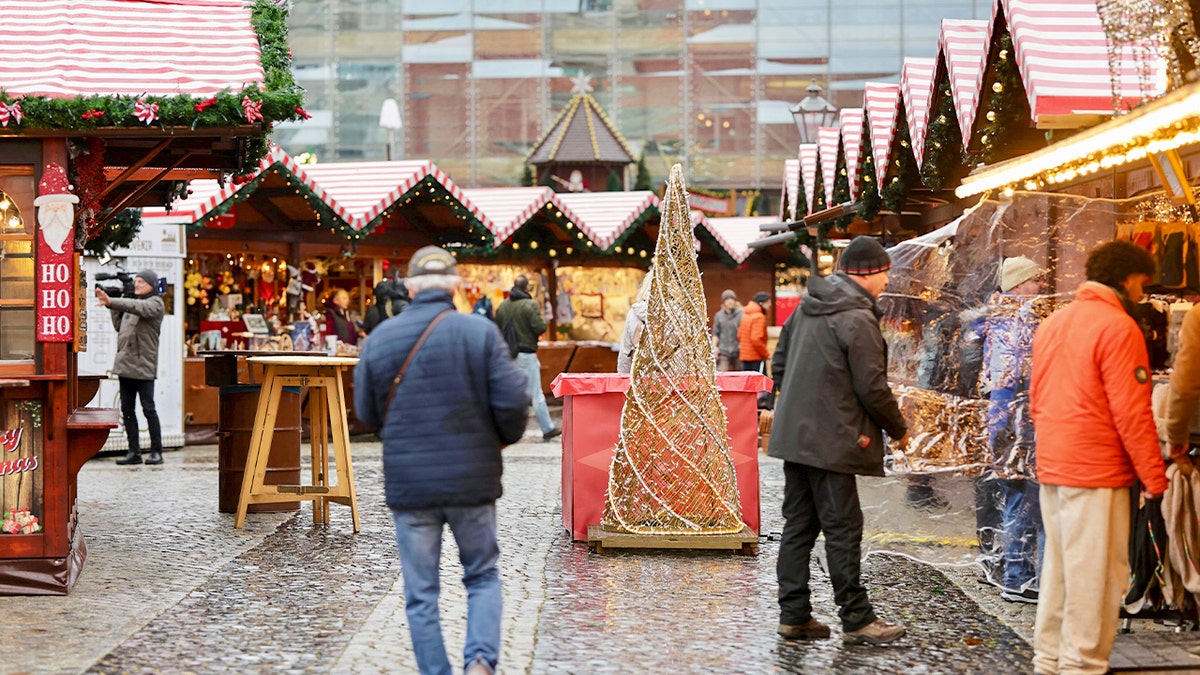
Visitors walk through the Magdeburg Christmas market after the opening in Magdeburg, Germany, Thursday, Nov. 20, 2025. (Matthias Bein/dpa via AP)
«Europe needs an aggressive strategy that targets the radicals — imprisoning them, deporting them if they’re not citizens — because you can’t secure your way out of this forever,» Mendoza continued. «Every year the security will increase unless the root causes are addressed. Europeans are increasingly fed up with what’s happening to their societies, and if current leaders won’t deliver transformative change, voters will eventually choose leaders who will.»
Other European countries are also reinforcing their holiday operations. According to The Sun, the iconic Christmas market in Salzburg, Austria — which draws roughly 1.5 million visitors each year — is now monitored by round-the-clock private security and a network of 33 dedicated cameras. Elsewhere in Austria, including Arnold Schwarzenegger’s home region of Styria, some markets have been canceled entirely because organizers say they cannot afford the mandated security measures.
STATE DEPARTMENT MAKES FIRST-EVER ANTIFA FOREIGN TERRORIST DESIGNATIONS ACROSS EUROPE
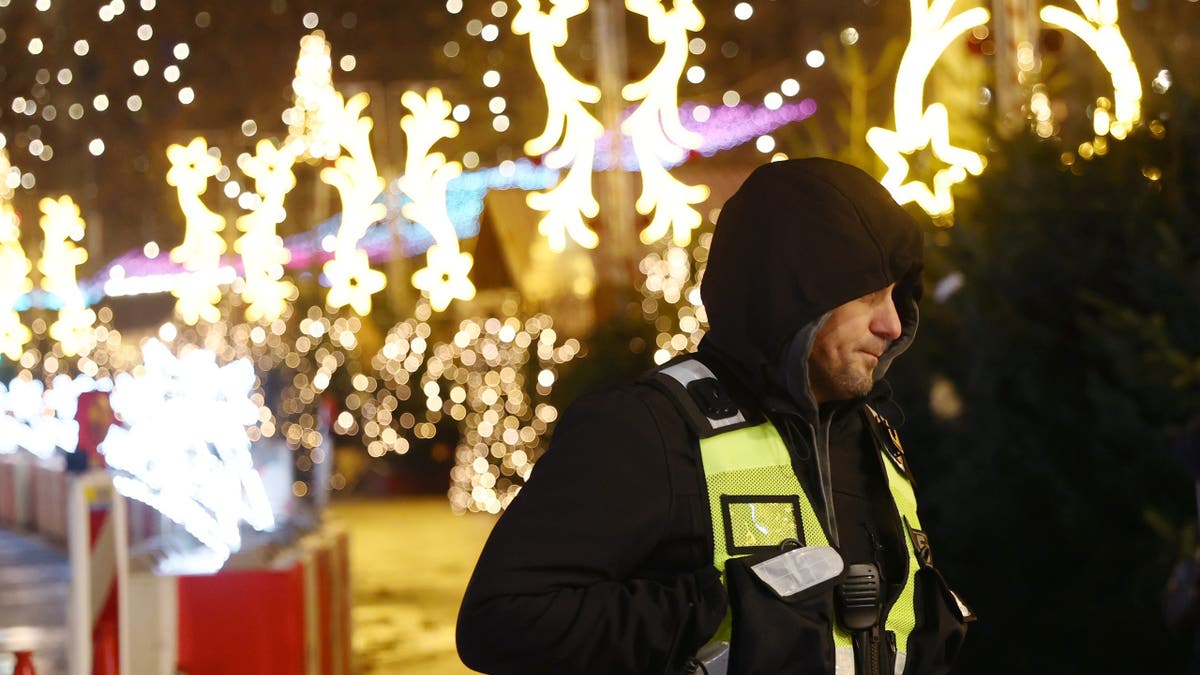
A member of security observes visitors walk among Christmas stalls at the opening day of the annual Christmas market at Breitscheidplatz on November 24, 2025 in Berlin, Germany. Christmas markets are opening today across the city and in many other cities across Germany. (Photo by Maryam Majd/Getty Images) (Maryam Majd/Getty Images)
In Prague, large concrete blocks have been placed along popular embankments and around key foot-traffic areas, while police have increased patrols to monitor potential targets. In Budapest, additional plain-clothes officers are circulating through crowds to identify suspicious behavior and improve response speed.
Ben Cohen, a senior analyst at the Foundation for Defense of Democracies, told Fox News Digital that authorities are treating the holiday season with heightened seriousness. «The threat level is certainly the same as last year. Arguably, it’s more acute now, which is why the authorities in Germany and France are increasing security measures at Christmas markets and fairs this year. Over the last year, both countries have cracked down on Islamist activity, so they will be especially on their guard at this time of year.»
«More broadly,» he added, «both Christian and Jewish festivals are seen as soft targets by jihadists, as evidenced by the attack on a synagogue in Manchester on Yom Kippur in October. Christmas and Easter carry the same risks and so extra vigilance and a strong but discreet armed police presence is definitely warranted.»
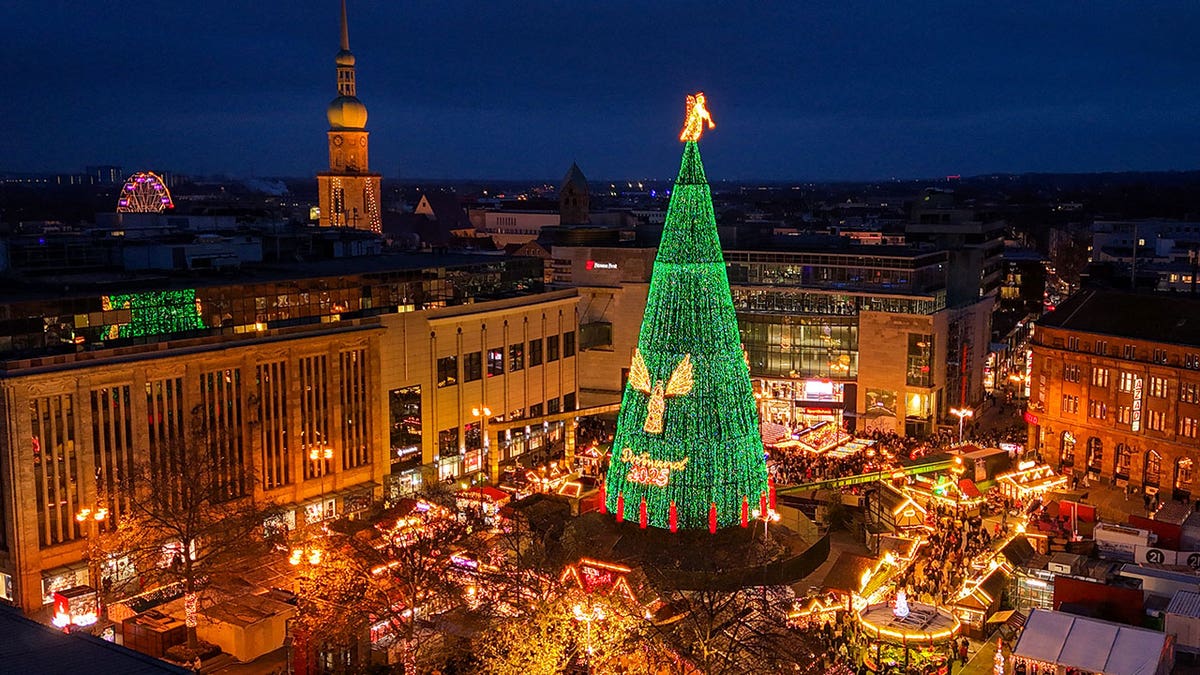
An aerial view shows the traditional 45-meter-high Dortmund Christmas tree, one of the world’s largest, at the Christmas market in Dortmund on Dec. 5, 2025. (Photo by Ina Fassebender / AFP via Getty Images))
CLICK HERE TO DOWNLOAD THE FOX NEWS APP
Despite the adjustments, many markets in Europe remain open and continue to draw significant attendance, though under noticeably stricter security conditions. Officials in several countries say the measures are likely to remain in place as long as threat levels stay elevated.
Reuters contributed to this story.
europe,terrorism,germany,france,christmas







INTERNACIONAL
Zelensky exigió a Rusia detener los ataques sobre infraestructuras energéticas para avanzar hacia un alto el fuego
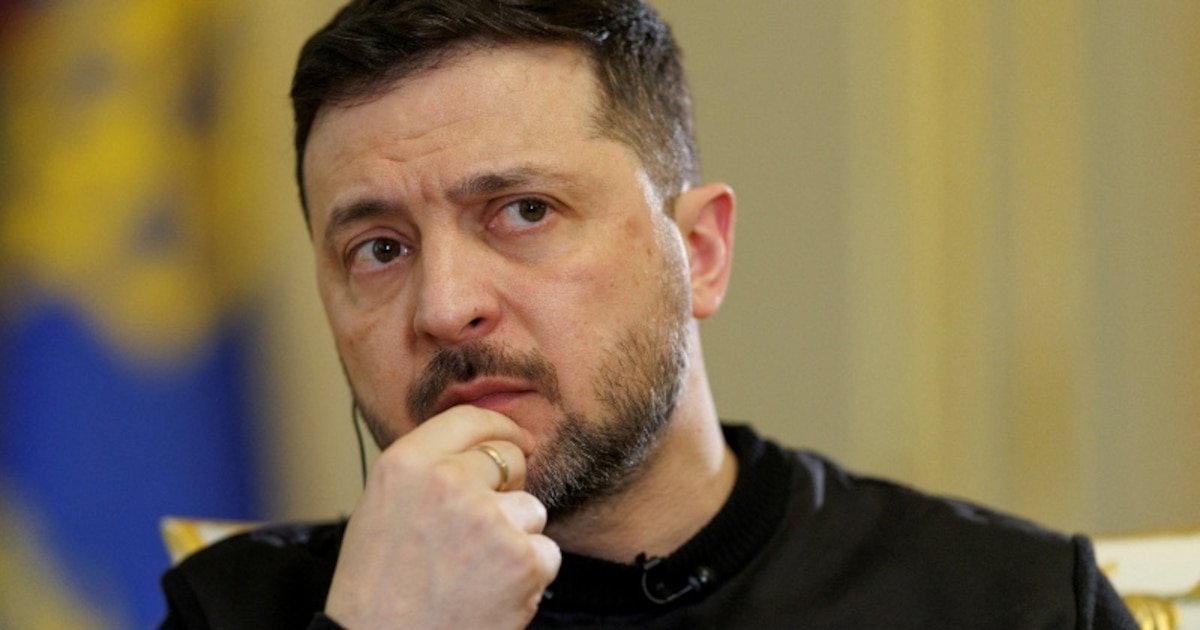
El presidente de Ucrania, Volodimir Zelensky, propuso este lunes a Rusia la posibilidad de una tregua únicamente si se detienen por completo los ataques dirigidos a la infraestructura energética ucraniana.
“Si Rusia está dispuesta a frenar los golpes sobre nuestra red eléctrica, nosotros también responderemos en la misma medida”, afirmó el mandatario en su mensaje diario.
Según Zelensky, la propuesta fue transmitida a Moscú a través de mediadores estadounidenses y constituye el único escenario en el que Kiev contempla un cese de hostilidades.
La iniciativa de alto el fuego surge tras una nueva ola de ataques rusos que devastaron varias regiones y dejaron víctimas civiles en Odesa, donde un bombardeo nocturno mató a tres personas, incluido un niño pequeño.
“Hemos ofrecido reiteradamente a Rusia una pausa, al menos durante la Pascua, un periodo especial para ambos pueblos. Pero para ellos, todos los días son iguales. Nada es sagrado”, lamentó el presidente de Ucrania.
El Kremlin respondió fríamente a la propuesta anterior, indicando que sólo consideraría una negociación para un acuerdo de paz total.

Zelensky también subrayó que las conversaciones con Estados Unidos continúan centradas en lograr garantías de seguridad duraderas para Ucrania.
“Trabajamos junto a los negociadores estadounidenses en mecanismos que aseguren la estabilidad futura. Ese es el factor clave para una paz real”, explicó, al tiempo que destacó la importancia de la cooperación internacional en el contexto actual.
Durante la última semana, Rusia intensificó sus ataques con drones y misiles sobre infraestructuras vitales en las provincias de Kharkiv, Chernigov, Sumi y Dnipró. El presidente detalló que, solo en la noche previa, fueron lanzados más de 140 drones, de los cuales cerca de 80 eran del tipo Shahed, de fabricación iraní.
Zelensky denunció que “en algunas zonas, los bombardeos continúan. Esto representa apenas una muestra del sufrimiento diario de nuestra población”. Añadió que, en los últimos siete días, el país sufrió el impacto de más de 2.800 drones de ataque, 1.350 bombas aéreas guiadas y más de 40 misiles.
El ataque más reciente en Odesa resultó particularmente grave para la población civil. Según Zelensky, “los drones rusos impactaron edificios residenciales, una guardería infantil y una subestación eléctrica. Miles de familias han quedado sin luz, y los equipos de reparación llevan horas trabajando sin descanso para restablecer el suministro”.

La cifra oficial de heridos ascendió a 16, entre ellos dos menores y una mujer embarazada.
El presidente ucraniano insistió en la necesidad de reforzar las defensas aéreas del país. “En este momento, todos los socios internacionales deben redoblar esfuerzos y aportar más sistemas para interceptar drones y misiles. Mejorar la protección de nuestros cielos no solo protege a Ucrania, sino que también es una inversión en la seguridad de Europa”, subrayó.
En paralelo, las autoridades rusas informaron sobre un ataque con drones lanzado desde Ucrania contra la ciudad portuaria de Novorossiysk, en la región de Krasnodar, que dejó ocho heridos, entre ellos dos niños. Las imágenes publicadas muestran daños visibles en la parte superior de un edificio residencial, con ventanas y balcones destruidos por la explosión.
A pesar del aumento de los ataques rusos y de la negativa de Moscú a aceptar la tregua propuesta, Zelensky reiteró que Ucrania mantiene abierta la vía diplomática, siempre que se respeten condiciones mínimas que garanticen la protección de la infraestructura civil.
“Nuestra disposición a negociar depende de la voluntad de Rusia para detener la destrucción de instalaciones energéticas y evitar más víctimas inocentes”, concluyó el presidente.
(Con información de Reuters y EFE)
Europe,Military Conflicts
INTERNACIONAL
Obama Center takes heat as critics cry foul over ID rules for free entry — while Dems blast voter ID laws
NEWYou can now listen to Fox News articles!
The Obama Presidential Center is facing a wave of backlash ahead of its opening, with critics blasting its admission policies and raising broader concerns about the project’s cost and management.
Conservative commentators on social media are taking aim at the center’s requirement that Illinois residents show valid identification to receive free admission on certain days, arguing it contrasts with Democratic opposition to voter ID laws.
«They’re making you show ID… to visit the Obama Library… in Chicago. You can’t make this stuff up!» one social media user wrote.
«The Obama Presidential Library is making people show an ID for proof of Illinois residency to get in for free,» another posted. «So residents have to prove who they are for this, but not to vote?»
VALERIE JARRETT REVEALS THAT PRESIDENT TRUMP ISN’T INVITED TO OBAMA PRESIDENTIAL CENTER OPENING CEREMONY
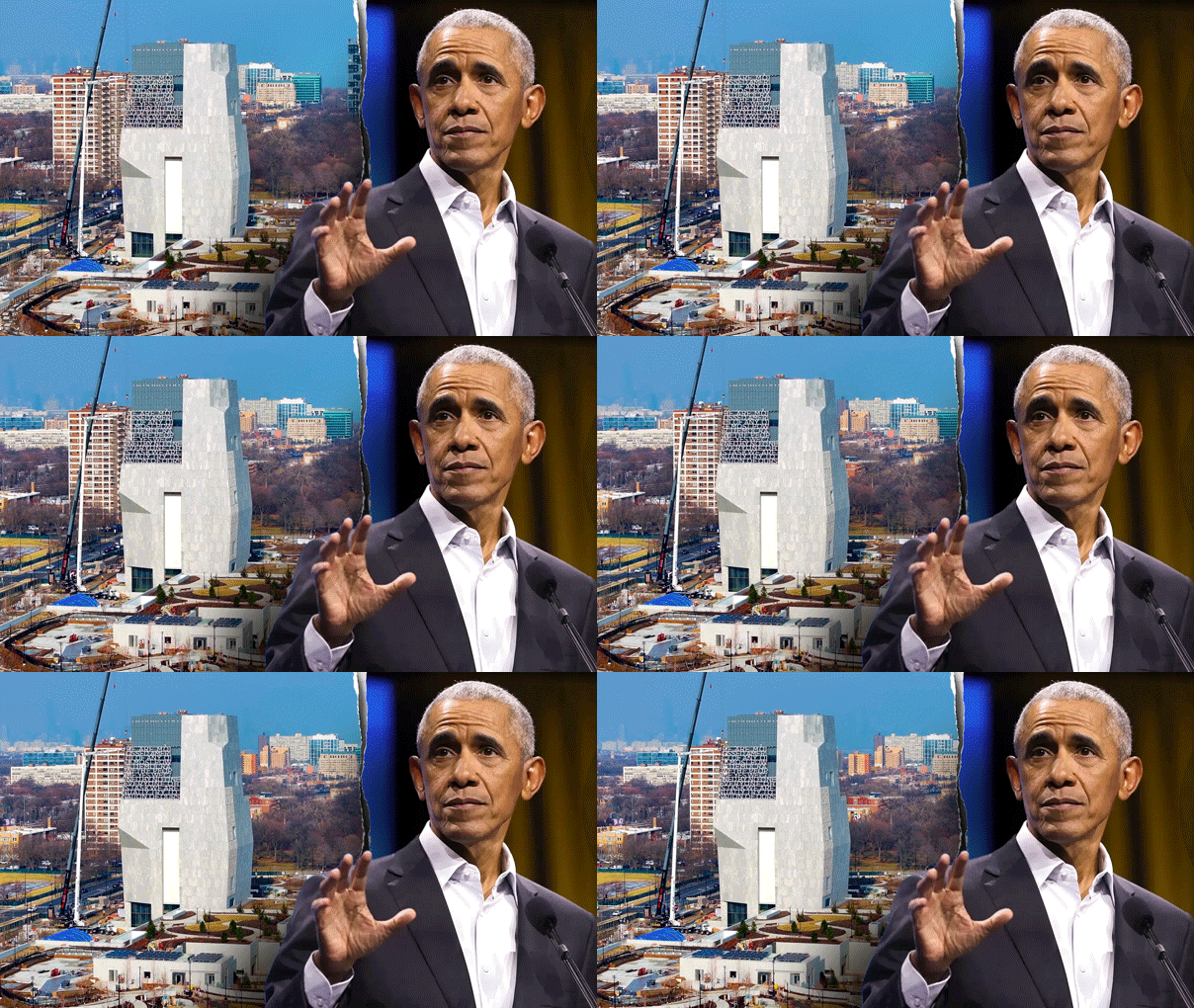
The text of former President Obama’s speech marking the 50th anniversary of «Bloody Sunday» in Selma, Alabama, is wrapped around the side of the upcoming presidential center in Chicago. (E. Jason Wambsgans/Chicago Tribune/Tribune News Service)
Others echoed the sentiment more bluntly, with one account writing: «It turns out Democrats support requiring ID… but only for free admission into Obama’s library.»
Obama’s website clearly states that Illinois residents «must be able to provide proof of residency. Be prepared to show proof of residency at the Museum with a valid photo ID, Illinois driver’s license, state ID, or city-issued ID.»
Critics have also pointed to reported restrictions tied to early ticket giveaways, including claims that some promotions are limited to U.S. citizens or lawful permanent residents.
The latest controversy builds on a string of prior criticisms surrounding the $850 million project.
OBAMA PRESIDENTIAL CENTER SLAMMED FOR PROMOTING ‘FAR-LEFT’ AGENDA ON PUBLIC LAND

Illinois Governor J.B. Pritzker (L) joins former President Barack Obama and former first lady Michelle Obama in a ceremonial groundbreaking at the Obama Presidential Center in Jackson Park on September 28, 2021, in Chicago. (Scott Olson/Getty Images)
Earlier this year, the Obama Foundation drew backlash after seeking 75 to 100 unpaid volunteers, dubbed «ambassadors,» to help operate the center, even as top executives collect substantial salaries. Federal filings show CEO Valerie Jarrett has earned roughly $740,000 annually in recent years, while overall compensation at the foundation has climbed significantly.
The project has also faced mounting scrutiny over its financial impact on taxpayers.
Former President Barack Obama once described the center as a «gift» to Chicago, emphasizing it would be privately funded. While construction of the 19.3-acre campus is being financed through private donations, the surrounding infrastructure needed to support the site, including road redesigns, utility relocations and drainage systems, is being paid for with public funds.
Early estimates put those infrastructure costs at roughly $350 million, split between the city and state. But more recent figures show Illinois alone has committed approximately $229 million, while Chicago has allocated more than $200 million in related improvements — though officials have not provided a clear, consolidated total of taxpayer spending tied to the project.
GOT A TIP?
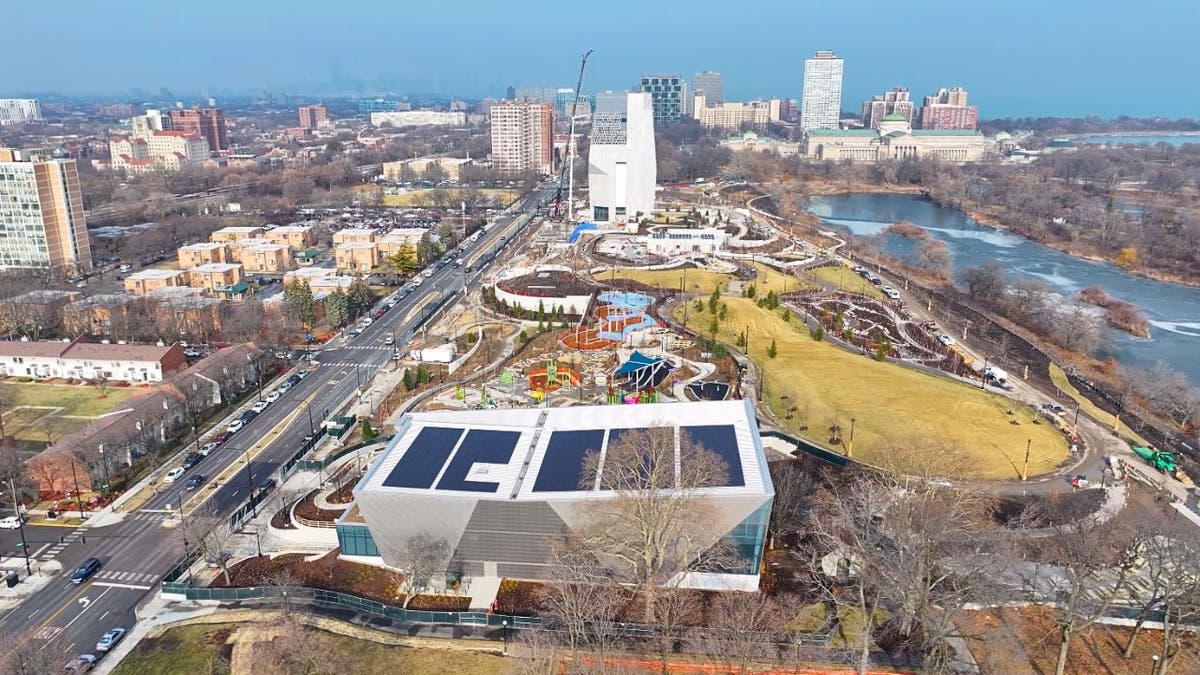
Exterior view of the Obama Presidential Center tower under construction in Chicago. (Fox 32 Chicago)
«No single agency appears to oversee the full scope» of the infrastructure work, and critics say the lack of transparency has made it difficult to determine the true public cost.
Illinois Republican Party Chair Kathy Salvi criticized the project, saying taxpayers are being left «on the hook for hundreds of millions of dollars» while accusing state leaders of mismanagement.
FOLLOW US ON X
The controversy is further fueled by the nature of the site itself. The center sits on nearly 20 acres of historic Jackson Park land transferred under a long-term agreement, with significant roadway changes, including the removal of a major thoroughfare, and utility overhauls required to accommodate the campus.
Foundation officials have defended the project, saying the center is funded by $850 million in private investment and will serve as an economic catalyst for Chicago’s South Side, generating jobs, community programs and public amenities.
GET BREAKING NEWS BY EMAIL
Despite the backlash, the center is pressing ahead with its long-awaited debut.
Tickets for the museum will go on sale April 21 for «Founding Members,» with general public sales beginning May 6. Visitors can reserve timed-entry tickets for dates between June 19 and November 30.
CLICK HERE FOR MORE US NEWS
Admission is set at $30 for adults and $23 for children ages 3 to 11, with discounted rates available for Illinois residents who provide proof of residency. Children 2 and under can enter for free, and Illinois residents will be eligible for free admission on Tuesdays.
All entries will be timed, with officials urging guests to arrive within 10 minutes of their scheduled slot. The museum will feature four levels of exhibits, including a replica Oval Office and the Sky Room.
CLICK HERE TO DOWNLOAD THE FOX NEWS APP
Much of the surrounding campus, including gardens, walking trails, a playground, a Chicago Public Library branch and dozens of newly commissioned artworks, will be free and open to the public.
Fox News Digital reached out to the Obama Foundation and the Barack Obama Presidential Library for comment.
Fox News Digital’s Michael Dorgan contributed to this report.
infrastructure across america, museums exhibits, chicago, barack obama, illinois
INTERNACIONAL
La nueva guerra contra las drogas: cómo Internet se convirtió en libro de recetas para el narcotráfico
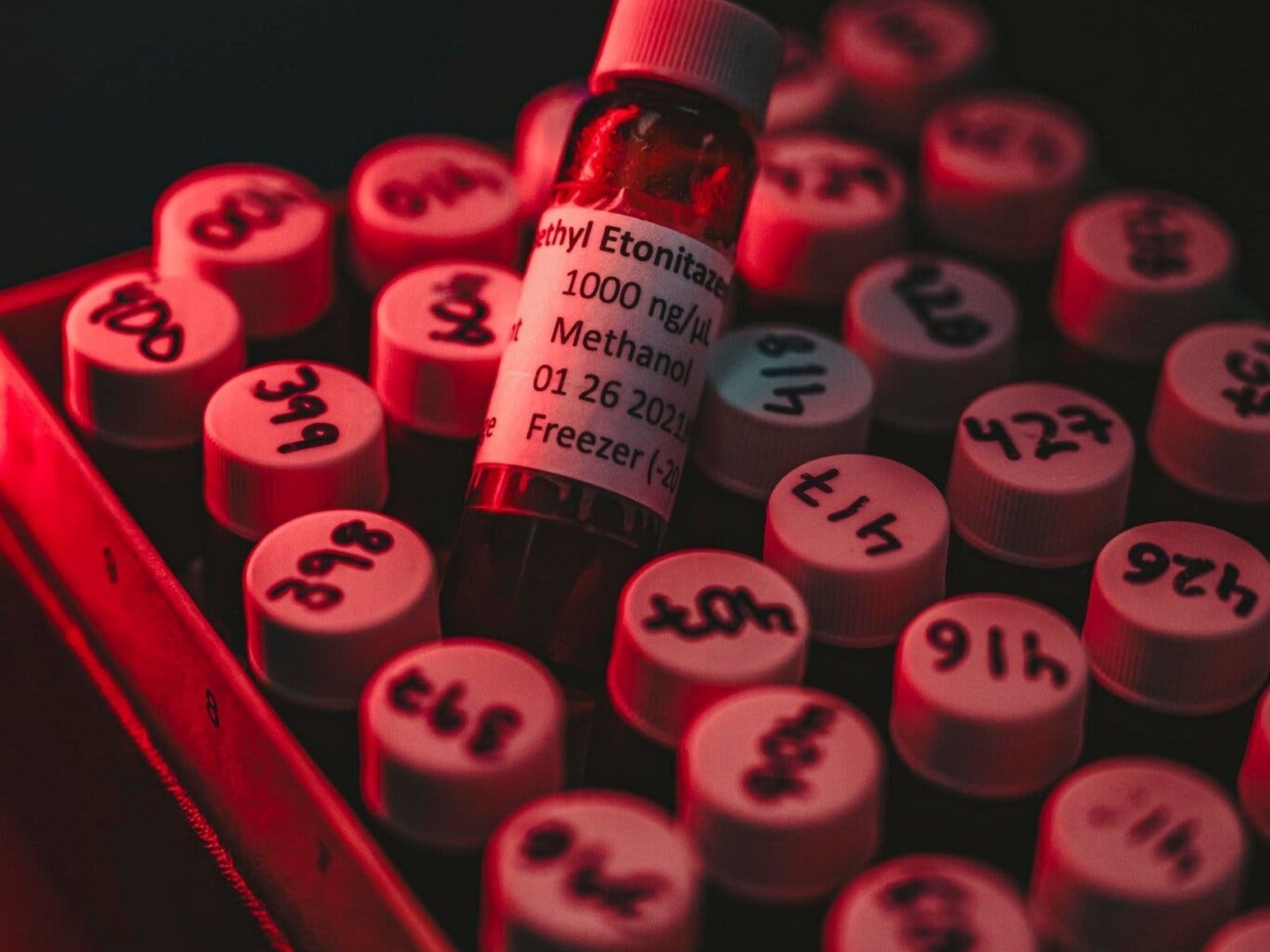
Una frontera sintética
El surgimiento de los nitazenos

«¿Por qué esperamos?”
El círculo se estrecha
Enfrentando el pasado

Zelensky exigió a Rusia detener los ataques sobre infraestructuras energéticas para avanzar hacia un alto el fuego

Capcom promete «varios proyectos especiales» para el 20º aniversario de Okami

Qué sueldo tiene que ganar una familia para pertenecer al 10% con mayores ingresos

Policías de Misiones exonerados se encadenaron a Casa de Gobierno y piden ser reincorporados a la fuerza

La fiscalía ordenó nuevas medidas de prueba para investigar a Adorni

Carla Markus, la sorpresa en la nueva era de la Selección Argentina: la historia detrás de su primer llamado

La nueva advertencia de Donald Trump a Irán: «El tiempo se acaba, quedan 48 horas antes del infierno»

Círculo rojo: intrigas en el gabinete, desgaste por el caso Adorni y movimientos inquietantes en el Poder Judicial

Créditos del Banco Nación: el Gobierno reveló que Pettovello echó a Massaccesi porque “mintió”

Caputo habló sobre los créditos del Banco Nación que tomaron sus funcionarios: “No hay nada ilegal ni inmoral”

 INTERNACIONAL2 días ago
La nueva advertencia de Donald Trump a Irán: «El tiempo se acaba, quedan 48 horas antes del infierno»
- POLITICA2 días ago
Círculo rojo: intrigas en el gabinete, desgaste por el caso Adorni y movimientos inquietantes en el Poder Judicial
- POLITICA2 días ago
Créditos del Banco Nación: el Gobierno reveló que Pettovello echó a Massaccesi porque “mintió”