INTERNACIONAL
GOP holdouts unmoved by Trump’s ‘big, beautiful’ trip to Capitol Hill

President Donald Trump’s rallying speech to House Republicans Tuesday morning wasn’t enough to convince some holdouts to unite behind his «big, beautiful bill» ahead of a planned vote this week.
Trump urged Republicans to cease infighting on Medicaid reform and state and local tax (SALT) deduction caps at the House GOP’s weekly conference meeting. Several Republicans who emerged said they were still concerned enough to oppose the bill, however.
House Freedom Caucus Chair Andy Harris, Rep. Eric Burlison of Missouri, Rep. Thomas Massie of Kentucky and representatives Nick LaLota, Mike Lawler and Andrew Garbino of New York told Fox News Digital Tuesday they would vote against the bill if changes were not made.
On the other hand, Trump did persuade some people. Rep. Ralph Norman of South Carolina, one of several Republicans to sink a committee vote on the bill Friday, told reporters he would review it and make a «judgment call» ahead of a 1 a.m. meeting to advance the bill through the House Rules Committee.
INSIDE TRUMP’S URGENT MEETING WITH HOUSE GOP TO PASS THE ‘BIG, BEAUTIFUL BILL’
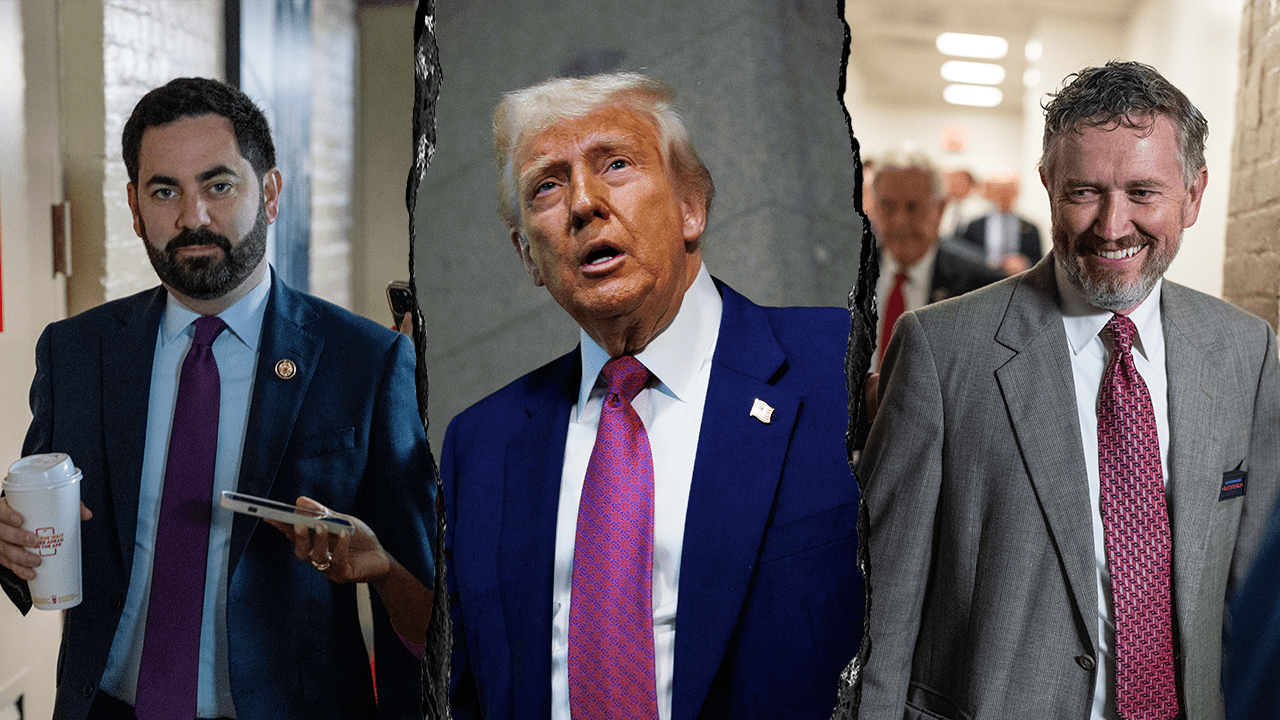
Rep. Mike Lawler (left) and Rep. Thomas Massie (right) said President Donald Trump did not convince them Tuesday to vote for his «big, beautiful bill» in its current form. (Getty Images)
Norman said Trump did a «fantastic job» and delivered «one of the best speeches I’ve heard» at the House GOP meeting, and he urged his blue state colleagues to «take the words the president said to heart about SALT.»
CONSERVATIVE RIPS BLUE STATE REPUBLICAN’S PROPOSAL TO RAISE TAXES ON WEALTHY IN SALT DEBATE
Norman and Rep. Chip Roy, R-Texas, are both members of the powerful rules panel who have not been shy about their concerns with the current bill. The committee acts as the final gatekeeper before most legislation sees a full House vote.
Roy did not appear to attend Trump’s speech but told reporters Monday evening the 1 a.m. Wednesday vote should be postponed.
But the New York Republicans weren’t budging after Trump’s «big, beautiful» speech, maintaining the bill doesn’t go far enough to deliver for middle-class New Yorkers on the SALT deduction cap.
«This is the single biggest issue that I’ve talked about, and, with all due respect to the president, I’m not budging,» Lawler said.
«Between property taxes and income taxes, it blows well past the $30,000 cap with the $400,000 income cap. So, as I’ve said repeatedly, that is insufficient. We will continue the dialogue with leadership, but as it stands right now, I do not support the bill,» Lawler said.
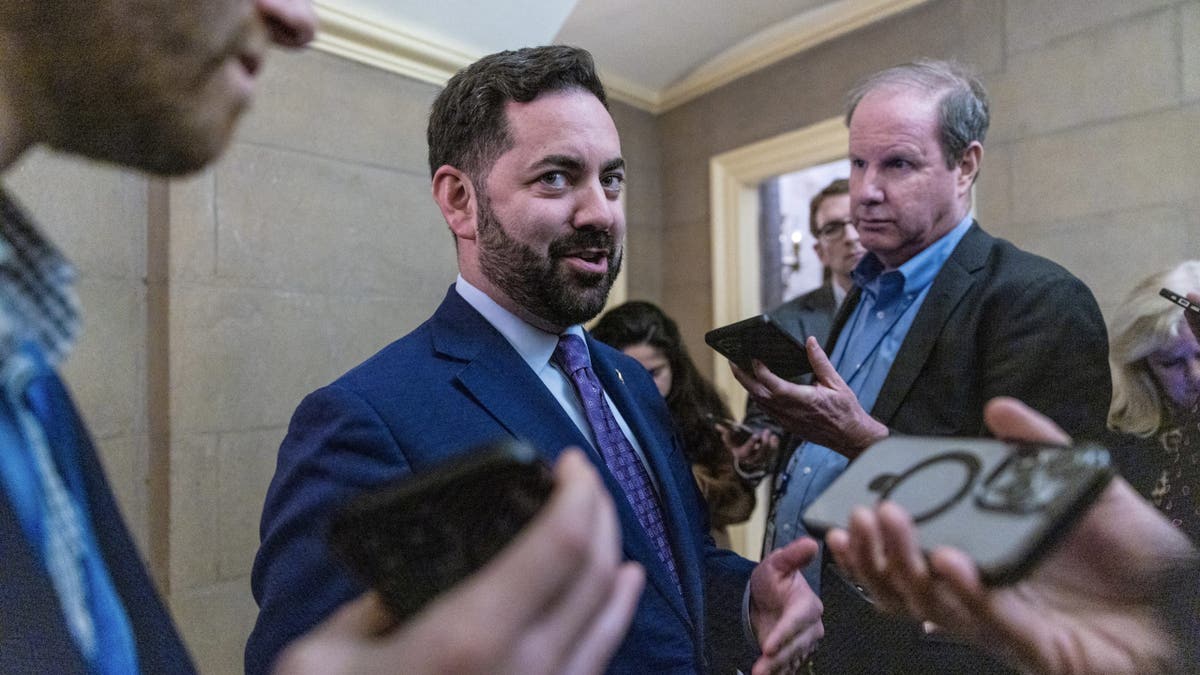
Rep. Mike Lawler, R-N.Y., speaks to reporters on Capitol Hill. (Reuters/Anna Rose Layden)
Lawler said SALT is one of the biggest issues affecting his district in New York and campaigned on never supporting a tax bill that doesn’t «adequately lift the cap.»
«The president can say whatever he wants, and I respect him, but the fact is, I certainly understand my district. I’m one of only three Republican members that won in a district Kamala Harris won, and I did so for reasons,» Lawler said.
«We need a little more SALT on the table to get to this,» fellow New York Republican LaLota added. «I hope the president’s presence motivates my leadership to give us a number that we can go sell back home.»
LaLota said while he is still a «no,» he hopes «the president’s presence here today motivates some folks in the Ways and Means Committee and my leadership to give us a number to which we can actually say ‘yes.’»
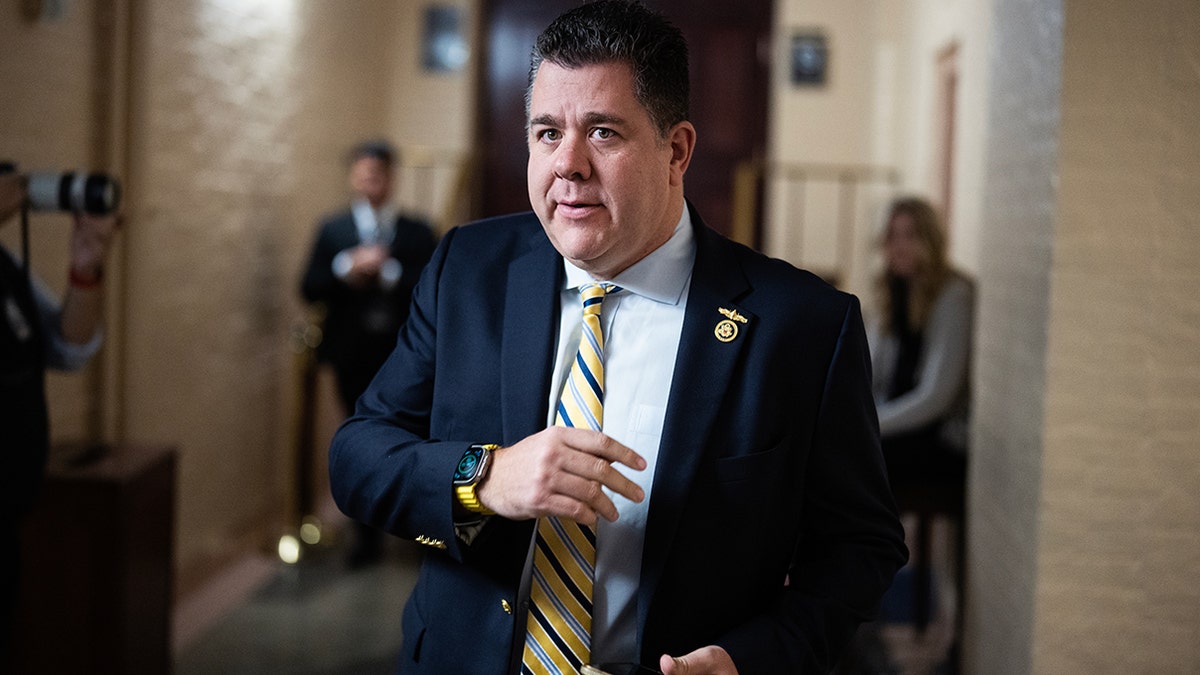
Rep. Nick Lalota, R-N.Y., leaves a meeting of the House Republican Conference. (Tom Williams/CQ-Roll Call, Inc via Getty Images)
When asked if Trump did enough to ease concerns in Tuesday’s meeting, Garbarino, another New York Republican, said, «No. There were no specifics. … It was more of a rally. We need to get this done.»
«We share President Trump’s call for unity within the House Republican Conference,» Rep. Young Kim, R-Calif., said in a joint statement after Trump’s visit to Capitol Hill.
«We hope his remarks today motivate the Speaker to advance a SALT proposal that delivers meaningful relief for our middle-class constituents, as we have worked in good faith with House Leadership for more than a year,» the statement from Kim, Garbarino, Lawler, LaLota and Rep. Tom Kean, R-N.J., said.
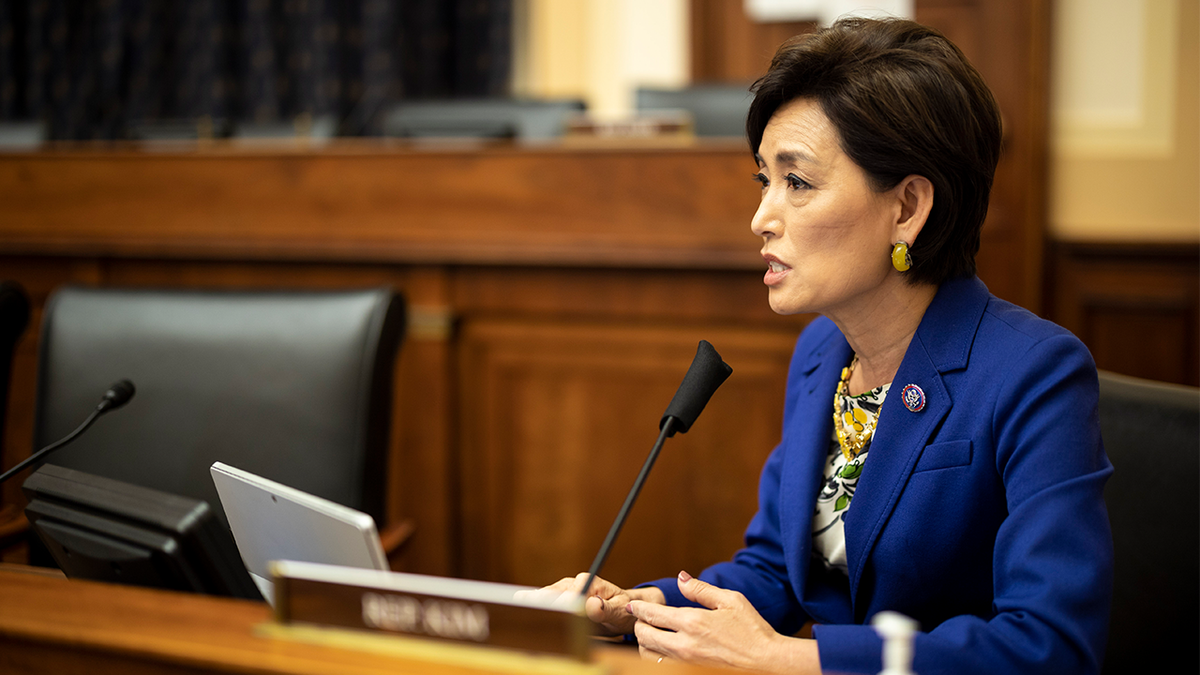
Rep. Young Kim, R-Calif., speaks during a hearing March 10, 2021, on Capitol Hill. (Ting Shen-Pool/Getty Images)
Meanwhile, Trump urged Republicans not to «f— with» Medicaid in his speech, though different factions came to different conclusions about what he meant.
Rep. Andy Ogles of Tennessee, who was not in the room for Trump’s speech, called for more cuts to the entitlement program in an X post Tuesday afternoon but told Fox News Digital he was opposed to the legislation as written.
«I agree with President Trump — we must crush the waste, fraud, and abuse. Liberal states like California and New York are abusing Medicaid — and making you pay for it. Illegal aliens and freeloaders have no right to taxpayer-funded benefits,» Ogles said on X.
Other fiscal conservatives, like Ogles, who were in the room, said the bill does not go far enough to reform Medicaid and would also vote «no» in the bill’s current form.
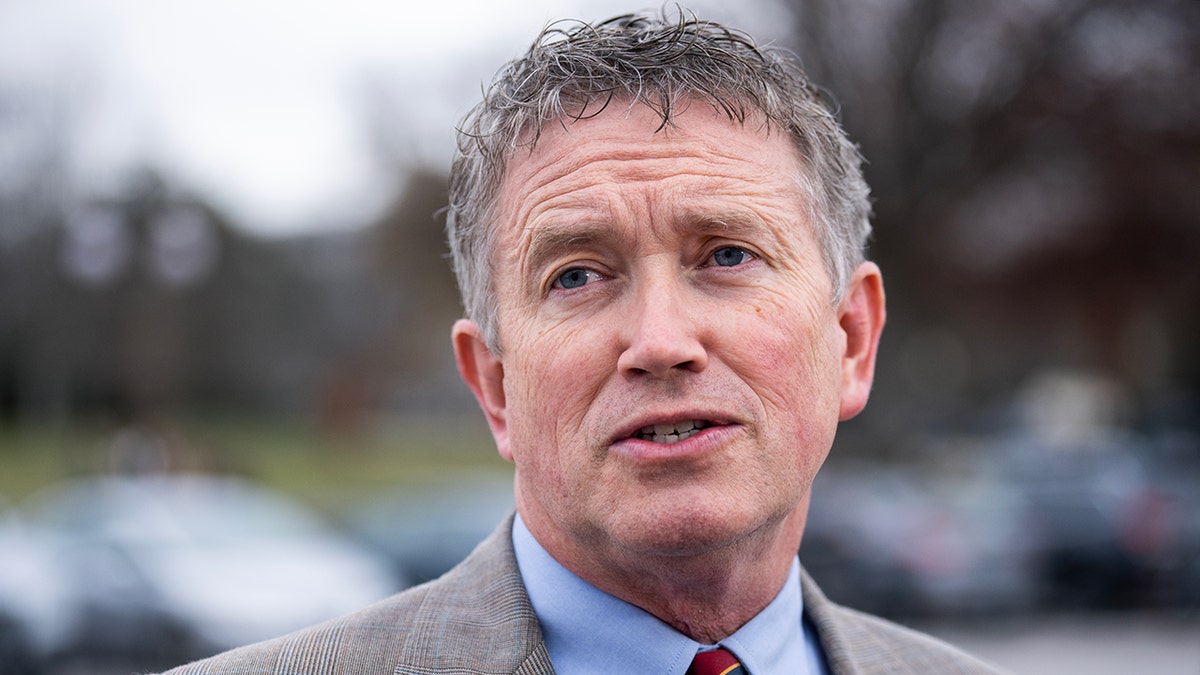
Rep. Thomas Massie, R-Ky., outside the Capitol building Dec. 18, 2024. (Tom Williams/CQ-Roll Call, Inc via Getty Images)
«I think it’s inappropriate for us to say we’re not going to touch it and then leave all of this fraud that’s happening in the system,» Burlison said.
Harris, the House Freedom Caucus chair, said, «I can’t support the bill. It does not eliminate waste, fraud and abuse in Medicaid. The president called for waste, fraud and abuse to be eliminated. I don’t think that’s where the bill sits.»
Massie, known for being a libertarian, was unconvinced by Trump’s appearance, telling reporters that his constituents didn’t «vote for increased deficits and Biden-level spending.»
He acknowledged that younger members or those who harbor ambitions for higher office would likely fall in line, however.
CLICK HERE TO GET THE FOX NEWS APP
«I think he probably closed the deal in there,» Massie said.
SALT deduction caps and Medicaid remain two of the biggest sticking points in Republican negotiations. SALT deduction caps primarily benefit people living in high-cost-of-living areas like New York City, Los Angeles and their surrounding suburbs. Republicans representing those areas have argued that raising the SALT deduction cap is a critical issue and that a failure to address it could cost the GOP the House majority in the 2026 midterms.
Republicans in redder, lower-tax areas have said in response that SALT deductions favor wealthy people living in Democrat-controlled states and that such deductions reward progressive high-tax policies.
It was Trump’s Tax Cuts and Jobs Act of 2017 that first instituted caps on SALT deductions, setting the maximum at $10,000 for both married couples and single filers.
SALT Caucus members have rejected House Republican leaders’ offer to increase that to $30,000.
Members of the conservative House Freedom Caucus, meanwhile, are pushing for the bill to be more aggressive in cutting waste, fraud and abuse in the Medicaid system, including a faster timeline for implementing work requirements for able-bodied recipients. Currently, the legislation has work requirements kicking in 2029.
They also want to restructure Medicaid cost-sharing to put a bigger burden on the states. Moderates, meanwhile, have been wary of making significant cuts to the program.
House GOP leaders are hoping to hold a full House vote on the bill this week.
Politics,House Of Representatives,Republicans,Donald Trump








INTERNACIONAL
Sin la OTAN y con críticas internas, Trump analiza opciones para reabrir el estrecho de Ormuz y terminar la guerra de Irán
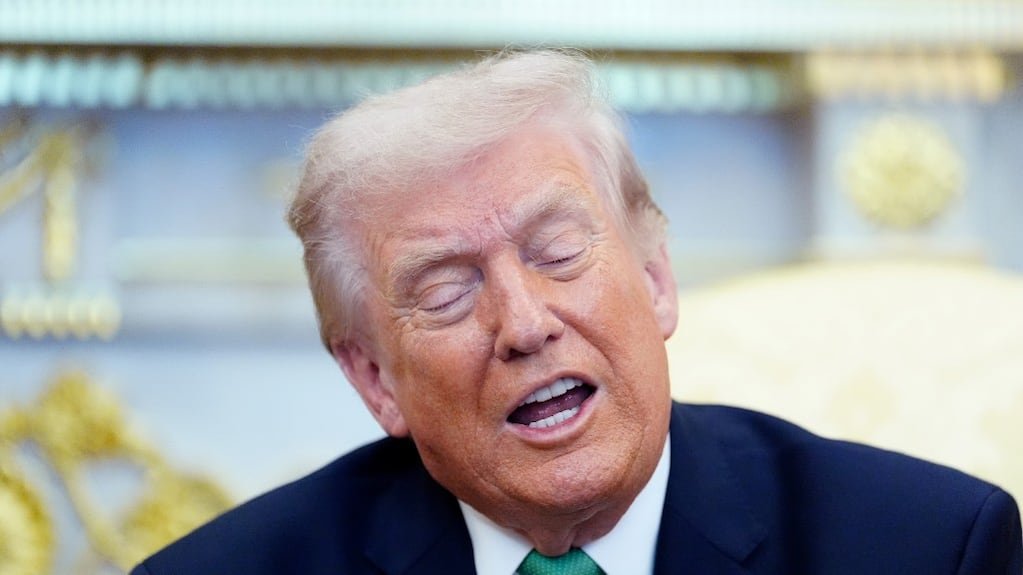
Donald Trump comienza a percibir el riesgo de un empantanamiento en la guerra en Medio Oriente.
Sin el respaldo de la OTAN y con un ruido interno difícil de esconder después de la renuncia y las explosivas declaraciones del director del Centro Nacional de Contraterrorismo Joseph Kent, el presidente estadounidense ve cómo se le cierran las opciones para reabrir el estrecho de Ormuz y declarar el fin del conflicto.
Leé también: Israel lanzó una operación terrestre “limitada” en el sur del Líbano para eliminar las amenazas de Hezbollah
Kent dejó al descubierto el descontento que se expande no solo en el gobierno, sino también en las filas republicanas y en especial en el movimiento MAGA (“Make America Great Again”) que apoyó a Trump por sus promesas de alejar a Estados Unidos de cualquier conflicto internacional y su lema “America first” (”Estados Unidos primero»).
“Irán no representaba una amenaza inminente contra nuestra nación, y está claro que iniciamos esta guerra a causa de la presión de Israel y su poderoso lobby estadounidense”, escribió Kent en X.
Fue una bomba interna que hizo mucho ruido en la Casa Blanca.
La respuesta fue la esperada. Trump calificó de “débil” a Kent y afirmó: “No lo conocía bien, pensé que parecía un tipo bastante agradable, pero cuando leí su declaración, me di cuenta de que es algo bueno que se haya ido, porque dijo que Irán no era una amenaza. Irán era una amenaza”.
También apuntó contra sus socios de la OTAN, la alianza atlántica que soportó su presión y dejó en claro que no participará en maniobras para reabrir el estrecho de Ormuz, virtualmente cerrado por Irán y por donde pasa el 20% del crudo y el gas licuado natural del mundo.
“Creo que la OTAN está cometiendo un error realmente estúpido”, afirmó. “Ante el hecho de que hemos tenido tanto éxito militar, ya no ‘necesitamos’ ni deseamos la ayuda de los países de la OTAN: ¡NUNCA LA NECESITAMOS! ¡NO NECESITAMOS LA AYUDA DE NADIE!”, apuntó.
Cuáles son los caminos que tienen Trump para reabrir el estrecho de Ormuz
Trump sabe que no puede declarar el fin de la guerra más allá de sus rotundos éxitos militares desde el aire. Si Irán, acorralado y debilitado, no libera el estrecho de Ormuz, el mundo corre el riesgo de caer en una crisis energética y comercial de consecuencias profundas.
El analista Mehran Kamrava, profesor de ciencias políticas de la Universidad de Georgetown de Qatar, dijo a TN que “las opciones de Trump para mantener abierto el Estrecho de Ormuz son limitadas”.
Un barco turco logró pasar por el estrecho de Ormuz tras lograr el permiso de las autoridades iraníes, que lo mantienen bloqueado. (Foto: EFE – Tasnim News)
“Cerrar el estrecho es relativamente fácil. Sin embargo, dada su estrechez, es fácil hostigar o incluso atacar a los barcos que lo atraviesan. Mantenerlo abierto es mucho más difícil. Las opciones de Trump son escasas, y tampoco son muy favorables desde su perspectiva”, afirmó.
Al respecto, señaló: “Puede intentar desembarcar tropas en alguna de las islas iraníes del Golfo Pérsico, como Kharg, Qeshm, Kish o alguna de las islas menores. Estados Unidos también podría intentar seguir debilitando a la armada iraní lo máximo posible. Aparte de estas dos opciones, no parece que Estados Unidos tenga muchas alternativas“, alertó.
El tiempo pasa en un año electoral y la campaña se acerca peligrosamente para los republicanos. Las elecciones de medio tiempo están pautadas para el 3 de noviembre y ningún candidato oficialista quiere lidiar con una guerra.
Lo que parecía un conficto breve se extiende en forma peligrosa. Irán, con la simple estrategia de crear caos bombardeando a países del Golfo y cerrando el estrecho de Ormuz, mantiene abierta una guerra de difícil resolución.
Leé también: La “batalla del agua” en Medio Oriente: monarquías del Golfo temen ataques iraníes a plantas desalinizadoras
“Algunos de los aliados (de Trump) creen que el presidente ya no controla cómo ni cuándo termina la guerra. Temen que los ataques de Irán contra petroleros en el estrecho de Ormuz estén acorralando a Trump en una situación en la que intensificar el conflicto – e incluso, potencialmente, enviar tropas estadounidenses- se convierta en la única manera de proclamar una victoria creíble”, escribió el medio estadounidense Político.
Una fuente cercana a la Casa Blanca, citada por el sitio, definió: “Claramente les dimos una paliza a Irán en el campo de batalla, pero, en gran medida, ahora ellos tienen la sartén por el mango”.
“Ellos deciden cuánto tiempo estaremos involucrados y deciden si enviamos tropas sobre el terreno. Y no me parece que haya forma de evitarlo si queremos salvar las apariencias”, afirmó.
Analistas estadounidenses creen que la única manera de garantizar la apertura del estrecho es a través del despliegue de tropas en franjas de territorio iraní. Es un escenario de pesadilla para los republicanos en campaña. Temen que la guerra se convierta en un conflicto interminable en Medio Oriente que tanto criticó el presidente en el pasado.
Jack Posobiec, aliado de Trump, dijo que a Washington le quedan opciones antes de lanzar una invasión: puede detener petroleros iraníes, lanzar ciberataques y poner en la mira a activos financieros iraníes.
“Esto también aumenta el nivel de escalada, pero no necesariamente requiere tropas sobre el terreno”, dijo citado por Político.
Pero Trump tiene que lidiar también con cuestiones internas. La renuncia de Kent causó ruido en el gobierno. Un funcionario anónimo citado por The Washington Post expresó su admiración por Kent y su desánimo por el curso de la guerra: “Todo el mundo está harto de esta mierda”, dijo.
Más allá de sus declaraciones grandilocuentes, a Trump le pasan los días y el conflicto sigue sin solución a la vista. La guerra puede convertirse en una pesada ancla para el presidente en un año electoral en el que se definirá cómo será el segundo tramo de su mandato.
Donald Trump, Israel, Irán
INTERNACIONAL
Iran regime hides in bunkers as civilians left exposed without adequate bomb shelters or sirens
NEWYou can now listen to Fox News articles!
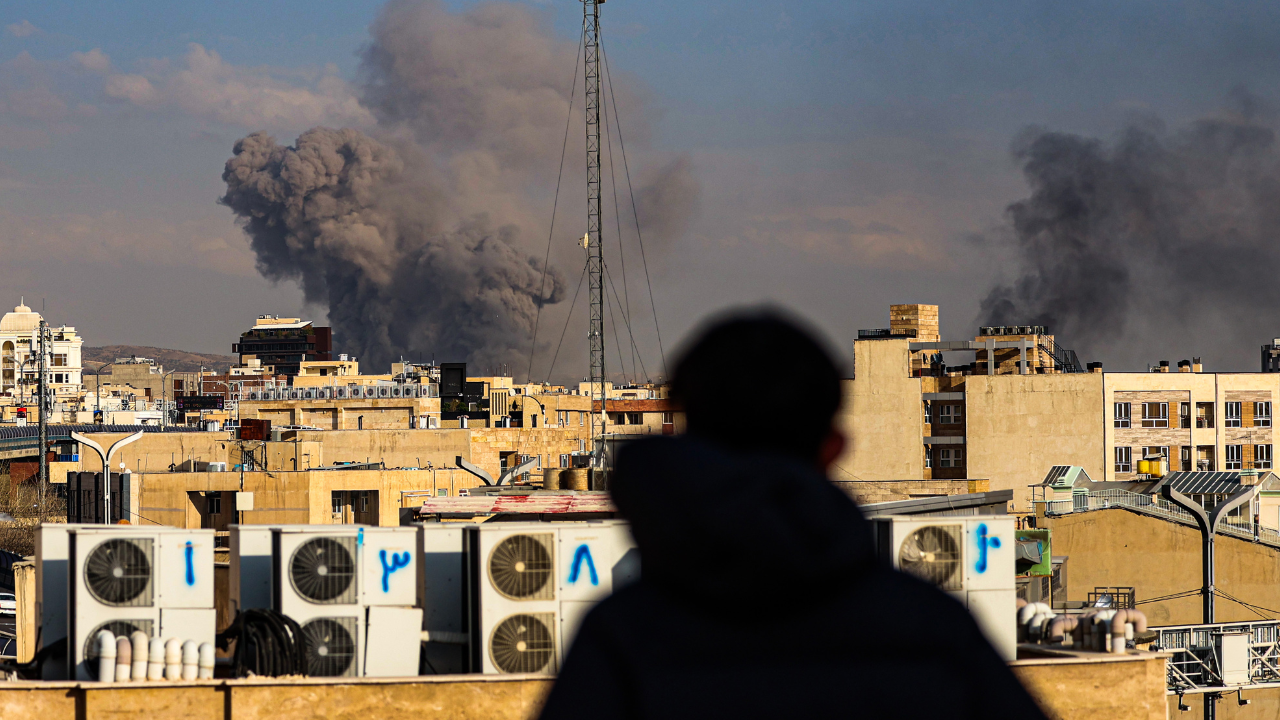
FIRST ON FOX: While officials of the U.S.-designated terrorist movement Iran’s Islamic Revolutionary Guard Corps (IRGC) cower in underground bunkers amid joint U.S.-Israeli military strikes, ordinary Iranians are lambasting the clerical regime for failing to build enough bomb shelters and provide early warning siren systems.
Iranians sent text messages to Fox News Digital about their efforts to secure knowledge about the progress of the joint U.S.-Israel aerial warfare campaign against Islamic Republic military sites and share the theocratic state’s contempt for the civilian population.
«In a country that has spent 47 years boasting about its military strength to the world, there are no warning sirens, let alone shelters. They themselves hear the sound of airplanes and drones realize the [enemy airplanes] have come into the sky. They do not even have radar,» wrote Noori from the capital city, Tehran.
HEGSETH ANNOUNCES PENTAGON PROBE INTO DEADLY STRIKE ON IRANIAN SCHOOL
People walk past a portrait of the late Iranian Supreme Leader Ayatollah Ali Khamenei in a corridor of a subway station in Tehran on Friday, March 13, 2026. The subways have been used as makeshift bomb shelters for Iranians. (Vahid Salemi/ AP Photo)
To compensate for the lack of bomb shelters and safe rooms in residential housing, Noori said that Iranian authorities designated 82 metro stations and 300 parking garages in Tehran as shelters for the people.
«This is what they call shelter. Bear in mind that first, there are no bathrooms in the Metro stations, and also, during the 12-day war, when people tried to go there, they were locked.»
Noori said «The families who live in the residential compounds of the IRGC and the army are now living in the metro stations out of fear.»
Noori and the other Iranians who communicated with Fox News Digital are using their first names because of the risk of retaliation from the regime’s brutal security forces.
Faraz, who is from Tehran, said, «We are now in a situation where we have no shelters, and we fear for our lives. If we were at war with someone who would attack residential buildings, so many of the regular citizens would have died. We do not even have warning sirens.»
Lisa Daftari, an Iran expert, told Fox News Digital, «What we’re seeing on the ground in Tehran is a city operating without any formal civil defense infrastructure. Families with children or elderly relatives have largely evacuated to the countryside or the Caspian coast. Those who remain are sheltering in place — moving away from windows when they hear explosions, retreating to underground parking structures in apartment buildings.»
Daftari, the editor-in-chief of The Foreign Desk, added, «There are no bomb shelters. There are no warning sirens. The Iranian people have been given no formal system to protect themselves. What you are seeing on your screens — crowds in the streets — are not spontaneous shows of support. Those are Basij militia on megaphones, ordering people out of their homes, so the regime can manufacture images of a loyal population.»
The Islamic Republic of Iran’s placement of military installations in highly packed civilian areas is endangering the country’s population, according to legal experts.
WHY GULF STATES AREN’T JOINING THE WAR AGAINST IRAN — DESPITE ATTACKS ON THEIR SOIL
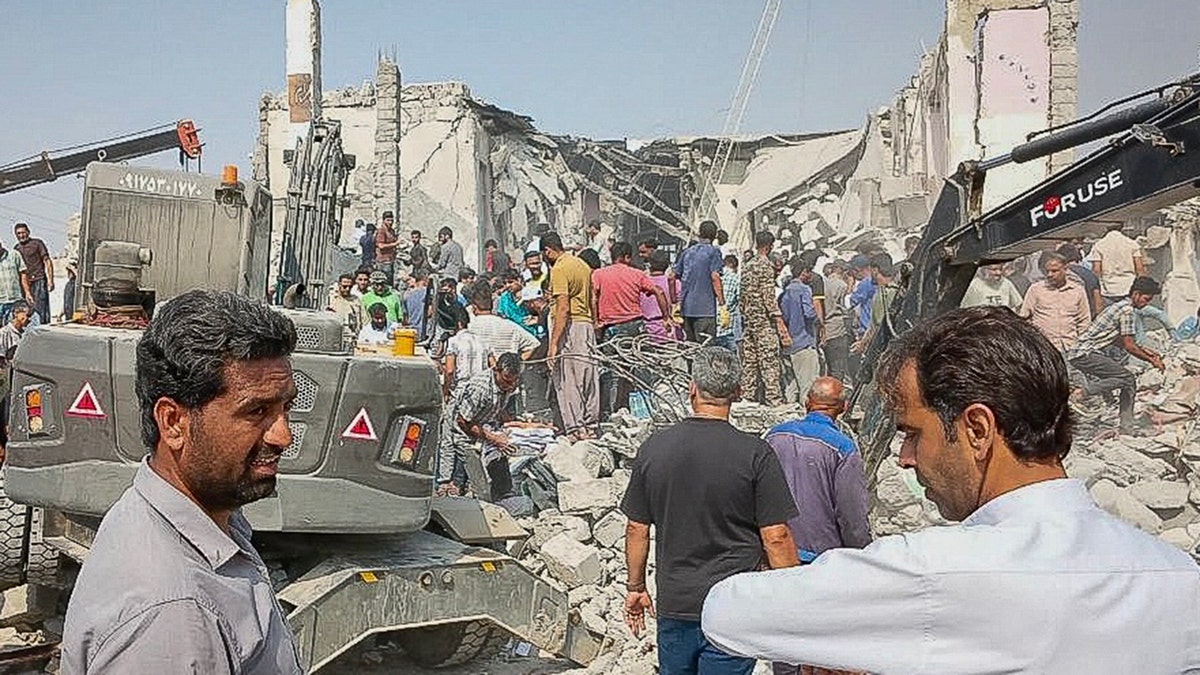
This picture obtained from Iran’s ISNA news agency shows the site of a strike on a girls’ school in Minab, in Iran’s southern Hormozgan province, on Feb. 28, 2026. (Ali Najafi/ISNA/AFP via Getty Images)
The Pentagon is currently investigating a military air strike that reportedly hit an Iranian school for girls in the town of Minab on February 28 — the start of the U.S. Operation Epic Fury against Iran’s regime. The air strike reportedly killed 175 people, most of whom were children, at the Shajarah Tayyebeh elementary school, according to Iran’s regime. The school was located on the same street as buildings used by the IRGC.
Avi Bell, a professor at the University of San Diego Law School and Bar Ilan University’s Faculty of Law, told Fox News Digital «It’s highly unlikely that heavily populated civilian areas are used as drone attack sites or missile launch sites for any reason other than human shielding. On military grounds, it would make far more sense for the launch sites not to be near civilian areas.»
TRANSACTIONAL PARTNERS: HOW 200-YEAR DISTRUST SHAPES RUSSIA’S RESPONSE TO THE IRAN CONFLICT
Noori was critical of the regime: «They boast to the whole world, but they shut down water, electricity, air and the internet for their own people. Whatever money they received from Biden and Obama and from selling oil, they spent on missiles, drones, Hamas, Hezbollah and building weapons.»
Manouchehr, who is also from Tehran, wrote: «I am messaging you under very difficult conditions, with an extremely weak internet. I had to pay a very high price for a VPN just to send you this message. The security situation is not good at all. These clerics have spent our money for years on missiles and drones, and on funding Hamas and Hezbollah. They have not even built a single shelter for us, yet for 47 years, they have been threatening the world.»
The VPN allows a few Iranians to circumvent Iran’s near total communications shutdown. According to Netblocks on Monday, «The internet blackout in Iran is entering its 17th day after 384 hours. Over the last day, a decline has been tracked in reserved telecoms network infrastructure, further reducing VPN availability and sending some whitelisted users and NIN services offline.»
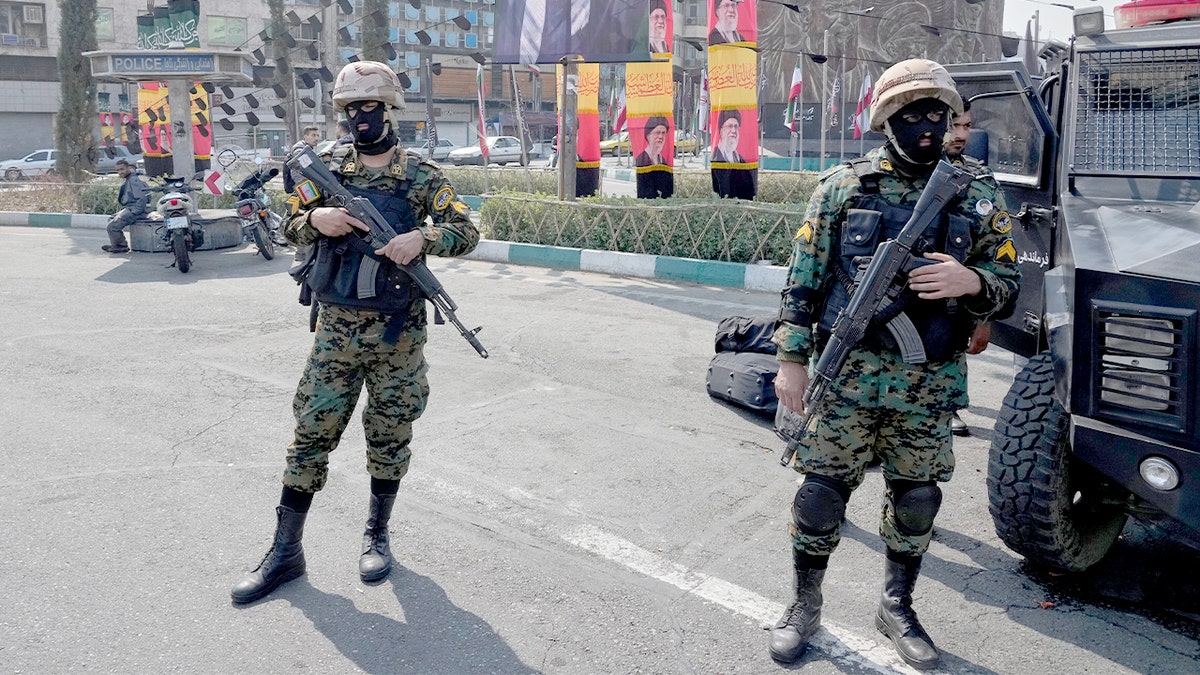
Policemen stand guard beside banners showing portraits of the late Iranian Supreme Leader Ayatollah Ali Khamenei at Enqelab-e-Eslami, or Islamic Revolution Square, in downtown Tehran, Iran, on March 14, 2026. (Vahid Salemi/AP)
Manouchehr added, «We are grateful to President Trump for not bombing residential areas. I ask you to please tell them [the U.S. Government] not to declare a ceasefire. Otherwise, these hyenas will not leave any of the Iranian people alive, and they will take revenge for Israel’s and America’s attacks by targeting the Iranian people.»
Iranians have noted that after the eight-year war between Iraq and Iran (1980–1988) when Iraqi missiles were launched into the civilian sector in Iran, the Ayatollahs could have built a bomb shelter system.
Lawdan Bazargan, an Iranian-American activist and human rights expert on the situation in Iran, told Fox News Digital, «The Islamic regime of Iran shows no value for human life and treats the Iranian people not as citizens, but as a conquered population and slaves. It has spent decades building tunnels for missiles and drones, yet it has left 90 million people without sirens, shelters, or any system to warn civilians of danger. At the same time, the internet is largely shut down, and phone lines are restricted, leaving people unable to receive news or even contact their families.»
US WARNS IRAQ MUST ACT AGAINST IRAN-BACKED MILITIA ATTACKS ON AMERICAN ASSETS
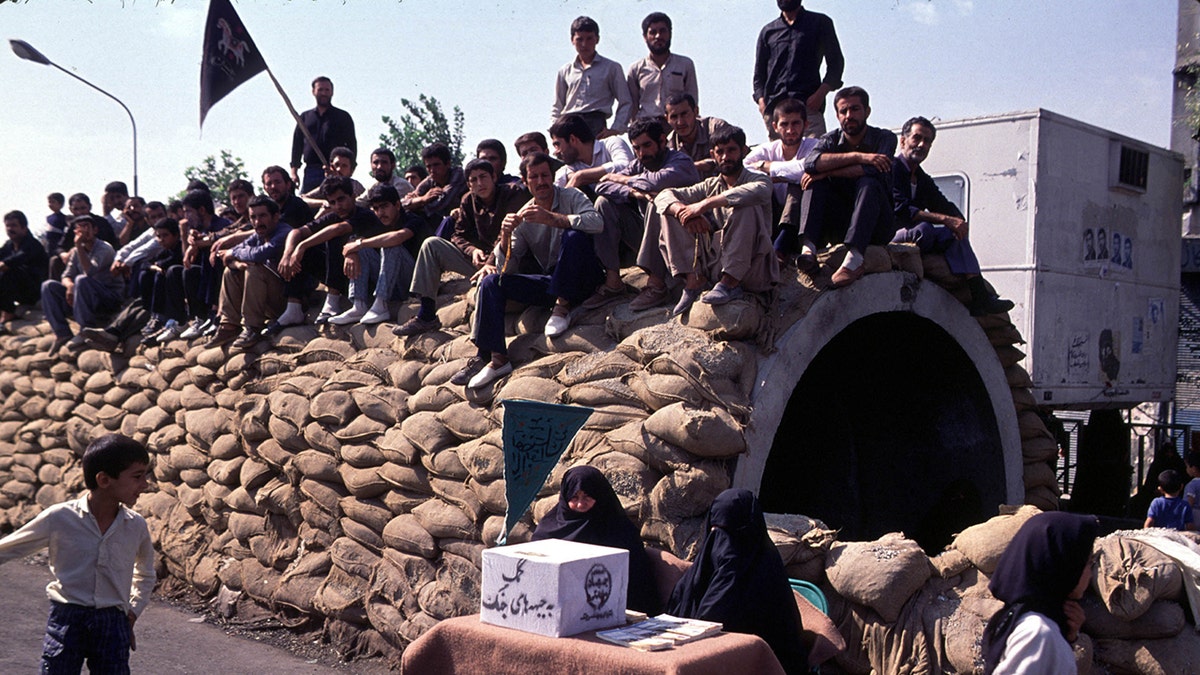
Iranian women collecting money for the war effort outside an air raid shelter in Tehran, during the Iran-Iraq War, 11th May 1988. (Kaveh Kazemi/Getty Images)
She continued, «What makes this even more shocking is that during the Iran–Iraq war in the 1980s, when I lived in Iran, there were at least warning sirens. People had a few minutes to move away from windows or find some protection. Today, even that basic level of safety no longer exists.»
Iran’s regime imprisoned Bazargan in its infamous Evin prison in Tehran for her political dissident activities during the 1980s.
The U.S. Central Command (CENTCOM) announced on March 8 that it issued a «safety warning to civilians in Iran… as Iran’s terrorist regime blatantly disregards the safety of innocent people.»
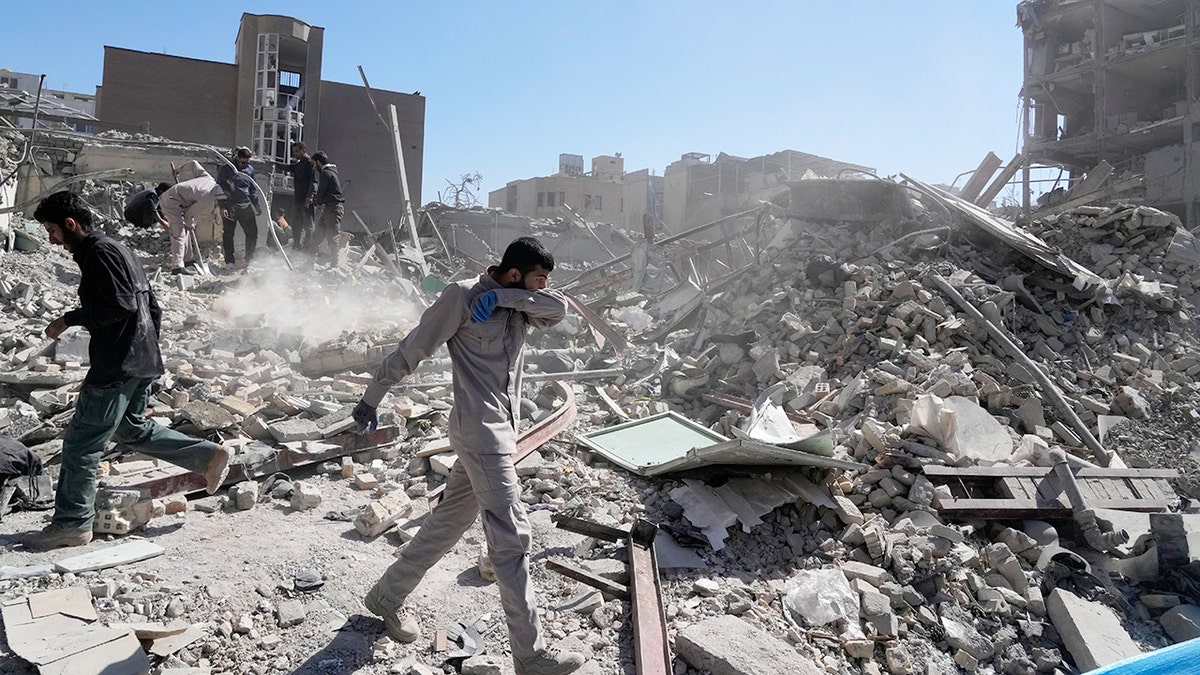
A group of men inspect the ruins of a police station struck amid the U.S.–Israeli military campaign in Tehran, Iran, on Tuesday, March 3, 2026. (Vahid Salemi/AP)
According to the CENTCOM statement, «The Iranian regime is using heavily populated civilian areas to conduct military operations, including launching one-way attack drones and ballistic missiles. This dangerous decision risks the lives of all civilians in Iran since locations used for military purposes lose protected status and could become legitimate military targets under international law. Iranian forces are using crowded areas surrounded by civilians in cities such as Dezful, Esfahan and Shiraz to launch attack drones and ballistic missiles.»
Hossein, who lives in Tehran, said, «Landline phones are also under very strict security control. There are absolutely no warning systems or alerts, and if any danger occurs, people have nowhere to take shelter because, overall, the lives of the Iranian people have no value for this government.»
CLICK HERE TO DOWNLOAD THE FOX NEWS APP
Ahmadreza Radan, commander of Iran’s police, said over 80 people had been arrested for spreading «disturbing content» online and officers are «ready to pull the trigger» if protests occur.
A spokesman for Iran’s U.N. mission refused to provide a comment for this article.
war with iran,israel,conflicts,terrorism
NEWYou can now listen to Fox News articles!
President Donald Trump was already eager for a Federal Reserve rate cut. If there were ever a moment for him to want one even more, it would be Wednesday — but his war with Iran may have blown it, driving up oil prices and reviving the inflation fears that make cuts harder to justify.
Few things shape what Americans can afford more than the Federal Reserve, even if most people rarely pay attention to it. The central bank doesn’t set the price of groceries or cars, but it does help determine how expensive it is to borrow money — and right now, high rates are keeping mortgage payments, car loans and credit-card bills painfully high.
When the Fed’s two-day meeting wraps up Wednesday, policymakers are widely expected to leave rates unchanged.
Now, the Iran war is complicating not just this week’s decision, but the path ahead if the conflict drags on and keeps oil prices elevated.
TRUMP VS THE FEDERAL RESERVE: HOW THE CLASH REACHED UNCHARTED TERRITORY
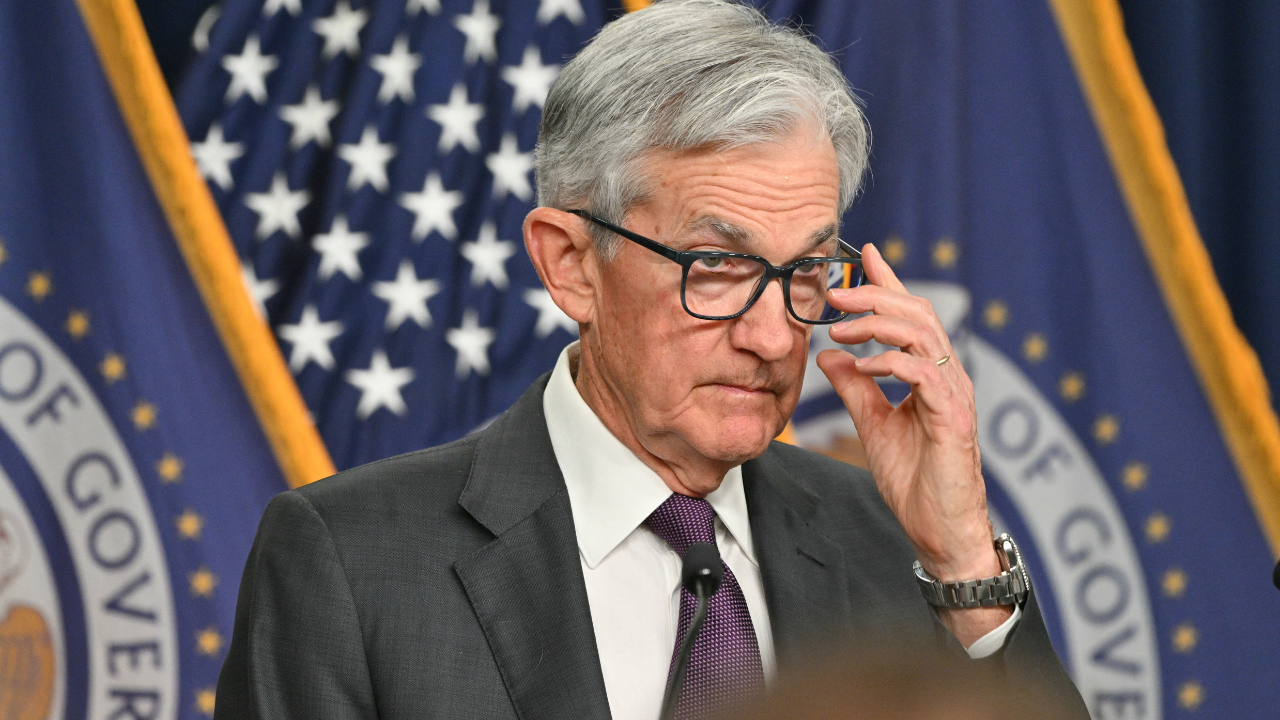
U.S. Federal Reserve Chair Jerome Powell is widely expected to announce that the central bank will hold rates steady this week. (Roberto Schmidt/AFP/Getty Images)
Tit-for-tat strikes in Iran and across the Middle East have helped push crude above $100 a barrel for the first time since 2022, rattling global markets and renewing concerns about tighter energy supplies.
That pressure is starting to hit consumers. As oil climbs, gasoline and diesel prices are rising quickly — especially diesel, which often moves faster because of its close ties to freight and industrial demand.
THE UNLIKELY TOOL TRUMP IS EYEING TO TACKLE RISING OIL PRICES AMID THE IRAN CONFLICT
As of March 17, AAA put the national average for regular gasoline at $3.79 a gallon, up 88 cents from a month earlier, while diesel climbed to $5.04, up $1.39 over the same period.
Jet fuel is getting more expensive, too.
For airlines, fuel is one of the biggest operating costs, so sustained increases could squeeze margins, push up ticket prices and add fresh strain to a travel season already complicated by the DHS shutdown.
OIL, GAS PRICES JUMP AS TRUMP FLIRTS WITH STRIKING IRANIAN OIL INFRASTRUCTURE
The pressure is showing up in housing, too.
Mortgage rates have crept higher since the start of the Iran war. The benchmark 30-year fixed rate dipped below 6% in late February, its lowest level since September 2022, before rising higher to 6.26% as of March 16, according to data compiled by the Mortgage Bankers Association.
At the same time, the Fed is grappling with a labor market that is starting to crack. Employers shed 92,000 jobs in February, defying expectations for job growth and muddying the outlook for policymakers.
That combination of stubborn inflation and a weakening labor market has only intensified pressure from Trump, whose promise to lower costs for Americans was a centerpiece of his campaign.
For months, he has pressed Federal Reserve Chairman Jerome Powell to lower interest rates, arguing that cheaper borrowing would spur growth and offer relief to American households. Fed officials, however, have signaled they want clearer evidence that inflation is cooling before cutting.
CLICK HERE TO DOWNLOAD THE FOX NEWS APP
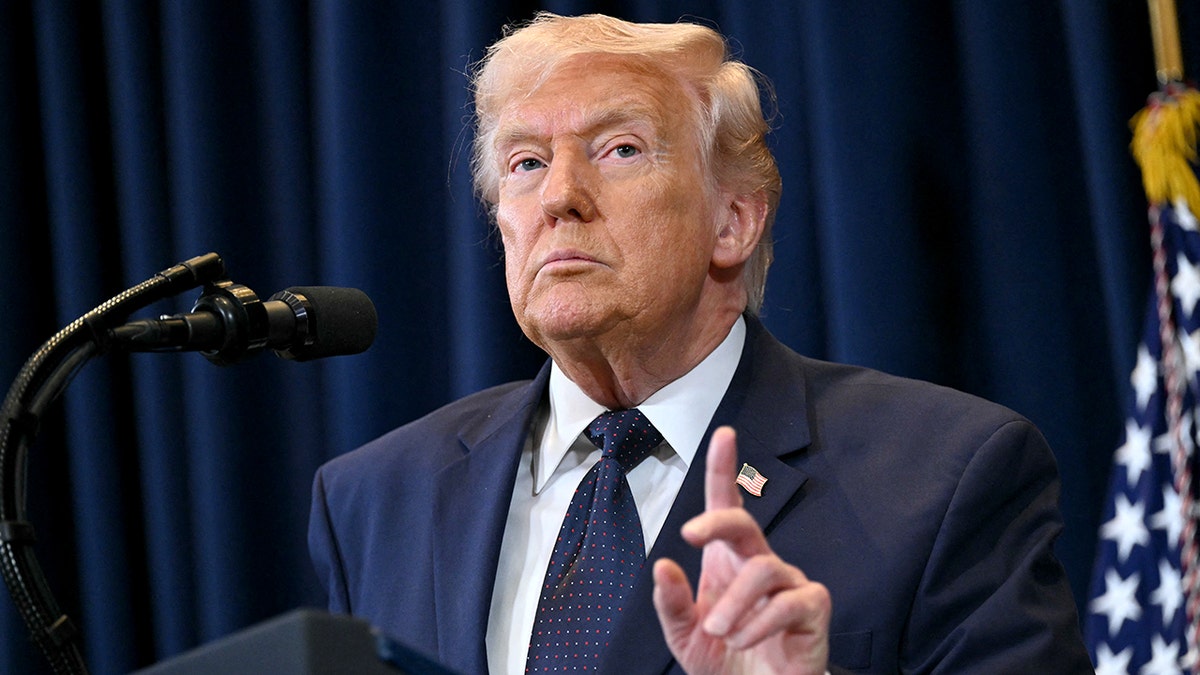
President Donald Trump nominated Kevin Warsh to succeed Powell at the Federal Reserve. (Saul Loeb/AFP/Getty Images)
On Thursday, Trump pressed Powell to cut interest rates «immediately,» as fallout from the conflict involving Iran fuels an energy-price spike.
«Where is the Federal Reserve Chairman, Jerome «Too Late» Powell, today? He should be dropping Interest Rates, IMMEDIATELY, not waiting for the next meeting,» Trump wrote in a Truth Social post using a mocking nickname for Powell.
For Trump, the timing is brutal.
He campaigned on lowering costs for Americans, but the conflict involving Iran is threatening to do the opposite — driving up energy prices, complicating the Fed’s path and putting fresh pressure on one of his core economic promises.
federal reserve,war with iran,donald trump,economy

Sin la OTAN y con críticas internas, Trump analiza opciones para reabrir el estrecho de Ormuz y terminar la guerra de Irán

Mahiques y el fantasma de la nulidad: los puntos débiles de la estrategia defensiva que bocetó el ministro para el caso $LIBRA

Milei ratificó su alineamiento con EEUU e Israel en la guerra contra Irán: “Dejamos en claro en dónde nos paramos”

Dólar hoy en vivo: en el Banco Nación se sostuvo a $1.415 y el blue subió a $1.435

Promes confiesa que apuñaló a su primo

Sebastián Graviotto, sin filtros: por qué bloqueó a Juana Repetto y la fuerte decisión que tomó al saber que estaba embarazada

TRAICIÓN Y ÉXODO: La promesa rota de Monteoliva que desató una ola masiva de bajas en la Policía Federal

La fuerte exigencia a Mauro Icardi para poder ver a sus hijas con Wanda Nara: “A Maurito se lo va a multar si no lleva a las menores al colegio”

BOMBAZO – Guerra abierta: Feinmann y Rossi contraatacan tras la denuncia de Victoria Villarruel

Video: así fue el feroz temporal que azotó Tucumán y causó inundaciones, rutas cortadas y suspensión de clases

 POLITICA19 horas ago
TRAICIÓN Y ÉXODO: La promesa rota de Monteoliva que desató una ola masiva de bajas en la Policía Federal
- CHIMENTOS3 días ago
La fuerte exigencia a Mauro Icardi para poder ver a sus hijas con Wanda Nara: “A Maurito se lo va a multar si no lleva a las menores al colegio”
- INTERNACIONAL1 día ago
Insólito: un esquiador británico terminó la Copa del Mundo de Oslo bajo los efectos del alcohol