INTERNACIONAL
GOP senators bullish on post-Easter ‘big, beautiful’ budget agreement

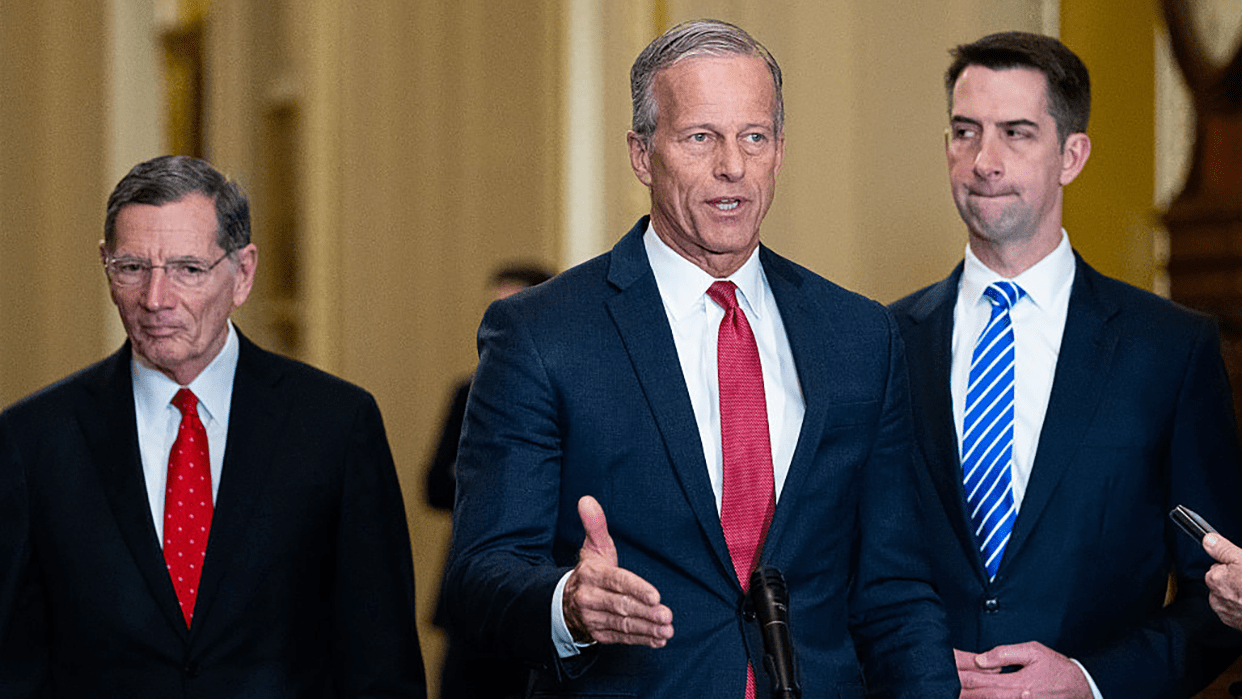
EXCLUSIVE: One day after the House passed its version of the «big, beautiful» budget bill demanded by President Donald Trump, Senate Republican leaders were bullish on the prospects of a deal coming together when lawmakers return from Passover/Easter break.
«Republicans have a bold agenda. The sooner we pass it, the sooner we can reverse the damage that Democrats have done over the last four years,» Senate Majority Whip John Barrasso, R-Wyo., told Fox News Digital, as Senate leaders made a high-dollar budget cut promise earlier in the week.
«The American people need certainty that they aren’t going to face the Democrats’ $4 trillion tax increase,» said the lawmaker, whose role is to «whip» or tally Republicans’ planned votes ahead of them being cast on the floor.
Senate Majority Leader John Thune of South Dakota remains under pressure to deliver on $1.5 trillion in budget cuts he pledged to secure some of the votes from waffling House conservatives. The Senate version of the bill that passed earlier this month only called for $4 billion in spending cuts – a massive discrepancy from the House’s version.
AK SEN LITERALLY SHREDS BIDEN’S ENERGY ORDERS
In exchange for their votes, Thune and Barrasso must coax Senate GOP moderates and members with concerns over potential Medicaid or entitlement cuts that they won’t be part of the sizable slice.
Additionally, the debt ceiling is projected to be hit during the summertime, which Republicans will have to reckon with financially as well. A failure to adjust for that ceiling could result in default.
TRUMP’S BIG, BEAUTIFUL TAX AGENDA SCORES MAJOR VICTORY
However, Thune was equally optimistic as Barrasso about pushing through Trump’s agenda, saying the upper chamber’s agenda will be «packed» overall.
«More nominations to confirm. More burdensome Biden regulations to repeal. A tax bill – and border, energy, and national security bill – to continue drafting,» he said.
Speaking to Fox News Digital, Thune said committee leaders were working through the holiday on varying legislation planned to come for votes soon after they return.
«And, of course, appropriations season is almost upon us. And I remain committed to considering as many appropriations bills as possible under regular order,» he said.
Sens. John Barrasso, left, John Thune, center, and Tom Cotton, right, address reporters. (Getty)
Regular order refers to matriculating bills through the committee process, which Thune previously said promotes bipartisanship and trust between lawmakers and the parties.
The practices of governing by long-term continuing resolutions, or CRs, are considered antithetical to regular order.
Barrasso said the American people need to know that Republicans will stand firm on investing in domestic energy and border security in their post-Easter return.
«Our goal is to get this bill passed and sent to the president’s desk as quickly as possible. We’ll work towards that every day until it’s done.»
Fox News Digital reached out to Senate Minority Leader Charles Schumer, D-N.Y., for comment on Democrats’ short-term plans but did not receive a response.
Thursday’s House bill passed generally along party lines, after fiscal conservatives largely balked at the financial figures.
CLICK HERE TO GET THE FOX NEWS APP
The number of GOP holdouts was eventually whittled down to two – Thomas Massie of Kentucky and Victoria Spartz of Indiana – who voted with the Democrats, albeit for ideologically opposing reasons.
«Our first big, beautiful reconciliation package here involves a number of commitments. And one of those is that we are committed to finding at least $1.5 trillion in savings for the American people, while also preserving our essential programs,» House Speaker Mike Johnson, R-La., said.
Fox News’ Elizabeth Elkind contributed to this report.
Politics,South Dakota,Wyoming,Senate Budget,Republicans,Taxes












INTERNACIONAL
Irán pone a Europa en su punto de mira con los misiles lanzados contra la isla Diego García: “Ya no hay vuelta atrás”
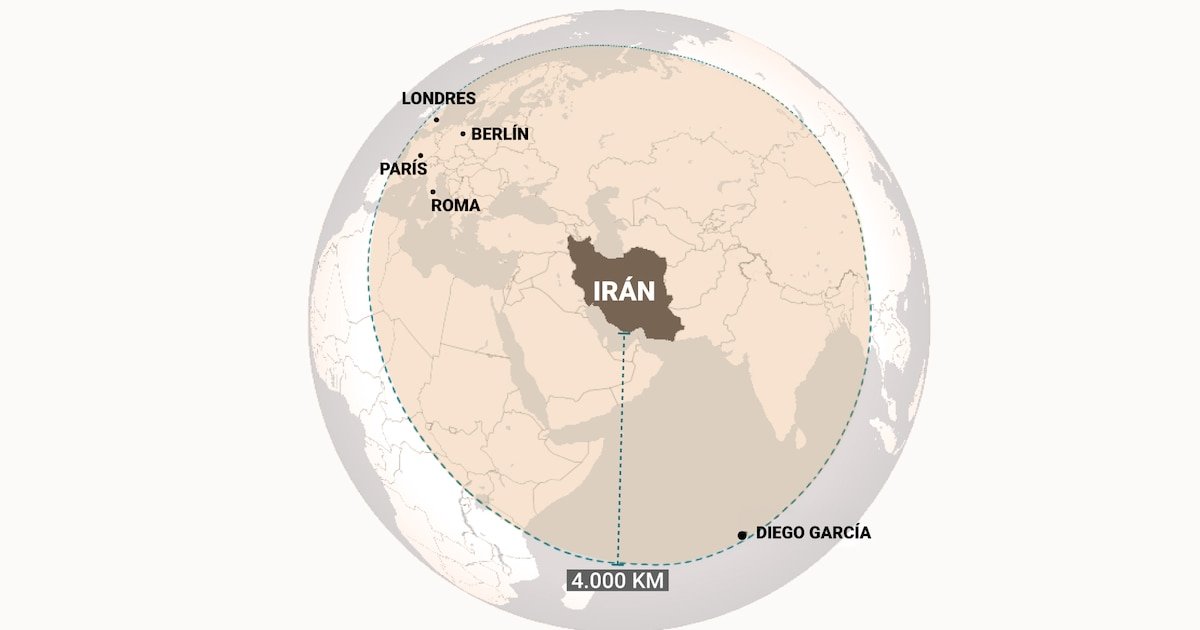
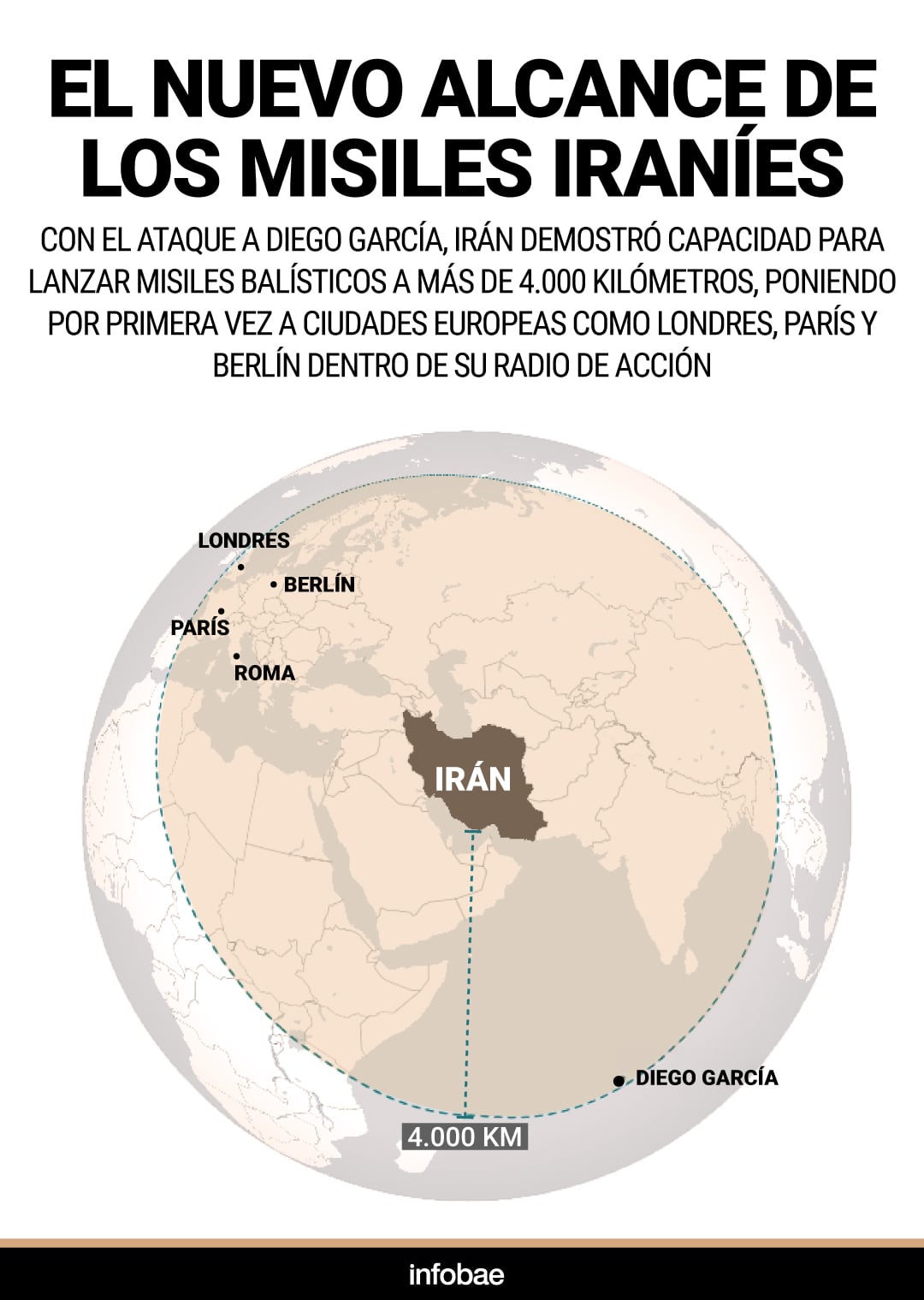
Irán lanzó esta semana dos misiles balísticos de alcance intermedio contra la base militar estadounidense-británica de Diego García, en el océano Índico, revelando capacidades militares que superan lo que muchos analistas creían posible y que, por primera vez, ponen a ciudades europeas dentro del radio de alcance del arsenal iraní.
El ataque, producido en las primeras horas del viernes, fue el primero en que Irán empleó misiles de esta categoría. Uno de los proyectiles falló durante el vuelo; el otro fue neutralizado por un destructor estadounidense que lanzó interceptores SM-3 desde posiciones cercanas a la base. Ninguno impactó en el objetivo, pero el solo hecho de haberlos disparado cambió el mapa estratégico del conflicto.
La distancia entre Irán y Diego García supera los 4.000 kilómetros, una cifra que equivale aproximadamente a la que separa a Teherán de Londres o París. Hasta el viernes, las propias autoridades iraníes sostenían públicamente que el alcance máximo de sus misiles no superaba los 2.000 kilómetros. El ataque desmintió esa afirmación de manera contundente.
Analistas consultados por The Wall Street Journal señalaron que la complejidad técnica de estos misiles sugiere que Irán preparó el lanzamiento mucho antes del inicio de la guerra, dado que sería difícil haber completado ese desarrollo bajo los bombardeos de las últimas semanas. Algunos especialistas apuntan a que Irán podría haber adaptado uno de sus lanzadores espaciales civiles para uso militar.

“Ya no hay vuelta atrás”, advirtió Jeffrey Lewis, experto en control de armamentos del Instituto Middlebury. “Este es un hecho: Irán tiene misiles balísticos de alcance intermedio.” Lewis añadió que el cruce de esa línea aumenta el riesgo de que el régimen reconsidere también su postura respecto al desarrollo de armas nucleares, un programa que Teherán ha negado sistemáticamente pero que el conflicto actual podría acelerar.
Danny Citrinowicz, quien dirigió durante años el área de análisis sobre Irán en la inteligencia militar israelí, apuntó al significado político del lanzamiento tanto como al técnico. “Muestra hasta dónde está llegando el proceso de toma de decisiones hacia el extremo”, afirmó al WSJ, sugiriendo que el ataque a Diego García refleja un régimen que ha abandonado los cálculos de prudencia que históricamente moderaron sus respuestas militares.
Farzin Nadimi, investigador especializado en Irán en el Washington Institute, agregó otra capa de incertidumbre: aún no está claro si los misiles disparados habrían podido alcanzar efectivamente Diego García, dado que ninguno impactó en el objetivo. Construir misiles de largo alcance que funcionen de manera confiable es técnicamente complejo, precisó, debido a las tensiones extremas que experimentan los proyectiles durante el vuelo.

El primer ministro israelí, Benjamin Netanyahu, retomó estas conclusiones este domingo durante una visita a Arad, en el sur de Israel, donde el sábado por la noche un misil iraní impactó en un barrio residencial sin ser interceptado. Desde los escombros, Netanyahu fue directo: “Dispararon un misil balístico intercontinental sobre Diego García. Son 4.000 kilómetros. He estado advirtiendo todo el tiempo: ahora tienen la capacidad de llegar profundamente a Europa”.
“Están poniendo a todos en su mira”, agregó el premier, en referencia también al bloqueo iraní del estrecho de Ormuz. “Están cortando una ruta marítima internacional, una ruta energética, e intentando chantajear al mundo entero.”

Netanyahu aprovechó la visita para llamar a los líderes mundiales a sumarse a la ofensiva conjunta israelí-estadounidense contra Irán. “Es hora de que los líderes del resto de los países se sumen. Me complace decir que veo que algunos empiezan a avanzar en esa dirección, pero se necesita más”, afirmó, sin precisar qué países ni en qué capacidad. El presidente Donald Trump ha expresado en repetidas ocasiones su frustración por la escasa respuesta internacional de apoyo a la campaña militar.
Por su parte, el Ejército israelí publicó ayer un mapa en redes sociales mostrando el radio de acción de los misiles iraníes, con Londres, París y Berlín dentro del alcance. “El régimen terrorista iraní representa una amenaza global”, señaló el comunicado militar israelí, recordando que ya en junio de 2025, durante la Operación León Naciente, Israel había advertido sobre el desarrollo de estos proyectiles, advertencia que Teherán negó en ese momento.
El Reino Unido respondió al ataque ampliando el acceso estadounidense a sus bases en todo el mundo para operaciones contra Irán. El Ministerio de Defensa británico calificó los ataques como “una amenaza para los intereses británicos y sus aliados”. El canciller iraní, Abbas Araghchi, advirtió a Londres que permitir el uso de sus instalaciones equivale a “participar en la agresión”.
INTERNACIONAL
Netanyahu visitó uno de los lugares impactados por los misiles iraníes en el sur de Israel: “Estamos aplastando al enemigo”

El primer ministro israelí, Benjamin Netanyahu, visitó este domingo la localidad de Arad, en el sur de Israel, donde el sábado por la noche un misil iraní impactó entre edificios residenciales sin ser interceptado por los sistemas de defensa del país. Ante un grupo reducido de periodistas seleccionados por su gabinete, Netanyahu aseguró que Israel está “aplastando al enemigo”, advirtió que Irán ya tiene capacidad para alcanzar el centro de Europa y llamó a los líderes mundiales a sumarse a la ofensiva conjunta con Estados Unidos.
“En las últimas 48 horas, Irán atacó una zona civil”, afirmó Netanyahu señalando los escombros a su alrededor. “Lo están usando como arma de asesinato masivo. Por suerte, nadie murió, pero fue solo suerte”, añadió.
El premier fue más allá en su diagnóstico sobre el alcance de la amenaza iraní. Citó el reciente lanzamiento de un misil balístico intercontinental contra la base militar británico-estadounidense de Diego García, en el océano Índico, como prueba de que Irán ha desarrollado capacidades que superan las estimaciones previas. “Dispararon un misil balístico intercontinental a Diego García. Son 4.000 kilómetros. He estado advirtiendo todo el tiempo: ahora tienen la capacidad de llegar profundamente a Europa”, señaló.

“Están poniendo a todos en su mira. Están cortando una ruta marítima internacional, una ruta energética, e intentando chantajear al mundo entero”, agregó, en referencia al bloqueo iraní del estratégico estrecho de Ormuz. “Es hora de que los líderes del resto de los países se sumen.”
Netanyahu indicó que algunos países “comienzan a moverse en esa dirección”, sin precisar cuáles ni en qué capacidad, pero advirtió que “se necesita más”. El presidente estadounidense Donald Trump ha expresado en reiteradas ocasiones su frustración por la escasa respuesta internacional de apoyo a la ofensiva.
El primer ministro también condenó los ataques iraníes en las cercanías de lugares santos en Jerusalén. “Dispararon sobre Jerusalén, justo al lado de los lugares sagrados de las tres religiones monoteístas: el Muro de los Lamentos, la Iglesia del Santo Sepulcro y la Mezquita de Al-Aqsa. Por un milagro, ninguno resultó dañado, pero estaban apuntando a los sitios sagrados de las tres grandes religiones monoteístas”, denunció.
Consultado sobre cómo responderá Israel a los ataques contra civiles, Netanyahu fue contundente: “Respondemos con gran fuerza, pero no contra civiles. Vamos tras el régimen, tras los Guardianes de la Revolución, esa banda criminal, y los perseguimos personalmente: a sus líderes, sus instalaciones, sus activos económicos. Los estamos persiguiendo con mucha firmeza.”
El misil caído sobre Arad dejó más de 60 heridos, diez de ellos graves, incluido un niño en estado crítico. A 30 kilómetros, en Dimona —sede de la mayor instalación nuclear israelí—, otro misil impactó en circunstancias similares. En total, unas 120 personas resultaron heridas en ambos ataques. El ministro de Exteriores, Gideon Saar, también visitó la zona y afirmó que fue “un milagro” que nadie muriera.

La jornada del domingo dejó además un ataque con misil balístico de ojiva de racimo sobre Tel Aviv, que dispersó submuniciones sobre una amplia zona urbana y dejó 15 heridos, uno grave. En el norte, Hezbolá mató a al menos una persona. El balance diario del Ministerio de Salud israelí contabilizó un muerto y 303 heridos en menos de 24 horas. Desde el inicio del conflicto el 28 de febrero, los heridos hospitalizados en Israel suman 4.564.
En total la guerra dejó 16 muertos en Israel frente a más de 1.200 reconocidos por Irán solo en la primera semana de la ofensiva, y más de un millar de fallecidos en Líbano.
Top Picture,War,Middle East,Military Conflicts
INTERNACIONAL
Churchill, Shakespeare and the UK flag all under siege in modern Britain, commentators say
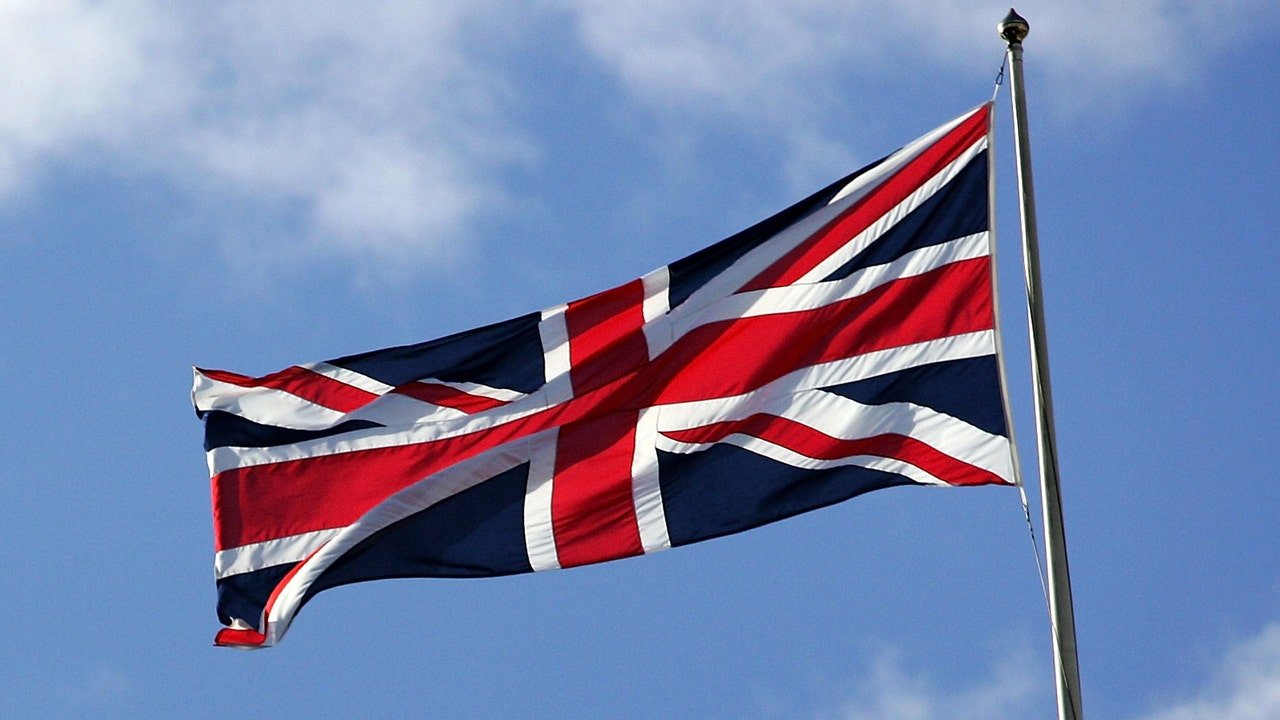
NEWYou can now listen to Fox News articles!
Over a century ago, Britain was seen as the place to be. It pioneered science, including medicine. It built industries such as railroads, major bridges and created a strong middle class. And despite what some would say, it was the only major empire that abolished slavery and policed the oceans, at its own considerable expense, to make sure other countries didn’t enslave people. And it had the largest Navy in the World. Now, many say that all seems like a distant memory.
The latest controversy involves images or statues of some of the United Kingdom’s most lauded people. The face of Winston Churchill, the British Prime Minister during WWII, is being removed from the five-pound note by the Bank of England. The Reform UK leader Nigel Farage called the decision «absolutely crackers,» noting the proposal was to replace Churchill and others with a picture of a beaver.
STATE DEPARTMENT WARNS UK OVER GROOMING GANG HANDLING: ‘UNSPEAKABLE ABUSE’
Churchill’s statue in Westminster was vandalized in 2020 and again last month. Churchill led the defense of Britain, which was the only country in Europe that didn’t fall during WWII.
«Decades of woke education policy have taught people to deny and decry the history of this country as it is deemed to be oppressive, racist and unfair,» Alan Mendoza, founder and executive director of the Henry Jackson Society, told Fox News Digital. He says the teaching labor unions controlled by the hard left have enforced their agenda on generations of pupils. «It is no surprise, therefore, that at least some of their victims have imbibed this philosophy and are acting on it.»
In this photo illustration, some 5 pounds banknotes and Winston Churchill are displayed on a table. (Sheldon Cooper/SOPA Images/LightRocket via Getty Images)
Statues of British people who lived centuries ago have been targeted to be pulled down and then destroyed. Some of these efforts have been successful. Some have not. William Gladstone, Robert Peel, James Cook, and Francis Drake were targeted for destruction by activists, according to Sky News. These men were, respectively, a reformist prime minister, the founder of the police force, a naval explorer and a privateer. Luckily, their statues remain largely intact.
Now William Shakespeare is under attack. Apparently, being white is a bad thing, and some say the Bard was really a black woman. The activist summary is that Shakespeare might be used to advocate white nationalism.
These attempts to erase high-achieving Brits from history might appear trivial, Matt Goodwin, a GB News Presenter, wrote on X. «It matters far more than many people realize,» he wrote. «Across the Western World, an assortment of Diversity, Equity and Inclusion [DEI] bureaucrats, radical activists, and increasingly compliant public institutions are engaged in a cultural project that seeks to delegitimize our national.»
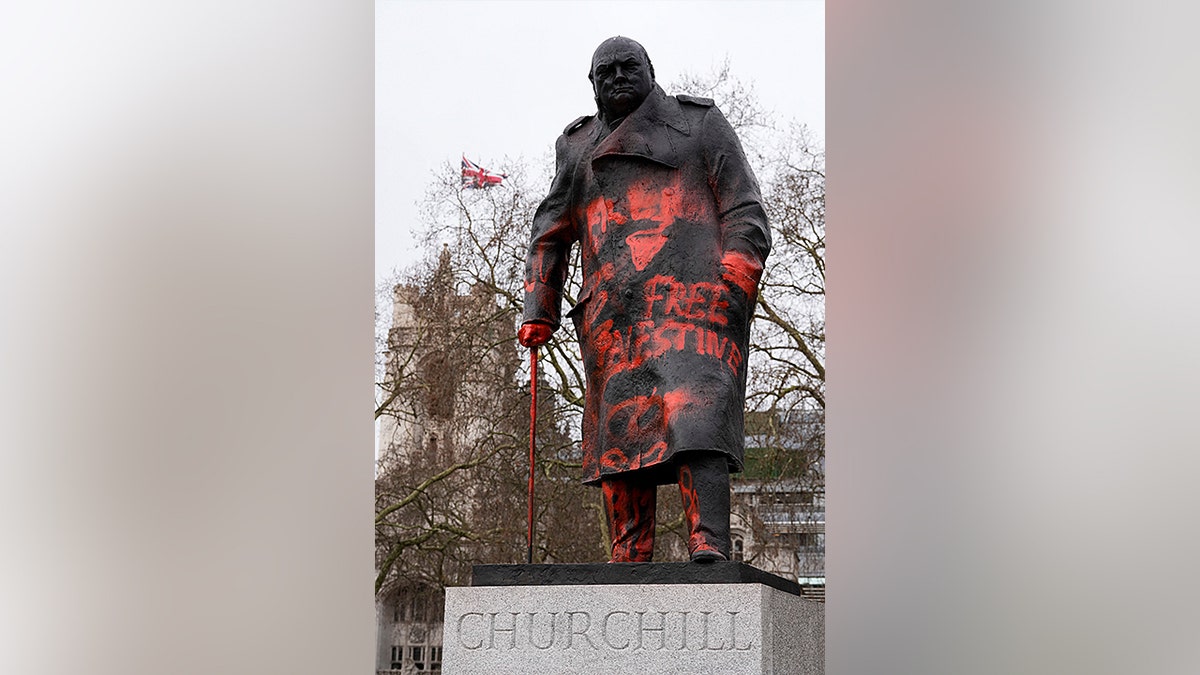
The statue of Sir Winston Churchill, which was defaced overnight with red paint and the words «Free Palestine», in Parliament Square, London, Britain, February 27, 2026. (REUTERS/Carlos Jasso)
It’s not just statues and images that have been targeted. Flying your own country’s flag can get you in trouble. Left-wingers in Britain, such as Labour Party supporters, often view the flying of the United Kingdom’s Union Flag, or England’s George Cross, as racist or anti-immigration.
FORMER UK PM DEFENDS TRUMP FOR HIGHLIGHTING ‘SHARIA LAW’ IN BRITAIN DURING UN SPEECH
«So strong has become the voice of DEI and immigrants that any sign of a proud U.K. gets denounced,» Ben Habib, founder of the Advance UK political party, told Fox News Digital. «DEI cannot bear strong nations – it wants them set aside so minorities feel at «home».
Habib also notes there’s an added complication with the Union and St. George’s flags – they both represent Christian Saints. «That is offensive to the growing numbers practicing foreign religions in the U.K.,» he told Fox News Digital.
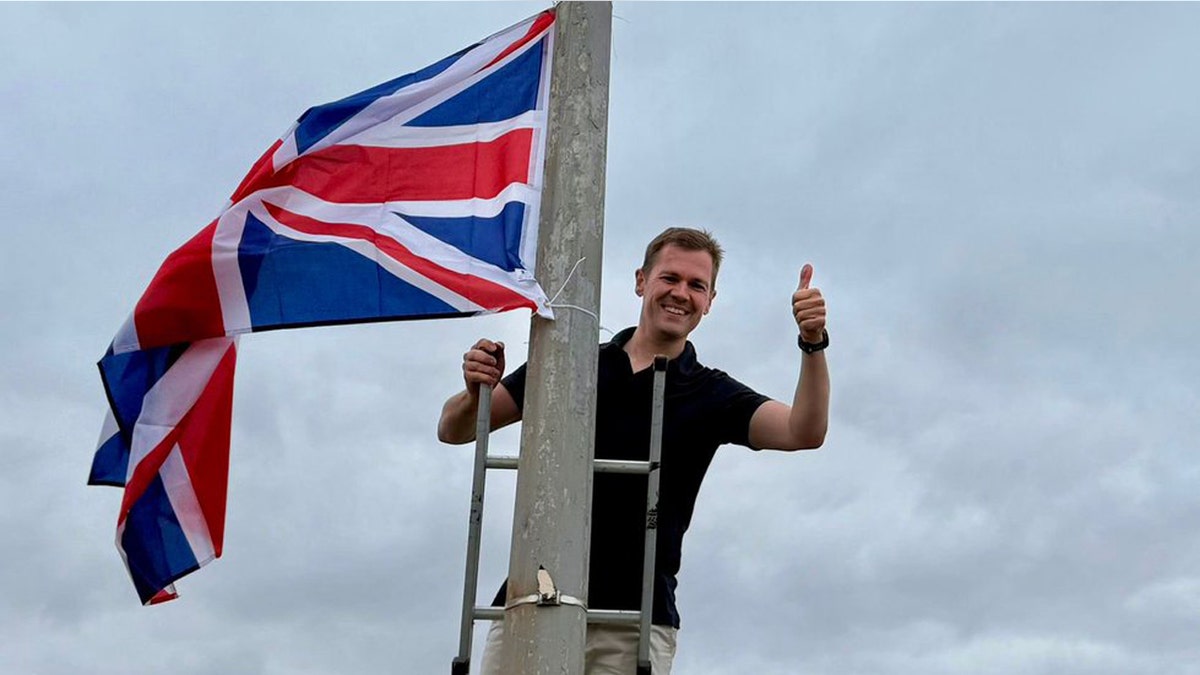
British MP Robert Jenrick climbed a post Newark, U.K. to hang a British flag. (Robert Jenrick via X)
Much of this flag-hating began following the invasion of Israel by Hamas, an Iran-backed terrorist organization. The U.K. then witnessed a surge in Palestinian flags flying on public buildings. This upset more than a few British patriots, who then stepped out with the British flags. «We need to start cohering around national stories and symbols, and the flag is the most visual way of doing that,» says Colin Brazier, a British culture commentator had previously told Fox News Digital.
Planning authorities, usually the local U.K. councils, do not need to grant permission for people to fly either the Union Flag or the George Cross. Other flags are seen as an advertisement. However, spray-painting a George Cross on a building that’s not yours is not allowed.
Despite the George Cross being seen as anti-immigrant in the U.K., the historical St. George, who died approximately 1700 years ago, is mentioned in the Koran as a friend of Moses. And some religious scholars suggest he is a servant of God.

A detail of the newly discovered portrait of William Shakespeare, presented by the Shakespeare Birthplace trust, is seen in central London, Monday March 9, 2009. The portrait, believed to be almost the only authentic image of the writer made from life, has belonged to one family for centuries but was not recognized as a portrait of Shakespeare until recently. There are very few likenesses of Shakespeare, who died in 1616. (Lefteris Pitarakis/AP Photo)
At the same time, Britain’s economy has slowed to a near total stop under the present center-left Starmer government. The unemployment rate increased to 5.4% in December, up from 3.6% in August 2022, according to data from Trading Economics. The country’s GDP growth has been stuck at 1% or less since the first quarter of 2022.
CLICK HERE TO DOWNLOAD THE FOX NEWS APP
Part of the rush to take up flags may be the disastrous economy in Britain. One outstanding, poorly thought-through government policy came from the Labour Party, which mandated an increase in National Insurance contributions (the U.S. equivalent to FICA) by corporations, undermining any chance of increasing employment, as the jump in costs effectively acted as a tax on employment.
Fox News Digital’s Michael Saunders contributed to this report.
united kingdom,woke,dei,europe

Más de 10 millones de familias tienen problemas habitacionales en la Argentina, según un estudio

A qué hora se juega Real Madrid vs. Atlético Madrid y cómo ver hoy EN VIVO La Liga de España

Muni Seligmann confesó su culpa por el grave accidente de su bebé y contó qué piensa del familiar que cuidaba a su hijo: “Lo primero que pensé fue lo mal que debía estar esa persona”

Tolosa Paz y la interna en el peronismo: “Hablar de Néstor Kirchner a jóvenes de 18 años es como hablar del siglo pasado”

Irán pone a Europa en su punto de mira con los misiles lanzados contra la isla Diego García: “Ya no hay vuelta atrás”

Una fintech chilena desembarca en Argentina con la mirada puesta en el negocio de las apuestas en línea

Juicio por YPF: la Justicia de EEUU benefició a Argentina y suspendió todas las demandas hasta que se defina la cuestión de fondo

Senado: la oposición pidió explicaciones por $LIBRA y los vuelos de Adorni y Bullrich defendió al Gobierno

Kicillof desembarcó en CABA, lanzó su proyecto 2027 y empezará a ampliar su armado político en todo el país

¿DÓNDE ESTÁ ESMERALDA? El grito de una madre que sacude a la Argentina: «Me la arrebataron de la puerta»

 POLITICA3 días ago
Kicillof desembarcó en CABA, lanzó su proyecto 2027 y empezará a ampliar su armado político en todo el país
- POLITICA3 días ago
¿MACRI 2027? El «operativo retorno» que sacude al PRO y los nombres que suenan para la vicepresidencia
- POLITICA2 días ago
¿FIN DE CICLO? Escándalo por la mansión no declarada y viajes de lujo empujan a Manuel Adorni fuera del Gobierno: Su salida sería inminente