INTERNACIONAL
Guerra comercial: Europa criticó los aranceles automotrices de Donald Trump y advirtió del riesgo económico para ambos continentes


Los fabricantes de automóviles europeos, que ya enfrentan un débil crecimiento económico en casa y una creciente competencia de China, calificaron el jueves el impuesto de importación de Estados Unidos sobre los automóviles como una pesada carga que castigará a los consumidores y a las empresas de ambos lados del Atlántico.
El nuevo impuesto de importación del 25%, anunciado el miércoles por el presidente Donald Trump, “perjudicará, al mismo tiempo, a los fabricantes de automóviles globales y a la fabricación en Estados Unidos”, afirmó la Asociación Europea de Fabricantes de Automóviles en un comunicado.
La líder de la VDA, la asociación de la industria automotriz de Alemania, comentó que los aranceles afectarían a los fabricantes de automóviles y a todas las empresas de la cadena de suministro global, profundamente interconectada, “con consecuencias negativas, sobre todo para los consumidores, incluidos los de América del Norte”.
Hildegard Müller dijo en un comunicado: “Las consecuencias costarán crecimiento y prosperidad en todos los lados”.
Los riesgos son enormes para BMW, Volkswagen, Mercedes-Benz, Volvo, Stellantis y su vasta red de proveedores, así como para toda la economía europea.
Estados Unidos es el mayor destino de exportación para la industria automotriz europea y en 2023, los fabricantes de automóviles de la región exportaron vehículos y piezas por un valor de 56.000 millones de euros a Estados Unidos. La industria automotriz de Europa sostiene 13,8 millones de empleos, o 6,1% del empleo total de la UE.
Los fabricantes de automóviles europeos ya enfrentan un mercado interno reducido y la nueva competencia de vehículos eléctricos chinos más baratos. Cualquier problema en la industria automotriz afectaría a la economía europea, que no creció en absoluto en el último trimestre de 2024 y solo un 0,9% en todo el año.
Los más expuestos son los fabricantes de automóviles alemanes e italianos, ya que el 24% de las exportaciones no pertenecientes a la UE de Alemania y el 30% de las de Italia van a Estados Unidos. Alemania es sede de importantes fabricantes de automóviles como Volkswagen, Mercedes-Benz y BMW.
La analista Clarissa Hahn de Oxford Economics escribió: “Esto daría un importante golpe a un sector que no solo sostiene millones de empleos, sino que también aporta una gran proporción del PIB del bloque”. Estimó una disminución en las exportaciones alemanas del 7,1% y una caída del 6,6% para las italianas.
Los fabricantes de automóviles de Estados Unidos están menos expuestos a posibles represalias porque solo exportan el 2% de su producción a la UE. Aun así, las acciones de Ford y General Motors, con sede en Detroit, cayeron bruscamente el jueves, antes de la apertura del mercado en Estados Unidos, porque la industria estadounidense depende en gran medida del comercio transfronterizo por parte de los proveedores.
La asociación de fabricantes europeos manifestó: “La UE y Estados Unidos deben entablar un diálogo para encontrar una resolución inmediata que evite los aranceles y las consecuencias perjudiciales de una guerra comercial”.
Müller, la líder de la asociación automotriz alemana, hizo un llamado a entablar negociaciones inmediatas entre la UE y Estados Unidos sobre un acuerdo bilateral que ofrezca “un foro para analizar las diversas barreras arancelarias y no arancelarias a productos automotrices y que pueda llevar a un enfoque más equilibrado”.








INTERNACIONAL
Amigo de Warhol, Basquiat y Blondie: el rapero que transformó la escena cultural de Nueva York
En 1981, “Rapture” de Blondie fue el primer sencillo con rap en alcanzar el puesto número 1 en las listas pop de Billboard. Las rimas torpemente entrañables de Debbie Harry comenzaban con una línea curiosa: “Fab 5 Freddy told me everybody’s fly” (“Fab 5 Freddy me dijo que todos son geniales”). Y en todo el mundo surgió la pregunta: ¿Quién o qué es Fab 5 Freddy?
La respuesta no tardó en llegar. Fab alcanzó la fama como artista visual, cineasta, presentador de televisión y figura clave en la expansión global del hip-hop. Cuando Blondie lo mencionó en su canción, aún era principalmente un habitual de la escena neoyorquina, moviéndose entre los legendarios clubes de los años 70 y 80 (CBGB, el Mudd Club, el Roxy, Paradise Garage) y los encuentros en parques y galerías de arte improvisadas donde estaban cambiando los estándares de estética y sonido.
Lo que resalta en las memorias Everybody’s Fly es que Fab 5 Freddy no se anda con rodeos. Se divertía, sí, y tuvo algunos golpes de suerte. Pero desde joven comprendió la magnitud y el potencial de la cultura urbana; lleno de impulso y visión, siempre miraba hacia adelante, anticipando los cambios y manteniendo el objetivo claro. “Tenía clara la misión”, escribe, “involucrarme con la cultura de mi tiempo, ser un defensor de nuevas formas de expresión, hacer del arte el centro de la vida. Y nada iba a detenerme”.

Fab nació como Frederick Brathwaite en Brooklyn, hijo de un contador y una enfermera. Su padre tenía inclinaciones bohemias y políticas progresistas (colgaba pósters de Mao Tse-Tung y presenció el asesinato de Malcolm X). El brillante baterista de jazz y activista Max Roach fue el padrino de Fab. En la biblioteca pública de su barrio, se sintió atraído por los libros de arte y arquitectura, y al investigar los elaborados grafitis que cubrían los trenes y muros de la ciudad, los conectó con el Futurismo, el Pop Art y “el espíritu de rebeldía” de la contracultura de los años 60. Tuvo un breve coqueteo con la vida callejera y logró escapar de un arresto en una época en la que vendía marihuana en los Catskills; después de eso, se comprometió aún más con el nuevo estilo visual —“Todo ese arte conceptual de los 70 me parecía insulso, demasiado académico y cursi. Lo que hacía falta era ritmo, color, urgencia”— y, cada vez más, con los MCs, DJs y bailarines que estaban creando un nuevo lenguaje para la música y el movimiento.
Fab también percibió similitudes entre las incipientes escenas del hip-hop y el punk, y frecuentaba el CBGB “como un agente secreto negro”. Gradualmente se posicionó como un traductor y conector entre comunidades creativas. “Ya fuera a través del arte, el cine o la música”, escribe, “siempre he tratado de impulsarme a mí y a otros hacia nuevas creaciones”.
A medida que estas piezas encajan, resulta casi cómico cuántos momentos clave lleva la firma de Fab: viaja a Italia como parte de “la primera exposición internacional de galería” dedicada al grafiti, recomienda a Funky Four Plus One para ser el primer grupo de rap en aparecer en “Saturday Night Live”, e incluso juega un papel esencial en establecer “hip-hop” como término abarcador para la cultura emergente.
Esta etapa culmina en la película de 1983 Wild Style, ideada y coprotagonizada por Fab; pese a su bajo presupuesto, suele considerarse el filme más importante del hip-hop.

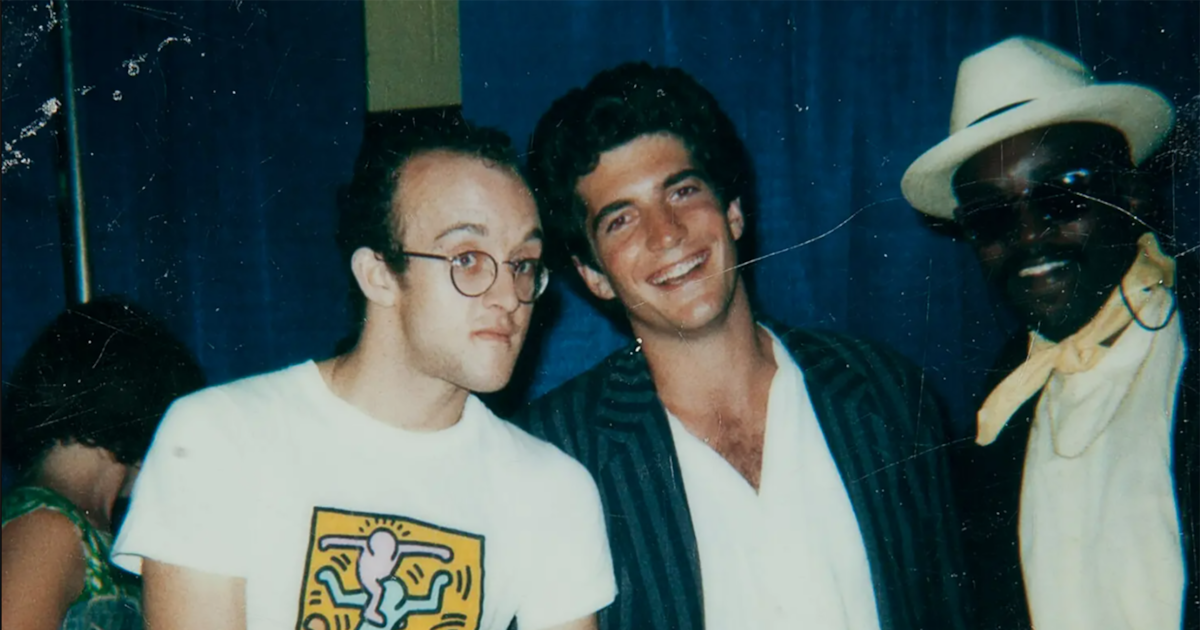
Habitual en galerías del East Village y figura periférica del círculo de Andy Warhol y la revista Interview, Fab se encontró con Keith Haring y Jean-Michel Basquiat, pintores que compartían sus ambiciones: “como generales trazando movimientos en un mapa de batalla, buscando conquistar nuevos territorios”. Escribe con cariño sobre Haring (estuvo presente cuando Haring presentó su icónica figura del “bebé radiante”), pero sentía una afinidad distinta con Basquiat, también oriundo de Brooklyn.
“Como yo, Jean pasó mucho tiempo en museos y conocía la historia del arte”, cuenta Fab. “Aquí había otro chico negro que venía de donde yo venía y sabía todo esto”.
Fab comenta que, aunque la escena artística del centro, mayoritariamente blanca, “podía ser ignorante o insensible a veces”, en general era “una pequeña burbuja agradable donde el color de la piel no importaba mucho”. Sin embargo, la presión y las expectativas sobre Basquiat se volvieron intensas, y él oscilaba entre estallar y retraerse. En un momento conmovedor, los dos artistas se reúnen y Basquiat saca una lata de caviar de su bolsillo, que untan sobre pan Wonder “como dos niños comiendo sándwiches de mantequilla de maní y mermelada”.
Con la explosión de popularidad del hip-hop, era inevitable que su embajador, inquebrantablemente cool y respetado universalmente, encontrara una plataforma mayor. Para Fab, esto llegó en 1988 cuando se convirtió en el presentador de “Yo! MTV Raps”, el primer programa del canal dedicado a la música urbana. Describe su personaje en pantalla como “seguía siendo yo, pero con un poco más de picardía, un poco más de impulso y un poco más… ¡Yo! ¡Yo! ¡Yo!”

El lenguaje de “Everybody’s Fly” (escrito junto al editor colaborador de Vanity Fair, Mark Rozzo) es directo y sencillo, transmitiendo la velocidad y energía de la época. La historia de Fab también recuerda que la transformación cultural no ocurre por sí sola: la energía, creatividad y perspectiva radicales del hip-hop también requirieron líderes con sueños y determinación para impulsarla, muchas veces enfrentando resistencia hacia un arte tan negro y tan poderoso.
“Constantemente me desafiaban los guardianes culturales autoproclamados”, escribe Fab 5 Freddy. “Encontrar la manera de esquivar su ignorancia era como jugar al ajedrez: siempre tenía que pensar tres jugadas por adelantado. ¡Jaque mate!”
Fuente: The New York Time
Fab 5 Freddy,arte,cultura urbana,artista,hip hop,retrato,sentado,icono,música,medios
INTERNACIONAL
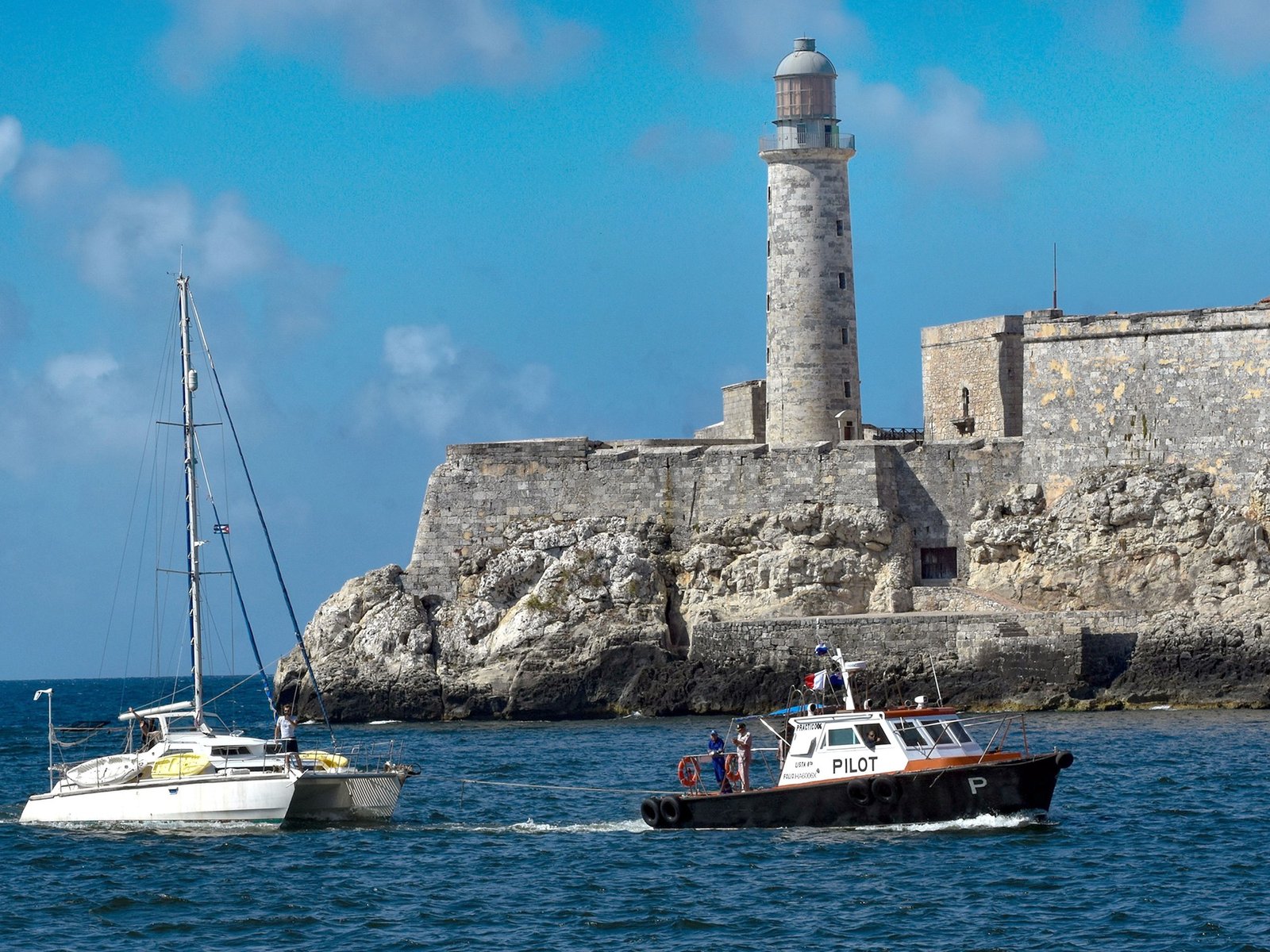
Un petrolero ruso sancionado por Estados Unidos llegará el martes a Cuba y el gobierno debe definir quién tiene prioridad para usar el crudo


INTERNACIONAL
Israel impidió que un cura pueda celebrar la misa del Domingo de Ramos en la iglesia de Jerusalén
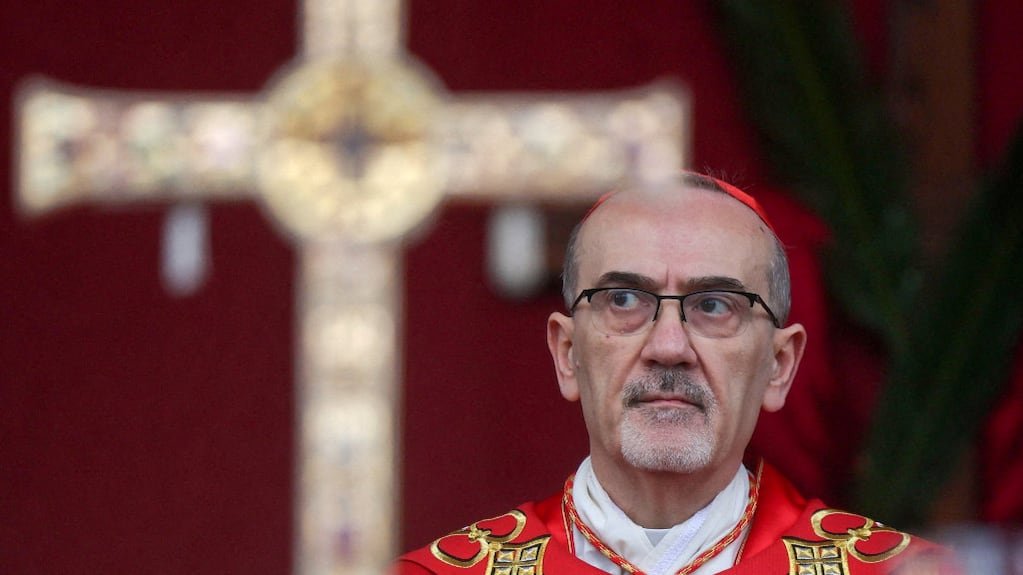
En el inicio de la Semana Santa, la policía israelí impidió este domingo al Patriarca Latino de Jerusalén, el cardenal Pierbattista Pizzaballa, entrar a la iglesia del Santo Sepulcro para celebrar la misa del Domingo de Ramos.
Según la oficina del primer ministro Benjamin Netanyahu, las autoridades estaban preocupadas “por su seguridad”.
El hecho fue condenado por Italia, Francia y España, cuyo presidente, Pedro Sánchez, calificó la medida como un ataque a “la libertad religiosa”.
El Domingo de Ramos, que abre la Semana Santa, conmemora la última entrada de Cristo en Jerusalén, donde fue recibido triunfalmente por una multitud jubilosa pocos días antes de su crucifixión y de su resurrección el Domingo de Pascua, según los Evangelios.
El Patriarcado Latino ya había anunciado que cancelaba la procesión tradicional del Domingo de Ramos, que normalmente parte del Monte de los Olivos hacia Jerusalén y atrae cada año a miles de fieles.
A última hora, Israel afirmó que el Patriarca Latino de Jerusalén tendrá acceso inmediato a la iglesia del Santo Sepulcro. “He dado instrucciones a las autoridades competentes para que concedan al cardenal Pierbattista Pizzaballa acceso total e inmediato a la basílica del Santo Sepulcro en Jerusalén”, escribió en X el primer ministro.
“Por primera vez en siglos”
El Patriarcado Latino, una diócesis católica con fieles en Israel, territorios palestinos, Jordania y Chipre, informó que la policía impidió a Pizzaballa y al custodio entrar a la iglesia del Santo Sepulcro cuando se dirigían a celebrar la misa.
“Como resultado, y por primera vez en siglos, se impidió a los dirigentes de la Iglesia celebrar la misa del Domingo de Ramos en la iglesia del Santo Sepulcro”, añadió el comunicado del Patriarcado Latino.
El cardenal Pierbattista Pizzaballa (Foto: REUTERS/Ammar Awad)
Según la diócesis, los sacerdotes se desplazaban solos y no en procesión cuando se les bloqueó el paso y tuvieron que dar media vuelta.
“Este incidente constituye un grave precedente y demuestra una falta de consideración hacia la sensibilidad de miles de millones de personas en todo el mundo que, durante esta semana, dirigen su mirada hacia Jerusalén”, destacó el Patriarcado Latino.
Desde que estalló la guerra en Oriente Medio el 28 de febrero, las autoridades israelíes prohibieron las grandes concentraciones, incluidas las que tienen lugar en sinagogas, iglesias y mezquitas. Los actos públicos se limitan a unas 50 personas.
Cruz en lugar de ramos
“La guerra no borrará la resurrección. El dolor no extinguirá la esperanza”, dijo Pizzaballa en la misa del Domingo de Ramos que celebró más tarde en la Iglesia de Todas las Naciones, también conocida como la basílica de Getsemaní, en el Monte de los Olivos.
“Hoy no llevamos palmas en procesión. En su lugar, llevamos la cruz: una cruz que no es una carga inútil, sino la fuente de la verdadera paz”, dijo ante un pequeño grupo de fieles.
Leé también: Más de 80 personas fueron detenidas en multitudinarias protestas contra Donald Trump en Estados Unidos
El Patriarcado ya había anunciado la cancelación de la tradicional procesión del Domingo de Ramos desde el Monte de los Olivos hasta Jerusalén, que normalmente atrae a miles de personas.
“Los jefes de las iglesias han actuado con plena responsabilidad y, desde el inicio de la guerra, han cumplido con todas las restricciones impuestas”, señaló el Patriarcado.
La policía israelí declaró que todos los lugares sagrados de Jerusalén están cerrados desde el inicio de la guerra con Irán.
“La petición del Patriarcado fue revisada ayer y se indicó que no podía ser aprobada” por las restricciones, señaló la policía en un comunicado.
Sin “mala intención”
El primer ministro israelí, Benjamin Netanyahu, declaró que no hubo “ninguna mala intención” en la actuación de la policía y que la única motivación fue “la preocupación por su seguridad y la de su comitiva”.
En su cuenta en X, Pedro Sánchez dijo que su Gobierno condena “este ataque injustificado a la libertad religiosa. Exigimos a Israel que respete la diversidad de credos y el derecho internacional. Porque sin tolerancia es imposible convivir”, indicó.
Leé también: Nicolás Maduro envío un mensaje desde la cárcel de Nueva York: “Estoy bien, firme y sereno”
La primera ministra de Italia, Giorgia Meloni, también denunció “una ofensa no solo para los creyentes, sino para cualquier comunidad que respete la libertad religiosa”. La cancillería italiana anunció que convocará al embajador de Israel.
Por su parte, el presidente francés, Emmanuel Macron, condenó la decisión y afirmó que se suma a una “preocupante multiplicación de violaciones del estatuto de los Lugares Santos de Jerusalén”.
(Con información de AFP)
Israel

¿Cuánta plata gano con un plazo fijo en banco BBVA con nueva tasa?

El horóscopo de hoy: lunes 30 de marzo

Murió María del Carmen Roqueta, la ex jueza que dio por probado el plan sistemático de robo de bebés en la dictadura

Amigo de Warhol, Basquiat y Blondie: el rapero que transformó la escena cultural de Nueva York

Chile quiere prohibir a los hinchas de Boca en la Copa

A último momento frenan la demolición de un tradicional petit hotel de la Avenida Alvear: la polémica detrás de la decisión

Máximo Kirchner salió al cruce de Milei y Macri tras el fallo por YPF a favor de la Argentina

Ian Lucas contó que Maxi López le advirtió sobre su romance con Evangelina Anderson: “No seas bol…”

La secretaria del piloto denunció que el amigo de Adorni la hostiga y la justicia dispuso medidas

¡DERIVA ECONÓMICA Y SOBERBIA POLÍTICA! El abismo entre el «relato oficial» y la realidad de una clase media que no aguanta más

 POLITICA1 día ago
Máximo Kirchner salió al cruce de Milei y Macri tras el fallo por YPF a favor de la Argentina
- POLITICA1 día ago
La secretaria del piloto denunció que el amigo de Adorni la hostiga y la justicia dispuso medidas
- POLITICA3 días ago
¡DERIVA ECONÓMICA Y SOBERBIA POLÍTICA! El abismo entre el «relato oficial» y la realidad de una clase media que no aguanta más