INTERNACIONAL
Here are the key 2026 House and Senate races to watch that could decide control of Congress


NEWYou can now listen to Fox News articles!
With margins tight in both chambers, control of Congress in 2026 is expected to hinge on a small group of competitive Senate contests and House districts sensitive to national trends. As America plunges into a new year, here are the races that are most likely to define the midterm races.
Senate majority-making or majority-breaking races to watch
Senate Republicans are looking to maintain their razor-thin majority after flipping the upper chamber in 2024. There are 33 seats in-cycle in the forthcoming midterms, which often act as a check on an incumbent president’s performance.
The GOP is hoping to replicate the Election Day successes that helped preserve its majority at the midpoint of President Donald Trump’s first term, entering 2026 with what many analysts consider a favorable map.
Senator Jon Ossoff, a Democrat from Georgia, listens during a news conference at the U.S. Capitol on Tuesday, Dec. 9, 2025. (Aaron Schwartz/Bloomberg/Getty Images)
Georgia
Why it matters: Georgia is the top prize of Senate Republicans and their campaign arm, the National Republican Senatorial Committee (NRSC). Incumbent Sen. Jon Ossoff, D-Ga., is vulnerable in his first attempt at re-election to the Senate and will be met with the full weight of the NRSC’s campaign war chest.
SENATE REPUBLICAN CAMPAIGN CHAIR REVEALS HOW MANY SEATS HE’S AIMING FOR IN 2026
What to watch: Before the general election, Republicans will first have to let the dust settle on a bloody, four-way primary fight among Reps. Buddy Carter, R-Ga., Mike Collins, R-Ga., former University of Tennessee head football coach Derek Dooley and horse trainer Reagan Box. Republicans’ prized candidate, Georgia Gov. Brian Kemp, opted not to enter the contest, leaving a wide open playing field for the GOP to fight over.
North Carolina

North Carolina Senate candidate Michael Whatley will compete for the seat being vacated by retiring Republican Sen. Thom Tillis. (Eva Marie Uzcategui/Getty Images)
Why it matters: In the heat of the Senate advancing Trump’s «big, beautiful bill,» Sen. Thom Tillis, R-N.C., announced his retirement. What would likely have been a gimme race for the GOP has now turned into a wide open contest for an open seat.
SOCIALIST WINS PILE UP AFTER GOP’S BRUTAL 2025 OFF-YEAR ELECTION LOSSES
What to watch: Democrats believe they can flip the seat for the first time since 2008 and hope that former North Carolina Gov. Roy Cooper will carry them to victory and provide a crucial win to tip the balance of power. Republicans scored their preferred candidate, too, in former Republican National Committee Chair Michael Whatley. He will have a primary challenge though from Michele Morrow.
Michigan

Democratic Sen. Gary Peters announced his retirement, opening up a U.S. Senate seat in Michigan. (REUTERS/Mike Segar)
Why it matters: Similar to North Carolina, Democrats lost their incumbent Sen. Gary Peters, D-Mich., to retirement. Both parties are now gunning for the open seat, but Democrats’ have a tangled primary to survive first before their true candidate emerges.
4 KEY SENATE SEATS REPUBLICANS AIM TO FLIP IN 2026 MIDTERMS TO EXPAND THEIR MAJORITY
What to watch: Rep. Haley Stevens, D-Mich., state Sen. Mallory McMorrow and physician Abdul El-Sayed, are all in on the Democratic side, while Trump and Republicans have coalesced behind former Rep. Mike Rogers, who narrowly lost to Sen. Elissa Slotkin last year.
Maine
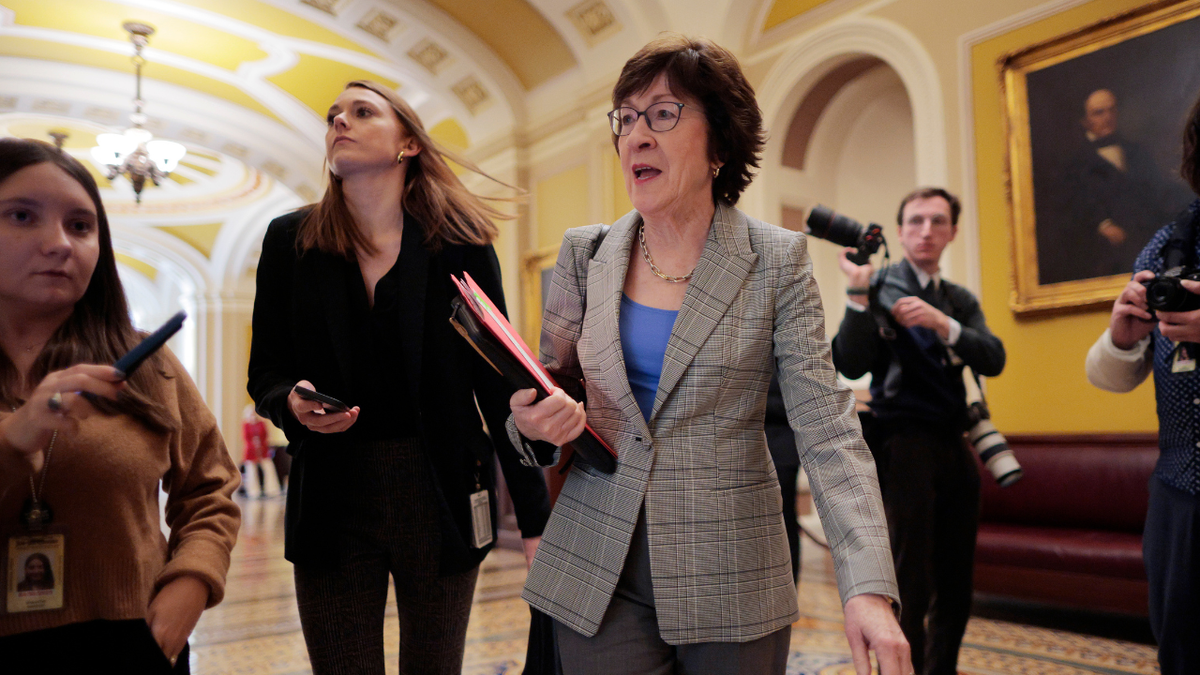
Republican Sen. Susan Collins of Maine is looking to secure a sixth term in the Senate. (Chip Somodevilla/Getty Images)
Why it matters: Incumbent Sen. Susan Collins, R-Maine, is Senate Democrats’ top target in the midterms. Collins, who is looking to score a sixth term in the Senate, could face a formidable opponent in the general election with the full backing of Senate Minority Leader Chuck Schumer, D-N.Y., or an upstart progressive candidate that’s looking to throw a wrench into Democrats’ plans.
THE GOP’S TAKE ON HIGH-PROFILE SENATE DEMOCRATIC PRIMARIES: ‘THEY’RE IN SHAMBLES’
What to watch: There are several local candidates that have jumped in on both sides of the race, but the main contenders are Collins, popular Democratic Gov. Janet Mills and oyster farmer Graham Platner, who has rubbed shoulders with progressive heavyweights Sen. Bernie Sanders, I-Vt., and Rep. Alexandria Ocasio-Cortez, D-N.Y.
Ohio
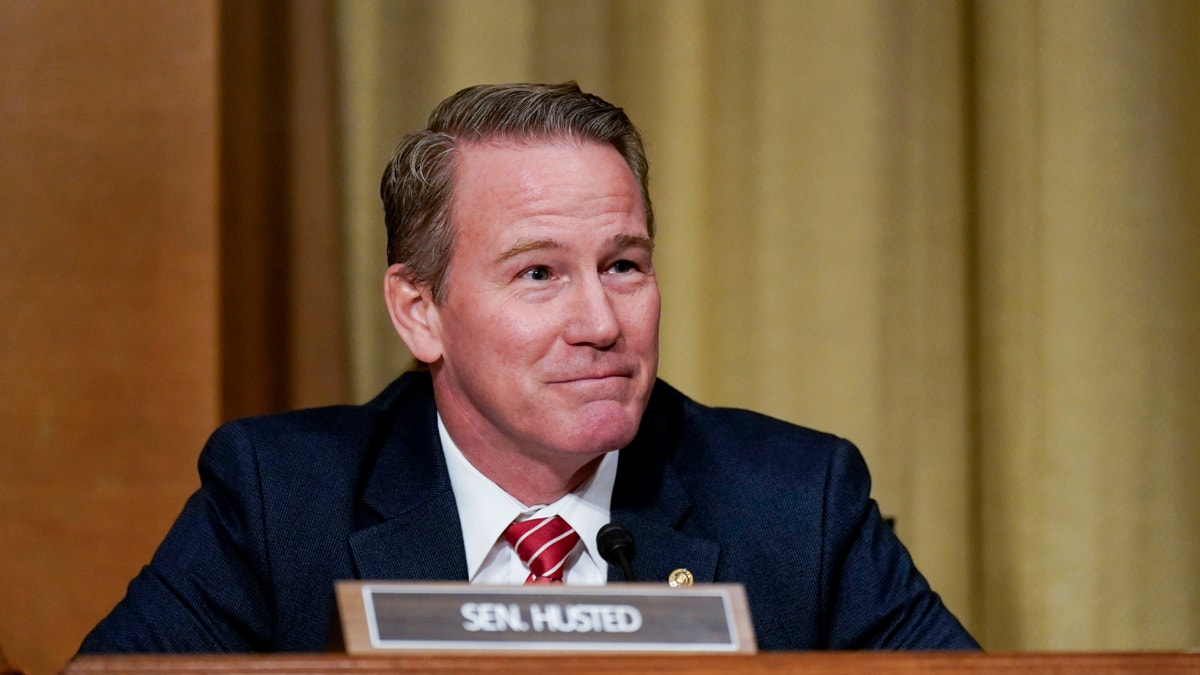
Sen. Jon Husted, a Republican from Ohio, will face Democrat challenger Sen. Sherrod Brown. (Getty Images)
Why it matters: Sen. Jon Husted, R-Ohio, who was appointed to replace Vice President JD Vance earlier this year, will look to finish out the remaining two years of his predecessor’s term. But he’ll face a tough opponent in former Sen. Sherrod Brown, D-Ohio, who narrowly lost last year.
TIM SCOTT TELLS MAGA VOTERS TRUMP ‘IS ON THE BALLOT’ AS GOP FIGHTS TO GROW SENATE MAJORITY IN 2026
What to watch: Schumer and Democrats scored their best chance at picking up a seat in Ohio, again trying to turn the state purple after Brown’s loss to Sen. Bernie Moreno, R-Ohio. And there will be eye-popping amounts of money thrown at this contest.
New Hampshire
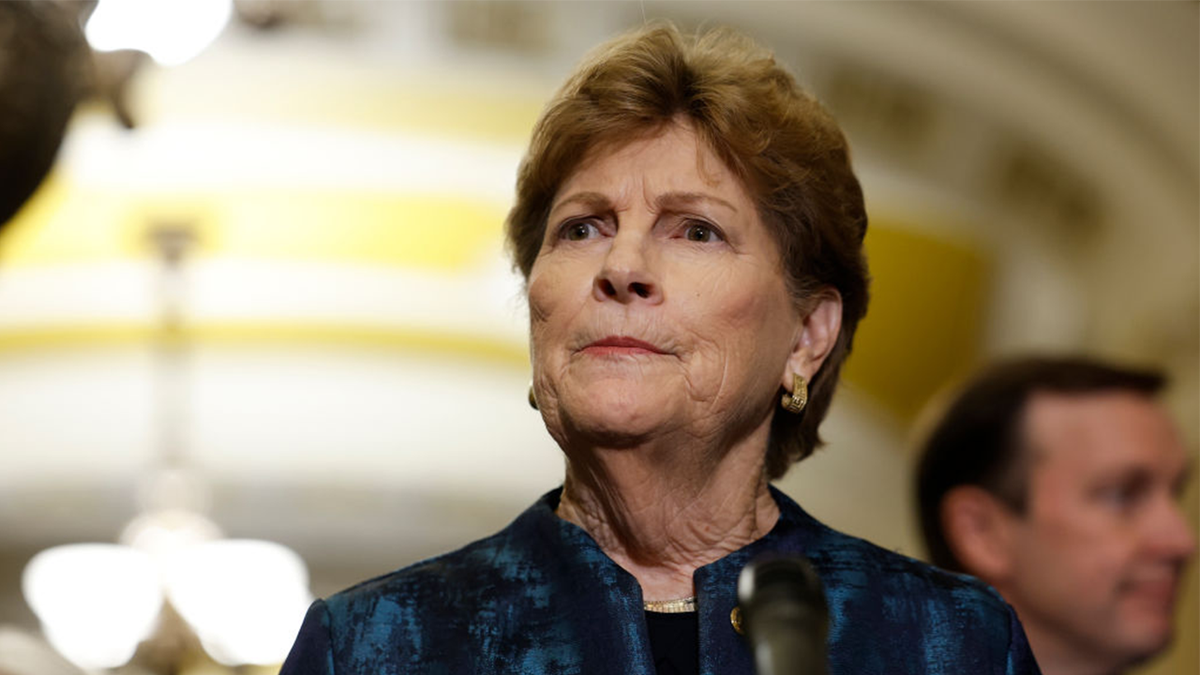
Sen. Jeanne Shaheen, D-N.H., said she will leave Congress at the end of her term. (Getty Images)
Why it matters: Democrats took yet another hit from the retirement train when Sen. Jeanne Shaheen, D-N.H., announced she’d leave Congress at the end of her term. That has opened up the field to several familiar Republican names jumping into the contest in the hopes of turning part of the Granite State red.
What to watch: Republicans have two prime candidates, former Sen. John Sununu, R-N.H., and former Rep. Scott Brown, R-Mass., who also served as an ambassador for Trump, to pick from. Meanwhile, Rep. Chris Pappas, D-N.H., is the likely heir apparent on the Democratic side.
House races that will decide the majority
Control of the House is likely to hinge on fewer than two dozen districts nationwide, as both parties focus their resources on a small set of competitive seats that could decide the chamber. The battlegrounds span suburbs, rural communities and diverse metro areas, underscoring how varied the path to a majority has become.
Colorado’s 8th District, Northern Denver suburbs and Greeley
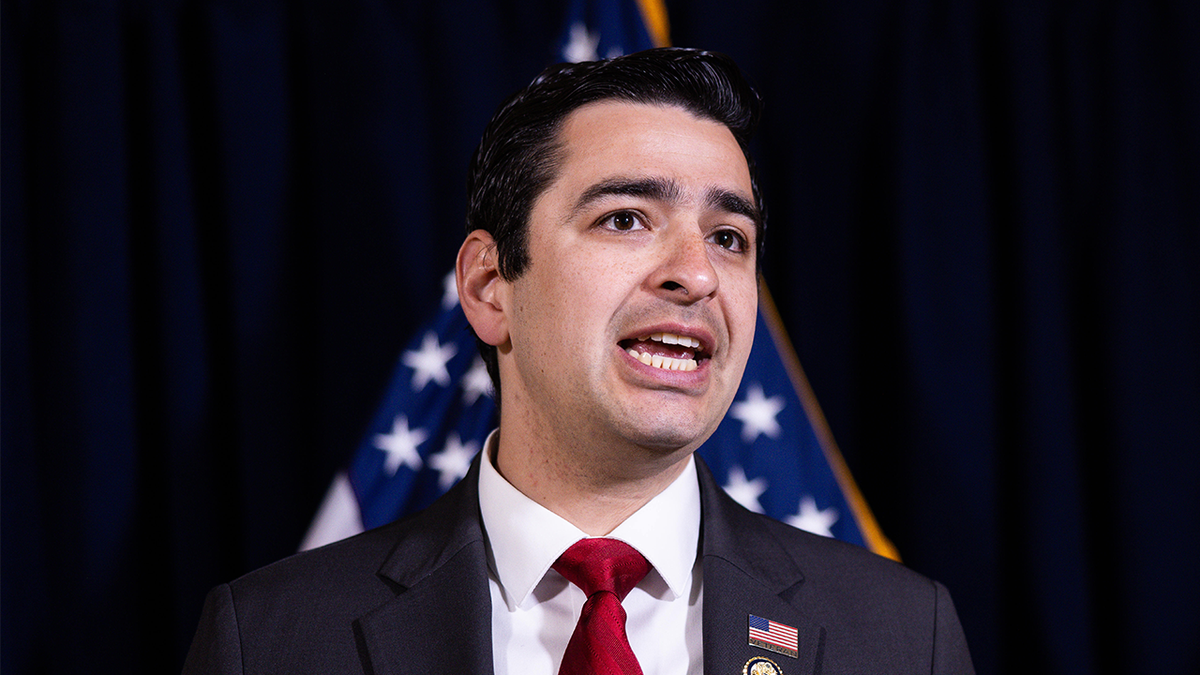
Rep. Gabe Evans, R-Colo., will look to defend his seat in an increasingly competitive district. (Tierney L. Cross/Getty Images)
Why it matters: With GOP Rep. Gabe Evans defending the seat, Colorado’s 8th District remains one of the most competitive House districts in the country. Drawn as a true swing seat after redistricting, it has flipped parties in back-to-back cycles and is often decided by slim margins.
CORNYN TORCHES DEMOCRATIC FIELD, SAYS PARTY NOW ‘RULED BY SOCIALISTS’
What to watch: Whether Latino and working-class voters break decisively toward one party and whether the race is decided by a narrow margin. A comfortable win here typically signals momentum heading into other battleground House races.
Iowa’s 1st District, Eastern Iowa
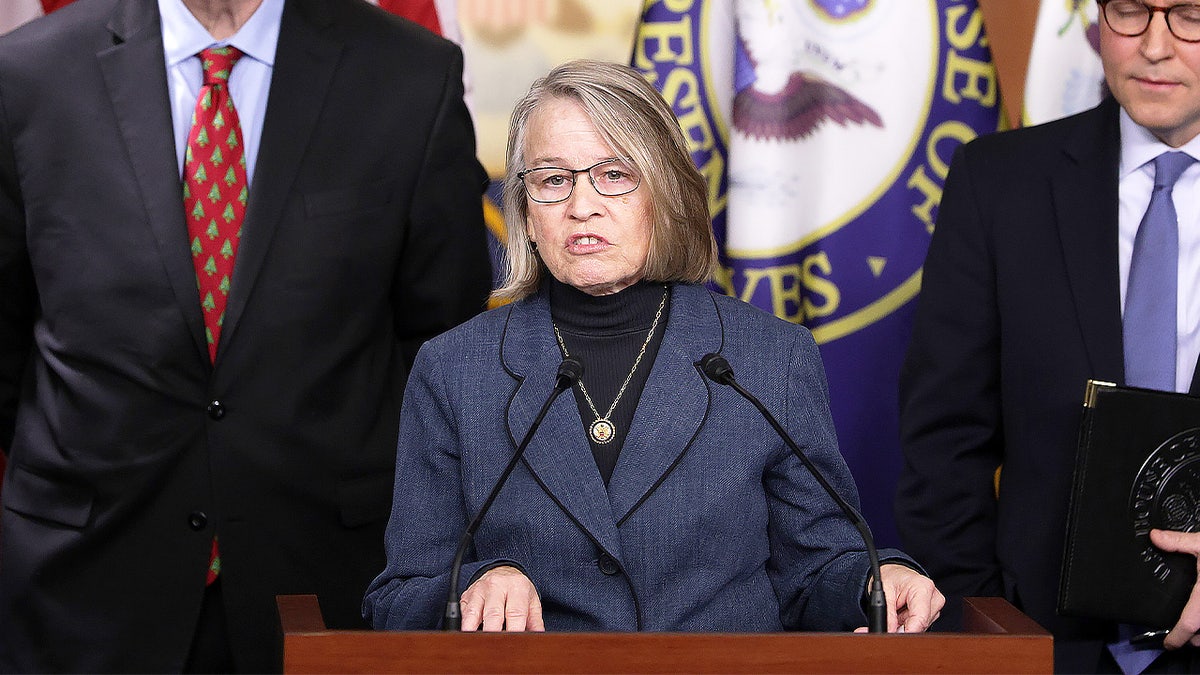
Republican Rep. Mariannette Miller-Meeks holds Iowa’s 1st District, which is again shaping up as a key battleground. (Alex Wong/Getty Images)
Why it matters: With a history of close results, Iowa’s 1st District is once again a top battleground as Republican Rep. Mariannette Miller-Meeks seeks re-election.
5 PIVOTAL 2026 SENATE RACES WILL DETERMINE WHETHER REPUBLICANS MAINTAIN GOVERNING TRIFECTA UNDER TRUMP
What to watch: The district spans college towns, rural counties and small manufacturing hubs, creating an electorate that frequently splits its ticket. Even as Iowa trends red at the presidential level, the seat continues to hover in toss-up territory and is often among the last House races decided on election night.
New Jersey’s 7th District, North Jersey suburbs
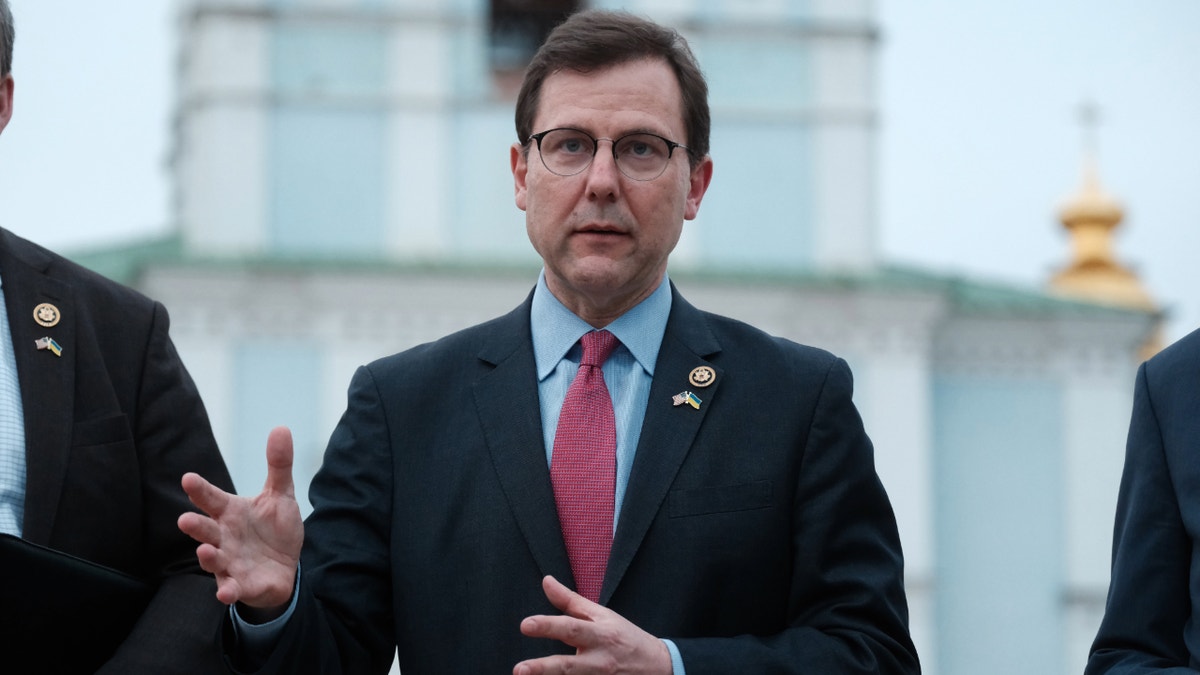
Republican Rep. Thomas Kean is seeking to defend his seat in what is shaping up to be a competitive race. (Getty)
Why it matters: Held by GOP Rep. Tom Kean Jr., New Jersey’s 7th is a high-income, college-educated suburban district that has repeatedly swung with the national political climate and historically punished incumbents during unfavorable cycles.
What to watch: Whether suburban voters continue drifting away from Republicans or stabilize in a midterm environment. A shift here would offer an early read on how educated suburbs are responding to the party in power.
New York’s 17th District, Hudson Valley and NYC’s northern suburbs

With national groups pouring in money and messaging, Rep. Mike Lawler, R-N.Y., is gearing up for a high-profile race. (Tom Williams/CQ-Roll Call, Inc via Getty Images)
Why it matters: New York’s 17th District, which previously backed former President Joe Biden, is represented by GOP Rep. Mike Lawler and is expected to play an outsized role in determining House control.
GOP SENATE CAMPAIGN CHIEF AIMS TO EXPAND 2026 MAP IN THIS BLUE-LEANING STATE
What to watch: Whether Democrats can effectively harness heavy national spending and messaging in a district expected to draw intense attention.
Pennsylvania’s 7th District, Lehigh Valley and Allentown
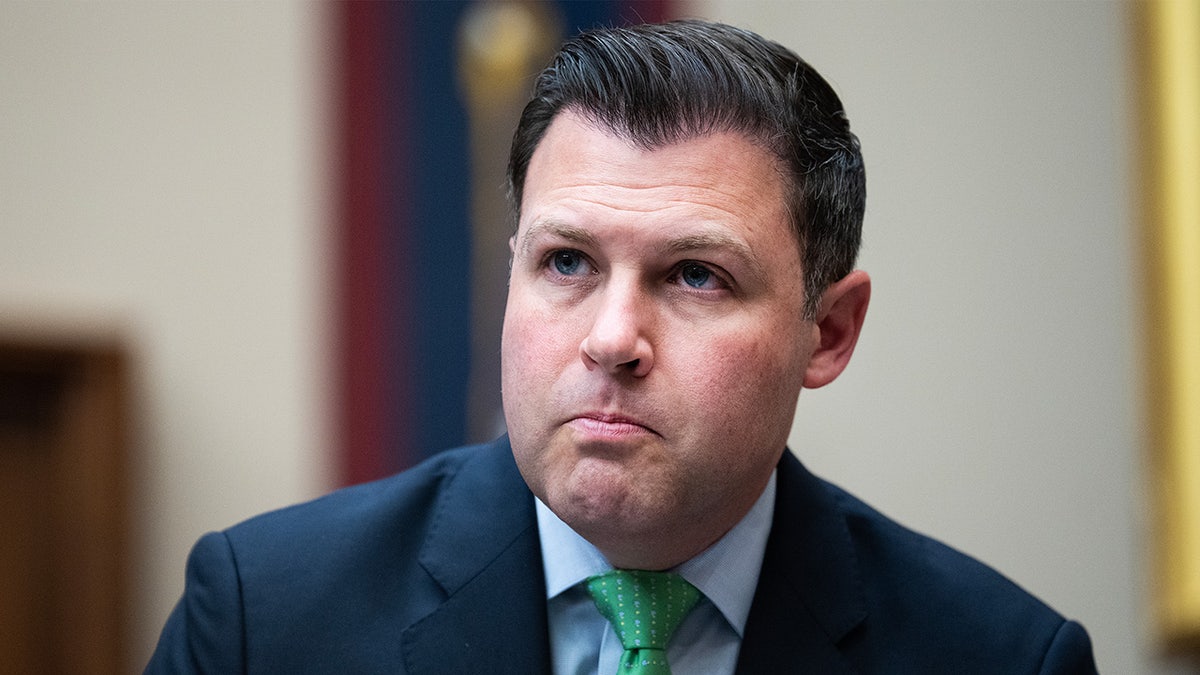
Rep. Ryan Mackenzie, R-Pa., will likely address immigration and economic pressures during his campaign. (Tom Williams/CQ-Roll Call, Inc via Getty Images)
Why it matters: Held by Republican Rep. Chris Mackenzie, Pennsylvania’s 7th is a true purple district in a must-win swing state. This area is made up of a politically diverse electorate that has previously mirrored statewide results.
CLICK HERE TO GET THE FOX NEWS APP
What to watch: Economic pressures and immigration debates are expected to shape how working-class and Latino voters approach the race.
California’s 22nd District, Central Valley

Rep. David Valadao, R-Calif., will need to win Latino votes in this upcoming race. (Juan Esparza Loera/The Fresno Bee/Tribune News Service via Getty Images)
Why it matters: California’s 22nd, represented by GOP Rep. David Valadao, has remained a perennial battleground for more than a decade, shaped by its agricultural economy and a large Latino electorate sensitive to turnout swings.
What to watch: Whether Democrats can boost turnout enough to flip the seat, and whether Central Valley races help offset Republican gains elsewhere in the country.
2025 2026 elections coverage,senate elections,house of representatives










INTERNACIONAL
Dem fundraising giant ActBlue rocked by allegations it misled Congress about foreign donations

NEWYou can now listen to Fox News articles!
ActBlue, a central piece of the Democratic Party’s fundraising infrastructure, potentially misled Congress when it said it was adequately vetting incoming donations, according to a new report released this week.
The head of ActBlue, a major nonprofit fundraising platform that helps steer donations to left-wing candidates and causes, wrote in 2023 to Congress — in response to concerns about the platform’s ability to vet foreign donors — that it was taking all the necessary steps to ensure it was following the rules to ensure money from foreign sources were not making it through, according to a Thursday report from The New York Times.
However, behind the scenes, ActBlue’s attorneys at Covington & Burling were expressing grave concerns that ActBlue CEO Regina Wallace-Jones’ claims in her letter to Congress were misleading and could open up the platform to significant legal risk, the report said.
ActBlue was already facing scrutiny from Trump, with him calling on the Justice Department last year to investigate the group over concerns the platform was allowing straw and foreign donations, which are barred by federal election laws. The fundraising platform has also been targeted by several congressional probes led by Republican House Committees.
SENATE HOPEFUL WITH DEEP DEM TIES SLAPPED WITH SCATHING COMPLAINT TARGETING ALLEGED FAMILY PAYOUT ‘SCHEME’
Employees work at ActBlue in Somerville, Mass. (Jessica Rinaldi/The Boston Globe via Getty Images)
The concern from ActBlue’s legal counsel was found by the Times after reviewing memos between ActBlue and its legal counsel, resignation letters, and other communications. The Times also held interviews with ActBlue employees on the basis of anonymity.
The memos reportedly communicated that claims to Congress by Wallace-Jones, indicating that ActBlue had a multi-layered vetting framework and processed contributions with foreign mailing addresses only if the donor supplied a U.S. passport number, were not fully accurate. Wallace-Jones also reportedly wrote in her letter that ActBlue’s framework would contact donors to request their U.S. passport information in order to process donations and would return any money when they could not reach the donor. However, this was also reportedly not happening on a consistent basis, according to The Times’ reporting.
«It can be alleged that ActBlue accepted and/or facilitated the acceptance of foreign-national contributions into American elections,» one memo reportedly stated. «In addition, because ActBlue’s staff was aware that its system was not as robust as necessary, it could be alleged that these violations were ‘knowing and willful,’ a standard that both increases the penalties the F.E.C. might seek and gives the Justice Department jurisdiction for a potential criminal investigation.»
FOREIGN BILLIONAIRES FUNNEL $2.6B TO US ADVOCACY GROUPS TO INFLUENCE POLICY, WATCHDOG REPORT CLAIMS
«An aggressive prosecutor may view the November 2023 letter not just as a false statement but as an effort to conceal the foreign contributions,» ActBlue’s legal counsel wrote, The Times reported.

Supporters hold up signs at a campaign rally for Sen. Bernie Sanders, I-Vt., in Madison, Wis., on July 1, 2015. (Christopher Dilts/Bloomberg via Getty Images)
The concerns about Wallace-Jones’ statements to Congress and what to do subsequently resulted in behind-the-scenes chaos at the political fundraising nonprofit, including a slew of departures at ActBlue that were reported publicly by The Times. Additionally, the relationship between ActBlue and its legal firm, Covington & Burling, which is known for representing some of the most high-profile political clients in the United States, was ultimately severed amid disagreements over whether Wallace-Jones’ claims in 2023 were the fault of the legal counsel,or ActBlue, according to the Times’ reporting on Thursday.
«We have complete confidence in the legal advice our lawyers provided to ActBlue,» a Covington spokesperson told Fox News Digital.
ActBlue did not respond to Fox News Digital’s request for comment in time for publication.
In May, ActBlue put out a press release informing people about «what’s really happening and what you need to know,» pertaining to the investigation into ActBlue’s vetting mechanisms. The press release called it a «myth» that the platform allows foreign nationals to illegally contribute donations.

An Election Countdown Calendar hangs at ActBlue in Somerville, Massachusetts. (Jessica Rinaldi/The Boston Globe via Getty Images)
CLICK HERE TO GET THE FOX NEWS APP
«While ActBlue has always had strong measures in place that have successfully prevented illegal foreign donations, beginning in 2025 we have gone even further,» the press release states. «We now require that Americans living abroad be physically present in the United States to make a contribution on our platform, despite campaign finance laws allowing citizens to contribute to campaigns while living abroad.»
Trump called on the DOJ early in his term to return a report within 180 days to him about the status of its findings into ActBlue. However, according to The Times, that report has never been made public. The outlet added that three investigations by GOP-led House committees remain ongoing.
fund raising, democratic party, banking finance, elections, democrats elections, politics
INTERNACIONAL
El régimen iraní aumentó sus ataques contra Israel y bombardeó zonas residenciales del centro del país

Una persona resultó herida en el centro de Israel tras el impacto de un misil balístico iraní equipado con munición de racimo, según informaron medios locales en la madrugada de este sábado.
El servicio de emergencia Magen David Adom (MDA) reportó que un hombre de 79 años sufrió heridas al ser alcanzado por fragmentos impulsados por la onda expansiva del misil en Kiryat Ata, cerca de Haifa.
Las Fuerzas de Defensa de Israel (IDF) identificaron el ataque y emitieron una alerta instando a la población a ingresar a espacios protegidos, mientras los sistemas de defensa trabajaban para interceptar la amenaza.
El Canal 12 de Israel informó que se recibieron llamadas de emergencia desde 17 puntos afectados por los impactos. Entre las ciudades con reportes de daños figuran Tel Aviv, Bnei Brak, Givatayim, Givat Shmuel, Petah Tikva y Rosh HaAyin.
Según el portal Ynet, el misil fragmentado impactó en seis ciudades diferentes y provocó un incendio en un edificio y un apagón en algunas zonas de la ciudad en Rosh HaAyin, daños en un edificio de Petah Tikva y destrozos en Tel Aviv.
Durante el viernes, las FDI llevaron a cabo más de 70 ataques en el oeste y centro de Irán contra emplazamientos de lanzamiento de misiles balísticos y vehículos aéreos no tripulados.
El Ejército israelí lanzó este sábado una serie de bombardeos contra posiciones de Hezbollah en Beirut, la capital de Líbano, en respuesta al lanzamiento de cohetes contra el norte de Israel desde territorio libanés.
“Las Fuerzas Armadas comenzaron a atacar infraestructura de Hezbollah en Beirut”, informó el Ejército israelí en redes sociales durante la madrugada, después de registrar varios ataques en el norte de Israel atribuidos al grupo terrorista.

Este último ataque del régimen iraní se desarrolla en medio de la búsqueda de un soldado estadounidense tras recientes intercepciones de Irán a dos aeronaves militares norteamericanas. Dos aeronaves militares de Estados Unidos fueron derribadas en incidentes separados el viernes durante operaciones de combate contra el régimen iraní, lo que desencadenó una operación de búsqueda y rescate que continúa para localizar a un miembro de la tripulación desaparecido.
Un caza F-15E fue alcanzado por fuego enemigo y se estrelló en territorio iraní; uno de sus dos tripulantes fue rescatado, aunque su estado de salud no detalló. El A-10, también impactado, logró llegar hasta el espacio aéreo de Kuwait antes de que el piloto se eyectara; posteriormente fue rescatado.
Durante la operación de búsqueda y rescate, dos helicópteros estadounidenses también fueron alcanzados por fuego iraní, resultando heridos algunos tripulantes, aunque ambas aeronaves lograron regresar a su base.

Por su parte, el primer ministro israelí, Benjamín Netanyahu, afirmó que la Fuerza Aérea de Israel destruyó el 70% de la capacidad de producción de acero de Irán. En un mensaje, Netanyahu explicó que esta ofensiva priva a la Guardia Revolucionaria iraní de recursos financieros y limita su capacidad para fabricar armamento, en el marco de una operación conjunta con Estados Unidos.
El mandatario indicó que las acciones recientes incluyeron bombardeos contra puentes y otras infraestructuras estratégicas en Irán, y subrayó que todas las operaciones se realizaron “en plena coordinación” con el presidente estadounidense Donald Trump. Netanyahu aseguró que las ofensivas continuarán hasta debilitar aún más al régimen iraní.
“Este régimen está más débil que nunca; Israel está más fuerte que nunca”, declaró tras una reunión de evaluación militar en la base principal de la unidad de Inteligencia del Ejército en Tel Aviv.
El acero es considerado un material estratégico para la industria y el sector militar, esencial en la producción de misiles, drones y embarcaciones. Tras los ataques, las dos mayores plantas siderúrgicas iraníes —Khuzestán y Mobarakeh— quedaron fuera de servicio. Las empresas advirtieron que su reconstrucción podría requerir meses.
La destrucción del 70% de la capacidad siderúrgica iraní representa un golpe relevante para la industria militar y la economía del país. El Gobierno israelí sostiene que la campaña conjunta busca frenar el flujo de recursos hacia la producción de armas por parte de la Guardia Revolucionaria. En respuesta, la Guardia Revolucionaria lanzó misiles y drones contra zonas industriales de la región e Israel, y adviritó sobre nuevas represalias si continúan los ataques.
(Con información de EFE)
War,Middle East,Military Conflicts

NEWYou can now listen to Fox News articles!
FIRST ON FOX: A bipartisan pair of top-ranking senators want to know why sanctioned Russian officials were in Washington, D.C., and given access to the Capitol and meetings with administration officials as wars in Iran and Ukraine rage on.
Senate Armed Services Committee Chair Roger Wicker, R-Miss., and Sen. Jeanne Shaheen, D-N.H., the top-ranking Democrat on the Senate Foreign Relations Committee, raised counterintelligence concerns over the recent visit of a delegation of Russian Duma members, all of whom are sanctioned for «conduct deemed to be harmful to U.S. national security.»
«The delegation came onto U.S. soil for one purpose: to advance the Kremlin’s strategic aims — including gathering additional useful intelligence,» the lawmakers wrote in a letter to Secretary of State Marco Rubio and Treasury Secretary Scott Bessent.
TRUMP EYES NEXT ATTORNEY GENERAL AS KEY GOP SENATOR SIGNALS POTENTIAL ROADBLOCK
Sens. Roger Wicker, R-Miss., and Jeanne Shahenn, D-N.H., raised counterintelligence concerns with the recent visit of a delegation of Russian officials to Washington, D.C. (Alex Wong/Getty Images; Anna Rose Layden/Getty Images)
«They did not come to engage in dialogue or pursue democratic aims,» they continued.
The lawmakers argued that Duma members «include Kremlin subordinates who have committed numerous cyber and ransomware attacks on Americans and have facilitated war crimes against Ukrainian civilians.»
«Remarkably, they are now helping Iran target U.S. military and diplomatic personnel across the Middle East,» Wicker and Shaheen wrote.
SENATE TO QUESTION TRUMP INTEL LEADERS ON IRAN WAR AFTER TOP OFFICIAL QUITS IN PROTEST

Russian President Vladimir Putin listens to Moscow-appointed head of Russian-controlled Zaporizhzhia region of Ukraine, Yevgeny Balitsky, during their meeting at the Kremlin in Moscow, Nov. 18, 2024. (Vyacheslav Prokofyev, Sputnik, Kremlin via AP)
Several members of the Russian Duma visited Washington, D.C., late last month on a trip organized by Rep. Anna Paulina Luna, R-Fla. She was joined by Reps. Eli Crane, R-Ariz., Derrick Van Orden, R-Wis., Andy Ogles, R-Tenn., and Vicente Gonzalez, D-Texas, for a meeting with the delegation.
Luna later gave them a tour of the Capitol after posing for photos outside the United States Institute of Peace.
«As representatives of the world’s two greatest nuclear superpowers, we owe our citizens open dialogue, the exchange of ideas, and open lines of communication,» Luna said on X following the meeting. «We will continue to foster this dialogue and push for peace in support of this [administration’s] efforts, as well as economic opportunity.»
GRAHAM SAYS RUSSIA SANCTIONS BILL ‘NEVER GOING BACK ON THE SHELF’ AFTER TRUMP BACKS PUSH
Wicker and Shaheen noted that the Duma members were «far from innocent participants in a cultural exchange.»
«It included Vyacheslav Nikonov, who in 2023 referred to the United States and the North Atlantic Treaty Organization as the ‘Fourth Reich’ on Russian television. Mikhail Delyagin has advocated for destroying Ukraine’s energy sector. Boris Chernyshov once claimed that Russian retaliatory strikes were ‘an expression of our hatred [of Ukraine],’» they wrote.
CLICK HERE TO DOWNLOAD THE FOX NEWS APP
Wicker and Shaheen demanded that Rubio and Bessent explain why sanctions were waived for the Russian officials’ visit, what meetings the delegation had with Trump administration officials, what counterintelligence assessments were conducted on the visiting Russians, and provide a complete manifest of who traveled from the Russian Federation.
The lawmakers wrote that the delegation’s visit came «at a time when Russia’s intentions are unambiguously clear.»
«Numerous public reports have cited Russian support for Iran’s military targeting of American service members in the Middle East,» they wrote. «European intelligence agencies have reported that Russia intends to attack NATO member states in the coming years. And [Russian President Vladimir] Putin has made it clear that peace in Ukraine is a mirage. His singular ambition for Ukraine is to erase its existence.»
politics, senate, russia, war with iran

Jazmín Ortenzi avanzó a las semifinales del WTA 250 de Bogotá

Dem fundraising giant ActBlue rocked by allegations it misled Congress about foreign donations

Milei endureció su postura contra Irán y prepara el traslado de la embajada en Israel para reafirmar el alineamiento

Se consolida una economía “a dos velocidades”: qué sectores traccionan, cuáles pierden y qué anticipan los analistas

Las encuestas que preocupan a Milei por el caso Adorni y el plan para relanzar la gestión

Unión vs. Deportivo Riestra: formaciones, hora y dónde ver por tv

El Gobierno reevalúa la estrategia de comunicación por el caso Adorni y mide el impacto en la imagen de Milei

Milei se pone al frente de la defensa de Adorni y lo suma a un acto por Malvinas en una nueva muestra de respaldo

Oriana Sabatini sorprendió al elegir a una famosa como madrina de Gia, su hija con Paulo Dybala

La Armada sorteará 30 lugares en el buque que escoltará la salida de la Fragata Libertad: cómo anotarse

 POLITICA2 días ago
Milei se pone al frente de la defensa de Adorni y lo suma a un acto por Malvinas en una nueva muestra de respaldo
- CHIMENTOS2 días ago
Oriana Sabatini sorprendió al elegir a una famosa como madrina de Gia, su hija con Paulo Dybala
- POLITICA1 día ago
La Armada sorteará 30 lugares en el buque que escoltará la salida de la Fragata Libertad: cómo anotarse