INTERNACIONAL
Home for the holidays on the Hill: ‘Fighting’ in the House Republican ‘family’


NEWYou can now listen to Fox News articles!
Many families fight around Christmastime.
House Republicans are no exception.
You’ve been at the dinner table about to enjoy a slab of pumpkin pie when Uncle Somebody or Cousin Someone enters the dining room on a bender, thanks to Santa dropping a little too much bourbon in their Christmas stockings.
You know what happens next.
THE HITCHHIKER’S GUIDE TO WHERE WE STAND WITH A HEALTHCARE PACKAGE: CHRISTMAS OR GROUNDHOG DAY?
«Fighting» inside the House Republican «family» didn’t go like that this year. But some Republicans are frustrated with how things have gone lately. There is particular frustration with the party’s efforts to address healthcare but also about whether House Republicans «wasted» their majority when House Speaker Mike Johnson, R-La., recessed the body for nearly two months during the government shutdown.
Here’s the latest intrafamily fight: The decision by four House Republicans to bolt from their party and align with Democrats in their effort to renew expiring Obamacare subsidies for three years.
Reps. Brian Fitzpatrick, R-Pa.; Rob Bresnahan, R-Pa.; Ryan Mackenzie, R-Pa.; and Mike Lawler, R-N.Y., are all centrist GOPers representing battleground districts. The quartet hoped the House Rules Committee would make in order one of four plans they supported to temporarily renew expiring Obamacare credits. But the panel blocked them from offering their legislation on the House floor.
«I tried very hard over the last several weeks and even through the weekend and as late as yesterday trying to engineer a way for them to have a vote on the floor so they could show that priority,» said Johnson. «But it was not to be.»
The term you’ll hear a lot over the coming weeks is «discharge petition.» Discharge petitions are a parliamentary artifice for lawmakers to go around the speaker and deposit their bill on the floor — if the leadership won’t do it for them. The gambit was rarely successful for two decades. But there have been multiple successful discharge petitions since Johnson became speaker in the fall of 2023.
House Speaker Mike Johnson, R-La., «tried very hard» to engineer a means for a floor vote but ultimately said «it was not to be.» (Yuri Gripas/CNP/Bloomberg via Getty Images)
A discharge petition requires 218 signatures before it forces House action. It’s about the math — 218 is the majority of all 435 House members. And 218 is the magic number, regardless of the current House membership. For instance, the House is presently at 434 members with one vacancy — 218 is still the number. Once it has the signatures, the discharge petition only ripens after seven legislative days.
Moderate Republicans defected from their party on Wednesday.
«We were really left with no choice,» Lawler said after signing on to the Democrats’ discharge petition to greenlight the subsidies for three years.
The GOP brass rationalized.
«I have not lost control of the House,» said Johnson. «These are not normal times.»
THE SPEAKER’S LOBBY: WHAT CONGRESS’ DECEMBER SCRIPT MEANS FOR HEALTHCARE NEXT YEAR
Democrats seized on the Republican infighting.
«It shows that the demand by the American people for Congress, the House and the Senate to extend the ACA and premium tax credits is undeniable,» said Senate Minority Leader Chuck Schumer, D-N.Y.
The «Fed-up Foursome» believed they had no alternative. Even if that meant signing the Democratic discharge petition.
«We exhausted every effort to find an agreement within our conference,» said Lawler. «If they don’t want that to pass, then they should be working to find an alternative vehicle now.»
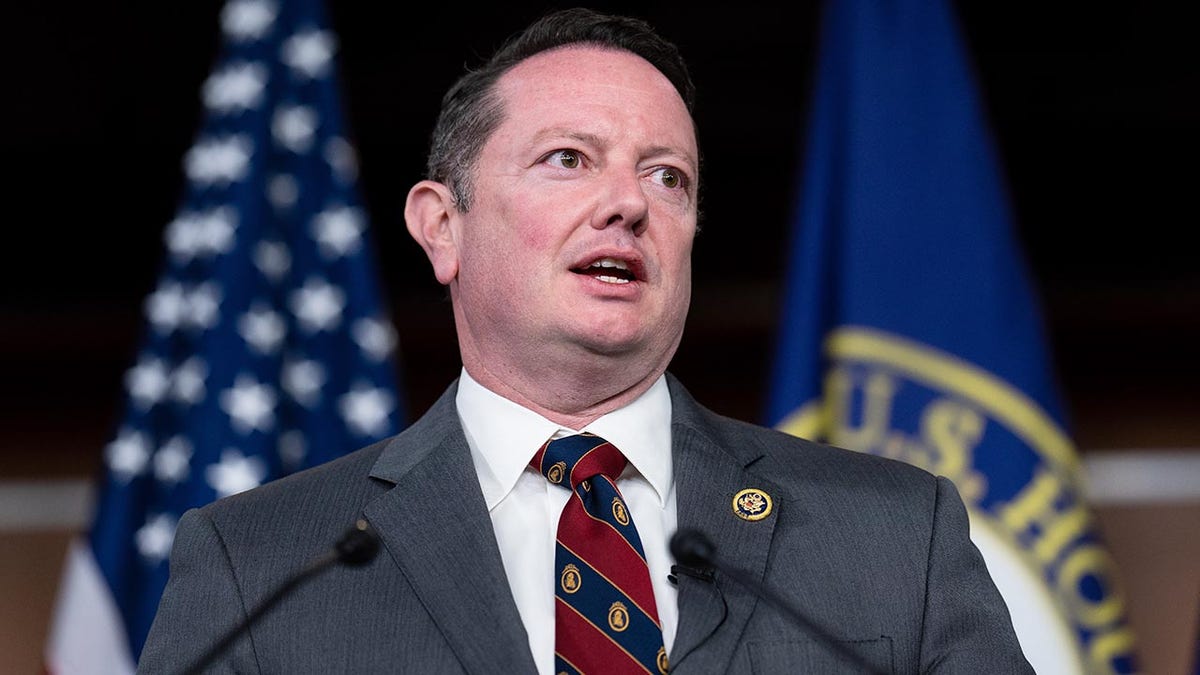
Rep. Eric Burlison, R-Mo., said the four were «betraying the party.» (Bill Clark/CQ-Roll Call, Inc via Getty Images)
And that’s where the family feuding began.
Rep. Eric Burlison, R-Mo., accused the four of «betraying the party» by sidling up to the Democrats’ plan and bypassing Johnson. Burlison questioned why moderate Republicans got to «drive the agenda.» He added that those centrist policies don’t resonate in his conservative Missouri district. However, Republicans wouldn’t wield the House majority at all were it not for moderate GOPers holding swing districts. In particular, districts in New York and Pennsylvania.
Rep. Nick LaLota, R-N.Y., crafted a plan to block the premium hikes. Rather than a subsidy, people would receive a tax deduction. The Rules Committee blocked LaLota’s effort. He didn’t sign onto the Democrats’ discharge petition. But the New York Republican appreciated the effort of his four GOP colleagues.
«Three years is probably better than nothing. But, again, it always solves the short-term issue of short-term affordability,» said LaLota.
FOUR REPUBLICANS BUCK MIKE JOHNSON TO JOIN HAKEEM JEFFRIES’ OBAMACARE PUSH
But many conservatives balk at any extension.
«We’re not interested in perpetuating a failed Obamacare that’s just made costs skyrocket,» said House Budget Committee Chairman Jodey Arrington, R-Texas.
However, what most House Republicans were interested in was passing a bill allowing groups of people to pool resources and purchase health insurance as a group. Republicans argued that so-called «association» plans could defray premium costs. The Congressional Budget Office declared that the bill saved $36 billion but noted that 100,000 people would lose insurance via this method over the next decade.
The bill didn’t address premium spikes. So, Democrats skewered the Republican bill as a fig leaf before it passed on Wednesday.
«Instead of a fix, we get a stupid, pathetic, last-minute bill designed to let Republicans cover their ass before they flee town for the holidays,» said Rep. Jim McGovern, D-Mass., the top Democrat on the Rules Committee.
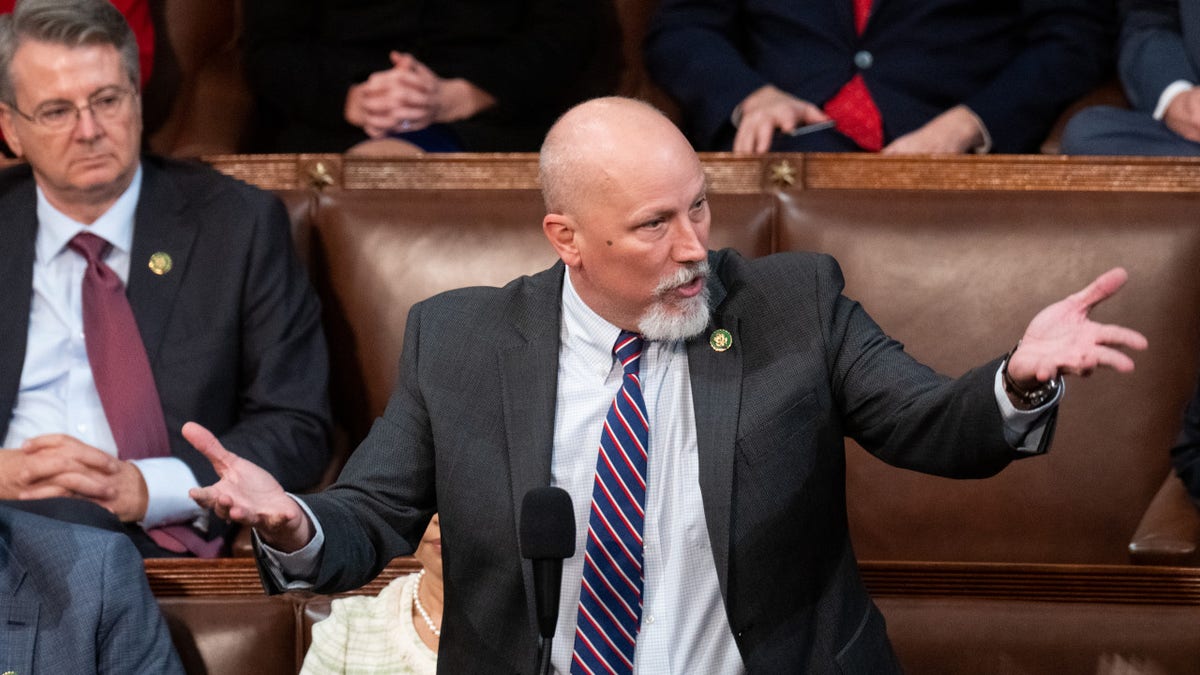
Rep. Chip Roy, R-Texas, believed the association bill was weak and passed only to stave off pre-midterm attacks. (Bill Clark/CQ-Roll Call, Inc via Getty Images)
Rep. Chip Roy, R-Texas, voted for the Republican association healthcare bill. But Roy believed it was weak tea from a party that promised big things. Roy suggested Republicans only passed the bill to stave off political attacks ahead of the midterms that they weren’t addressing healthcare costs.
«Republicans will complain about it, and then they’ll offer milquetoast garbage like we’re offering this week and then go home at Christmas and say, ‘Look at what we’re doing! We’re campaigning on reducing healthcare!’ Well, congratulatufrigginlations,» Roy fumed.
Rep. Kevin Kiley, R-Calif., has expressed displeasure with how Republican leaders handled the government shutdown. Like Roy, Kiley voted for the GOP healthcare legislation Wednesday night. But Kiley has reservations.
«The bill does not address the immediate urgent problem in front of us, which is that 22 million people are about to pay a lot more for health insurance,» said Kiley. «What are we supposed to tell these folks? ‘Oh, don’t worry. It’s Obama’s fault?’»
HOUSE GOP TENSIONS ERUPT AS REPUBLICANS TURN ON EACH OTHER HEADING INTO YEAR’S END
Kiley added that the healthcare debate «encapsulates what is wrong with this institution.» The California Republican argued that «party leaders focus most of their time and energy on trying to blame problems on the other side rather than trying to solve those problems.»
Here’s the reality about the bill the House did pass:
House Republicans felt that they had to approve SOMETHING. Otherwise, Democrats and the public might hammer them. So, something was better than nothing. Thus, Republicans settled on the association healthcare bill. However, adding a provision to the bill on Obamacare subsidies — in any form — may have tanked the legislation. So, Republicans kept the package as clean. The bill passed — semi-inoculating Republicans from political criticism.
For now.
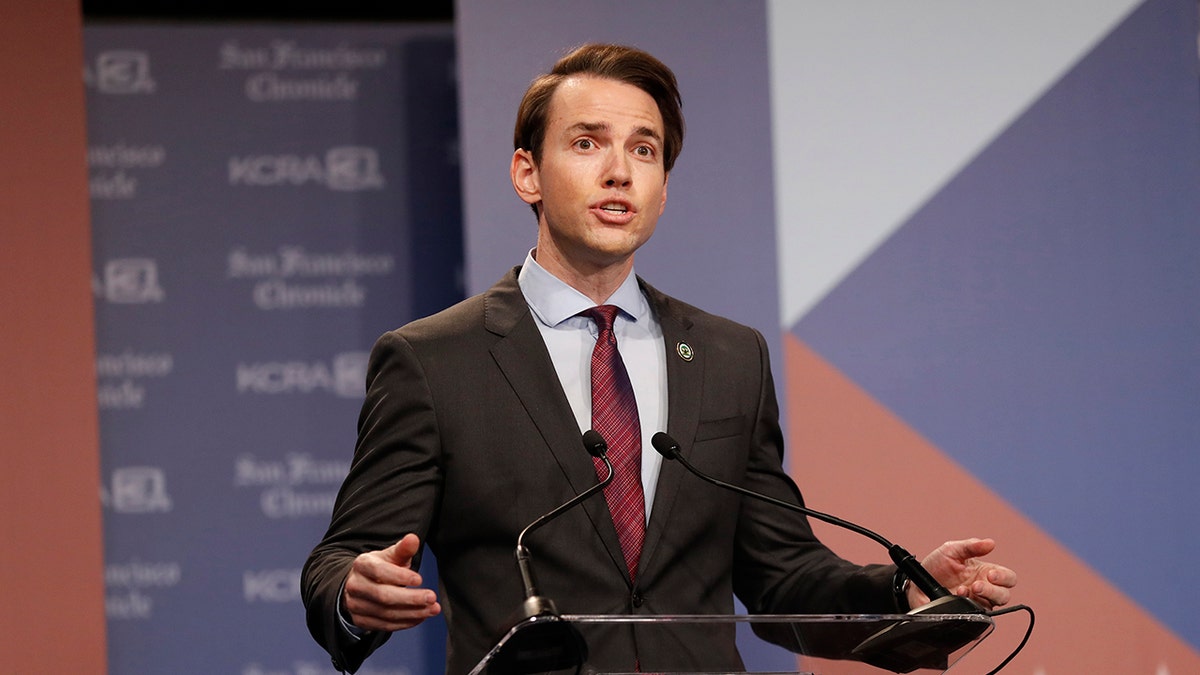
Rep. Kevin Kiley, R-Calif., castigated leadership for failure to solve problems. (Scott Strazzante-Pool/Getty Images)
But expect a vote tied to healthcare in January, thanks to the discharge petition.
The House is now gone for the year. Everyone is home for the holidays. The House GOP family won’t have to deal with one another face to face for 18 days.
That’s probably a good thing.
CLICK HERE TO DOWNLOAD THE FOX NEWS APP
Imagine if lawmakers were in session during Festivus, the airing of the grievances.
That may come soon enough when Congress reconvenes in January.
congress,house of representatives politics,health care healthy living,republicans,politics











INTERNACIONAL
Watchdog targets taxpayer-funded National Academies over DEI, climate and transgender spending

NEWYou can now listen to Fox News articles!
FIRST ON FOX: A consumer watchdog group is accusing the federally funded National Academies of Sciences, Engineering, and Medicine of using taxpayer dollars to support DEI, transgender-related and other left-leaning initiatives, according to a new report.
Consumers’ Research compiled the «Woke Alert» report outlining what it describes as left-leaning research, workshops and grants from the congressionally chartered institution, including projects related to transgender youth, diversity and inclusion initiatives, policing and climate advocacy.
Will Hild, executive director of Consumers’ Research, accused the organization, which receives 70% of its budget from federal funds, of being «a radical woke organization masquerading as a nonpartisan educational institution.»
«From pushing transgender ideology onto kids to spreading ‘defund the police’ insanity, this taxpayer-supported organization regularly abuses its status and reputation to fund the left’s favorite causes,» Hild said in a statement to Fox News Digital. «It has shamefully used hundreds of millions in taxpayer dollars to push a highly polarized woke agenda behind lofty BS rhetoric about independence and objectivity.»
TRUMP-SIGNED SHUTDOWN BILL SENDS $4M TO CHILDREN’S HOSPITALS UNDER FEDERAL PROBE FOR TRANSGENDER CARE
A close-up view of the National Academy of Sciences sign at the organization’s headquarters in Washington, D.C. (Caspar Benson / Getty Images)
Consumers’ Research argued that NASEM has established its allegiance with left-leaning transgender ideology through its various publications, such as a workshop titled «Supporting the Health and Well-Being of Transgender and Gender Diverse Youth,» and a book titled «Reducing Inequalities Between Lesbian, Gay, Bisexual, Transgender, and Queer Adolescents and Cisgender, Heterosexual Adolescents: Proceedings of a Workshop 2022.»
The report highlighted that for years, NASEM has run a variety of DEI workshops with titles including «Advancing Antiracism, Diversity, Equity, and Inclusion in STEMM Organizations: Current Context and Challenges;» and another titled «Protecting Diversity, Equity, and Inclusion in Higher Education and the Workforce,» which was focused on putting affirmative action in place without race-based criteria.
HHS GOLD STANDARD STUDY FLIPS ‘GENDER AFFIRMING CARE’ ON ITS HEAD AS DEMS KEEP PUSHING TRANS ISSUES AT SCOTUS

Members of Rainbow Families march from Bay Street in Sydney, Australia, as part of an action for LGBTQIA+ visibility and family rights, Feb. 22, 2025. (Steven Siewert / Getty Images)
In 2022, the National Academies partnered with the Chan Zuckerberg Initiative to hand out grants worth $1.15 million per recipient in an effort to promote DEI among biomedical researchers.
In response to the 2020 Black Lives Matter protests, NASEM established its Committee on Reducing Racial Inequalities in the Criminal Justice System. The committee evaluated a proposal to cut $50 million from Austin, Texas’s police budget.
WATCHDOG FINDS DEI, CRT BAKED INTO ACCREDITATION RULES FOR HUNDREDS OF UNIVERSITY SOCIAL-WORK PROGRAMS
The report noted that committee co-chair Bruce Western accused police officers of having «caused a great deal of harm in low-income communities and communities of color.»
In one of NASEM’s studies, researchers accused police officers of being a «leading cause of death for young men in the United States.»
The National Academies have also published multiple studies raising concerns over climate change. In one of the studies, the Academies focused on elevating techniques that would make Americans more likely to participate in climate activism.

Republicans are ramping up their election messaging on crime and law enforcement support (Getty Images)
NASEM previously came under fire in August 2025 for publishing a climate review seeking to influence the Environmental Protection Agency’s decision on whether to rescind an Obama-era greenhouse gas finding. Critics suggested that NASEM was seeking to undermine the authority of the Trump administration.
Roger Pielke Jr., a senior fellow at the American Enterprise Institute specializing in science and technology policy, told Fox News Digital that in recent years, the National Academies has gone from acting under the direction of Congress to acting as an «independent actor» for the interests of billionaires and foundations.
Pielke said the National Academies received funding from the Bezos Earth Fund, a Jeff Bezos project created to address climate change. Through that support, the National Academies published a manual titled «Constructing Valid Geospatial Tools for Environmental Justice.» Pielke noted that the Bezos Earth Fund funds litigation centered on climate change and argued that «there is pretty strong evidence of a bias» in the Bezos Earth Fund.
«So I think issues about conflicts of interest and bias go well beyond just funding sources,» Pielke said. «They also extend to the groups researchers choose to partner with when conducting work that is supposed to be neutral and scientific.»
Fox News Digital reached out to NASEM for comment.
dei, environment, health, police and law enforcement

INTERNACIONAL
El Gobierno de Bolivia reemplazó al presidente de YPFB y anunció medidas ante la crisis por combustible de baja calidad
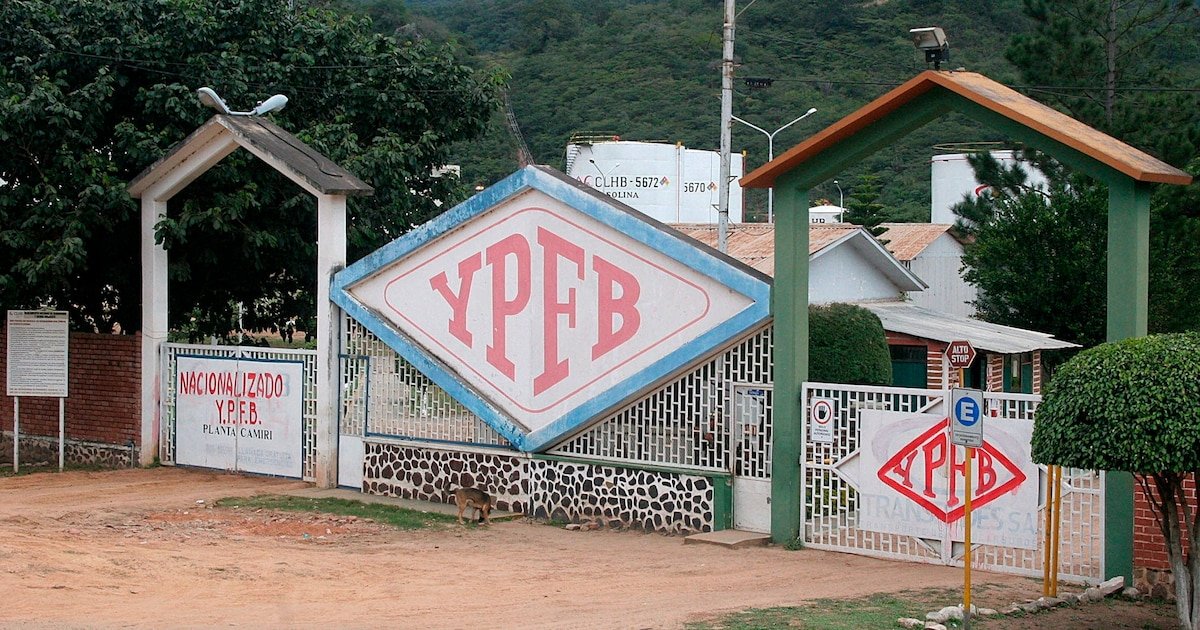
El Gobierno del presidente boliviano, Rodrigo Paz, resolvió este lunes relevar al presidente de la estatal Yacimientos Petrolíferos Fiscales Bolivianos (YPFB), Yussef Akly, y designar en su lugar a Claudia Cronenbold, en medio de una creciente crisis por la calidad del combustible que se comercializa en el país y tras protestas de transportistas en las principales ciudades.
El mandatario tomó juramento a Cronenbold en un acto en La Paz, poco después de que el ministro de Hidrocarburos y Energías, Mauricio Medinaceli, comunicó el cambio en la conducción de la empresa estatal junto con un paquete de medidas orientadas a garantizar el abastecimiento de carburantes y responder a los reclamos de usuarios afectados. Paz agradeció a Akly por su labor en esta “primera etapa” desde el cambio de Gobierno en noviembre pasado y destacó la trayectoria de su sucesora. “Por apostar por el país como siempre lo ha hecho en su carrera profesional”, expresó al dirigirse a la nueva titular de la compañía.
El jefe de Estado afirmó que la designación marca el inicio de “un segundo tiempo para YPFB” con nuevos objetivos estratégicos. Entre ellos, mencionó la aspiración de que Bolivia produzca su propia gasolina y que la empresa recupere su papel como una compañía “pujante”. En ese marco, remarcó la necesidad de enfrentar irregularidades dentro de la estatal. “Estaremos firmes para respaldar toda la lucha que sabemos va a ser muy dura contra la corrupción que hay en la estatal, para recuperar una empresa estatal para los bolivianos y que deje de ser una empresa de unos cuantos grupos de poder”, sostuvo.
Por su parte, Cronenbold expresó su compromiso al asumir el cargo y subrayó la relevancia de la empresa dentro del esquema energético del país. “Total compromiso y dedicación” para hacer “un buen papel en una empresa estratégica y muy importante”, declaró. La funcionaria se convierte en la segunda mujer en liderar YPFB, después de la designación de Katya Diederich en octubre de 2020 durante el Gobierno interino de Jeanine Áñez.

Antes del acto, el ministro Medinaceli destacó ante la prensa la experiencia de más de dos décadas de Cronenbold en el sector y la definió como un “ejemplo de liderazgo femenino en una industria estratégica”. Además del cambio en la conducción, el funcionario anunció una serie de decisiones orientadas a resolver la crisis por la calidad del combustible.
Entre las principales medidas, Medinaceli informó que el Gobierno firmará nuevos contratos “y con más variados proveedores de gasolina de mayor octanaje sin modificar el precio”. También indicó que la Agencia Nacional de Hidrocarburos (ANH) organizará un cronograma de limpieza de tanques en todas las estaciones de servicio del país, con el objetivo de garantizar el abastecimiento continuo. Según explicó, el plan se ejecutará mediante un calendario “que garantice el abastecimiento sin suspenderlo en ninguna zona del país”.
El ministro agregó que se “acelerará” el resarcimiento estatal a los propietarios de vehículos que denunciaron daños en sus motores por el uso de combustible contaminado. Asimismo, anunció que se impulsará la instalación de equipos de conversión a gas natural vehicular (GNV) tanto en el transporte público como en el privado, con el fin de reducir la dependencia de combustibles líquidos.
El paquete incluye además la aprobación de un decreto que habilita la importación de vehículos que funcionan con diésel “de menos de 4.000 de cilindrada”, así como la creación de un “equipo de supervisión permanente de hidrocarburos” para reforzar los controles sobre la cadena de suministro.

Las decisiones del Ejecutivo se producen tras meses de denuncias de usuarios que reportaron fallas mecánicas vinculadas a la calidad de la gasolina. De acuerdo con la propia YPFB, el combustible presentó niveles elevados de goma y manganeso. La situación generó protestas en distintos puntos del país.
La semana pasada, sindicatos de transportistas de La Paz y El Alto realizaron un paro con bloqueos durante dos días, en reclamo por la calidad del carburante y para exigir una compensación más ágil por los daños sufridos. Las manifestaciones intensificaron la presión sobre el Gobierno para adoptar medidas inmediatas.
Según datos oficiales, Bolivia depende en gran medida de las importaciones para abastecer su mercado interno, con casi el 100 % del diésel y alrededor del 60 % de la gasolina provenientes de países como Argentina, Chile, Perú, Paraguay y Estados Unidos. En ese contexto, el Gobierno busca estabilizar el suministro y recuperar la confianza de los consumidores tras la crisis.
(Con información de EFE)

Crearon el Registro Integrado de Beneficiarios de Políticas Sociales

Así fue el conmovedor regreso de Tamara Paganini a Gran Hermano: “Cuando me fui era un pollito y ahora soy un halcón”

Watchdog targets taxpayer-funded National Academies over DEI, climate and transgender spending

Las claves de la Scaloneta y su última prueba en casa antes del Mundial

El CEO de YPF aseguró que la expropiación de Cristina Kirchner retrasó el “desarrollo de Vaca Muerta”

Jubilación mínima ANSES: cuánto se cobra entre el monto actualizado más el bono de $70.000 en abril

Máximo Kirchner salió al cruce de Milei y Macri tras el fallo por YPF a favor de la Argentina

La secretaria del piloto denunció que el amigo de Adorni la hostiga y la justicia dispuso medidas

El Gobierno cambia su propuesta de reforma: endurece penas para delitos comunes, pero no para los casos de corrupción

¡DERIVA ECONÓMICA Y SOBERBIA POLÍTICA! El abismo entre el «relato oficial» y la realidad de una clase media que no aguanta más

 POLITICA2 días ago
Máximo Kirchner salió al cruce de Milei y Macri tras el fallo por YPF a favor de la Argentina
- POLITICA3 días ago
La secretaria del piloto denunció que el amigo de Adorni la hostiga y la justicia dispuso medidas
- POLITICA2 días ago
El Gobierno cambia su propuesta de reforma: endurece penas para delitos comunes, pero no para los casos de corrupción