INTERNACIONAL
Iran stages Khamenei photos to mask cracks in IRGC, opposition groups say

Trump ramping up pressure on Iran as tensions grow
Fox News correspondent Danamarie McNicholl reports the latest on tension with Iran from West Palm Beach, Florida. National Security Institute’s Andrew Borene also joins ‘Fox News Live’ to discuss escalating military pressure in the Middle East.
NEWYou can now listen to Fox News articles!
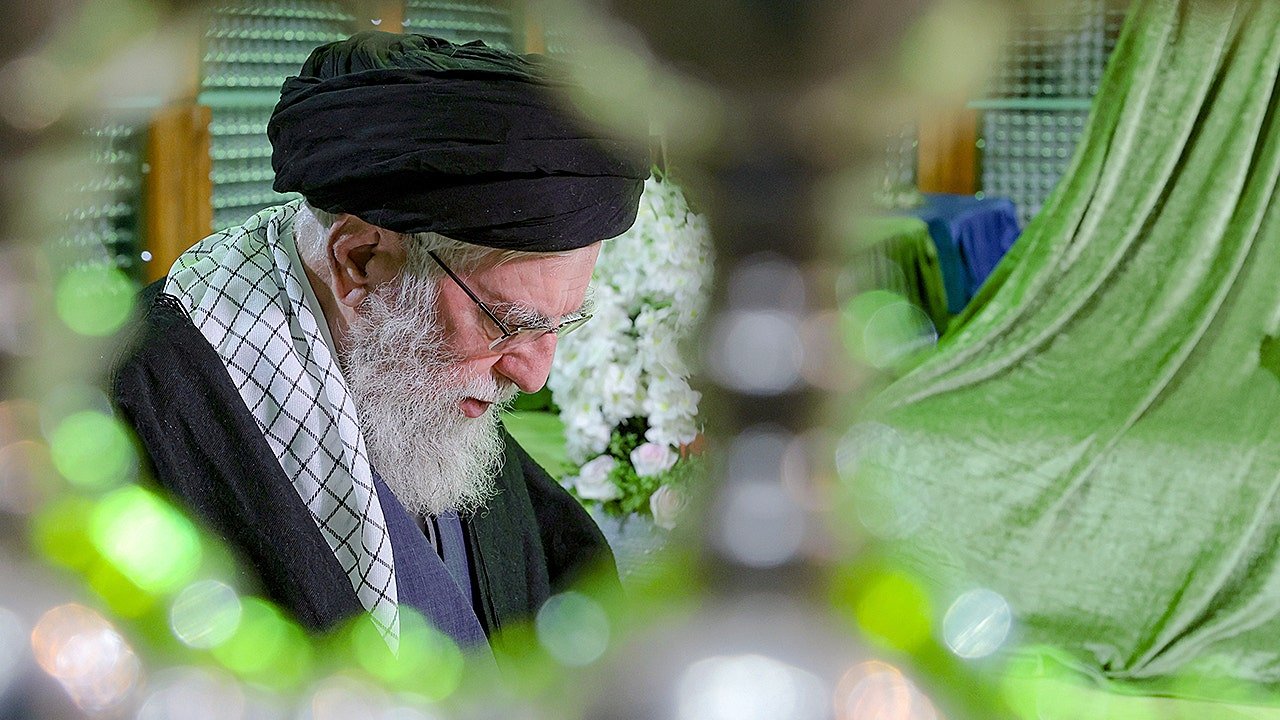
Iran’s regime released staged images of Supreme Leader Ayatollah Ali Khamenei in an attempt to show strength and boost a military under strain, according to opposition groups operating outside the country.
The photographs, published by Iranian state media Jan. 31, marked Khamenei’s first public appearance in weeks and showed him praying at the tomb of Islamic Republic founder Ayatollah Ruhollah Khomeini as regime officials issued new threats against the U.S. and Europe.
Ali Safavi, a senior official with the National Council of Resistance of Iran, said the images were aimed less at reassuring the public than at boosting morale among the regime’s weakening security forces.
«The images of Ali Khamenei were pure propaganda,» Safavi told Fox News Digital. «He wanted to show that he is not afraid of dying, but at the same time he is desperately trying to boost the morale of his demoralized forces.»
TRUMP SAYS IRAN CALLED ‘NUMEROUS’ TIMES TO MAKE DEAL AS CARRIER ENTERS MIDDLE EAST WATERS
Iran’s Supreme Leader Khamenei makes first public appearance in weeks with fresh U.S. threats. (Office of the Iranian Supreme Leader Credit/Associated Press)
Safavi said the Islamic Revolutionary Guard Corps (IRGC) remains the backbone of the regime’s power but is showing signs of strain after weeks of suppressing nationwide protests.
«These images are intended to project strength and shore up the repressive forces,» he said. «But underneath, the regime is reeling from the reality that its criminal clique cannot break the will of the people and Khamenei knows the situation will never return to what it was before Dec. 28.»
The release of the photos coincided with calls from the European Parliament to designate the IRGC as a terrorist organization.
HUNDREDS RALLY OUTSIDE IRANIAN UN AMBASSADOR’S FIFTH AVENUE RESIDENCE CALLING FOR REGIME CHANGE
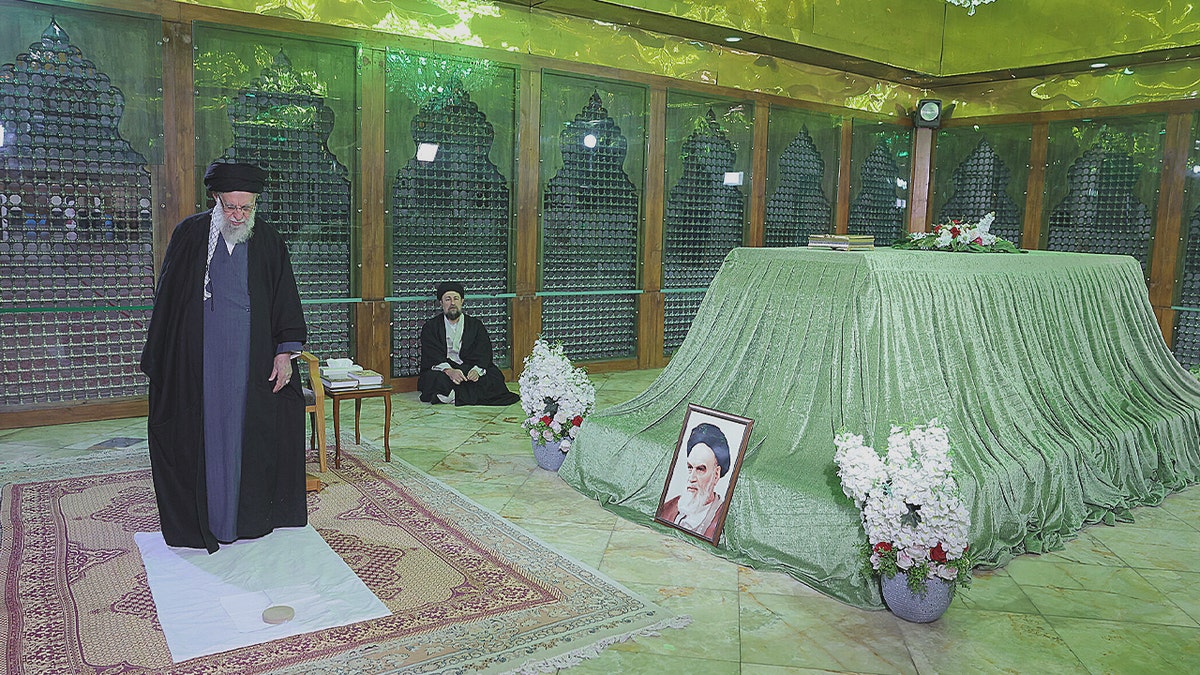
The supreme leader attended prayers at the founder’s tomb as officials issued fresh threats against the U.S. and Europe, opposition groups said. (Office of the Iranian Supreme Leader/Associated Press)
«The IRGC is the backbone of this regime,» Safavi said. «Its disintegration can only occur after a fundamental shift in the balance of forces and with the presence of organized resistance on the ground. Only then do defections at lower levels of the military become meaningful.»
Tehran reacted angrily to the European move with Iranian lawmakers appearing in IRGC uniforms in a highly choreographed show of solidarity, according to reports.
A banner reading, «The Revolutionary Guard is the largest anti-terrorism organization in the world,» was displayed at the speaker’s podium, and the IRGC flag was prominently featured, according to the Times of Israel.
US MILITARY WARNS IRAN IT WILL NOT TOLERATE ANY ‘UNSAFE’ ACTIONS AHEAD OF LIVE-FIRE DRILLS IN STRAIT OF HORMUZ
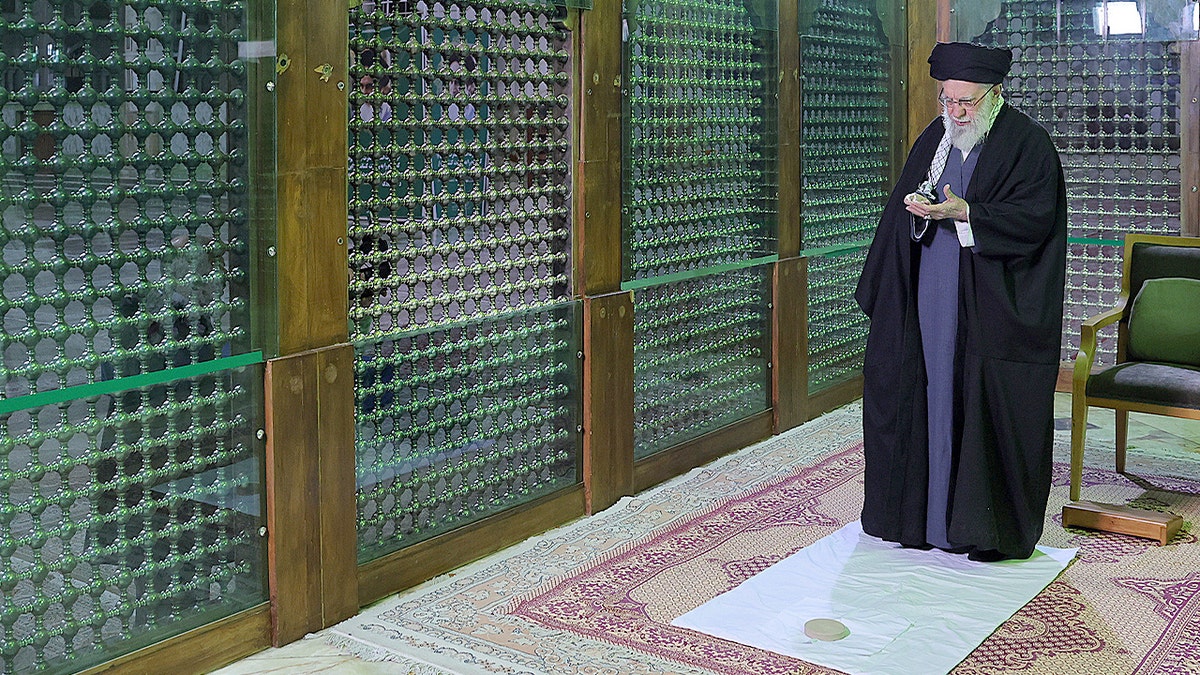
Iranian regime projects strength through staged images of Supreme Leader Ayatollah Ali Khamenei at prayers, opposition groups say. (Office of the Iranian Supreme Leader/Associated Press)
«We saw the same thing when the U.S. designated the IRGC a foreign terrorist organization in 2019,» Safavi said.
«More than half of these lawmakers are former IRGC commanders,» he added. «The IRGC dominates Iran’s economy and permeates the executive, legislative and judicial branches, as well as educational institutions.»
After the U.S. dispatched a naval strike group led by the USS Abraham Lincoln to the region, Khamenei also warned Sunday in comments reported by Iranian state media that any military action would trigger a wider regional conflict.
«We are not the ones who start a war,» Khamenei said . «But if America attacks or harms Iran, the Iranian nation will deliver a strong blow — and any war started by America will spread across the region,» he said per reports.
CLICK HERE TO DOWNLOAD THE FOX NEWS APP
President Donald Trump said Sunday that if Iran does not reach a deal on its nuclear program, «we’ll find out» whether Khamenei’s warning proves correct.
«Doing business with Iran means doing business with the IRGC,» Safavi said. «The IRGC is the regime — even the clerics.»
iran,ali khamenei,middle east,donald trump,world protests,terrorism









INTERNACIONAL
El cardenal nicaragüense Leopoldo Brenes reorganiza a los sacerdotes de Managua mientras se agrava la tensión con la dictadura
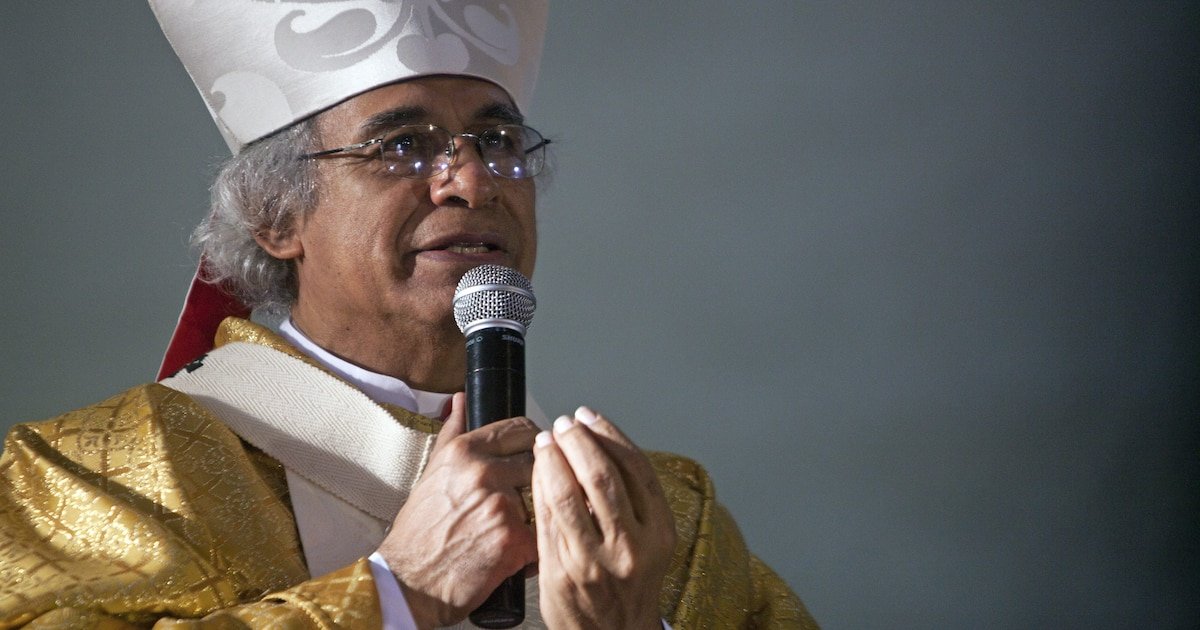
El cardenal Leopoldo José Brenes anunció este domingo el traslado de 23 sacerdotes en la Arquidiócesis de Managua, una reorganización forzada por la expulsión de religiosos que ha dejado múltiples parroquias sin titulares en Nicaragua. La medida se produce en medio de la escalada represiva de la dictadura de Daniel Ortega y Rosario Murillo contra la Iglesia católica, que ha convertido al país centroamericano en uno de los escenarios más graves de persecución religiosa del continente.
Brenes explicó en un comunicado que las nuevas asignaciones pastorales responden al “bien espiritual y la debida atención pastoral de las comunidades parroquiales” de la capital nicaragüense. Entre los movimientos destaca la designación del sacerdote Kevin Mayorga, recientemente ordenado, para ocupar la parroquia Nuestro Señor de Esquipulas, que quedó vacante tras el destierro del padre Héctor Treminio en enero de 2024.
La reorganización incluye parroquias cuyos titulares fueron obligados al exilio por presión gubernamental, como la parroquia Nuestra Señora de las Américas, antes dirigida por el padre Fernando Téllez Báez, quien abandonó Nicaragua en diciembre de 2023 ante amenazas policiales. Brenes también nombró un nuevo director del Seminario Mayor La Purísima: el sacerdote Hanz Bendixen, que ejercía como párroco de la iglesia San Ignacio de Loyola.
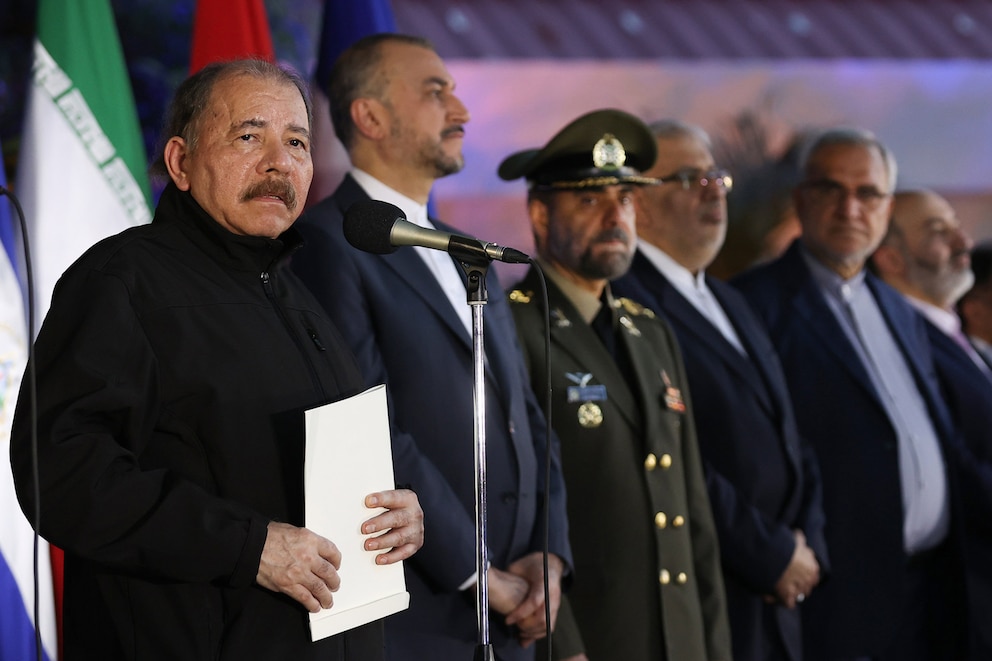
El alcance de la persecución religiosa en Nicaragua se refleja en cifras contundentes. Según el informe “Fe bajo fuego” de la ONG Colectivo Nicaragua Nunca Más, al menos 261 religiosos han sido desterrados del país desde 2018, incluidos cuatro obispos, cerca de 140 sacerdotes, más de 90 religiosas, una decena de seminaristas y tres diáconos. Entre los expulsados figuran el presidente de la Conferencia Episcopal, Carlos Enrique Herrera, y los obispos Silvio Báez, Rolando Álvarez e Isidoro Mora.
La relación entre la dictadura de Ortega-Murillo y el Vaticano ha alcanzado niveles de ruptura sin precedentes. En marzo de 2023, el fallecido papa Francisco calificó como “dictadura grosera” al régimen nicaragüense, apenas un mes después de que Álvarez fuera condenado a 26 años y cuatro meses de prisión por “traición a la patria”. El obispo de Matagalpa fue posteriormente desterrado a Roma en enero de 2024, tras permanecer más de 500 días en prisión, la mayoría en régimen de aislamiento.
Ortega respondió a las críticas vaticanas con medidas de represalia directas. Disolvió y expropió a la Compañía de Jesús, orden religiosa a la que pertenecía el papa Francisco, y ha calificado reiteradamente a la Iglesia católica como “mafia” y antidemocrática. En marzo de 2022, el nuncio apostólico Waldemar Stanislaw Sommertag fue expulsado del país, punto de inflexión que marcó el deterioro definitivo de las relaciones diplomáticas entre Managua y la Santa Sede.
La persecución no se limita a expulsiones. La investigadora Martha Patricia Molina ha documentado 1.030 ataques contra católicos entre abril de 2018 y enero de 2025, que incluyen agresiones físicas, profanaciones, confiscaciones de propiedades eclesiásticas y la prohibición de más de 18.800 procesiones religiosas. En enero pasado, el régimen confiscó el Seminario Mayor de Filosofía San Luis Gonzaga de la Diócesis de Matagalpa, desalojando a 30 seminaristas, y se apropió del Centro Diocesano de Pastoral La Cartuja.

EFE/ Jorge Torres
La dictadura también ha cerrado 5.609 asociaciones sin fines de lucro, de las cuales 1.294 eran de carácter religioso, según el informe de Nicaragua Nunca Más. Al menos 54 medios de comunicación, 22 de ellos religiosos, han sido clausurados por el Instituto de Telecomunicaciones estatal.
El Grupo de Expertos en Derechos Humanos sobre Nicaragua de la ONU denunció en julio de 2024 que la dictadura mantiene ataques “sistemáticos” contra la Iglesia católica y ha cometido crímenes de lesa humanidad, entre ellos deportación forzosa, encarcelación arbitraria, tortura y persecución por motivos religiosos. Los expertos consideran que estos ataques obedecen a que el régimen percibe a la Iglesia como amenaza directa a su control totalitario sobre la sociedad nicaragüense.
Mientras tanto, los sacerdotes que permanecen en Nicaragua enfrentan restricciones severas: vigilancia policial constante, prohibición de referirse en homilías a temas como derechos humanos o democracia, revisión de teléfonos celulares y obligación de presentar informes semanales sobre sus actividades a las autoridades, según denuncias de organizaciones defensoras de derechos humanos.
christianity,dorado,gente,hablando,mitra,religion and belief,religiosos
NEWYou can now listen to Fox News articles!
President Donald Trump on Sunday endorsed former Sen. John E. Sununu of New Hampshire, a longtime GOP Trump critic, over one of his first-term ambassadors, former Sen. Scott Brown, in a crucial Senate race that’s one of a handful that may determine the Senate majority in the midterm elections.
Sununu, who was praised by Trump as an «America First Patriot» who «will work tirelessly to advance our America First Agenda,» is seen by top Senate Republicans as the strongest candidate to flip the seat held by longtime Democratic Sen. Jeanne Shaheen, who is retiring at the end of this year rather than seek re-election to a fourth six-year term.
«John E. Sununu has my Complete and Total Endorsement — HE WILL NOT LET YOU DOWN. MAKE AMERICA GREAT AGAIN — ELECT JOHN E. SUNUNU,» Trump emphasized, in a post on social media.
Sununu is a former three-term representative who defeated then-Gov. Shaheen in New Hampshire’s 2002 Senate election. But the senator lost to Shaheen in their 2008 rematch.
DEMOCRATS EYE NARROW PATH TO CAPTURE SENATE MAJORITY, BUT ONE WRONG MOVE COULD SINK THEM
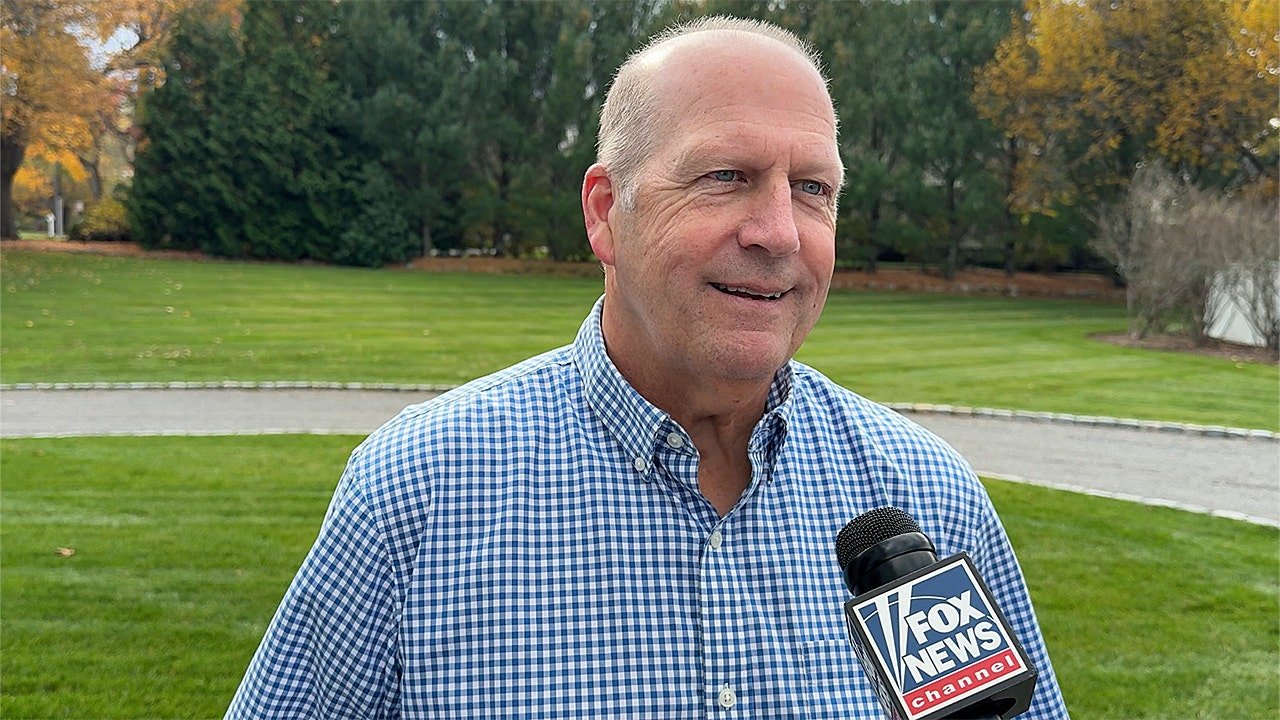
Former Republican Sen. John E. Sununu of New Hampshire is interviewed by Fox News Digital, on Sept.15, 2025 in Rye, N.H. (Paul Steinhauser/Fox News Digital)
«I want to thank the President for his support and thank the thousands of Granite Staters who are supporting me,» Sununu said after landing Trump’s endorsement.
The endorsement will further boost Sununu, who enjoys a polling and fundraising advantage over Brown.
After Trump’s endorsement, the Senate Leadership Fund, which is aligned with Senate Majority Leader John Thune, said on X that «John Sununu is the clear choice to be New Hampshire’s next US Senator, and President Trump’s critical endorsement has put an end to the primary.»
TIM SCOTT TELLS MAGA VOTERS TRUMP ‘IS ON THE BALLOT’ AS GOP FIGHTS TO GROW SENATE MAJORITY IN 2026
But Brown, as of now, has no intentions of dropping out.
«I’ve always believed that the people of New Hampshire are the ultimate authority on our future, and they deserve a choice between candidates seeking to earn their support,» he said in a statement.
And apparently questioning Sununu’s MAGA credentials, he added, «I am running to ensure our America First agenda is led by someone who views this mission not as a career path, but as a continuation of a lifelong commitment to service.»
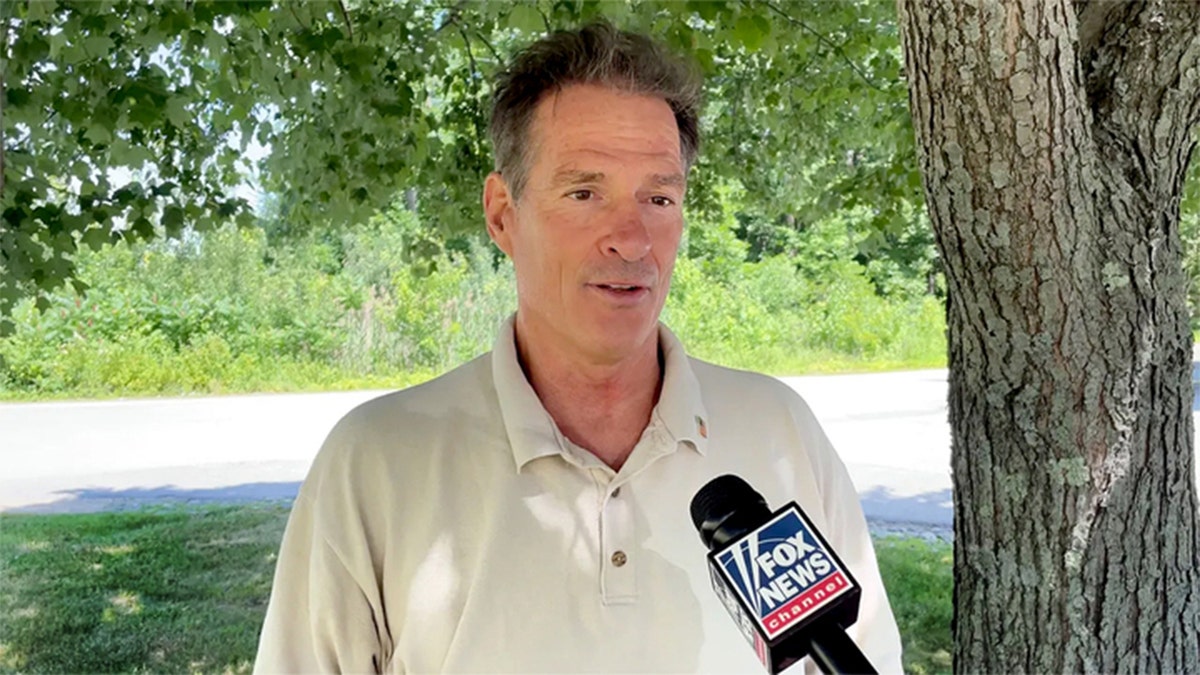
Former Sen. Scott Brown, who launched a Republican Senate campaign in New Hampshire in June, is interviewed by Fox News Digital, on July 4, 2025, in Exeter, N.H. (Paul Steinhauser – Fox News )
Brown emphasized, «My priorities for New Hampshire remain clear: a stronger economy, a secure border, reliable and affordable energy and better health care for our veterans. This mission has always been about you, not me. Let’s keep working!»
Sununu is a brand name in New Hampshire politics. His father, John H. Sununu, is a former governor who later served as chief of staff in then-President George H.W. Bush’s White House. And one of his younger brothers is former Gov. Chris Sununu, who won election and re-election to four two-year terms steering the Granite State.
FIRST ON FOX: SUNUNU LAUNCHES BID TO RETURN TO SENATE
But Sununu has a long history of backing Trump rivals. He served as national co-chair on the 2016 Republican presidential campaign of then-Ohio Gov. John Kasich, who declined to support Trump as the party’s nominee.
And Sununu, along with then-Gov. Chris Sununu, endorsed former ambassador and former South Carolina Gov. Nikki Haley in the 2024 New Hampshire Republican presidential primary, as she battled Trump for the nomination.
And on the eve of the first-in-the-nation presidential primary, the former senator wrote an opinion piece titled «Donald Trump is a loser,» that ran in the New Hampshire Union Leader, the state’s largest daily newspaper.
Brown endorsed Trump ahead of his 2016 New Hampshire primary victory, which launched him toward the GOP presidential nomination and ultimately the White House. Brown later served as U.S. ambassador to New Zealand during Trump’s first term.
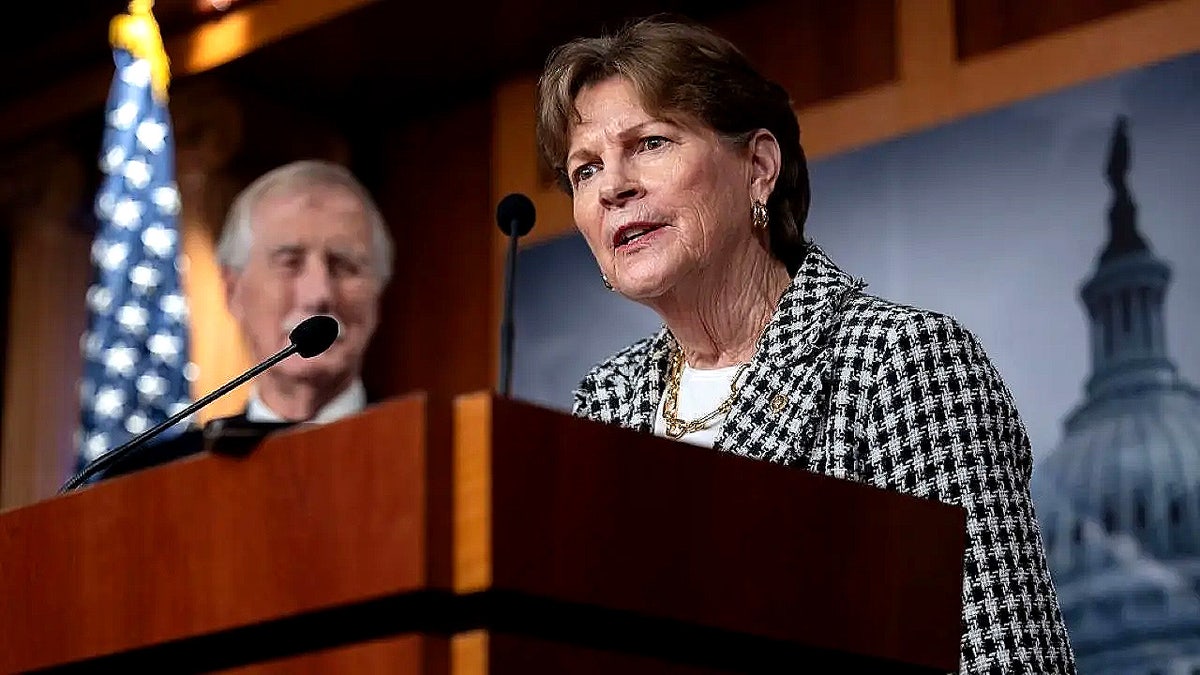
Democratic Sen. Jeanne Shaheen of New Hampshire, seen speaking at a press conference in Washington, DC on November 9, 2025, is retiring at the end of this year. (Nathan Posner/Anadolu via Getty Images)
Some in New Hampshire’s MAGA base immediately rejected the president’s endorsement of Sununu, calling it a «slap in the face to grassroots supporters» who have long backed Trump.
«The Sununu family openly mocked, degraded, and worked against the America First movement, the President himself, and the policies that energized New Hampshire voters,» a group of MAGA activists posted on X. «We will continue and intensify our campaign opposition to the Sununu operation.»
Brown formally launched his Senate campaign in June, after over six months of reaching out to grassroots supporters in the state. He raised roughly $1 million during his first three months as a candidate.
Sununu jumped into the race in late October, with the backing of the National Republican Senatorial Committee (NRSC), which is the Senate GOP’s campaign arm.
FIRST ON FOX: BROWN SHOWCASES HEALTHY FUNDRAISING HAUL
NRSC chair Sen. Tim Scott said at the time that Senate Republicans were «all-in» for Sununu.
Since then, Sununu has landed the backing of a majority of the Republicans in the Senate, as well as from GOP leaders in New Hampshire.
The seat in New Hampshire, along with an open Democrat-held seat in Michigan are two of the NRSC’s top targets this year as they aim to expand their 53-47 majority in the chamber. Georgia, where the GOP views Democratic Sen. Jon Ossoff as very vulnerable, is the NRSC’s other top target.
Sununu more than doubled Brown’s fundraising haul during the past three months, and the latest public opinion polls in New Hampshire indicate Sununu with a double-digit lead over Brown in the GOP primary, which won’t be held until September.
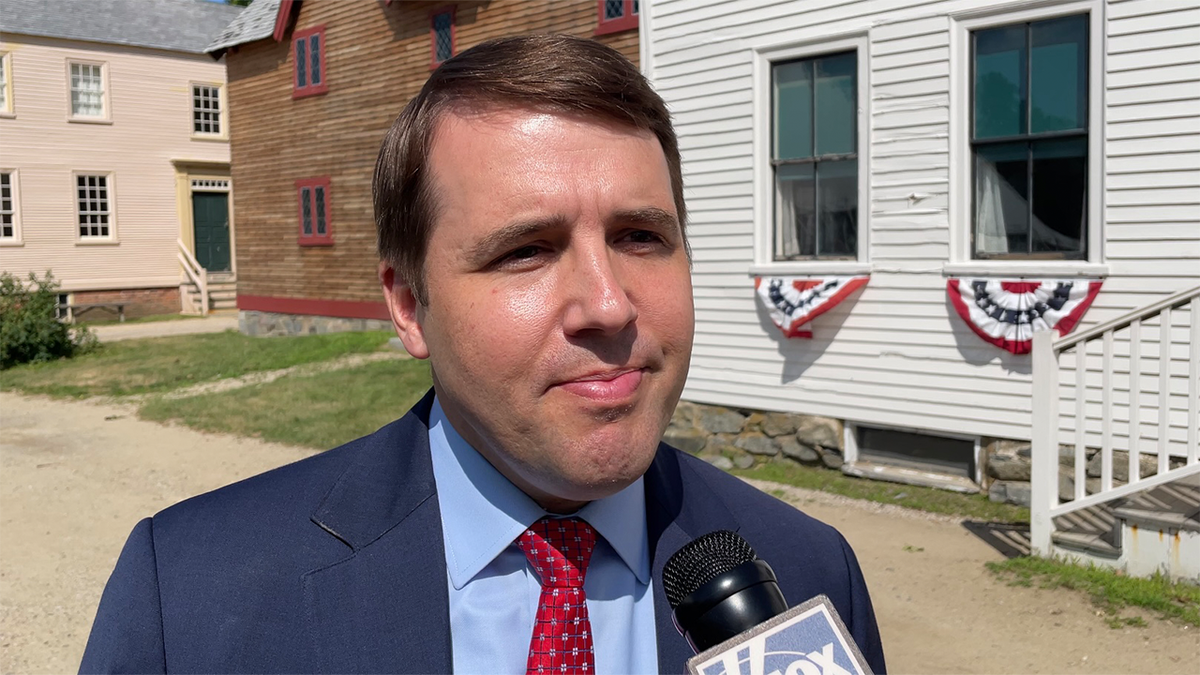
Democratic Senate candidate in New Hampshire, Rep. Chris Pappas, is interviewed by Fox News Digital, on July 4, 2025, in Portsmouth, N.H. (Paul Steinhauser – Fox News)
Pappas, a four-term congressman who represents the eastern half of the state, outraised both Sununu and Brown combined during the 4th quarter of 2025 fundraising.
CLICK HERE TO GET THE FOX NEWS APP
And the latest polls indicate Pappas topping Sununu by single digits and Brown by double digits in hypothetical general election matchups.
Pappas is the clear front-runner for his party’s nomination, in a race that also includes Karishma Manzur, a member of the New Hampshire Democratic Party’s rules committee.
donald trump,senate elections,midterm elections,republicans elections,campaigning,new hampshire
INTERNACIONAL
El régimen iraní identificó a casi 3.000 muertos por la represión mientras la ONU estima que la cifra llegaría a cerca de 20.000
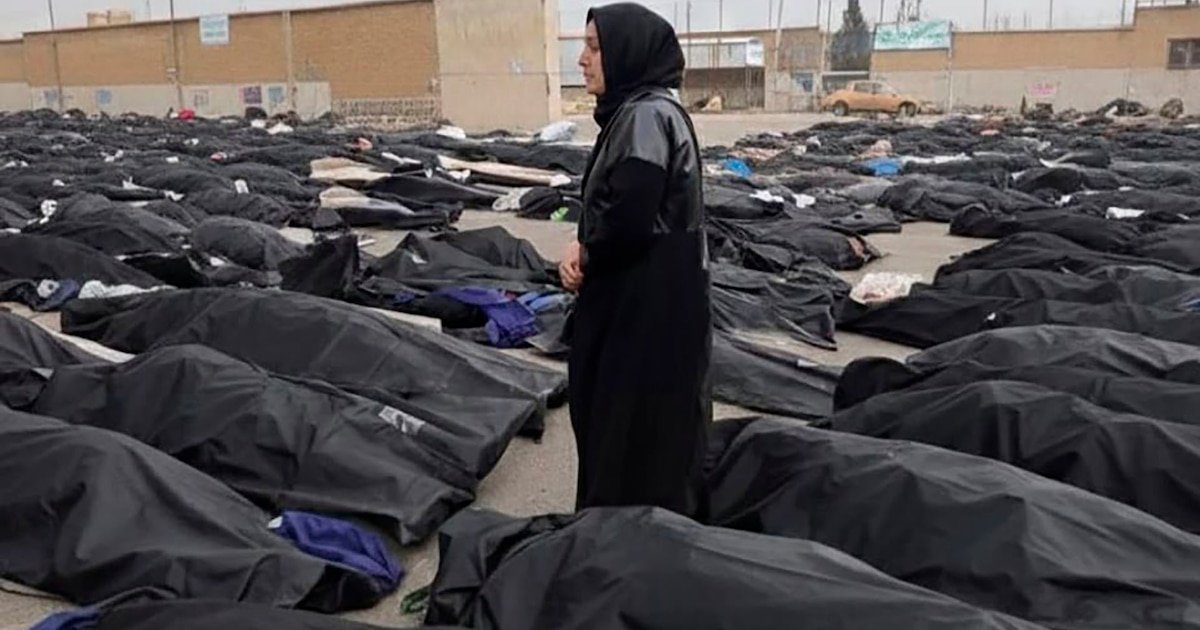
El régimen iraní publicó este domingo una lista con los nombres de 2.986 personas fallecidas durante la represión de las protestas que comenzaron en diciembre, un balance que Teherán cifra en 3.117 muertos totales. Sin embargo, la Organización de las Naciones Unidas y organizaciones de derechos humanos advierten que la magnitud real de la masacre perpetrada por la República Islámica podría ser entre seis y diez veces superior, con estimaciones que alcanzan las 20.000 víctimas mortales.
“Me gustaría informar con tristeza a la noble nación de Irán que el número total de víctimas de los recientes acontecimientos es de 3.117”, afirmó el presidente Masud Pezeshkian en un comunicado oficial. El mandatario iraní explicó que la diferencia de 131 personas entre el total declarado y la lista publicada “se debe a la identidad desconocida de varias personas y a las discrepancias en el registro del documento nacional de identidad”, que serán incluidas en una lista complementaria una vez corregidas.
Pezeshkian anunció además que en las próximas 48 horas se habilitará un sistema para que “cualquier nueva información y reclamación pueda ser examinada y verificada sin complicaciones administrativas”.
El comunicado presidencial mantiene la línea argumental del régimen, que atribuye el elevado número de víctimas a “terroristas” respaldados por Estados Unidos e Israel. “Los enemigos históricos y los detractores comercian con las vidas de las personas como si fueran un número”, afirmó Pezeshkian, sin hacer referencias específicas.
Las cifras oficiales, sin embargo, contrastan drásticamente con los datos recabados por organismos internacionales. La relatora especial de la ONU para Irán, Mai Sato, declaró a medios estadounidenses que informes de médicos dentro del país indican que las víctimas mortales podrían alcanzar las 20.000 personas.
“La magnitud de los fallecidos y heridos por la represión de las protestas a lo largo de este mes ha sido enorme, de miles de personas”, confirmó Ravina Shamdasani, portavoz de la Oficina de Naciones Unidas para los Derechos Humanos, aunque reconoció que es “difícil verificar las informaciones que llegan desde el país dadas las restricciones continuas sobre el terreno”.
Amnistía Internacional y Human Rights Watch han documentado el uso de fuerza letal indiscriminada, con fuerzas de seguridad disparando rifles y escopetas cargadas con perdigones metálicos contra manifestantes desarmados. Las morgues desbordadas, el uso de contenedores refrigerados para almacenar cadáveres y los entierros apresurados sin identificación previa apuntan, según estas organizaciones, a un intento deliberado de ocultar la verdadera escala de la masacre.
El apagón casi total de internet impuesto por el régimen desde el 8 de enero ha sido clave para dificultar la verificación independiente. NetBlocks, organización de monitoreo de ciberseguridad, confirmó que se trata del bloqueo digital más prolongado en la historia de Irán, con el objetivo explícito de impedir que los ciudadanos difundan imágenes de la represión y de aislar al país del escrutinio internacional. Esta desconexión ha permitido que las fuerzas de seguridad actúen con mayor impunidad, según denunciaron organizaciones de derechos humanos.
Las protestas estallaron el 28 de diciembre de 2025 en el Gran Bazar de Teherán, inicialmente motivadas por el colapso económico que atraviesa Irán. La tasa de inflación alcanzó el 42,2% en diciembre, con un aumento del 72% en el precio de los alimentos. El rial iraní se depreció drásticamente, con el dólar estadounidense alcanzando los 145.000 tomanes.
Lo que comenzó como huelgas de comerciantes se transformó rápidamente en manifestaciones masivas en las 31 provincias del país, con cánticos contra el líder supremo Ali Khamenei y exigencias de cambio del sistema político. Se trata de las protestas más grandes desde los disturbios de 2022 tras la muerte de Mahsa Amini bajo custodia policial.
La represión alcanzó su punto más crítico los días 8 y 9 de enero, cuando el líder supremo Khamenei ordenó al Consejo Supremo de Seguridad Nacional reprimir las protestas “por cualquier medio necesario”, según informaron funcionarios iraníes a medios internacionales.
Las fuerzas de seguridad recibieron la orden de disparar para matar sin mostrar piedad. The New York Times verificó videos que muestran a agentes abriendo fuego contra manifestantes en al menos 19 ciudades y seis barrios de Teherán. En la ciudad de Fardis, testigos alegan que más de 50 manifestantes fueron abatidos tras el despliegue de una ametralladora montada en un vehículo.
El Consejo de Derechos Humanos de la ONU aprobó la semana pasada, en una sesión de emergencia, una resolución con 25 votos a favor que denuncia que la represión violenta “ha resultado en la muerte de miles de personas, incluyendo niños, y un gran número de heridos”.
El texto, respaldado por Francia, Italia, España y Reino Unido, instó a las autoridades iraníes a poner fin a las ejecuciones extrajudiciales, las desapariciones forzadas, la tortura y otros abusos contra manifestantes pacíficos. La resolución prorrogó dos años más el mandato de la Misión Internacional Independiente de Investigación sobre Irán y por un año el de la relatora especial.

No se sacaron ventaja: Rosario Central y River Plate empataron en el Gigante de Arroyito

Nicki Nicole lanzó en los Grammy 2026 un mensaje de amor propio que inspiró su próximo álbum: “Este look lo representa”

El Gobierno de Entre Ríos y La Libertad Avanza negocian cargos clave en organismos nacionales

Brasil generó 1,2 millones de empleos formales en 2025, el dato más bajo desde la pandemia

Con incidentes, expulsiones y ambas hinchadas, Peñarol venció a Nacional en la Supercopa Uruguaya

El cardenal nicaragüense Leopoldo Brenes reorganiza a los sacerdotes de Managua mientras se agrava la tensión con la dictadura

La escandalosa prohibición de María Susini: por qué no quiere que Facundo Arana se acerque a sus hijos

A qué hora puede llover hoy en CABA, según el Servicio Meteorológico Nacional

Julieta Díaz contó por qué no funcionó su noviazgo con Luciano Castro en medio de la separación con Griselda Siciliani

Maximo Kirchner propuso que Axel Kicillof presida el PJ Bonaerense

 CLIMA NOTICIAS3 días ago
A qué hora puede llover hoy en CABA, según el Servicio Meteorológico Nacional
- CHIMENTOS2 días ago
Julieta Díaz contó por qué no funcionó su noviazgo con Luciano Castro en medio de la separación con Griselda Siciliani
- POLITICA2 días ago
El New York Times asegura que la Argentina podría firmar un acuerdo con EE.UU. para recibir deportados