INTERNACIONAL
La dictadura de Nicolás Maduro amenazó a las aerolíneas internacionales con retirar sus permisos si no reanudan los vuelos en 48 horas


La dictadura de Nicolás Maduro ordenó este lunes a las aerolíneas internacionales retomar sus vuelos a Venezuela en un plazo de 48 horas, y señaló que quienes no cumplan enfrentarán la revocación de sus permisos de operación.
La amenaza fue transmitida por el Instituto Nacional de Aeronáutica Civil (INAC), tras unos días marcados por la suspensión generalizada de rutas comerciales después de que la Administración Federal de Aviación de Estados Unidos (FAA) emitiera el viernes una advertencia para que las principales compañías evitaran el espacio aéreo venezolano y el sur del Caribe debido a una “situación potencialmente peligrosa” vinculada al deterioro de la seguridad y al incremento de actividad militar en Venezuela y sus alrededores.
Aerolíneas internacionales como Iberia, Air Europa, Plus Ultra, TAP Air Portugal, Gol, Avianca, Latam, Caribbean Airlines y Turkish Airlines suspendieron sus operaciones desde y hacia Venezuela.
Air Europa, por ejemplo, canceló sus cinco vuelos semanales entre Madrid y Caracas “hasta nuevo aviso”, mientras la española Iberia prolongó la suspensión de su ruta hasta al menos el 1 de diciembre. Turkish Airlines también informó la cancelación de sus servicios entre el 24 y el 28 de noviembre.

La Asociación Internacional del Transporte Aéreo (IATA), que representa a más de 350 compañías globales, advirtió este lunes que el ultimátum del régimen chavista tendrá consecuencias negativas para la ya escasa conectividad del país.
“Esta decisión reducirá aún más la conectividad, que ya es una de las más bajas de la región”, indicó la IATA.
El comunicado enfatizó que las suspensiones son “medidas temporales” derivadas de “rigurosos análisis de riesgo” y reiteró el compromiso de reanudar operaciones “cuando las condiciones lo permitan”.
IATA también pidió mayor cooperación y claridad a la dictadura de Maduro sobre los criterios de evaluación de seguridad, manifestando la disposición del sector a mantener canales abiertos para coordinar la protección de pasajeros, tripulaciones y aeronaves, además de señalar que todo regreso debe producirse bajo “estricto cumplimiento de la normativa vigente de seguridad”.
A la recomendación de la FAA de EEUU se sumó la Agencia Española de Seguridad Aérea (AESA), que instó a las aerolíneas de ese país a no operar en la Región de Información de Vuelo de Maiquetía (FIR SVZM), que cubre el espacio aéreo venezolano y parte del Caribe, al menos hasta el 1 de diciembre.

La entidad pública española Enaire emitió la alerta a las compañías, que respondieron con la suspensión total de servicios en respuesta a los riesgos detectados en ruta y el entorno aeroportuario venezolano.
Hasta el momento, el Ministerio de Comunicación de Venezuela y el INAC no han emitido comentarios oficiales sobre el anuncio. Intentos de la prensa internacional de contactar al régimen chavista quedaron sin respuesta.
El telón de fondo de esta crisis es un incremento en el aislamiento diplomático, comercial y logístico de Venezuela. El país, uno de los menos conectados por vía aérea en América Latina debido al éxodo de aerolíneas tras años de controles cambiarios, crisis institucional y conflictos legales, enfrenta ahora un escenario en el que empresas internacionales deben optar entre reanudar vuelos pese a las advertencias de sus propios reguladores o abandonar completamente el mercado venezolano, provisional o definitivamente.
Las próximas jornadas serán clave para determinar si las aerolíneas ceden ante la exigencia oficial o mantienen las suspensiones hasta que se restablezcan condiciones aceptables de seguridad.

Miles de pasajeros y el sector turístico permanecen en la incertidumbre, mientras la conectividad internacional de Venezuela queda reducida al mínimo.
(Con información de Reuters)
mujer,suspensión de vuelos comerciales de venezuela con varios países







INTERNACIONAL
Trump brindará una conferencia de prensa en la Casa Blanca, acompañado por autoridades militares, centrada en la guerra en Irán
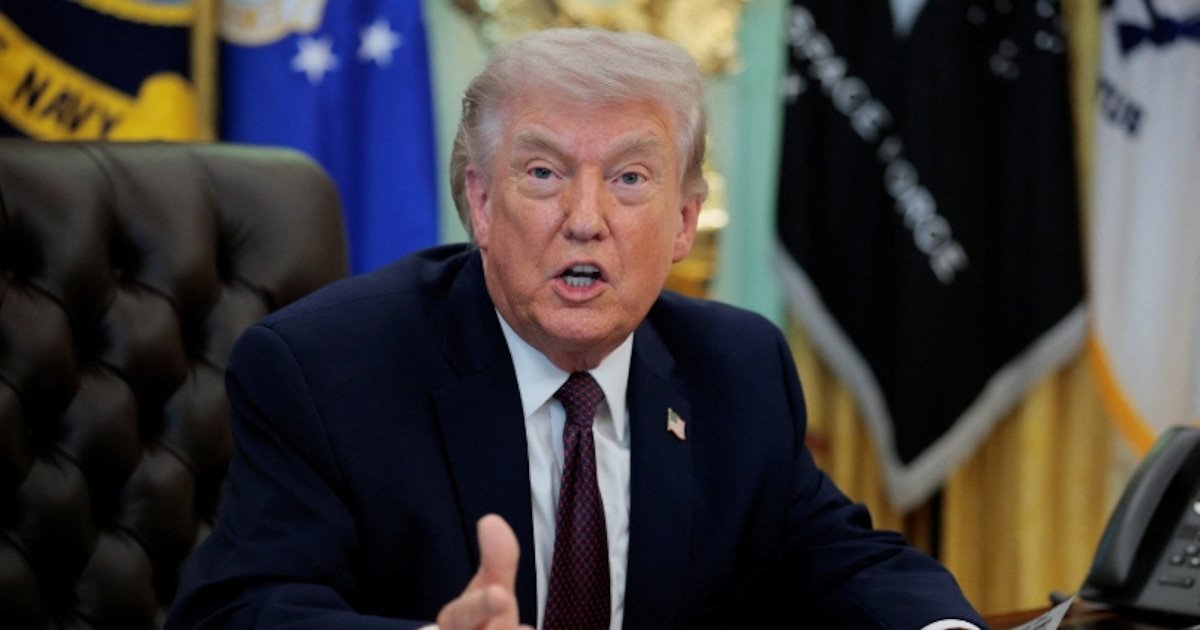
El presidente de Estados Unidos, Donald Trump, ofrecerá este lunes una conferencia de prensa junto a autoridades militares en la Casa Blanca, en medio del ultimátum que fijó a Irán para reabrir el estrecho de Ormuz antes del martes bajo amenaza de ataques contra infraestructura clave y eventuales medidas sobre recursos petroleros.
La portavoz de la Casa Blanca, Karoline Leavitt, informó en X que el mandatario responderá preguntas tras la elevada demanda registrada el fin de semana, con foco en el conflicto en Medio Oriente.
Durante el domingo, Trump reiteró sus advertencias contra Teherán y aseguró que desatará “el infierno” si no permite el tránsito de buques por el estrecho antes del martes. El ultimátum incluye la reapertura del paso marítimo o, en caso contrario, ataques contra infraestructura clave del país.
El mandatario elevó el tono en declaraciones públicas y en redes sociales. En una entrevista con The Wall Street Journal, afirmó: “Si no hacen algo antes del martes por la noche, no tendrán ninguna central eléctrica y no les quedará ningún puente en pie”. En su plataforma Truth Social, escribió: “Abran el maldito estrecho, bastardos locos, o vivirán en el infierno”.
Trump también advirtió que el martes podría convertirse en “el Día de la Central Eléctrica y el Día del Puente, todo en uno, en Irán”, y reiteró que su país está dispuesto a ejecutar “intensos bombardeos” contra objetivos iraníes si no se cumple el ultimátum. Además, planteó la posibilidad de tomar el control de recursos petroleros en la región en caso de una escalada.

Desde Teherán, el portavoz del Ministerio de Exteriores, Esmaeil Baghaei, respondió: “En caso de que se ataque la infraestructura de Irán, reaccionaríamos de la misma manera”.
El estrecho de Ormuz, por donde circula cerca del 20% del petróleo mundial, se consolidó como uno de los principales focos de la crisis. La agencia Fars informó que “quince navíos cruzaron el estrecho de Ormuz con permiso de Irán en las pasadas 24 horas” y señaló que el tráfico marítimo actual resulta “un 90% inferior al registrado antes del inicio de la guerra”.
En paralelo, autoridades iraníes avanzaron en medidas para reforzar su control sobre la vía marítima. Días antes, una comisión parlamentaria aprobó un borrador de proyecto de ley que contempla la imposición de tasas de tránsito a los buques que atraviesen el estrecho. Según medios iraníes, la iniciativa incluye el pago obligatorio en moneda nacional, la prohibición de paso para Estados Unidos e Israel y restricciones para países que participen en sanciones unilaterales contra Irán.
Mientras tanto, Trump dejó abierta la posibilidad de una salida negociada, aunque mantuvo la presión militar. En declaraciones a Fox News, indicó que existe “una buena posibilidad” de alcanzar un acuerdo antes del lunes, pero advirtió que, en caso contrario, considerará “volar todo por los aires”.
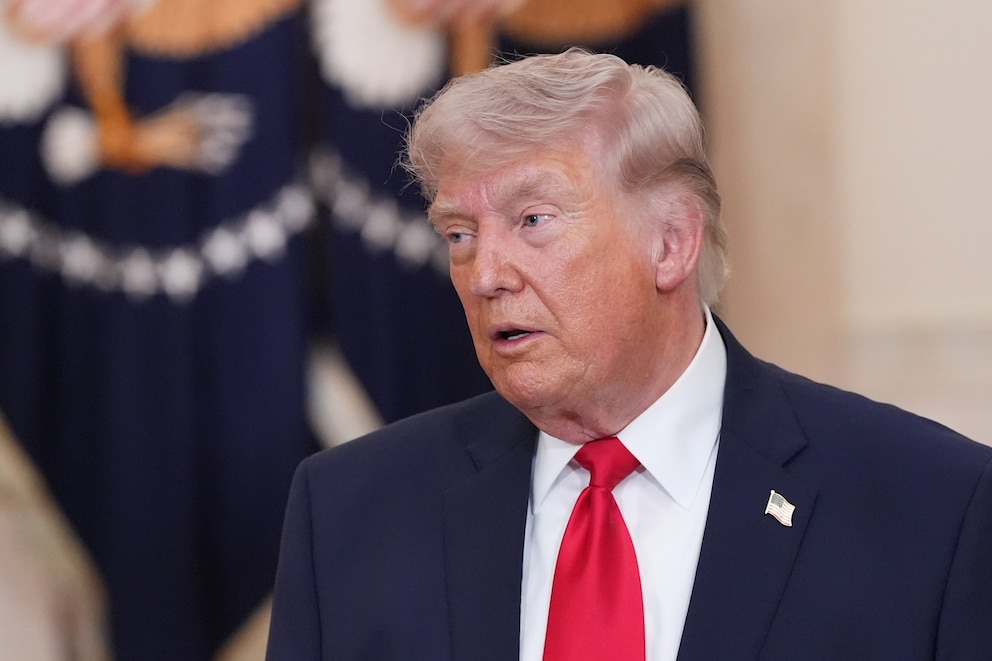
En el plano militar, el mandatario informó el domingo sobre operaciones recientes en territorio iraní y anunció que un aviador estadounidense rescatado tras el derribo de su aeronave se encuentra “gravemente herido”. En Truth Social, escribió: “Hemos rescatado al miembro de la tripulación/oficial de un F-15, gravemente herido y realmente valiente, desde lo profundo de las montañas de Irán”.
Trump confirmó que brindará la conferencia de prensa este lunes a las 13:00 en la Casa Blanca junto a autoridades militares. Además, destacó que la operación de rescate formó parte de una de las misiones “más audaces de la historia” de Estados Unidos. Según detalló, las fuerzas desplegaron “decenas de aeronaves, armadas con las armas más letales del mundo, para recuperarlo”.
(Con información de EFE)
Government / Politics
INTERNACIONAL
EN VIVO |Israel llevó a cabo una nueva oleada de ataques aéreos en Teherán contra el régimen iraní
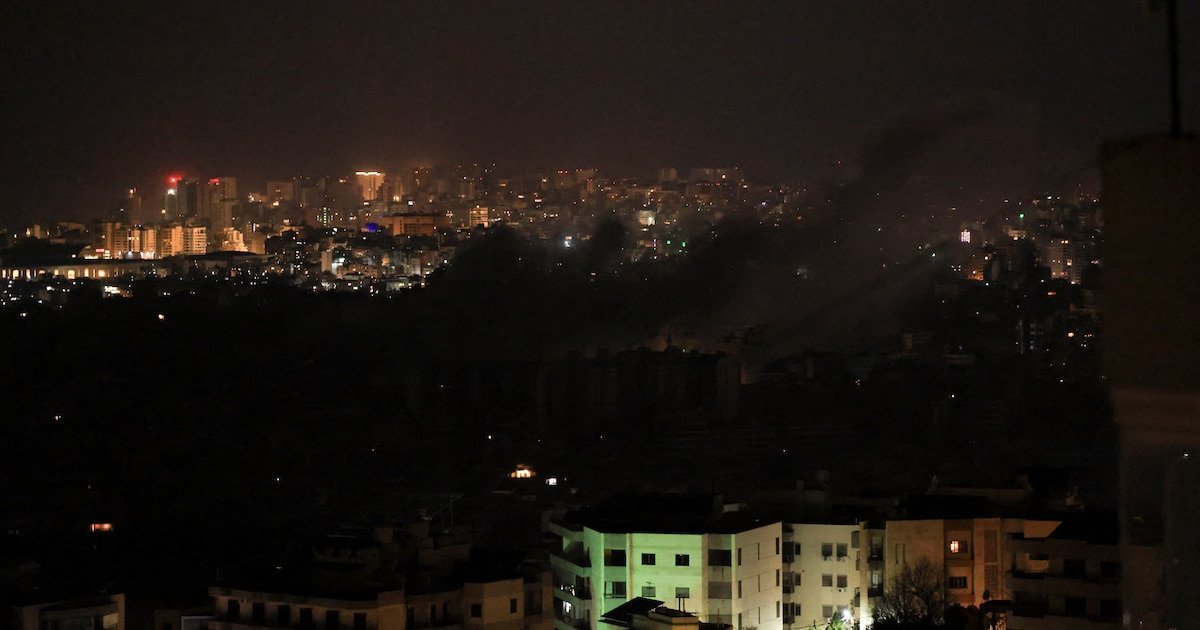
Según comunicados militares difundidos en ocasiones similares, este tipo de operaciones suele dirigirse contra instalaciones vinculadas a la producción de armas, centros de mando y otros objetivos estratégicos en la capital iraní, aunque en este caso no se precisaron los blancos alcanzados

El presidente de Estados Unidos, Donald Trump, ofrecerá este lunes una conferencia de prensa junto a autoridades militares en la Casa Blanca, en medio del ultimátum que fijó a Irán para reabrir el estrecho de Ormuz antes del martes bajo amenaza de ataques contra infraestructura clave y eventuales medidas sobre recursos petroleros.
El mandatario elevó el tono en declaraciones públicas y en redes sociales. En una entrevista con The Wall Street Journal, afirmó: “Si no hacen algo antes del martes por la noche, no tendrán ninguna central eléctrica y no les quedará ningún puente en pie”. En su plataforma Truth Social, escribió: “Abran el maldito estrecho, bastardos locos, o vivirán en el infierno”. Desde Teherán, el portavoz del Ministerio de Exteriores, Esmaeil Baghaei, respondió: “En caso de que se ataque la infraestructura de Irán, reaccionaríamos de la misma manera”.
En paralelo, el régimen iraní lanzó múltiples ataques contra Israel y países del Golfo. En Israel se reportaron al menos dos muertos y dos desaparecidos en Haifa, mientras que Kuwait, Arabia Saudita y Dubái informaron interceptaciones de misiles en sus respectivos territorios.
A continuación, la cobertura minuto a minuto:
El ejército de Israel atacó posiciones del grupo terrorista Hezbollah en el Líbano
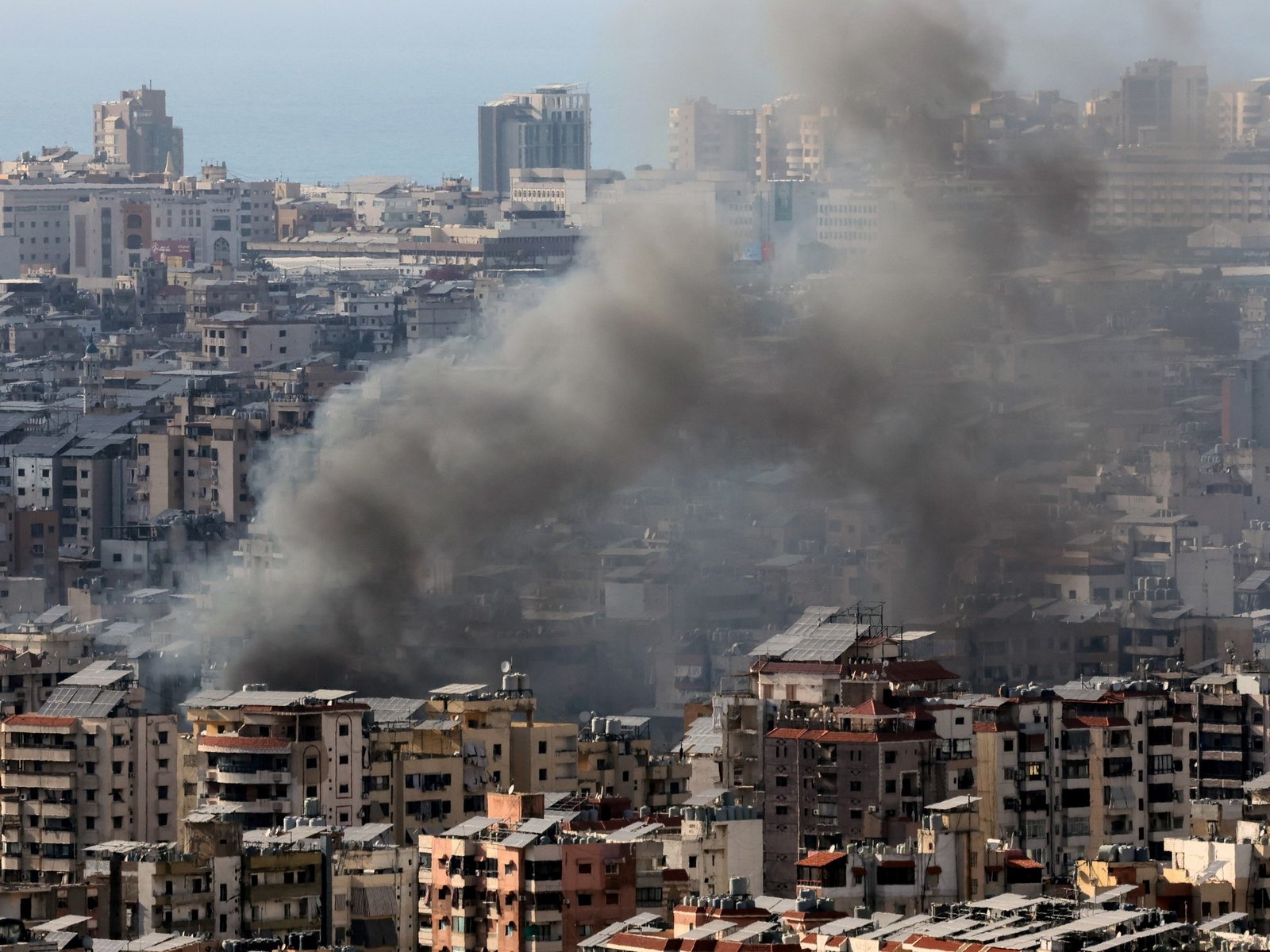
La Fuerza Aérea israelí destruyó una serie de infraestructuras y depósitos de armas pertenecientes a Hezbolá en distintas zonas del Líbano, según nueva documentación difundida sobre los ataques. Los objetivos, de acuerdo con la información oficial, se encontraban ocultos en el corazón de la población civil.
Como parte del operativo, en los últimos días se identificaron y atacaron lanzadores y arsenales escondidos en edificios civiles e infraestructuras en varias áreas del país. Según las Fuerzas de Defensa de Israel (FDI), la organización Hezbolá opera desde dentro de la población civil y la utiliza para llevar adelante ataques contra ciudadanos israelíes y fuerzas militares.
Antes de los bombardeos, se aplicaron medidas para reducir los daños a civiles, entre ellas el uso de armamento de precisión, vigilancia aérea e inteligencia adicional. Las FDI afirmaron que continuarán actuando contra Hezbolá, al que acusan de operar bajo los auspicios del régimen iraní, y señalaron que buscan impedir ataques contra la población israelí, en especial en el norte del país.
El régimen de Irán ejecutó a un hombre por sus “vínculos” con EEUU e Israel
Irán ejecutó este lunes a un hombre condenado por actuar en nombre de Israel y Estados Unidos durante la ola de protestas antigubernamentales registrada a comienzos de este año, según informó el poder judicial. “Ali Fahim, uno de los elementos enemigos en los disturbios terroristas de Dey (enero)… fue ahorcado después de que la Corte Suprema revisara el caso y confirmara el veredicto”, indicó el sitio Mizan Online.
La ejecución se produjo en el contexto de las protestas que estallaron a finales de diciembre por el aumento del costo de vida y que luego derivaron en manifestaciones antigubernamentales a nivel nacional, con su punto más alto los días 8 y 9 de enero. También se enmarca en la guerra entre Irán, Israel y Estados Unidos iniciada el 28 de febrero tras ataques que acabaron con la vida del líder supremo Ali Khamenei.
Según Mizan, Fahim fue condenado por trabajar contra Irán en nombre del “régimen sionista y de Estados Unidos”, además de irrumpir en una instalación militar clasificada para apoderarse de armas. Las autoridades sostuvieron que las protestas comenzaron de forma pacífica y luego derivaron en “disturbios instigados por extranjeros”, con más de 3.000 muertos, mientras que la organización HRANA reportó más de 7.000 fallecidos, en su mayoría manifestantes.
El ejército de Israel anunció que está interceptando misiles iraníes en el sur del país
El ejército israelí interceptó misiles iraníes dirigidos al sur del país, en un nuevo episodio de la escalada militar entre ambos países, según informaron medios locales.
De acuerdo con reportes de la prensa israelí, el ataque activó las alarmas en varias zonas del sur, incluida la ciudad de Beersheba, y fue neutralizado por los sistemas de defensa aérea sin que se registraran víctimas.
El Canal 12 indicó que no hubo heridos tras la interceptación, en lo que constituye el más reciente de una serie de ataques lanzados por Irán contra territorio israelí durante la mañana, en el marco de un intercambio sostenido de misiles y drones entre ambas partes.
Una mujer resultó herida en el centro de Israel

Una mujer resultó herida de gravedad en el centro de Israel y se registraron al menos 15 puntos de impacto tras los últimos ataques iraníes, según informaron medios locales.
El portal Ynet News señaló que una mujer de 34 años sufrió heridas “graves” por misiles interceptores en Petah Tikva. Además, reportó la existencia de “al menos 15 sitios de impacto” en distintas zonas del centro del país y daños en un edificio en Tel Aviv.
Por su parte, el Canal 2 difundió imágenes de columnas de humo sobre Gush Dan y Bnei Brak, así como un video que muestra daños menores en un edificio de Tel Aviv.
Un herido en Abu Dhabi tras un ataque iraní
Un ciudadano extranjero resultó herido en Abu Dhabi, según informaron las autoridades locales, en un incidente vinculado a la caída de metralla tras la interceptación de un ataque aéreo.
La oficina de prensa de la ciudad indicó que un ciudadano ghanés residente sufrió “heridas moderadas” cuando fragmentos impactaron en la empresa Rinn Systems, ubicada en la zona de Musaffah, luego de una interceptación exitosa por parte de los sistemas de defensa aérea.
Las autoridades instaron a la población a informarse a través de canales oficiales. “Las autoridades competentes instan al público a obtener información únicamente de fuentes oficiales y a evitar la difusión de rumores o información no verificada”, señaló la oficina en una publicación en X.
Israel llevó a cabo una nueva oleada de ataques aéreos en Teherán contra el régimen iraní
Las Fuerzas de Defensa de Israel (FDI) informaron que la Fuerza Aérea israelí completó recientemente una serie de ataques contra instalaciones de infraestructura del régimen iraní en Teherán, en el marco de la escalada del conflicto en la región.
Según comunicados militares difundidos en ocasiones similares, este tipo de operaciones suele dirigirse contra instalaciones vinculadas a la producción de armas, centros de mando y otros objetivos estratégicos en la capital iraní, aunque en este caso no se precisaron los blancos alcanzados.
Las autoridades israelíes no facilitaron más detalles de inmediato sobre el alcance de los ataques ni sobre posibles daños o víctimas.
War,Middle East,Military Conflicts
INTERNACIONAL
Desplazados por la guerra, cristianos de Líbano celebran Pascua lejos de sus hogares e iglesias


Trump brindará una conferencia de prensa en la Casa Blanca, acompañado por autoridades militares, centrada en la guerra en Irán

Arrancá mejor hoy: el hábito de la mañana que puede cambiar tu lunes

Con dos goles de Lautaro Martínez, Inter de Milán venció 5-2 a Roma por la fecha 31 de la Serie A

Oficializaron la incorporación de la Guardia Revolucionaria de Irán al registro de organizaciones terroristas

Ranking mundial de suba de combustibles: en qué puesto quedó la Argentina, en medio de la guerra en Medio Oriente

Vasco contra Barracas: no viajaron el técnico ni los titulares

Milei se pone al frente de la defensa de Adorni y lo suma a un acto por Malvinas en una nueva muestra de respaldo

Oriana Sabatini sorprendió al elegir a una famosa como madrina de Gia, su hija con Paulo Dybala

La Armada sorteará 30 lugares en el buque que escoltará la salida de la Fragata Libertad: cómo anotarse

La nueva advertencia de Donald Trump a Irán: «El tiempo se acaba, quedan 48 horas antes del infierno»

 INTERNACIONAL2 días ago
La nueva advertencia de Donald Trump a Irán: «El tiempo se acaba, quedan 48 horas antes del infierno»
- POLITICA1 día ago
Círculo rojo: intrigas en el gabinete, desgaste por el caso Adorni y movimientos inquietantes en el Poder Judicial
- POLITICA1 día ago
Créditos del Banco Nación: el Gobierno reveló que Pettovello echó a Massaccesi porque “mintió”