INTERNACIONAL
Lawmakers question whether US moving fast enough to capitalize on Hezbollah’s weakened state


NEWYou can now listen to Fox News articles!
A House Foreign Affairs Middle East and North Africa Subcommittee hearing on Tuesday underscored what lawmakers and witnesses repeatedly described as a «historic» but «narrowing» opportunity to weaken Hezbollah and restore Lebanese state sovereignty, while exposing sharp disagreement over whether current U.S. policy is moving fast or forcefully enough.
Opening the hearing, Chairman Mike Lawler, R-NY., said Lebanon is «at a crossroads» following the Nov. 2024 Israel-Hezbollah ceasefire, arguing the moment offers «an unprecedented opportunity» to help Lebanon «break free of the shackles of Iran’s malign influence.» He warned, however, that progress has been uneven, saying implementation of the Lebanese Armed Forces’ has been «haphazard at best.»
The ranking member, Rep. Brad Sherman, D-Calif., struck a more confrontational tone toward the administration, warning that Hezbollah is already rebuilding and that U.S. policy risks squandering the moment.
WALTZ HAILS ‘NIGHT-AND-DAY’ MIDDLE EAST SHIFT AS TRUMP’S GAZA PLAN RESHAPES REGION
Commuters drive past a newly-installed billboard bearing the image of a Lebanese flag and a statement that reads in Arabic «Lebanon a new era», replacing a Hezbollah billboard, on the road leading to Beirut’s Rafic Hariri International airport on April 10, 2025. (Photo by Joseph Eid/AFP via Getty Images)
«There is a historic opportunity in Lebanon to disarm Hezbollah and remove its grip on the Lebanese state,» he said. «That window of opportunity, however, is narrow. Hezbollah is working hard to rebuild, rearm and to reconstitute itself.»
He criticized cuts to non-security assistance and faulted comments by a Trump administration envoy who described Hezbollah as «a political party that also has a militant aspect to it,» arguing such language «sent the wrong signals» at a critical moment.
David Schenker, senior fellow at The Washington Institute for Near East Policy, testified that while Hezbollah has been weakened militarily, the pace of disarmament remains slow and obstructed.
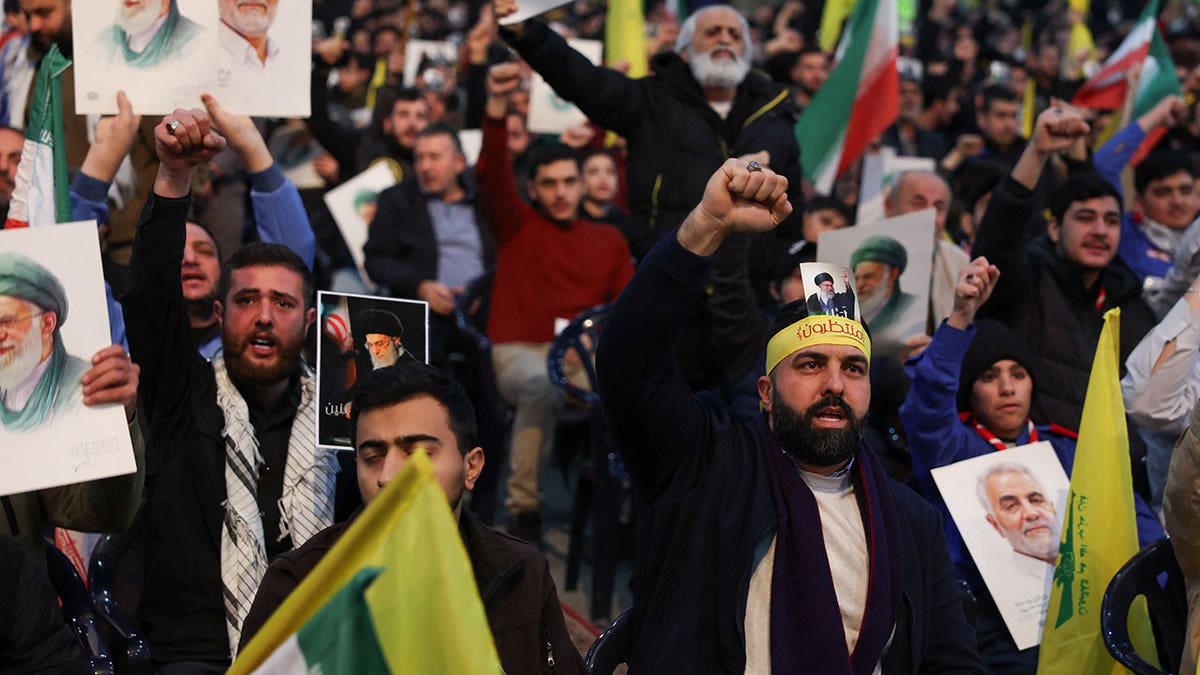
People gesture as Hezbollah leader Naim Qassem gives a televised address, during a rally in solidarity with Iran and Iran’s Supreme Leader Ayatollah Ali Khamenei, at Beirut’s southern suburbs, Lebanon Jan. 26, 2026. (Mohamed Azakir/Reuters)
«The LAF has a presence in the south that it didn’t have prior to November 2024,» Schenker said. «But they are not in control. Hezbollah still controls the region.»
Schenker said the obstacle is no longer capability but political will. «At this point, the question of disarmament is not a matter of capability but of will,» he told lawmakers, warning that Hezbollah continues to thrive amid corruption and a cash-based economy.
ISRAEL-HEZBOLLAH BORDER TENSIONS RISE AS TERROR GROUP REARMS, RESISTS US-BACKED CEASEFIRE
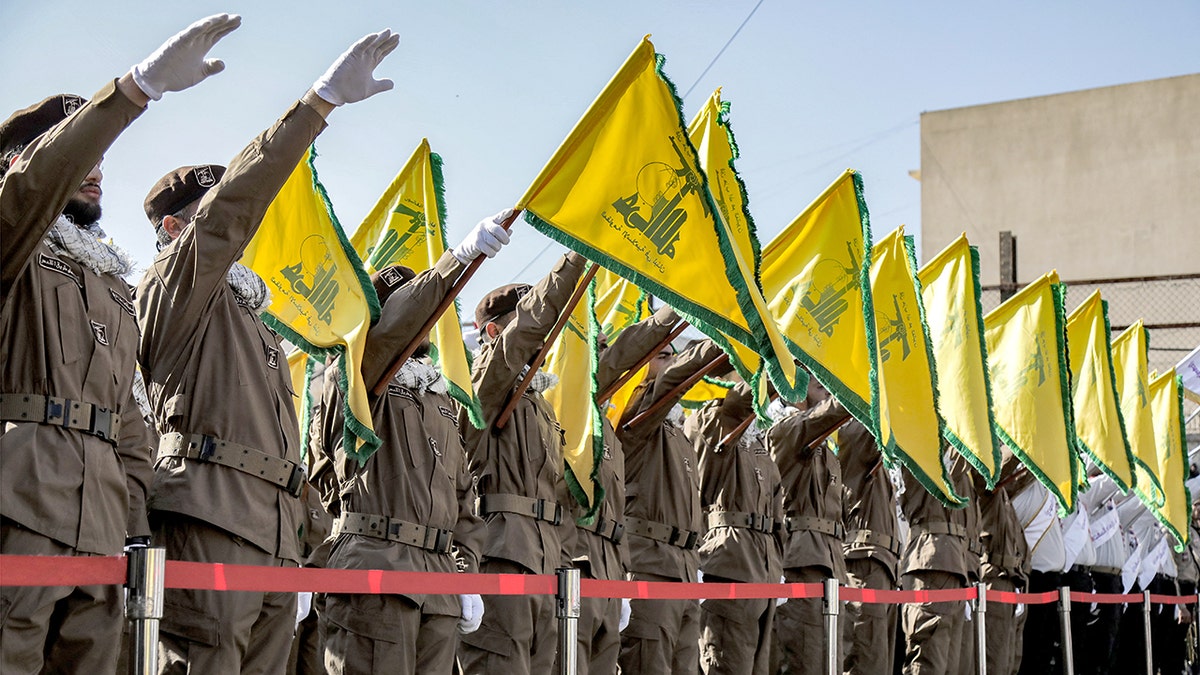
Hezbollah members salute and raise the group’s yellow flags during the funeral of their fallen comrades Ismail Baz and Mohamad Hussein Shohury, who were killed in an Israeli strike on their vehicles, in Shehabiya in south Lebanon on April 17, 2024. (AFP via Getty Images)
Hanin Ghaddar, senior fellow at The Washington Institute for Near East Policy, said that even full weapons surrender would not dismantle Hezbollah’s power.
«Hezbollah is not sustained by weapons alone,» Ghaddar said. «It survives through an economic and political ecosystem that protects cash flows, penetrates state institutions and enables military rebuilding.»
She warned that Lebanon’s unregulated cash economy has become Hezbollah’s most durable asset. «Weapons can be collected, but money keeps flowing,» Ghaddar said. «Disarmament without dismantling the cash economy… will not be durable.»
TRUMP ADMIN PRESSURES LEBANON TO DISARM HEZBOLLAH AS ENVOY CALLS NATION ‘FAILED STATE’
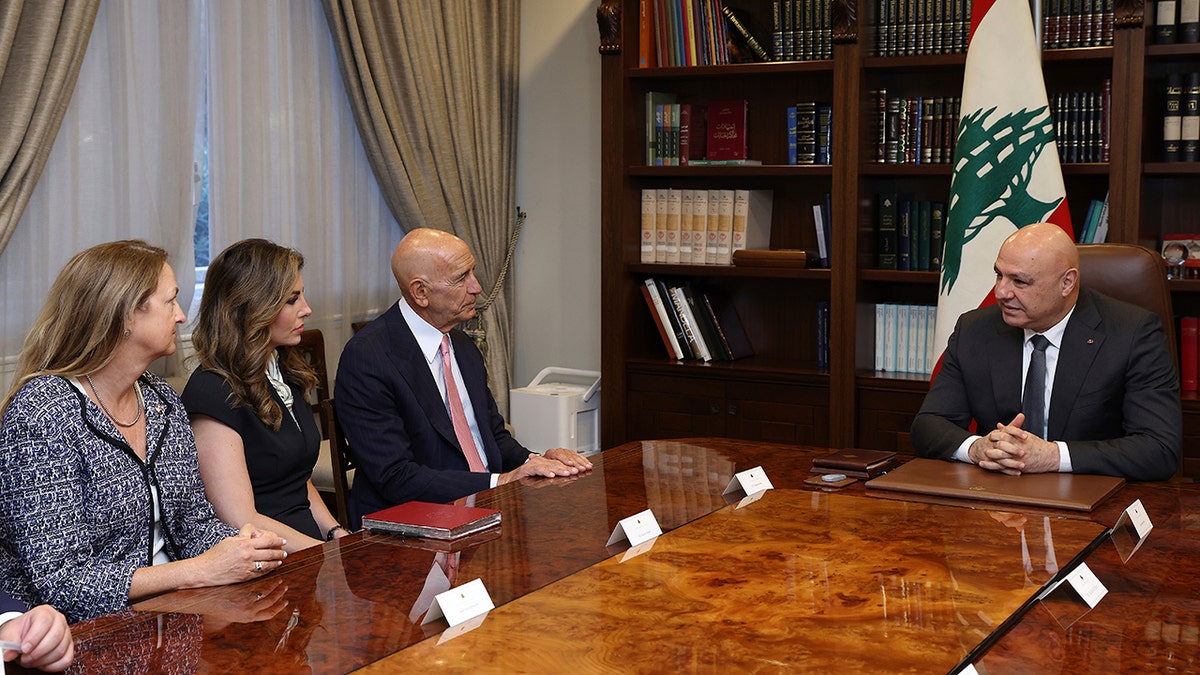
In this photo released by the Lebanese Presidency press office, Lebanese President Joseph Aoun, right, meets U.S. Ambassador to Turkey and Special Envoy to Syria Tom Barrack, third left, U.S. deputy special presidential envoy to the Middle East Morgan Ortagus, second left, and U.S. Ambassador to Lebanon Lisa A. Johnson, left, at the presidential palace in Baabda, in east of Beirut, Lebanon, Monday, Aug. 18, 2025. (Lebanese Presidency press office via AP)
All three witnesses emphasized U.S. support should be tied to measurable performance such as progress on disarmament of Hezbollah and economic reform.
Schenker called for renewed sanctions against corrupt Lebanese officials, saying, «We should be sanctioning leaders right now… who are obstructing reform.»
Dana Stroul, director of research and senior fellow at The Washington Institute for Near East Policy, warned that Washington’s approach remains incomplete.
«For the past year, U.S. policy has focused on Hezbollah disarmament, which is critical, but on its own is only a partial strategy,» Stroul said.
She cautioned that upcoming parliamentary elections could either «strengthen or undermine the anti-Hezbollah government,» calling it the «worst-case outcome» if Hezbollah-aligned politicians retain power.
CLICK HERE TO DOWNLOAD THE FOX NEWS APP
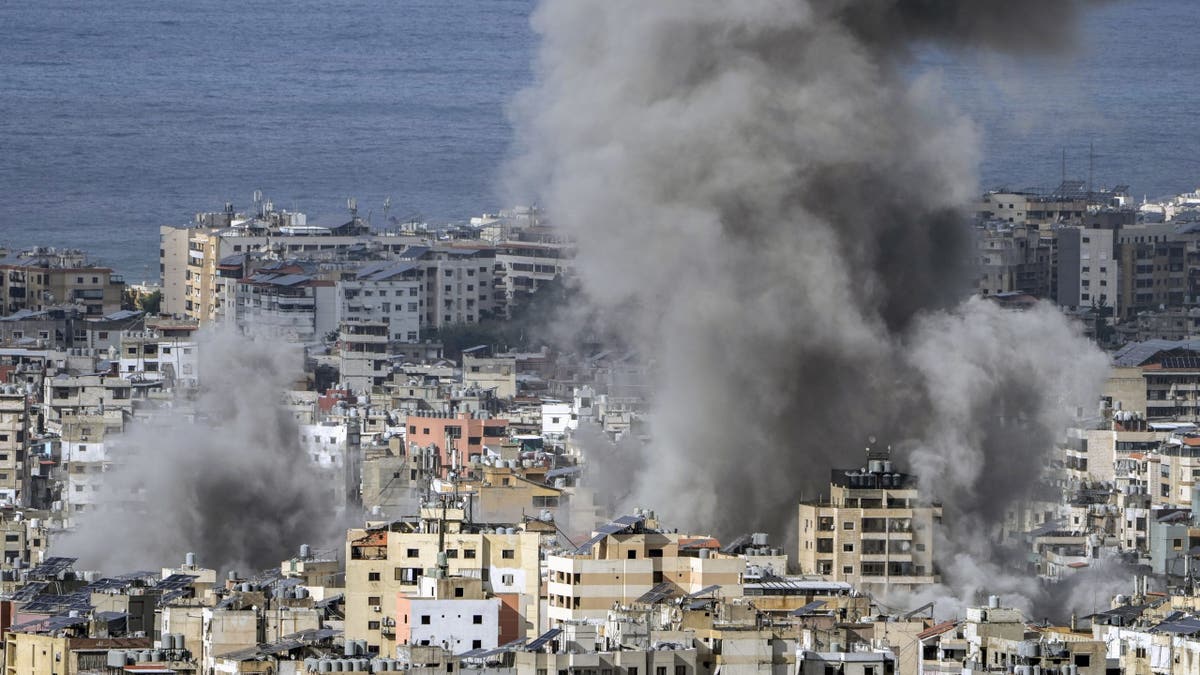
Smoke rises after an Israeli airstrike on Dahiyeh, in the southern suburb of Beirut, Lebanon, Monday, Nov. 25, 2024. (Bilal Hussein/AP Photo)
Ghaddar said Hezbollah’s weakening has shifted Lebanese public discourse. «The mythology of resistance has shattered,» she said. «Peace is no longer taboo.»
She argued that normalization with Israel would raise the political cost of Hezbollah’s rearmament and help lock in reform. «Without a credible peace horizon, disarmament and economic reform will be temporary. With one, they become structural,» Ghaddar said.
lebanon,terrorism,middle east foreign policy,hearings house of representatives politics,israel,politics








INTERNACIONAL
En medio de la guerra en Medio Oriente, Israel lanzó una campaña virtual para reclutar espías en Irán

“Llegó el momento de actuar, una breve conversación podría abrir un nuevo capítulo para usted. Contáctenos a través de una línea segura”. En plena guerra contra la república islámica, la agencia de inteligencia exterior israelí, conocida como el Mossad, intensifica sus esfuerzos en las redes sociales para reclutar agentes iraníes.
Mientras el primer ministro israelí, Benjamin Netanyahu, no deja de llamar a los iraníes a “tomar el destino en sus manos”, una campaña más discreta se desarrolla en internet desde hace meses.
Leé también: El líder supremo de Irán divulgó un mensaje con amenazas a Israel por la muerte del jefe de Seguridad Nacional
Un canal del Mossad fue discretamente creado en la plataforma Telegram a finales de diciembre. En el sitio oficial del organismo figura un enlace que confirma así su autenticidad, junto a otros que llevan a cuentas de reclutamiento en Instagram, Facebook y LinkedIn en hebreo, inglés y árabe.
Sin embargo la campaña choca con una realidad: Irán impuso un absoluto silencio digital en el país y es casi imposible conectarse a internet.
Informes desde el terreno
Una cuenta en Telegram en persa fue creada el 24 de diciembre, cuatro días antes de que estallaran manifestaciones masivas en todo Irán.
Un mensaje fijado en la parte superior del canal indica: “íBienvenido! Si llegaste hasta aquí, probablemente quieras ponerte en contacto con nosotros. Nos alegra”. El Mossad israelí recluta espías en Irán (Foto: Inteligencia Artificial)
El mensaje va seguido de instrucciones detalladas sobre cómo entrar en contacto con el Instituto (“Mossad” en hebreo) de forma segura, a través de un agente conversacional o de su sitio web.
El 6 de marzo, el canal -que actualmente cuenta con unos 48.000 suscriptores-, publicó un mensaje animando a los iraníes a transmitir información desde el interior del país. “Sigan enviando sus informes desde el terreno. Ustedes son testigos de la verdad. ¡Perseveraremos hasta la victoria!”, afirma.
Leé también: Bombardeos en el Líbano: el momento en el que un edificio en Beirut colapsa luego de un ataque israelí
En X también apareció a principios de marzo una nueva cuenta bajo el nombre “Mossad Official”, tras el inicio de los bombardeos israelí-estadounidenses el 28 de febrero. Esta también multiplica los llamamientos, apoyados con atractivos videos generados con IA.
Uno de ellos muestra a “basijíes”(miembros de la fuerza de voluntarios que suelen reprimir las manifestaciones opositoras y que dependen de la Guardia Revolucionaria) mirando al cielo, visiblemente asustados por un posible ataque, con un texto que promete que estos milicianos islamistas encargados del orden público “no podrán esconderse por mucho tiempo”. Otro muestra a un hombre tomando discretamente una foto desde su ventana con su teléfono móvil.
Cuenta en persa en X
El Mossad “lleva a cabo este tipo de acciones desde hace décadas, en función de las herramientas y tecnologías disponibles”, explicó Yosi Melman, periodista israelí especializado en defensa e inteligencia.
“Al igual que otros servicios extranjeros, la agencia financió publicaciones y emisoras de radio en países enemigos. El Mossad no inventó nada nuevo. La CIA lo hace desde hace años”, destacó.
Seis meses antes de la apertura del canal oficial en Telegram, otra cuenta, llamada “Mossad Farsi”, apareció en X.
Publicó su primer mensaje el 25 de junio, justo después de los doce días de guerra entre Israel e Irán. Hoy cuenta con más de 60.000 seguidores.
Sus primeras publicaciones fueron una serie de videos de Menashe Amir, conocido presentador de radio israelí nacido en Teherán, que pasó más de seis décadas dirigiéndose en persa a los iraníes.
Amir confirmó que la cuenta estaba efectivamente gestionada por la agencia de inteligencia, aunque no figure en la lista publicada el martes por el Mosad.
“Make Iran great again”
“El primer mensaje (video) que publicaron conmigo fue visto 2.200.000 veces”, comentó.
La cuenta no fue autenticada por las autoridades, pero los medios israelíes la consideran oficial.
“Mossad Farsi” publicó una serie de críticas sarcásticas contra los dirigentes iraníes, así como contenidos variados.
Leé también: El precio del barril de petróleo se acerca a los US$110 mientras crecen las amenazas en Medio Oriente
Así, por ejemplo, hay una oferta de teleconsulta médica para los iraníes, una enigmática secuencia de números, una encuesta preguntando quién debería dirigir Irán para resolver su crisis crónica de agua, o bien un video que promete “Make Iran great again”, una versión adaptada del famoso eslogan de Donald Trump, “Que Estados Unidos vuelva a ser grande”.
El tono se volvió más insistente cuando estallaron protestas masivas en Irán a finales de diciembre de 2025, que fueron reprimidas violentamente. “Salgan juntos a la calle. Llegó el momento. Estamos con ustedes. No solo a distancia o con palabras, estamos con ustedes sobre el terreno”, afirmó uno de esos mensajes.
El martes, pocas horas después del asesinato por parte de Israel de Ali Lariyani, uno de los principales dirigentes iraníes, y del comandante de los Basij, la cuenta comentó de forma lacónica: “Las personas crueles terminan muriendo”.
(Con información de AFP)
Israel, Irán
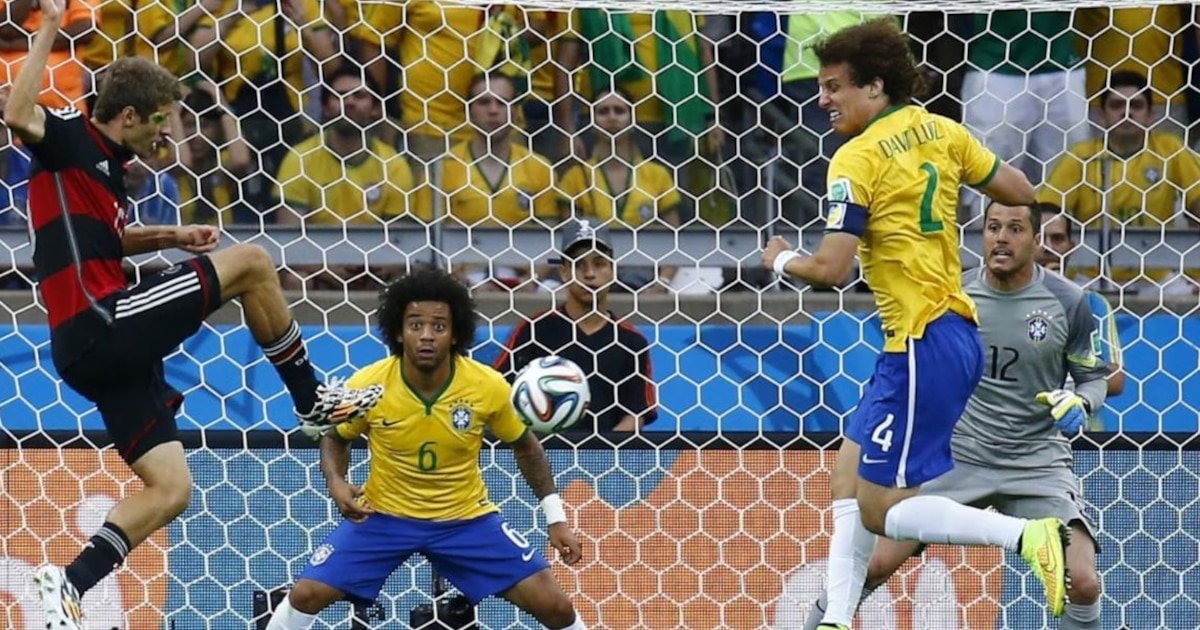
El recuerdo de Marcelo sobre el 7-1 contra Alemania sigue marcado, no solo para él, sino también para todo el fútbol brasileño, como uno de los recuerdos más dolorosos de su historia. Han pasado más de diez años desde aquella semifinal del Mundial de 2014 disputada en Belo Horizonte, pero para el exlateral izquierdo de la selección de Brasil y del Real Madrid, la herida de aquella noche permanece abierta.
El impacto de esa goleada trascendió lo deportivo y quedó grabado como una de las páginas más difíciles en la historia del fútbol mundial.
En 2014, Brasil fue el anfitrión de la cita mundialista y llegaba con la expectativa de saldar la cuenta pendiente de salir campeón del mundo jugando en su casa para así dejar atrás los fantasmas de la recordada derrota ante Uruguay en 1950 que se denominó el Maracanazo.
Con un rendimiento irregular, pero efectivo a fin de cuentas, el equipo de Luis Felipe Scolari logró llegar hasta las semifinales del certamen, donde se tuvo que medir ante Alemania.
La noche del 8 de julio de 2014, Brasil sufrió su peor derrota en noventa y cuatro años tras caer 7-1. No solo se derrumbó por completo el sueño de ganar la copa en casa, sino que las consecuencias de esta catastrófica derrota derivaron en una verdadera pesadilla para los brasileños.
En una entrevista con FourFourTwo, Marcelo, pieza clave en el once titular y protagonista aquella tarde/noche, recordó que la magnitud de la derrota fue grande para él y para todos los involucrados. “Fue una sensación horrible, la peor que experimenté en toda mi carrera. Perder de esa manera fue una desgracia. Jugar un Mundial en tu propio país, defendiendo tus colores, rodeado de tu gente, y luego perder 7-1 fue doloroso”.

El encuentro entre Brasil y Alemania en las semifinales del Mundial 2014 quedó registrado como uno de los partidos que más sorprendente resultado generó en la historia de la Copa del Mundo. Apenas transcurridos 29 minutos, la selección germana ya había anotado cinco goles, dejando sin reacción a jugadores y aficionados. “Raramente un solo partido dejó una cicatriz tan profunda en la conciencia colectiva de un país”, señaló en una entrevista a FourFourTwo.
Marcelo, quien ocupaba el lateral izquierdo aquella noche, detalló la incredulidad en el vestuario brasileño: “Fue una locura, nadie podía creerlo. Los aficionados estaban tristes, pero nosotros en el vestuario también lo estábamos”. La situación en el estadio Mineirao, en Belo Horizonte, reflejaba el sentimiento general en Brasil. El defensor comentó que nunca había experimentado una derrota de tal magnitud, ni una sensación de humillación semejante: “Perder así fue una desgracia”.
La presión sobre la selección brasileña era excepcional, ya que el torneo representaba la primera Copa del Mundo organizada en Brasil desde 1950. Aquella edición también había concluido en decepción, con la derrota ante Uruguay en el recordado Maracanazo. Para Marcelo, la historia parecía repetirse, pero el marcador hacía aún más evidente el impacto.
El relato de Marcelo expone el impacto psicológico inmediato de la derrota y la forma en que buscó superar el golpe. “Me levanté de eso. Me dije a mí mismo que no quería quedarme con ese sabor amargo. “A veces, en la vida, una derrota sirve como impulso para mejorar”, compartió el exfutbolista en su testimonio recogido por FourFourTwo.

A pesar del trauma, Marcelo transformó esa experiencia en un motor de superación personal: “Creo que de esa noche contra Alemania salí más fuerte. Quizás, si hubiéramos llegado a la final y ganado el Mundial, mi mente habría dicho ‘basta’ y me habría despedido del fútbol. Por suerte, nunca perdí la motivación”. El exjugador continuó su carrera internacional durante cuatro años más, sumando un total de 58 partidos con la selección brasileña.
No obstante, tras el Mundial de 2014, ni Marcelo ni la selección brasileña lograron conquistar títulos mayores. Brasil, incluso, no pudo superar los cuartos de final en las ediciones siguientes de una Copa del Mundo. En 2018, lo eliminó Bélgica y en 2022 lo hizo Croacia mediante los penales.
La Copa del Mundo de 2014 representaba para Brasil la oportunidad de redimirse de la derrota sufrida en 1950, cuando cayó ante Uruguay en el recordado Maracanazo. El equipo dirigido por Luiz Felipe Scolari llegaba con la presión de la localía y la esperanza de conquistar el hexacampeonato. Sin embargo, la ausencia de Neymar por lesión y la suspensión de Thiago Silva debilitaron al equipo justo antes de enfrentar a una Alemania compacta y efectiva.
Marcelo, por su parte, nunca volvió a disputar una instancia tan decisiva en la Copa del Mundo con la selección. Su testimonio sobre el 7-1 muestra la dimensión emocional del episodio y la presión de representar a Brasil en un torneo de esa magnitud. “A veces, una derrota sirve como impulso para mejorar”, insistió el exlateral, recordando que la autocrítica fue clave para continuar su carrera tras aquel golpe.
INTERNACIONAL
‘Tell me to my face’: Top moments in Mullin’s heated confirmation hearing to be Trump’s next DHS chief

NEWYou can now listen to Fox News articles!
Frustrations, friendship and questions of temperament dominated the confirmation hearing for Sen. Markwayne Mullin, R-Okla., as the Senate sprints to confirm him to lead the Department of Homeland Security (DHS).
The hearing, led by Senate Homeland Security and Governmental Affairs Chair Rand Paul, R-Ky., started with a tense exchange between him and Mullin and ended with questions about whether the committee would even hold a confirmation vote.
President Donald Trump tapped Mullin to replace outgoing DHS Secretary Kristi Noem. The Senate has little time to move through the process, given that Trump set a deadline of March 31 to have Mullin installed as the next Homeland Security chief.
MULLIN FACES DEMOCRAT GRILLING IN FIRST HURDLE TO LEAD DHS AMID SHUTDOWN FIGHT
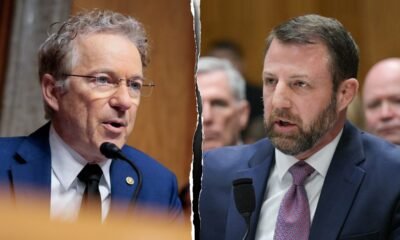
Chairman Sen. Rand Paul speaks as Sen. Markwayne Mullin, President Donald Trump’s nominee to be Homeland Security secretary, testifies before a Senate Homeland Security and Governmental Affairs Committee confirmation hearing on Capitol Hill in Washington, D.C., March 18, 2026. (Reuters/Evan Vucci; Oliver Contreras/AFP via Getty Images)
Paul plans to oppose him, meaning that unless Mullin can generate support from Democrats on the panel, his nomination will be substantially slowed.
It was fast, explosive and marred by the ongoing DHS shutdown, which entered its 33rd day on Wednesday. Below are top moments from the back-and-forth that will decide whether Mullin gets the job to lead the embattled agency.
‘Tell me to my face’
The hearing immediately opened with fireworks over Mullin’s comments that Paul’s 2017 assault, which left him with several broken ribs and the removal of part of his lung, was «justified.»
Paul accused Mullin of never having «the courage to look me in the eye and tell me that the assault was justified.»
«I just wonder if someone who applauds violence against their political opponents is the right person to lead an agency that has struggled to accept limits to the proper use of force,» Paul said.
Mullin shot back before launching into his opening remarks, saying Paul called him a «liar,» and argued, «everybody in this room knows that I’m very blunt and direct and to the point.»
«And if I have something to say, I’ll say it directly to your face. If you recall, back in my House days, we actually did have this conversation because of remarks that I made.»
«You were in a room. I simply addressed that,» he continued. «I said I could understand, because of the behavior you were having, that I could understand why your neighbor did what he did.»
‘Those words probably should have been retracted’
Sen. Gary Peters, D-Mich., the panel’s top Democrat, pressed Mullin on his accusation that Alex Pretti, who was shot and killed by Immigration and Customs Enforcement (ICE) agents in Minnesota, was a «deranged individual that came in to cause max damage.»
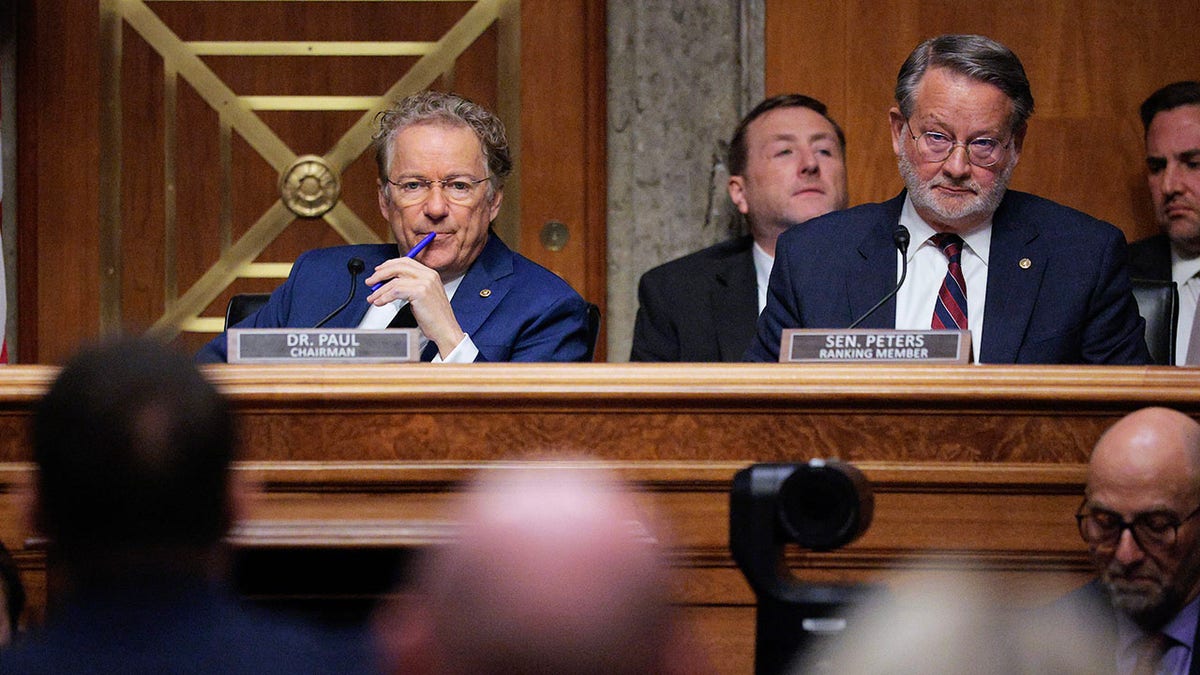
Sens. Rand Paul, R-Ky., and Gary Peters, D-Mich., grilled Sen. Markwayne Mullin, R-Okla., during his confirmation hearing to become the next DHS chief. (Chip Somodevilla/Getty Images)
«Could we expect those kinds of quick responses if you are confirmed as secretary?» Peters said. «Would you be — basically — were you responding as Secretary Noem, are we going to expect that same behavior all over again?»
Mullin didn’t push back against Peters’ question.
HOUSE GOP LEADER LAUNCHES SENATE BID AS TRUMP TAPS MARKWAYNE MULLIN FOR DHS
«Those words probably should have been retracted,» Mullin said. «I shouldn’t have said that. If secretary, I wouldn’t. The investigation is ongoing.»
«And there is — like I said — there’s sometimes going to make mistakes, and I own that one. I went out there too fast. I was responding immediately without the facts,» he continued. «That’s my fault. That won’t happen as secretary.»
Fetterman breaks with Dems
Sen. John Fetterman, D-Pa., is no stranger to bucking his own party, and he’ll likely do it again during Mullin’s confirmation vote.
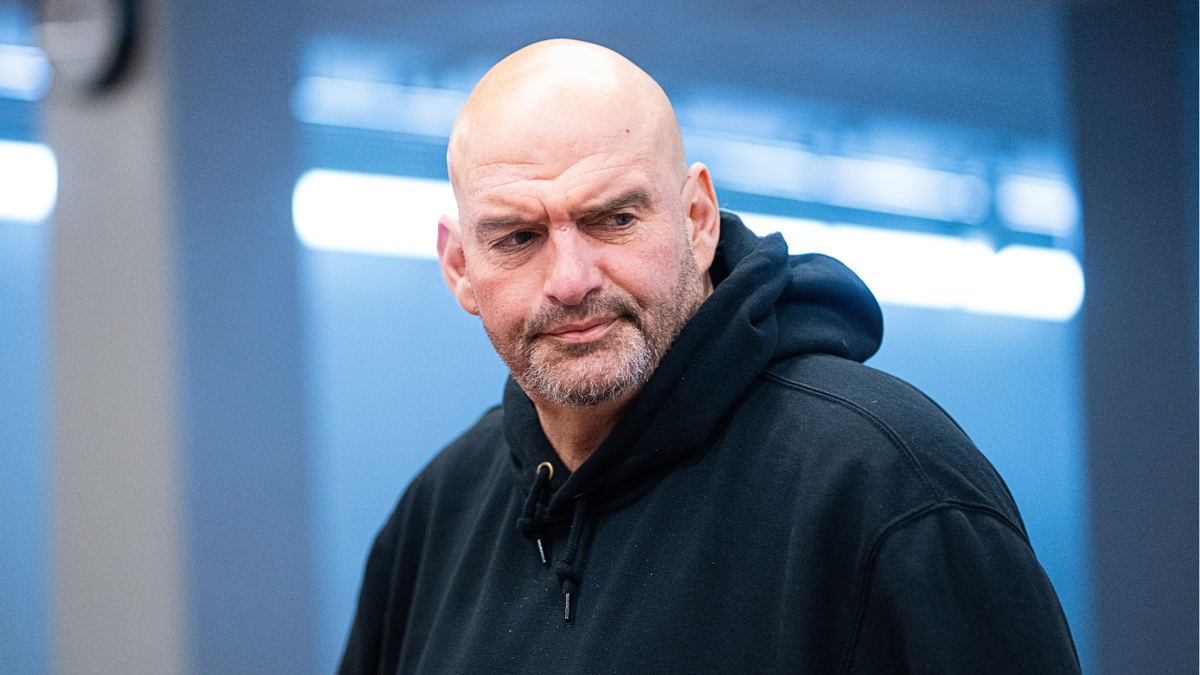
Sen. John Fetterman, D-Pa., speaks to a reporter as he arrives in the U.S. Capitol for a vote on Dec. 3, 2025. (Bill Clark/CQ-Roll Call, Inc. via Getty Images)
The pair became friendly during a congressional delegation trip and have maintained that relationship ever since.
And he recognizes that he’ll likely be the key vote to confirm his colleague.
«I came here and committed to come here with an open mind, and I’m going to continue to do that. It’s not going to be about gotcha moments for me. My experience with you has been consistent and professionalism,» Fetterman said.
But Fetterman also took a moment to blast his party for continuing to block DHS funding and noted that he was «the only Democrat that refused to shut our DHS down.»
«It’s a strange devotion. I don’t understand why you would shut the entire agency down just because you want those kinds of reforms on ICE that have absolutely no impact on ICE and don’t force any of those things,» Fetterman said. «I refuse to do that.»
Mullin’s classified trip
The nature of a shadowy trip Mullin took while serving in the House nearly derailed his expected confirmation vote on Thursday.
Peters questioned the lawmaker about an undisclosed trip taken between 2015 and 2016 and charged that «quite frankly, as we’ve had these conversations, you have not been forthcoming with me or this committee.»
«The story always seems to evolve, to kind of change, and as you know, candor, honesty, transparency are absolutely critical, particularly at this time, to try to build trust as the secretary of Homeland Security,» Peters said.
TEAMSTERS BOSS PRAISES MULLIN DHS NOMINATION DESPITE PAST HEATED HEARINGS
Paul asked Mullin to explain the trip in a classified setting and threatened to cancel the hearing otherwise.
«I’m still willing to have the vote tomorrow, but I can cancel the vote tomorrow,» Paul said. «I’m still willing to have the vote, get this done and get it over with.»
CLICK HERE TO DOWNLOAD THE FOX NEWS APP
Mullin argued that, to his knowledge, only four people were aware of the details of the trip, and he did not have the authority to tell Paul or Peters.
«I would really enjoy sitting there and having a conversation with you, because I don’t want you to have questions or question my character on this,» Mullin said. «That’s very simple for me, but I can’t make that authorization. You guys know that.»
politics,senate,homeland security,rand paul,john fetterman

En medio de la guerra en Medio Oriente, Israel lanzó una campaña virtual para reclutar espías en Irán

Supermercados liquidan pavas eléctricas con descuentos de hasta el 60% y cuotas sin interés

Marcha atlética: claves y recomendaciones para quienes buscan una alternativa al running

¿DÓNDE ESTÁ ESMERALDA? El grito de una madre que sacude a la Argentina: «Me la arrebataron de la puerta»

El Gobierno planifica cómo encarar las negociaciones en el Congreso para avanzar con el paquete de reformas

ANSES: quiénes cobran hoy jueves 19 de marzo de 2026

TRAICIÓN Y ÉXODO: La promesa rota de Monteoliva que desató una ola masiva de bajas en la Policía Federal

Adorni se disculpó por el viaje de su esposa: “Fue una pésima decisión, más allá de que no generó gasto para el Estado”

Horacio Rodríguez Larreta reapareció y lanzó “Metrópolis”, su nuevo espacio en la Ciudad de Buenos Aires

Insólito: un esquiador británico terminó la Copa del Mundo de Oslo bajo los efectos del alcohol

 POLITICA2 días ago
TRAICIÓN Y ÉXODO: La promesa rota de Monteoliva que desató una ola masiva de bajas en la Policía Federal
- POLITICA2 días ago
Adorni se disculpó por el viaje de su esposa: “Fue una pésima decisión, más allá de que no generó gasto para el Estado”
- POLITICA2 días ago
Horacio Rodríguez Larreta reapareció y lanzó “Metrópolis”, su nuevo espacio en la Ciudad de Buenos Aires