INTERNACIONAL
Lionel Messi, Donald Trump y un debate político en Argentina


Lionel Messi, quizá el futbolista más famoso del mundo, nunca habla de política públicamente.
La semana pasada, en un encuentro con el presidente Donald Trump, mantuvo ese silencio, pero eso no impidió que la estrella argentina terminara arrastrado al centro de un acalorado debate político en su país.
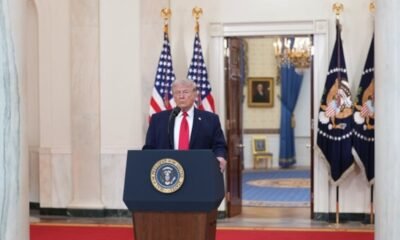
Messi sonrió tímidamente en una visita a la Casa Blanca con su equipo de la liga de Estados Unidos, el Inter de Miami, después de que Trump aprovechara la ocasión para hablar de la demolición del ejército iraní y del cambio de régimen en Cuba, lo que convirtió una celebración de rutina de la victoria del Inter de Miami en la Copa MLS 2025 en una tormenta de fuego polarizante.
Leé también: “Surrealista”: el análisis de un prestigioso medio de EE.UU. sobre la visita de Messi a Donald Trump
El presidente de Argentina, Javier Milei, aliado clave del gobierno de Trump, celebró el saludo entre el héroe futbolístico más célebre de su país y Trump. Al mismo tiempo, los críticos de Trump acusaron a Messi de acercarse al controvertido presidente estadounidense.
“Fue como una cachetada”, escribió Ángel Cappa, exfutbolista y exentrenador argentino y comentarista veterano, en una entrada de su blog titulada “Qué lástima, Messi”.
En sus dos décadas de carrera futbolística, Messi se ha esforzado por mantenerse al margen de la política, y no ha hecho ningún comentario sobre el acto de la Casa Blanca. Los representantes del Inter de Miami no respondieron a una solicitud de comentarios.
Algunos equipos y atletas estadounidenses han renunciado a visitar la Casa Blanca para evitar reunirse con presidentes con los que no están de acuerdo o verse envueltos en el tipo de escrutinio al que se ha enfrentado Messi.
Leé también: Inter Miami publicó imágenes inéditas de Lionel Messi durante la reunión con Donald Trump en la Casa Blanca
En las redes sociales, en los periódicos y en los programas de radio y televisión, los argentinos han realizado un examen casi forense del lenguaje corporal de Messi durante el encuentro con Trump para analizar lo incómodo o cómodo que parecía durante el discurso del presidente estadounidense.
El compromiso por décadas de Messi con la neutralidad política pareció ser en vano cuando argentinos de izquierda y derecha lo reclutaron en las filas del trumpismo.
“Hasta el máximo ídolo nacional argentino es de derecha”, escribió en X Agustín Laje, un conocido intelectual argentino de derecha. Lionel Messi y el resto del plantel de Inter Miami se reunió con Donald Trump. (Foto: Prensa Inter Miami).
El debate se extendió más allá de las fronteras de Argentina. Pero entre las figuras más notorias que politizaron el encuentro está Milei, quien, tras elogiar al campeón de fútbol durante años, parecía haber encontrado por fin la forma de utilizarlo como pólvora estelar contra sus enemigos de la izquierda.
“La única izquierda que sirve es la de Messi”, publicó Milei en redes sociales, refiriéndose al futbolista zurdo mientras atacaba a la izquierda política.
Milei reeditó un video de televisión de 2018 en el que defendía apasionadamente a Messi de las críticas que recibió después de la eliminación prematura de Argentina en el Mundial de 2018. Vilipendió a los críticos en una publicación, en la que se lee: “Aman a Maduro, Hamas y Cuba. Odian a Messi. Son el mal”.
Como Milei ha intentado erigirse en un líder mundial de la derecha, lleva mucho tiempo tratando de asociarse con la celebridad internacional más reconocida de Argentina. Pero hasta ahora no ha logrado hacerse una foto con Messi, el capitán de la selección nacional masculina.
Para Pablo Alabarces, sociólogo argentino, la foto de Messi con Trump representa una satisfacción indirecta para Milei, pues posiciona al futbolista en la extrema derecha.
Otros expertos en fútbol trataron de restar importancia al debate. Andrés Cantor –la voz futbolística de Telemundo, el gigante estadounidense de los medios de comunicación en español– señaló que Messi era el capitán de un equipo que recibía un premio de manos de un presidente que ni siquiera era el suyo.
Cantor señaló que el jefe de Messi es el propietario del equipo, y que tanto él como sus compañeros habían recibido una invitación de la Casa Blanca y habían respondido a ella. Agregó que esa visita no dejaba en claro de que lado de la política se encontraba Messi.
(Tampoco quedó claro qué tanto entendieron el discurso de Trump los jugadores, pues el inglés no es la lengua materna de muchos de ellos, incluido Messi).
Otra asociación de la que Messi ha luchado por escapar es la que tiene con su predecesor como máximo icono futbolístico del país, Diego Armando Maradona. El astro del fútbol, quien falleció en 2020, era deslumbrante en el campo, pero una figura polarizante fuera de la cancha. Cultivó una imagen de defensor de izquierda de los pobres, delineada por el barrio obrero en el que creció.
Por años, el triunfo de Maradona en la Copa del Mundo de 1986 le dio ventaja en el debate sobre quién era el mejor jugador de Argentina, pero cuando Messi llevó a Argentina a ganar la Copa del Mundo de 2022, se zanjó el asunto.
Las comparaciones resurgieron tras la visita a la Casa Blanca. En la página de Instagram de Messi, un comentario con decenas de miles de “me gusta” decía: “Gracias por darle la mano a Trump. Así ya queda bien claro por qué el Diego es lo más grande que hay”.
La protesta se hizo mayor por el hecho de que Messi y sus compañeros de equipo no visitaran el palacio presidencial argentino tras la victoria de Argentina en el Mundial de 2022, cuando era presidente Alberto Fernández, político de centro-izquierda. Fernández dijo esta semana en un canal de YouTube sobre fútbol que el gobierno no les pidió que fueran.
Incluso algunos expertos que estaban dispuestos a conceder a Messi el beneficio de la duda sobre su reunión con Trump dijeron que había algo fuera de lugar en mezclar el fútbol y una conferencia presidencial sobre la aniquilación militar.
*Emma Bubola es reportera del Times que cubre Argentina desde Buenos Aires.
*Lucía Cholakian Herrera colaboró con reportería.
The New York Times, Lionel Messi










INTERNACIONAL
En su mensaje de Pascua, el Papa pidió que «los que tienen el poder de desencadenar guerras elijan la paz»

El Papa celebró su primera Pascua este domingo en una plaza San Pedro bulliciosa por el entusiasmo de 50 mil fieles y turistas. Una Pascua ensombrecida por la guerra a cuyos responsables pidió «elijan la paz» en su mensaje Urbi et Orbi (a Roma y el mundo).
En la conclusión de la primera Semana Santa de su pontificado, León XIV presidió la más importante celebración del calendario cristiano en un clima de inquietud por la guerra en Medio Oriente.
Anoche, Sábado Santo, los temores de un agravamiento del panorama bélico también resonaron en la basílica de San Pedro. El pontífice llamó esta mañana a la esperanza ante la violencia e la guerra “que mata y destruye” y la “idolatría del lucro” que saquea los recursos de la tierra” en su mensaje durante la misa de Resurrección.
En la homilía, León advirtió que “la muerte siempre asecha” y se manifiesta en los “egoísmos partidistas”, la opresión de los pobres y la “escasa atención” a los más frágiles.
“La vemos en la violencia, en las heridas del mundo, en el grito de dolor que se eleva por todas partes a causa de los abusos que aplastan a los más débiles”. Frente a ello subrayó que la Pascua es “una fuerza imparable”, capaz de dar luz en la oscuridad más profunda.
“Hoy necesitamos este canto de esperanza», afirmó, pidiendo a los creyentes a que “lleven la alegría de la resurrección por las calles del mundo”.
Pero el mensaje pascual “no siempre es fácil de acoger”, especialmente cuando “el lastre de los pecados” o la soledad agotan la esperanza”, señaló.
Señaló que el anuncio pascual alcanza al ser humano “hasta los abismos de la muerte” y “abre a la esperanza que no desfallece, a la luz que no se apaga, a esa plena de alegría que nada puede borrar”.
“Cuando las preocupaciones o los resentimientos sofocan la alegría de vivir, cuando sentimos tristeza y cansancio, cuando nos sentimos traicionados o rechazados, no parece que hayamos caído en un túnel del que no vemos la salida”, admitió.
Del altar frente a la basílica partió un bellísimo despliegue de decoraciones florados con decenas de miles de flores aportadas por los floristas holandeses.
Terminada la misa, el Papa se trasladó al balcón central de la basílica, donde el 8 de mayo pasado apareció ante la multitud y se anunció el Habemus Papam desde el cual el pontífice envió su bendición Urbi et Orbi, a Roma y al Mundo.
León XIV evitó, como es habitual en los mensajes dominicales tras el ángelus del mediodía, de pasar revista a los conflictos bélicos que se difunden en el mundo.
Anunció que el sábado 11 de este mes habrá una celebración en la basílica de San Pedro para implorar a Dios por la paz.
Lanzó mensajes en varios idiomas, como es costumbre en la jornada de Pascua y llamó al mundo a “elegir la paz”.
Denunció la “indiferencia” ante la guerras en el mundo, que dejan miles de muertos.
“Nos estamos habituando a la violencia , nos resignamos a ella y nos volvemos indiferentes ante la muerte de miles de miles de personas, indiferentes ante las secuelas de odio y división que siembran los conflictos y a sus consecuencias económicas y sociales”, señaló.
León XIV hizo un llamado a deponer las armas y buscar la paz en los conflictos globales mediante el diálogo. Enfatizó el mensaje de esperanza de la Pascua como una celebración de la resurrección de Jesús tras ser crucificado.
“¡Dejemos que nuestros corazones sean transformados por el amor de Cristo por nosotros!”. “Que quienes tienen armas las depongan!”. “¡Que quienes tienen el poder de desatar guerras elijan la paz!” “¡No una paz impuesta por la fuerza sino mediante el diálogo!” “¡No con el deseo de dominar a los demás sino de encontrarnos!”, imploró el pontífice.
El Papa mencionó una sensación de indiferencia “ante la muerte de miles de personas” y ante las consecuencias económicas y sociales que producen”-
Sin mencionar las guerras en particular, León citó a su predecesor, el Papa argentino Francisco, que durante su última aparición pública desde el mismo balcón principal de la Basílica, el día antes de su muerte, recordó a los fieles la “gran sed de muere, de matar, que presenciamos cada día».
INTERNACIONAL
Surging UK Green Party pushes church-state split, critics warn of break from Britain’s Christian roots
UK scales back policing of social media posts
Fox News senior foreign affairs correspondent Greg Palkot reports on the U.K. Home Office’s decision to stop policing certain social media posts and refocus on tackling ‘real’ crime on ‘America Reports.’
NEWYou can now listen to Fox News articles!
LONDON: The left-wing British Green Party has said it wants to separate the Church of England from the state if it wins the next general election, which must be held before August 2029.
The Church of England has been the «established» church since the 16th-century Reformation, with the British monarch serving as its supreme governor. For traditionalists, this link is not merely ceremonial but is the foundational bedrock of British identity.
The Greens have come under fire for seeking to remove centuries of British history and tradition by separating the church from British politics, with critics characterizing it as the latest move against Christianity in the U.K.
GB News reported last month that the Green Party policy document stated: «No person shall hold office in the state, or be excluded from any such office, by virtue of their or their spouse’s membership or non-membership of any religion or denomination of religion.»
UK FLAG CLASH AS FOREIGN BANNERS FLY, CITIZENS PUSH BACK AGAINST WOKE POLICIES RESHAPING BRITAIN
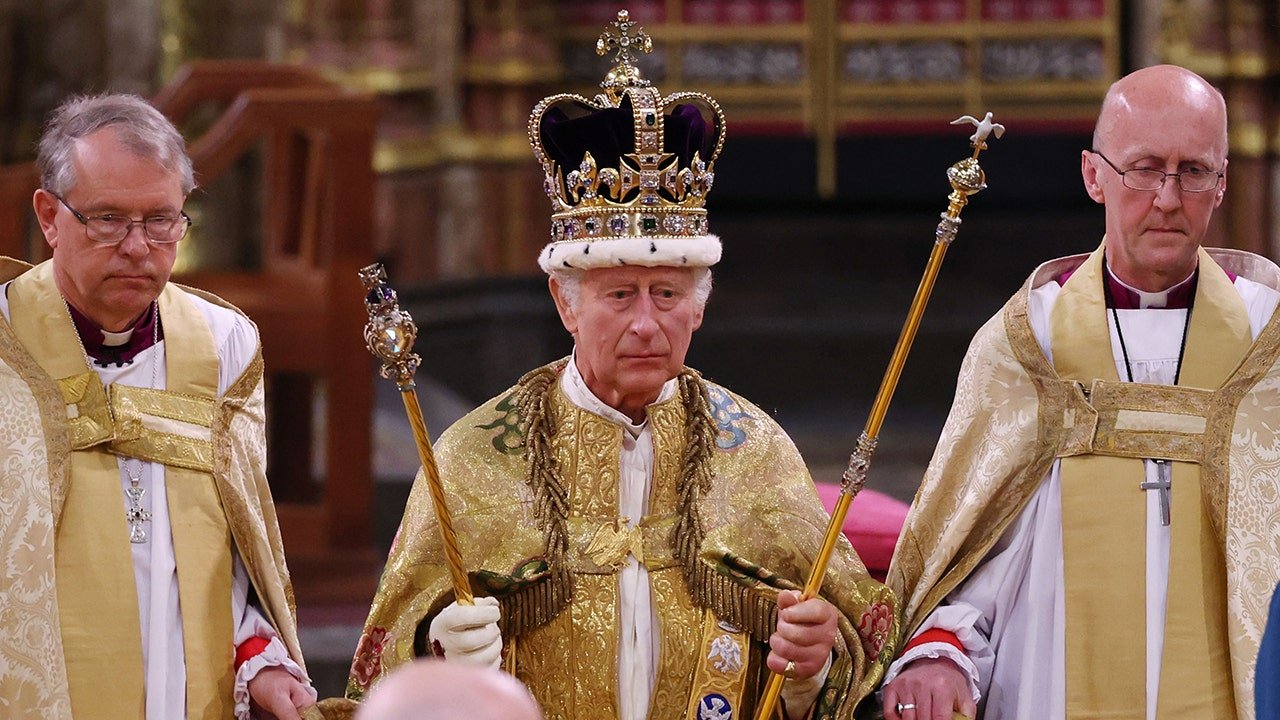
King Charles ascended the throne in September 2022 following his mother’s death, and his coronation was in May 2023. (Richard Pohle – WPA Pool/Getty Images)
Michael McManus, the director of research at the Henry Jackson Society, a U.K. think tank, told Fox News Digital, «Britain is a tolerant society but with clear Christian origins and culture. Aiming to disestablish the Church of England could be seen as an attempt to reject that ethical foundation without being clear what would replace it instead.»
High-profile figures have also weighed in on the debate, with actor and comedian John Cleese responding to a comment about the Greens’ proposal by stating on X: «The UK has always been based at the deepest level on Christian values, regardless of dogma. Despite the many mistakes made by churches, for centuries British people have been influenced by Christ’s teaching. If these values are replaced by Islamic ones, this will not be Britain anymore.»
FORMER UK PM DEFENDS TRUMP FOR HIGHLIGHTING ‘SHARIA LAW’ IN BRITAIN DURING UN SPEECH
The Greens are a growing political force, placing second behind Reform UK in a recent YouGov poll. Another YouGov poll linked the Greens’ rise in popularity with younger voters in the country, finding a majority of those between 18 and 24 supported them, while also doing well with women and other groups.
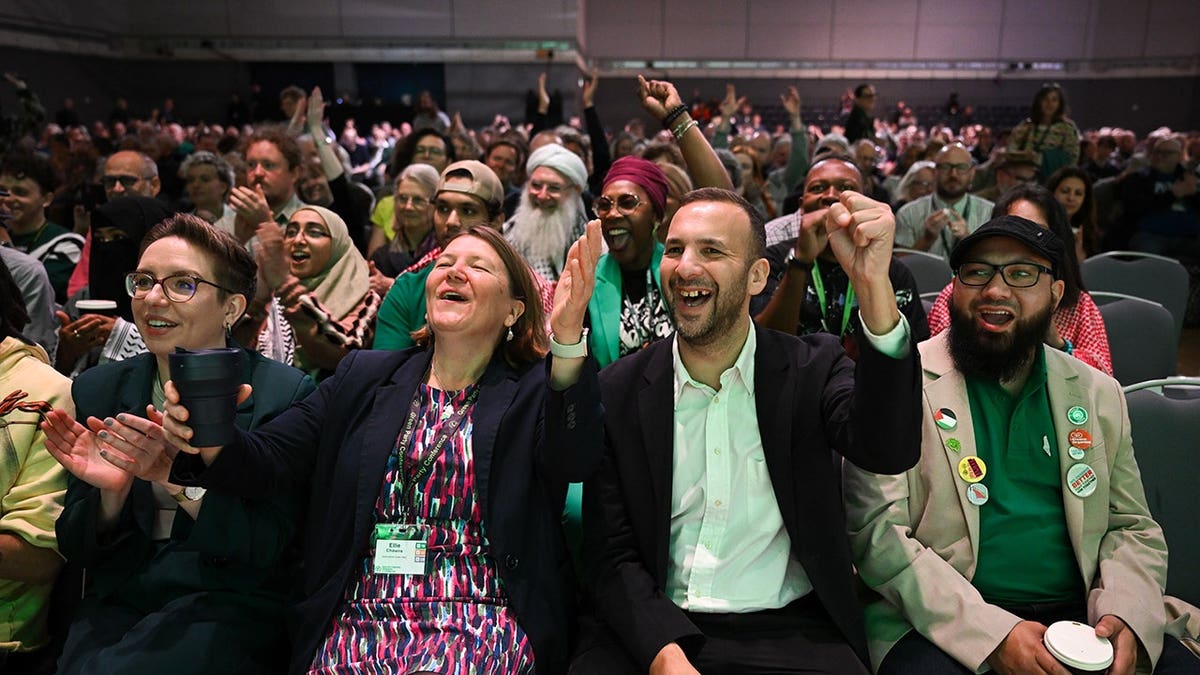
UK Green Party leader Zack Polanski. (Finnbarr Webster/Getty Images)
A spokesperson for the Green Party told Fox News Digital, «We will be setting out our detailed plans for government at the time of the next General Election, just as we did at the last General Election. As always, our members will be shaping our priorities. These will again address the real and immediate needs of people and the planet, such as tackling the climate crisis, bringing down the cost of living and rebuilding our public services, including the NHS. Our focus is on the issues that impact ordinary people most.»
CHURCHILL, SHAKESPEARE AND THE UK FLAG ALL UNDER SIEGE IN MODERN BRITAIN, COMMENTATORS SAY
Green Party leader Zack Polanski has defended a secular state. He has also drawn criticism for his support of legalizing drugs such as heroin and cocaine, his climate policies and anti-Israel positioning.
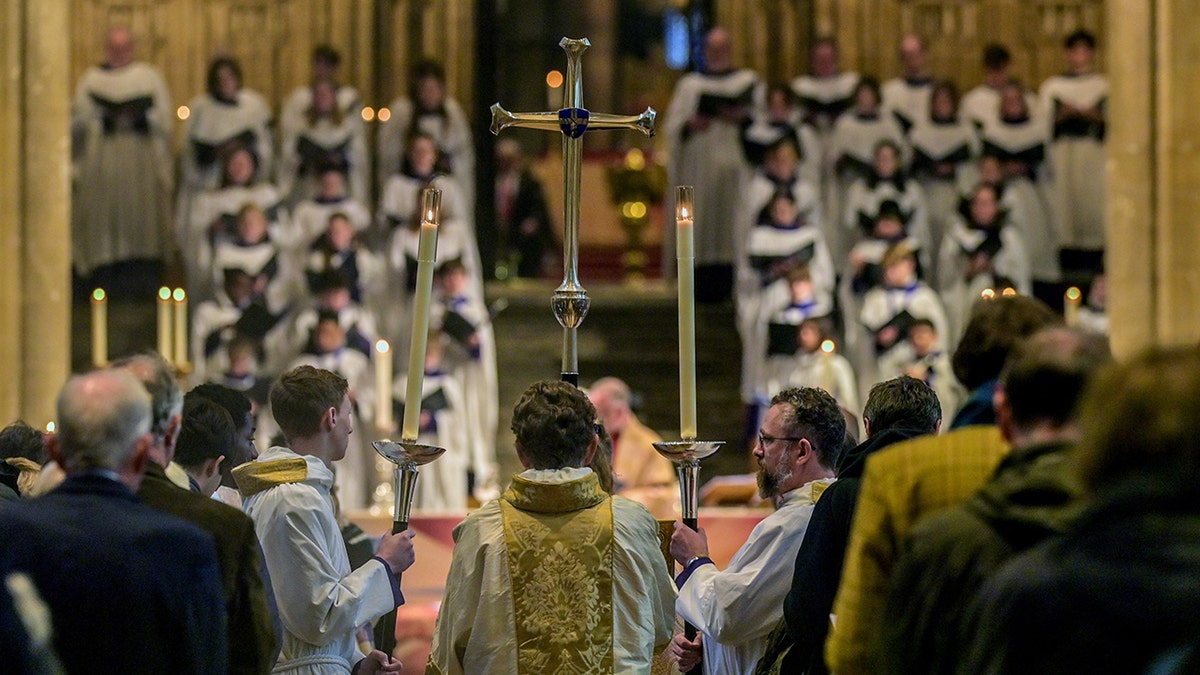
A view of Christmas morning Eucharist service at Canterbury Cathedral, Canterbury, United Kingdom, on Dec. 25, 2022. (Stuart Brock/Anadolu Agency)
The timing of the Green Party’s push is particularly sensitive as it comes on the heels of the House of Lords (Hereditary Peers) Act 2026, which passed last month, removing the last hereditary aristocrats from Parliament. With the hereditary principle gone, the presence of the «Lords Spiritual» has become the next logical target for constitutional reformers. There are currently 26 seats reserved for Church of England archbishops and bishops in the House of Lords.
CLICK HERE TO DOWNLOAD THE FOX NEWS APP
As the U.K. heads toward a local 2026 election cycle, the «Church and State» debate looks set to become a wedge issue. For the Greens, it represents their commitment to a «diverse and inclusive» Britain. For their detractors, it is a dangerous move that risks «de-Christianizing» the country at a moment of profound social uncertainty.
Whether the proposal will mobilize a new «religious vote» or simply fade behind the urgency of other issues remains to be seen. What is clear, commentators say, is that the image of the established Church is increasingly being viewed through the lens of a much sharper and more polarized political fight.
united kingdom, elections, green, religion, uk politics, christianity religion, family personal freedoms
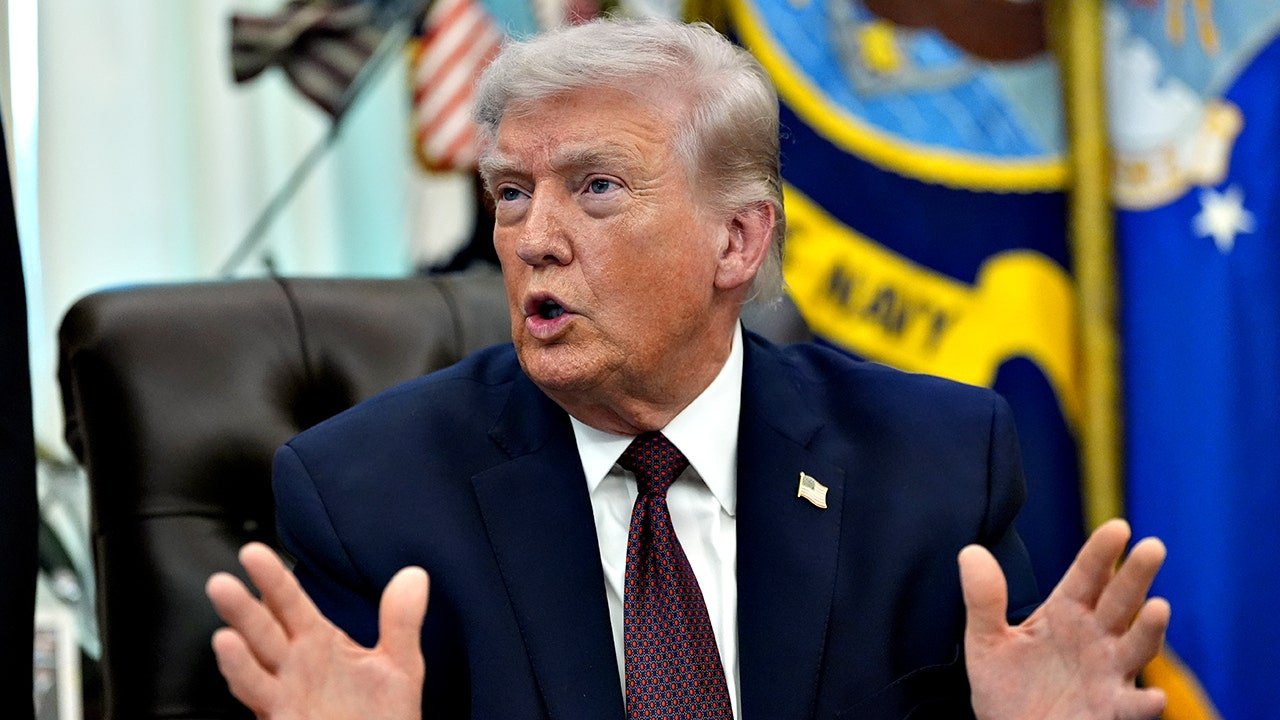
NEWYou can now listen to Fox News articles!
President Donald Trump’s effort to investigate race-based admissions at U.S. colleges was temporarily blocked Friday by a federal judge in Boston.
U.S. District Judge F. Dennis Saylor IV granted a preliminary injunction Friday, temporarily barring the Trump administration from forcing public colleges in 17 Democrat-led states to submit detailed admissions data meant to prove they are not unconstitutional considering race.
Saylor did admit the federal government likely can seek such information in «identifying potential problems» and «patterns of discrimination» but the executive order’s 120-day deadline was «rushed and chaotic» and «epitomizes arbitrary and capricious agency action.»
Trump, while moving to shut down the Department of Education to return its functions to the states last March, sought a four-month deadline for race data on college admissions this past August.
TRUMP ADMIN PROBE ACCUSES HARVARD OF DISCRIMINATING AGAINST JEWISH STUDENTS, THREATENS TO PULL ALL FUNDING
Education Secretary Linda McMahon (Getty Images)
«Within 120 days of the date of this memorandum, and to be initiated this 2025-2026 school year, the Secretary of Education, in coordination with NCES [National Center for Education Statistics], shall expand the scope of required reporting to provide adequate transparency into admissions, as determined by the Secretary of Education, consistent with applicable law,» Trump’s executive order challenged by Democrats read.
A coalition of 17 Democratic state attorneys general sued, arguing the new reporting regime would invade student privacy, burden universities and trigger unwarranted federal investigations.
«Plaintiffs have established, based on the record before the Court, that they are likely to succeed on the merits of their claim that the agency action was ‘arbitrary, capricious, an abuse of discretion, and not otherwise in accordance with the law,’» Saylor concluded. «Furthermore, and notwithstanding the contention of the government, plaintiffs have established that immediate irreparable harm will result if the injunction does not issue. And they have likewise established that the balance of equities and the public interest favor preliminary injunctive relief. Accordingly, the motion for a preliminary injunction will be granted.»
GEORGE MASON UNIVERSITY VIOLATED TILE VI WITH ‘UNLAWFUL DEI POLICIES,’ EDUCATION DEPARTMENT SAYS
The administration argued the data collection is needed to ensure colleges are complying with the Supreme Court’s 2023 decision ending affirmative action in admissions, while still allowing applicants to discuss how race affected their lives in essays.
«Race-based admissions practices are not only unfair, but also threaten our national security and well-being,» Trump’s order read. «It is therefore the policy of my Administration to ensure institutions of higher education receiving Federal financial assistance are transparent in their admissions practices.»
TRUMP DOJ PROBES MICHIGAN SCHOOLS OVER GENDER CURRICULUM, JOINS LAWSUIT AGAINST LA RACE-BASED PROGRAM
Under the policy, colleges were told to provide admissions data broken down by race and sex and to report it retroactively for seven years, with possible penalties for schools that failed to comply.
The administration’s policy echoes settlement agreements the government negotiated with Brown University and Columbia University, restoring their federal research money. The universities agreed to give the government data on the race, grade-point average and standardized test scores of applicants, admitted students and enrolled students. The schools also agreed to be audited by the government and to release admissions statistics to the public.
The NECS is to collect the new data, including the race and sex of colleges’ applicants, admitted students and enrolled students. Education Secretary Linda McMahon has said the data, which was originally due by March 18, must be disaggregated by race and sex and retroactively reported for the past seven years.
TRUMP’S DEMAND FOR COLLEGES NATIONWIDE TO FORK OVER RACE DATA FACES LEGAL HURDLE
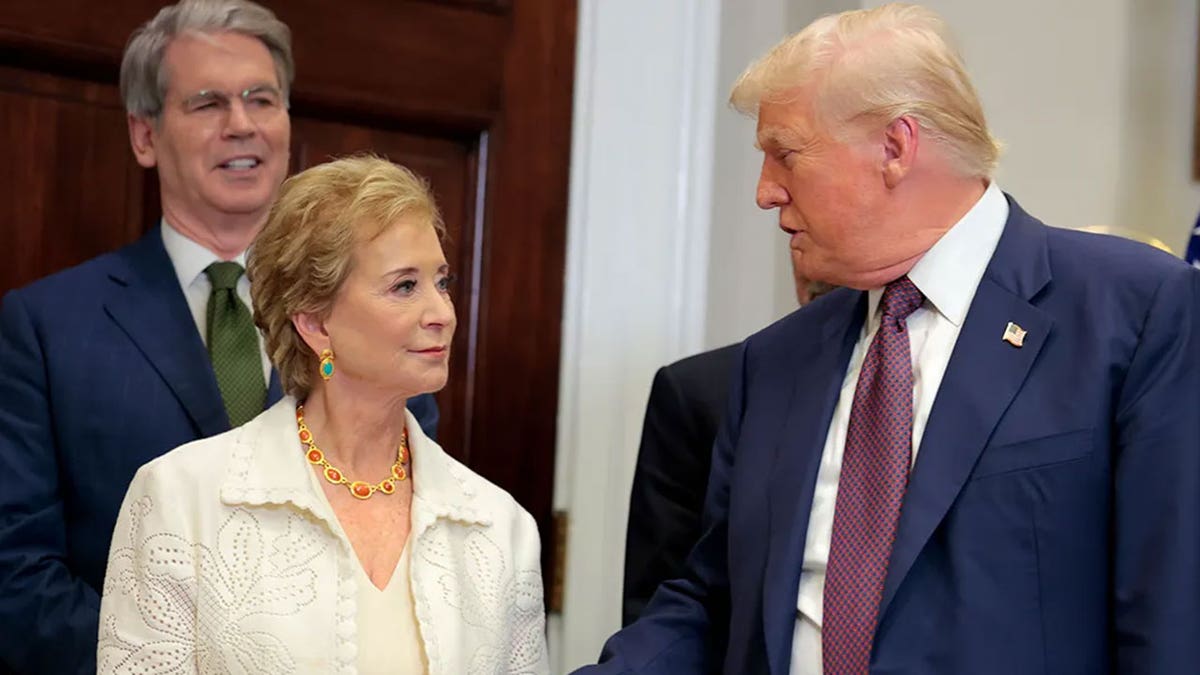
President Donald Trump speaks with Secretary of Education Linda McMahon during an executive order signing ceremony in the Roosevelt Room of the White House on July 31, 2025. (Anna Moneymaker/Getty Images)
If colleges fail to submit timely, complete and accurate data, the administration has said McMahon can take action under Title IV of the Higher Education Act of 1965, which outlines requirements for colleges receiving federal financial aid for students.
The Trump administration separately has sued Harvard University over similar data, saying it refused to provide admissions records the Justice Department demanded to ensure the school stopped using affirmative action.
Harvard has said the university has been responding to the government’s requests and is in compliance with the Supreme Court ruling against affirmative action. On Monday, the Education Department’s Office for Civil Rights directed Harvard to comply with the data requests within 20 days or face referral to the U.S. Justice Department.
CLICK HERE TO DOWNLOAD THE FOX NEWS APP
Saylor’s injunction applies only to public institutions in the 17 Democratic plaintiff states, at least for now.
The Associated Press contributed to this report.
dept of education, federal judges, education, justice department

Horacio Marín, CEO de YPF, habló del precio de la nafta: “Decidimos trasladar al surtidor solo el impacto real en los costos de la empresa”

Cómo va el historial entre Independiente y Racing, quién ganó más y cuánta diferencia hay entre uno y otro

En su mensaje de Pascua, el Papa pidió que «los que tienen el poder de desencadenar guerras elijan la paz»

Surging UK Green Party pushes church-state split, critics warn of break from Britain’s Christian roots

La preocupación de Marcelo Teto Medina por los resultados de sus últimos estudios tras el cáncer: “Solo me queda esperar”

Inversiones en abril: qué acciones, bonos y CEDEAR pican en punta entre brokers de la City

Milei se pone al frente de la defensa de Adorni y lo suma a un acto por Malvinas en una nueva muestra de respaldo

Oriana Sabatini sorprendió al elegir a una famosa como madrina de Gia, su hija con Paulo Dybala

Banco lanza un plazo fijo inédito: sigue a la inflación y permite retirar intereses todos los meses

La Armada sorteará 30 lugares en el buque que escoltará la salida de la Fragata Libertad: cómo anotarse

 CHIMENTOS3 días ago
Oriana Sabatini sorprendió al elegir a una famosa como madrina de Gia, su hija con Paulo Dybala
- POLITICA3 días ago
La Armada sorteará 30 lugares en el buque que escoltará la salida de la Fragata Libertad: cómo anotarse
- INTERNACIONAL19 horas ago
La nueva advertencia de Donald Trump a Irán: «El tiempo se acaba, quedan 48 horas antes del infierno»