INTERNACIONAL
NYC suburb makes major security move by city border after Mamdani victory: ‘Talks like he’s pro-criminal’

NEWYou can now listen to Fox News articles!
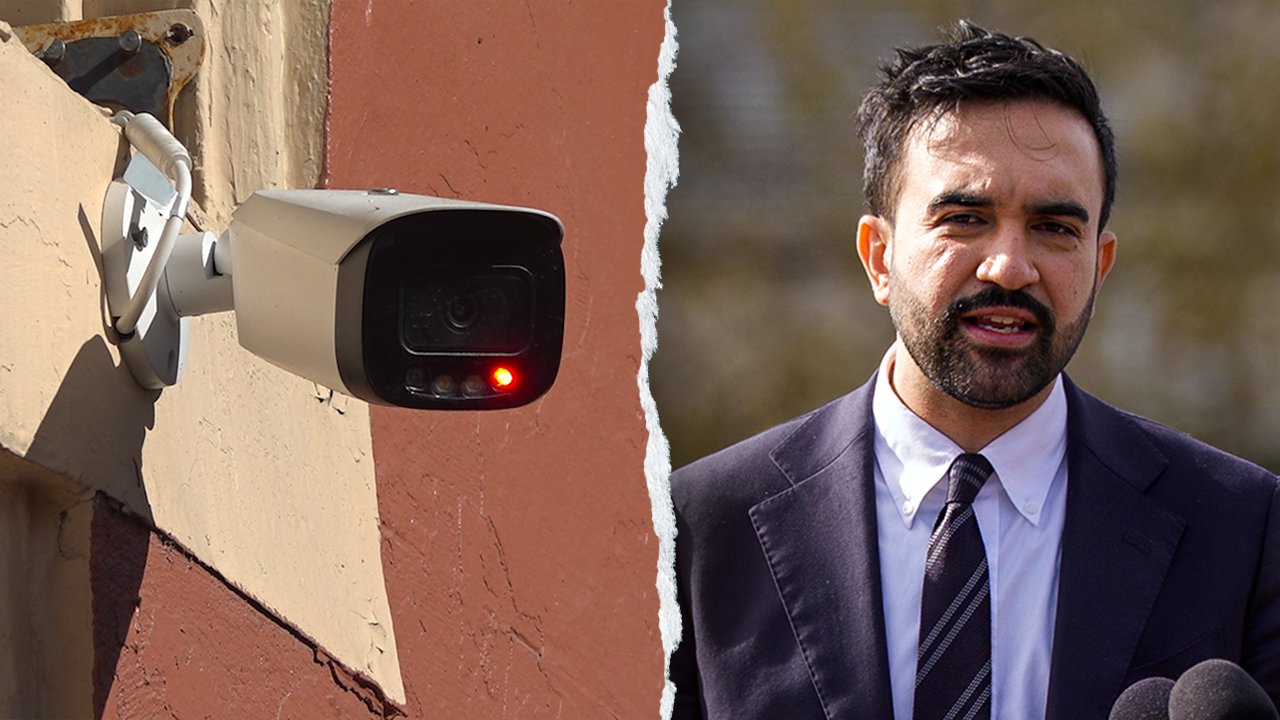
Nassau County Executive Bruce Blakeman, a Republican whose county neighbors New York City, said that he is directing authorities to install cameras and security technology along the border with the city in light of the election of Mayor-elect Zohran Mamdani.
In an interview with Fox News Digital, Blakeman, who was just re-elected earlier this month to serve a second term in the majority blue county, said he will be taking extra precautions to preserve law and order in Nassau County in light of the socialist mayor-elect, Mamdani.
«We are doing everything necessary to make sure that Nassau County is safe,» he said. «We are installing technology along the border of New York City that will read license plates, that will have facial recognition, that will have video cameras.»
He also stated that the county is hiring new police officers in addition to its existing force and the 100 police cadets currently enrolled in the Nassau County Police Academy.
NYC SUBURB OFFICIAL REVEALS HOW ICE PARTNERSHIP HAS FLIPPED SCRIPT ON CRIME AS MAMDANI VICTORY LOOMS
Nassau County Executive Bruce Blakeman (left) and New York City Mayor-elect Zohran Mamdani (Steve Pfost/Newsday RM via Getty Images; Adam Gray/Bloomberg via Getty Images)
«Our cops are doing a great job, and I’m going to continue to give them the personnel and the resources, technology and equipment and training that will now allow them to combat any situation that would jeopardize the security and safety of our communities here in Nassau County,» he said.
Meanwhile, Blakeman said Mamdani «talks like he’s pro-criminal, not pro-victim.»
While Republicans in Virginia, New Jersey and New York suffered electoral defeats earlier this month, Blakeman won his race by close to 12 percentage points. He beat out a Democrat in a county with over 100,000 more registered Democrats than Republicans.
He attributes this victory to leaning into his messages on improving public safety and affordability, which he said resonates with all demographics. He did not even shy away from his condemnation of New York sanctuary policies and the county’s partnership with U.S. Immigration and Customs Enforcement.
NEW YORK LEADER PLEDGES MORE COPS, TOUGHER ICE PARTNERSHIP IF NYC ELECTS SOCIALIST MAYOR
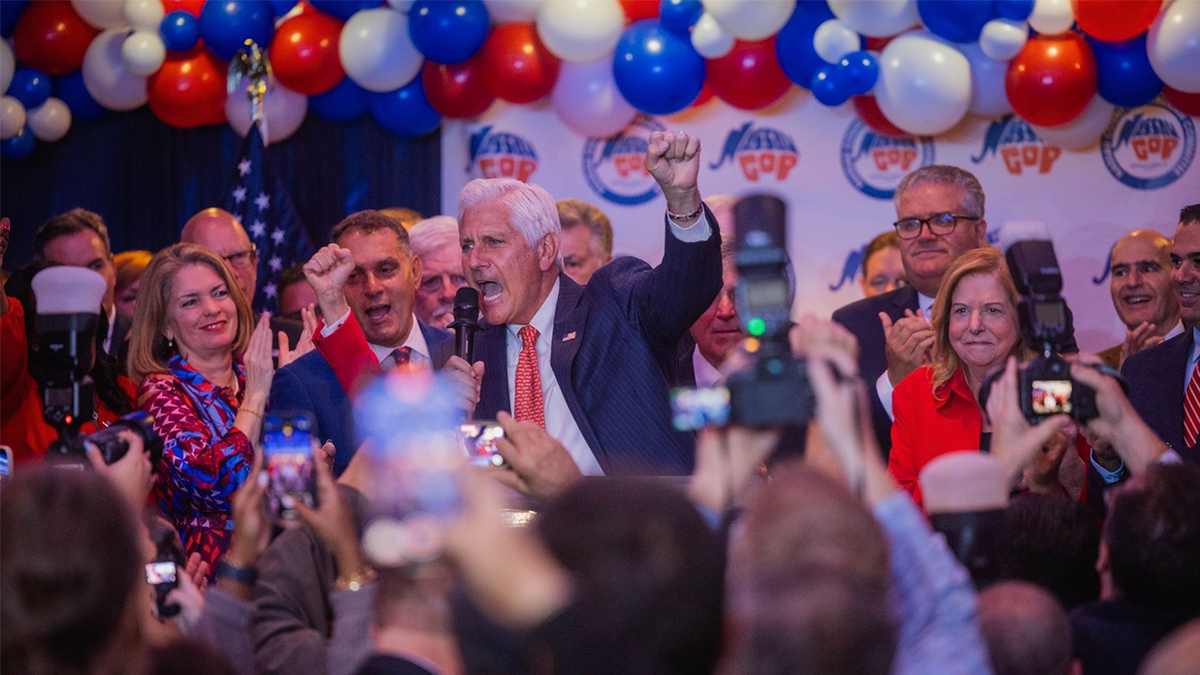
Nassau County Executive Bruce Blakeman was re-elected by a decisive margin, despite the county having more registered Democrats than Republicans. (Office of Nassau County Executive Bruce Blakeman)
«New York State was an area that was safe, and I think basically that’s what the people are craving,» he explained.
«I never ran away from my pro-Trump policies. I supported the president, and I continue to support the president. People respected me for that, even if they disagree, because they knew that I wasn’t a phony. And yet, at the same time, what I was doing on parallel tracks is reaching out to the communities … and let them know that I am a county executive for all people, so I’m going to continue to make their neighborhoods safer. I’m going to keep taxes down.»
«Our campaign appealed to the independent voters and crossover Democrats,» he explained. «That’s why I think we were a bright star on an otherwise dark night on election night.»
This law-and-order message stands in stark contrast with Mamdani’s history of comments calling the police racist, anti-queer and a public safety threat. Though Mamdani walked back those statements during his campaign, his proposal to replace law enforcement officers with mental health workers has raised concerns about a further deepening of crime in New York City.
MAMDANI TAKES AIM AT TRUMP’S IMMIGRATION POLICIES IN FIERY STATEN ISLAND SPEECH: ‘WE ARE FIGHTING TO KEEP NYC A SANCTUARY CITY’
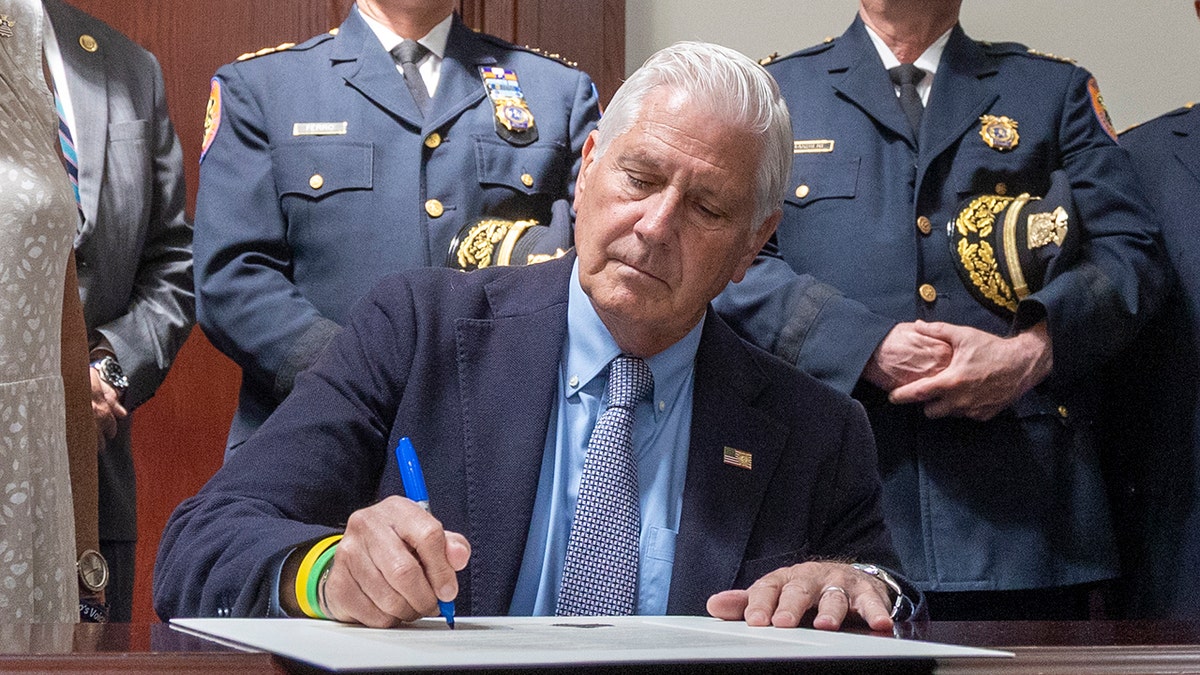
Nassau County Executive Bruce Blakeman signs an executive order showing the county’s support for federal, state, and local law enforcement officials by allowing masks for specific investigations in Nassau County on July 11, 2025, in Mineola, New York. (Howard Schnapp/Newsday RM via Getty Images)
While New York swings to the left, Blakeman said his approach counters the momentum around Mamdani’s socialist policy proposals.
CLICK HERE TO DOWNLOAD THE FOX NEWS APP
«Right now, I see his values as anti-American,» he said. «So, I have a lot of issues with Mamdani.»
«We built the greatest economic city in the world, with the financial capital of the world being in New York City. His policies will probably destroy that,» he went on, adding that if people are leaving New York City, «They’re welcome to come to Nassau County, where it’s safe and affordable.»
police and law enforcement,new york city,new york,immigration,zohran mamdani











INTERNACIONAL
Por qué el arroz con huevo brinda los mismos beneficios que la carne roja en proteínas, según los expertos

La combinación de arroz con huevo, consumida a diario en numerosos hogares y comedores, se consolidó como una de las alternativas más eficientes y accesibles en términos nutricionales. Personas de diferentes edades y contextos la eligen por su practicidad, su bajo costo y su capacidad para aportar proteínas completas y energía sostenida. El interés por este plato creció especialmente entre quienes buscan una alimentación saludable y balanceada.
Tradicionalmente, el arroz con huevo fue visto como una solución ante la escasez o como un recurso rápido en la cocina. Sin embargo, los avances en la ciencia de los alimentos permitieron demostrar que esta mezcla supera a la carne roja en varios aspectos nutricionales. Deportistas, estudiantes y familias encuentran en este plato una fuente de proteínas, vitaminas y minerales esenciales para el funcionamiento del organismo.
Especialistas en nutrición y ciencia de los alimentos sostienen que el valor de esta combinación radica en la calidad de sus proteínas y en su aporte energético. Según investigaciones recientes citadas por O Globo, el arroz aporta energía rápida y fibra, mientras que el huevo completa el perfil de aminoácidos, logrando una proteína de alta calidad.
La combinación de arroz con huevo ofrece una proteína de alto valor biológico, comparable a la de la carne roja en términos de calidad y aprovechamiento por el organismo. Según la Organización de las Naciones Unidas para la Alimentación y la Agricultura (FAO), mezclar cereales como el arroz con huevo permite obtener todos los aminoácidos esenciales en proporciones óptimas, lo que hace que esta alternativa cumpla la misma función estructural y reparadora que las proteínas animales más reconocidas.

Esta equivalencia proteica, sumada a su bajo costo y accesibilidad, convierte al arroz con huevo en una opción eficiente y saludable para quienes buscan cubrir sus necesidades nutricionales sin recurrir necesariamente a la carne roja.
De acuerdo con O Globo, la clave nutricional del arroz con huevo reside en el concepto de Valor Biológico (VB). El arroz carece de lisina, un aminoácido esencial, pero el huevo lo contiene en cantidad suficiente para complementar el cereal. Así, el organismo aprovecha mejor las proteínas, que se utilizan para reparar tejidos, producir hormonas y mantener la masa muscular.
Diversos estudios comparativos muestran que la eficiencia de la proteína formada por arroz y huevo iguala o supera la de la carne roja. Esta combinación también resulta más económica y accesible, lo que favorece su inclusión en la dieta diaria. Quienes practican actividades físicas intensas o deportes de resistencia eligen el arroz con huevo como aliado estratégico por su fácil digestión y sus beneficios de recuperación muscular.
Bruno Román, especialista en ciencia de los alimentos, explicó al portal Miyeilis Flores: “El arroz con huevo es como un juego de Lego: el huevo coloca las piezas que faltan al arroz para construir salud”. Según Román, la sinergia entre ambos alimentos representa un ejemplo de optimización nutricional sin necesidad de recurrir a suplementos.

El arroz con huevo puede optimizarse mediante técnicas sencillas en la cocina. Una de ellas es el choque térmico: cocinar el arroz con anticipación, dejarlo enfriar en la heladera y luego recalentar suavemente antes de consumirlo. Según recomendaciones de expertos en nutrición, este proceso genera almidón resistente, una fibra que se absorbe lentamente y favorece la microbiota intestinal.
En materia de seguridad alimentaria, se aconseja lavar el arroz varias veces hasta que el agua salga transparente y utilizar suficiente agua en la cocción para reducir la presencia de arsénico, mineral que el cereal absorbe del suelo. El consumo responsable y cuidadoso garantiza un plato seguro y saludable para todos los integrantes de la familia.
Para evitar picos de glucosa en sangre, la sugerencia es acompañar el arroz con huevo con una porción de vegetales verdes. Según especialistas en endocrinología citados por O Globo, la fibra de estos vegetales ralentiza la absorción del almidón y ayuda a mantener estables los niveles de azúcar. Esta recomendación resulta especialmente útil para personas con diabetes o que buscan controlar el peso corporal.

El equilibrio en las proporciones de arroz y huevo es fundamental para obtener el máximo beneficio nutricional. De acuerdo con los expertos, la relación ideal consiste en media taza de arroz por cada huevo. Este balance evita el exceso de carbohidratos y asegura un buen aporte proteico, necesario para la regeneración y el crecimiento de los tejidos.
La cocción del huevo también requiere atención. Evitar el calor excesivo que dora las bordes previene la degradación de proteínas y la oxidación de las grasas saludables de la yema. Así, el valor nutricional se mantiene intacto y el plato conserva su eficacia como fuente de energía y nutrientes.
El arroz con huevo admite múltiples variantes según los objetivos personales y las costumbres regionales. Algunas personas añaden verduras frescas, hierbas o especias para enriquecer el sabor y sumar nutrientes. Otras prefieren incorporar aceite de oliva o semillas para aumentar el contenido de ácidos grasos saludables, siempre cuidando la moderación y el equilibrio.

El arroz con huevo no solo destaca por su valor nutricional, sino también por su bajo costo y su versatilidad en la cocina. Esta preparación permite alimentar a grandes grupos familiares y se adapta tanto al desayuno como al almuerzo o la cena. Además, constituye una alternativa sostenible en comparación con las carnes rojas, cuyo impacto ambiental resulta considerablemente mayor.
El conocimiento y la difusión de los beneficios del arroz con huevo permiten tomar decisiones alimentarias más informadas. Incorporar esta combinación a la rutina diaria contribuye a la salud individual y colectiva. La simplicidad de los ingredientes y la facilidad de preparación convierten al arroz con huevo en una herramienta clave para una alimentación equilibrada.
Optimizar la preparación y acompañar el plato con vegetales asegura el máximo aprovechamiento de sus ventajas. El arroz con huevo confirma que la nutrición de calidad puede ser accesible, económica y deliciosa.
arroz con huevo
INTERNACIONAL
How did Jeffrey Epstein get rich? Meet Les Wexner, the ex-Victoria’s Secret CEO who once worked with him
NEWYou can now listen to Fox News articles!
An 88-year-old billionaire businessman and former Victoria’s Secret chief is the latest person to fall within the House Oversight Committee’s investigative crosshairs in the Jeffrey Epstein case, as he is scheduled to appear before the panel in Ohio on Wednesday morning.
The crimes of the late accused sex trafficker Epstein are well-known, having gained new media attention in recent months after Congress forced the Department of Justice (DOJ) to disclose millions of pages of documents.
But less is known about the figures who operated within Epstein’s orbit and how they helped him get the vast international sphere of influence he enjoyed before finding himself in a Manhattan jail awaiting trial, where he killed himself in 2019.
Les Wexner, founder of L Brands, the former chief of Victoria’s Secret, is one of those figures, having been named a co-conspirator of Epstein in a recently uncovered FBI document from 2019.
REVEALED: TRUMP CALLED POLICE CHIEF TO SUPPORT EPSTEIN PROBE, AND LAWMAKERS NAMED 6 MEN SHIELDED FROM EXPOSURE
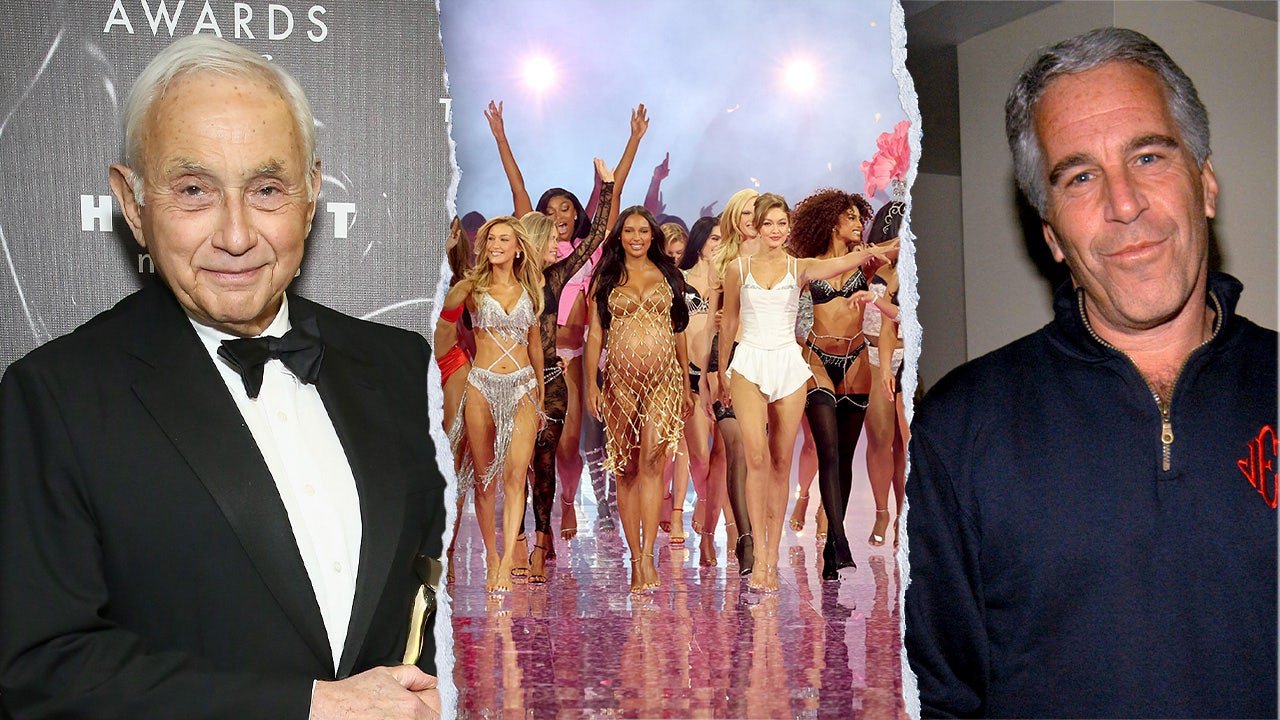
Leslie Wexner, former CEO of Victoria’s Secret and other fashion brands, is named numerous times in the DOJ files on Jeffrey Epstein. (Astrid Stawiarz/Getty Images for Fragrance Foundation; Kevin Mazur/Getty Images for Victoria’s Secret; Neil Rasmus/Patrick McMullan via Getty Images)
Wexner is the founder of L Brands, formerly known as The Limited, which included Victoria’s Secret, Bath & Body Works, and Pink. He also helped found Abercrombie & Fitch, a clothing brand that was once popular among teens in the U.S.
Wexner has never been charged with crimes related to the late financier, and a spokesperson for the mogul told Fox News Digital that the «Assistant U.S. Attorney told Mr. Wexner’s legal counsel in 2019 that Mr. Wexner was neither a co-conspirator nor target in any respect.»
But documents released by the DOJ allege that Wexner was one of the key players in how Epstein built his wealth and later ran his illicit empire.
One file from 2013 that appears to have been in the possession of the Southern District of New York (SDNY) titled «Jeffrey Epstein Source of Wealth,» said Wexner «became a well-known client» of Epstein’s financial management firm in 1987.
At the time, Wexner was identified as the founder and chairman of the Ohio-based women’s clothing brand The Limited.
«Since all but one of his financial clients are anonymous, it has been speculated that much of Epstein’s lavish lifestyle was once financed by Wexner,» reads the document, which appears to be an email. Wexner’s spokesperson declined to comment on the allegations.
That paper also noted that Wexner sold his massive Manhattan townhouse — reported to be the largest private residence in the New York City borough — to Epstein.
CHAPPELL ROAN DUMPS TALENT AGENCY OVER BOSS’ ‘TIGHT LEATHER OUTFIT’ EMAILS TO GHISLAINE MAXWELL
A 2019 FBI witness statement from a man who purported to be Wexner’s bodyguard from 1991 to 1992 said Wexner «sold his mansion in New York to Epstein for $20.»
The same witness statement alleged that «Epstein got all of his money from Wexner.»
A 1998 document obtained by Fox News Digital, however, shows Wexner sold his home to Epstein for a $20 million price tag. Half was paid via cashier’s check, while the other half was covered by a promissory note, the record shows.
Epstein’s Manhattan mansion was raided by the FBI in July 2019 as part of the federal sex trafficking investigation. There, law enforcement officials found vast troves of evidence, including photos of partially or fully nude women and girls, including ones who appeared to be minors.
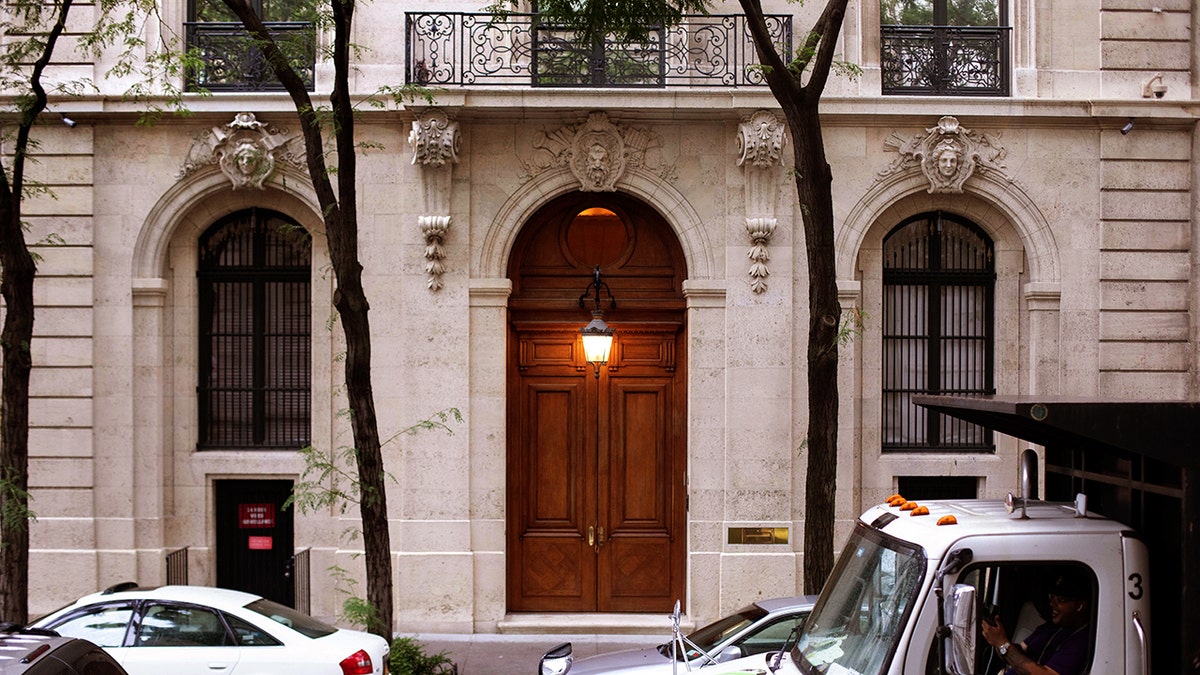
A residence belonging to Jeffrey Epstein at East 71st Street is seen on the Upper East Side of Manhattan on July 8, 2019, in New York City. (Kevin Hagen/Getty Images)
TRUMP THANKED FLORIDA POLICE FOR EPSTEIN PROBE IN 2000S, FLAGGED ‘EVIL’ GHISLAINE MAXWELL: FBI DOC
The DOJ’s unsealed indictment against Epstein also said it was one of the places where he «enticed and recruited, and caused to be enticed and recruited, dozens of minor girls… to engage in sex acts with him, after which he would give the victims hundreds of dollars in cash.»
Wexner reportedly bought the mansion in 1989 for $13.2 million before selling it to a corporation partially controlled by Epstein for an «undisclosed amount,» according to Business Insider. It was then reportedly transferred to a U.S. Virgin Islands-based company controlled by Epstein for $0 in 2011.
The home was reportedly valued at $77 million at the time of the raid, making it a massive portion of Epstein’s wealth.
CLINTONS CAVE: COMER SAYS BILL AND HILLARY TO TESTIFY IN EPSTEIN PROBE
A heavily redacted email chain from July 2025 that appears to show witness statement summaries, with the subject line, «RE: Epstein – Cellmate Interview,» also said, «Steve Scully stated Wexner was #1 on Epstein’s speed dial.»
Steve Scully appears to be a reference to a former IT contractor who lived and worked on Epstein’s private island of Little St. James from 1999 through 2005. Wexner’s spokesperson declined to comment on Scully’s claim.
Wexner even signed a document in 1991 giving Epstein vast control over his finances via power of attorney, according to the New York Times. That document gave Epstein the power to sign checks, borrow money, and buy or sell real estate on Wexner’s behalf, the report said.
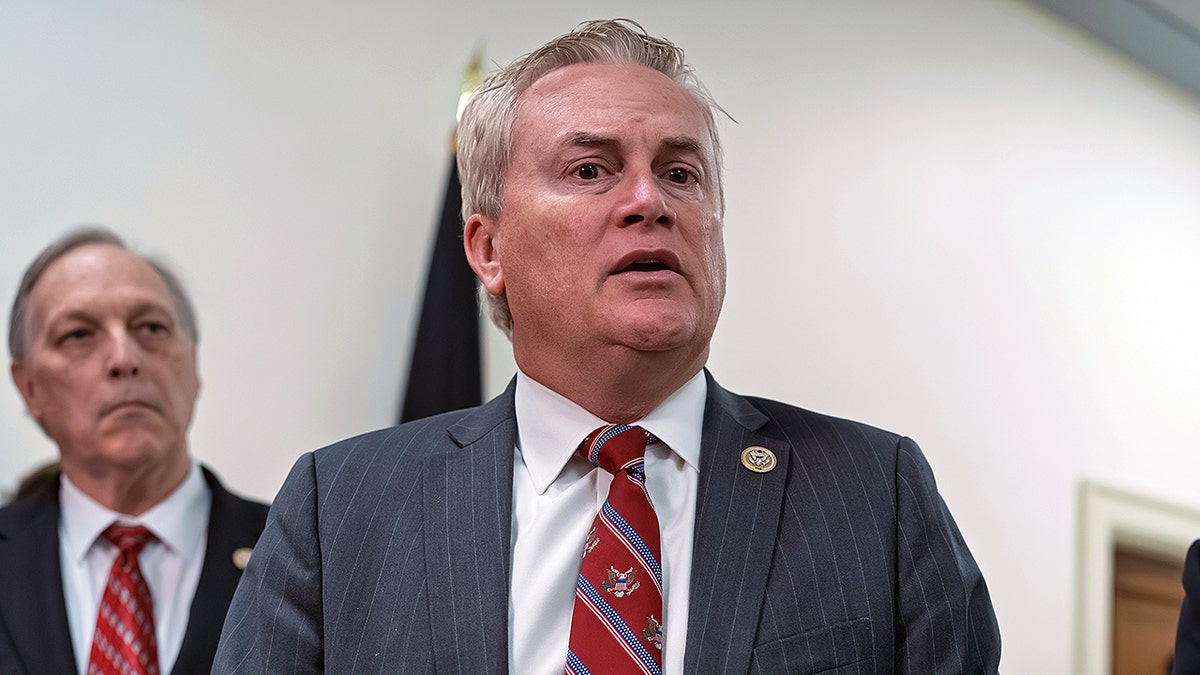
House Oversight Committee Chairman James Comer, R-Ky., speaks to reporters after a closed-door deposition with Ghislaine Maxwell, the former girlfriend and confidante of accused sex trafficker Jeffrey Epstein, at the Capitol in Washington, Feb. 9, 2026. (J. Scott Applewhite/AP Photo)
A letter Wexner wrote to his nonprofit, the Wexner Foundation, in August 2019 said that while he did give power of attorney to Epstein, their relationship ended soon after the 2007 federal investigation first began into the late financier in Florida.
«[B]y early fall 2007, it was agreed that he should step back from the management of our personal finances. In that process, we discovered that he had misappropriated vast sums of money from me and my family. This was, frankly, a tremendous shock, even though it clearly pales in comparison to the unthinkable allegations against him now,» the letter said.
«With his credibility and our trust in him destroyed, we immediately severed ties with him. We were able to recover some of the funds. The widely reported payments Mr. Epstein made to the charitable fund represented a portion of the returned monies. All of that money — every dollar of it — was originally Wexner family money.»
But other documents released by the DOJ allege that Epstein and Wexner’s relationship went further than financial management.
An FBI witness statement by Robert Morosky, a former executive for Wexner’s fashion brand, said, «He had information regarding the use of ‘Limited’ brand aircraft used in the 1990s to transport young girls from Mexico to the U.S.»
«Morosky did not wish to give any additional information at that time; however if someone would like to pursue this information he could be reached on his personal cellular phone,’» the statement said.
It’s unclear if the lead was ever pursued, but a spokesperson for Wexner told Fox News Digital, «The allegation is false. Mr. Morosky was terminated from the company in 1987 and therefore in no position to know anything about the use of Limited planes in the 1990s.»
GHISLAINE MAXWELL PLEADS FIFTH AMENDMENT, DODGES QUESTIONS IN HOUSE OVERSIGHT EPSTEIN PROBE
A witness statement from 2020, with the identity of the female witness redacted, said she claimed to have «often» seen Epstein and Wexner together.
She «stated that often Wexner would have models who could not have been over 18 years old do private viewings for him and Epstein. She said the models would be wearing [swimsuits] and some were in lingerie,» the document read.
Wexner’s spokesperson declined to comment on those claims and called her account of seeing the pair together «vague.»
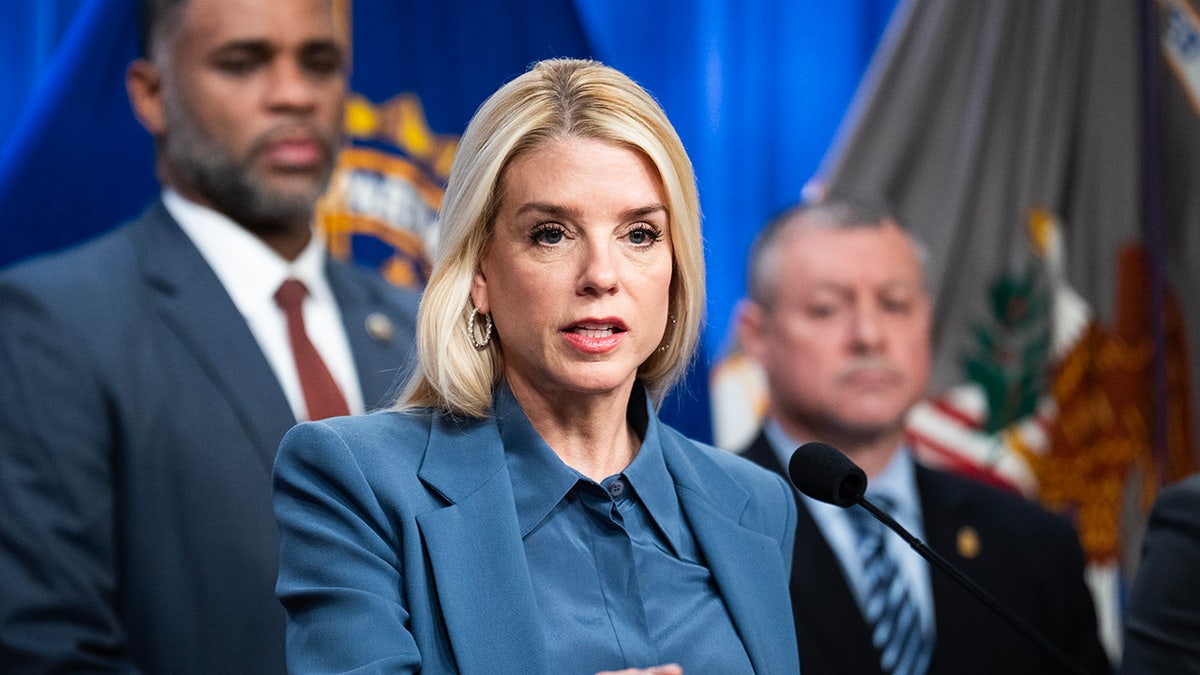
Attorney General Pam Bondi conducts a news conference at the Department of Justice on December 4, 2025. (Tom Williams/CQ Roll Call, Inc. via Getty Images)
The female witness said she «would help with getting people to work at parties at Wexner’s compound in catering and other positions,» and that «anyone who went to work there had to have a full background check and there were certain areas of the house where they could not go without an approved escort.»
However, there was no indication of what years or period of time her claims are focused on.
A source with knowledge of company procedures argued the situation could not have happened, however. Model fittings always involved teams of 15 to 20 professionals and Epstein was never a part of that, the source maintained.
CLICK HERE TO DOWNLOAD THE FOX NEWS APP
Wexner is scheduled to appear before the House Oversight Committee in Ohio on Wednesday morning.
Fox News Digital reached out to Wexner’s attorney for comment on the deposition and on the aforementioned claims.
politics,house of representatives politics,jeffrey epstein
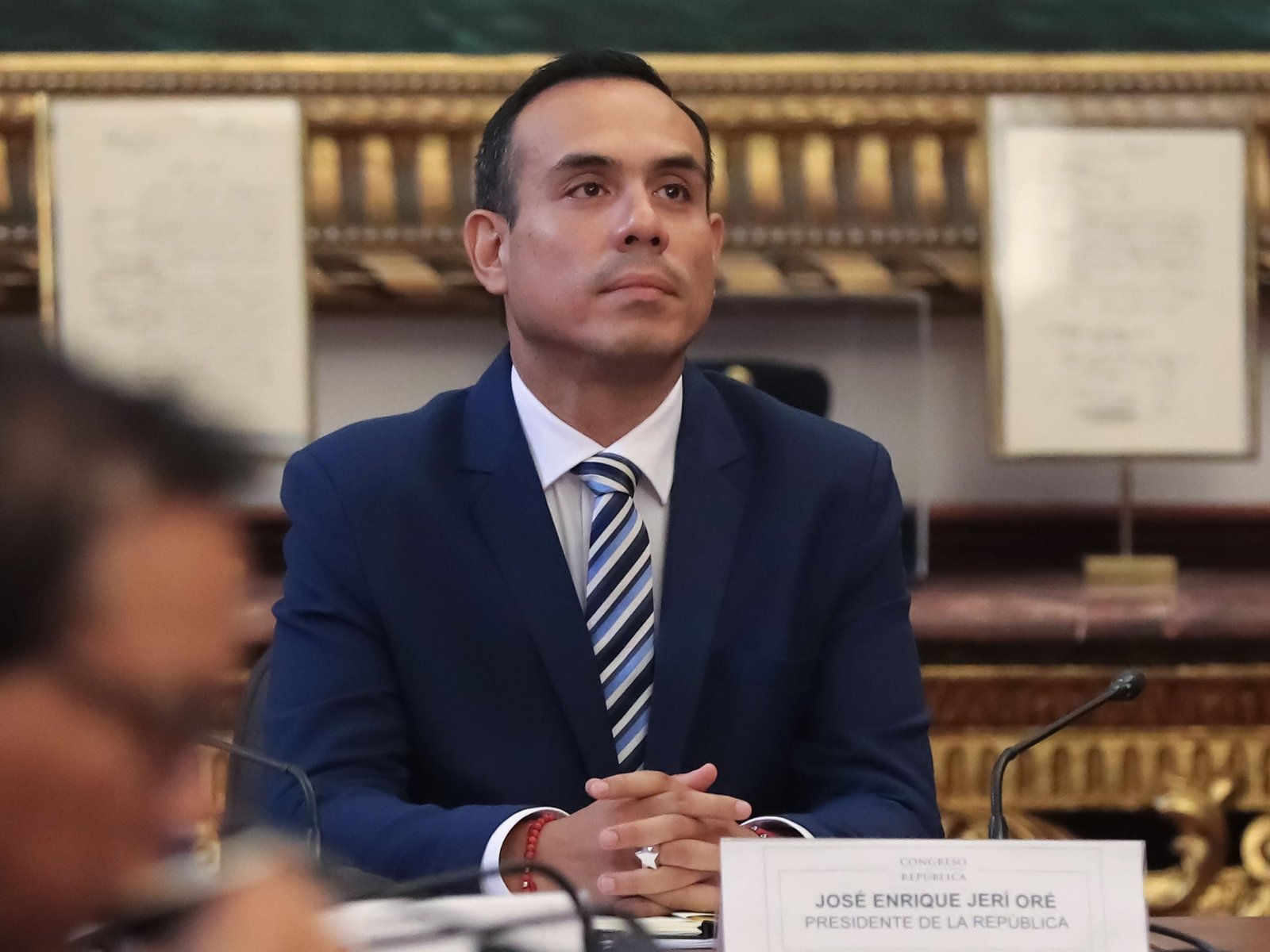

Quién es José Jerí

La destitución de Dina Boluarte


Jerí y la lista de presidentes caídos

Por qué el arroz con huevo brinda los mismos beneficios que la carne roja en proteínas, según los expertos

Identificaron a la joven de 23 años que se metió a bucear en Puerto Madryn y desapareció: pesimismo en la búsqueda

En medio del debate por la reforma laboral, cierra la mayor fabricante de neumáticos del país

Escándalo: ex Vélez Sarsfield, Gianluca Prestianni, fue acusado de racismo contra Vinicius

Debate por la reforma laboral en Diputados: el miércoles se reúnen las comisiones y el Gobierno busca que sea ley antes del 1 de marzo

¡Se sinceró! Diego Leuco reconoció que fue infiel y reflexionó sobre sus conductas: “Preferiría… “

Cristian Ritondo: “Vamos a apoyar la ley de modernización laboral, pero no el régimen de licencias por enfermedad”

Uno de los jefes de la CGT adelantó que convocarán a un paro general por la reforma laboral: “Trabajaremos para que sea una gran huelga”

Reforma laboral bomba: menos indemnización, más horas y despidos más fáciles — el cambio que puede sacudir el empleo en Argentina

Efecto Santa Fe: policías y penitenciarios de Río Negro rechazaron un aumento en cuotas y amenazan con acampar por tiempo indeterminado en Viedma

 POLITICA1 día ago
Cristian Ritondo: “Vamos a apoyar la ley de modernización laboral, pero no el régimen de licencias por enfermedad”
- POLITICA3 días ago
Uno de los jefes de la CGT adelantó que convocarán a un paro general por la reforma laboral: “Trabajaremos para que sea una gran huelga”
- POLITICA12 horas ago
Reforma laboral bomba: menos indemnización, más horas y despidos más fáciles — el cambio que puede sacudir el empleo en Argentina