INTERNACIONAL
Parents of Hamas hostages urge Trump to be ‘tough with enemies and friends’ amid Israeli siege in Gaza


The parents of the American hostages still held by the Hamas terrorist organization in Gaza have called on President Donald Trump to use his reputation for being «tough» and apply pressure on not only known enemies but one of his closest allies: Israeli Prime Minister Benjamin Netanyahu.
There are 59 hostages still in Gaza, at least 24 of whom are assessed to be alive, including American-Israeli Edan Alexander, now 21 years old after having spent two birthdays in Hamas captivity.
Itay Chen, 19, Omer Neutra, 21, Judy Weinstein Haggai, 70, and her husband, Gadi Weinstein, 73, are all believed to have been killed by Hamas in it’s attack in southern Israel on Oct. 7, 2023, and whose bodies were taken into Gaza.
«I believe that the president is a very tough person, and he should be tough with the enemies and with friends as well,» Adi Alexander, who is Edan’s father, told Fox News Digital in a direct reference to Israel.
Edan Alexander and family (Adi Alexander)
PRESIDENT TRUMP GAVE ME BACK MY LIFE AFTER 471 DAYS OF HAMAS CAPTIVITY – PLEASE SAVE THE REMAINING HOSTAGES
«We asked of the president to keep everybody accountable,» Alexander, who sat next to his wife, Yael, described after the second phase of a ceasefire, which was supposed to begin in March but failed and Israel resumed military operations in the Gaza Strip to the immense frustration of mediators.
In addition, the families urged Trump to keep Netanyahu «on a short leash» and to «get him back to negotiate as soon as possible and stop this thing.»
Trump this week marked his 100th day in office, and the families of the five Americans still held hostage urged him to reflect on his strategy and apply pressure on both Israel and Hamas, through both economic and diplomatic means, to secure the release of all 59 hostages.
«With the election results, we had such high hopes,» Ruby Chen, father to Itay, told reporters during a press event on Wednesday. «We know he cares about the topic, and we saw, even before the inauguration, his comments on the topic with the ‘hell to pay’ and ‘all the hostages need to come out.’»
«But I think the 100-day mark that we are at this moment, I think it’s a good time to reflect and say that the job’s not done,» said Chen, sitting next to his wife, Hagit Chen.
Trump sparked international concern in February when he suggested the Gaza Strip should be turned into the «Riviera of the Middle East,» and fears have mounted that as Washington continues to discuss potentially displacing Palestinians and Israel continues aggressive military operations, Hamas may be unwilling to give up its leverage: the hostages.
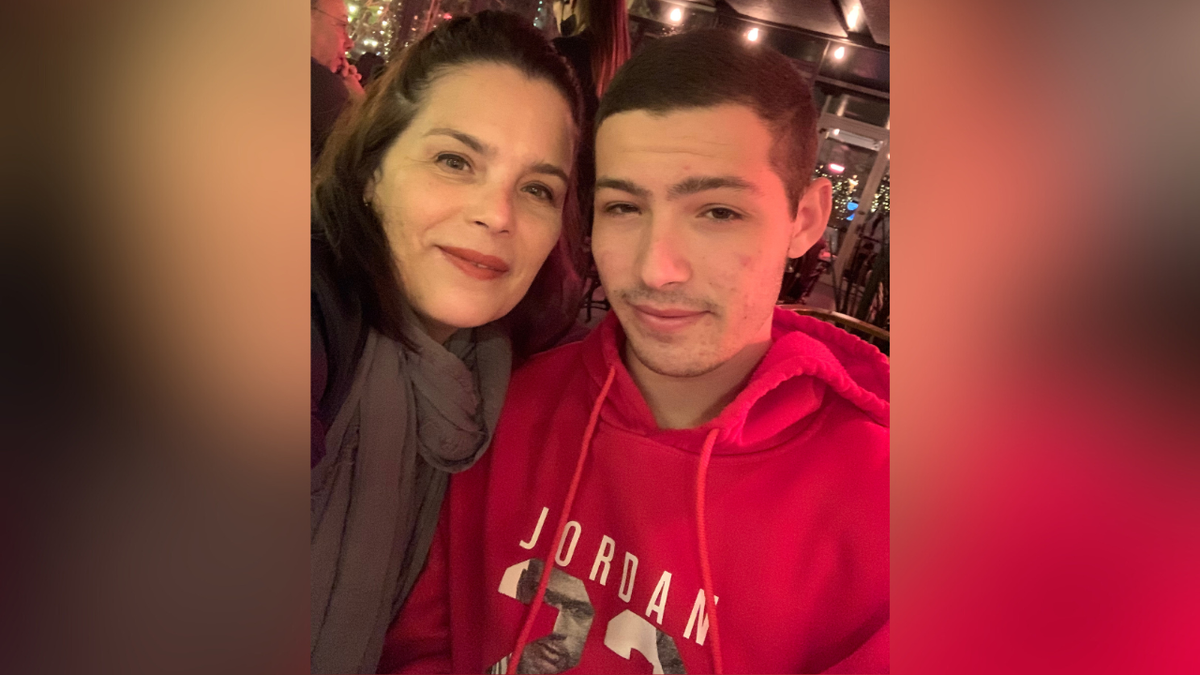
Hagit Chen and her son, Itay, who was 19 years old when Hamas attacked Israel on Oct. 7, 2023. (Hagit Chen)
AN AMERICAN FATHER’S PLEA: PRESIDENT TRUMP, PLEASE BRING MY SON AND THE OTHER HOSTAGES HOME FROM GAZA
Calls within the Gaza Strip are increasing from Palestinians to return all the hostages so a day-after plan can be discussed as Palestinian civilians continue to feel the consequences of the brutal war.
«It’s easy rhetoric to say that Hamas won’t hold their side of the deal,» Orna Neutra, mother to Omer, told reporters. «If they don’t hold their side of the deal, then [Netanyahu] can return to hostilities.
«But let’s allow them to release all hostages and see if that happens or not instead of just saying they won’t do it,» she added, noting it could be another leveraging point for the Trump administration.
The families of the hostages are careful not to get overly involved in the heated political topics, but instead they have highlighted the importance of and need for a solid strategy to first secure the release of all remaining hostages, and then figure out a day-after plan.
Special Envoy to the Middle East Steve Witkoff has suggested that Hamas could become politically active in the Gaza Strip, but they need to fully disarm.
«I think the best approach will be just to call for both parties to rise above politics, although it will be very difficult with Hamas, which is politically struggling to survive in this region, but definitely to call on [the] Israeli government to rise above politics,» Alexander said. «Do not think about politically surviving and prioritize human life.»

Emaciated Israeli hostages, from left, Ohad Ben Ami, Eli Sharabi and Or Levy, who were held hostage by Hamas in Gaza since Oct. 7, 2023, are taken by terrorists to a stage before being handed over to the Red Cross in Deir al-Balah in the central Gaza Strip on Feb. 8, 2025. (AP/Abdel Kareem Hana)
The families pointed to polling from Israel that shows nearly 70% of Israelis favor ending military operations against Hamas in order to return all the hostages more than 573 days since they were abducted, including some 48% of Netanyahu’s coalition base. Some 39% of his conservative base apparently oppose the strategy, and another 13% are unsure.
CLICK HERE TO GET THE FOX NEWS APP
While there is evident frustration among the families of the hostages, who have made clear the Israeli government has not offered anywhere near the same level of support or communication provided by both the Biden and Trump administrations, they said that, ultimately, the adversary is the terrorist organization that captured, in some instances killed, and continues to hold captive their loved ones.
«Just to be clear, Hamas is the enemy,» said Neutra, who sat next to her husband, Ronen. «Hamas committed these atrocious crimes. They’re holding on to our family members. We don’t want to see them continue to be a threat to Israel.
«But it’s about priority, and it’s about being in the situation for 19 months now,» she added.

INTERNACIONAL
Judge orders migrant deported in ‘error’ free from ICE custody with criminal case looming
NEWYou can now listen to Fox News articles!
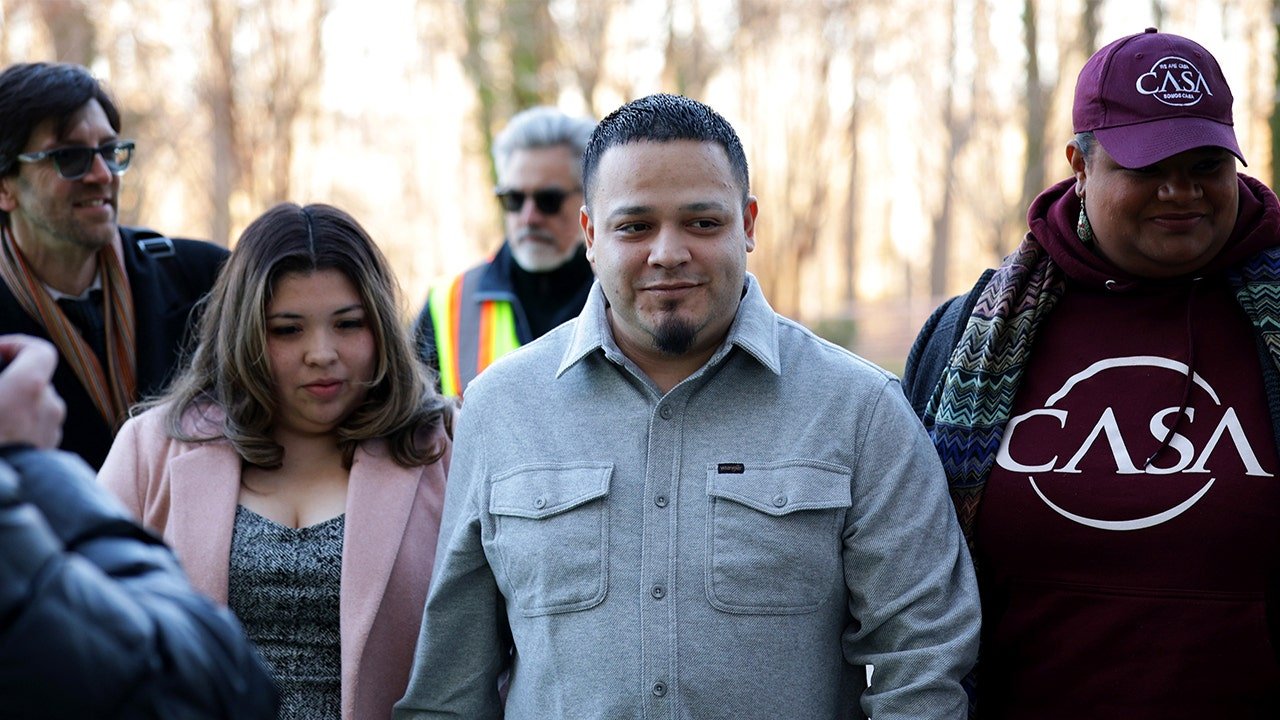
A federal judge on Tuesday blocked the Trump administration from re-arresting Salvadoran migrant Kilmar Abrego Garcia into federal immigration custody — an update that comes just days before he is slated to appear in Nashville for a key court date in a separate criminal case.
U.S. District Judge Paula Xinis agreed to convert her previous emergency order blocking ICE from immediately re-detaining Abrego Garcia into a longer-term form of injunctive relief sought by his lawyers.
She said Tuesday that the Trump administration failed to provide the court with any «good reason to believe» that they plan to remove him to a third country in the «reasonably foreseeable future.» Instead, she said, they «made one empty threat after another to remove him to countries in Africa with no real chance of success.»
The order clears the way for Abrego Garcia to participate in a key hearing in Nashville next week on whether a separate federal judge should dismiss his criminal case on the grounds of «vindictive» and selective prosecution.
ABREGO GARCIA REMAINS IN US FOR NOW AS JUDGE TAKES CASE UNDER ADVISEMENT
President Donald Trump and a protester holding a sign urging the return of Kilmar Abrego Garcia. (Getty Images )
Xinis also said the government has «done nothing» to show the court that Abrego Garcia’s continued detention in ICE custody is «consistent with due process.»
«Respondents have done nothing to show that Abrego Garcia’s continued detention in ICE custody is consistent with due process,» Xinis said Tuesday.
She ticked through a list of the Trump administration’s efforts to remove Abrego Garcia to a list of four African nations it had identified as so-called «third countries» of removal in the months between August, when Abrego was re-detained by ICE, and December, when Xinis ultimately ordered his release.
The Justice Department and Department of Homeland Security did not immediately respond to Fox News Digital’s request for comment.
Xinis said Tuesday that the administration «refused to procure Abrego Garcia’s immediate removal to Costa Rica,» the location he had identified as his preferred third country of removal, in favor of what she said was attempted «phantom removals» by the government to send Abrego to «three (maybe four) African countries.»
«Indeed, since Abrego Garcia secured his release from criminal custody in August 2025, respondents have made one empty threat after another to remove him to countries in Africa with no real chance of success,» Xinis said.
ABREGO GARCIA LAWYERS ASK US JUDGE TO ORDER RETURN TO MARYLAND AMID ONGOING CRIMINAL CASE
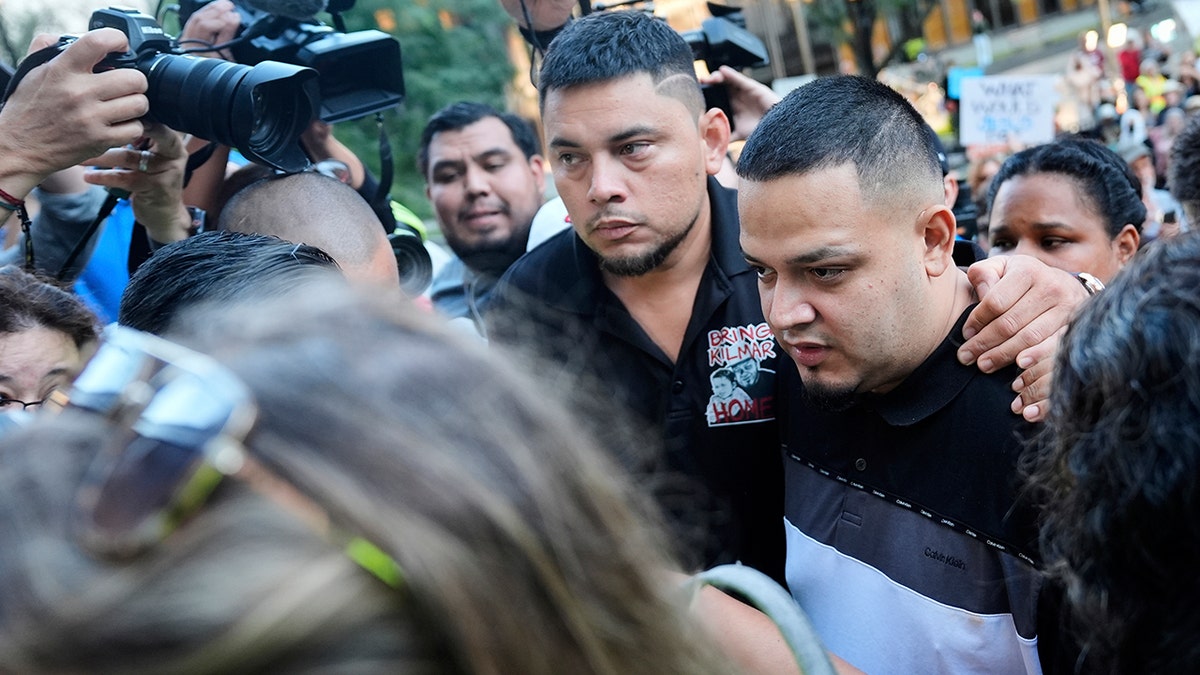
Kilmar Abrego Garcia, right, and his brother Cesar Abrego Garcia, center, arrive at the Immigration and Customs Enforcement field office in Baltimore, Aug. 25, 2025. (AP Photo/Stephanie Scarbrough)
The Trump administration previously tried and failed to remove Abrego Garcia to the African countries of Liberia, Eswatini, Uganda and briefly, Ghana.
Xinis noted in late November that the government could not take any of those steps without the final notice of removal order, which she reiterated Tuesday in the memo order that the government had not obtained.
«Thus, he must remain on the stringent release conditions already imposed by ICE and in the Tennessee Criminal Matter,» Xinis said.
US JUDGE VOWS TO RULE ‘SOON’ ON ABREGO GARCIA’S FATE AFTER MARATHON HEARING
Abrego Garcia’s status has been at the center of a legal and political maelstrom since March, when he was deported to his home country of El Salvador, in violation of a 2019 court order and in what Trump officials acknowledge was an «administrative error.» Xinis ordered then that Abrego Garcia be «immediately» returned to the U.S.
He was eventually returned to the U.S. in June, where he was taken into federal custody in Nashville and detained on human smuggling charges stemming from a 2022 traffic stop.
The Justice Department later told Xinis it had opened the criminal investigation and presented it to a grand jury at the same time that Abrego Garcia was detained in a Salvadoran prison, and at the same time as government lawyers were telling the court that the U.S. was powerless to order his return.
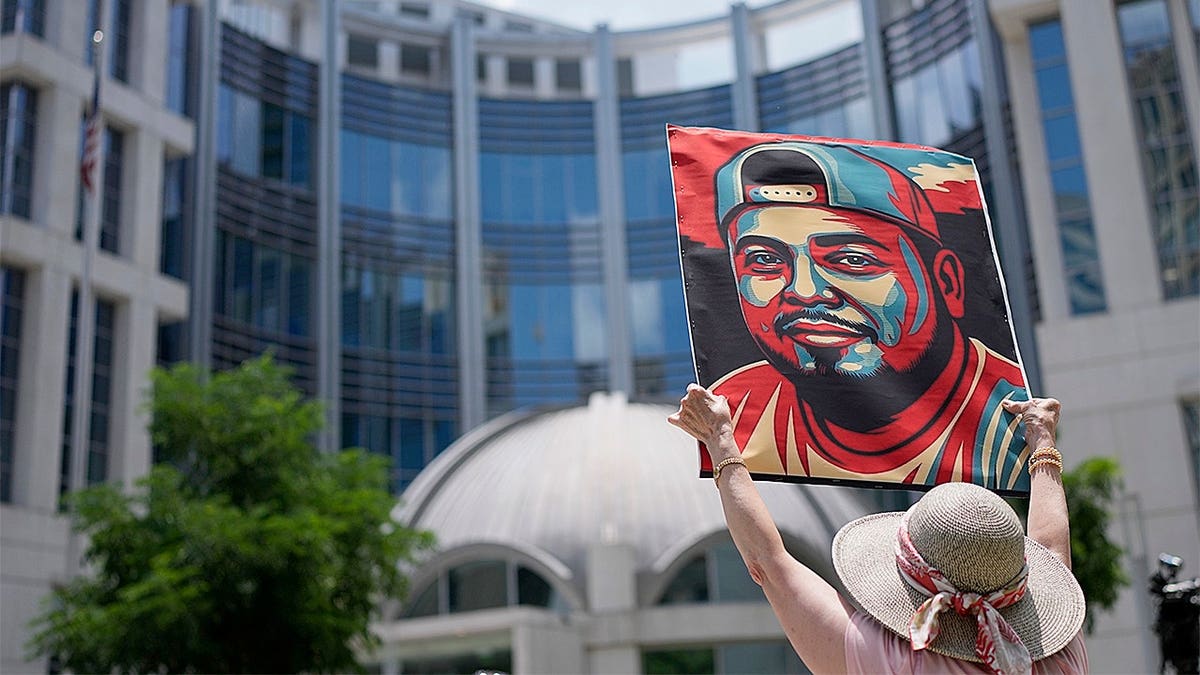
A woman holds a photo of Salvadoran migrant Kilmar Abrego Garcia in front of the U.S. District Court in Nashville. A judge ordered Trump officials to testify in court in January to weigh Abrego’s motion to dismiss on the grounds of «vindictive» prosecution. (Getty Images )
Next week’s hearing in Nashville will be centered on a motion to dismiss Abrego Garcia’s criminal case for «vindictive» and selective prosecution.
The judge overseeing that case, U.S. District Judge Waverly Crenshaw, had ruled in October that Abrego Garcia had established a «reasonable likelihood» that the criminal case against him was the result of vindictive prosecution by the Justice Department.
Crenshaw had ordered the Trump administration to produce for the court internal documents and government witnesses to testify about its decision to bring the case.
CLICK HERE TO GET THE FOX NEWS APP
Senior DHS and Justice Department officials previously suggested they would appeal Xinis’ orders. Trump officials have been sharply critical of Xinis and other federal judges presiding over deportation cages, whom they have repeatedly accused of overstepping their authority as a district judge.
«This order lacks any valid legal basis, and we will continue to fight this tooth and nail in the courts,» DHS Assistant Secretary Tricia McLaughlin said in response to the court’s earlier emergency order.
donald trump,politics,immigration,supreme court,federal courts,crime world,foreign policy,national security
INTERNACIONAL
Russia sentences American to 4 years for allegedly trying to take Kalashnikov rifle stocks: report

NEWYou can now listen to Fox News articles!
An American was sentenced Tuesday to four years in jail in Russia for allegedly trying to fly out of an airport in Moscow with the stocks of Kalashnikov assault rifles in his suitcase, a report said.
The unnamed U.S. citizen, who collects Kalashnikov weapons, did not make a customs declaration after purchasing two stocks and checking a suitcase containing the items at Moscow’s Vnukovo airport, Reuters reported, citing the RIA Novosti state news agency.
He later was found guilty under an article of Russian criminal code relating to the smuggling of weapons, it added.
Fox News Digital has reached out to the State Department for comment.
RUSSIA UPS JAIL SENTENCE OF US CITIZEN TO 10 YEARS FOR BEATING PRISON STAFF
AK-47 rifles are seen during a training session at a shooting range outside of Kyiv, Ukraine, on the left, in July 2023. On the right are passenger jets at Moscow’s Vnukovo airport. An American reportedly was jailed after trying to transport Kalashnikov rifle stocks in a suitcase at the airport. (STR/NurPhoto via Getty Images; Andrey Rudakov/Bloomberg via Getty Images)
Russian state media is also claiming the American partially admitted guilt, according to Reuters.
The State Department warns Americans not to travel to Russia «for any reason due to terrorism, unrest, wrongful detention and other risks.»
CHINA PLEDGES AID TO UKRAINE AS US OFFICIALS WARN BEIJING IS QUIETLY FUELING RUSSIA’S WAR

A Kalashnikov of a Ukrainian soldier participating in shooting training is seen in Donetsk region of Ukraine on July 31, 2024. (Jose Colon/Anadolu via Getty Images)
«The U.S. Embassy in Moscow has limited ability to assist in the case of a detention of a U.S. citizen. There is no guarantee that the Russian government will grant the U.S. Embassy consular access to detained U.S. citizens,» the State Department said. «U.S. citizens may serve their entire prison sentence without release. The risk of wrongful detention of U.S. citizens remains high. Even if a case is determined wrongful, there is no guarantee of release.»

A terminal at Vnukovo International Airport in Moscow, Russia, in August 2023. (Maxim Shemetov/Reuters)
CLICK HERE TO DOWNLOAD THE FOX NEWS APP
«Russian officials often question and threaten U.S. citizens without reason. Russian security services have arrested U.S. citizens on false charges,» it added. They have denied them fair treatment and convicted them without credible evidence. Russian authorities have opened questionable investigations against U.S. citizens for their religious activities.»
russia,crime,state department,world
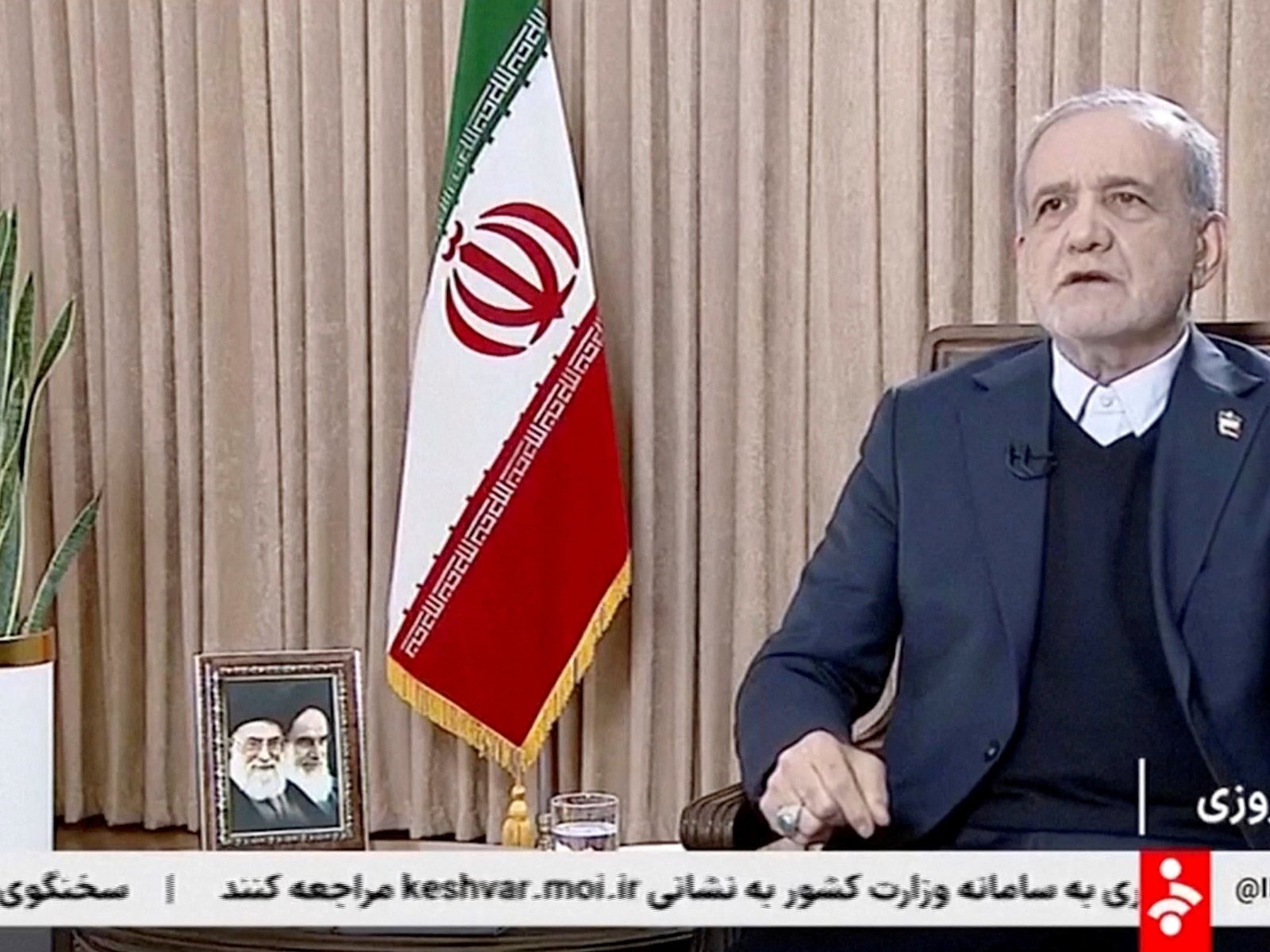
El presidente iraní, Masoud Pezeshkian, afirmó que su país está dispuesto a que haya una verificación de que no busca dotarse de armas atómicas, coincidiendo con el ciclo de negociaciones con Estados Unidos sobre el programa nuclear.
«No estamos buscando en absoluto tener armas nucleares», declaró Pezeshkian en una entrevista publicada este martes. «Si alguien quiere verificarlo, estamos dispuestos a que se lleve a cabo dicha verificación».
Irán y Estados Unidos mantuvieron este martes unas breves negociaciones, en las que no hablaron directamente, sino que se intercambiaron mensajes a través de Omán, en su papel de mediador, y tras las cuales la vía diplomática se mantiene abierta en la búsqueda de un acuerdo sobre el programa nuclear iraní.
Al término del encuentro, el ministro de Exteriores de Irán, Abás Araqchí, declaró que se había logrado «un buen progreso respecto a la sesión anterior» (hace veinte días), que en esta ocasión el ambiente fue «más constructivo e incluso se refirió a avances sobre «una serie de principios rectores», según los cuales se redactará un posible borrador de acuerdo.
«Tenemos una decisión más clara sobre qué acciones deben tomarse», declaró, sin ofrecer detalles de lo conversado.
Más optimismo aún mostró el ministro de Asuntos Exteriores de Omán, Badr bin Hamad al Busaidi, que hizo de mediador y quien habló de «buenos avances» en la identificación de «objetivos comunes» y de «cuestiones técnicas relevantes».
A través de una declaración por redes sociales, el ministro omaní también se refirió a los esfuerzos que se hicieron para definir los principios a los que se refirió su homólogo iraní, aclarando siempre que queda mucho camino por andar y que habrá otra reunión próximamente.
La figura del director general del Organismo Internacional de la Energía Atómica (OIEA), Rafael Grossi, tomó relevancia en esta segunda ronda de las negociaciones, que se reanudaron tras los ataques de Estados Unidos contra tres instalaciones nucleares iraníes el pasado junio, en una operación conjunta con Israel.
Grossi, quien es candidato a ser secretario general de la ONU, se reunió el lunes con Araqchí, y hoy mismo lo hizo con la delegación estadounidense, que han liderado el enviado especial de la Casa Blanca, Steve Witkoff; y Jared Kushner, yerno del presidente Donald Trump.
En una comparecencia horas después en la Conferencia de Desarme de la ONU, reunida en la sede europea de la organización en Ginebra, Araqchí ofreció algunas claves de lo abordado con Grossi cuando, tras denunciar los ataques estadounidenses de mediados de 2025, dijo que en la actualidad «no existen modalidades» que hagan posible la inspección de las instalaciones afectadas por parte de la OIEA.
«Esas instalaciones requieren un marco acordado mutuamente entre Irán y la agencia. Esto es algo en lo que estamos trabajando», reveló el ministro en ese momento y mostró la disposición de Irán a responder a algunas de las exigencias de Estados Unidos.
Aunque no se sabe con certeza en qué condiciones se encuentran esas plantas, informes de organismos internacionales apuntan a que sufrieron daños significativos.
Sin embargo, durante la jornada también hubo mensajes duros -implícitos y explícitos- de Irán con respecto a Estados Unidos, a su forma de negociar y a sus exigencias, al tiempo que le recomendó actuar con prudencia en relación a sus amenazas de atacar militarmente si el régimen iraní no se pliega a sus exigencias.
A este respecto, Araqchí dijo en la ONU que en caso de que EE.UU. le agreda, su respuesta «no se limitará a sus fronteras», mientras que desde Teherán se anunciaba el cierre durante varias horas para maniobras navales de partes del estrecho de Ormuz, una vía marítima muy importante geopolítica y comercialmente.
Trump ha manifestado su interés por resolver la cuestión nuclear iraní -tras señalar que estaría involucrado a distancia en las negociaciones de hoy-, en particular después de la violenta represión armada de las manifestaciones multitudinarias que tuvieron lugar en las primeras semanas de este año en Irán y en las que murieron miles de personas.
Estados Unidos junto con los otros cuatro países del Consejo de Seguridad de la ONU, más Alemania, alcanzó en 2015 un acuerdo sobre el programa nuclear iraní, el cual establecía medidas para garantizar que se adecuara únicamente a fines civiles a cambio del alivio de sanciones, pero Trump retiró a su país del mismo en 2018, durante su primer mandato.

Judge orders migrant deported in ‘error’ free from ICE custody with criminal case looming

Los aliados de Pro y UCR piden eliminar de la reforma laboral los cambios a las licencias médicas

El Gobierno apuesta a que la reforma laboral se vote este jueves en Diputados y el viernes 27 en el Senado

Russia sentences American to 4 years for allegedly trying to take Kalashnikov rifle stocks: report

Yanina Latorre confirmó cómo volvería a serle infiel a Diego Latorre: “Si me caliento con uno voy a…”

PAMI ofrece cursos y talleres gratuitos para jubilados: cuáles son y cómo inscribirse

Avistaron una ballena azul en Chubut por primera vez en la historia

Uno de los jefes de la CGT adelantó que convocarán a un paro general por la reforma laboral: “Trabajaremos para que sea una gran huelga”

El Gobierno busca aprobar la reforma laboral y el Régimen Penal Juvenil antes del 1 de marzo

Chaotic video shows passengers trading midair blows; plane forced to divert: reports

 POLITICA2 días ago
Uno de los jefes de la CGT adelantó que convocarán a un paro general por la reforma laboral: “Trabajaremos para que sea una gran huelga”
- POLITICA21 horas ago
Cristian Ritondo: “Vamos a apoyar la ley de modernización laboral, pero no el régimen de licencias por enfermedad”
- POLITICA2 días ago
Efecto Santa Fe: policías y penitenciarios de Río Negro rechazaron un aumento en cuotas y amenazan con acampar por tiempo indeterminado en Viedma