INTERNACIONAL
¿Plantas con “memoria” ante la sequía? Descubren cuál es el mecanismo que les permite optimizar el uso del agua


Un grupo de científicos identificó que las plantas desarrollan un mecanismo biológico que funciona como una especie de “memoria” frente a la sequía. El estudio internacional se realizó en laboratorios de Alemania y Australia, y se publicó este año.
Los especialistas analizaron qué sucede en la fisiología vegetal durante y después de períodos secos. El trabajo expuso que ciertas moléculas permiten anticipar cómo los poros de las hojas se abrirán al día siguiente, un factor determinante para la conservación de agua y la supervivencia.
Las plantas no solo responden a la sequía en el momento. Según los autores, los tejidos recuerdan la severidad del clima mediante la acumulación de señales químicas. Esto afecta de inmediato el control de la transpiración.

Se trata de una adaptación evolutiva clave porque otorga flexibilidad frente a ciclos de lluvias irregulares. El hallazgo genera interés en la ciencia por su impacto en cultivos agrícolas sensibles al cambio climático.
Los últimos años registraron un aumento en la frecuencia de las sequías. Los sistemas agrícolas necesitan comprender y aprovechar los mecanismos que permiten una mejor tolerancia al estrés hídrico. Este conocimiento resulta relevante para planificar la producción y la selección de especies capaces de sostenerse en escenarios adversos.
De acuerdo con la investigación liderada por Rainer Hedrich, de la Universidad Julius Maximilians de Würzburg, Alemania, las plantas acumulan ácido gamma-aminobutírico (GABA) durante días secos.

La cantidad de GABA presente al amanecer determina cómo los poros de las hojas regularán la pérdida de agua esa jornada. Matthew Gilliham, de la Universidad de Adelaide, Australia, detalló que cultivos como cebada, habas y soja ajustan la apertura de sus estomas según estos niveles químicos.
Según la Fundación Antama, la señal GABA es conocida en animales y humanos por su función en el sistema nervioso, pero en plantas desempeña un papel diferente y esencial.
Aunque las plantas no poseen células nerviosas ni cerebro, GABA permite una respuesta rápida que se asemeja a un proceso de memoria. Gracias a esta señal interna, las especies logran optimizar el uso del agua según las condiciones vividas en días previos.

El estudio resalta que otros caminos bioquímicos también intervienen en la respuesta a la sequía, pero el mecanismo identificado para el GABA presenta características únicas. Su acción directa sobre los estomas protege a las plantas de la deshidratación y previene daños celulares en situaciones extremas. Este avance representa una nueva pieza en el estudio de la resiliencia vegetal frente a eventos climáticos extremos.
Por otro lado, investigadores de la Universidad de Nottingham y la Universidad de Kansas aportaron pruebas sobre el papel del suelo en la creación de una “memoria ecológica”.
Según Nature, las comunidades microbianas del suelo registran los eventos de estrés hídrico y modifican su actividad. Estas adaptaciones influyen en la resistencia de las plantas que crecen en esos suelos.

CLAUDIA DOLLE, MPI FOR CHEMISTRY)
De acuerdo con Maggie Wagner, experta de la Universidad de Kansas, los microbios y hongos del suelo afectan factores críticos como el secuestro de carbono y la absorción de nutrientes. Los experimentos mostraron que gramíneas nativas expuestas repetidamente a suelos áridos sobreviven mejor a nuevas sequías.
En cambio, algunos cultivos, como el maíz, no obtienen el mismo beneficio, lo que indica una interacción específica entre especie y microbioma. El legado microbiano alteró la expresión génica de las raíces vinculada a la transpiración y la eficiencia hídrica.
Gabriel Castrillo, de la Universidad de Nottingham, explicó que comprender estos efectos de legado permitirá diseñar estrategias agrícolas más resilientes. Crear ecosistemas agrícolas adaptados podría ser la clave para enfrentar la disminución global de la disponibilidad de agua.

La capacidad de plantas y suelos para recordar la sequía representa un avance fundamental en la ciencia agronómica. La integración entre señales químicas en tejidos vegetales y memoria microbiana del suelo ofrece nuevas herramientas para optimizar la producción bajo condiciones climáticas extremas.
La comunidad científica sigue investigando cómo combinar estos conocimientos para mejorar la seguridad alimentaria en un mundo en constante cambio.
Estudios recientes demuestran que plantas y suelos conservan señales internas y ambientales de sequía. Este mecanismo de memoria define nuevas estrategias para robustecer la agricultura frente a desafíos climáticos.
Agricultural Markets,Corporate Events,Environment,Europe,Weather Markets / Weather











NEWYou can now listen to Fox News articles!
Iran is rebuilding nuclear sites damaged in previous U.S. strikes and «preparing for war,» despite engaging in talks with the Trump administration, according to a prominent Iranian opposition figure.
Alireza Jafarzadeh, deputy director of the Washington office of the National Council of Resistance of Iran (NCRI), said newly released satellite images also prove the regime has accelerated its efforts to restore its «$2 trillion» uranium enrichment capabilities.
«The regime has clearly stepped up efforts to rebuild its uranium enrichment capabilities,» Jafarzadeh told Fox News Digital. «It is preparing itself for a possible war by trying to preserve its nuclear weapons program and ensure its protection.»
IRAN SAYS US MUST ‘PROVE THEY WANT TO DO A DEAL’ ON NUCLEAR TALKS IN GENEVA
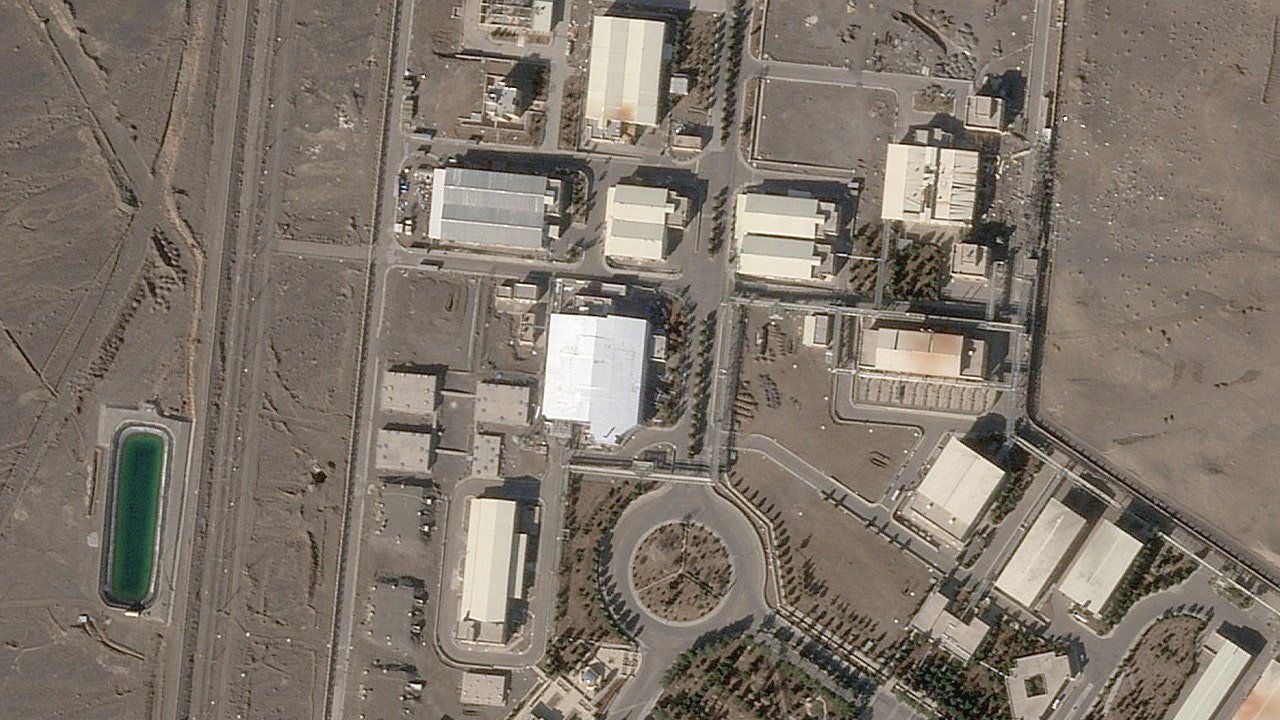
Reconstruction activity appears to be underway at Iran’s Isfahan nuclear complex. (Planet Labs PBC/Handout via Reuters)
«That said, the ongoing rebuilding of Iran’s uranium enrichment capabilities is particularly alarming as the regime is now engaged in nuclear talks with the United States,» he added.
New satellite images released by Earth intelligence monitor, Planet Labs, show reconstruction activity appears to be underway at the Isfahan complex.
Isfahan is one of three Iranian uranium enrichment plants targeted in the U.S. military operation known as «Midnight Hammer.»
The June 22 operation involved coordinated Air Force and Navy strikes on the Fordow, Natanz and Isfahan facilities.
US POSITIONS AIRCRAFT CARRIERS, STRIKE PLATFORMS ACROSS MIDDLE EAST AS IRAN TALKS SHIFT TO OMAN
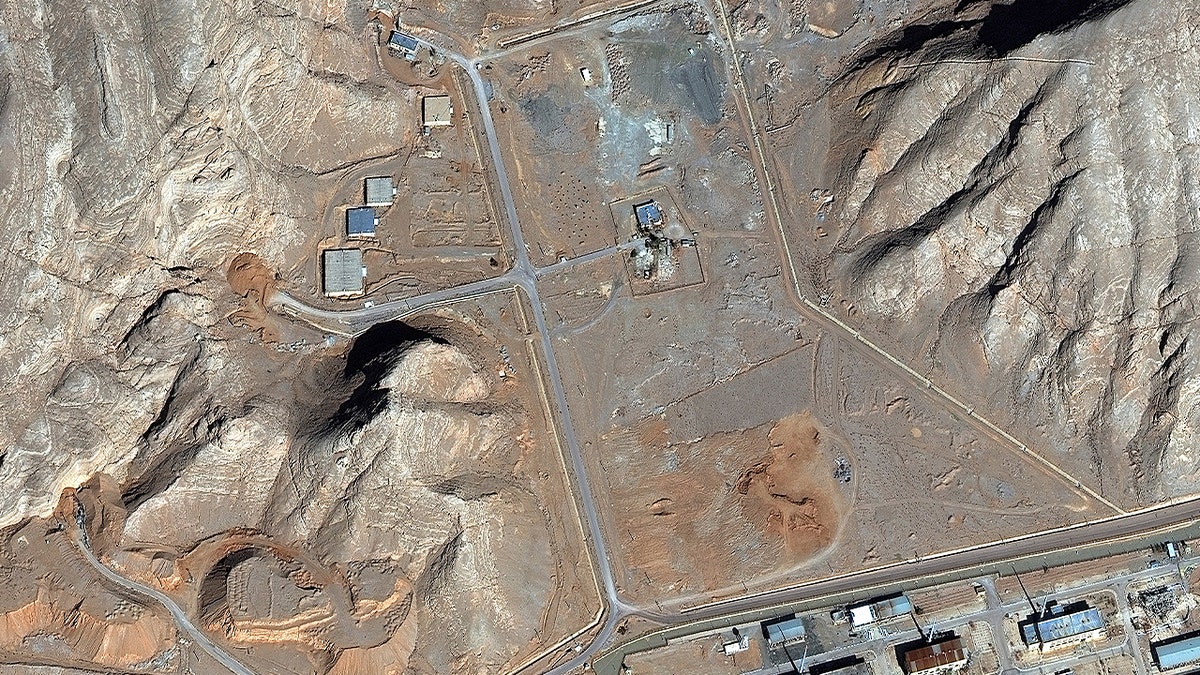
A satellite image shows tunnel entrances covered with soil at Isfahan nuclear complex. (Vantor/Handout via Reuters)
Despite the damage, the satellite images show Iran has buried entrances to a tunnel complex at the site, according to Reuters.
Similar steps were reportedly taken at the Natanz facility, which houses two additional enrichment plants.
«These efforts in Isfahan involve rebuilding its centrifuge program and other activities related to uranium enrichment,» Jafarzadeh said.
The renewed movements come as Iran participated in talks with the U.S. in Geneva.
On Thursday, President Donald Trump warned that «bad things» would happen if Iran did not make a deal.
While the talks were aimed at curbing Iran’s nuclear program in exchange for sanctions relief, Jafarzadeh argues that for the regime, talks would be nothing more than a tactical delay.
TRUMP SAYS IRAN ALREADY HAS US TERMS AS MILITARY STRIKE CLOCK TICKS

Iran’s Supreme Leader Ayatollah Ali Khamenei «agreed to the nuclear talks as it would give the regime crucial time to avoid or limit the consequences of confrontation with the West,» according to Jafarzadeh. ( Office of the Supreme Leader of Iran via Getty Images)
«Supreme Leader Ali Khamenei agreed to the nuclear talks as it would give the regime crucial time to avoid or limit the consequences of confrontation with the West,» he said.
Jafarzadeh also described the regime spending at least «$2 trillion» on nuclear capabilities, which he said «is higher than the entire oil revenue generated since the regime came to power in Iran in 1979.»
«Tehran is trying to salvage whatever has remained of its nuclear weapons program and quickly rebuild it,» he said. «It has heavily invested in the nuclear weapons program as a key tool for the survival of the regime.»
IRANIAN OFFICIAL SAYS NUCLEAR TALKS WILL CONTINUE AFTER US, TEHRAN NEGOTIATIONS HAD ‘A GOOD START’ IN OMAN
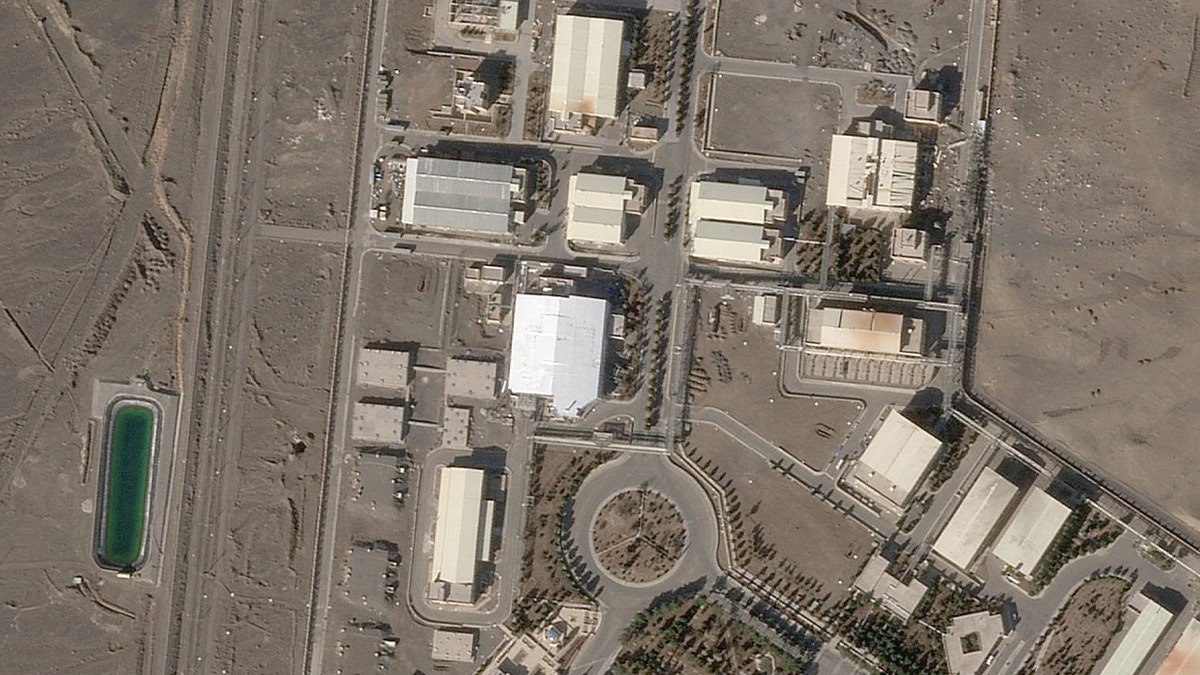
Satellite imagery taken on January 30, 2026, shows a new roof over a previously destroyed building at Natanz nuclear site. (2026 PLANET LABS PBC/Handout via Reuters)
Jafarzadeh is best known for publicly revealing the existence of Iran’s Natanz nuclear site in 2002, which led to inspections by the International Atomic Energy Agency and intensified global scrutiny of Tehran’s nuclear ambitions.
«The insistence of the Iranian regime during the nuclear talks on maintaining its uranium enrichment capabilities, while rebuilding its damaged sites, is a clear indication that Supreme Leader Ali Khamenei has no plans to abandon its nuclear weapons program,» he said.
CLICK HERE TO DOWNLOAD THE FOX NEWS APP
The National Council of Resistance of Iran, led by Maryam Rajavi, exposed for the first time the nuclear sites in Natanz, Arak, Fordow and more than 100 other sites and projects, Jafarzadeh said, «despite a massive crackdown by the regime on this movement.»
iran,nuclear proliferation,middle east,ali khamenei,sanctions,nuclear terror
INTERNACIONAL
El sector privado en Cuba empieza a importar combustible para uso particular, pese al asedio petrolero de Estados Unidos

Pequeñas empresas privadas cubanas han empezado a importar directamente combustible en pleno asedio petrolero de EE.UU., mientras firmas internacionales asentadas en la isla exploran esta vía.
La opción, una bocanada de aire frente a la asfixia energética inducida por Washington, está sin embargo amenazada tanto por la farragosa burocracia cubana, con sus múltiples condiciones y retrasos, como por la sombra ambigua de las sanciones estadounidenses.
Además, los volúmenes que se están contratando son en todo caso para necesidades empresariales concretas y no servirían de ninguna forma para atender las necesidades energéticas del país, de unos 110.000 barriles diarios (de los que 40.000 proceden de pozos propios).
Según confirmaron varias fuentes, el Gobierno cubano ha celebrado encuentros en los últimos días con empresarios extranjeros y emprendedores locales para explicarles cómo podría realizarse esa gestión, mientras la parálisis económica y social que atenaza progresivamente la isla.
Se trata de concretar el anuncio que hizo en noviembre pasado el ministro de Comercio Exterior e Inversión Extranjera, Oscar Pérez-Oliva, de que «en breve» iba a permitirse a empresas extranjeras y mixtas importar su propio combustible, «cuando sea necesario».
Hasta el momento el Estado cubano detentaba el monopolio de la importación de petróleo y combustibles -principalmente mediante tanqueros propios y rentados- y de la venta minorista de productos refinados dentro de la isla.
Varios participantes en estas reuniones con responsables del Gobierno explicaron que la importación de depósitos de combustible dentro de buques cargueros sería similar a la de cualquier otro producto en el exterior (a través de una importadora estatal), un proceso habitualmente lento.
Sin embargo, añadieron, habría que cumplir algunos requisitos extra de seguridad, por tratarse de material peligroso, y contar en destino con una localización segura también certificable o almacenarlos en empresas estatales ya acondicionadas para este uso.
Las autoridades cubanas recalcaron a los empresarios que el combustible que puedan importar particulares es exclusivamente para autoconsumo y no está permitida la reventa.
Según explicaron algunos interesados, la importación se realizaría en depósitos cilíndricos de acero inoxidable del tipo isotanque T11, que tienen capacidad para entre 21.000 y 26.000 litros. Estos dispositivos pueden instalarse en cualquier carguero porque se insertan en una estructura metálica de medidas estándar.
Varias empresas con sede en Estados Unidos tienen licencias específicas para exportar diésel en isotanques a Cuba, pero exclusivamente para clientes privados. No obstante, algunos empresarios en Cuba apuntan que están explorando opciones de compra en otros países de la región.
No es evidente que la importación de combustible por el sector privado en Cuba esté incluida dentro de la orden ejecutiva que firmó el pasado 29 de enero el presidente de EE.UU., Donald Trump.
El texto, específicamente, prevé aranceles «a los bienes importados a Estados Unidos que son productos de cualquier otro país que directa o indirectamente venda o provea de alguna forma petróleo a Cuba».
EFE solicitó a la Embajada de Estados Unidos en Cuba una aclaración formal, para confirmar si la expresión «a Cuba» incluía también a empresas privadas -locales o internacionales establecidas en la isla- que no estén controladas por el Estado cubano o su red de empresas.
La legación diplomática respondió escuetamente remitiendo al texto original de la orden ejecutiva.
Fuentes involucradas en este comercio indican a EFE a este respecto que han recibido «señales» de que la administración estadounidense está dispuesta a tolerar estos envíos.
En este mismo contexto, el semanario británico The Economist publicaba en su último número que la administración estadounidense contempla permitir la entrada a la isla de un cierto volumen de combustibles para atender necesidades básicas.
La presión de EE.UU. está paralizando progresivamente la economía cubana, que se encontraba ya en su peor crisis en décadas. Tan solo en los últimos cinco años, la isla ha perdido un 15 % de su producto interno bruto (PIB) y más de un 20 % de su población. La desigualdad y la pobreza se han disparado.
El Gobierno cubano ha puesto en marcha un duro plan de contingencia para tratar de subsistir sin petróleo importado, algo insostenible a medio plazo. Los hospitales están en servicios mínimos, el transporte público prácticamente desaparecido y el combustible severamente racionado.

NEWYou can now listen to Fox News articles!
MANCHESTER, N.H. – Former Transportation Secy. Pete Buttigieg tops the list of potential 2028 Democratic presidential contenders in a new poll conducted in New Hampshire, which has traditionally held the first primary in the race for the White House for over a century.
Twenty percent of Democratic primary voters in New Hampshire said they would vote for Buttigieg if the 2028 presidential nomination contest was held today. California Gov. Gavin Newsom and Rep. Alexandria Ocasio-Cortez of New York were tied for second at 15%, with former Vice President Kamala Harris, the Democrats’ 2024 nominee, and Sen. Mark Kelly of Arizona each at 10%, with everyone else in single digits.
The University of New Hampshire Survey Center poll was released Thursday, a couple of hours before Buttigieg arrived in New Hampshire to campaign with Democrats running in this year’s midterm elections.
Asked about the survey by Fox News Digital, Buttigieg noted,» I’m not on any ballot right now.»
EARLY MOVES ALREADY WELL UNDERWAY IN 2028 WHITE HOUSE RACE
Former Transportation Secretary Pete Buttigieg greets patrons during a stop at a restaurant in Manchester, New Hampshire, on Feb. 19, 2026 (Paul Steinhauser/Fox News )
«Obviously it feels good to be well received,» added Buttigieg, who made plenty of friends in the Granite State as he came in close second in the 2020 New Hampshire Democratic presidential primary, slightly behind Sen. Bernie Sanders of Vermont.
Buttigieg’s stop in New Hampshire was his third in an early voting state in the Democratic nominating calendar since stepping down as Transportation secretary following the end of former President Biden’s administration, following trips last year to South Carolina and Iowa. While he mostly avoids 2028 talk, Buttigieg has said he would consider what he brings «to the table» in regards to another White House run.
As he kicked off a three-day swing in key New England swing state, Buttigieg teamed up with Rep. Chris Pappas, the clear frontrunner for the Democratic Senate nomination in the race to succeed retiring Sen. Jeanne Shaheen, a fellow Democrat. Shaheen’s seat is a top GOP target in the midterms.
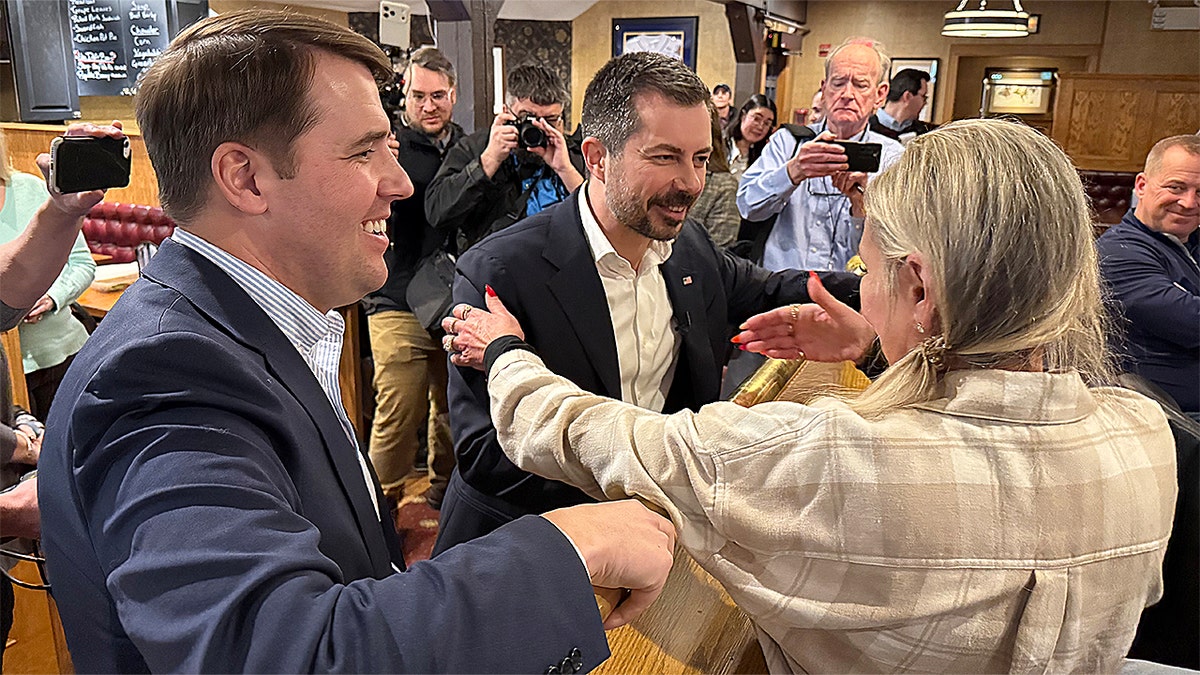
Former Transportation Secretary Pete Buttigieg, center, and Rep. Chris Pappas of New Hampshire, a Democratic Senate candidate, campaign in Manchester, N.H. on Feb. 19, 2026 (Paul Steinhauser/Fox News)
Later Thursday, Buttigieg joined the state’s other Democratic House member, Rep. Maggie Goodlander. And he was scheduled to hold more events on Friday and Saturday, including a grassroots mobilization event that was expected to draw some top New Hampshire supporters from his 2020 presidential campaign.
Buttigieg is heading next week to battleground Nevada, and a source familiar told Fox News Digital Buttigieg has plans to campaign for candidates in Ohio, Georgia and Pennsylvania in the weeks ahead.
«I’m a big believer in going everywhere across the media landscape and geographically. Some are well known places on the political map. Some are a little bit off the beaten path. All of them deserve attention,» Buttigieg told Fox News Digital.
NEWSOM’S UPCOMING STOP IN KEY PRESIDENTIAL PRIMARY STATE SPARKS MORE 2028 BUZZ
He added that he’ll «continue to go wherever I think I can be useful in elevating attention to issues and working with candidates I believe in and Chris Pappas is a great example of a candidate I am proud to be supporting and speaking up for.»
Newsom will be next up in New Hampshire.

California Gov. Gavin Newsom speaks during an election night press conference at a California Democratic Party office Tuesday, Nov. 4, 2025, in Sacramento, Calif. (Godofredo A. Vásquez/AP Photo)
The California governor’s tour for his new book, «Young Man in a Hurry,» will bring him to Portsmouth, New Hampshire on March 5. It will be his first stop in the state in two years.
Newsom grabbed headlines this past weekend, as he was one of a handful of potential Democratic presidential contenders to speak at the high-profile Munich Security Conference in Germany.
TRUMP HAMMERS AOC MUNICH STUMBLES AS ‘NOT A GOOD LOOK FOR THE UNITED STATES’
Ocasio-Cortez was among the other Democrats in Munich. But the progressive champion, who has long been laser focused on affordability and other domestic issues, has faced intense criticism for nearly a week over a gaffe in Munich, when she asked during a panel discussion whether the U.S. should send troops to defend Taiwan from a possible invasion by China.

Rep. Alexandria Ocasio-Cortez, D-N.Y., attends the Munich Security Conference in Munich, Germany, on Friday, Feb. 13, 2026. (Liesa Johannssen/Reuters)
The four-term lawmaker appeared to stall for nearly 20 seconds before offering that the U.S. should try to avoid reaching a clash with China over Taiwan.
Social media posts on the right slammed her for offering up a world salad.
CLICK HERE TO DOWNLOAD THE FOX NEWS APP
But it wasn’t just Republicans who critiqued Ocasio-Cortez.
A veteran Democratic strategist who asked to remain anonymous to speak more freely told Fox News Digital, «It is abundantly clear that AOC is not ready for prime time given her remarks in Europe.»
pete buttigieg,gavin newsom,alexandria ocasio cortez,democrats elections,presidential primaries,new hampshire

Iran rebuilding nuclear program despite Trump talks, opposition figure claims

La Justicia citó a indagatoria y les prohibió salir del país a “Chiqui” Tapia y Pablo Toviggino por evasión

Schiaretti faltó a la sesión: “no pudo viajar por el paro”, justificaron

"No creo que Sony pueda salirse con la suya con PS6". Un exjefe de PlayStation habla de lo que no debería ser su próxima consola

El Banco Central compró más de USD 1.200 millones en lo que va de 2026

Rodrigo De Paul genera mucho debate en las redes: ‘Ganar la MLS es más complicado que la Champions’

Reforma laboral bomba: menos indemnización, más horas y despidos más fáciles — el cambio que puede sacudir el empleo en Argentina

Cristian Ritondo: “Vamos a apoyar la ley de modernización laboral, pero no el régimen de licencias por enfermedad”

El dólar no sólo cae en la Argentina: qué pasa con otras monedas emergentes y cuáles son las causas

Tras el anuncio de la CGT, también habrá paro total de los medios de transporte de pasajeros en el país

 POLITICA2 días ago
Reforma laboral bomba: menos indemnización, más horas y despidos más fáciles — el cambio que puede sacudir el empleo en Argentina
- POLITICA2 días ago
El Gobierno endurece las medidas de seguridad y control en la marcha prevista contra la reforma laboral en el Congreso
- INTERNACIONAL3 días ago
House Dem’s graphic chicken decapitation ‘horrified’ her college roommates: ‘Blood went everywhere’