INTERNACIONAL
Por qué la tormenta invernal Fern amenaza con ser una de las más dañinas de los últimos años en Estados Unidos

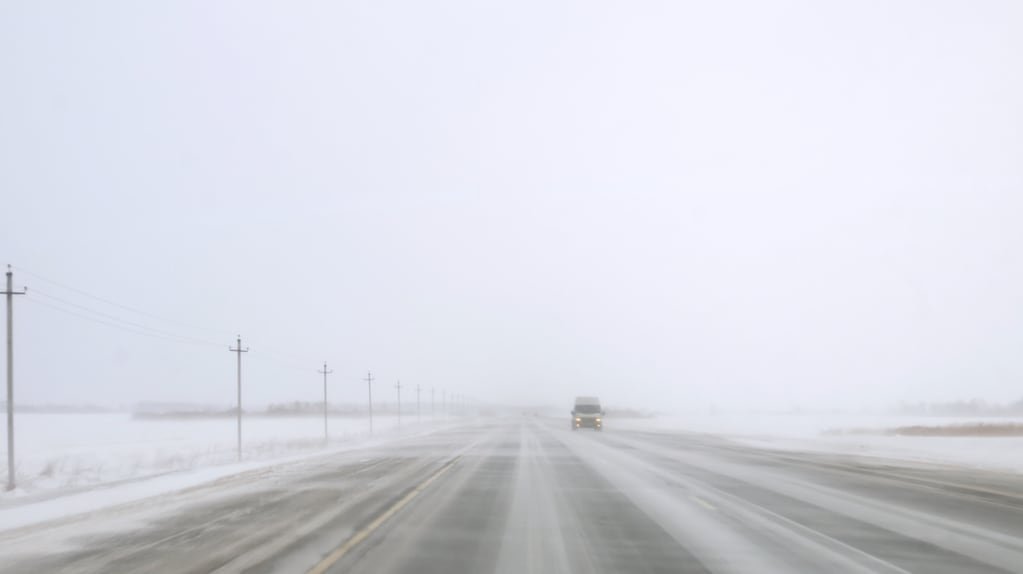
La tormenta invernal Fern avanza sobre gran parte de Estados Unidos y reúne una combinación poco frecuente: nieve, hielo y temperaturas muy bajas que afectan al mismo tiempo al sur, el medio oeste y el noreste del país. Según los pronósticos, el sistema alcanzará a 34 estados y a más de 230 millones de personas.
Las lluvias, nevadas y acumulaciones de hielo ya comenzaron en varias zonas, mientras los servicios meteorológicos advierten que los impactos podrían extenderse hasta el lunes, tanto en el tránsito como en el suministro eléctrico.
1. Una tormenta de escala masiva
A diferencia de otros eventos invernales más localizados, Fern se destaca por su alcance geográfico. Se espera que deje nieve y/o hielo significativo en 34 estados, que afectará directa o indirectamente a más de 230 millones de personas, es decir, cerca de dos de cada tres habitantes de Estados Unidos.
Además, el sistema también impactará con nevadas importantes en zonas del sudeste y la costa atlántica de Canadá. Se pronostican fuertes nevadas desde Oklahoma hasta el noreste, donde es posible que caigan más de 30 cm de nieve en algunas zonas hasta el lunes (Imagen: @NWS).
2. Un temporal de hielo calificado como “catastrófico”
Uno de los aspectos más preocupantes del fenómeno es la acumulación de hielo en el sur del país. De acuerdo con el Centro de Predicción Meteorológica de la NOAA, se esperan acumulaciones calificadas como “catastróficas”, capaces de provocar:
- Cortes masivos de energía eléctrica
- Caída de árboles y postes
- Condiciones de tránsito extremadamente peligrosas durante varios días
Los meteorólogos advierten que podría tratarse del temporal de hielo más dañino y extendido en varios años para esa región, con consecuencias que podrían tardar días en resolverse.
Leé también: Nueva York declaró el estado de emergencia ante una de las tormentas de nieve más grandes de su historia
3. Las nevadas más intensas en años para algunas ciudades
En varias zonas, los modelos muestran una alta probabilidad de acumulaciones superiores a los 30 centímetros de nieve. Para algunas ciudades, este tipo de eventos es poco frecuente o directamente no se registra desde hace muchos años.
Algunos casos destacados:
- Oklahoma City solo tuvo tres tormentas con más de 30 cm de nieve en su historia. La última fue en 2011.
- Tulsa, Oklahoma, registró apenas dos eventos de ese tipo, uno en 1994 y otro en 2011.
- Louisville, Kentucky, no ve una nevada de esa magnitud desde 1998, cuando cayó un récord de 57 cm.
En el corredor urbano entre Washington y Nueva York, la situación es más incierta: la posible mezcla de nieve, aguanieve, hielo o incluso lluvia podría reducir las acumulaciones finales.
Aun así, ciudades como Filadelfia y Washington D.C. no registran una nevada de al menos 30 cm desde la tormenta Jonas en 2016, mientras que Nueva York no alcanza ese umbral desde hace casi cinco años. Más de 30 estados están en alerta por la tormenta en Estados Unidos. (Foto: John Waller/ AP.)
4. Una ola de frío récord
Además de la nieve y el hielo, Fern estará acompañada por una masa de aire extremadamente fría que podría romper decenas de récords diarios de temperatura mínima.
En algunos puntos del sur del país, las temperaturas podrían mantenerse bajo valores históricos durante varios días consecutivos. Se esperan:
- Temperaturas bajo cero en zonas tan al sur como Oklahoma y el noroeste de Texas
- Mínimas de 20 y 30 grados Fahrenheit (entre -6 °C y 0 °C) alcanzando la costa del Golfo
- Aire frío avanzando incluso sobre el norte y centro de Florida
Según la NWS, las temperaturas podrían bajar de los -10 ºC incluso en los puntos más al sureste del país. Pero la alerta más importante es la sensación térmica, ya que la tormenta irá acompañada de fuertes vientos que podrían dejar la sensación por debajo de -45 °C en algunos puntos del país.
Los especialistas anticipan que el alivio térmico será lento y gradual.
Leé también: EE. UU. se prepara para una tormenta invernal fuera de lo común
5. El impacto en el transporte aéreo
Según estimaciones de AccuWeather, alrededor de 6.000 vuelos podrían ser cancelados durante el fin de semana, mientras que la aplicación Hopper advierte que más de 15.000 vuelos sufrirían demoras en todo Estados Unidos. Los aeropuertos de Dallas–Fort Worth y Dallas Love Field aparecen como los más afectados, con más de mil cancelaciones en un solo día, lo que los ubica en el epicentro del caos aéreo.
Ante este escenario, las principales aerolíneas —entre ellas American Airlines, Delta, United, JetBlue y Southwest— anunciaron la flexibilización de cambios y cancelaciones sin penalidades, anticipando que las interrupciones podrían extenderse hasta el lunes.
Los especialistas explican que la combinación de hielo, lluvia congelada y bajas temperaturas resulta especialmente problemática para la aviación, ya que obliga a prolongados procesos de deshielo en aeronaves y pistas, lo que genera un efecto dominó de demoras y cancelaciones en uno de los corredores aéreos más transitados del país.
Tormenta, invierno, Estados Unidos










INTERNACIONAL
El G7 condenó los ataques “injustificables e imprudentes” del régimen de Irán contra los países del Golfo

El G7 expresó su disposición a tomar todas las medidas necesarias para garantizar el suministro global de crudo, ante las dificultades en el tránsito por el estrecho de Ormuz bloqueado por el régimen de Irán desde el pasado 28 de febrero. A su vez, el sábado, más de 20 países dijeron estar “listos para contribuir” al desbloqueo de la zona marítima.
En un comunicado, los ministros de Asuntos Exteriores del grupo reafirmaron la importancia de salvaguardar las rutas marítimas y la seguridad de la navegación, incluyendo el estrecho de Ormuz y todas las vías marítimas asociadas.
El texto destacó que el G7 está dispuesto a apoyar el suministro global de energía mediante acciones como la liberación de reservas, decisión adoptada por la Agencia Internacional de la Energía el 11 de marzo.
El grupo condenó los “injustificables e imprudentes ataques” de Irán y sus aliados contra países de la región, al repudiar los bombardeos a infraestructura energética y civil en Bahrein, Kuwait, Omán, Qatar, Arabia Saudita, Emiratos Árabes Unidos, Jordania e Irak. Los ministros exigieron el “cese inmediato e incondicional” de estos ataques.

Ante la ola de proyectiles lanzados desde Irán, el G7 respaldó el derecho de los países agredidos a defender sus territorios y proteger a sus ciudadanos. Los cancilleres de Alemania, Canadá, Estados Unidos, Francia, Italia, Japón y el Reino Unido no dejaron pasar su desacuerdo con los ataques de milicias en Irak contra instalaciones diplomáticas, infraestructura energética y fuerzas militares estadounidenses y de la coalición contra Estado Islámico, especialmente en la región del Kurdistán iraquí.
Los ministros reiteraron su rechazo a que Irán obtenga armas nucleares, exigieron el fin de su programa de misiles balísticos y de sus “actividades de desestabilización por todo el mundo”, y condenaron la “violencia y represión” ejercida por el régimen iraní contra su propia población.
El sábado, más de veinte países anunciaron su disposición a colaborar en los esfuerzos para garantizar el paso seguro en el estrecho de Ormuz, condenando las acciones del régimen de Irán que han restringido la navegación en esta ruta clave para el suministro global de energía. En un comunicado conjunto, los firmantes —principalmente europeos, junto a Emiratos Árabes Unidos y Bahréin— destacaron la importancia estratégica del estrecho ante los recientes ataques a buques e infraestructuras civiles atribuidos a Teherán.

“Expresamos nuestra disposición a contribuir con los esfuerzos apropiados para garantizar el paso seguro a través del Estrecho. Agradecemos el compromiso de las naciones que están participando en la planificación preparatoria”, indicaron en el mensaje.
Además, afirmaron: “Condenamos en los términos más enérgicos los recientes ataques de Irán contra buques comerciales desarmados en el Golfo, los ataques contra infraestructuras civiles, incluidas instalaciones de petróleo y gas, y el cierre de facto del Estrecho de Ormuz por parte de las fuerzas iraníes”.
La declaración fue suscrita por los líderes de Emiratos Árabes Unidos, Reino Unido, Francia, Alemania, Italia, Países Bajos, Japón, Canadá, Corea del Sur, Nueva Zelanda, Dinamarca, Letonia, Eslovenia, Estonia, Noruega, Suecia, Finlandia, Chequia, Rumania, Baréin, Lituania y Australia.
Por su parte, el ejército de Estados Unidos informó que la capacidad de Irán para amenazar el estrecho de Ormuz se redujo tras el bombardeo de una instalación subterránea donde almacenaba misiles de crucero.
El almirante Brad Cooper, jefe del Comando Central de Estados Unidos (CENTCOM), señaló en un mensaje difundido en X: “No solo destruimos la instalación, sino que también acabamos con sitios de apoyo de inteligencia y repetidores de radar de misiles que se utilizaban para monitorear los movimientos de los barcos”.
Cooper afirmó que la habilidad de Irán para poner en riesgo la libertad de navegación en el estrecho de Ormuz y sus alrededores disminuyó, y agregó: “No dejaremos de perseguir estos objetivos”. El jefe militar detalló que se utilizaron varias bombas de 5.000 libras, equivalentes a más de dos toneladas, contra una instalación subterránea “fortificada” ubicada en la costa iraní.
(Con información de Europa Press)
Middle East
INTERNACIONAL
La foca más grande del mundo y su piojo: un vínculo oculto y milenario que revela secretos del océano
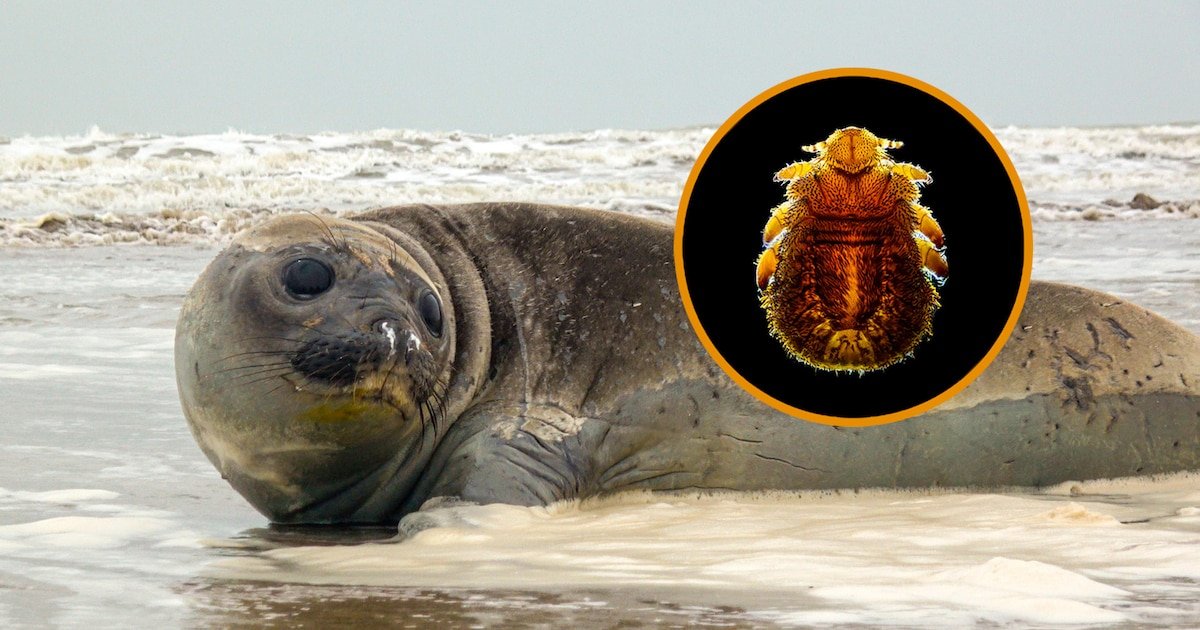
En el mundo, existen 33 especies de focas reconocidas, que están distribuidas en diferentes hábitats marinos y de agua dulce. Hoy es el Día Internacional de las Focas, una efeméride para promover su conservación y sus ecosistemas.
La foca más grande del mundo es el elefante marino del sur. Los machos adultos pueden medir más de cinco metros y pesar más de tres toneladas.
Científicos de la Argentina, Francia, Brasil y Austria analizaron cómo un piojo logra sobrevivir bajo el agua durante las largas inmersiones de su hospedador, el elefante marino del sur.
Descubrieron cuáles son las adaptaciones fisiológicas únicas que permiten al parásito tolerar la falta de oxígeno y las condiciones extremas del océano profundo. El piojo se llama Lepidophthirus macrorhini.
Los mecanismos fisiológicos únicos, como el cierre de espiráculos y una hemoglobina funcional, permiten que los piojos toleren la falta de oxígeno y las condiciones extremas en el océano profundo. Los resultados fueron publicados en la revista Communications Biology.
El elefante marino del sur es el pinnípedo más grande, con cuerpo robusto y piel grisácea. No tiene orejas externas y se desplaza con torpeza en tierra.
Habita en costas subantárticas y antárticas, donde pasa largos periodos en el océano abierto. Sus principales colonias reproductivas se encuentran en la Península Valdés y en islas del hemisferio sur.
Esta especie mantiene una relación exclusiva con Lepidophthirus macrorhini, el único piojo identificado en esos animales. Por el momento, no se ha registrado otras especies de piojos que los afecten.
Los investigadores quisieron entender cómo el piojo sobrevive durante las inmersiones del elefante marino. Esas inmersiones pueden durar meses e incluyen buceos de hasta 2.000 metros. Para eso, analizaron las adaptaciones fisiológicas del parásito en condiciones extremas.
Recolectaron muestras de piojos en la Península Valdés, que es la única colonia reproductiva y continental de elefantes marinos. El equipo incluyó expertos en biología molecular, genética y fisiología de varios países.

Evaluaron la capacidad del piojo para resistir bajos niveles de oxígeno y altas presiones. Observaron que el parásito cierra sus espiráculos para evitar el ingreso de agua al sistema tráqueal durante el buceo del hospedador.
El análisis genómico mostró la presencia genes de hemoglobina en los piojos, algo poco estudiado en insectos. Esta característica les permitiría almacenar oxígeno y sobrevivir durante largas inmersiones.
Los investigadores notaron que el intercambio gaseoso también ocurre a través de la cutícula. Esto permite que el piojo obtenga oxígeno mientras el elefante marino está sumergido.
El estudio demostró que esos mecanismos fisiológicos permiten soportar presiones elevadas y bajas temperaturas marinas. Los hallazgos ofrecen evidencia de la coevolución entre parásito y hospedador.
“Fue sorprendente que hayamos podido demostrar que efectivamente los piojos pueden respirar bajo el agua”, dijo a Infobae la doctora en biología Soledad Leonardi, investigadora del Instituto de Biología de Organismos Marinos (IBIOMAR), que depende del Conicet/CENPAT.
“Un intercambio gaseoso con el medio hace posible la supervivencia del piojo durante los meses que pasan sumergidos con los elefantes marinos”, resaltó.
“Hay un aspecto particularmente interesante en los piojos de las focas, relacionado con su proceso evolutivo. Los antecesores terrestres de las focas ya estaban infectados con piojos”, señaló.
Durante la transición al medio marino, “esos organismos lograron adaptarse a las nuevas condiciones impuestas por sus hospedadores, algo que no ocurrió con la mayoría de los parásitos, que se extinguieron al pasar a la vida marina”, afirmó.
“Como las focas mantienen una etapa en tierra, los piojos sobreviven gracias a este comportamiento anfibio de sus hospedadores. Los períodos en tierra les permiten reproducirse, ya que los huevos no sobreviven bajo el agua”, explicó.

La investigación no terminó con el hallazgo, sino que abrió nuevas preguntas para el futuro. “Este trabajo abrió nuevos interrogantes. Uno tiene que ver con el rol de la hemoglobina. Quisiéramos comprobar si efectivamente cumple una función en la reserva celular de oxígeno”, aclaró la doctora Leonardi.
“Nos interesa evaluar experimentalmente hasta qué profundidad es posible que los piojos respiren. Nuestro modelo de estudio nos permite abordar esas preguntas. Los elefantes marinos pueden bucear a más de 2.000 metros de profundidad”, agregó.
Con cada respuesta surgen nuevos desafíos en la ciencia, y comprender estos vínculos ayuda a proteger la vida marina. La curiosidad y el respeto por la naturaleza impulsan a los científicos a seguir explorando el océano y sus secretos invisibles.
america,american,animal,beach,big sur,california,coast,habitat,mammal,marine,national park,nature,outdoor,outdoors,park,rest,sea life,seal,united states,usa,wilderness
INTERNACIONAL
Connecticut Dems demand IDs to recycle cans but reject GOP efforts to verify citizenship at polls

NEWYou can now listen to Fox News articles!
Connecticut Democrats recently rushed through an emergency anti-fraud law requiring bottle redemption centers to collect a copy of a person’s driver’s license when they cash in more than 1,000 cans or bottles in a day — a document demand that Republicans say undercuts the party’s attacks on voter-ID rules.
Earlier this month, an emergency certification bill, SB 299, was introduced by top Democratic leaders in the state’s legislature. It was later passed in both chambers in late February and was signed by Gov. Ned Lamont, a Democrat, on March 3.
It requires people wishing to recycle cans for money to present a copy of their driver’s license, put in place because the state has had issues with non-residents crossing its border to take advantage of its higher return rate of 10 cents a can instead of five cents. The issue was reportedly causing the state to lose significant revenue.
Meanwhile, the state still does not require its residents to present a driver’s license or some other form of formal identification when voting. Instead, residents wishing to vote simply have to attest, under penalty of the law, that they are a citizen of the United States.
Both of Connecticut’s senators, Sens. Richard Blumenthal, D-Conn., and Chris Murphy, D-Conn., recently voted against advancing the SAVE Act earlier this week, which Republicans introduced to pass stricter photo-ID requirements for voting in federal elections, including a national proof-of-citizenship requirement for anyone wishing to register to vote.
PENCE URGES SENATE TO ‘RESTORE PUBLIC CONFIDENCE’ WITH NATIONWIDE VOTER ID LAW
U.S. Sens. from Connecticut, Richard Blumenthal and Chris Murphy, are seen pictured next to a pile of recyclable trash. (Getty Images)
«In Connecticut, it seems that they are committed to securing recycling, but not to securing elections,» said Anna Pingel, America First Policy Institute’s Campaign Director for Secure Elections. «Requiring photo ID to collect cash from recycling but opposing photo ID to cast a vote tells you everything you need to know about the hypocrisy of politicians fighting against commonsense legislation like the SAVE Act. What is more important to safeguard—bottles or ballots?»
Fox News Digital reached out to Blumenthal, Murphy and Lamont for comment but only heard back from Blumenthal.
«Let’s be very clear: the SAVE America Act requires a birth certificate or passport to register to vote, which Republicans know 21 million Americans do not have,» Blumenthal told Fox News Digital. «This is not a voter identification bill. It is a voter purge bill.»
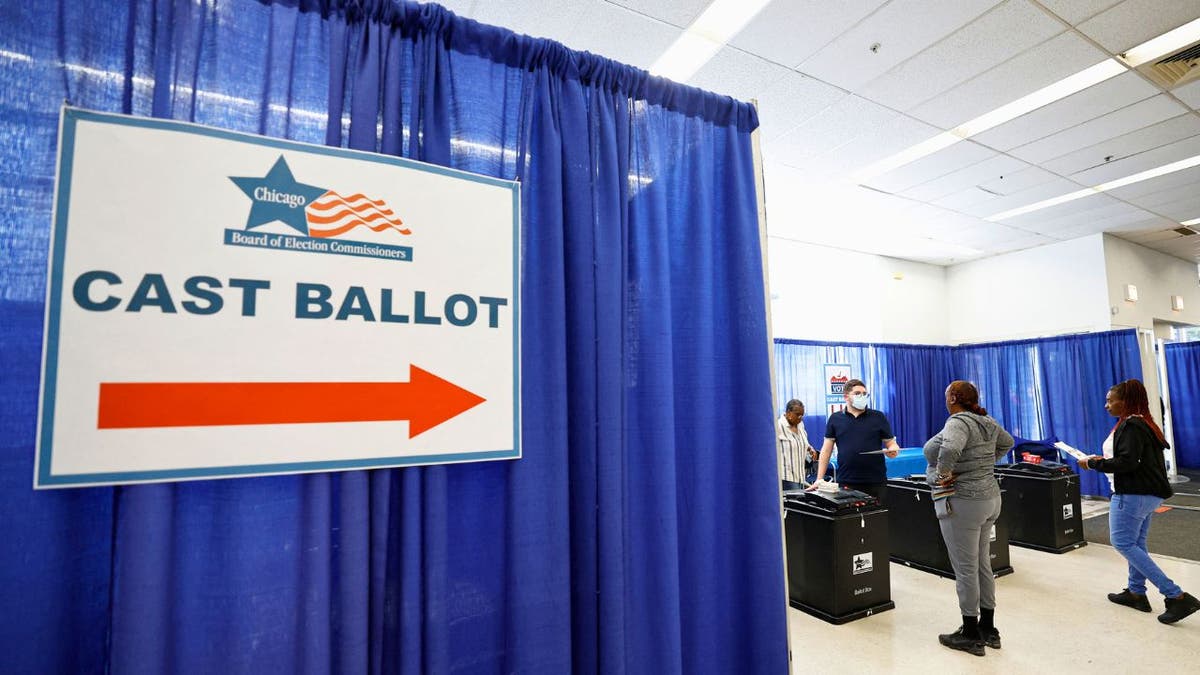
Voters cast their ballots during early voting at the Board of Elections Loop Super Site in Chicago, Illinois, on Oct. 4, 2024.KAMIL KRZACZYNSKI/AFP via Getty Images (KAMIL KRZACZYNSKI/AFP via Getty Images)
STEPHEN A SMITH STUNNED AFTER REP KEVIN KILEY EDUCATES HIM ON CALIFORNIA VOTER ID BAN
Earlier this week, the Senate voted 51-48 to begin a debate on the House-passed SAVE Act vehicle, S. 1383. Blumenthal and Murphy both voted ‘Nay.’ The House had already passed the bill 218-213 on Feb. 11, but the measure still faces the Senate’s 60-vote hurdle to advance toward passage — a threshold Democrats have said they intend to block.
In speeches on the Senate floor trying to downplay the seriousness and scope of illegal citizen voting, Sen. Chuck Schumer, D-N.Y., and Sen. Raphael Warnock, D-Ga., tacitly acknowledged the existence of a problem they’ve argued is immaterial: that illegal immigrants may be able to unlawfully participate in federal elections.
«The evidence is that almost no illegal aliens vote,» Schumer said in remarks on the Senate floor. Warnock similarly acknowledged the issue while listing statistics about voting records in his home state. «8.2 million people are registered to vote in Georgia. The Republican Secretary of State found 20 instances of non-citizens who were registered, and only nine had ever attempted to vote,» Warnock said.

Senate Minority Leader Chuck Schumer (D-NY) and Sen. Raphael Warnock (D-GA) walk up the Senate steps. (Drew Angerer/Getty Images)
Democrats have fiercely opposed the Republican-led bill, citing concerns that its voter integrity measures are overly heavy-handed and could inadvertently burden communities that may struggle to provide documented proof of citizenship.
CLICK HERE TO DOWNLOAD THE FOX NEWS APP
Republicans, who argue that lax identity requirements may have already allowed an unknown number of non-citizens onto voter rolls, have launched a marathon standoff over the bill on the Senate floor.
The Senate will be holding weekend sessions as the deadlock continues.
Fox News Digital’s Leo Briceno contributed to this report.
voting,voter fraud concerns,elections,connecticut,democrats senate,democratic party,politics

El guiño del PJ a los gobernadores del norte, otro acto de Kicillof en CABA y la vuelta de “Wado” de Pedro

Caso $LIBRA: Novelli montó un entramado de sociedades offshore y cuentas bancarias en paraísos fiscales

Por qué crece la economía pero caen los empleos formales y cierran empresas

La formación de River Plate vs. Estudiantes (RC), por la fecha 12 del Torneo Apertura

El G7 condenó los ataques “injustificables e imprudentes” del régimen de Irán contra los países del Golfo

Fabio Alberti regresa al teatro con Peperino Pómoro y revive el humor de los ‘90: “Cada día se me ocurren cosas nuevas”

Juicio por YPF: la Justicia de EEUU benefició a Argentina y suspendió todas las demandas hasta que se defina la cuestión de fondo

Senado: la oposición pidió explicaciones por $LIBRA y los vuelos de Adorni y Bullrich defendió al Gobierno

Kicillof desembarcó en CABA, lanzó su proyecto 2027 y empezará a ampliar su armado político en todo el país

¿DÓNDE ESTÁ ESMERALDA? El grito de una madre que sacude a la Argentina: «Me la arrebataron de la puerta»

 POLITICA2 días ago
Kicillof desembarcó en CABA, lanzó su proyecto 2027 y empezará a ampliar su armado político en todo el país
- POLITICA3 días ago
¿DÓNDE ESTÁ ESMERALDA? El grito de una madre que sacude a la Argentina: «Me la arrebataron de la puerta»
- POLITICA2 días ago
¿MACRI 2027? El «operativo retorno» que sacude al PRO y los nombres que suenan para la vicepresidencia