INTERNACIONAL
Servicio militar obligatorio: el modelo que planea Alemania y que podría extenderse en Europa ante el avance de Rusia


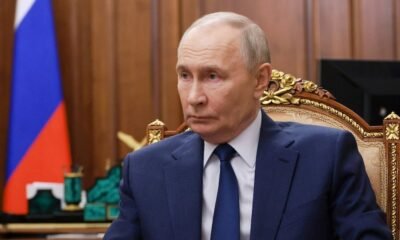
Bajo la sombra de la “amenaza rusa” que avanza desde Ucrania, el gobierno alemán dio el primer paso para reinstalar el servicio militar obligatorio. El objetivo es convertir a sus Fuerzas Armadas en el mayor ejército convencional de la OTAN -sin armas nucleares- en todo el continente europeo.
No es una modelo pasajero. Varios países nórdicos y bálticos, fronterizos con Rusia, ya impusieron el reclutamiento forzoso frente al avance de las tropas de Vladimir Putin en territorio ucraniano.
Leé también: Trump busca asfixiar a Maduro en varios frentes, pero el chavismo se aferra al modelo de resistencia cubano
“Nos encontramos con poca resistencia. Se vuelva repetir un ciclo militarista que pensábamos que habíamos dejado atrás. No deja de ser preocupante”, dijo a TN la española Ainhoa Ruiz, investigadora del Centro Delas de Estudios para la Paz, con sede en Barcelona.
El caso alemán incluye una etapa intermedia. A partir de 2026 empezará a regir un alistamiento voluntario para sumar 80.000 nuevos reclutas y llevar el número de efectivos a 260.000 soldados activos. Además, se busca duplicar el número actual de 100.000 reservistas. El plan es llevar a 460.000 el total de soldados activos y en reserva.
“Los hombres jóvenes mayores de 18 años tendrán que responder en forma obligatoria a un cuestionario en el que deben marcar si tienen interés, o no, de sumarse en forma voluntaria al ejército. Las mujeres también recibirán el mismo cuestionario, pero no tendrán la obligación de responder”, explicó a TN la directora y representante en la Argentina de la Fundación Política Friedrich Ebert (FES), Svenja Blanke.
¿Puede Alemania volver al servicio militar obligatorio?
Alemania nunca abolió el reclutamiento forzoso. Solo lo suspendió en 2011, por lo que puede ser restablecido en cualquier momento. El gobierno envió un proyecto que será debatido en octubre en el Bundestag (Parlamento), donde se descuenta que será aprobado.
El gobierno conservador del canciller Friedrich Merz está decidido a aumentar el poderío militar del país en medio de fuertes presiones de Donald Trump para incrementar el gasto de defensa de la OTAN. El presidente estadounidense logró el compromiso europeo de gastar hasta el 5% del PBI de cada miembro de la organización en el presupuesto bélico.
Hoy el ejército alemán cuenta con 180.000 soldados. Merz quiere aumentar la tropa a 260.000. Pero si el año que viene no se suman 80.000 voluntarios para alcanzar esa meta, el gobierno se plantea volver a la obligatoriedad del servicio militar. Miembros de las Fuerzas Armadas alemanas en un viaje oficial a Lituania (Foto de archivo: EFE)
“Si el ejecutivo fuera solo del partido conservador (actualmente gobierna en alianza con el Partido Socialdemócrata/PSD) ya se habría vuelto a esa obligatoriedad”, dijo Blanke, cuya fundación es cercana a la socialdemocracia alemana.
Según Blanke, “el gobierno justifica el cambio de la ley porque no hay suficientes soldados en la actualidad ni suficientes personas en la reserva en caso de guerra. Para llegar a las cifras requeridas, necesitan cambiar porque hasta ahora, a pesar de mucha propaganda, no se ha llegado al número” de soldados fijado como objetivo.
Qué pasa en los países fronterizos con Rusia
Los europeos no viven de manera uniforme el curso de la guerra en Ucrania.
“A los países bálticos o nórdicos el tema fronterizo los toma más cerca. Las repúblicas bálticas conviven con Rusia. Se sienten más amenazados (por el contexto bélico actual y por su antigua sumisión a la vieja Unión Soviética) y son los primeros en que han empezado a implementar este nuevo servicio militar. En el caso español, no tenemos tan cerca el conflicto y solo la ultraderecha de Vox ha propuesto el debate”, dijo Ruiz.
Leé también: Cómo el sandinismo adoctrina en las escuelas: el “visionario” Daniel Ortega y la “heroína” Rosario Murillo
En España se abolió el servicio militar en 2001.
En ese escenario, son varios los países que reimpusieron el reclutamiento forzoso, entre ellos:
- Suecia: Siete años después de abolirlo, lo volvió a instaurar en 2017, incluso para las mujeres. Desde entonces duplicó el número de soldados.
- Noruega. Desde 2015 el servicio militar obligatorio se extendió a las mujeres. Las Fuerzas Armadas quieren aumentar en 50% el número de efectivos hasta 2036. El país acaba de firmar un contrato de compra al Reino Unido de cinco fragatas de guerra con un gasto de 11.550 millones de euros.
- Letonia. Restableció el reclutamiento forzoso en 2023 para jóvenes entre 18 y 27 años.
- Estonia. El país mantiene la conscripción obligatoria desde su independencia en 1991. Solo para hombres.
- Lituania. Cada año se convoca por sorteo a unos 4000 jóvenes para servir durante nueve meses en el ejército. La primera ministra, Inga Ruginiene, admitió que pronto será “inevitable” avanzar hacia el reclutamiento universal.
- Finlandia. Sostiene el servicio militar desde la Segunda Guerra Mundial. La novedad es que busca aumentar el número de reservistas hasta un millón antes de 2031. Para ello elevará la edad máxima de pertenencia a la reserva de los 50 a los 65 años.
- Polonia. Busca fomentar el alistamiento y la formación militar. El objetivo es dotar a las Fuerzas Armadas de 500.000 efectivos, incluyendo reservistas, en un futuro próximo.
Otros países europeos, más alejados de la guerra, también han reformulado su sistema de alistamiento.
- Dinamarca. El reclutamiento forzoso rige desde el 1 de julio pasado. También abarca a las mujeres. En 2023, solo 4700 nuevos reclutas se sumaron en forma voluntaria. Ahora se busca duplicar esa cifra.
- Croacia: El país prevé reinstaurarlo a partir de enero de 2026 con una duración de dos meses y solo para varones. Lo había abolido en 2008.
- Serbia. Si bien no forma parte de la OTAN, busca reinstalar el reclutamiento forzoso abolido en 2011. La propuesta fue aprobada en 2024 y está en proceso de implementación.
Europa, Rusia, servicio militar obligatorio









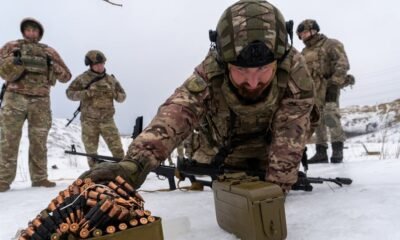

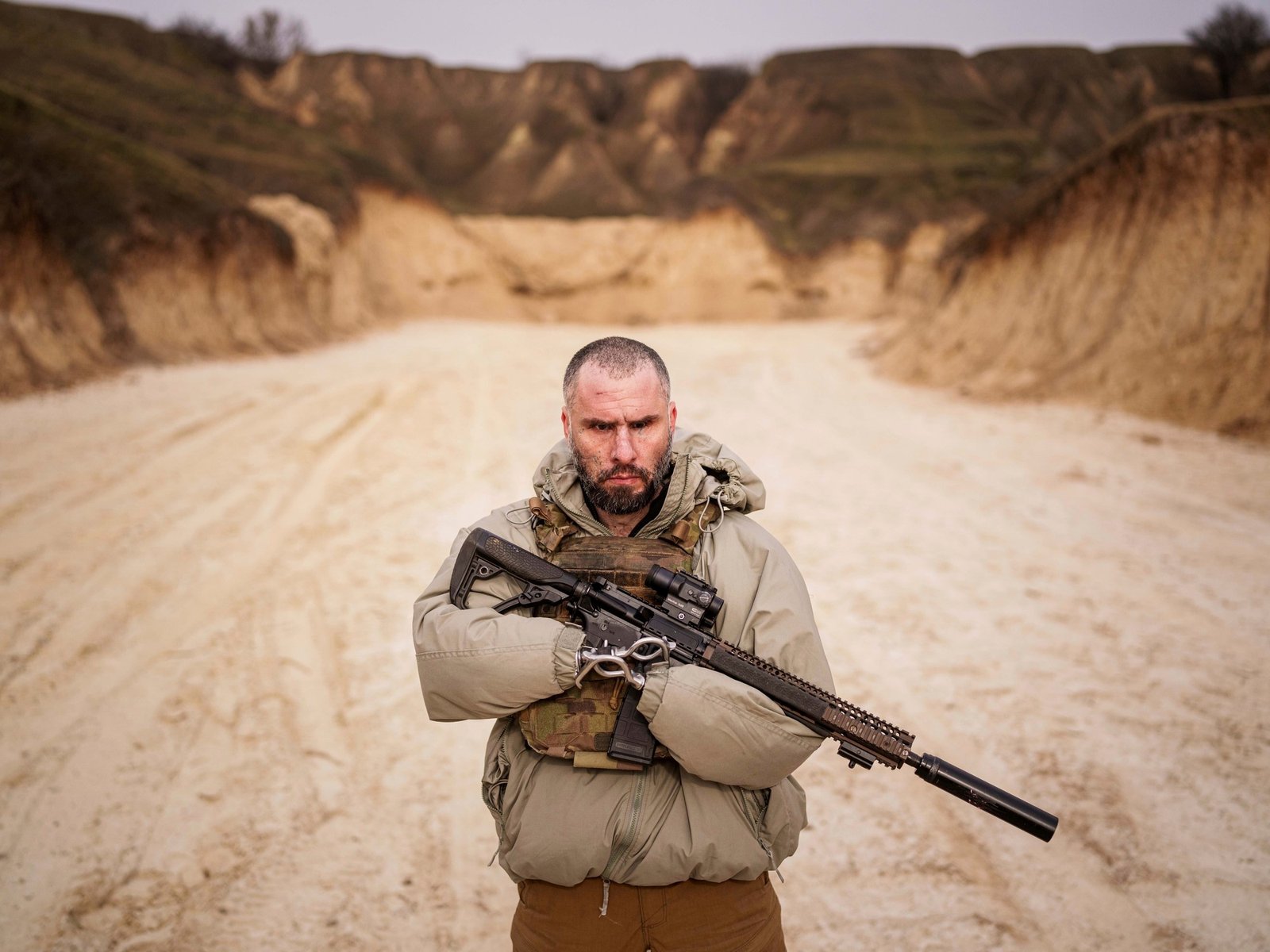
El comercio mundial de armas llegó en el último lustro (2021-2025) a niveles que no alcanzaba desde el final de la Guerra Fría. Según el nuevo informe del Instituto Internacional de Investigación para la Paz de Estocolmo, el prestigioso SIPRI, referencia mundial en comercio de armas, detrás de ese aumento hay principalmente dos razones: la guerra en Ucrania, desatada por Rusia con su ataque el 24 de febrero de 2022, y el posterior rearme europeo, intensificado en 2025.
La de Ucrania es la mayor guerra en Europa desde el final de la Segunda Guerra Mundial y el esfuerzo bélico del país para defenderse de Rusia mueve los números de este informe. Ucrania multiplicó por más de 120 su gasto militar en los últimos años en comparación con el período 2016-2020 y sus compras de armas en el extranjero ya suponen casi el 10% de las importaciones globales de armas, cuando antes de la guerra eran el 0,1%.
Los números de Ucrania se intuían, pero el aumento de su gasto militar no explica toda la subida. Buena parte viene de los 29 países europeos miembros de la OTAN. De una parte esa guerra en Ucrania y de otra la presión de Estados Unidos para que gasten más en defensa les ha llevado a rearmarse como no hacían desde hace más de 40 años. Esos 29 países multiplicaron por más de dos sus compras de armas en el extranjero en comparación al lustro precedente, aún siendo algunos de ellos grandes productores de armas.
Entre los 10 primeros exportadores de armas del mundo aparecen Francia (segunda posición), Alemania (cuarta), Italia (sexta), Reino Unido (octava) y España (décima). Entre los 20 primeros entran también Países Bajos (número 12), Noruega (13), Polonia (14), Suecia (15), Chequia (17) y Dinamarca (19).
Estados Unidos sigue siendo el líder mundial en exportación de armas, pero el aumento de sus ventas a Europa consolida esa posición después de crecer un 27% en el último lustro hasta ocupar el 42% de todas las exportaciones de armas del planeta. Además, y también por primera vez desde el final de la Guerra Fría, Europa es el principal destino de las armas estadounidense. Washington ya vende a países europeos miembros de la OTAN casi el 40% de todas las armas que exporta.
Ese aumento, además, llega cuando los europeos están gastando cada vez más en sus industrias nacionales y algunos países suspendieron la compra de armamento estadounidense. España y Portugal cancelaron la compra del avión de combate F-35 y Suiza dijo que comprará menos de los más de 30 previstos inicialmente. Entre las razones oficiales no está sólo el choque europeo con Donald Trump, sino que el avión podría venderse con restricciones a sus operaciones y sin garantizar un suministro adecuado de repuestos.
España, que fue uno de los que más aumentó en Europa el gasto en defensa el año pasado, con 10.500 millones de euros extra, apenas destina un 5% de ese dinero a la industria estadounidense. En el caso de Alemania, de los 154 planes de compras de armas de este año sólo el 8% se harán en Estados Unidos.
Además, el plan europeo de rearme excluye en parte a empresas estadounidenses o de cualquier tercer país. Los préstamos SAFE de la Comisión Europea (150.000 millones de euros) exige que el 55% de las compras se hagan en industrias europeas.
El aumento del gasto en Europa no es generalizado. Países como Francia o Reino Unido han aumentado en un lustro menos de un punto de PBI su gasto total en Defensa, pero otros, como Alemania, Polonia o Chequia, lo han aumentado dos y tres puntos. Polonia ya gasta en defensa más del 5% de su PBI. A la vez, Italia no alcanza todavía el 2% y España aceptó subirlo el año pasado hasta el 2%, pero se niega a cumplir con el último acuerdo en el seno de la OTAN, donde se exigió que todos sus miembros gasten para finales de la década al menos un 5% en defensa.
El aumento del gasto polaco en defensa llevó a que el país sea el segundo importador europeo de armas, sólo por detrás de Ucrania. Polonia, además, entra por primera vez entre los 20 primeros exportadores de armas del mundo, aunque es de hecho un efecto relacionado con la guerra en Ucrania, pues a Kiev envía el 94% de todas sus exportaciones. El mismo efecto tiene la guerra sobre Chequia, que exporta más que nunca, pero cuyas exportaciones se deben al aumento de importaciones ucranianas.
INTERNACIONAL
Donald Trump afirmó que el nuevo líder supremo iraní Mojtaba Khamenei “probablemente está vivo, pero dañado”
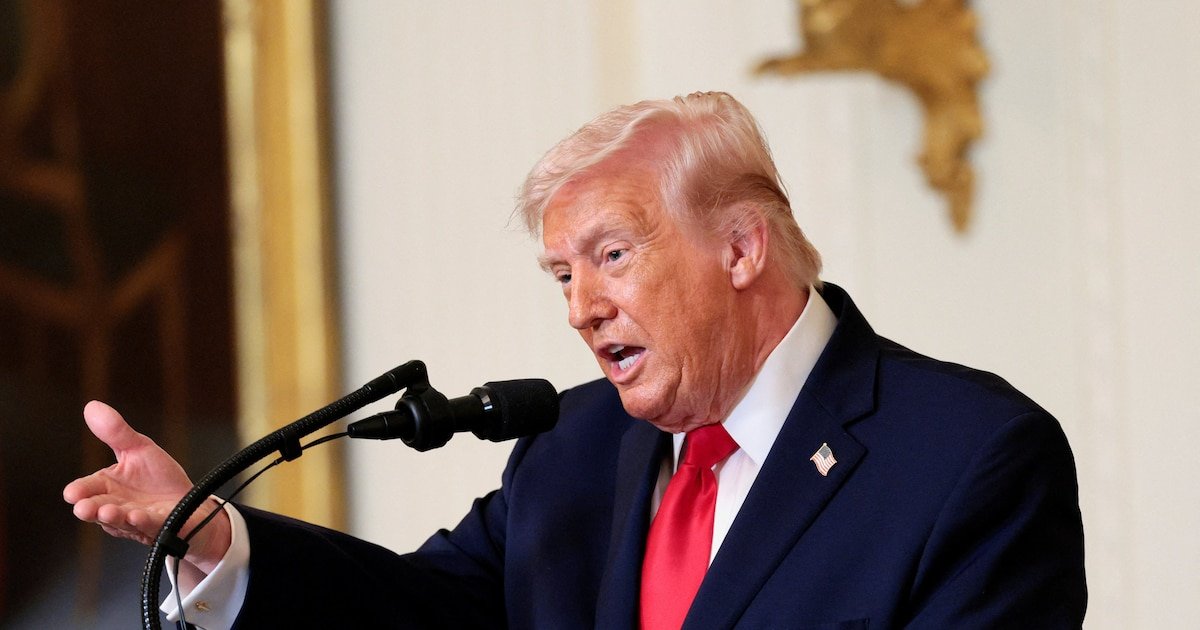
El presidente de Estados Unidos, Donald Trump, afirmó que considera probable que el nuevo líder supremo de Irán, Mojtaba Khamenei, siga con vida, aunque sugirió que podría haber sufrido algún tipo de daño.
En una entrevista con Fox News Radio, Trump fue consultado sobre la situación del dirigente iraní tras su reciente nombramiento. El mandatario respondió que, en su opinión, Khamenei probablemente continúa con vida, pero cree que podría estar afectado físicamente.
“Creo que está dañado, pero probablemente está vivo de alguna forma”, aseguró el inquilino de la Casa Blanca.
Por otra parte, reivindicó la ofensiva conjunta de Estados Unidos e Israel contra Irán como el cumplimiento de una obligación postergada durante casi cinco décadas por administraciones pasadas.
Durante un acto en la Casa Blanca por el Mes de la Historia de la Mujer, Trump afirmó que la campaña avanza “muy rápidamente”, calificó a Irán como una “nación de terror y odio” y sostuvo que el ejército estadounidense está “haciendo lo que hay que hacer, lo que se debería haber hecho durante 47 años”.

“Realmente son una nación de terror y odio, y están pagando un gran precio en este momento”, insistió en sus declaraciones, expresadas en el día 13 de la operación «Furia Épica“.
Trump emitió en los últimos días mensajes contradictorios sobre el desarrollo de la guerra, al afirmar por momentos que Estados Unidos e Israel “ganaron” frente a Irán y sugiriendo que el conflicto podría terminar “muy pronto”, y en ocasiones que aún existe la necesidad de continuar la lucha para acabar con el régimen.
Trump no respondió directamente a los comentarios del nuevo líder supremo iraní, Mojtaba Khamenei, quien en su primer mensaje tras asumir el cargo prometió venganza y defendió que Irán debe mantener el control del Estrecho de Ormuz.
El aumento de la tensión en la región ha disparado los precios mundiales del petróleo, en medio de la virtual paralización del tráfico de petroleros por esa vía clave. No obstante, Trump afirmó en redes sociales el jueves por la mañana que considera prioritario impedir que el “imperio del mal” de Irán acceda a armas nucleares.
En sintonía con los desafíos regionales que surgen de la escalada en Medio Oriente, el secretario del Tesoro de Estados Unidos, Scott Bessent, anunció que la Marina estadounidense, posiblemente junto a una coalición internacional, escoltará buques a través del Estrecho de Ormuz tan pronto como las condiciones militares lo permitan.

En declaraciones a Sky News, Bessent confirmó por primera vez que Washington contempla operaciones de escolta naval para reabrir este paso estratégico, por donde circula aproximadamente el 20% del petróleo mundial.
“Mi convicción es que, en cuanto sea militarmente posible, la Marina de Estados Unidos, quizás con una coalición internacional, estará escoltando buques”, afirmó Bessent y detalló que el operativo comenzará cuando Estados Unidos logre “el control total del espacio aéreo” y las “capacidades de reposición de misiles de Irán estén completamente degradadas”.
El funcionario añadió que petroleros iraníes y de bandera china han transitado la zona en días recientes, lo que, a su juicio, descarta que Irán haya minado el estrecho.
Tras el inicio de la Operación Furia Épica el 28 de febrero —una ofensiva coordinada de Estados Unidos e Israel contra instalaciones militares, nucleares y de liderazgo iraní, que resultó en la muerte del líder supremo Alí Khamenei— el tráfico comercial por el estrecho se redujo prácticamente a cero.
Según la Agencia Internacional de Energía (AIE), el flujo de crudo cayó de unos 20 millones de barriles diarios a una mínima fracción, obligando a los países del Golfo a recortar su producción en al menos diez millones de barriles diarios. El precio del Brent llegó a rozar los 120 dólares por barril.
(Con información de AFP)
Domestic,Politics,North America,Government / Politics
INTERNACIONAL
Transgender triple killer removed from home with 2 foster children months after authorities were notified

NEWYou can now listen to Fox News articles!
Two foster children who had been living with a convicted transgender triple killer, despite authorities being aware of the situation since late December 2025, are no longer residing with the violent criminal, according to local media reports.
Reginald Arthurell — who began transitioning to a woman shortly after his release from prison in 2020 — was removed from the home after heavily armed officers raided the address on Monday, radio station 2GB reported. He had been living with a 12-year-old and a 14-year-old for several months, the outlet said.
The minister for Families and Communities of New South Wales (NSW) on Tuesday issued an apology, saying the situation «should never have been allowed.»
«It is entirely unacceptable for a vulnerable child in the care of the state to be living with a triple murderer,» Kate Washington told 2GB. «It should never have happened and I’m deeply apologetic for what has happened.»
VIOLENT REPEAT OFFENDER ACCUSED OF KILLING TEACHER AS 911 CALL REVEALED HER FINAL MOMENTS: REPORT
Reginald Arthurell began transitioning into a woman after 2020 in Australia. (Obtained by the NY Post)
She added that «very poor decisions were made» at the time when authorities became aware of the situation and said a review is underway to determine how the «terrible» circumstances were allowed to happen, promising systemic changes.
The situation has sparked widespread backlash and calls for the resignation of authorities who allowed the crisis to continue for months.
Late last year, Arthurell moved into an existing foster home in Sydney, where two children were already living under the care of an elderly woman, 2GB reported. He reportedly met her while she was working at a hospital, and he was a patient there.
The woman, who invited him to move in as a housemate, already had two foster children living with her under her approved placement with the New South Wales Department of Communities and Justice.
Arthurell therefore shared the household with the children. The arrangement went unnoticed by authorities until the carer’s daughter reportedly raised concerns late last year.
FLORIDA MAN WHO WRESTLED COP’S GUN AWAY AND KILLED HIM TO BE EXECUTED AFTER FINAL APPEALS REJECTED

Reginald Arthurell is a three-time convicted murderer in Sydney, Australia. (Obtained by the NY Post)
Prior to moving in, Arthurell had built a long criminal history, primarily involving the killings of three people over three decades, court documents show. He was first convicted of manslaughter in 1974 for reportedly stabbing his stepfather to death in Sydney. In 1981, he fatally bashed a 19-year-old sailor during a violent robbery, and while on parole in 1995, he killed his fiancée by beating her to death with a piece of wood, local outlets reported.
After killing his romantic partner, he was caught photographing himself wearing one of her dresses, 2GB added.
All three killings involved alcohol, court documents show. Records indicate that Arthurell spent nearly 39 years of his life in custody following the murders.
After his prison release in November 2020, Arthurell began transitioning into a woman under the name Regina. The first public photos and self-introductions appeared on a transgender community Facebook page in May 2021, 2GB reported. Arthurell had also expressed plans to undergo gender-affirming surgery «as soon as possible,» News.com.au reported.

Reginald Arthurell was removed from a home that housed two foster children following a raid by armed police officers. (Obtained by the NY Post)
CLICK HERE TO DOWNLOAD THE FOX NEWS APP
Court documents also described that «her transition has been taking place over quite some years,» confirming the process was ongoing after his release.
Arthurell now remains in private accommodation following his Monday removal, ABC Australia reported Tuesday.
australia,homicide,mass murder,crime world

La guerra Rusia-Ucrania y el rearme de Europa disparan el mundial comercio de armas

Los mensajes que publicó Milei para apoyar a Adorni en medio del escándalo por los vuelos del jefe de Gabinete

Milei evalúa enviar al Congreso el acuerdo de alianza militar regional que firmó con Donald Trump en Miami

El Gobierno busca retomar el proceso de desinflación con absorción de pesos y un dólar que se mantiene a la baja

En el debut de Eduardo Coudet, River Plate derrotó 2-1 a Huracán con goles de Driussi y Montiel

Qué ver en Netflix, la miniserie de 8 episodios que alcanzó el top 1 y se convirtió en un fenómeno mundial: «One Piece»

Jenny Mavinga angustiada tras una quemadura en Gran Hermano 2026: “¡Ay, me quemó!

Muni Seligmann respondió las críticas tras el accidente de su bebé y su viaje a Miami: “Hay que contarlo y naturalizarlo”

Juan Carlos Schmid deja la conducción de Dragado y Balizamiento después de 33 años

Hilario Navarro estira su extensa carrera: a los 45 años tiene nuevo club

 CHIMENTOS2 días ago
Muni Seligmann respondió las críticas tras el accidente de su bebé y su viaje a Miami: “Hay que contarlo y naturalizarlo”
- POLITICA2 días ago
Manuel Adorni explicó por qué viajó con su esposa en el avión presidencial a la gira del Gobierno en Nueva York
- CHIMENTOS14 horas ago
El ex novio de Luana de Gran Hermano reveló información sensible sobre su relación: “El bolso tenía plata”