INTERNACIONAL
Supreme Court Chief Justice Roberts swoops in to save Trump firing decision

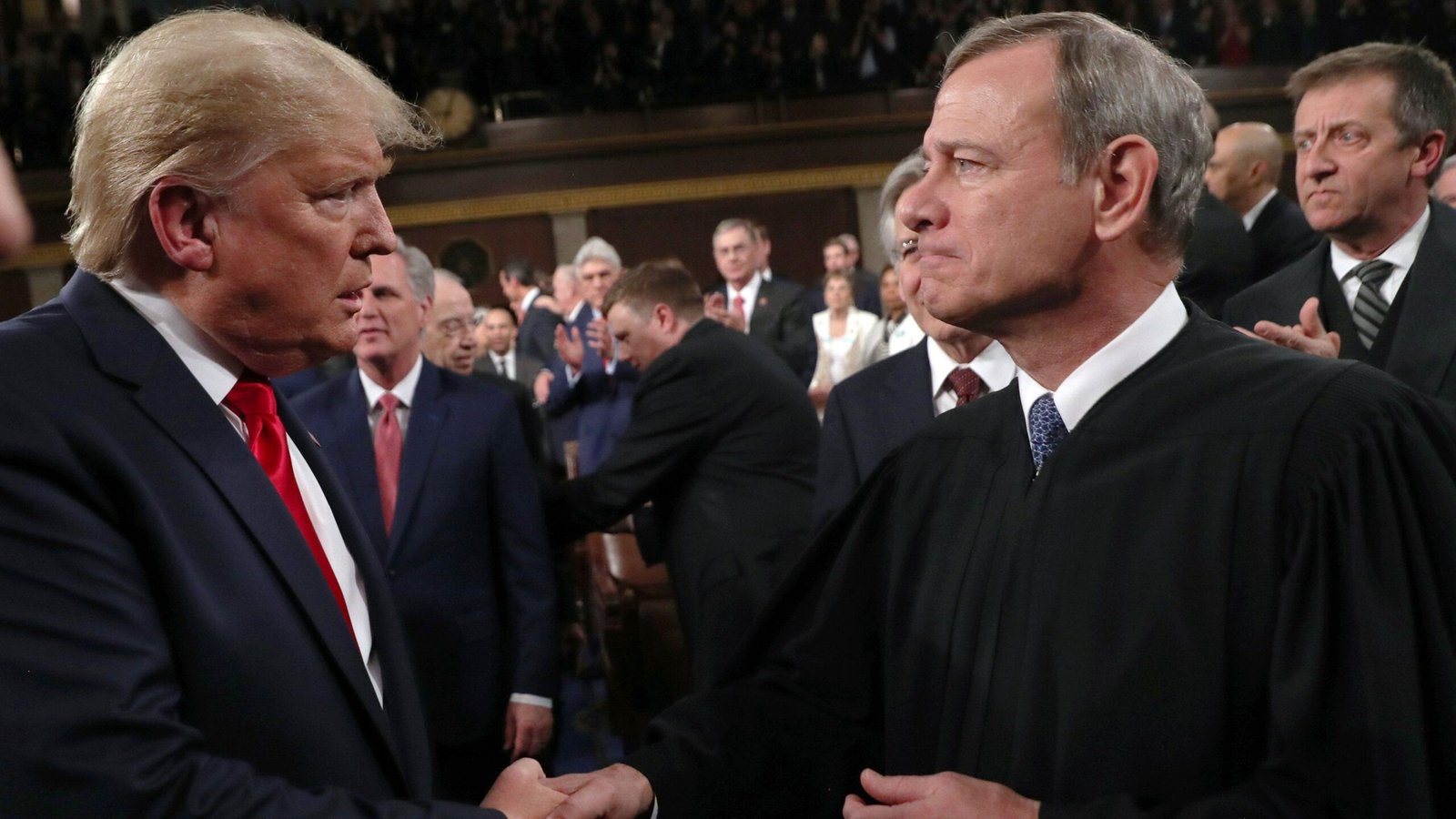
Supreme Court Chief Justice John Roberts on Wednesday agreed to temporarily halt the reinstatement of two fired federal board members, delivering another near-term win to President Donald Trump as his administration continues to spar in federal courts over the extent of his executive branch powers.
The brief stay issued by Roberts is not a final ruling on the reinstatement of the two board members, National Labor Relations Board (NLRB) member Gwynne Wilcox and Merit Systems Protection Board (MSPB) member Cathy Harris, two Democrat appointees who were abruptly terminated by the Trump administration this year.
Both had challenged their terminations as «unlawful» in separate suits filed in D.C. federal court.
But the order from Roberts temporarily halts their reinstatement from taking force two days after a federal appeals court voted to reinstate them.
APPEALS COURT BLOCKS TRUMP FROM FIRING FEDERAL BOARD MEMBERS, TEES UP SUPREME COURT FIGHT
National Labor Relations Board member Gwynne Wilcox, left, and Merit Systems Protection Board member Cathy Harris, right, sued the Trump administration after they were terminated from their posts. (NLRB | AP Photo | US District Court)
Judges for the U.S. Court of Appeals for the District of Columbia Circuit voted 7-4 on Monday to restore Wilcox and Harris to their respective boards, citing Supreme Court precedent in Humphrey’s Executor and Wiener v. United States to back their decision.
They noted that the Supreme Court had never overturned or reversed the decades-old precedent regarding removal restrictions for government officials of «multimember adjudicatory boards,» including the NLRB and MSPB.
«The Supreme Court has repeatedly told the courts of appeals to follow extant Supreme Court precedent unless and until that Court itself changes it or overturns it,» judges noted in their opinion.
Monday’s ruling from the full panel was expected to spark intense backlash from the Trump administration, which has lobbed accusations at «activist judges» who have slowed or halted some of Trump’s executive orders and actions.
The Trump administration appealed the ruling to the Supreme Court almost immediately.
TRUMP’S AUTHORITY TO FIRE OFFICIALS QUESTIONED IN COURT BATTLE OVER NLRB SEAT
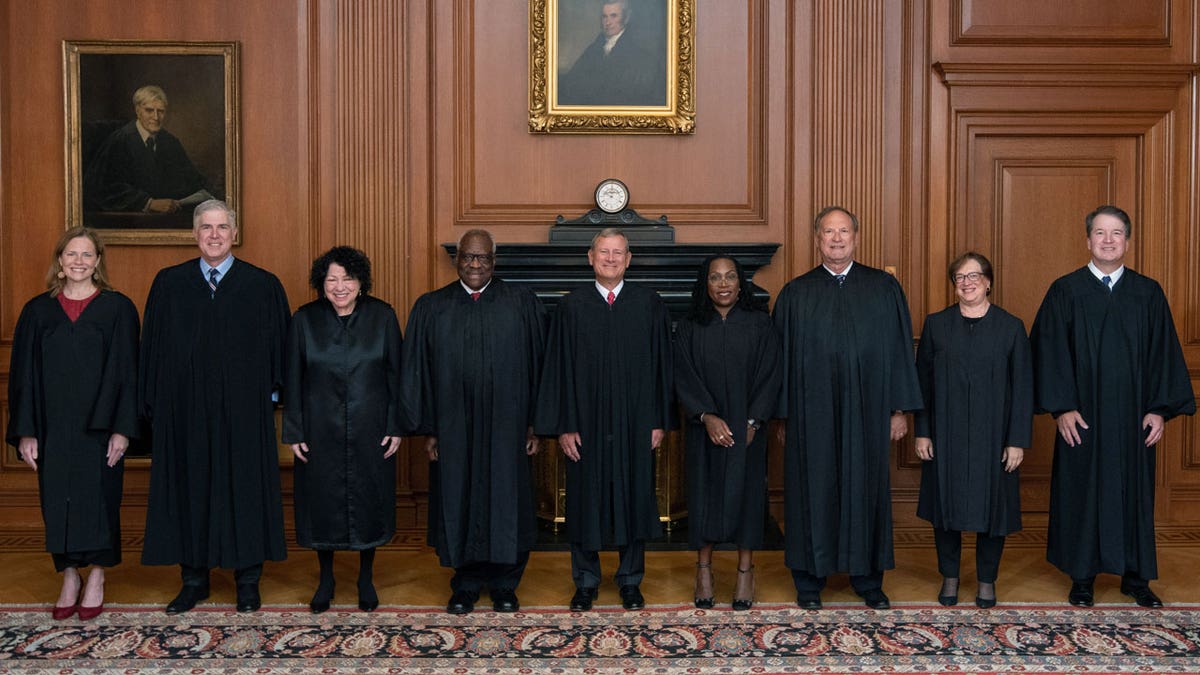
The justices of the U.S. Supreme Court (Collection of the Supreme Court of the United States via Getty Images)
The lower court’s decision was the latest in a dizzying flurry of court developments that had upheld, then blocked and upheld again the firings of the two employees, and it came after D.C.-based federal judges issued orders blocking their terminations.
«A President who touts an image of himself as a ‘king’ or a ‘dictator,’ perhaps as his vision of effective leadership, fundamentally misapprehends the role under Article II of the U.S. Constitution,» U.S. District Judge Beryl Howell, who oversaw Wilcox’s case, wrote in her opinion.
Likewise, U.S. District Judge Rudolph Contreras, who was presiding over Harris’ case, wrote that if the president were to «displace independent agency heads from their positions for the length of litigation such as this, those officials’ independence would shatter.»
Both opinions cited a 1935 Supreme Court precedent, Humphrey’s Executor v. United States, which notably narrowed the president’s constitutional power to remove agents of the executive branch, to support Wilcox’s and Harris’ reinstatements.
In February, Trump’s Justice Department penned a letter to Sen. Dick Durbin, D-Ill., stating that it was seeking to overturn the landmark case.
«To the extent that Humphrey’s Executor requires otherwise, the Department intends to urge the Supreme Court to overrule that decision, which prevents the President from adequately supervising principal officers in the Executive Branch who execute the laws on the President’s behalf, and which has already been severely eroded by recent Supreme Court decisions,» acting Solicitor General Sarah Harris wrote in the letter.
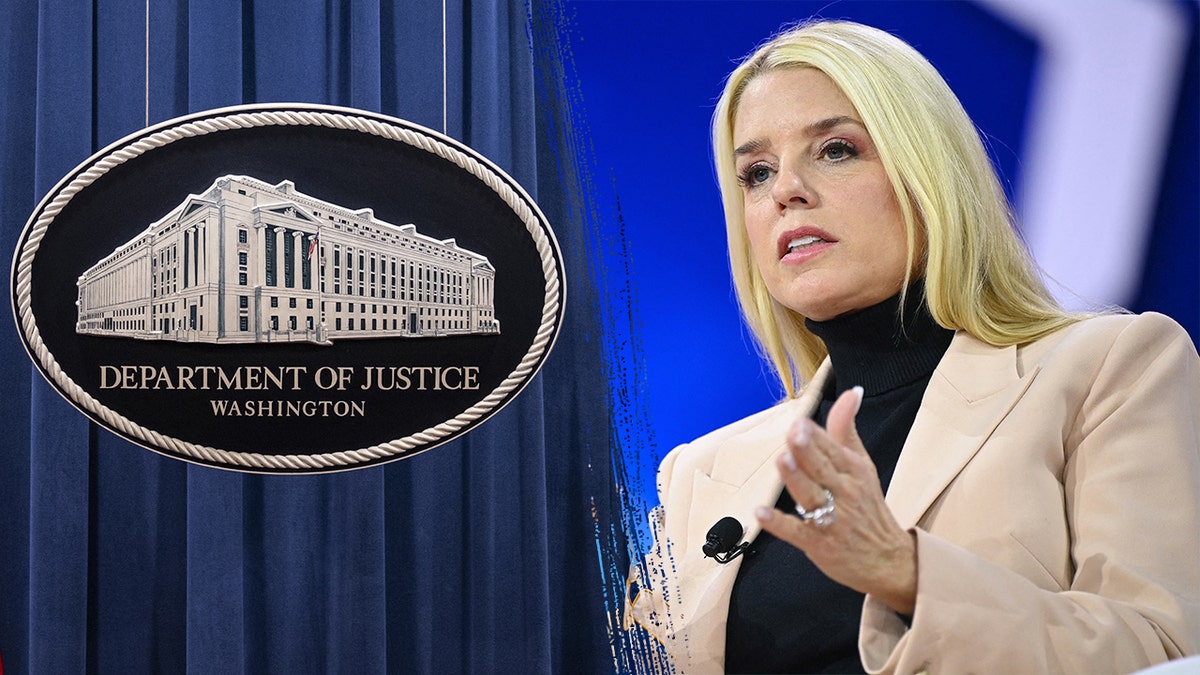
In February, Trump’s Justice Department penned a letter to Sen. Dick Durbin, D-Ill., saying it was seeking to overturn the landmark case. Attorney General Pam Bondi is shown. (Getty Images)
The Trump administration appealed the orders to the D.C. Circuit Court of Appeals, where a three-judge panel ruled 2-1 in favor of the Trump administration, allowing the firings to proceed.
Wilcox and Harris, who had their cases consolidated, filed a motion for an en banc hearing, requesting the appeals court hear the case again with the entire bench present.
In a ruling issued April 7, the D.C. Circuit voted to block the terminations, reversing the previous appellate holding.
SUPREME COURT RULES ON STATUS OF TENS OF THOUSANDS OF FIRED PROBATIONARY EMPLOYEES
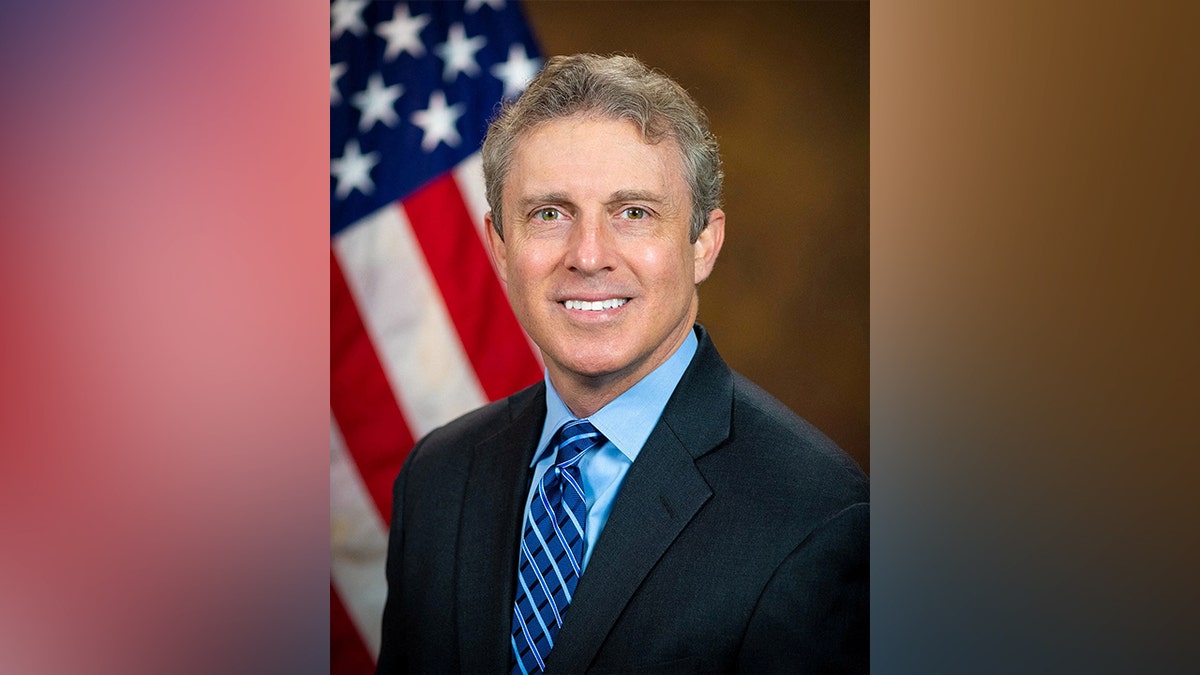
Hampton Dellinger, a Biden appointee previously tapped to head the Office of Special Counsel, sued the Trump administration over his termination. (U.S. Office of Special Counsel/Handout via Reuters)
The judges voted 7-4 to restore Wilcox and Harris to their posts.
Harris and Wilcox’s cases are among several legal challenges attempting to clearly define the executive’s power.
Hampton Dellinger, a Biden appointee previously tapped to head the Office of Special Counsel, sued the Trump administration over his termination. Dellinger filed suit in D.C. district court after his Feb. 7 firing.
CLICK HERE TO GET THE FOX NEWS APP
He had maintained the argument that, by law, he could only be dismissed from his position for job performance problems, which were not cited in an email dismissing him from his post.
Dellinger dropped his suit against the administration after the D.C. appellate court issued an unsigned order siding with the Trump administration.
Fox News Digital’s Breanne Deppisch contributed to this report.
Supreme Court,Donald Trump,Law,Executive,Politics










INTERNACIONAL
La vieja gurú de las inversiones de Uruguay, acusada de estafar a sus clientes, busca llegar a un acuerdo para evitar la cárcel

Sara Goldring fue la primera mujer en entrar a la Bolsa de Valores de Montevideo (BVM), ubicada en el casco histórico de la capital de Uruguay. Viajaba dos veces por año para formarse en Estados Unidos y se convirtió en una gurú de las finanzas, que sabía todos los secretos del mundo de los negocios. A muchos de los que confiaban sus ahorros en ella les hizo ganar fortunas, de acuerdo a un perfil de esta empresaria publicado por El Observador.
Goldring sabía que, por ejemplo, cuando los operadores bursátiles de Wall Street se iban a almorzar era el momento de comprar. Ella estaba horas monitoreando en su mesa seis pantallas de Bloomberg con los precios de las principales acciones. Almorzaba en su escritorio. No quería perderse el minuto a minuto.
Desde ese lugar Goldring también vio cómo se derrumbó.

Goldring pasó de ser la “diosa” –en sus propias palabras– a ser una diabla que ahora enfrenta una pena de prisión de cuatro años acusada de estafar a sus clientes, de acuerdo al pedido del fiscal Enrique Rodríguez. Y también busca llegar a un acuerdo con ellos.
La corredora de bolsa uruguaya –que estaba al frente de Custodia Valores Mobiliarios (CVM)– vio cómo el saldo en las cuentas de sus clientes se desplomaba y decidió esconder esa información. Fue en 2022 que la empresa informó que enfrentaba pérdidas millonarias y una investigación reveló que utilizaba fondos de algunos inversores para compensar las pérdidas de otros.
De acuerdo a su versión, la desvalorización estaba explicada por la debacle que tuvieron durante la pandemia las acciones de empresas que cotizaban en Nasdaq. Y el ocultamiento de esta información llevaron a que Goldring esté imputada por apropiación indebida y ahora deba enfrentar la máxima pena para este delito.

Para el fiscal que sigue el caso, la corredora se apropió de forma indebida de USD 21 millones que pertenecían a los ahorristas.
¿Cómo fue la maniobra? La corredora se amparó en el mandato de libre administración que le habían dado los clientes para vender opciones de put para la cartera de clientes que tenían un perfil agresivo. En los bancos del exterior operaba a través de la modalidad de “cuenta ómnibus” –de varios clientes–, una práctica habitual en el mercado.
La venta de puts es una operación que implica que el comprador adquiere el derecho pero no la obligación de vender un activo, que en este caso eran acciones de empresas que cotizan en bolsas de Estados Unidos. Se trata de una operación que implica un riesgo alto porque, si bien pueden generar importantes beneficios, si el precio de las acciones baja más allá del valor acordado previamente pueden haber grandes pérdidas.

Según el relato del fiscal, los clientes que tenían posiciones en la cuenta ómnibus y que no habían invertido en operaciones put, vieron afectados sus valores porque fueron utilizados “en forma indebida e inconsulta por la acusada para solventar las pérdidas sufridas por los clientes”.
CVM tenía unos 479 clientes, de los cuales unos 120 tenían un perfil inversor moderado y otros cinco un perfil conservador, informó El Observador. Había uno que no había definido su perfil y otros 353 que tenían un perfil agresivo. Algunos pocos clientes tenían fondo de USD 1 millón a USD 2 millones en su cuentas y había otros pocos con USD 50 mil. Pero la media estaba entre los USD 100.000 y los USD 300.000.
Tras la acusación del fiscal Rodríguez, la ahora ex corredora de bolsa busca dar por cerrado el tema e intenta acordar con los damnificados para devolverles un 60% del total de los activos que les pertenecían.
La propuesta cuenta con el visto bueno de la Liga de Defensa Comercial –la interventora de la empresa–, al tiempo que algunos de los damnificados ya han adherido al acuerdo. Otro grupo de inversores se niega por completo. Los plazos originales que había establecido la interventora vencieron, pero aún se está a tiempo de cerrar un acuerdo porque se desconoce cuándo empezará el juicio oral.

Hasta ahora se ha alcanzado el 60% de las firmas y se requiere una mayoría del 75% de los créditos reconocidos para dar por cerrado el acuerdo. Con esto, el juicio penal se cerraría.
De acuerdo a la versión del medio uruguayo, los inversores que se oponen al acuerdo entienden que esta propuesta solo beneficia a Goldring, que tiene un patrimonio millonario. Pero los cercanos a la vieja corredora señalan que tiene 76 años y que su reputación ya fue dañada.
Los allegados a Goldring estiman que se llegará a cubrir unos USD 13 millones de los USD 21,8 millones de deuda estimada total.
El acuerdo propuesto señala: “Se ofrece asimismo el efectivo propiedad de CVM que resulte una vez cubiertos los pasivos y pagos pendientes (despidos, honorarios, etc), los saldos positivos que surjan concluidos los juicios y abonado el pasivo de United Brokers SA, la otra sociedad propiedad de Goldring, que operaba en zona franca, así como la venta de bienes”.
Pero hay un grupo de damnificados que asegura que se les debe unos USD 100 millones y tienen la esperanza de que en Estados Unidos haya cuentas con más dinero.
gente
NEWYou can now listen to Fox News articles!
Justice Brett Kavanaugh called the Supreme Court’s decision striking down Trump’s emergency tariffs «illogical» in a fiery dissent on Friday and offered a roadmap of alternatives for Trump to attempt to carry out his signature economic policy.
Kavanaugh, a Trump appointee, said the 6-3 majority cherry-picked ways in which Trump could regulate imports under the International Emergency Economic Powers Act, making what he said was a textualist case that the law already allows similar forms of regulation on imports, including quotas and embargoes. Tariffs are not just in the same category as those but are a «far more modest» alternative to them, Kavanaugh said.
«If quotas and embargoes are a means to regulate importation, how are tariffs not a means to regulate importation? Nothing in the text supports such an illogical distinction,» Kavanaugh wrote.
Trump last year bypassed Congress and unilaterally levied tariffs on nearly every country in the world by invoking the IEEPA. The president argued that an influx of illicit drugs from China, Mexico and Canada and a trade deficit that has decimated American manufacturing constituted emergencies that justified the tariffs.
SUPREME COURT BLOCKS TRUMP’S TARIFFS IN MAJOR TEST OF EXECUTIVE POWER
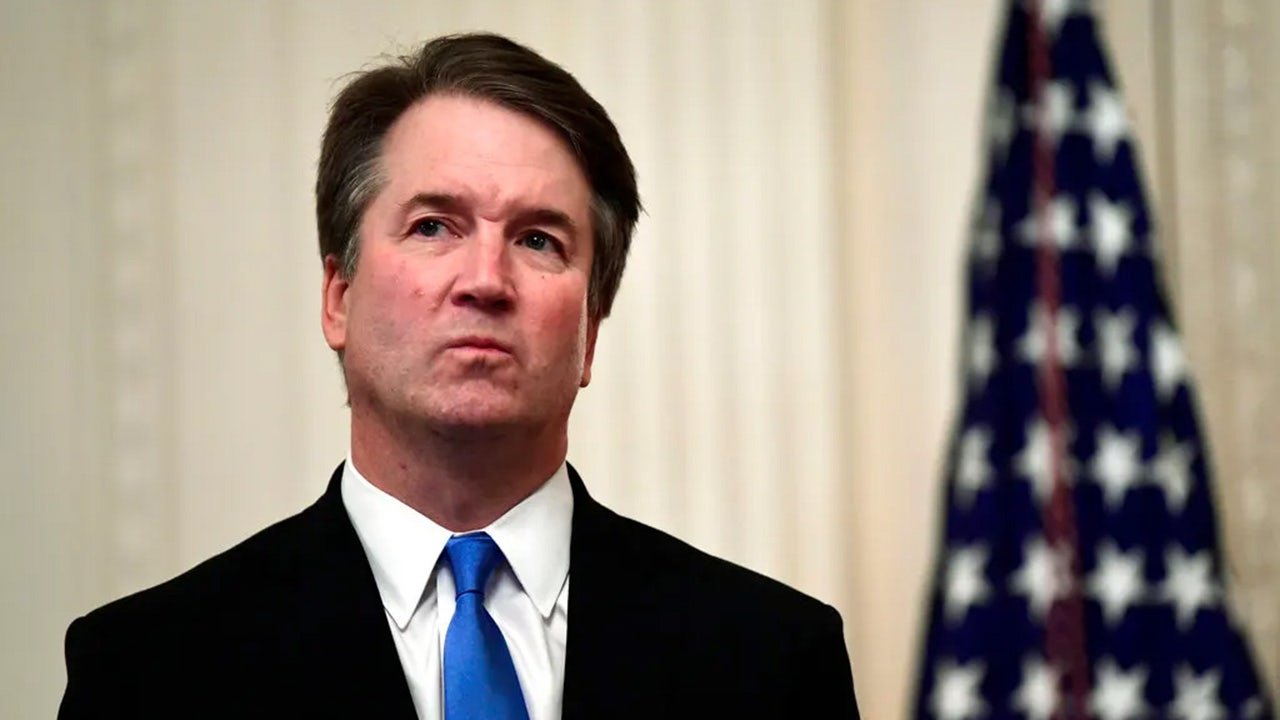
Justice Brett Kavanaugh dissented in a pivotal Supreme Court decision striking down Trump’s emergency tariffs. (AP Photo/Susan Walsh, File)
The majority held in a 6-3 opinion that while IEEPA allows a president to «regulate importation» during a declared national emergency, the statute does not clearly authorize tariffs, a core congressional taxing power. Chief Justice John Roberts wrote that when executive action carries sweeping economic consequences, Congress must weigh in on the matter with unmistakable clarity, alluding to what is known as the major questions doctrine.
Kavanaugh said the Supreme Court’s decision in 2022 upholding a vaccine mandate former President Joe Biden imposed on millions of healthcare workers «strongly supports» upholding Trump’s tariffs. Like tariffs, that executive action also carried major consequences even though Congress did not explicitly mention vaccines in the health and safety statute Biden used to justify his mandate, Kavanaugh said.
In oral arguments in November, Solicitor General John Sauer, appearing on behalf of the government, said tariffs were an invaluable way for Trump to negotiate with foreign partners. Weakening his «suite of tools» by removing tariffs from it was a «bit unusual,» Sauer said.
Sauer also said tariffs were the same as embargoes, which block imports altogether. The solicitor general conceded, though, that tariffs had the «incidental and collateral effect» of raising revenue, but he said their primary purpose was to regulate rather than collect income. Kavanaugh agreed.
«As the [majority of justices] interpret the statute, the President could, for example, block all imports from China but cannot order even a $1 tariff on goods imported from China,» Kavanaugh wrote.
AS TRUMP TOUTS TARIFF WINDFALL, BATTLEGROUND STATES SHOULDER BILLIONS IN COSTS
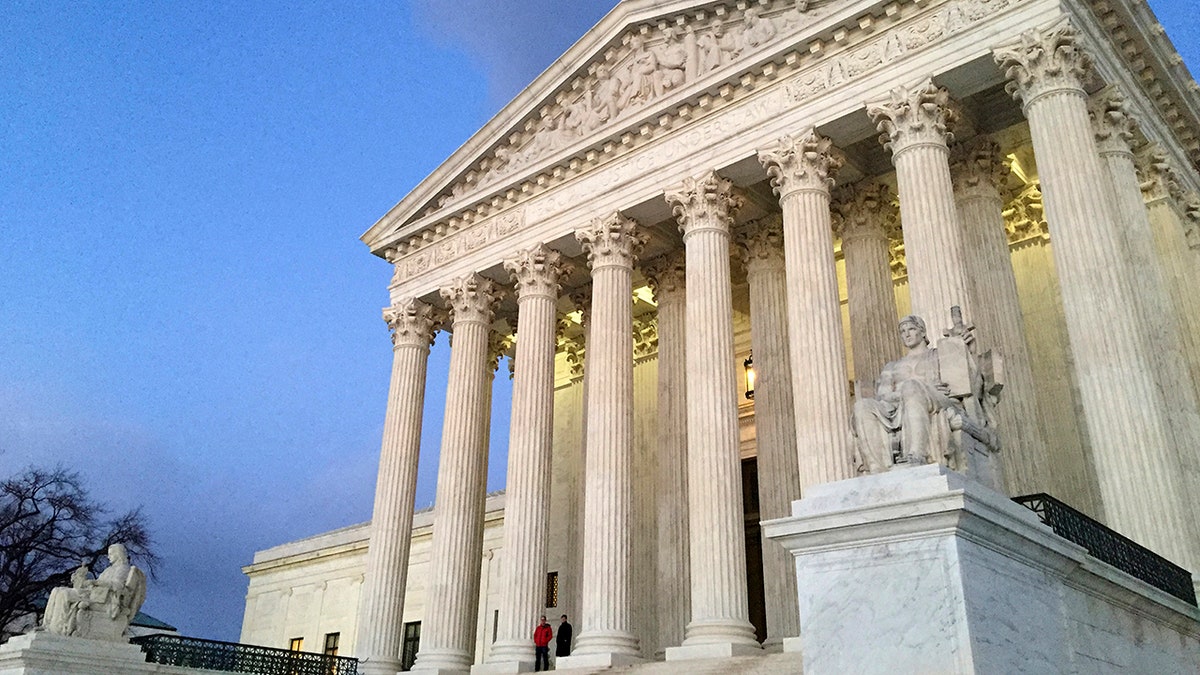
The Supreme Court building in Washington, D.C. (AP/Jon Elswick)
Kavanaugh referenced numerous other statutes he said Trump had in his toolbox, mapping out alternatives in the wake of the high court nixing IEEPA as an option. Kavanaugh said the majority «in essence» concluded that Trump «checked the wrong statutory box.»
Trump, in a speech remarking on the decision, praised Kavanaugh for «his genius and his great ability,» adding he was «very proud of that appointment.»
The president referenced a quote from Kavanaugh’s dissent, saying, «‘Although I firmly disagree with the court’s holding today, the decision might not substantially constrain a president’s ability to order tariffs going forward.’ So think of that … and it doesn’t. He’s right.
«We have very powerful alternatives.»
Kavanaugh also raised a glaring question left unaddressed by the high court’s majority of how the U.S. Treasury could go about refunding companies to the tune of billions of dollars that the government gained from the unlawful tariffs.
JONATHAN TURLEY: SUPREME COURT RULING ON TRUMP TARIFFS COMES DOWN TO A NUMBERS GAME

President Donald Trump shows off non-reciprocal tariff examples. (Mandel Ngan/Getty Images)
Kavanaugh said of the «serious practical consequences» of outlawing Trump’s ability to use IEEPA to levy tariffs that the refund process could be a «mess» as lower courts are likely to see an influx of lawsuits from business owners looking for their money back.
«The United States may be required to refund billions of dollars to importers who paid the IEEPA tariffs, even though some importers may have already passed on costs to consumers or others,» Kavanaugh wrote. «As was acknowledged at oral argument, the refund process is likely to be a ‘mess.’»
CLICK HERE TO DOWNLOAD THE FOX NEWS APP
The majority opinion, authored by Roberts, found that IEEPA’s language allowing a president to regulate imports intentionally omits the word «tariff.»
Roberts wrote that the other words in the statute «cannot bear» the same weight as the word tariff, which he said operates like a tax because it allows the government to collect revenue, which he said only Congress can authorize.
Justices Samuel Alito and Clarence Thomas joined Kavanaugh’s dissent, and Thomas also wrote a separate dissent.
supreme court,donald trump,economy,taxes,politics
Pruebas

Renuncia y jubilación
Polémica política

La vieja gurú de las inversiones de Uruguay, acusada de estafar a sus clientes, busca llegar a un acuerdo para evitar la cárcel

Matías Santoianni, entre la emoción y la gratitud: “Nosotros no somos una primera necesidad, la gente quiere comer”

A qué hora termina el paro de la CGT por la Reforma laboral de hoy, jueves 19 de febrero

Acuerdos y más poder legislativo: el nuevo escenario que entusiasma a La Libertad Avanza en el Congreso

Solo por ver cómo le parte la cara a Superman merece la pena, pero este cómic que cumple 40 años es además la mejor historia de Batman jamás escrita

Vacaciones, indemnizaciones, banco de horas: una por una, las diez claves para entender la reforma laboral

Reforma laboral bomba: menos indemnización, más horas y despidos más fáciles — el cambio que puede sacudir el empleo en Argentina

Ayuda Escolar Anual: a cuánto asciende, donde se tramita y quien puede cobrarla

Escándalo en MasterChef: una famosa abandonó a los gritos y acusando que está todo arreglado

Del himno peronista de Kelly Olmos al exabrupto de Agustina Propato: las perlitas del debate por la reforma laboral

 ECONOMIA3 días ago
Ayuda Escolar Anual: a cuánto asciende, donde se tramita y quien puede cobrarla
- CHIMENTOS1 día ago
Escándalo en MasterChef: una famosa abandonó a los gritos y acusando que está todo arreglado
- POLITICA1 día ago
Del himno peronista de Kelly Olmos al exabrupto de Agustina Propato: las perlitas del debate por la reforma laboral