INTERNACIONAL
Top 5 moments from fiery NYC mayoral debate: ‘He literally has never had a job’


NEWYou can now listen to Fox News articles!
With just under three weeks until New Yorkers choose their next mayor and socialist candidate, Zohran Mamdani, leading by double digits, the pressure was on independent candidate former Gov. Andrew Cuomo and Republican Curtis Sliwa to break through to voters at Thursday night’s mayoral debate.
As such, much of the pressure throughout the 2-hour-long debate was on Mamdani.
Here were the top five moments from the debate.
1. Mamdani flips on Hamas
During the debate, Mamdani appeared to backtrack on his position about Hamas laying down their arms, saying, «Of course I believe that they should lay down their arms.»
Mamdani was responding to a question from a moderator who said his previous answer, which was made to Fox News anchor Martha MacCallum, was «confusing,» after he dodged questions when she asked if he believes Hamas should lay down their weapons and leave leadership in Gaza, according to the cease-fire agreement they entered into.
«I’m proud to be one of the first elected officials in the state who called for a ceasefire,» Mamdani said.
«That means all parties have to ceasefire and put down their weapons. And the reason that we call for that is not only for the end of the genocide, but also an unimpeded access of humanitarian aid. I, like many New Yorkers, and I’m hopeful that this ceasefire will hold.»
CURTIS SLIWA GIVES THOUGHTS AFTER FIRST NYC MAYORAL DEBATE
Independent candidate former New York Gov. Andrew Cuomo, left, speaks during a mayoral debate with Republican candidate Curtis Sliwa, center, and Democratic candidate Zohran Mamdani, Thursday, Oct. 16, 2025, in New York City. (Angelina Katsanis, Pool/AP Photo)
Mamdani was also pressed by Cuomo on his refusal to condemn the phrases «from the river to the sea» and «globalize the intifada,» both of which are widely seen as calls for the extermination of Jews. Sliwa pressed on this issue as well, telling Mamdani, «Jews don’t trust that you will be there for them when they are victims of antisemitic attacks.»
Mamdani answered that he will be a mayor for all New Yorkers, saying, «Jewish New Yorkers who have told me about their fear in living in this city, and I will be a mayor who finally addresses that, not through the theatrics of the politics on the stage, but through action.»
2. National Guard not welcome
President Donald Trump’s deployment of National Guard troops to major American cities also loomed large over Thursday night’s New York City mayoral debate.
Candidates were asked about the «threat hanging over the city» of National Guard troops being sent to New York City. All three candidates indicated they would oppose troops being sent to the city.
Mamdani asserted that «What New Yorkers need is a mayor who can stand up to Donald Trump and actually deliver on that safety.»
«When Donald Trump sent ICE agents on people in Los Angeles, Andrew Cuomo said that New Yorkers need not overreact. That is the furthest answer that New Yorkers are looking for. They are looking for someone who will lead, someone who will say that they will have their back, someone who will actually fight for the people of this city,» said Mamdani.
Cuomo, meanwhile, said that «the answer in the subways is not more National Guard» but rather «more NYPD is the answer.»
NEW POLL REVEALS MAMDANI STILL HOLDS COMMANDING DOUBLE-DIGIT LEAD OVER RIVALS IN NYC MAYORAL RACE
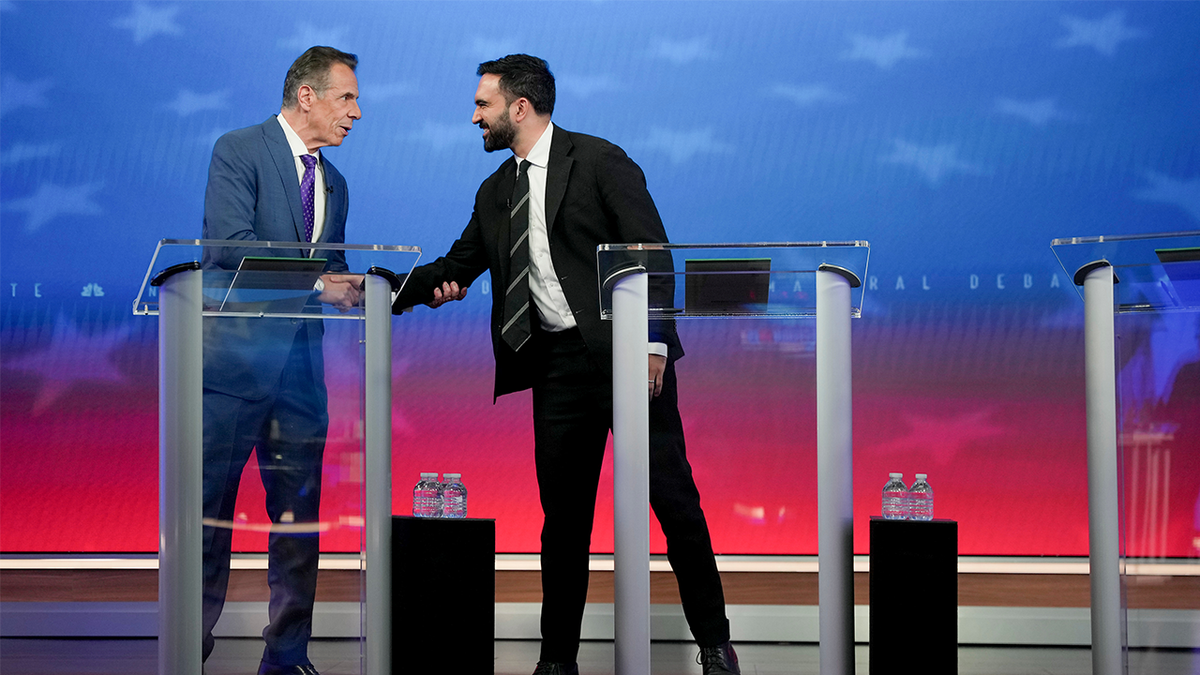
Independent candidate, former New York Gov. Andrew Cuomo, left, greets Democratic candidate Zohran Mamdani before participating in a mayoral debate, Thursday, Oct. 16, 2025, in New York (Angelina Katsanis, Pool/AP Photo)
3. ‘Literally has never had a job’
Cuomo attacked Mamdani’s thin resume, saying, «He has no experience.»
«This is not a job for someone who has no management experience, to run around 300,000 people, no financial experience to run a $115 billion budget,» said the former governor.
«He literally has never had a job. On his resume, it says he interned for his mother. This is not a job for a first timer. Any day you could have a hurricane, God forbid, a 9-11, a health pandemic, if you don’t know what you’re doing, people will die.»
Mamdani immediately shot back, «If we have a health pandemic, then why would New Yorkers turn to the governor who sent seniors to their death in nursing homes? That’s the kind of experience that’s on offer here today.»
«What I don’t have in experience I make up for in integrity, and what you don’t have in integrity you could never make up for in experience,» he added.
FIRST ON FOX: NEW SITE EXPOSES NYC MAYORAL CANDIDATE ZOHRAN MAMDANI’S ‘RADICAL’ RECORD — IN HIS OWN WORDS
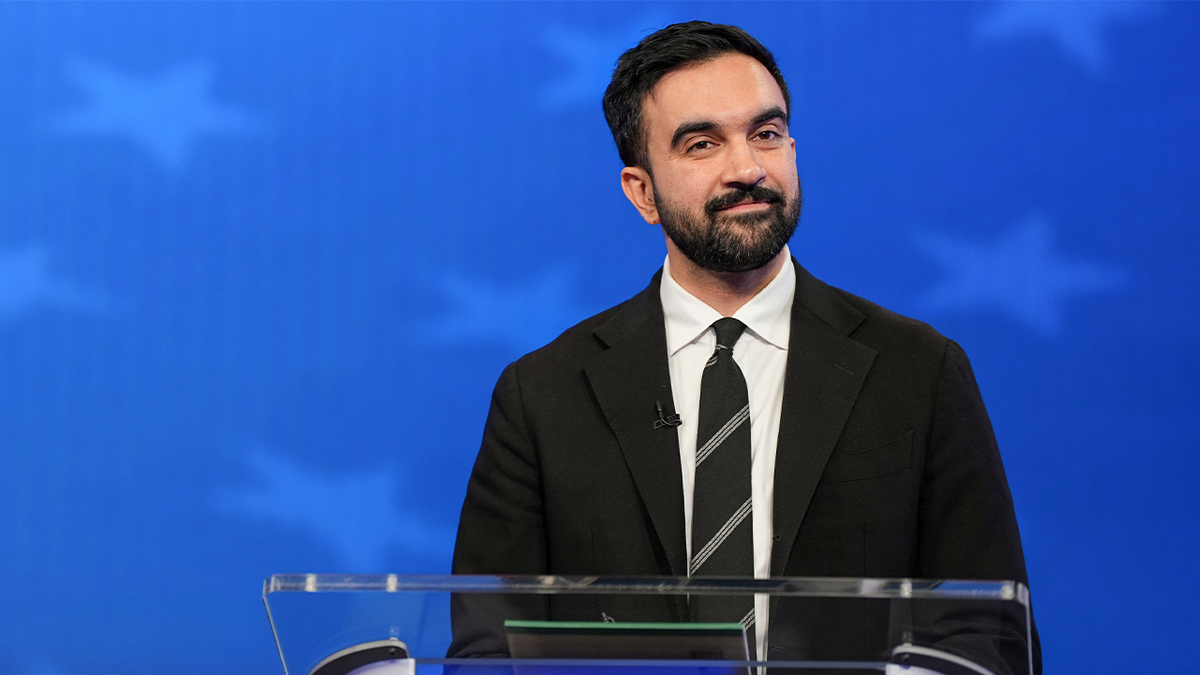
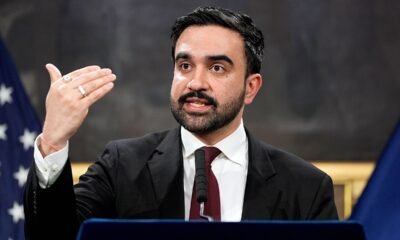
Democratic candidate Zohran Mamdani speaks during a mayoral debate, Thursday, Oct. 16, 2025, in New York. (AP Photo/Angelina Katsanis, Pool) (Angelina Katsanis, Pool/AP Photo)
Cuomo dismissed the nursing homes dig as a political investigation that «went nowhere.»
4. Defund the police continues to haunt Mamdani
Cuomo also knocked Mamdani for previous calls to defund the police and statements denouncing law enforcement.
«Respect the police. They’re not racists as the assemblyman calls them, they’re not a threat to public safety as he says, they’re not anti-queer, they are here to protect New Yorkers, work with them, fortify them,» said Cuomo.
Sliwa jumped in at this moment to deliver a jab to Cuomo, saying, «That’s ironic that you say that now … your parole board released 43 cop killers back into the street. Your father, when he was governor, released none. I knew Mario Cuomo; you’re no Mario Cuomo.»
In response to Cuomo’s attack, Mamdani said, «As much as Andrew Cuomo wants to bring up tweets from 2020, which is around the same time that he was sending seniors to their death in nursing homes, I am looking to work with police officers, not to defund the NYPD.»
Mamdani again touted his plan to have «dedicated teams of mental health outreach workers» deployed to the top 100 subway stations with the highest levels of mental health crises and homelessness.
FINAL STRETCH: MAMDANI’S LARGE LEAD SHRINKING AS CUOMO GAINS GROUND IN NYC MAYORAL RACE
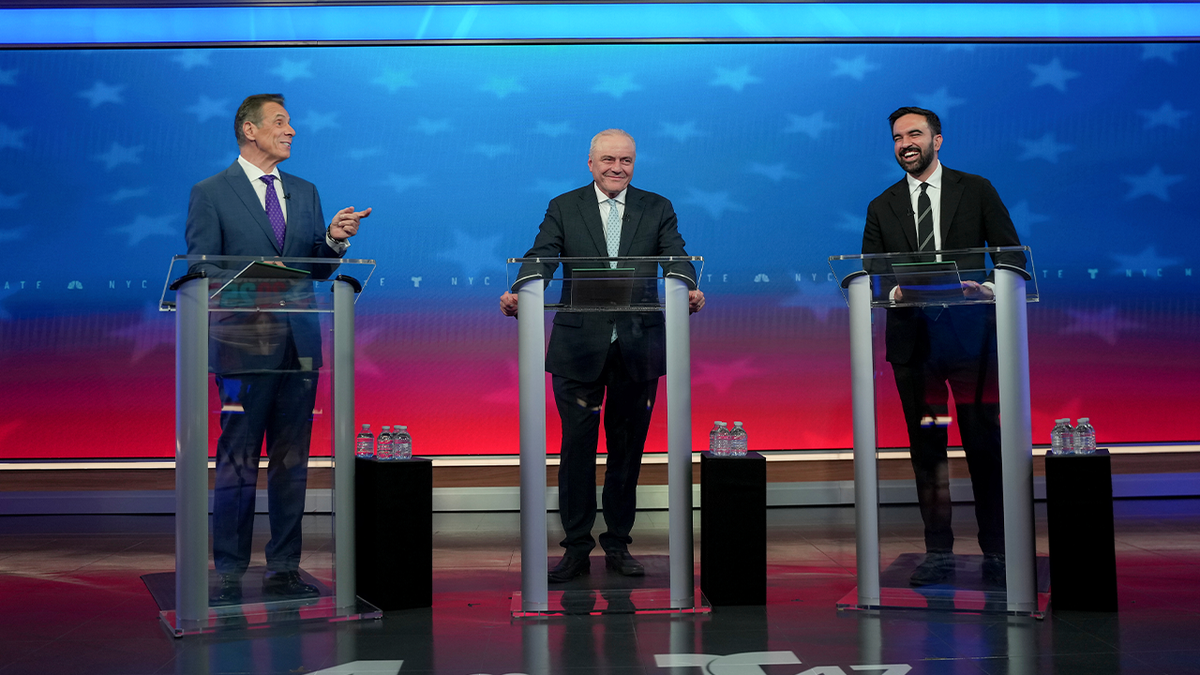
From left, Mayoral candidates Independent candidate former New York Gov. Andrew Cuomo, Republican candidate Curtis Sliwa and Democratic candidate Zohran Mamdani participate in a mayoral debate, Thursday, Oct. 16, 2025, in New York. (Angelina Katsanis, Pool/ AP Photo)
5. No love for Hochul
In a debate filled with candidates interjecting and talking over each other constantly, the room suddenly went silent when a moderator asked, «Show of hands. Who supports [New York Gov.] Kathy Hochul for re-election?»
Not a single candidate raised their hand.
Cuomo, who picked Hochul as his lieutenant governor, said, «We have to know who’s running.»
Mamdani said, «It’s a decision that should be made after this general election.»
He noted, however, that he believes Hochul is «doing a good job, and not only delivering for New Yorkers but also standing up to Donald Trump.»
«Then endorse her!» Cuomo interjected. «Why don’t you endorse her?»
CLICK HERE TO DOWNLOAD THE FOX NEWS APP
Mamdani noted, «I appreciate her support, and I appreciate her work,» but said, «I’m focusing on November.»
Sliwa signaled his support for the gubernatorial campaign of Rep. Elise Stefanik, R-N.Y., saying, «a Republican Mayor Curtis, a Republican Governor Stefanik … save this city.»
Fox News Digital’s Andrew Mark Miller contributed to this report.
2025 2026 elections coverage,new york city,zohran mamdani,andrew cuomo,curtis sliwa









INTERNACIONAL
Histórica liberación de reservas de petróleo: 32 países vuelcan 400 millones de barriles para frenar el precio del crudo
Alemania y Japón se adelantan
La mayor liberación de reservas
¿Qué pasa con China e India?
El efecto Ormuz
Reuniones preparatorias
INTERNACIONAL
Trump administration puts key Biden-era immigration policy on notice: ‘Unsustainable cycle’
NEWYou can now listen to Fox News articles!
The Trump administration on Wednesday urged the Supreme Court to allow it to terminate the protected legal status of hundreds of thousands of Haitian migrants living in the U.S.
It’s the latest effort by the administration to unwind Biden-era protections of hundreds of thousands of migrants living in the U.S. as part of the president’s hard-line immigration enforcement agenda.
U.S. Solicitor General D. John Sauer urged the high court Wednesday to immediately intervene and overturn a lower court order that blocked the administration’s effort to immediately revoke the temporary protected status designation for some 350,000 Haitian migrants living in the U.S.
A majority of judges for the U.S. Court of Appeals for the D.C. Circuit also blocked the Trump administration’s bid to end the program, citing the «substantial» and «well-documented harms» the migrants would likely face as a result, clearing the way for the administration to appeal the case to the high court.
BIDEN-APPOINTED FEDERAL JUDGE RULES TRUMP’S ‘THIRD COUNTRY’ DEPORTATION POLICY IS UNCONSTITUTIONAL
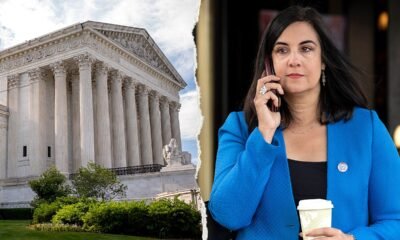
The Supreme Court building in Washington, D.C. (AP Photo/J. Scott Applewhite, File)
In his filing Wednesday, Sauer urged the Supreme Court to review more broadly the issue of whether the Trump administration can revoke TPS protections for other migrants living in the U.S.
«Unless the court resolves the merits of these challenges — issues that have now been ventilated in courts nationwide — this unsustainable cycle will repeat again and again, spawning more competing rulings and competing views of what to make of this court’s interim orders,» Sauer said Wednesday. «This court should break that cycle.»
The TPS program in question allows individuals from certain countries to live and work in the U.S. legally if they cannot work safely in their home country due to a disaster, armed conflict or other «extraordinary and temporary conditions.»
Haitians were first granted TPS status in 2010 after the devastating earthquake that killed more than 200,000 people and left some 1.5 million in the country homeless.
The protections were extended several times, including under the Biden administration in 2021 after the July assassination of Jovenel Moïse, Haiti’s last democratically elected president.
‘BLANKIES,’ ICE TACTICS AND LUXURY JETS: TOP MOMENTS FROM NOEM’S HOUSE TESTIMONY
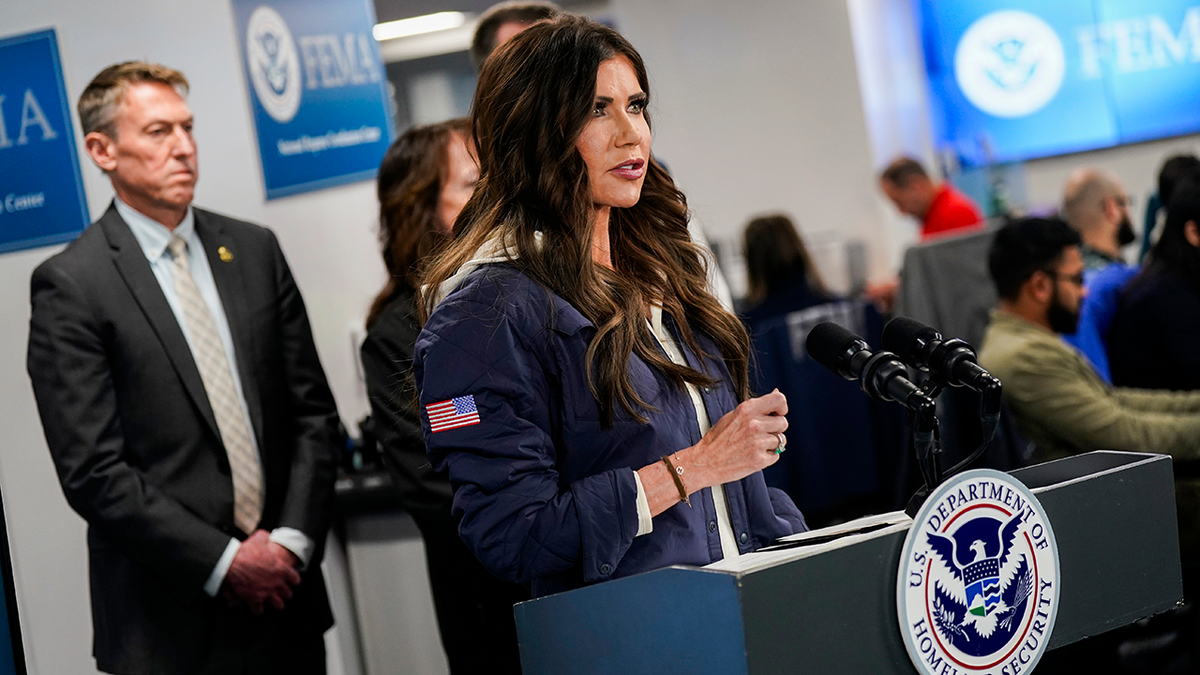
DHS Secretary Kristi Noem speaks from a podium as assembled DHS staff watch. (Al Drago/Getty Images)
DHS Secretary Kristi Noem announced in November that the U.S. would be ending TPS protections for Haitians in the U.S., prompting a group of individuals living in the U.S. with protected status to file suit.
The Trump administration’s Supreme Court filing marks the second time this year the administration has asked the high court to immediately intervene and allow it to strip TPS protections for certain migrants.
Lawyers for the Justice Department also asked the Supreme Court last month to allow it to revoke TPS designations for Syrian migrants in the U.S., though the high court has yet to rule on that request.
The appeal comes just weeks after U.S. District Judge Ana Reyes blocked the Department of Homeland Security from immediately revoking the TPS designations for Haitians in the U.S.
FEDERAL JUDGES IN NEW YORK AND TEXAS BLOCK TRUMP DEPORTATIONS AFTER SCOTUS RULING
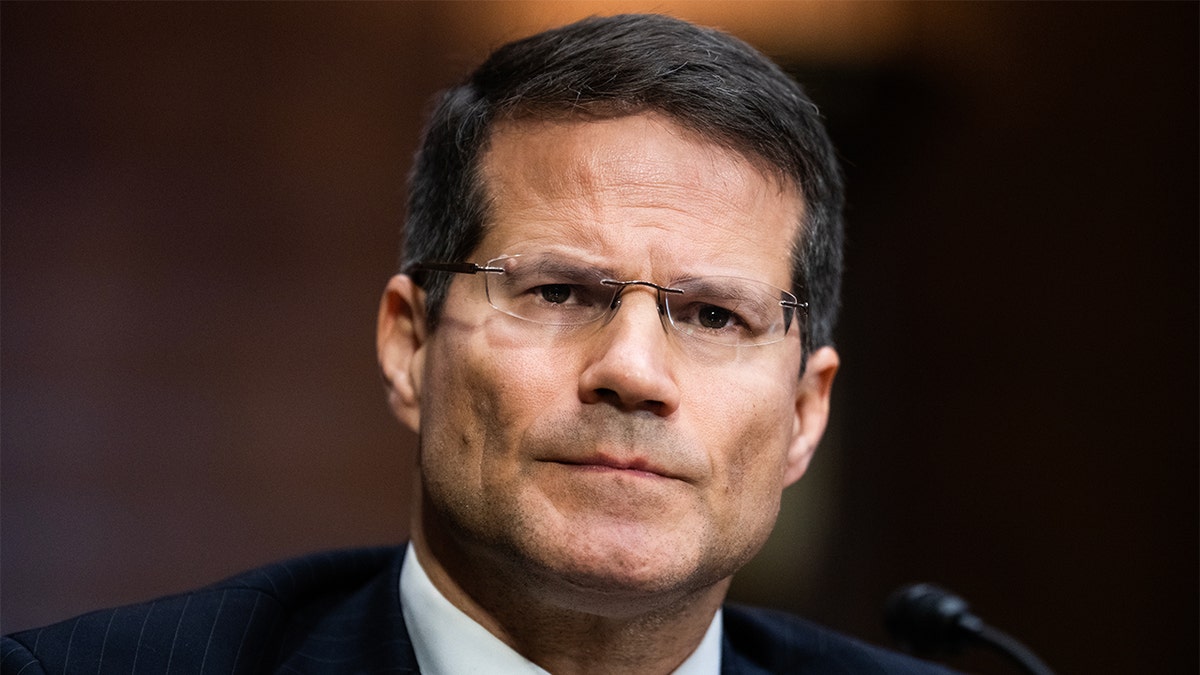
D. John Sauer, nominee to be solicitor general, testifies during his Senate Judiciary Committee confirmation hearing in Dirksen building Feb. 26, 2025. (Tom Williams/CQ-Roll Call, Inc via Getty Images)
Reyes described the administration’s effort to abruptly wind down the designation as «arbitrary and capricious» and accused DHS Secretary Kristi Noem of failing to consider the «overwhelming evidence of present danger» in Haiti, which she noted had prompted the Biden administration to extend TPS protections for Haitians in the first place.
«The government cannot name a single concrete harm from maintaining the status quo,» Reyes said. «And so instead it argues that the court’s decision is ‘an improper intrusion by a federal court into the workings of a coordinate branch of the government.’»
The appeal comes as the Trump administration has sought to wind down most TPS designations, arguing the programs have been extended for too long under Democratic presidents.
CLICK HERE TO GET THE FOX NEWS APP
Trump officials have also taken aim at lower courts that have sought to block or pause their efforts to wind down TPS protections, accusing the lower court judges of exceeding their authority and unlawfully intruding on the executive branch’s authority on immigration policy.
donald trump,supreme court,federal courts,politics,national security,immigration
INTERNACIONAL
Guerra en Medio Oriente: más de 30 países liberan 400 millones de barriles de petróleo para contener la suba de precios

Más de 30 países acordaron por unanimidad liberar 400 millones de barriles de petróleo, que tenían en sus reservas, en un intento por frenar la escalada de precios originada por la guerra en Medio Oriente.
Así lo decidieron los 32 países miembros de la Agencia Internacional de la Energía (AIE), en lo que la entidad catalogó como el mayor desbloqueo de reservas de emergencia en su historia.
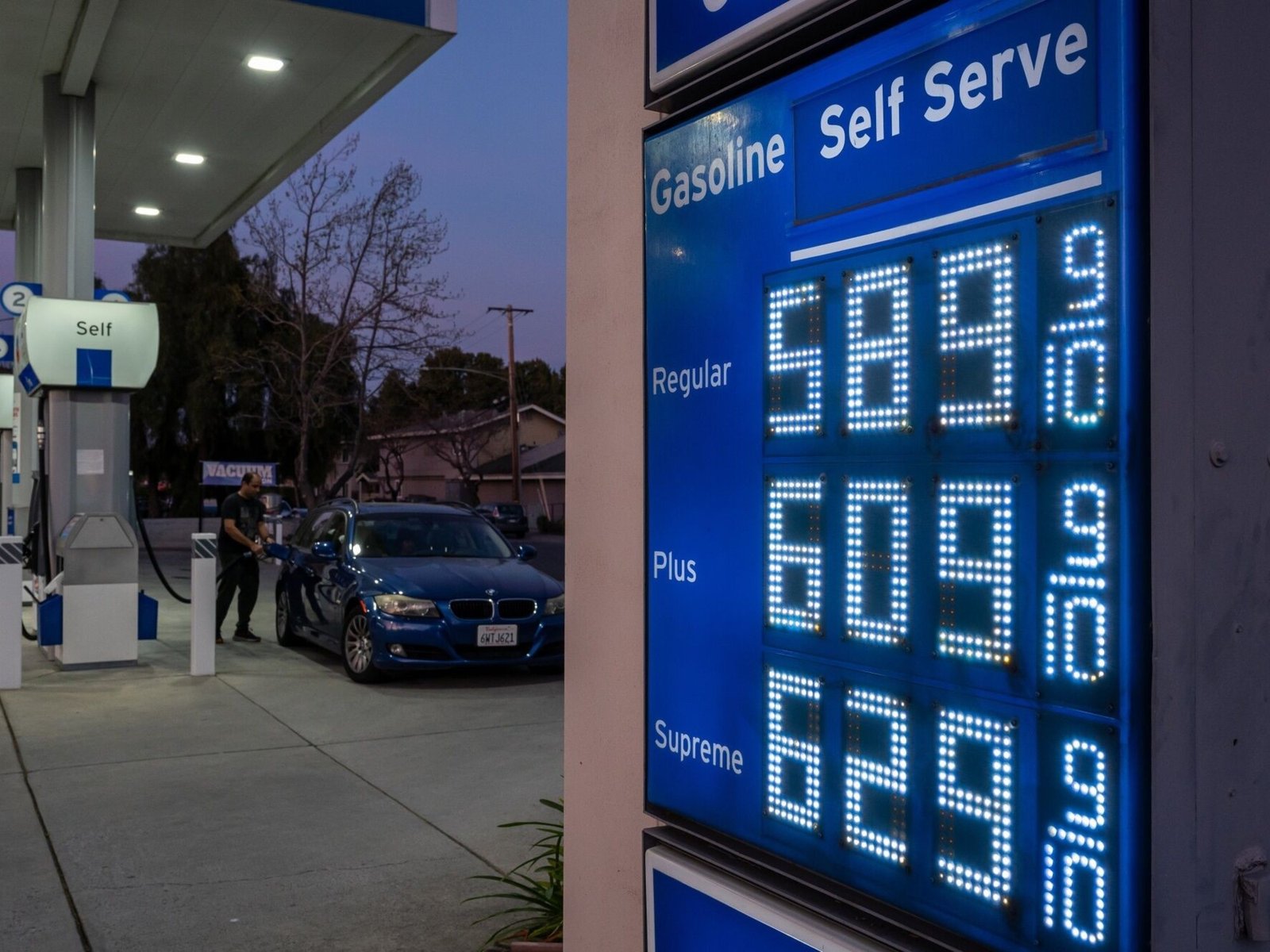
Este miércoles, el precio del petróleo Brent subía 4,7% y se acercaba a los US$92 por barril. Horas atrás de la medida de la AIE, Irán amenazó que el valor del crudo internacional rondaría los US$200.
Leé también: Irán se adjudicó el ataque a los barcos comerciales en el estrecho de Ormuz y envió otra advertencia: “Esperen un barril de petróleo a 200 dólares”
“Los países de la AIE pondrán 400 millones de barriles de petróleo (…) a disposición del mercado para compensar la pérdida de suministro por el cierre efectivo del estrecho de Ormuz”, anunció el director ejecutivo de la agencia, Fatih Birol.
“Se trata de una acción de gran envergadura que tiene como objetivo mitigar los efectos inmediatos de la perturbación de los mercados. Pero, para que quede claro, lo más importante para el retorno a unos flujos estables de petróleo y gas es la reanudación del tránsito por el estrecho de Ormuz”, afirmó el directivo.
Según Birol, las reservas de emergencia se pondrán a disposición del mercado según un calendario adaptado a la situación de cada país miembro y se complementarán con medidas de emergencia adicionales en algunas naciones. Nuevos recortes en la producción mundial de crudo (Foto: Reuters)
La guerra en Oriente Medio, que comenzó el 28 de febrero, afecta el comercio de petróleo a través del estrecho de Ormuz, un punto de paso crucial por el que transitan cada día 15 millones de barriles de petróleo y otros 5 millones de barriles diarios de productos petrolíferos, lo que representa aproximadamente el 25% del transporte mundial de petróleo por vía marítima.
Los miembros de la AIE poseen más de 1200 millones de barriles en sus reservas de emergencia, a los que se suman 600 millones de barriles de reservas en manos de la industria en virtud de obligaciones gubernamentales.
El anuncio de la AIE llegó mientras los líderes del G7, de las economías más avanzadas del mundo, estudian medidas para frenar las consecuencias económicas de la guerra entre Estados Unidos e Israel con Irán.
Leé también: Pese a la advertencia de Trump, Irán atacó barcos comerciales en el estrecho de Ormuz y crece la tensión
Los dirigentes del G7 tienen previsto reunirse por videoconferencia este miércoles para “tratar seguramente” el tema de las reservas energéticas, según el ministro francés de Economía, Roland Lescure.
En ese marco, Japón -cuyas reservas estratégicas de petróleo se encuentran entre las mayores del mundo- y Alemania afirmaron que también recurrirían a sus reservas de crudo.
La liberación coordinada de reservas de la AIE es la sexta en la historia de la institución, creada en 1974.
En 1991, antes de la guerra del Golfo, ya se llevaron a cabo acciones colectivas similares, así como en 2005, tras los huracanes Katrina y Rita, en 2011, con motivo de la guerra civil libia, y en dos ocasiones tras la invasión de Ucrania por parte de Rusia en 2022.
Nueva advertencia de Irán: “Esperen un barril de petróleo a US$200”
Irán advirtió este miércoles que no será posible bajar el precio del petróleo mediante “medidas artificiales” y que se puede esperar, por la presión que han impuesto en el estrecho de Ormuz, que el precio del barril suba a 200 dólares. Hoy, el barril Brent se ubicaba por encima de US$90.
“Deben saber que no podrán bajar el precio del petróleo y de la energía mediante medidas artificiales. Con la expansión de la guerra en la región, ya advertimos que pueden esperar un barril de petróleo de 200 dólares, porque el precio del petróleo depende de la seguridad en la región, y ustedes son la fuente de esa inseguridad», afirmó el portavoz del Cuartel General Central de Jatam al-Anbia, Ebrahim Zolfagari.
Petróleo, g7, Guerra en Medio Oriente

Gran Hermano: quiénes fueron los siete participantes que salieron de placa antes de la gala de eliminación

Histórica liberación de reservas de petróleo: 32 países vuelcan 400 millones de barriles para frenar el precio del crudo

La reacción de una legisladora en el Concejo Deliberante de José C. Paz tras una interrupción

Trump administration puts key Biden-era immigration policy on notice: ‘Unsustainable cycle’

“Si adelantan, no son aliados”: el Gobierno fija criterios electorales y presiona a los gobernadores

Un joven fue atacado a tiros en una estación de servicio abandonada en las afueras de Rosario

La cruda confesión de Amalia Granata por el trastorno que sufre su hijo Roque: “Le hicimos estudios y salió que tiene TDAH, dislexia y disgrafia”

Jenny Mavinga angustiada tras una quemadura en Gran Hermano 2026: “¡Ay, me quemó!

El mercado le está corriendo el arco a Caputo y el riesgo país no baja: en la City palpitan medidas