INTERNACIONAL
Top House Democrat grills Hegseth on submarine spending plans: ‘Give us the details’

NEWYou can now listen to Fox News articles!
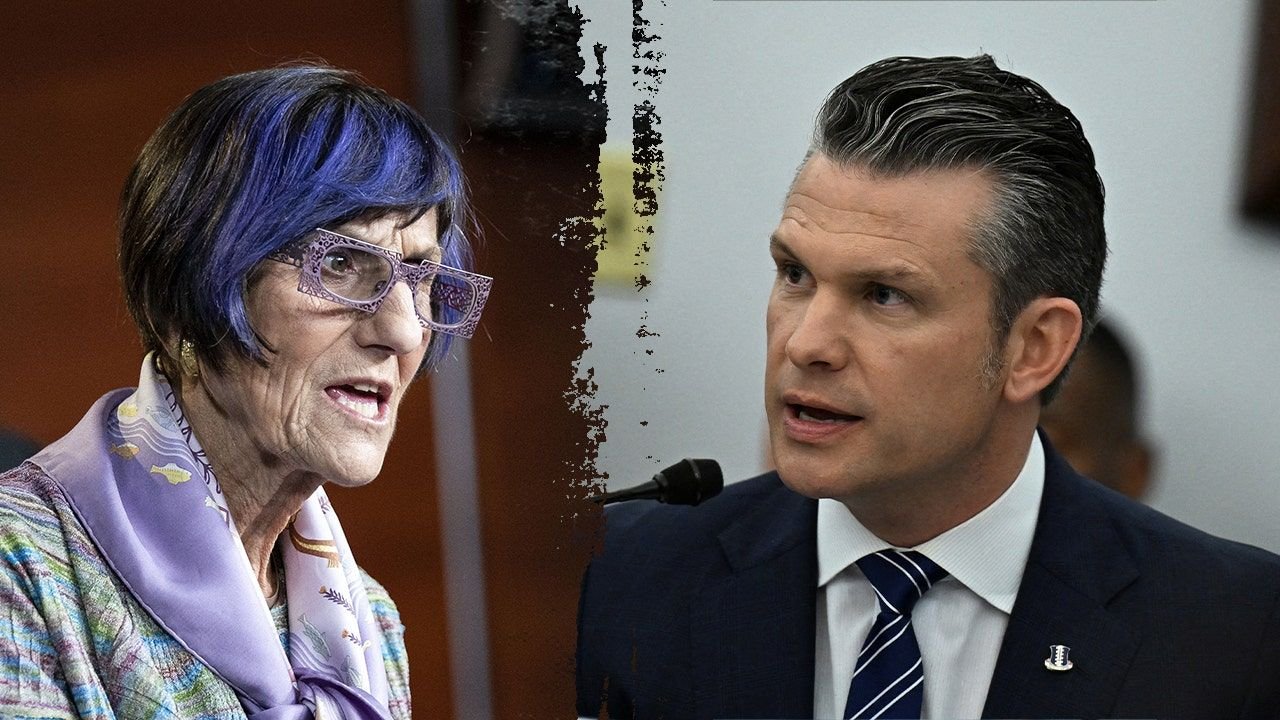
Rep. Rosa DeLauro, D-Conn., confronted Defense Secretary Pete Hegseth during a heated House Appropriations Committee hearing Tuesday over years-long lags in the nation’s shipbuilding capacity.
The top Appropriations Democrat accused the Defense Department (DOD) of failing to present a clear, transparent plan to ramp up production at a time when China’s shipbuilding capabilities are estimated to be 230 times greater than the U.S.’s. She said the Biden administration had been similarly opaque.
DeLauro zeroed in on what she characterized as a troubling shortfall between the Navy’s current production capacity and future strategic needs.
«Do you know where our submarine production currently stands and whether current production is sufficient to bridge the gap between current fleet size and projected need?» she asked.
HEGSETH DEFENDS NATIONAL GUARD LA DEPLOYMENTS, SAYS ICE AGENTS MUST BE PROTECTED
Rep. Rosa DeLauro confronted Defense Secretary Pete Hegseth during a heated House Appropriations Committee hearing Tuesday over years-long lags in the nation’s shipbuilding capacity. (Al Drago/Bloomberg via Getty Images)
«There is a gap,» Hegseth admitted, «but we believe we are closing it.»
But DeLauro wasn’t satisfied, demanding detailed data to back up that claim.
«We do not have any information or data that can substantiate what you’re saying,» she shot back. «Give us the details.»
«We’ve had difficulty with the prior administration, and I don’t mind calling them out. What is your plan for the future?»
Asked what the status is of the department’s investment in submarine programs, Hegseth boasted of a 14% increase in funding in the fiscal year 2026 budget request for the Columbia-class nuclear-powered ballistic missile submarines and a «substantial increase» in the Virginia-class fast-attack submarines as well.
But the congresswoman raised concerns about reports that the Pentagon plans to shift $3.1 billion in funding for the Columbia-class submarine program from FY2026 to FY2027 and FY2028.
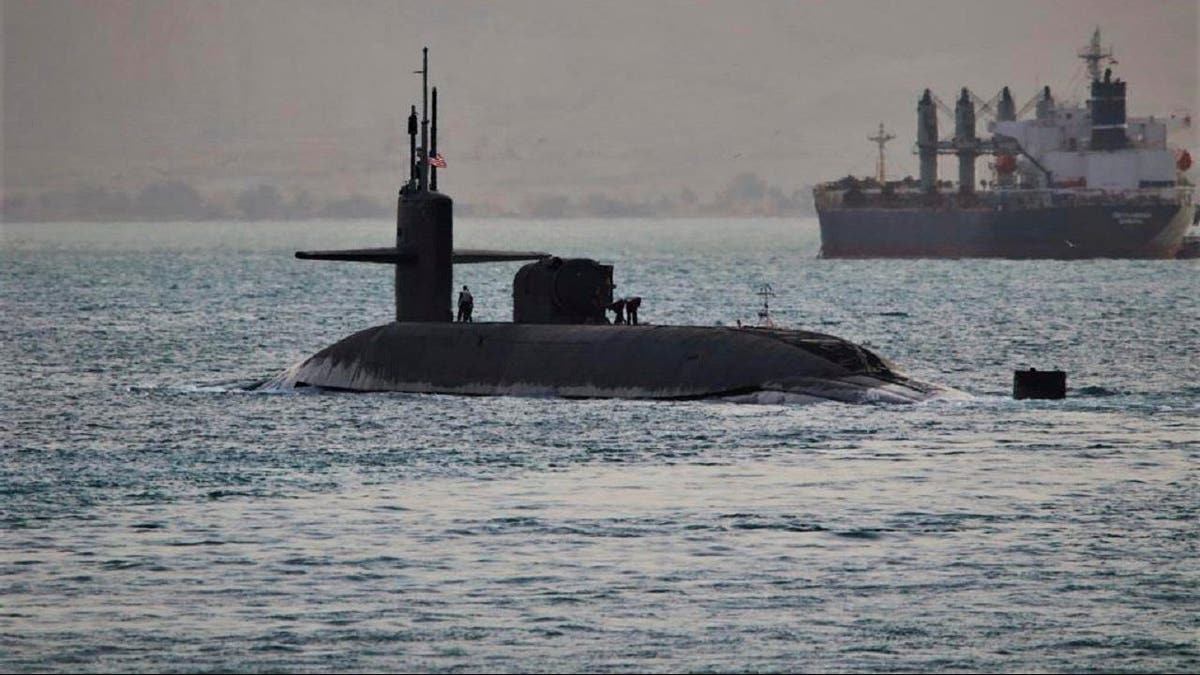
China’s shipbuilding capacity is estimated to be 230x greater than the U.S. (US Navy via AP)
«This creates a serious problem for industry in the short term and hampers shipbuilders’ ability to reach an adequate production rate,» DeLauro warned. «Have you been in contact with Electric Boat or Huntington Ingalls about your plans?»
Hegseth pushed back, saying top Pentagon officials were in regular communication with shipyards.
«Almost every day,» he said. «We’re actively engaged… to make sure their needs are being met and their shortfalls are being addressed so we can close that gap in real time.»
DeLauro pointed to a missed deadline for placing key submarine contracts authorized under the December continuing resolution. Congress had approved $5.7 billion for two Block IV and one Block V Virginia-class submarines, with the understanding that contracts would be in place by February 2025. The Defense Department did not finalize the contracts until April 30.
«We have made a serious investment,» DeLauro said. «Now we want to know where that is going and what your plan is.»
MOVE OVER, BLACK HAWK: ARMY UNVEILS THE MV-75, TILTROTOR AIRCRAFT TO REPLACE ICONIC ASSAULT CHOPPER
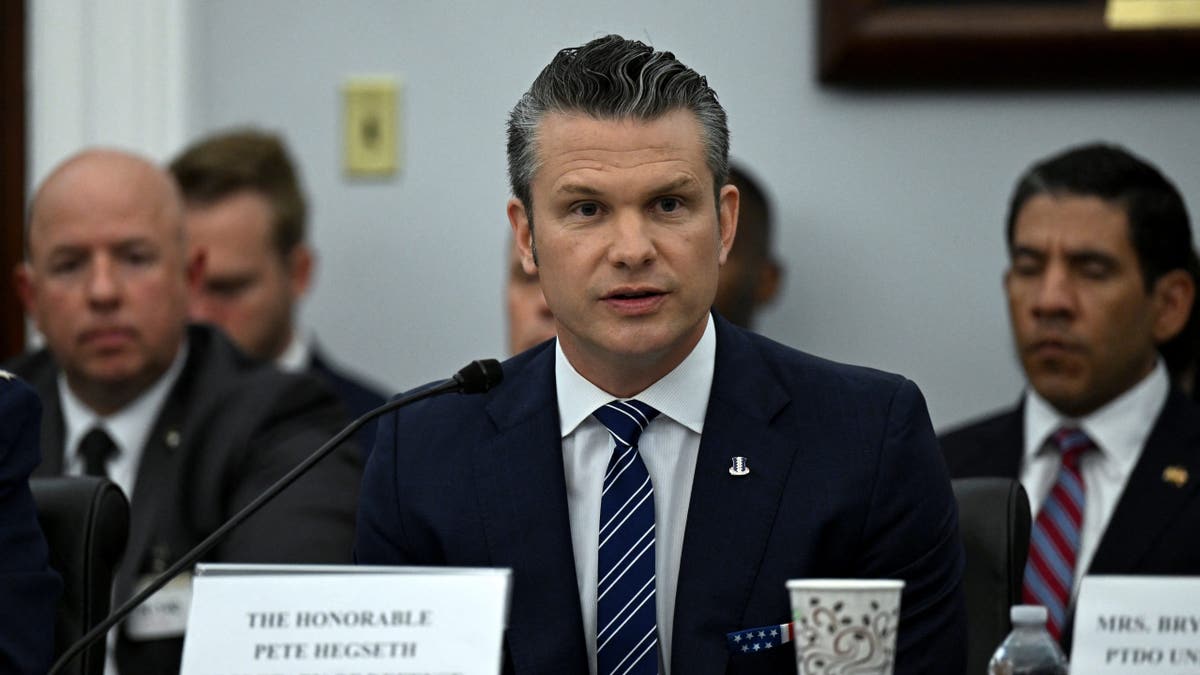
«There is a gap,» Defense Sec. Pete Hegseth admitted of the nation’s shipbuilding capacity and its needs (REUTERS/Annabelle Gordon)
When pressed for specifics, Hegseth thanked the committee for its flexibility and acknowledged prior mismanagement under previous administrations. But DeLauro cut him off.
«I want your plan,» she said. «Can we get that in writing and on paper? Because we don’t have anything today. We have zip, nada.»
Hegseth promised to provide the committee with written details of the department’s submarine production plan.
«We have the details, and we will provide them,» he said.
DeLauro insisted she wanted the information before the committee’s markup later the same day.
The U.S. Navy’s shipbuilding capacity has been on the decline since the Cold War. In the 1980s, the U.S. aimed for a 600-ship fleet; today, it struggles to maintain 300 operational vessels.
The Navy currently operates under 50 attack submarines, well below the long-term requirement of 66 boats, as outlined by recent Navy force structure assessments.
CLICK HERE TO GET THE FOX NEWS APP
Shipyards like Electric Boat (General Dynamics) in Connecticut and Huntington Ingalls Industries in Virginia and Mississippi are the primary builders of nuclear submarines—but both are operating near maximum capacity and face major workforce and supply chain challenges.
Shipbuilders report significant difficulties in hiring, training and retaining welders, pipefitters, engineers and designers. Shipbuilding’s highly specialized supply chain was hit especially hard by the Covid-19 pandemic and has been slow to recover.

INTERNACIONAL
Trump directs military to strike new deals with coal-fired power plants: ‘Going to be buying a lot of coal’
NEWYou can now listen to Fox News articles!
President Donald Trump signed an executive order Wednesday directing the Department of War (DOW) to work directly with coal-fired power plants on new long-term power purchasing agreements, arguing the move would ensure «more reliable power and stronger and more resilient grid power.»
«That’s why I’m also pleased to announce that, in just a moment, I will sign an executive order that directs the Department of War to work directly with coal plants on the new power purchasing agreements, ensuring that we have more reliable power and stronger and more resilient grid power,» Trump said.
«And we’re going to be buying a lot of coal through the military now, and it’s going to be less expensive and actually much more effective than what we have been using for many, many years.»
The executive order, «Strengthening United States National Defense with America’s Beautiful Clean Coal Power Generation Fleet,» states, «The United States must ensure that our electric grid … remains resilient and reliable, and not reliant on intermittent energy sources,» calling the grid «the foundation of our national defense as well as our economic stability.»
TRUMP ADMIN TO REPEAL OBAMA-ERA GREENHOUSE GAS FINDING IN LARGE-SCALE DEREGULATION
Secretary of the Interior Doug Burgum, left; House Speaker Mike Johnson; and EPA Administrator Lee Zeldin watch as President Donald Trump signs an executive order directing the military to purchase electricity from coal-fired power plants during a «Champion of Coal» event Wednesday at the White House in Washington, D.C. (Saul Loeb/AFP via Getty Images)
It adds, «It is the policy of the United States that coal is essential to our national and economic security.»
Under a section titled «Power Purchase Agreements with Federal Installations,» the order states that the Secretary of War, «in coordination with the Secretary of Energy, shall seek to procure power from the United States coal generation fleet by approving long-term Power Purchase Agreements … with coal-fired energy production facilities to serve DOW installations or other mission-critical facilities.»
Speaking at the White House and flanked by members of his Cabinet, coal workers and GOP lawmakers, Trump framed coal as vital to defense and industrial production.
BIDEN’S GREEN ENERGY FIASCO, NOT TRUMP’S REFORMS, IS JACKING UP YOUR ELECTRIC BILL
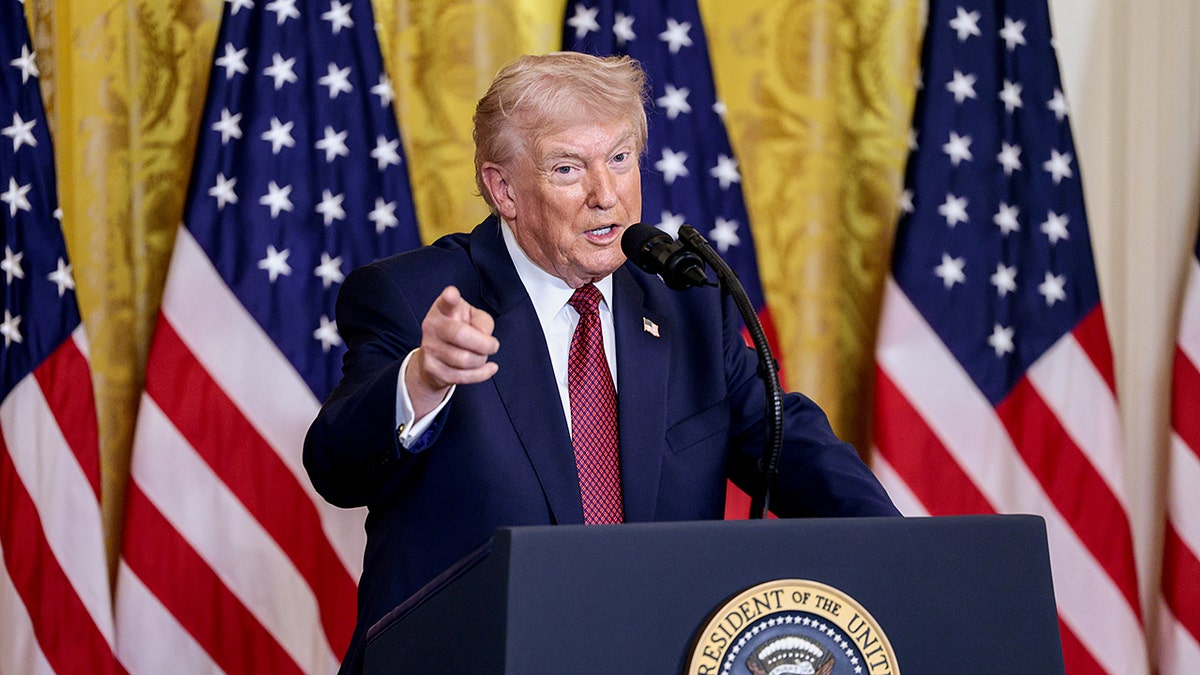
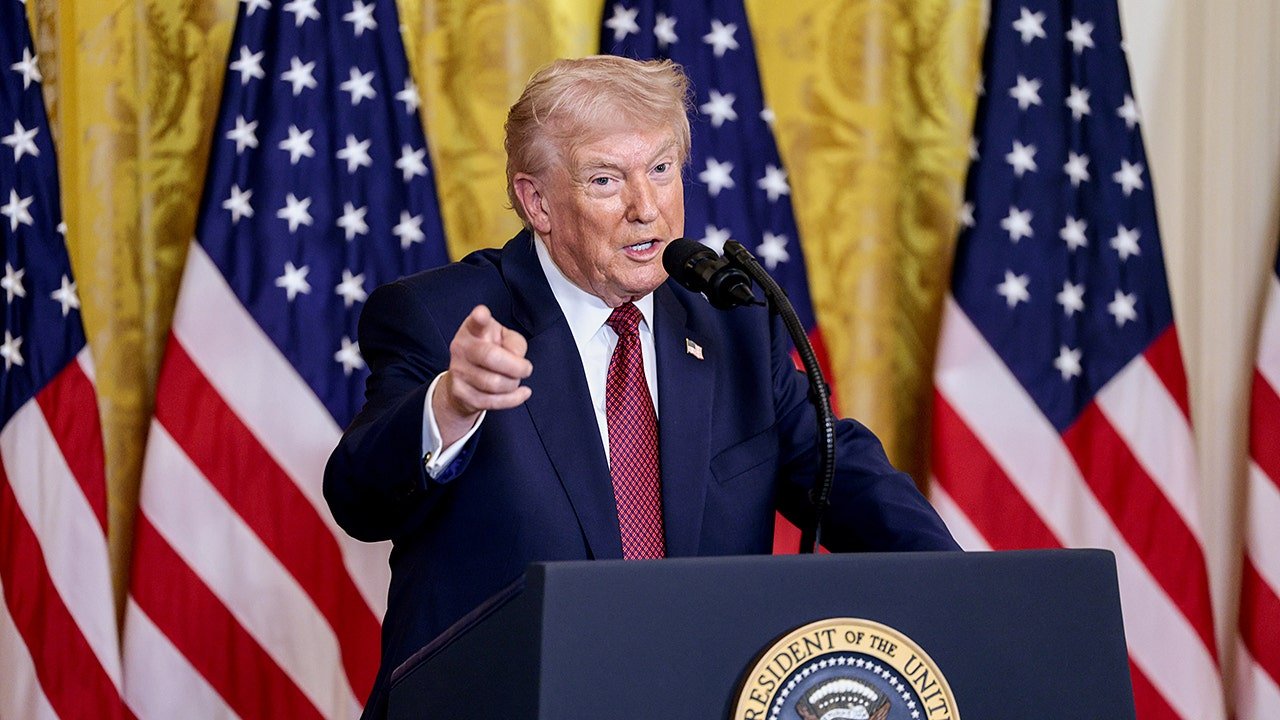
President Donald Trump speaks during a «Champion of Coal» event in the East Room of the White House Wednesday, in Washington, D.C. (Shawn Thew/EPA/Bloomberg via Getty Images)
«Coal is also critical to our national security,» he said. «Vital to everything from steel production to shipbuilding and artificial intelligence.»
He also pointed to winter storms as evidence of coal’s reliability.
«More than 200 million Americans across 35 states were impacted by the storm, and the only reason most were able to take a hot shower was thanks to the power provided by the most reliable, dependable of, and really dependable form of energy that we have,» Trump said. «And that’s clean, beautiful coal.»
Trump contrasted his approach with the prior administration.
«On day one of this administration, I ended the war on coal,» Trump said. «We terminated the green new scam, and we withdrew from the unfair, one-sided Paris climate accord.»
He also criticized wind energy.
TRUMP TO HOST ‘CLEAN BEAUTIFUL COAL’ EVENT, CALLS IT AMERICA’S MOST RELIABLE ENERGY
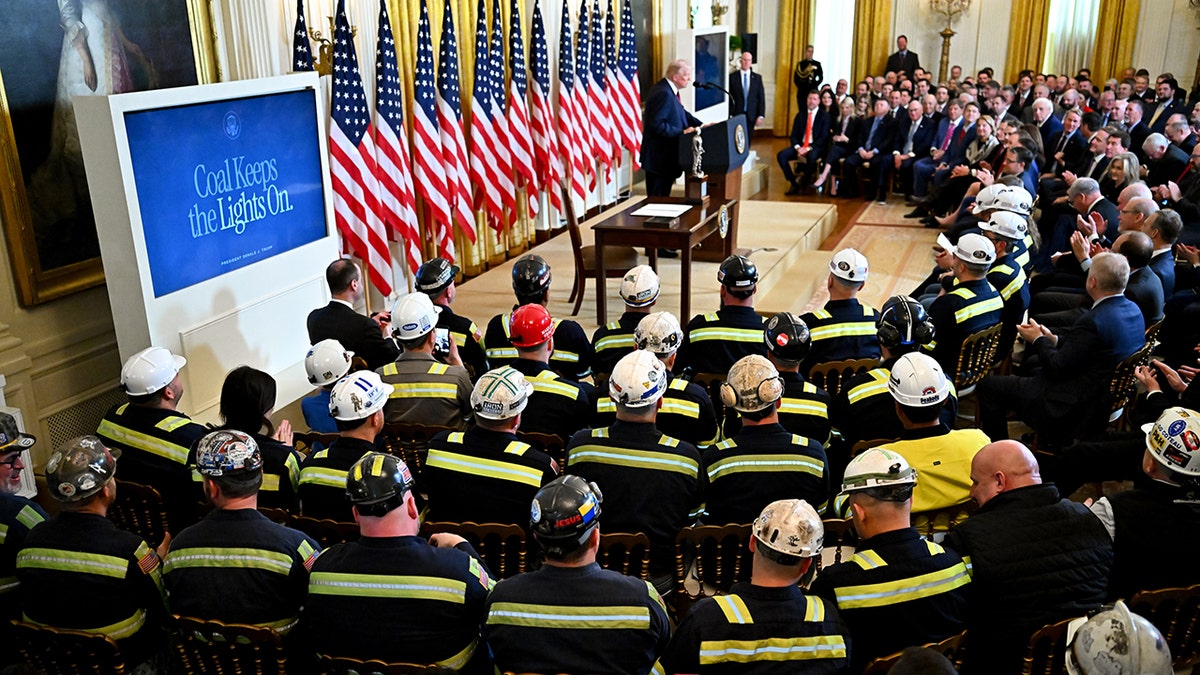
President Donald Trump speaks during a «Champion of Coal» event, where he ordered the Pentagon to purchase electricity from plants and announced millions of dollars to upgrade existing sites. (Graeme Sloan/Bloomberg via Getty Images)
«I’m not a big fan of those crazy windmills that are all made in China,» Trump said. «You know, they’re made in China but not used by China.»
Trump said the Tennessee Valley Authority was «taking action to save two major coal plants,» mentioning the Cumberland Fossil Plant and the Kingston Fossil Plant.
«These two plants were slated for termination,» Trump said, «but we’re going to save over 450 jobs by keeping them going and going strong.»
Trump said he was «directing the Department of Energy to issue funds» to coal plants in several states.
«In addition, I’m directing the Department of Energy to issue funds to coal plants in West Virginia, Ohio, North Carolina and Kentucky to keep them online and keep those plants open,» Trump said.
On permitting, Trump said, «In one year of Trump, we’ve already approved over 70 permits for very big, very powerful mines that are going to be with us for many, many years to come.»
Trump said coal production and generation had increased during his tenure.
«Since I took office, coal production is up by nearly 4 million tons a month after falling for decades,» he said. «Coal power generation is up by nearly 15% in my first year.»
Later in the event, Peabody Energy CEO Jim Grech presented Trump with an award.
«Sir. Just to show our appreciation,» Grech said. «The trophy says the undisputed champion of beautiful, clean coal.»
Trump closed by returning to what he described as American energy dominance.
CLICK HERE TO DOWNLOAD THE FOX NEWS APP
«America is now the No. 1 energy producer in the world,» he said. «We are by far No. 1.»
The Department of War did not immediately respond to Fox News Digital’s request for comment.
donald trump,energy,military,defense,politics
INTERNACIONAL
UN chief blasted as ‘abjectly tone-deaf’ over message to Iran marking revolution anniversary
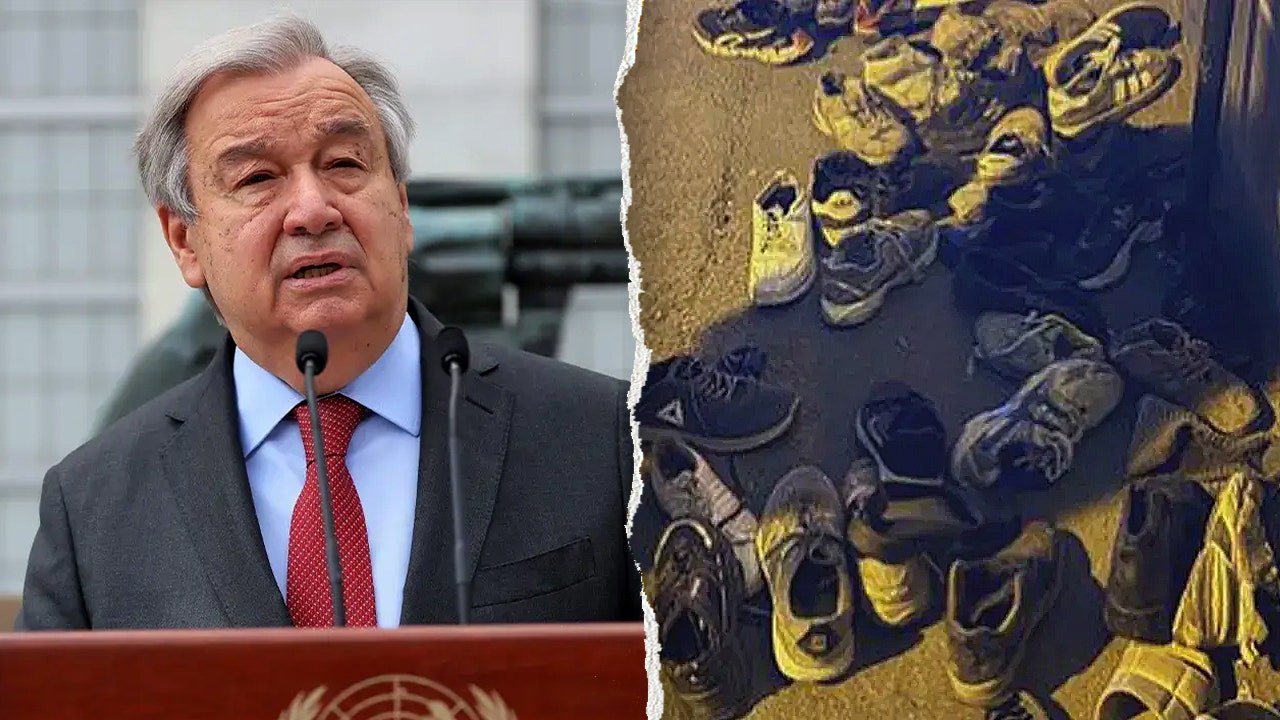
Trump, Netanyahu meet at White House amid Iran talks
Fox News’ Peter Doocy reports the latest on President Donald Trump’s meeting with Israeli Prime Minister Benjamin Netanyahu. Discussions cover Iran nuclear negotiations and the future ‘Board of Peace’ for Gaza.
NEWYou can now listen to Fox News articles!
UNITED NATIONS: U.N. Secretary-General António Guterres sent a congratulatory message to Iran marking the anniversary of the 1979 Islamic revolution, a move that drew sharp criticism from anti-regime Iranian voices and human rights advocates.
In a letter addressed to Iranian President Masoud Pezeshkian, Guterres «extended his warmest congratulations on the National Day of the Islamic Republic of Iran,» describing such anniversaries as an opportunity to reflect on a country’s path and contributions to the international community, according to Iranian state and regional reporting published Wednesday.
The message comes weeks after the U.N.’s top human rights body condemned Iran over abuses tied to a violent crackdown on anti-government protests and mandated further investigation into alleged violations, with some reports citing casualty figures that could reach 30,000, pending verification.
RUBIO REVOKES IRANIAN OFFICIALS’ US TRAVEL PRIVILEGES OVER DEADLY PROTEST CRACKDOWN KILLING THOUSANDS
U.N. Secretary-General António Guterres speaks at the 55th session of the Human Rights Council in Geneva, Switzerland, on Feb. 26, 2024. (Salvatore Di Nolfi/Keystone via AP)
Furthermore, according to the NGO U.N. Watch, Iran’s foreign minister, Abbas Araghchi, is expected to address the U.N. Human Rights Council on Feb. 23.
Against that backdrop, critics said the secretary-general’s congratulatory message risked sending a conflicting signal.
«The U.N. secretary-general’s congratulatory message is not merely diplomatic routine — it is abjectly tone-deaf,» said Iran analyst Banafsheh Zand. «At a time when the Iranian people continue to endure executions, repression and systemic abuse at the hands of the Islamic Republic, offering formal congratulations to the architects of that suffering reads as a moral failure.»
Zand added that such gestures «erode [the U.N.’s] credibility and deepen the wound for those still fighting for freedom inside Iran.»
Andrew Ghalili, policy director at the National Union for Democracy in Iran (NUFDI), said the message amounted to legitimizing a repressive system.
AMBASSADOR MIKE WALTZ LAYS OUT ‘AMERICA FIRST’ VISION FOR US LEADERSHIP AT THE UN
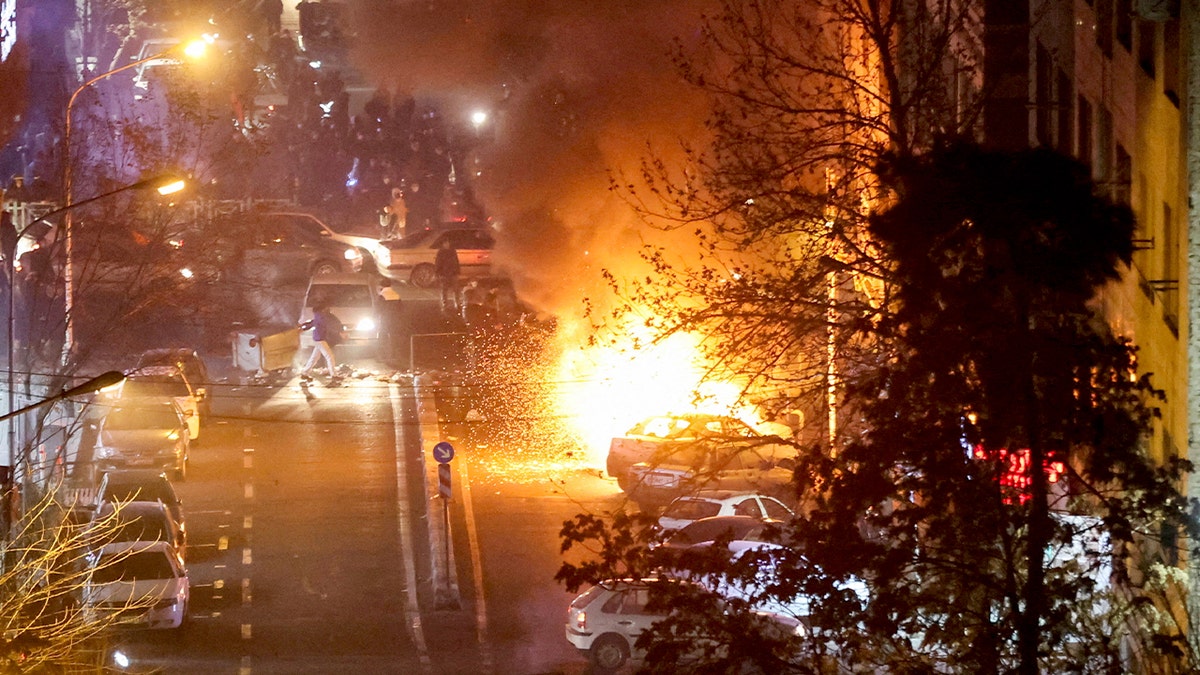
Cars burn in a street during a protest over the collapse of the currency’s value in Tehran, Iran, Jan. 8, 2026. (Stringer/WANA (West Asia News Agency) via Reuters)
«The United Nations is legitimizing a regime built on repression, executions and the systematic destruction of basic freedoms,» Ghalili said. «Offering celebratory recognition to the Islamic Republic on the anniversary of its revolution ignores the bloodshed, the repression of protesters and the ongoing hostage-taking of innocent people.»
Human rights groups have repeatedly warned that impunity has enabled ongoing abuses in Iran, urging U.N. member states to pursue accountability for what they describe as systemic violations and mass killings of protesters.
Stéphane Dujarric, spokesperson for the secretary-general, told Fox News Digital during a press briefing that the message to Tehran was part of a long-standing U.N. protocol.
IRAN’S TOP DIPLOMAT SAYS NATION’S POWER LIES IN DEFYING PRESSURE: ‘NO TO THE GREAT POWERS’
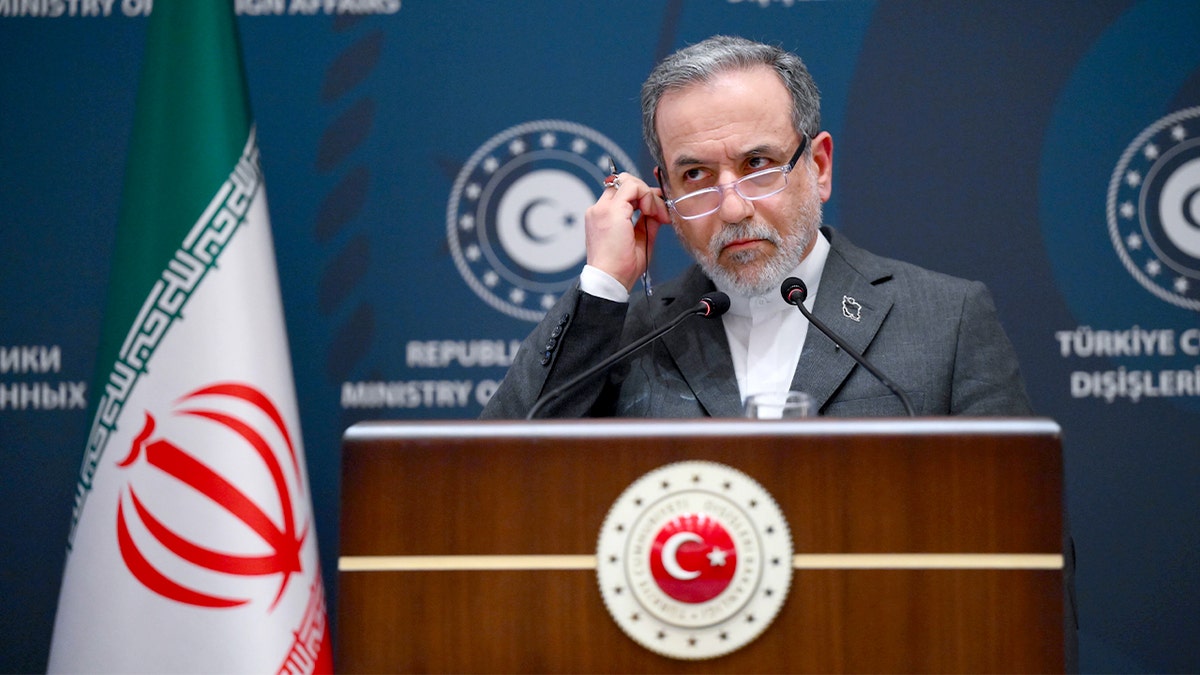
Iranian Foreign Minister Abbas Araghchi holds a joint press conference with Turkish Foreign Minister Hakan Fidan in Istanbul, Turkey, on Jan. 30, 2026. (Arif Hudaverdi Yaman/Anadolu via Getty Images)
«The letter that came out from the secretary-general is a standard letter. Every year, each member state gets the exact same letter… congratulating them on the national holiday and conveying best wishes to the people of that country.»
The spokesperson added that similar letters were sent the same day to other countries marking national holidays and «should not be interpreted… as an endorsement of whatever policies may be put in place by the government.» He said the message «doesn’t change the secretary-general’s view» on Iran, noting Guterres has previously spoken out against the crackdown and violence.
On reports that Iran’s foreign minister is expected to address the Human Rights Council later this month, the spokesperson said the matter falls under the council’s authority.
CLICK HERE TO DOWNLOAD THE FOX NEWS APP
«That’s a decision of the Human Rights Council,» he said. «This is a membership organization. Every member state has a right to address legislative bodies… It’s not within the secretariat’s authority to bar member states from addressing a legislative body.»
united nations,secretary general,iran,world protests
INTERNACIONAL
El régimen de Cuba se hunde en una crisis energética y económica sin la ayuda de Venezuela y la presión de Estados Unidos

Cuba atraviesa una de las peores crisis de su historia reciente, marcada por apagones masivos, la suspensión de vuelos internacionales, el colapso del sector turístico y un desplome sin precedentes de su moneda, en medio de una economía asfixiada por falta de petróleo y presión internacional.
A partir de este miércoles, la situación en la isla se agudizó con la suspensión temporal de vuelos de las aerolíneas rusas Rossiya y Nordwind, que se suman a cuatro compañías canadienses que ya habían cancelado sus operaciones hacia La Habana.
Las empresas extranjeras justificaron la decisión en la imposibilidad de abastecerse de combustible en los principales aeropuertos del país. La falta de queroseno no solo deja a miles de turistas y cubanos varados, sino que golpea directamente a uno de los pocos sectores que aún generaba divisas para el régimen: el turismo.
Rusia y Canadá representaron en 2025 más de la mitad de los visitantes extranjeros, con una caída que amenaza con asestar el golpe definitivo a la economía local.

Este nuevo aislamiento aéreo se produce en paralelo a un escenario de escasez extrema. El mercado informal de divisas marcó este miércoles un récord histórico: 500 pesos cubanos por un solo dólar. Se trata de una devaluación acelerada que refleja la debacle monetaria desde la llamada “Tarea Ordenamiento” de 2021.
La reforma oficial estableció un tipo de cambio irreal de 24 pesos por dólar, pero la inflación, el déficit fiscal y la total falta de confianza en el peso han hundido la moneda cerca de un 2.000% desde entonces.
El corte en el suministro de petróleo venezolano, consecuencia de la presión de Estados Unidos, agravó el colapso. La orden presidencial estadounidense de aplicar aranceles a cualquier país que exporte crudo a Cuba ha dejado a la isla sin aliados energéticos. El último petrolero atracó en enero y, según expertos, si para marzo no llegan nuevos cargamentos, la crisis energética será aún más severa.

El martes, más del 64% del territorio nacional quedó sin electricidad durante las horas de mayor demanda, el peor registro en los sistemas de monitoreo oficiales. Las centrales termoeléctricas, obsoletas y sin repuestos, no logran cubrir ni una fracción de las necesidades del país. La ausencia de diésel y fueloil para alimentar los motores de generación ha paralizado la red durante cuatro semanas consecutivas, según reconoció la dictadura cubana.
La vida cotidiana se ha visto drásticamente alterada. El régimen ha limitado los servicios hospitalarios y el transporte público a lo esencial, la venta de gasolina prácticamente desapareció y la agricultura prioriza solo cultivos básicos.
Universidades y oficinas operan en modalidad remota o con horarios restringidos, mientras gran parte de la fuerza laboral se ha visto obligada a aceptar cambios drásticos en su rutina para sobrevivir a la escasez.

El turismo, vital para el ingreso de divisas, está paralizado. Hoteles han cerrado y los pocos turistas son trasladados a instalaciones con reservas mínimas de combustible. Alemania y Suiza han recomendado a sus ciudadanos evitar viajes a Cuba por el “déficit agudo de combustibles”, alertando sobre riesgos logísticos y sanitarios.
En un intento por mantener la narrativa oficial, el dictador de Miguel Díaz-Canel insiste en la “resistencia” y en que la crisis es consecuencia de un “asedio” externo.
Sin embargo, el discurso oficial apenas tiene eco en las calles, donde la frustración por la inflación, la escasez y los apagones crece a diario. El Partido Comunista, único legal, llama a la unidad y promete que “Cuba vencerá”, pero el desgaste social y el éxodo masivo de ciudadanos marcan la realidad de una isla al borde del colapso.
La perspectiva es desoladora: sin combustible, sin turismo, sin divisas y sin un plan viable de recuperación. El aislamiento internacional y la parálisis interna exponen la fragilidad de un modelo incapaz de responder a las necesidades mínimas de la población.
(Con información de EFE)
South America / Central America,Human Interest / Brights / Odd News

Nancy Pazos se amordazó y encadenó frente al Congreso para protestar contra la reforma laboral y Adorni la criticó

Trump directs military to strike new deals with coal-fired power plants: ‘Going to be buying a lot of coal’

“Guarden este tweet”: la frase con la que Wanda Nara lanzó una advertencia directa contra Mauro Icardi

UN chief blasted as ‘abjectly tone-deaf’ over message to Iran marking revolution anniversary

Se puede ganar plata con el boom del chocolate Dubai: inversión rinde hasta 20% anual en dólares

Corrupción en la AFA: la Justicia rechazó el pedido de sobreseimiento de Claudio “Chiqui” Tapia

El sector industrial advierte que la apertura económica exige eliminar las distorsiones internas

Mirtha Legrand se quebró desconsolada al hablar de la renuncia de Jimena Monteverde a su mesaza

Acuartelamiento policial en Santa Fe: reclamo salarial y temor a un conflicto nacional de seguridad

Mercados: subió la Bolsa argentina y cortó una serie negativa de siete ruedas consecutivas

 POLITICA2 días ago
Acuartelamiento policial en Santa Fe: reclamo salarial y temor a un conflicto nacional de seguridad
- POLITICA1 día ago
La advertencia de ATE a los gobernadores que apoyan la reforma laboral: “Firmarán su sentencia de muerte”
- ECONOMIA2 días ago
Cuánto le cuesta a la clase media llenar el changuito y cómo varían los precios de los alimentos entre provincias