INTERNACIONAL
Trump amenazó con invocar la Ley de Insurrección para frenar las protestas en Los Ángeles


El presidente de Estados Unidos, Donald Trump, amenazó este martes con invocar la Ley de Insurrección para disolver militarmente las protestas que pusieron en pie de guerra a la comunidad hispana en Los Ángeles contra las redadas migratorias.
“Si hay una insurrección, sin duda la invocaría. Ya veremos. Pero les puedo decir que anoche fue terrible. La noche anterior también fue terrible”, expresó Trump en el Despacho Oval, en coincidencia con el despliegue de 700 marines y otros 2000 efectivos de la Guardia Nacional que se unirán a otros 2000 ya en el terreno.
Leé también: Por qué Trump se juega su política migratoria en Los Ángeles, una ciudad donde el 48% es hispano
La Ley de Insurrección, promulgada en 1807, otorga al presidente la facultad de desplegar al Ejército para reprimir episodios de desorden civil. Se considera uno de los poderes de emergencia más contundentes en el país.
La comunidad hispana de Los Ángeles viene protestan desde el viernes contra las masivas redadas migratorias en la ciudad. Hubo disturbios, saqueos, incendios de automóviles, en medio de una fuerte represión que dejó varios heridos y cientos de detenidos.
Trump dijo que el lunes por la noche “hubo ciertas zonas” de la ciudad que, a su juicio, “podrían haber sido insurrecciones”. Además, reveló que conversó “hace un día” con el gobernador de California, el demócrata Gavin Newsom, con quien mantiene “una tensa relación”, para pedirle que “hiciera un mejor trabajo”.
Quinto día de tensión en Los Ángeles
Los Ángeles entró este martes en su quinto día de tensión, después de que las manifestaciones contra las redadas del Servicio de Control de Inmigración y Aduanas (ICE, en inglés) derivaran en enfrentamientos con la Policía, con brotes de violencia, vehículos incendiados y cientos de personas arrestadas.
Hoy un grupo de congresistas demócratas pidió retirar las tropas de la Guardia Nacional enviadas a California sin la autorización del gobernador. “Nos encontramos en un peligroso punto de inflexión en nuestro país. En una democracia, la desobediencia civil no se responde con el uso de la fuerza militar, pero eso es exactamente lo que Trump está haciendo. Está incitando una situación que podría empeorar si la gente no reduce la tensión. Y la forma de reducirla es retirando a la Guardia Nacional y al Ejército estadounidense”, dijo el congresista Jimmy Gómez, vocero del grupo.
Las protestas jaquean al gobierno de Donald Trump (Foto: REUTERS/Leah Millis)
En tanto, cientos de marines comenzaron a llegar este martes a Los Ángeles. Los 700 efectivos de élite se unirán a los 4000 previstos de la Guardia Nacional, intensificando la militarización de la segunda mayor ciudad de Estados Unidos. Se estima que el 48% de su población es latina.
Las manifestaciones, que entran en su quinto día, fueron mayoritariamente pacíficas pero se vieron empañadas por enfrentamientos esporádicos y violentos con la policía.
Leé también: Tensión en Los Angeles: un policía le disparó a una periodista mientras transmitía en vivo
Los disturbios se desataron por la repentina intensificación de la campaña insignia de Trump para deportar a los migrantes que ingresan ilegalmente al país, con redadas en lugares de trabajo.
Hubo disturbios en Little Tokyo
En el barrio de Little Tokyo, en el centro de Los Ángeles, la noche del lunes decenas de manifestantes se enfrentaron a agentes antidisturbios fuertemente equipados. Algunos manifestantes lanzaron bengalas contra las fuerzas de seguridad, que respondieron con gas lacrimógeno.
Más temprano, los manifestantes que marchaban con pancartas hechas a mano gritaban “¡Fuera ICE de Los Ángeles!” y “¡Fuera la Guardia Nacional!”.
Las autoridades de California enfatizan que la mayoría de los manifestantes son pacíficos y el estado es capaz de mantener el orden por sí mismo.
Los marines estadounidenses “no deberían ser desplegados en suelo estadounidense enfrentándose a sus propios compatriotas para cumplir la fantasía desquiciada de un presidente dictatorial. Esto es antiestadounidense”, afirmó el lunes en X el gobernador Newsom.
Trump, por su parte, ha tildado a los manifestantes de Los Ángeles de “agitadores profesionales e insurrectos”.
(Con información de EFE y AFP)
Los Ángeles, Donald Trump, Estados Unidos











INTERNACIONAL
Fotos para el pasaporte de EEUU: estos son los errores comunes que invalidan la solicitud de inmediato
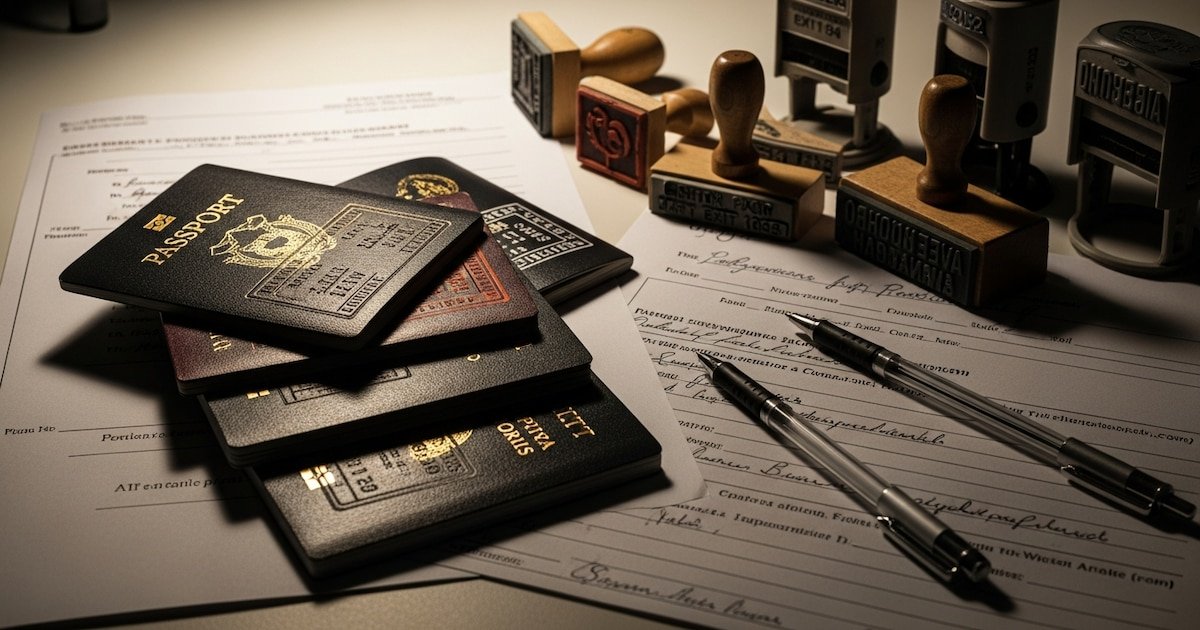
Miles de ciudadanos estadounidenses han visto rechazadas sus solicitudes de pasaporte en 2026 debido a errores en la presentación de fotografías y el llenado del Formulario DS-11, informaron fuentes del Departamento de Estado de Estados Unidos. El fenómeno afecta tanto a quienes tramitan el documento por primera vez como a quienes buscan renovarlo, con consecuencias directas en los tiempos de obtención y la validez del trámite. Las autoridades federales indicaron que los errores documentales representan la principal causa de devolución inmediata, dentro de un contexto de demanda récord de pasaportes.
Según el Departamento de Estado, los requisitos para la correcta presentación de la solicitud incluyen parámetros sobre el tamaño, fondo y calidad de la fotografía, así como la obligatoriedad de completar y entregar el Formulario DS-11 siguiendo instrucciones precisas. Cualquier incumplimiento implica la anulación automática del proceso y obliga a reiniciar el procedimiento. El portal oficial del Departamento de Estado, travel.state.gov, detalla las especificaciones técnicas y administrativas vigentes.
En los últimos años, la necesidad de portar pasaporte para viajes internacionales y trámites migratorios ha generado un aumento verificable en la cantidad de solicitudes, con más de 21 millones de documentos emitidos en 2025, la cifra más alta alcanzada hasta el momento. El Departamento de Estado enfatiza que solo se aceptan documentos originales impresos y fotografías que cumplan exactamente los lineamientos establecidos, excluyendo formatos digitales o impresiones fuera de norma.
El Departamento de Estado de Estados Unidos señala que los principales motivos de rechazo inmediato están vinculados a errores recurrentes en la presentación de fotografías y el llenado del formulario DS-11:
- Fotografías fuera de especificación: La foto debe ser a color, tomada en los últimos seis meses, de 2×2 pulgadas (51×51 mm), con fondo blanco o blanco hueso, expresión facial neutral, sin lentes ni prendas que oculten el rostro, salvo justificación religiosa o médica acreditada. El uso de uniformes o camuflaje solo se permite por motivos religiosos, con respaldo documental, según el portal oficial del Departamento de Estado, travel.state.gov.
- Formulario DS-11 incorrecto o mal completado: Debe llenarse exclusivamente en inglés, sin tachaduras ni marcas adicionales, impreso a una sola cara en papel tamaño carta (21,5×28 cm), en orientación vertical. La firma solo se realiza ante el agente autorizado; cualquier error en la impresión, orientación, impresión a doble cara o firma anticipada ocasiona la devolución inmediata de la solicitud, de acuerdo con DS-11 Form.
- Documentación incompleta o no válida: Se requiere comprobante original de ciudadanía estadounidense (certificado de nacimiento, naturalización o ciudadanía, pasaporte anterior válido, o reporte consular de nacimiento) e identificación con fotografía vigente y fotocopia de ambos lados. Usar copias digitales, fotografías de los documentos o certificados vencidos conduce al rechazo, según FAQs travel.state.gov.
- Omisión del número de Seguro Social: La falta de este dato puede derivar en multas y rechazo de la solicitud, conforme al portal oficial del Departamento de Estado, travel.state.gov.
La autoridad federal advierte: “Todas las solicitudes incompletas o incorrectas se devuelven sin excepción”, y que el cumplimiento de los lineamientos es indispensable para avanzar en el trámite.

Para obtener el pasaporte estadounidense, el proceso exige presentar personalmente los siguientes elementos, según la guía oficial del Departamento de Estado:
- Prueba de ciudadanía: certificado de nacimiento, naturalización o ciudadanía, pasaporte anterior válido o reporte consular de nacimiento.
- Identificación con fotografía: licencia de conducir, identificación estatal o militar vigente y una fotocopia legible de ambos lados.
- Formulario DS-11: completado en línea o impreso, a una sola cara, en papel tamaño carta, en inglés y sin firma previa.
- Fotografía reciente: a color, tamaño 2×2 pulgadas (51×51 mm), fondo blanco, expresión facial neutral, tomada en los últimos seis meses, sin lentes ni prendas que cubran el rostro.
- Número de Seguro Social: requisito obligatorio para procesar la solicitud.
- Pago de tarifas: según el tipo de documento y modalidad de entrega.
El trámite debe realizarse de forma presencial en una oficina de correos autorizada, tribunal federal o agencia de pasaportes. El Departamento de Estado aclara: “No se aceptan documentos digitales, impresiones borrosas ni copias no certificadas”, de acuerdo con el portal oficial del Departamento de Estado, travel.state.gov.
El Departamento de Estado publicó la tabla oficial de tarifas para 2026. Los valores vigentes son:
- Libreta de pasaporte: solicitud USD130, tarifa de aceptación USD 35, total USD 165.
- Tarjeta de pasaporte: solicitud USD 30, tarifa de aceptación USD 35, total USD65.
- Libreta y tarjeta: solicitud US$160, tarifa de aceptación USD 35, total USD195.
- Servicio acelerado: USD 60 adicionales.
- Envío rápido: USD 22,50 adicionales.
Las tarifas se abonan por separado: una parte al Departamento de Estado y otra a la oficina receptora. La forma de pago varía según la sede, aunque en general no se aceptan tarjetas de crédito ni efectivo para la tarifa principal, según Passport Fees.

En 2026, el Departamento de Estado reforzó la prohibición de presentar certificados de ciudadanía en formato digital y la exclusión de fotografías alteradas digitalmente o editadas con filtros. Además, la entidad recordó que la firma del Formulario DS-11 únicamente es válida si se realiza ante el agente autorizado; cualquier documento firmado antes de ese momento será invalidado.
La agencia recalca: “El cumplimiento de los requisitos es indispensable para evitar retrasos o rechazos”. Voceros institucionales citados por la agencia de noticias Reuters confirmaron que los rechazos por errores de formato y fotografía han aumentado en paralelo al crecimiento de la demanda de pasaportes.
Si la solicitud es rechazada, el interesado debe iniciar nuevamente el proceso, reunir toda la documentación desde el inicio y volver a abonar las tarifas correspondientes. El Departamento de Estado no contempla reembolsos por errores en la presentación de formularios o fotografías.
Para quienes requieren tramitación urgente, existen servicios acelerados y envío exprés con el pago de tarifas adicionales. No obstante, los estándares y requisitos permanecen inalterados. La autoridad federal recomienda consultar exclusivamente las guías y formularios oficiales publicados en el portal oficial del Departamento de Estado, travel.state.gov, para evitar fraudes y demoras.

Toda la información, formularios descargables y guías actualizadas se encuentran en el portal oficial del Departamento de Estado, travel.state.gov. Las oficinas de correos, tribunales federales y agencias de pasaportes autorizadas ofrecen atención y orientación directa. El organismo subraya que solo la información difundida por sus canales oficiales debe considerarse válida para la gestión del documento.
El rechazo de solicitudes por errores documentales genera demoras, costos adicionales y la imposibilidad de realizar trámites migratorios, viajes internacionales y acceder a servicios consulares. El Departamento de Estado reiteró: “No se aceptan excepciones ni dispensas” ante el incumplimiento de los requisitos publicados, debido a normas regulatorias que buscan garantizar la autenticidad y validez de los documentos; por ello, recomienda a todos los solicitantes revisar cuidadosamente los lineamientos antes de iniciar el procedimiento.
pasaportes,inmigración,sellos,formularios,control fronterizo,documentos oficiales,migración,oficina gubernamental,trámites,viajes internacionales
INTERNACIONAL
Guerra en Medio Oriente hoy: cuál es la participación de Francia en el conflicto con Irán


Coalición para asegurar el tráfico
“Irán es responsable”, pero los bombardeos son ilegales

Efectos en el comercio internacional
Reacciones de los políticos
El miedo a los atentados

NEWYou can now listen to Fox News articles!
The Israeli military’s latest wave of airstrikes in Iran dealt a serious blow to the country’s brutal internal security apparatus, opening the door for a potential uprising.
During the strikes, Israel «dropped dozens of munitions on the Basij and internal security command centers that are subject to the Iranian terror regime,» the Israel Defense Forces (IDF) said in a statement on Wednesday. «The targeted command centers were used by the Iranian regime to maintain control throughout Iran and maintain the regime’s situational assessments.»
Since the start of Operation Epic Fury, the U.S. has hit nearly 2,000 targets as it carries out a sweeping military campaign aimed at dismantling the regime’s security apparatus and neutralizing threats. Adm. Brad Cooper of U.S. Central Command confirmed the number of targets hit in a video message.
The Islamic Revolutionary Guard Corps (IRGC) and the Basij militia, Iran’s volunteer paramilitary force, were behind the violent crackdown on protesters in January. The bloody crackdown saw regime actors firing on crowds and conducting mass arrests of Iranian protesters. Some had seen the protests as a sign that regime change in Iran was getting nearer, though it did not occur.
Smoke rises from central Tehran following reported U.S. and Israeli strikes on Iran’s capital, on March 3, 2026. (Fatemeh Bahrami/Anadolu via Getty Images)
Israeli and U.S. officials have hinted at the possibility of regime change in Iran as both countries take aim at Tehran’s military and security sites.
Israeli Prime Minister Benjamin Netanyahu said in a video message announcing the launch of Operation Epic Fury, which Israel calls Operation Rising Lion, that it was time for Iranians «to rid themselves of the yoke of tyranny.» Similarly, President Donald Trump said in a message to the Iranian people on Feb. 28 that «the hour of your freedom is at hand.»
«When we are finished, take over your government. It will be yours to take. This will be, probably, your only chance for generations,» Trump said.
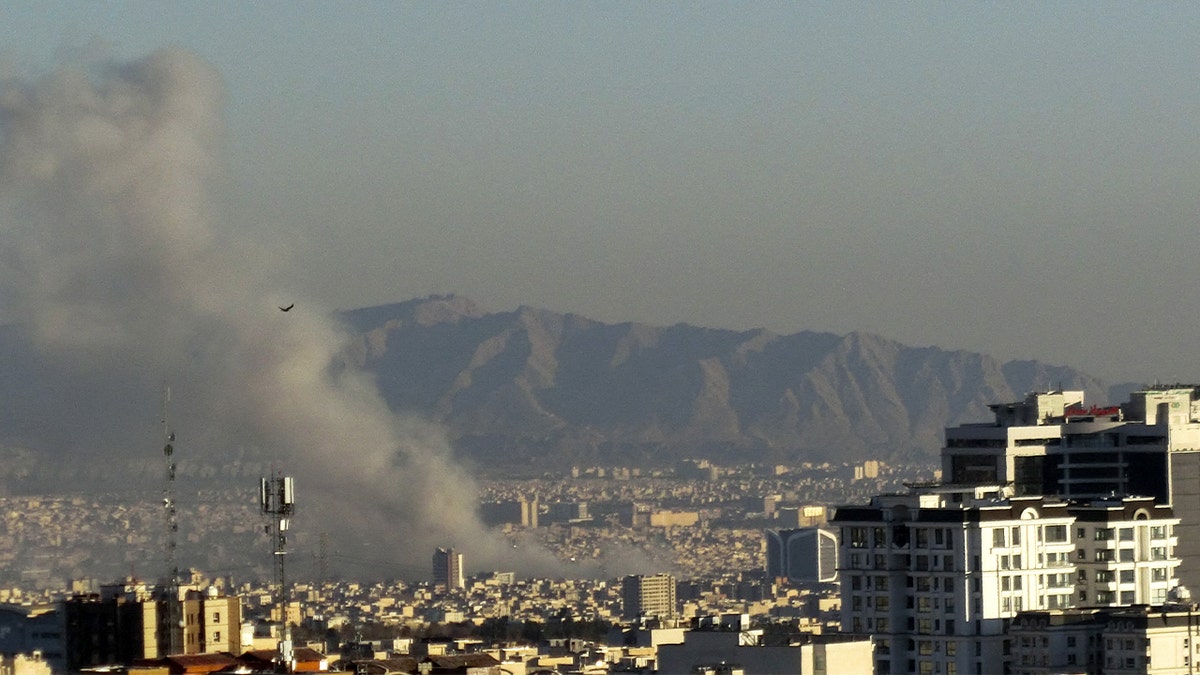
Plumes of smoke rise following reported explosions in Tehran on March 3, 2026, after Iran’s Supreme Leader Ayatollah Ali Khamenei was killed in joint U.S. and Israeli strikes on Feb. 28, 2026. (Negar/Middle East Images / AFP via Getty Images)
ISRAELI MINISTER OUTLINES IRAN MISSION GOALS, SAYS IRANIAN PEOPLE NOW HAVE CHANCE TO ‘REGAIN THEIR FREEDOM’
«America is backing you with overwhelming strength and devastating force. Now is the time to seize control of your destiny, and to unleash the prosperous and glorious future that is close within your reach. This is the moment for action. Do not let it pass,» the president added.
Ali Vaez, director of the Iran project at the International Crisis Group, told The Wall Street Journal that the path to regime change through foreign airstrikes and popular uprising on the ground has «a bet that rests on no clear historical model.» Vaez also warned that the idea «ignores the resilience of entrenched authoritarian systems like the Islamic Republic.»
The IDF said on Monday that Israel had hit headquarters, bases and regional command centers that belonged to the regime’s internal security apparatus.
«These bodies were responsible for, among other things, suppressing protests against the regime through violent measures and civilian arrests,» the IDF said.
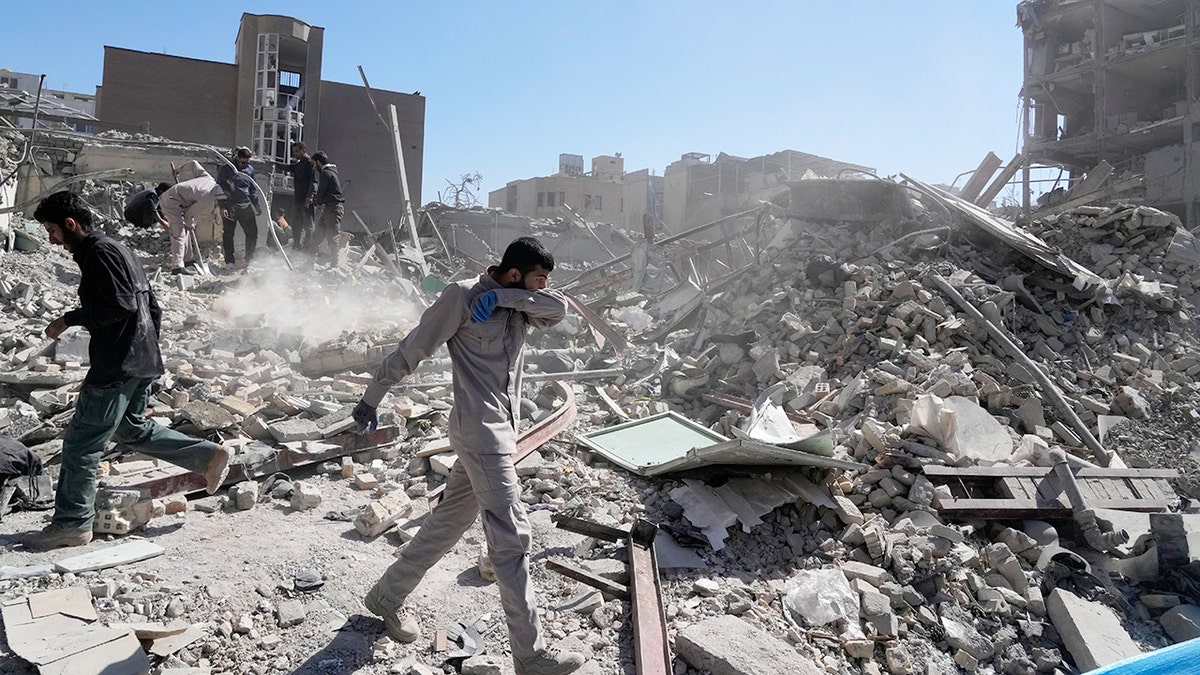
A group of men inspects the ruins of a police station struck amid the U.S.–Israeli military campaign in Tehran, Iran, on Tuesday, March 3, 2026. (Vahid Salemi/AP)
CLICK HERE TO DOWNLOAD THE FOX NEWS APP
It is unclear who will lead Iran after the country’s Supreme Leader Ayatollah Ali Khamenei was killed on the first day of the operation. Since then, Israel and the U.S. have made it clear that regime leaders chosen to replace him would be targets. Israeli Defense Minister Israel Katz warned on Wednesday that anyone chosen to replace Khamenei would be considered «a target for elimination» if they continued to threaten Israel, the U.S. and regional allies.
The killing of key leaders might not be enough to cause an uprising, as the regime has a monopoly on weapons in most of Iran, the WSJ reported, adding that Basij militants are still patrolling the streets.
Fox News Digital’s Morgan Phillips and Efrat Lachter contributed to this report.
Related Article

war with iran,world,iran,israel,benjamin netanyahu,donald trump

Fotos para el pasaporte de EEUU: estos son los errores comunes que invalidan la solicitud de inmediato

Conflicto en Medio Oriente: el ministro de Defensa Carlos Presti se reúne con el secretario de Guerra de EE.UU.

Congelar naranjas en el freezer: cuáles son sus beneficios y cómo usarlas

Tato Algorta habló tras el grave choque que protagonizó en Uruguay: “Es una oportunidad para replantearme cosas”

En medio de una sesión: el momento en que Sebastián Amerio se entera que deja de ser viceministro de Justicia

Carrefour vende electrodomésticos con hasta 50% OFF y estas son las mejores ofertas

Destrozaron a Andrea del Boca por el terrible pecado que tuvo en Gran Hermano: “La quiero presa”, apuntaron contra la actriz por un detalle en la cocina

¡Tensión en vivo! Aníbal Pachano y Nancy Pazos protagonizaron un cruce explosivo en la mesa de Mirtha Legrand

Las predicciones más importantes en la vida de cada signo del horóscopo en marzo, según Jimena La Torre: «Será un cambio rotundo»

¡Otro abandono! El participante de Gran Hermano que anunció su salida de la casa: La confesión de Gabriel Lucero que se suma a la lista de renuncias

 CHIMENTOS3 días ago
La histórica figura de Intrusos que se va del programa y armó un escándalo con Adrián Pallares y Rodrigo Lussich: “Me voy”, reveló Pablo Layus
- POLITICA2 días ago
Puertas adentro, Villarruel explotó: «El esfuerzo no lo hizo la política» y demolió el relato económico de Milei
- CHIMENTOS2 días ago
Pampita se mudó a un castillo francés de detalles alucinantes: «1000 metros, 14 ambientes, vale 11 millones de dólares»