INTERNACIONAL
Trump signs executive order targeting certain Muslim Brotherhood chapters as terrorist groups


Report: Muslim Brotherhood embedded in US agencies
Dr. Qanta Ahmed of Independent Women’s Forum joins ‘Fox & Friends’ to discuss an ISGAP report that the Muslim Brotherhood has infiltrated multiple American agencies and Gov. Greg Abbotts’ R-Texas., designation of CAIR as a terrorist organization.
NEWYou can now listen to Fox News articles!
President Donald Trump signed an executive order Monday directing Secretary of State Marco Rubio and Treasury Secretary Scott Bessent to begin designating certain chapters of the Muslim Brotherhood as Foreign Terrorist Organizations and Specially Designated Global Terrorists.
The order, invoking the Immigration and Nationality Act and the International Emergency Economic Powers Act, cites the group’s involvement in violence across the Middle East, including rocket attacks on Israel following the Oct. 7, 2023, assault.
The move begins a 30-day review led by the State and Treasury Departments to identify Brotherhood chapters in Egypt, Jordan, and Lebanon for possible designation, which could freeze assets, restrict travel, and criminalize material support for affiliated entities.
«The Muslim Brotherhood, founded in Egypt in 1928, has developed into a transnational network with chapters across the Middle East and beyond,» Trump’s executive order reads. «Relevant here, its chapters in Lebanon, Jordan, and Egypt engage in or facilitate and support violence and destabilization campaigns that harm their own regions, United States citizens, and United States interests.
TRUMP RE-DESIGNATES IRANIAN-BACKED HOUTHIS AS TERRORISTS: ‘THREATEN[S] SECURITY OF AMERICAN CIVILIANS’
Supporters of Jordan’s Muslim Brotherhood take part in a protest in the village of Sweimeh, near the Jordanian border with the occupied West Bank, on May 21, 2021. (Khalil Mazraawi/AFP via Getty Images)
«For example, in the aftermath of the October 7, 2023, attack in Israel, the military wing of the Lebanese chapter of the Muslim Brotherhood joined Hamas, Hezbollah, and Palestinian factions to launch multiple rocket attacks against both civilian and military targets within Israel,» the order continues. «A senior leader of the Egyptian chapter of the Muslim Brotherhood, on October 7, 2023, called for violent attacks against United States partners and interests, and Jordanian Muslim Brotherhood leaders have long provided material support to the militant wing of Hamas.
«Such activities threaten the security of American civilians in the Levant and other parts of the Middle East, as well as the safety and stability of our regional partners,» the order noted.
GOP BILL SEEKS TO BAN AND DEPORT VISA HOLDERS WHO SUPPORT HAMAS AMID WAVE OF ANTISEMITIC VIOLENCE IN AMERICA
Trump signaled over the weekend that he was planning to designate the Muslim Brotherhood a terrorist organization after several groups stepped up warnings in recent months that the Islamic group was gaining a foothold in the U.S.
«It will be done in the strongest and most powerful terms,» Trump told Just the News over the weekend. «Final documents are being drawn.»
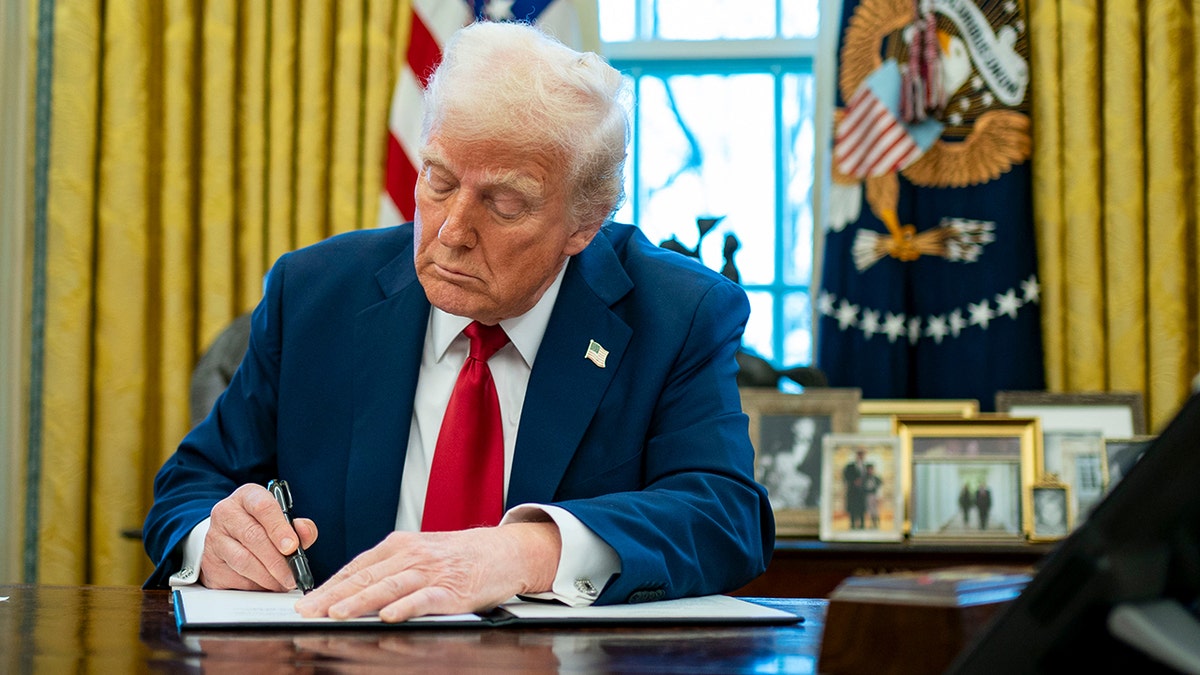
President Donald Trump signs an executive order on Nov. 24, 2025, to begin the process of designating the Muslim Brotherhood as a foreign terrorist organization. ( Bonnie Cash/UPI/Bloomberg via Getty Images)
The president’s comment came shortly after Texas declared the Muslim Brotherhood a terrorist organization and just days after the Institute for the Study of Global Antisemitism and Policy (ISGAP), a prominent global research center, released a comprehensive 200-page study warning of the Muslim Brotherhood’s growing influence in the U.S.
The Islamist organization founded in Egypt, has gained access to government agencies, been involved in advising American civil rights policy, infiltrated educational institutions, and created a vast social media footprint, the report states, while outlining the belief that the group has allegedly targeted U.S. government agencies for infiltration, including the State Department, Department of Homeland Security, and Department of Justice, through career appointments and advisory roles.
CLICK HERE TO DOWNLOAD THE FOX NEWS APP
«We welcome President Trump’s statements and the growing recognition that the Muslim Brotherhood, its ideology and network pose a serious challenge to the United States and democratic societies,» Charles Asher Small, executive director of ISGAP, said in a press release after Trump’s interview with Just the News.
Fox News Digital’s Andrew Mark Miller contributed to this report.
donald trump,middle east,israel,terrorism












INTERNACIONAL
Del conurbano a casi morir en Ucrania: la increíble historia de uno de los argentinos que combate en la guerra con Rusia
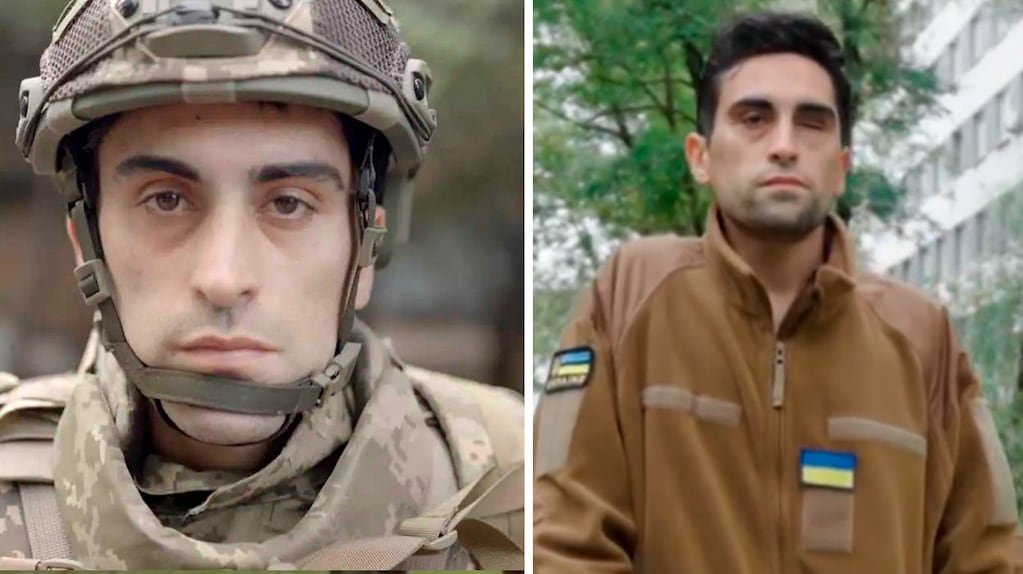
Julián Nieto tiene 30 años, es de Merlo y hasta hace poco su vida transcurría lejos del frente de batalla: trabajaba en una fábrica de muebles y en el acondicionamiento de sucursales para grandes empresas multinacionales. Hoy, su nombre se sumó a la lista de argentinos que viajaron como voluntarios a Ucrania para combatir en la guerra contra Rusia, la historia que cuenta Morir en guerra ajena, el documental de TN.
A los pocos días de haber llegado, un ataque con drones cambió su historia para siempre: perdió un ojo, estuvo a punto de perder una pierna y sobrevivió de milagro.
Nieto tenía experiencia militar previa. Había sido soldado del Ejército Argentino y, según él mismo relata, su decisión de ir a una guerra no fue algo largamente planeado. “¿Si había pensado antes alguna vez en ir a una guerra? No, es la primera vez que me lo planteé en serio y pelear por otro país que no es el tuyo”, explicó a TN.
Leé también: Morir en guerra ajena: la historia de los argentinos que combaten en Ucrania
En ese punto, su motivación aparece atravesada por una idea que repite a lo largo de su testimonio: “Yo soy un defensor de la libertad y cada uno defiende la libertad desde donde puede, pero a veces no de donde quiere. Yo tengo la oportunidad de hacerlo ahora desde donde quiero y desde donde puedo”.
Antes de viajar, su vida estaba anclada en el conurbano bonaerense. “No tengo hijos, no tengo mujer, tengo a mi mamá y mis cuatro hermanos”, contó. Sobre el impacto de su decisión en su familia, fue directo: “Yo sé que mi mamá siente dolor, tristeza, porque creo que ella sabe que yo no voy mentalizado en volver”. Merlo perdió un ojo durante el ataque. (Foto: TN)
El ataque que casi lo mata ocurrió apenas días después de su arribo al frente. Nieto lo reconstruye con precisión. “De pronto estábamos hablando, esperando, formando. Uno de los comandantes recibe una alerta por radio. No entiendo su idioma, pero lo único que dijo fue ‘drone, dron’”, recordó. Como líder de grupo, dudó en ponerse a salvo primero. “Quedaba mal que yo saliera corriendo primero. Saqué a todos los muchachos del árbol, a uno lo manoteé, lo revolé, le dije que corra. No sé quién era”.
Cuando todos comenzaron a huir, él también lo hizo, pero no llegó lejos. “No llegué a ser más de 10 metros corriendo. Cuando vi que el impacto era inminente, me tiré al suelo. Caí con todos los protocolos, con la boca abierta para no reventarme los tímpanos”. La explosión fue inmediata. “Siento la explosión y no siento nada en el cuerpo”, relató. Segundos después, al incorporarse, se dio cuenta de la gravedad de las heridas: “Cuando abro los ojos no veía de uno y empiezo a gotear sangre en las manos. Ahí sí empecé a sentir el dolor”.
Leé también: El dramático relato de un argentino que combate para Ucrania y sobrevivió a un poderoso ataque ruso con drones
El fuego y la metralla hicieron el resto. “Creí que me estaba prendiendo fuego porque sentí un ardor en todo el cuerpo, sobre todo en la pierna. Me doy vuelta y tenía la pierna que me estaba saliendo muchísima sangre”. Intentó ponerse de pie, pero cayó nuevamente. “En ese momento que caigo, una explosión más”. Logró arrastrarse hasta que apareció uno de sus hermanos, que también combate allí. “Me arrastro boca arriba y me encuentra mi hermano”, contó. La asistencia de sus hermanos y compañeros fue clave para salvarle la vida.
El ataque dejó un saldo devastador. “Básicamente el ataque hubo muchísimos muertos, lamentablemente, además de los heridos”, dijo. También tuvo un impacto psicológico en el resto de la tropa. “La otra consecuencia fue que muchos soldados se dieron cuenta que no estaban preparados para este tipo de guerra. Muchos pidieron irse”. En su caso, el golpe no quebró su decisión. “A mí en lo personal no me afectó y el hecho de haber perdido un ojo tampoco. Yo todavía estoy con la moral muy alta y espero la hora de recuperarme”, aseguró.
Leé también: En la Rusia de Putin, hacer chistes sobre la guerra en Ucrania o sobre religión te puede llevar a la cárcel
La historia de Nieto se conoce en un contexto marcado por nuevas muertes de argentinos en el frente ucraniano. En las últimas horas se confirmó el fallecimiento de Cristian Airala, un misionero de 27 años que combatía como voluntario en una unidad de asalto del ejército de Ucrania y murió durante un ataque ruso con drones y misiles en la región de Járkiv. En el mismo episodio también murieron dos combatientes colombianos.
Airala, conocido por la chapa de guerra “Machete”, tenía formación previa en el Ejército Argentino y se desempeñaba como instructor de tiro. Su muerte se suma a una lista creciente de argentinos que perdieron la vida desde el inicio de la invasión rusa a gran escala, hace más de tres años y medio, ya que los voluntarios extranjeros suelen ser destinados a unidades de asalto, las más expuestas del frente. No existen cifras oficiales, pero distintos episodios confirmados en los últimos meses dan cuenta de la magnitud del fenómeno.
Guerra Rusia Ucrania, Rusia, Ucrania
NEWYou can now listen to Fox News articles!
North Korean authorities executed teenagers for watching the South Korean television series «Squid Game» and listening to K-pop, human rights researchers announced in early February.
Amnesty International cited testimony from an escapee with family ties in Yanggang Province who said people, including schoolchildren, were executed for specifically watching the popular survival drama series.
It also separately documented accounts of forced labor sentences and public humiliation for consuming South Korean media elsewhere in the country, particularly for those without money or political connections.
«Usually when high school students are caught, if their family has money, they just get warnings,» said Kim Joonsik, 28, who was caught watching South Korean dramas three times before leaving the country in 2019.
WATCHDOG HIGHLIGHTS NATIONS WHERE CHRISTIANS FACE PERSECUTION AROUND THE GLOBE
A leaflet containing a U.S. dollar bill beneath USB drives loaded with K-pop music is seen during an interview with North Korean defector Park Sang-hak in Seoul, South Korea, on June 25, 2024. (Anthony Wallace/AFP via Getty Images)
«I didn’t receive legal punishment because we had connections,» he told Amnesty International in an interview.
NORTH KOREA MISSILE LAUNCH THAT PUT SOUTH KOREA, JAPAN ON HIGH ALERT ENDS IN FAILURE
Joonsik said three of his sisters’ high school friends were given multi-year labor camp sentences in the late 2010s after being caught watching South Korean dramas, a punishment he said reflected their families’ inability to pay bribes.
«The authorities criminalize access to information in violation of international law, then allow officials to profit off those fearing punishment. This is repression layered with corruption, and it most devastates those without wealth or connections,» said Sarah Brooks, Amnesty International’s deputy regional director.

Members of the North Korean Military Choir sing a Russian song during a concert following Russian–North Korean talks in Pyongyang, North Korea, on June 19, 2024. (Contributor/Getty Images)
RUSSIA’S TURN TO NORTH KOREA FOR MUCH-NEEDED AMMO A ‘LAST RESORT’ IN UKRAINE CONFLICT: ‘HITTING THE DREGS’
«This government’s fear of information has effectively placed the entire population in an ideological cage, suffocating their access to the views and thoughts of other human beings,» she added. «People who strive to learn more about the world outside North Korea, or seek simple entertainment from overseas, face the harshest of punishments.»

Fans of Korean pop music attend the KCON convention in Newark, New Jersey, on June 23, 2018. (Stephanie Keith/Getty Images)
CLICK HERE TO DOWNLOAD THE FOX NEWS APP
Several defectors told the human rights organization that they were required to witness public executions while still in school, describing the practice as a form of state-mandated indoctrination designed to deter exposure to foreign culture.
«When we were 16, 17, in middle school, they took us to executions and showed us everything,» said Kim Eunju, 40. «People were executed for watching or distributing South Korean media. It’s ideological education: if you watch, this happens to you too.»
north korea,human rights,world
INTERNACIONAL
Las memorias feroces y sin épica de la danesa Tove Ditlevsen: miseria, desenfreno, literatura y adicciones
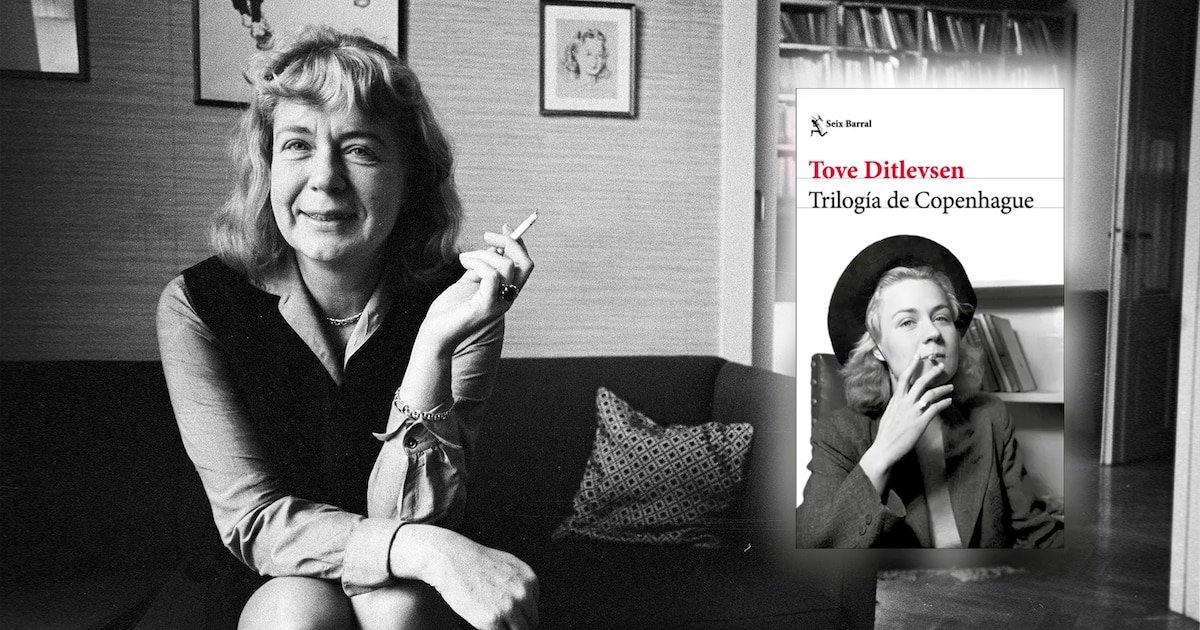
Advertencia al lector: lo que sigue es un artículo escrito bajo el influjo de una lectura inesperada y deslumbrante. Cada tanto sucede que cuesta salir de un libro aunque hayamos llegado al final. Hay algo en los personajes que nos acompañaron, en la propia escritura o en los hechos que se narran que no terminan de irse de nuestro lado. Cada tanto sucede que es todo eso junto –los personajes, la escritura, los hechos–, que no nos abandona ni nos permite leer otra cosa. Precisamente ahí estoy, a la espera de que se apague el calor de la lectura para poder ingresar a otro universo. Es desde ese pasaje, y todavía conmovida, que escribo lo que sigue.
Tove Ditlevsen (19917-1976) era una criatura cuando supo que lo único que le interesaba en la vida era la literatura. Quería leer y quería escribir pero para eso necesitaba espacio y silencio y en el miserable departamento en el que vivía no había nunca ni silencio ni espacio. Durante sus primeros años durmió con sus padres, en la misma habitación. Solo escapaba de la opresión por las noches, cuando se sentaba en el alféizar y miraba por la ventana hacia el cielo, por encima las calles mugrientas de Vesterbro, la zona roja de Copenhague. Cuando su hermano cumplió los 18 y huyó de casa, ella pasó a ocupar el sofá de la sala a la hora de dormir: perdió la ventana pero ganó intimidad algunas horas. Entonces comenzó a registrar por escrito lo que ocurría a su alrededor y también lo que le pasaba a ella misma, una mujer extremadamente sensible, adelantada a su tiempo y con ambiciones definitivamente por fuera de su clase.
El drama fue siempre parte de su historia y también de su escritura. Su primer poema narraba en verso el duelo de una mujer por la muerte de su hijito. Cuando murió, o mejor, cuando eligió morir, tenía 58 años y era una celebridad en Dinamarca, con treinta libros publicados entre poemarios, novelas, cuentos, memorias y relatos infantiles. Además, había escrito columnas en periódicos, por lo que todos en su país la conocían, sobre todo las mujeres.
Durante décadas Ditlevsen fue una escritora clave para generaciones de lectoras danesas pero su centralidad no atenuaba la incomodidad que provocaba su literatura. El canon de la época no estaba en condiciones de procesar una obra producida a partir de la vida doméstica, el matrimonio, la maternidad, la dependencia emocional y química y el deseo de escribir como tabla de salvación, todos temas considerados menores. Era, claro, una época que no podía procesar una literatura escrita por la mayoría de las mujeres.

Tove Irma Margit Ditlevsen nació en Copenhague en 1917 y se suicidó en 1976. Aunque practicó todos los géneros (incluso los textos a pedido para ser leídos en eventos y ocasiones especiales, habilidad que explotaron todos sus superiores en los trabajos precarios que emprendió para sobrevivir), son sus memorias las que, a partir de la traducción al inglés y luego al español en los últimos años, le dieron a su nombre trascendencia en todo el mundo. Esas memorias fueron pensadas como tres libros diferentes, Infancia, Juventud y Dependencia, que fueron publicados entre 1967 y 1971.
Décadas después, hubo un editor que advirtió que los textos componían un relato único: la historia de una niña criada en la pobreza y con una madre fría y calculadora; la de una joven que se niega a cumplir el destino miserable que se avizora y quiere escribir pese a que “las chicas no escriben poesía”, como le repite su padre, un fogonero socialista; y la de una mujer adulta atrapada en matrimonios complicados, una maternidad asfixiante y, sobre todo, adicciones peligrosas que la borran del mundo cada vez por más tiempo. Fue ese editor visionario el que decidió reunir en inglés las memorias en un solo libro, el audaz y apabullante Trilogía de Copenhague (publicado en español por Seix Barral).

En Infancia Ditlevsen construye una de las figuras maternas más perturbadoras de la literatura autobiográfica del siglo XX: una mujer desangelada, irritable y violenta que desaprueba todo. “El mundo era frío y peligroso porque la ira oscura de mi madre siempre terminaba en una bofetada”, escribe Ditlevsen. La casa es una cárcel, la lectura aparece como sorpresa y la escritura es una forma de escape, una salida secreta del tormento. La realidad que se avecina para Tove no es una promesa de felicidad y por eso las palabras por escrito actúan como desahogo.
En Juventud la narradora cuenta el pasaje a la adultez con cierto desapego y sin épica: trabajos de oficina poco estimulantes, el mismo abrigo y las medias corridas, habitaciones alquiladas (la ocupación nazi aparece en algunas escenas importantes pero siempre la crisis de la protagonista está en el centro), vínculos frágiles, la sensación persistente de no encajar. Muy alta y muy delgada, algo excéntrica, siempre aparece la idea de que no es atractiva. Esto le dicen en su casa y también las amistades ocasionales del barrio. Crecer pensando que no vas a gustarle a nadie no parece un buen comienzo para una vida esplendorosa.
La prosa de Ditlevsen es seca, sin afeites, algo distante (en algún sentido, hay algo de este estilo que se encuentra en la obra de la húngara Agota Kristof). No hay belleza ni en el retrato del ascenso social, al que llega como escritora exitosa y a través de su primer matrimonio, ni en las relaciones amorosas que se sucederán, algunas más sexuales que otras. Si hay algo que insiste en el libro es la ambición literaria siempre en tensión con su inseguridad. También es una constante la dependencia de los hombres que son quienes validan o impiden que se concrete su deseo de escribir. La escritura es una necesidad vital que siempre se ve amenazada por algo o por alguien.

“Para mí, escribir es como en mi infancia, algo secreto y prohibido, vergonzoso, algo que uno se esconde en un rincón para hacer cuando nadie más está mirando”.
Su primer marido es Viggo F., el editor de la revista que publica su primer poema, cuando ella tiene 22 años. El hombre es mucho mayor y solitario, tiene dinero, ama a los artistas, viste de verde y vive en una casa en la que todo es verde como su ropa, desde las paredes hasta las copas.
“Todo en la sala de estar es verde: la alfombra, las paredes, las cortinas… y siempre estoy dentro, como en un cuadro.”
Pero lo que más la sorprende y excita a Tove cuando conoce esa casa es que en el baño de Viggo F. hay una ducha. Tímidamente, casi en un beboteo, le pide permiso para usarla.
Viggo sabe que ella es joven y la induce a vincularse con otros autores de su edad, lo que le abre a Tove la puerta a nuevas amistades y posibles relaciones amorosas. Ebbe será su segundo marido, un hombre joven y hermoso, atrapado por la familia y por su imposibilidad para resolver su futuro. Estudia economía pero ama la literatura. Y fundamentalmente no puede abandonar el alcohol. Con Ebbe llegarán el amor real, la primera hija de Tove y el esfuerzo por adaptarse a una vida tradicional en una Dinamarca ocupada por los nazis. La maternidad y los primeros cuidados de la bebé le roban a Tove el deseo sexual y Ebbe comienza a sentirse abandonado. El centro romántico de las memorias están en esta relación de pareja, que no tendrá un final feliz aunque ambos mantendrán un hilo amoroso invisible hasta el final.
“Algo ha salido mal para cada uno de nosotros, y creo que nuestra juventud ha desaparecido junto con la ocupación”.

El tercer volumen, Dependencia, es el libro el que terminó de consolidar su prestigio internacional en estos últimos años y es, si se me permite, desesperante por lo que narra y por cómo lo hace. Ditlevsen narra 25 años de su vida aunque se detiene largo rato en su matrimonio con Carl (su tercer esposo), un médico con antecedentes de enfermedad psiquiátrica que la inicia en el uso de opioides y la conduce al descenso progresivo a la adicción al Demerol.
Con él tendrá otro hijo y también se hará cargo de un hijo que el hombre tuvo con otra mujer. También casada con él y completamente dependiente de las drogas se someterá a una cirugía de oído para poder seguir inyectándose. No estaba realmente enferma, era la excusa para seguir drogándose y él, en su delirio, alimentaba esa supuesta enfermedad. Nunca recuperará la audición de ese oído. Tove se hunde, deja de escribir, olvida su cuidado personal, ya no sale de su habitación y es la niñera la que queda a cargo de los chicos. Tove ya no reconoce las unidades de tiempo: “Una hora podría ser un año, y un año podría ser una hora. Todo depende de cuánto haya en la jeringa”.
Fríamente hablando, en su vida habrá cuatro matrimonios, cuatro divorcios, tres hijos y dos abortos. Sí, Tove Ditlevsen escribía literatura sobre partos, abortos y también sobre los efectos de la menopausia (cuando habla de su madre y de su tía), temas que, siempre supimos, resultan menores y poco sugerentes para los diseñadores de cánones.
“Me enamoré de un líquido transparente en una jeringa”, escribe cuando cuenta que, en realidad, abandonó a su anterior marido por la droga y no por otro amor. El título original del libro en danés significa a la vez “casada” y “veneno”, una ambigüedad que condensa el eje de esta historia. A propósito de la primera experiencia de la narradora con el Demerol, en la New York Review of Books Deborah Eisenberg escribió: “Ninguna película de terror que haya visto —por potentes que sean sus imágenes o metáforas— se ha acercado al resto del libro en cuanto a puro terror”.
El manipulador Carl pelea con sus fantasmas y también con la necesidad de controlar a su mujer: la droga, en inyecciones o como pastillas de metadona, se convierte en la herramienta para sedar las ambiciones de independencia de Tove y mantenerla en casa. En Los Angeles Review of Books, la crítica Nina Renata Aron destacó el tratamiento del tema en este libro como un gesto de vanguardia ya que estamos acostumbrados a leer estas vidas dependientes en relatos escritos por hombres, no por mujeres. Haber dedicado un fragmento tan extenso de sus memorias a la adicción fue “un acto radical para una mujer, en cualquier lugar del mundo, en 1971”, escribió Aron.

Ditlevsen no habla desde el arrepentimiento ni se posiciona como víctima. Tampoco busca romantizar la caída y si bien el final de Dependencia la muestra casi recuperada y con su nuevo marido, no hay final feliz, no puede haberlo. Victor es editor de un diario, un hombre que la admiraba como escritora, un hombre enamorado que asume el cuidado de su mujer; el que la persuade para irse a vivir fuera de la ciudad y el que habla uno por uno con todos los médicos del pueblo para que no le receten opioides a Tove, acostumbrada a manipular a los profesionales y a falsificar recetas. Consigue distanciarla de la droga y viven juntos más de dos décadas: casi una vida normal, pero también ese matrimonio terminará en divorcio.
En la vida real, y no en sus memorias, la pareja tuvo una relación turbulenta, desquiciada. Luego de divorciarse y ser la comidilla del ambiente literario, alejada de todo pudor la escritora publicó un anuncio anónimo, aunque reconocible, en el diario de su ex marido. Decía así:
Tras escapar de un matrimonio largo e infeliz, me siento sola en este mundo donde todos están en pareja. Tengo 52 años, mido 1,72 metros, soy delgada y rubia. Tengo un apartamento de ocho habitaciones en Copenhague y una preciosa casa de verano. No me falta dinero, solo amor. Me he labrado un nombre en la literatura, pero ¿de qué sirve si echo de menos a una pareja leal y cariñosa de una edad adecuada, preferiblemente que sepa conducir? Intereses: literatura, teatro, gente y felicidad doméstica. Por favor, envíen una fotografía y detalles de su situación personal.
A lo largo de sus memorias, Tove pasará cortas y largas temporadas en diferentes hospicios y sanatorios (algunas páginas me recordaron Un ángel en mi mesa, de Janet Frame, la novela en la que se basó Jane Campion para filmar su película del mismo nombre). Hay en el modo en que encara las peripecias de su vida una distancia, una mirada clínica, como de entomólogo, aunque nunca abandona las descripciones que ponen al cuerpo en escena. Esa combinación de frialdad formal y emociones intensas es una de sus marcas de estilo. Me gusta algo que escribió Parul Sehgal en The New York Times, quien habla de una prosa “plana, casi enmascarada”, que le añade inquietud a la abyección de lo que se narra, como si el propio lenguaje se mostrara reticente a ofrecer alguna clase de consuelo.
Esa idea es también, a su manera, formulada por Hilton Als en The New Yorker, cuando señala que la obra de Ditlevsen produce un efecto de extrañamiento constante: escribe desde dentro de las instituciones —el matrimonio, la familia, la maternidad— pero como si nunca terminara de pertenecer a ellas, es decir, como si todo el tiempo permaneciera en el umbral.
“Me rescataron de mis muchos años de adicción, pero desde entonces, la sombra de mi antiguo anhelo sigue regresando débilmente si tengo que hacerme un análisis de sangre o si paso por la ventanilla de una farmacia. Nunca desaparecerá por completo mientras viva”.
El reconocimiento internacional de Tove Ditlevsen llegó 45 años después de su muerte. La publicación en inglés de Trilogía de Copenhague promovió la lectura de toda su obra y la instaló como figura clave de patria literaria de la época: la literatura del yo o la autobiografía moderna. Es notable, leí en estos días muchos artículos sobre su vida y su obra y en casi todos en algún momento la señalan como antecedente de muchas de las obras de autores que se destacaron en estos años en la literatura confesional, como Annie Ernaux, Lucia Berlin, Karl Ove Knausgard o Rachel Cusk pero también, al menos cierta zona de los primeros tomos de la trilogía, hacen pensar directamente en la ficción, como es el caso de La amiga estupenda, de Elena Ferrante. El Nápoles de Ferrante tiene bastantes similitudes con el Vesterbro de Tove.
No es una sorpresa pero sí es una pena que los críticos norteamericanos o europeos no hayan leído aún Memorias por correspondencia, el maravilloso libro escrito por la artista colombiana Emma Reyes (1919-2003), que sin dudas, incluso por cuestiones cronológicas, tiene puntos de contacto con la autobiografía de Ditlevsen, sobre todo por el modo sobrio aunque brutal —y hasta con humor, por momentos– con el que cuenta el drama de su vida sin victimizarse.

Un artículo de Nina Siegal en The New York Times, recuerda que Ditlevsen llegó a escribir su propio obituario, en el que se muestra convencida de que sus memorias iban a ser la parte de su obra por la que se la recordaría en el futuro. No se equivocó. Sin embargo, aunque esas páginas dialogan con discusiones del presente acerca de temas de género, salud mental y literatura del yo, no es posible decir que quedan reducidas a una agenda: son literatura plena.
“Los que tenemos más miedo a la vida que a la muerte tenemos una dimensión extra”, escribió Tove Ditlevsen en un ensayo citado por Siegal y la frase podría funcionar muy bien como una clave de lectura de la trilogía. Y es que escribir fue, para alguien en constante pelea con su voluntad como ella, una pasión, sí, pero también una manera de demorar la salida de este mundo, algo que terminó haciendo por propia mano cuando, en lugar de apelar a la metadona para dejar de ver una realidad oprobiosa, atrapó en un puño una cantidad importante de pastillas para dormir, las bebió sin pausa y ya no despertó.
Cuentan que una multitud asistió a su funeral. En el prólogo a uno de sus libros de poemas, la novelista y poeta danesa Olga Ravn añade un dato que no sorprende. Cuenta Ravn que las fotografías de su cortejo fúnebre mostraban “un mar de mujeres trabajadoras siguiendo su ataúd por las calles de Copenhague”.
Tove Ditlevsen

Cuál es la única acción líder que sube en el mes y le gan al dólar y a la inflación

Así está la Bota de Oro 2025/26: Kane se desmarca de Mbappé y Haaland se reengancha

Dólar: el Gobierno cree que el Banco Central podrá comprar US$1000 millones por mes

Daniela Christiansson posteó cómo le enseña a esquiar a Elle, su hija mayor con Maxi López

Agro patagónico: empresas kuwaitíes buscan ganado ovino en Chubut y Pino, de la SRA, destacó la producción de trigo y avena en Santa Cruz

Del conurbano a casi morir en Ucrania: la increíble historia de uno de los argentinos que combate en la guerra con Rusia

Flor de la V contó las dificultades que vivió junto a Pablo Goycochea cuando se conoció su romance: “Había una persecución”

Milei dejó trascender que Lavagna quería un índice de inflación más alto porque «jugaba para Massa»

¿La revancha de Don Chatarrín?: acuerdo Trump-Milei puede favorecer a Rocca ante el avance asiático

Desconcertada y sin la China Suárez: así reaccionó Magnolia tras el maltrato de un guardaespaldas

 ECONOMIA2 días ago
¿La revancha de Don Chatarrín?: acuerdo Trump-Milei puede favorecer a Rocca ante el avance asiático
- CHIMENTOS3 días ago
Desconcertada y sin la China Suárez: así reaccionó Magnolia tras el maltrato de un guardaespaldas
- CHIMENTOS1 día ago
Natalie Weber contó toda la verdad del coqueteo de Sabrina Rojas a Mauro Icardi en un boliche: “Yo sé lo que pasó esa noche y te puedo decir que Sabrina no fue”