INTERNACIONAL
Trump threatens to halt all US aid, conduct ‘vicious’ military attack in Nigeria over Christian persecution


NEWYou can now listen to Fox News articles!
President Donald Trump on Saturday announced the U.S. will immediately stop all aid and assistance to Nigeria if its government continues to allow the killing of Christians, and may even go into the country «guns-a-blazing» to «completely wipe out the Islamic terrorists» responsible.
«I am hereby instructing our Department of War to prepare for possible action,» Trump wrote in a Truth Social post. «If we attack, it will be fast, vicious, and sweet, just like the terrorist thugs attack our CHERISHED Christians! WARNING: THE NIGERIAN GOVERNMENT BETTER MOVE FAST!»
The post comes after the president on Friday designated Nigeria as a «country of particular concern,» citing the widespread killings of Christians.
I’M A CHRISTIAN FROM NIGER. DON’T IGNORE HORRIFYING ATTACKS ON AFRICAN CHRISTIANS
President of Nigeria, Bola Tinubu, said the country has taken action to safeguard religious freedom. (Ton Molina/Getty Images)
«Christianity is facing an existential threat in Nigeria,» Trump posted to Truth Social Friday. «Thousands of Christians are being killed. Radical Islamists are responsible for this mass slaughter. I am hereby making Nigeria a ‘COUNTRY OF PARTICULAR CONCERN’—But that is the least of it.»
He said Rep. Riley Moore, R-W. Va., Rep. Tom Cole, R-Okla., and members of the House Appropriations Committee were directed to look into the reports and present findings to him at a later date.
«The United States cannot stand by while such atrocities are happening in Nigeria, and numerous other Countries,» Trump wrote. «We stand ready, willing, and able to save our Great Christian population around the World!»
WHITE HOUSE RESPONDS TO SURGE IN CHRISTIAN PERSECUTION CRISIS ACROSS SUB-SAHARAN AFRICA
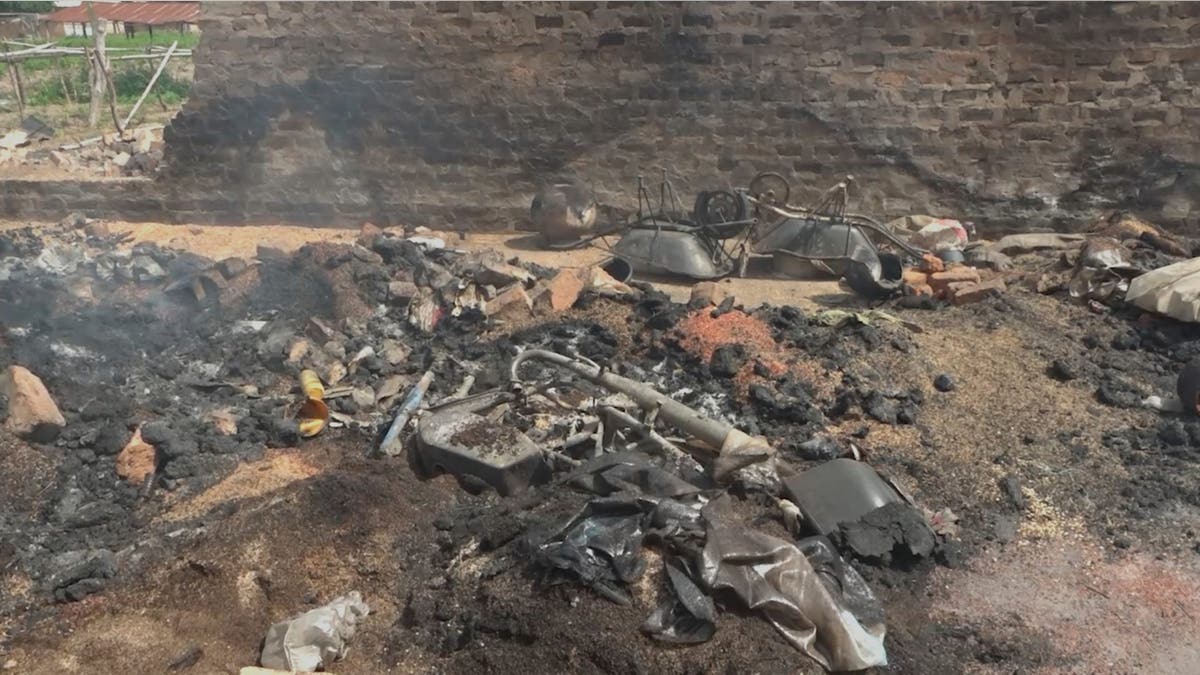
Pope Leo XIV condemned the killings of up to 200 people in Yelewata community in Nigeria. (Associated Press)
The persecution of Christians in Nigeria has reached crisis levels, as Islamist militants burn down villages, massacre worshipers and displace thousands across the north and central regions.
Attackers in June invaded a bishop’s village days after he testified before Congress, killing more than twenty people.
Other assaults in Plateau and Benue states have left hundreds dead, with survivors describing militants shouting «Allahu Akbar» as they burned churches and homes.
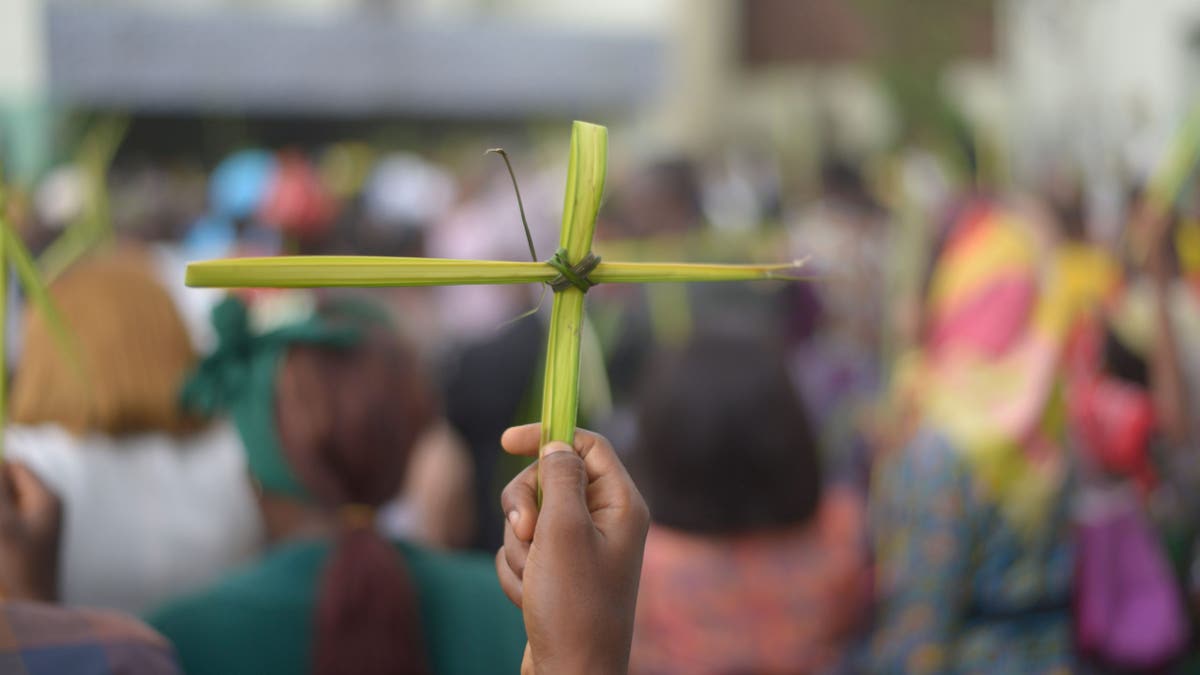
Members of St Leo Catholic Church hold a procession to mark Palm Sunday in Ikeja, Lagos, Nigeria, on April 13, 2025. (Adekunle Ajayi/Getty Images)
International watchdog group Open Doors reported nearly 70% of Christians killed for their faith last year were in Nigeria.
Groups like Boko Haram, Islamic State West Africa Province (ISWAP) and Fulani militants are blamed for most attacks, often targeting Christian farmers. Rights groups estimate 4,000–8,000 Christian deaths annually.
Sen. Ted Cruz, R-Texas, told Fox News Digital 50,000 Christians have been killed and 20,000 Christian schools and churches destroyed in the country since 2009, calling it «a crisis of religious genocide.»
Mark Walker, Trump’s ambassador-designate for International Religious Freedom, urged stronger U.S. pressure on Nigeria’s government, calling the violence a humanitarian crisis. He also pledged to work with Secretary of State Marco Rubio to strengthen U.S. advocacy.
I WAS KIDNAPPED BY BOKO HARAM, AND SURVIVED. NO THANKS TO THE WEST’S SILENCE
The White House and global leaders have condemned the violence, warning it could spread across Africa. However, Nigerian officials have denied systematic persecution, calling U.S. reports «misleading.»
Hours before Trump’s threat Saturday, Nigerian President Bola Ahmed Tinubu posted a statement on X, noting Nigeria «stands firmly» as a democracy governed by constitutional guarantees of religious liberty.
«Since 2023, our administration has maintained an open and active engagement with Christian and Muslim leaders alike and continues to address security challenges which affect citizens across faiths and regions,» Tinubu wrote in the statement. «The characterization of Nigeria as religiously intolerant does not reflect our national reality, nor does it take into consideration the consistent and sincere efforts of the government to safeguard freedom of religion and beliefs for all Nigerians. Religious freedom and tolerance have been a core tenet of our collective identity and shall always remain so.»
CLICK HERE TO DOWNLOAD THE FOX NEWS APP
«Nigeria opposes religious persecution and does not encourage it,» he continued. «Nigeria is a country with constitutional guarantees to protect citizens of all faiths. Our administration is committed to working with the United States government and the international community to deepen understanding and cooperation on protection of communities of all faiths.»
Fox News Digital’s Efrat Lachter and Sophia Compton contributed to this report.
terrorism,africa,white house,islam,donald trump





INTERNACIONAL
El gobierno de Irán acusó a Milei de haber cruzado una «línea roja» por decir que era un «enemigo» de la Argentina»
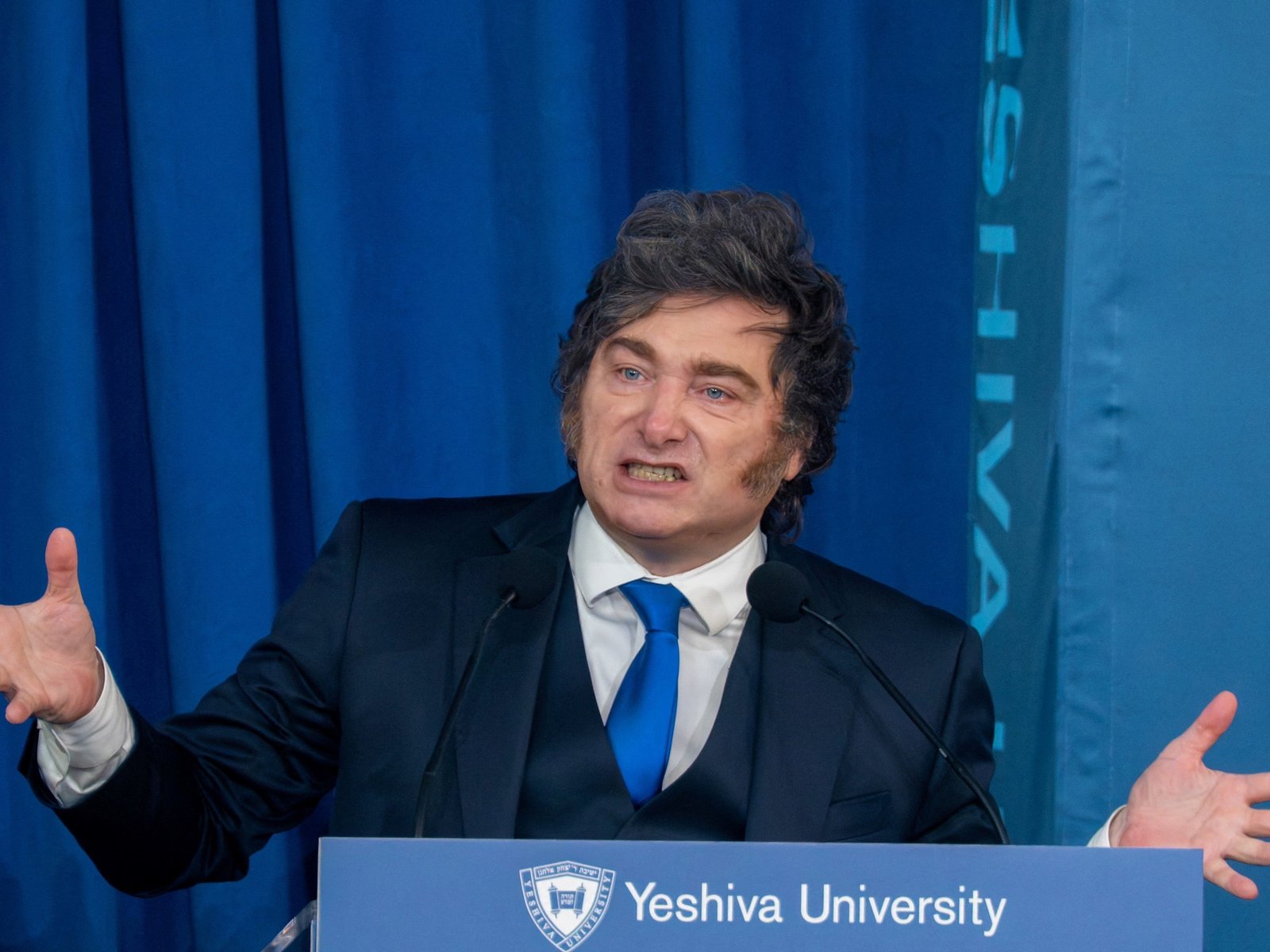
Aún durante el contraataque militar a los bombardeos de Estados Unidos e Israel, el gobierno iraní acusó a Javier Milei de “cruzar una línea roja” al sentenciar días atrás que la República Islámica de Irán era enemiga de la Argentina.
Lo hizo a través de una editorial firmada, aparecida este domingo en la noche en el diario Tehran Times, la voz de los ayatolás hacia el mundo diplomático. Y como en otras oportunidades ha dicho que está “alineado con el eje estadounidense-sionista”, y de que su política no responde a intereses nacionales sino “a presiones externas”, que el gobierno participa en “un proyecto de iranofobia”.
Firmado por Saleh Abidi Maleki, que suele escribir para el TT, y bajo el título “Milei, Quo Vadis?” (“Milei, ¿qué estás haciendo?”), el artículo tiene varios párrafos con acusaciones oficiales hacia el presidente argentino y desmentidas sobre la participación persa en el atentado a la mutual judía de 1994 (85 muertos) y concluye en tono de amenaza al libertario:
«Considerando estos hechos, Irán no puede permanecer indiferente ante las posiciones hostiles del actual gobierno argentino. La República Islámica de Irán, manteniendo al mismo tiempo una vigilancia total contra estos complots, debe diseñar una respuesta proporcionada a esta enemistad. La mano de los enemigos de Irán está manchada con la sangre de personas inocentes de nuestro país, incluyendo a más de 160 estudiantes de la escuela de Minab (destruida recientemente por un misil estadounidense). Ahora, Argentina se ha presentado oficialmente como enemiga de Irán y se ha alineado con Estados Unidos y el régimen sionista en la agresión militar contra nuestra nación. Esta es una línea roja imperdonable que ha sido cruzada». El texto fue distribuido a los periodistas por dirigentes cercanos al gobierno irani, teniendo en cuenta que la página está caída desde que empezó la guerra.
🇦🇷🇮🇷 | Javier Milei aseguró que Irán es “enemigo” de Argentina y no dudó en afirmar: “Vamos a ganar la guerra”, durante su discurso en la Universidad Judía Yeshiva, en Nueva York.
Además, ratificó la alianza estratégica de Argentina con Estados Unidos e Israel en medio de la… pic.twitter.com/XNXW6cOzH1
— Alerta Mundial (@AlertaMundoNews) March 9, 2026
La respuesta iraní, que deja al presidente argentino en el centro de la guerra de Oriente Medio, hace referencia al discurso de Milei el pasado lunes 9 de marzo cuando, en la Universidad Yeshiva, de Nueva York, donde se declaró «enemigo» de Irán y dijo estar “orgulloso de ser el presidente más sionista del mundo».
El punto que irritó a los persas fue el siguiente: «Vamos a ganar. No me cae bien Irán. Nos han metido dos bombas, una en la AMIA y otra en la Embajada de Israel. Por lo tanto, digamos, son nuestros enemigos. Pero además tengo una alianza estratégica con Estados Unidos e Israel», expresó ante el coro de estudiantes que cantaban «¡Milei, Milei!». Justamente el libertario tiene previsto participar este martes del acto de homenaje a las víctimas del atentado a la sede diplomática de Israel en Buenos Aires, ocurrido el 17 de marzo de 1991.
Durante su reciente viaje a Estados Unidos, Milei estuvo con Donald Trump y otros aliados del republicano que integran el ahora llamado «Escudo de las Américas» y participó en Manhattan de la denomina «Argentina Week», organizada junto al JP Morgan.
En el artículo publicado ahora por el Tehran Times, el autor se alza con la voz del régimen para acusar al gobierno argentino de convertirse en “un instrumento en manos del régimen sionista y Estados Unidos para avanzar en el proyecto de iranofobia”, en medio de lo que llamó la “agresión militar ilegal” actual al territorio iraní. Y dice que ese “proyecto de iranofobia comenzó hace 31 años”, al señalar como “falsas” las acusaciones de estar por detrás del atentado a la AMIA.
“Recientemente, en un discurso en una universidad de Estados Unidos (por Milei), calificó explícitamente a Irán como un «enemigo» y declaró que la política exterior de su país está alineada con las estrategias agresivas de Estados Unidos y el régimen de apartheid israelí contra Irán. Esto, mientras que la República Islámica de Irán nunca ha considerado al pueblo o al gobierno de Argentina como su enemigo, pero parece que Milei, con este enfoque y cruzando la línea roja de la seguridad nacional de Irán, busca sacrificar los intereses y la conveniencia nacional en el altar de Estados Unidos y el régimen de apartheid israelí”, señalaron con una acusación muy fuerte: la de “haber convertido a la Argentina en el Israel de América Latina; un lugar donde los grupos de presión y los elementos cercanos al régimen sionista tienen una profunda influencia en los centros de decisión. Esta influencia ha transformado a Argentina en una base para diseñar y ejecutar complots contra Irán.”
A criterio del artículo hay “empresas argentinas vinculadas a círculos sionistas que “participan en operaciones contra Irán”, “financian o apoyan agresiones militares”, y “realizan actividades de espionaje cerca de las fronteras iraníes”.
Con una foto publicada por el diario The New York Times de un centenar de tumbas para las niñas que perecieron en el bombardeo de las primeras horas sobre Irán, y en las que fue eliminado el líder supremo de la teocracia iraní, Alí Khamenei, el diario apuntó también en tono de advertencia sobre una participación argentina no comprobada.
“El punto más preocupante es la actividad de algunas de estas empresas cerca de las fronteras de Irán. Estas compañías, bajo la cobertura de la exportación e importación de bienes y servicios, han preparado el terreno para actividades de seguridad y espionaje contra la República Islámica de Irán. Utilizando una fachada comercial, se dedican al monitoreo y la transferencia de información, formando un eslabón en la cadena de amenazas contra la seguridad nacional de Irán», indicó.
Argentina hoy no tiene activa su histórica embajada en Irán, adonde hacía sus reclamos legales por las acusaciones de la justicia en torno al atentado a la Amia de 1994. Por lo menos hasta hace una semana el personal atendía desde países limítrofes, luego de que el ex canciller Gerardo Werthein decidiera bajar las persianas allí cuando se produjeron los primeros ataques estadounidenses contra las instalaciones nucleares de junio de 2025.
La embajada iraní en la Argentina sigue abierta, pero hay sectores libertarios que quieren que echen a su personal de aquí, mientras que otros sostienen que no sería lo más conveniente.
INTERNACIONAL
Cornyn clashes with progressive Rep Greg Casar in heated airport face-off over DHS shutdown

NEWYou can now listen to Fox News articles!
Sen. John Cornyn, R-Texas, and Rep. Greg Casar, D-Texas, got into a heated exchange Monday afternoon over Department of Homeland Security (DHS) funding after the progressive lawmaker attempted to interrupt the senator’s news conference.
«Why don’t you tell the Democrats to vote to pay these poor people,» Cornyn told Casar, referring to Transportation Security Administration (TSA) employees who missed their first full paychecks due to the shutdown on Friday.
«Let’s do it,» Casar, chair of the left-wing Congressional Progressive Caucus, responded.
«No, you do it,» Cornyn shot back. «I’ve voted for it time and time again.»
Sen. John Cornyn, R-Texas, and Rep. Greg Casar, D-Texas, engaged in a heated verbal spat over Department of Homeland Security (DHS) funding on Monday. (KTBC)
SCHIFF, BOOKER DEFLECT ON SHUTDOWN BLAME AMID TERROR CONCERNS, THOUSANDS OF DHS WORKERS WITHOUT PAY
The shouting match comes as the DHS shutdown entered its fifth week Monday, with negotiations to end the stalemate appearing to stall in recent weeks. Senate Democrats near unanimously blocked a Republican effort Thursday to fully fund the agency, citing opposition to spending measures that do not rein in immigration enforcement.
Cornyn, who is vying against Attorney General Ken Paxton, R-Texas, in a runoff election for a fifth Senate term, held a news conference outside the Austin airport on Monday to protest Democrats’ refusal to fully fund DHS. Casar, who represents the Austin area, crashed the event before Cornyn arrived.
The airport is currently advising passengers to arrive at least 2.5 hours before departure due to a shortage of TSA workers.
Cornyn also brought lunch to TSA employees who are reporting to work without pay — a gesture that Casar criticized.
«Instead of bringing people burgers, he should bring them their paychecks,» Casar told reporters in response to the Whataburger haul following the altercation.
Casar, however, has repeatedly voted against a full-year DHS appropriations bill that would fund the salaries of TSA employees through the end of September.
The Texas Democrat has instead pushed for a standalone measure to fund TSA while leaving the immigration enforcement-related functions of DHS without funding. Republicans have characterized that proposal as a nonstarter, arguing that every individual employed by DHS — including those working for Customs and Border Protection (CBP) and Immigration and Customs Enforcement (ICE) — should be paid.
House Democrats are expected to force a vote as early as this week on legislation that would fund the non-immigration portions of DHS.
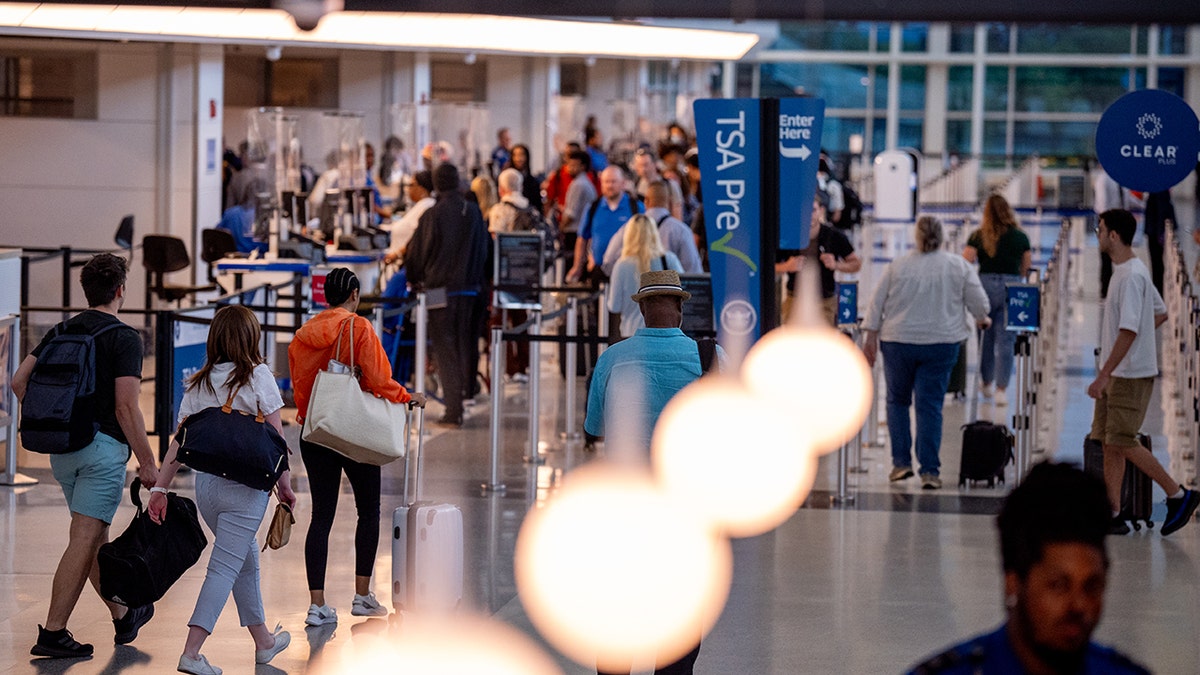
Travelers are encountering flight disruptions and long wait times at security checkpoints at airports across the country due to a shortage of Transportation Security Administration (TSA) employees, who are working without pay during the partial government shutdown. (Andrew Harnik/Getty Images)
SWALWELL PRESSED ON DEMOCRATS’ RESISTANCE TO FULLY FUNDING DHS AMID IRAN THREAT
Roughly 300 TSA officers have resigned and absences have more than doubled since the shutdown began, Transportation Secretary Sean Duffy said Sunday. The departures come after many TSA employees — who often live paycheck to paycheck — were also required to work without pay during a 45-day shutdown in fall 2025.
«At some point, when you’re not getting your paycheck, people are going to have to look for ways to support their families, which means they’ll be leaving the TSA for other employment,» Cornyn said Monday. «And that’s unacceptable.»
Lawmakers are guaranteed their pay under the Constitution, though some members of Congress have deferred their salaries in solidarity with federal employees.
Cornyn also excoriated Casar for declining to back a full-year DHS funding bill after a terrorist shooting at an Austin bar left the city reeling. The country has also seen terror-related attacks in New York City, Norfolk, Va., and West Bloomfield, Mich., over the past week.
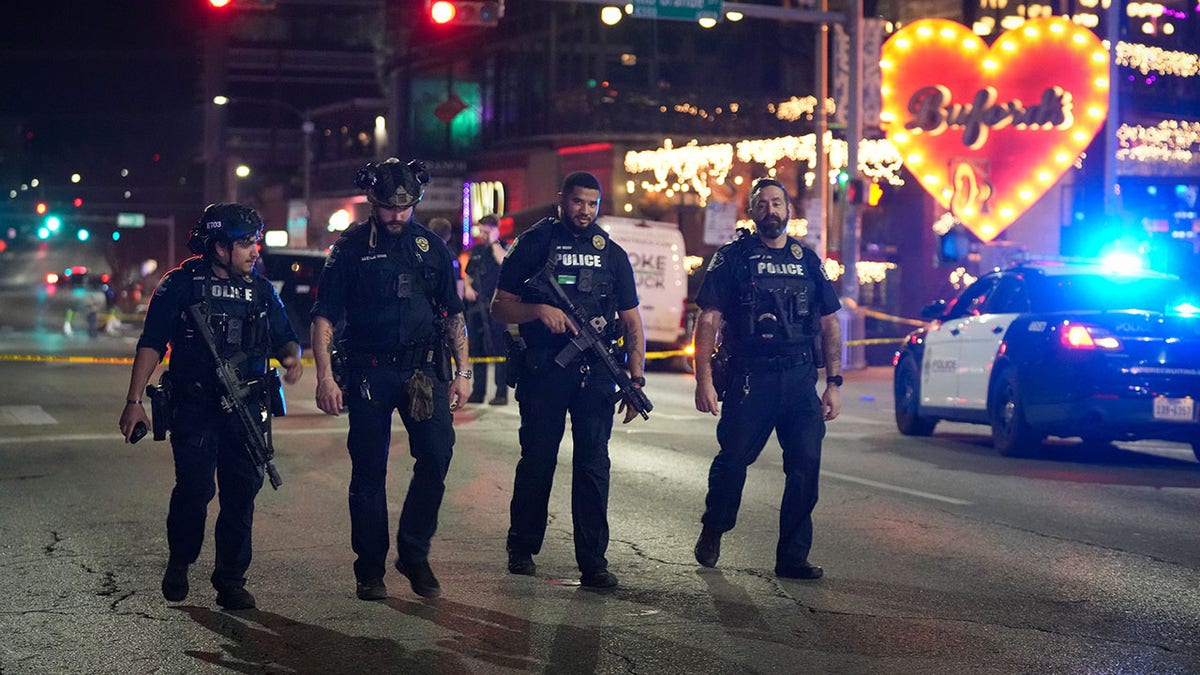
Austin police respond to the scene of a terror-linked shooting on West 6th Street on Sunday, where three people were shot and killed before the gunman was killed by responding authorities. (Jay Janner/The Austin American-Statesman via Getty Images)
CLICK HERE TO DOWNLOAD THE FOX NEWS APP
«How about all the terrorist attacks like we’ve seen down on Sixth Street?» Cornyn told Casar. «You want those to continue? These people are keeping us safe. Tell the Democrats to vote for funding the DHS.»
Fox News Digital reached out to Casar’s office for comment.
homeland security,government shutdown,republicans,congress,airports,politics
INTERNACIONAL
Cuba sufre un apagón total y anuncia que los emigrados y sus descendientes podrán abrir negocios en la isla
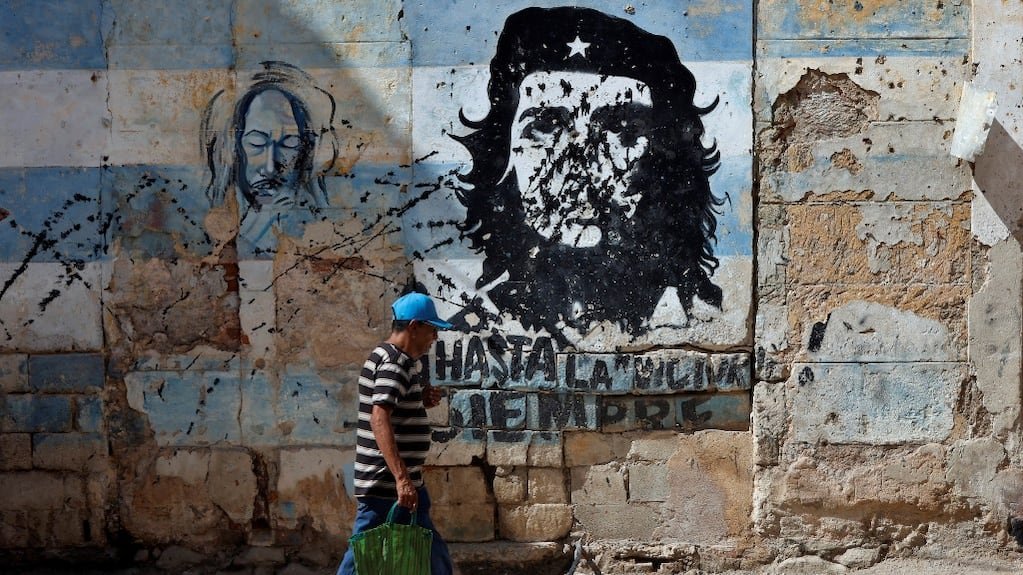
En medio de un apagón total a nivel nacional, el gobierno cubano dio este lunes la primera señal de apertura bajo fuerte presión de Donald Trump: los emigrados y sus descendientes podrán invertir y tener sus propios negocios en la isla.
“Cuba está abierta a mantener una relación comercial fluida con empresas estadounidenses” y “también con cubanos residentes en Estados Unidos y sus descendientes”, dijo el ministro de Comercio Exterior e Inversión Extranjera, Oscar Pérez-Oliva, en una entrevista con la cadena de televisión estadounidense NBC difundida este lunes.
Leé también: Donald Trump habló del líder supremo de Irán, Mojtaba Jamenei: “No sabemos si está muerto o no”
En la entrevista que concedió en La Habana, el ministro explicó que los emigrados podrán tener sus propios negocios en la isla, lo que constituye un viejo reclamo de la diáspora.
El anuncio se conoce en coincidencia con la confirmación de negociaciones con Estados Unidos y el aumento de las protestas y cacerolazos en distintos puntos de la isla. En la localidad de Morón, en el centro de la isla, manifestantes provocaron un incendio en la sede del Partido Comunista local.
Nuevo apagón nacional
Cuba sufrió este lunes un nuevo apagón nacional, el sexto en apenas año y medio, informó el Ministerio de Energía y Minas (Minem).
“Se ha producido una desconexión total del Sistema Eléctrico Nacional (SEN), se investigan las causas y comienzan a activarse los protocolos para el restablecimiento”, explicó en redes sociales Una imagen del héroe revolucionario cubano Ernesto «Che» Guevara junto a un televisor en el que aparece el presidente cubano Miguel Díaz-Canel dando un discurso, en el interior de una tienda de recuerdos en La Habana, Cuba, el viernes 13 de marzo de 2026. (AP Foto/Ramón Espinosa)
Cuba se encuentra sumida en una profunda crisis energética desde mediados de 2024. La situación se agravó en los últimos tres meses con el bloqueo petrolero impuesto por Estados Unidos y después de la captura de Nicolás Maduro y el ataque estadounidense a Venezuela.
Trump obligó al nuevo gobierno chavista de Delcy Rodríguez a interrumpir de cuajo el suministro de crudo a la isla.
Leé también: El gobierno de Trump ofrece una recompensa de US$10 millones a cambio de información sobre los líderes iraníes
La economía cubana está virtualmente paralizada sin combustible. La generación de electricidad del país está sostenida por una red de termoeléctricas envejecidas, algunas con más de 40 años de explotación.
Desde el 9 de enero no ha llegado a Cuba ningún tanquero, lo que obligó al gobierno de Miguel Díaz-Canel a adoptar medidas drásticas de ahorro, incluidas la suspensión de la venta de diésel y el racionamiento de la gasolina, así como la reducción de algunos servicios de atención hospitalaria.
Comienza la apertura en Cuba
El anuncio de la autorización a los emigrados y sus descendientes a abrir negocios en la isla se copnoce después que el presidente Miguel Díaz-Canel confirmara la marcha de negociaciones con el gobierno de Donald Trump, que viene amenazando con imponer un cambio de régimen en el país.
En la entrevista, el ministro Pérez-Oliva destacó que la apertura “se aplica a las inversiones (y) no solo a las pequeñas, sino también a las grandes inversiones, especialmente en infraestructuras”.
Según afirmó, el objetivo es reactivar sectores clave de la economía, como el turismo y la minería, así como restaurar la obsoleta red eléctrica del país, que lleva varios años sufriendo averías que provocan prolongados apagones.
Leé también: Israel: Netanyahu grabó un video en una cafetería para desmentir los rumores sobre su muerte
Si bien hasta hace poco el 80% de la economía cubana se basaba en un sistema de producción planificado y centralizado por empresas estatales, la crisis impulsó al gobierno a abrirse al sector privado.
En 2021 se permitió nuevamente la actividad de pequeñas y medianas empresas privadas, con hasta 100 empleados, tras haber estado prohibidas durante casi seis décadas.
Para 2025, unas 10.000 empresas privadas del país representaban el 15% del PIB y empleaban a más del 30% de la población activa. Ese mismo año, las ventas minoristas del sector privado superaron por primera vez a las del sector público, representando el 55% del comercio total.
A inicios de marzo, el gobierno cubano autorizó, por primera vez en casi 60 años, la asociación entre empresas públicas y privadas. Hasta entonces, las únicas empresas mixtas existentes eran las constituidas entre el Estado cubano y compañías extranjeras no estadounidenses.
(Con información de EFE y AFP)
cuba, Donald Trump

Joao Félix pasa facturas: ‘Hacía tiempo que un entrenador no me ponía en mi sitio’

Qué significa que tu gato duerma sobre tu pecho: la explicación de los expertos

TRAICIÓN Y ÉXODO: La promesa rota de Monteoliva que desató una ola masiva de bajas en la Policía Federal

El gobierno de Irán acusó a Milei de haber cruzado una «línea roja» por decir que era un «enemigo» de la Argentina»

Horacio Rodríguez Larreta reapareció y lanzó “Metrópolis”, su nuevo espacio en la Ciudad de Buenos Aires

Milei y el “fin” que tarda en llegar

La fuerte exigencia a Mauro Icardi para poder ver a sus hijas con Wanda Nara: “A Maurito se lo va a multar si no lleva a las menores al colegio”

BOMBAZO – Guerra abierta: Feinmann y Rossi contraatacan tras la denuncia de Victoria Villarruel

Video: así fue el feroz temporal que azotó Tucumán y causó inundaciones, rutas cortadas y suspensión de clases

Milei llegó a Madrid para participar de un foro ultraliberal organizado por expertos en criptomonedas

 CHIMENTOS2 días ago
La fuerte exigencia a Mauro Icardi para poder ver a sus hijas con Wanda Nara: “A Maurito se lo va a multar si no lleva a las menores al colegio”
- POLITICA3 días ago
BOMBAZO – Guerra abierta: Feinmann y Rossi contraatacan tras la denuncia de Victoria Villarruel
- CHIMENTOS1 día ago
El escalofriante dato de Ángel de Brito sobre Luciana de Gran Hermano tras su detención por viuda negra: “No fue el único ilícito, también había rodado otros hombres”