INTERNACIONAL
Vance’s past warnings reignite after Afghan national named as suspect in DC Guard shooting

NEWYou can now listen to Fox News articles!
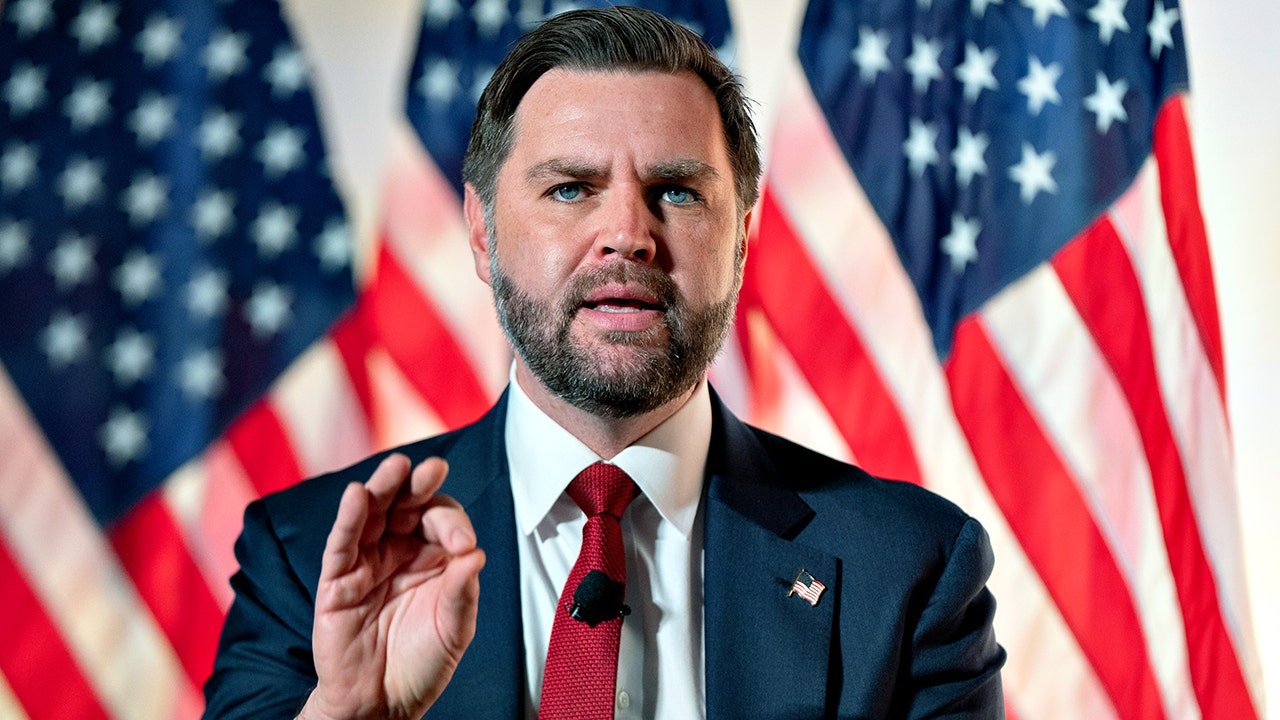
Vice President JD Vance has long cautioned about the U.S. refugee vetting process — dating back to the U.S. withdrawal of troops from Afghanistan in 2021 and the refugees who came afterward. Now, Vance’s previous remarks on the matter are resurfacing after two National Guard troops were shot in Washington Wednesday.
Law enforcement officials identified the shooting suspect as Rahmanullah Lakanwal, 29, who entered the U.S. legally in 2021 under the Biden administration’s Operation Allies Welcome program that sought to help resettle Afghan refugees in the U.S.
In 2021, Vance posted a video to social media in response to then-Sen. Ben Sasse, R-Neb., who argued that the U.S. had an obligation to assist refugees seeking to depart Afghanistan.
«Yes, let’s help the Afghans that helped us, but let’s ensure that we’re properly vetting them, so that we don’t get a bunch of people who believe they should blow themselves up at a mall because somebody looked at their wife the wrong way,» Vance, a Marine Corps veteran, said in the video clip.
Vice President JD Vance has long cautioned about the U.S. refugee vetting process. (Evan Vucci/The Associated Press)
ALLEGED DC SHOOTER ENTERED US UNDER AFGHAN RESETTLEMENT PUSH MAYORKAS VOWED WOULD BE DONE ‘SWIFTLY AND SAFELY’
Vance also claimed that a Pew Research Center survey found that four in 10 Afghans believe suicide bombing is justified to protect Islam.
Fox News Digital could not independently confirm the existence of the poll. However, Radio Free Europe/Radio Liberty, an American state-funded media organization, reported on the poll in 2013 with the same statistics.
Vance’s office did not immediately respond to a request for comment from Fox News Digital.
Afghanistan’s top religious leaders that make up the Afghan Ulema Council have previously issued Islamic rulings to ban suicide attacks, and have claimed such attacks aren’t in alignment with Islamic teachings.
More recently, Vance voiced similar concerns in an interview with CBS’s Margaret Brennan in January, where he said that «we have vetting problems with a lot of these refugee programs, we absolutely cannot unleash thousands of unvetted people into our country.»
WHO IS THE DC NATIONAL GUARDSMEN SHOOTING SUSPECT? WHAT TO KNOW ABOUT AFGHAN NATIONAL RAHMANULLAH LAKANWAL
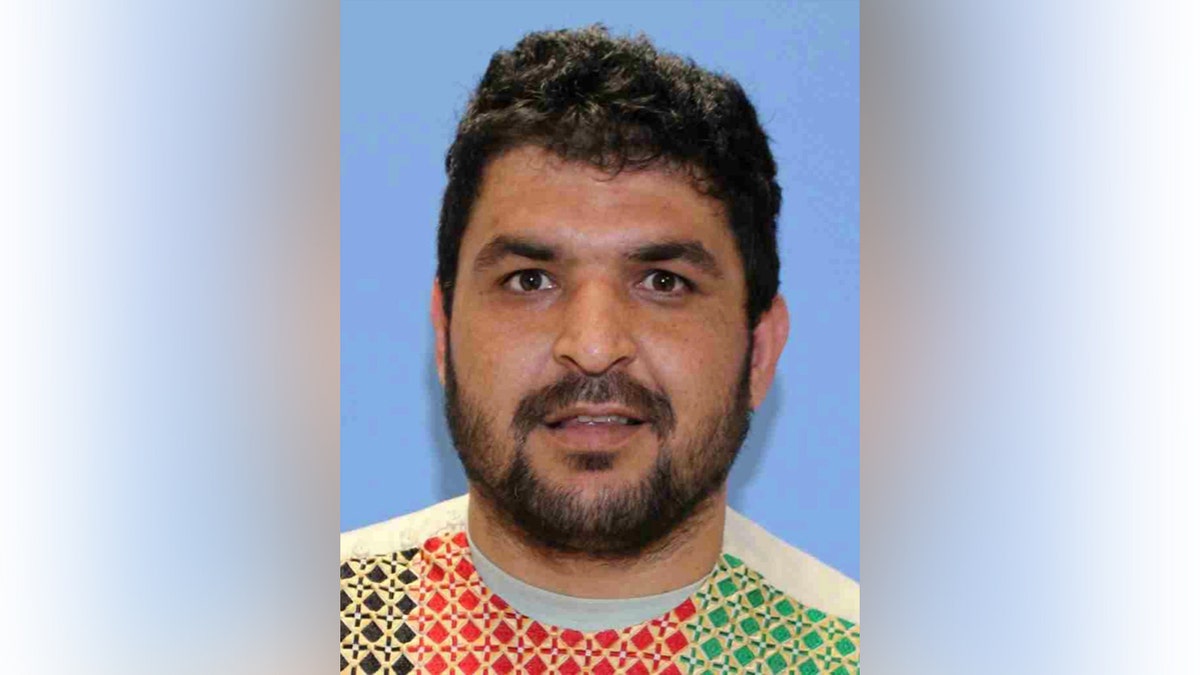
Undated file photo of Rahmanullah Lakanwal, the suspect in the shooting of two National Guard soldiers in Washington, Nov. 26, 2025. (Department of Justice)
Specifically, Vance pointed to an Afghan national, Nasir Ahmad Tawhedi, who at the time had been charged for allegedly planning a terrorist attack on or around Election Day in 2024. Since then, Tawhedi pleaded guilty to two terrorism-related charges in June.
Tawhedi and his co-conspirator Abdullah Haji Zada, also from Afghanistan, were arrested on Oct. 7, 2024, after they purchased firearms and ammunition from undercover FBI agents, according to the Justice Department. Court documents claim that the two purchased two AK-47 rifles, 500 rounds of ammunition, and 10 magazines with the intent to conduct a mass-casualty attack within the U.S.
Zada, 19, was sentenced earlier in November to 15 years in federal prison.
Vance referenced his remarks from 2021 Wednesday after the shooting in Washington, and signaled future action would emerge to crack down on the vetting process for refugees.
«I remember back in 2021 criticizing the Biden policy of opening the floodgate to unvetted Afghan refugees,» Vance said Wednesday. «Friends sent me messages calling me a racist. It was a clarifying moment.»
LAW ENFORCEMENT RESPONDING AFTER 2 NATIONAL GUARD MEMBERS SHOT NEAR WHITE HOUSE
«Many of our voters will demand not just words, but action, and this is an entirely appropriate response,» Vance said Wednesday. «We will first bring the shooter to justice, and then we must redouble our efforts to deport people with no right to be in our country.»
U.S. Army Specialist Sarah Beckstrom, 20, died Thursday due to injuries from the Wednesday shooting, and U.S. Air Force Staff Sgt. Andrew Wolfe remains in critical condition, U.S. Attorney for the District of Columbia Jeanine Pirro said.
Fox News Digital first reported that Lakenwal partnered with the U.S. government, including the CIA, as a member of a partner force in Afghanistan.

File photo of National Guardsman Sarah Beckstrom who died following a shooting incident in Washington D.C., on the evening of Nov. 26, 2025. (Department of Justice)
DETAILS EMERGE ON CIA UNIT ALLEGED NATIONAL GUARD SHOOTER SERVED WITH IN AFGHANISTAN
In response to the shooting, Trump said in a Thursday social media post that he would permanently pause migration from «all Third World Countries.»
Additionally, the head of U.S. Citizenship and Immigration Services, Joseph Edlow, said Thursday that in accordance with orders from Trump, he has «directed a full scale, rigorous reexamination of every Green Card for every alien from every country of concern.»
CLICK HERE TO DOWNLOAD THE FOX NEWS APP
The White House did not provide additional information regarding which countries would be impacted, and referred Fox News Digital to Trump’s social media post.
Fox News’ Brooke Singman contributed to this report.
white house,jd vance,donald trump,homeland security,border security













NEWYou can now listen to Fox News articles!
Senate Democrats have panned the GOP’s push for voter ID legislation as akin to segregationist laws from the Deep South, but the architect of the bill in the Senate says their arguments are detached from reality.
«It’s paranoid fantasy,» Sen. Mike Lee, R-Utah, told Fox News Digital. «These are absurd arguments. They should be ashamed to make them.»
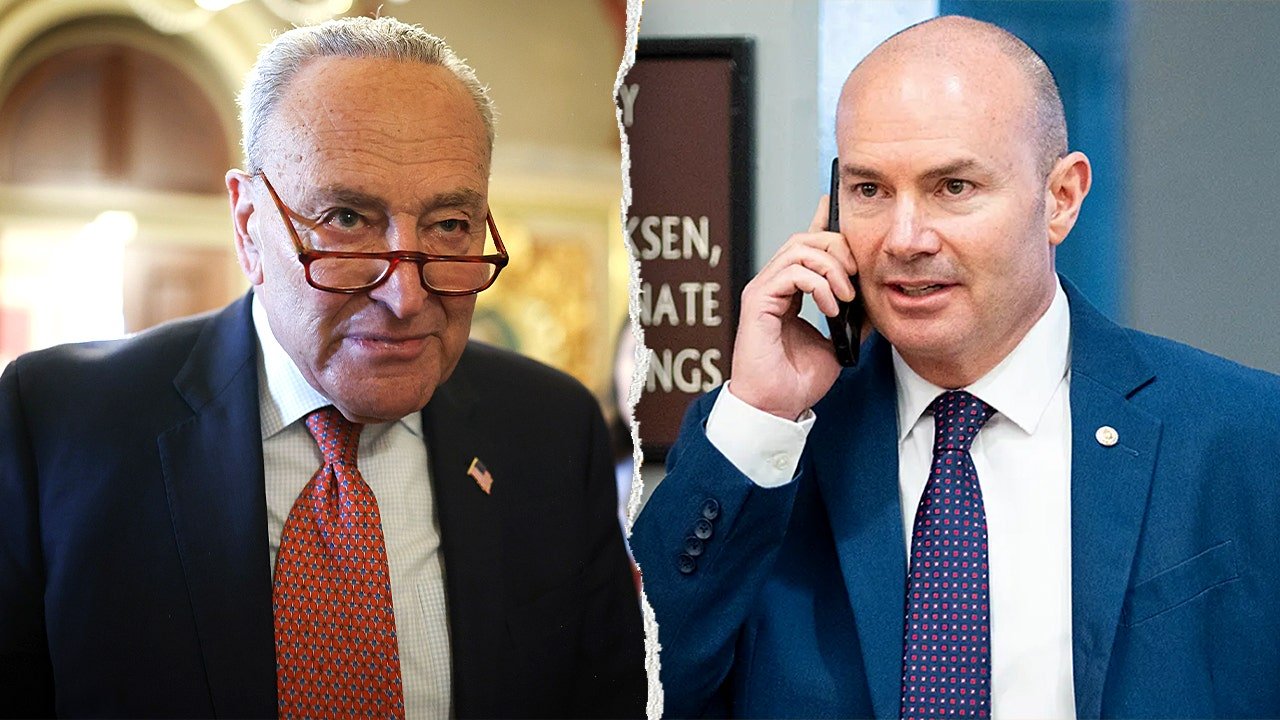
Lee was responding to comments from Senate Minority Leader Chuck Schumer, D-N.Y., who has doubled down on his claim that the Safeguarding American Voter Eligibility (SAVE) America Act is «Jim Crow 2.0.»
THUNE GUARANTEES VOTER ID BILL TO HIT THE SENATE DESPITE SCHUMER, DEM OPPOSITION: ‘WE WILL HAVE A VOTE’
Sen. Mike Lee, R-Utah, called the accusation that his voter ID legislation was «Jim Crow 2.0» by Senate Minority Leader Chuck Schumer, D-N.Y., «paranoid fantasy.» (Kayla Bartkowski/Getty Images; Bill Clark/CQ Roll Call, Inc. via Getty Images)
The bill, which passed the House last week and has been introduced and championed by Lee in the Senate, would require photo ID to vote in federal elections, proof of citizenship to register and would mandate that states keep voter rolls clear of ineligible voters.
Schumer and his caucus plan to block the bill, arguing that it is a tool of voter suppression that would disproportionately harm poorer Americans and minority groups.
But Lee argued that providing identification or proof of citizenship is routine in everyday life — whether undergoing a background check to buy a firearm or filling out tax forms when starting a new job.
COLLINS BOOSTS REPUBLICAN VOTER ID EFFORT, BUT WON’T SCRAP FILIBUSTER

Senate Majority Leader John Thune, R-S.D., told Fox News Digital that the SAVE America Act, voter ID legislation backed by President Donald Trump, would get a vote in the Senate. (Michael M. Santiago/Getty Images)
«By their logic, it’s Jim Crow to require somebody to establish citizenship before taking a job with a new employer, and that’s insane,» Lee said.
«And so then they argue here, well, voting is so fundamental, and we have constitutional protections protecting our right to vote,» he continued. «Well, we’ve got constitutional protections protecting our right to bear arms, and yet that doesn’t cause us to dispense with proving who you are and your eligibility to buy a gun. This has just been insane.»
Without Democratic support, however, the pathway to sending the legislation to President Donald Trump’s desk is complicated.
GOP REACHES KEY 50-VOTE THRESHOLD FOR TRUMP-BACKED VOTER ID BILL AS SENATE FIGHT LOOMS

President Donald Trump listens during a Cabinet meeting at the White House, Jan. 29, 2026, in Washington. (Evan Vucci/AP Photo)
Senate Majority Leader John Thune, R-S.D., has vowed to bring the SAVE America Act to the floor, and Republicans have the votes to move it through its first key procedural hurdle. From there, Democrats can block it with the 60-vote filibuster, which Lee often refers to as the «zombie» filibuster.
Eliminating the filibuster is out of the question for several of Lee’s colleagues, but Republicans are warming to reinstating a talking, or standing, filibuster, which would require Senate Democrats to make their case against the bill on the floor over hours of debate.
CLICK HERE TO DOWNLOAD THE FOX NEWS APP
Trump has already suggested he would issue an executive order if the legislation fails, which Lee declined to speculate on without first knowing what exactly would be done.
But he noted that it was all the more reason to pass the SAVE America Act, given the ever-swinging political pendulum in Washington, D.C.
«It’s still really critically important that we pass this law, because let’s assume that he issued such an order, and that it does most or all of what we needed to do here, that gives us protection for the moment, to whatever degree he’s able to do that through an executive action,» Lee said. «But we need something that can last longer than he’s in office.»
politics,senate,elections,chuck schumer
REUTERS/Raheb Homavandi
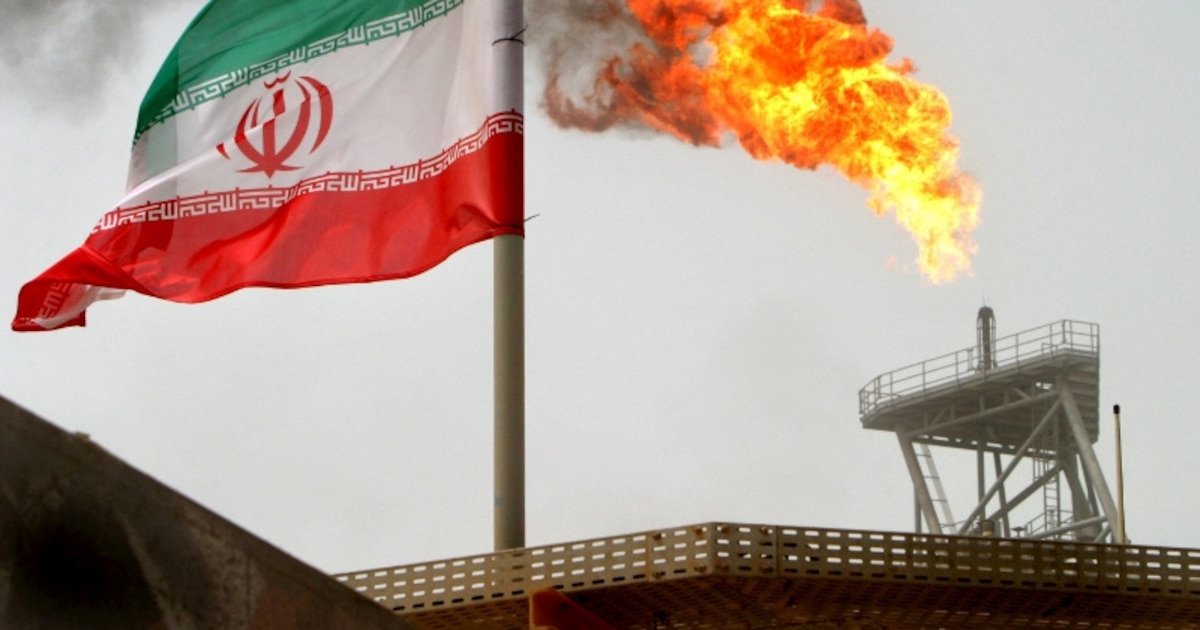
Las negociaciones nucleares entre Irán y Estados Unidos en Ginebra abrieron una fase de mayor optimismo en los mercados, tras jornadas marcadas por declaraciones enfrentadas entre el presidente Donald Trump y las autoridades iraníes. El precio del petróleo, que había subido ante el aumento de la tensión, experimentó una baja luego de que el ministro de Exteriores iraní, Abbas Araghchi, declarara que “se ha abierto una nueva ventana de oportunidad” para alcanzar un acuerdo sostenible, aunque Irán mantiene su disposición a defenderse ante cualquier amenaza.
El barril de West Texas Intermediate cerró con una caída de 0,9% hasta $62,33, tras haber llegado a subir 1,5% durante la jornada. Por su parte, el Brent del Mar del Norte retrocedió 1,8% hasta $67,42. Analistas del sector, como Aarin Chiekrie de Hargreaves Lansdown, indicaron que “hay especulación sobre la posibilidad de que Irán acepte diluir su uranio más enriquecido a cambio del levantamiento total de las sanciones financieras”, aunque persisten dudas sobre si ese gesto será suficiente para lograr un acuerdo definitivo.
Desde Teherán se informó que existe un acuerdo general con Washington sobre los términos básicos de un potencial pacto, mientras que un funcionario estadounidense confirmó que los negociadores iraníes volverán a Ginebra con una nueva propuesta en dos semanas. A pesar de estos avances, ambos países mantienen despliegues militares en la región: Irán anunció el cierre temporal de una parte del Estrecho de Ormuz para ejercicios militares, mientras que Estados Unidos envió un segundo portaviones. Esta situación añade volatilidad a los mercados energéticos, ya que el Estrecho es un punto clave para el tránsito mundial de crudo.
En el ámbito bursátil, Wall Street cerró la sesión con leves alzas, después de una jornada volátil. Chiekrie señaló que “los corredores de seguros, asesores financieros, servicios inmobiliarios y logística estuvieron bajo presión la semana pasada, y los inversores observan con cautela qué segmento del mercado podría ser el próximo en verse afectado por la inteligencia artificial”. Las bolsas europeas finalizaron en terreno positivo, con Londres y Fráncfort subiendo 0,8%, mientras que Tokio retrocedió y los mercados chinos permanecieron cerrados por el Año Nuevo Lunar.

EFE/ Cati Cladera
En el Reino Unido, los datos oficiales mostraron que el desempleo alcanzó un 5,2% en el último trimestre, el nivel más alto en cinco años, lo que aumenta la probabilidad de que el Banco de Inglaterra reduzca su tasa de interés de referencia el mes próximo. En el mercado de divisas, el dólar estadounidense se debilitó frente al yen.
Por otro lado, la Cámara de Industria y Comercio de Alemania advirtió que la mayor economía europea no se recuperará en 2026, debido a la persistente incertidumbre geopolítica, los altos costos y la débil demanda interna. Alemania apenas logró un crecimiento moderado en 2025, tras dos años de recesión.
En el sector corporativo, las acciones del gigante agroquímico Bayer subieron cerca de ocho por ciento luego de que su filial Monsanto propusiera un acuerdo de hasta USD 7.250 millones para resolver demandas colectivas en Estados Unidos, relacionadas con el supuesto vínculo entre el herbicida Roundup y el cáncer en sangre, lo que podría cerrar años de litigios costosos.
Mientras tanto, los inversores siguieron de cerca las negociaciones mediadas por Estados Unidos entre Ucrania y Rusia en Ginebra. Un asistente del equipo negociador de Kiev informó que las conversaciones continuarán el miércoles, y una eventual resolución podría allanar el camino para el levantamiento de sanciones y el incremento de los flujos petroleros hacia los mercados internacionales.
(Con información de AFP y Bloomberg)
Corporate Events,Commodities Markets,Energy Markets

Lara López Calvo presentó el nuevo mapa laboral argentino: cómo cambió el empleo tras la pandemia

Sin Sampaoli, el equipo brasileño que piensa en Gago

La caída de José Jerí en Perú: por qué es tan fácil echar a un presidente

Mike Lee calls Schumer’s ‘Jim Crow 2.0’ attack on voter ID bill ‘paranoid fantasy’

Ludovica Squirru analizó el Año Nuevo Chino 2026 y lanzó una advertencia para todos los signos

Internaron a Alberto Samid en un hospital de Punta del Este por un virus en la sangre

Cristian Ritondo: “Vamos a apoyar la ley de modernización laboral, pero no el régimen de licencias por enfermedad”

Uno de los jefes de la CGT adelantó que convocarán a un paro general por la reforma laboral: “Trabajaremos para que sea una gran huelga”

Chaotic video shows passengers trading midair blows; plane forced to divert: reports

Reforma laboral bomba: menos indemnización, más horas y despidos más fáciles — el cambio que puede sacudir el empleo en Argentina

 POLITICA1 día ago
Cristian Ritondo: “Vamos a apoyar la ley de modernización laboral, pero no el régimen de licencias por enfermedad”
- POLITICA2 días ago
Uno de los jefes de la CGT adelantó que convocarán a un paro general por la reforma laboral: “Trabajaremos para que sea una gran huelga”
- POLITICA5 horas ago
Reforma laboral bomba: menos indemnización, más horas y despidos más fáciles — el cambio que puede sacudir el empleo en Argentina