INTERNACIONAL
WATCH: Trump ‘wants to get’ stock-trading ban done, Hawley insists after president’s brutal attack on bill

NEWYou can now listen to Fox News articles!
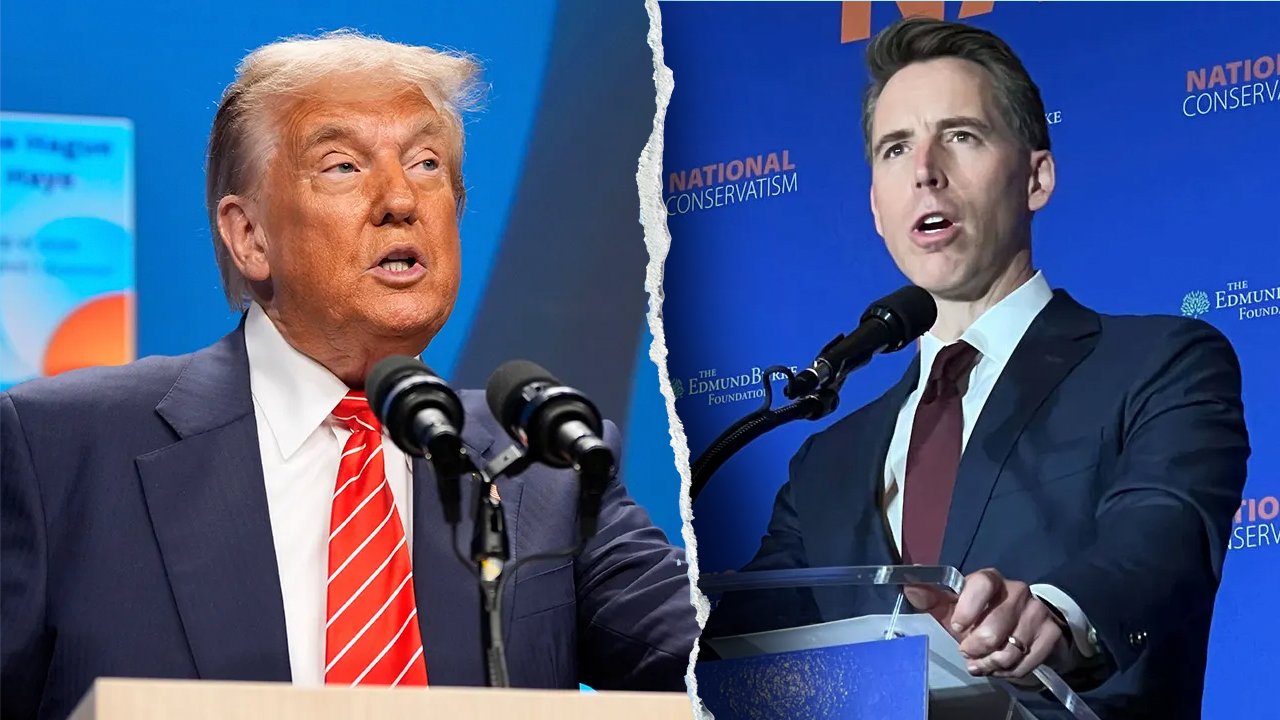
Despite President Donald Trump’s harsh criticism over his bill to ban stock trading among top government officials, Sen. Josh Hawley, R-Mo., insists he has a good rapport with the president, who shares his goal of enacting such a ban.
«The president and I had a really good conversation,» Hawley told Fox News Digital on Thursday, adding «he wants to get it done.»
«What the White House wanted was that the president, the vice president not be covered. They’re not, the offices are, but it’ll be the next office holders,» he explained.
The Missouri Republican added that «in fairness, we did the same thing for Joe Biden. We passed this last year, and we set the date out so that it would be the next president who had to comply.»
«So, Trump and Vance are not covered, but all the members of Congress are. And it’s not a perfect bill, but it’s pretty tough,» said Hawley.
CONGRESSIONAL STOCK TRADING BAN PASSES THROUGH COMMITTEE AS HAWLEY DENIES REPORTS OF WHITE HOUSE PUSHBACK
After being harshly criticized by President Donald Trump, left, over his bill to ban stock trading among top government leaders, Sen. Josh Hawley, R-Mo., said that despite the criticism, the president «wants to get it done.» (AP Photo/Alex Brandon and Joseph A. Wulfsohn/Fox News Digital)
Hawley’s measure, originally named the PELOSI Act but switched to the HONEST Act after Senate Democrats agreed to support it, irked Trump and many Senate Republicans. The bill was advanced out of committee by an 8-7 vote, with Hawley joining Democrats to approve the bill.
Shortly after the vote, Trump drilled into Hawley in a Truth Social post in which he called him a «pawn» and «second-tier» senator.
«The Democrats, because of our tremendous ACHIEVEMENTS and SUCCESS, have been trying to ‘Target’ me for a long period of time, and they’re using Josh Hawley, who I got elected TWICE, as a pawn to help them,» he wrote. «I wonder why Hawley would pass a Bill that Nancy Pelosi is in absolute love with — He is playing right into the dirty hands of the Democrats. It’s a great Bill for her, and her ‘husband,’ but so bad for our Country! I don’t think real Republicans want to see their President, who has had unprecedented success, TARGETED, because of the ‘whims’ of a second-tier Senator named Josh Hawley!»
Despite the pushback, Hawley told Fox News Digital, «I want to get this done.»
«I want to get this banned. So, I will work with anybody, I said to my colleagues, like if you’ve got good faith changes you want to make, you think will make this stronger, I’m all for it. I will do it,» he went on. «What I will not do, though, is consensus stuff that’s going to kill the bill.»
TRUMP BACKS STOCK TRADING BAN SO LAWMAKERS LIKE PELOSI CAN’T CONTINUE ‘RIPPING OFF’ CONSTITUENTS, WH CLAIMS
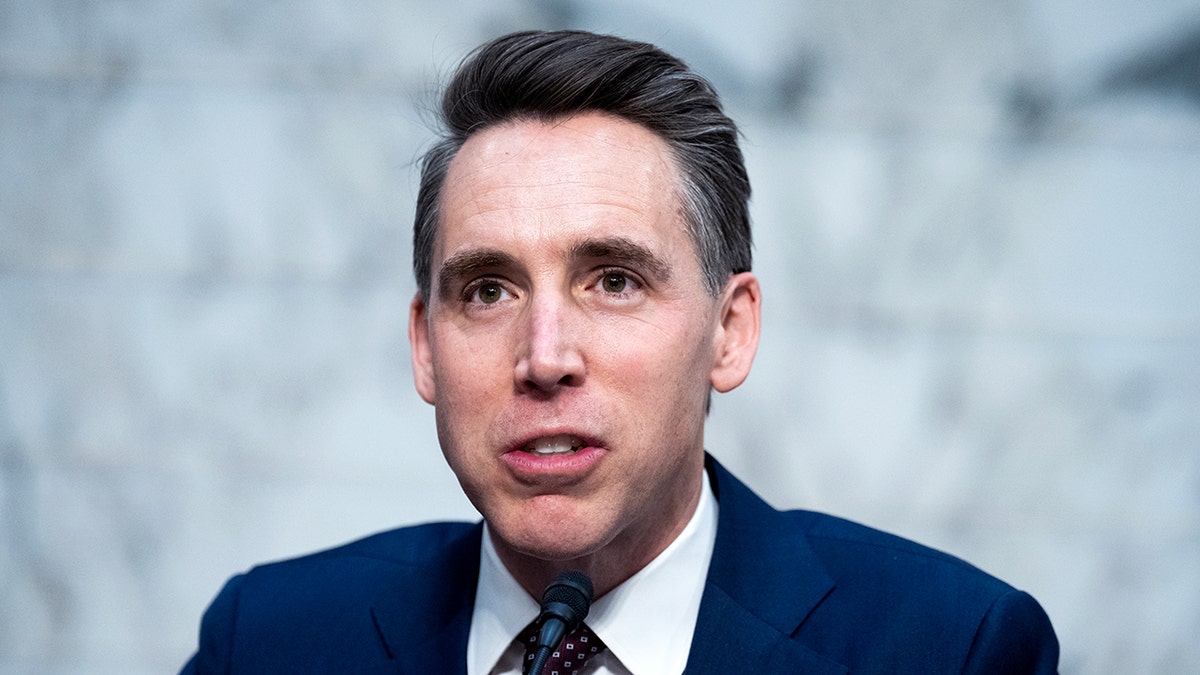
Despite the pushback, Sen. Josh Hawley told Fox News Digital, «I want to get this done.» (Tom Williams/CQ-Roll Call, Inc via Getty Images)
He blasted an amendment proposed by Sen. Rick Scott, R-Fla., and promoted by Trump, which he said, «would have gutted the bill.»
«Scott made really clear he’s opposed to this bill, and he was attempting to kill the bill,» said Hawley.
«I’ve seen this for six years now. Members campaign on banning stocks, and then they get here, and they’re like, well, this isn’t the right time, or maybe let’s do it later, or let’s never do it, or you heard today, let’s have another hearing. We’ve had hearings for years,»
For his part, Scott told Fox News Digital that «Trump’s on the right side.»
«This was a bill that Senator Hawley teamed up with Democrats to attack Trump,» he said. «Here’s a guy that went through Russiagate, went through an indictment, went through conviction, went through all this stuff, and then this is just a new bill to go target the president.»
PELOSI PUSHES BACK ON INSIDER TRADING ALLEGATIONS ON CNN
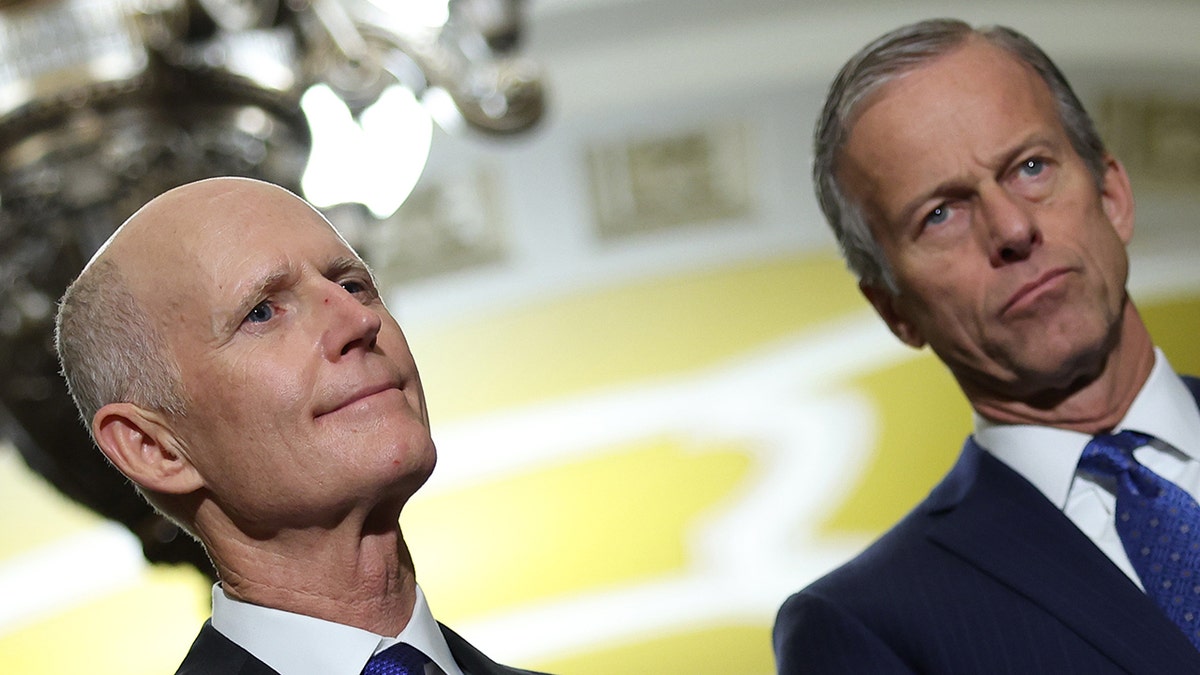
U.S. Sen. Rick Scott (R-FL), left, and Sen. John Thune (R-SD) wait to speak to reporters following the Senate weekly policy luncheons at the U.S. Capitol on Dec. 6, 2022 in Washington, D.C. (Kevin Dietsch/Getty Images)
Sen. Ron Johnson, R-Wisc., meanwhile, told Fox News Digital that he thinks it is «hypocritical» of Rep. Nancy Pelosi, D-Calif., to be supporting the bill after years of her husband engaging in lucrative trading.
«I thought it was interesting that all the Democrats, together with Senator Hawley, voted against Rick Scott’s excellent amendment, which would have asked GAO to do an investigation of how did she get so wealthy,» he said. «If they really wanted to get to the bottom of that, they would have supported that amendment. The fact that they voted against it speaks volumes.»
«The idea is good, the execution is not as good,» said Sen. James Lankford, R-Okla.
«I wanted to be able to see a bill that’s actually fixed and that actually works. This bill bans things like cryptocurrency, digital currency, it says you can’t use stablecoin,» he explained. «It’s a straightforward idea. But we’ve got to be able to clean up the language of this particular version of it to make sure it’s right.»
Sen. Rand Paul, R-Ky., also took issue with the bill specifically for exempting Trump. He told Fox News Digital, «If it were a good bill, they would apply it to Donald Trump. The fact that they’re excluding Donald Trump, and he’s going to be exempt from it, probably means it’s not a very good bill.»
PELOSI’S STOCK TRADING LEGACY HAUNTS DEMOCRATS AS JEFFRIES SLAMS GOP FRESHMAN’S ‘THIEVERY’
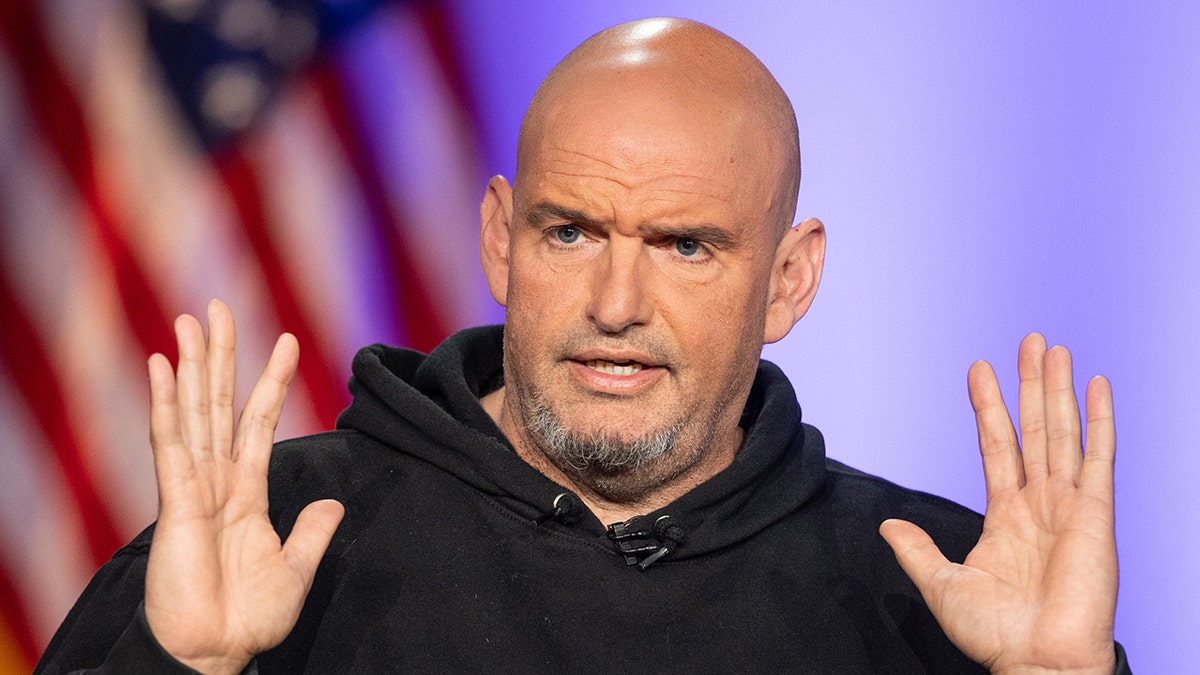
Sen. John Fetterman speaks during the sixth installment of The Senate Project moderated by Fox News anchor Shannon Bream at the Edward M. Kennedy Institute for the United States Senate on June 2, 2025 in Boston. (Scott Eisen/Getty Images)
He said that if passed, the bill would «deter» leaders with strong business acumen.
«I think you want to bring people like that. You’re going to deter a lot of people like from coming, not just banning them from owning stock, but saying they have to sell all of their businesses. I think it’s over the top and not well thought out,» said Paul.
CLICK HERE TO GET THE FOX NEWS APP
On the other side of the aisle, Sen. John Fetterman, D-Pa., voiced support for the bill, saying, «treat everyone equally, and don’t trade stock if you’re a member here.»
In conclusion, Hawley said he agreed to the changes to exclude Trump and Vance, to get a bill that could be signed into law.
«I want something that’ll pass and that he can sign, and I think we took a step forward on that today,» he said.
republicans,congress,senate,nancy pelosi,donald trump,legislation











INTERNACIONAL
Mamdani ignites social media outrage after photo-op at notorious NYC jail: ‘F—ing ridiculous’
NEWYou can now listen to Fox News articles!
As New York City Mayor Zohran Mamdani has been embracing his Muslim faith amid Ramadan, he decided to break his religious fast with inmates who share his faith, in New York’s notorious Rikers Island jail, calling it «one of the most meaningful evenings» he’s had as mayor.
Although Mamdani has visited Rikers Island in the past as a state legislator, this marked his first visit as mayor of New York City.
Shortly before arriving, he reiterated his pledge to shut down the jail and have the city absorb the incarcerated population into its borough-based jails. He also hinted at plans to hire a facilitator to expedite those plans.
«This is me just being a Muslim New Yorker,» Mamdani said during the visit to Rikers, according to NPR. «There are some for whom that is a political act.»
NYC MAYOR MAMDANI’S WIFE GLORIFIED TERRORISTS IN ONLINE POSTS, CRITICIZED US MILITARY: REPORT
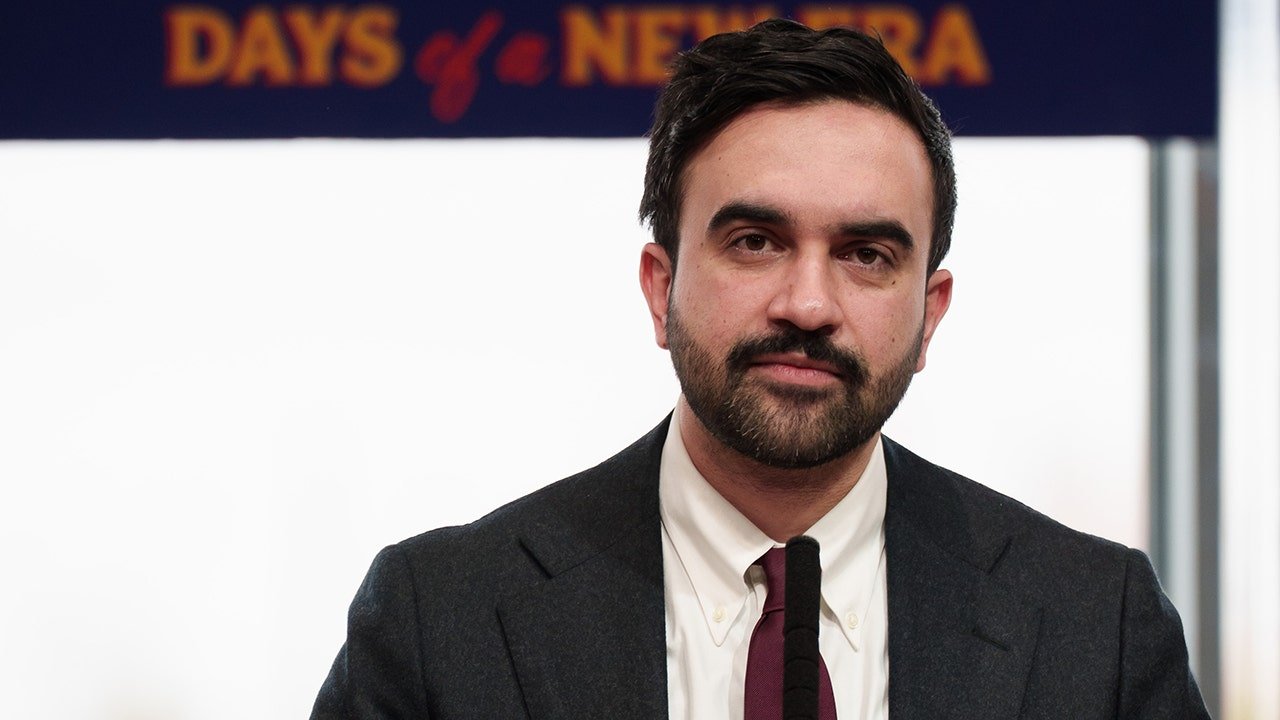
Mayor of New York Zohran Mamdani next to Dylan Contreras, a high school student who was recently released from federal custody, speaks during a press conference at Middle Collegiate Church in New York City on March 19, 2026. (Leonardo Munoz/AFP via Getty Images)
Mamdani was joined during the visit by Yusef Salaam, a member of the so-called «Central Park Five» who were exonerated of a 1989 rape and assault. Salaam currently serves as a member of the New York City Council.
Social media erupted after Mamdani’s X post, with many critics questioning his decision to visit inmates at Rikers, which is notorious for its violent criminals.
Mystery novelist Daniel Friedman, who, according to his bio on Macmillan Publishers’ website, lives in New York City, noted, «You have to be an absolute monster to be sent to Rikers Island these days.»
«Offenders on Rikers all have long histories of doing things so horrible that even the woke, pro-crime judges and prosecutors in NYC don’t want to be responsible for what they’ll do if they let them go,» Friedman added.
Moshe Hill, a long-time Long Island resident and candidate for the Nassau County legislature, agreed with Friedman.
«Criminals in prison are just ‘New Yorkers in custody,’ according to Mamdani. Why are they in custody? You don’t go to Rikers Island for nothing!» Hill quipped.
DAVID MARCUS: THE MORE AMERICA GIVES MAMDANI, KHALIL AND THE MAD BOMBERS, THE MORE THEY HATE US

A view of Rikers Island on a winter morning, as seen from a passenger flight leaving LaGuardia Airport, January 31, 2026, in the borough of Queens, New York City. (Andrew Lichtenstein/Corbis via Getty Images)
«Mayor likes to hang out with the people who victimize us. F—ing ridiculous,» Newsmax’s Rob Schmitt posted on X.
Meanwhile, Emmy-Award winning producer and columnist Daniella Greenbaum Davis made her own post, asking the New York City mayor whether he had also visited the victims of the inmates he was meeting with.
«Visiting people in jail is admirable but just wondering if you’ve also visited their victims / the families of their victims?» she questioned. «Seems like there is a bizarre progressive determination to invert victimization I can’t quite understand.»
Among Mamdani’s celebrations during Ramadan was an iftar, or a daily fast-breaking, at the Museum of the City of New York. That also triggered some responses, including from a former college football coach and lawmaker, Sen. Tommy Tuberville, R-Ala.,
DR. PHIL CALLS OUT ZOHRAN MAMDANI’S WIFE AFTER REPORTEDLY LIKING SOCIAL MEDIA POSTS ABOUT OCT. 7 ‘HOAX’ CLAIMS
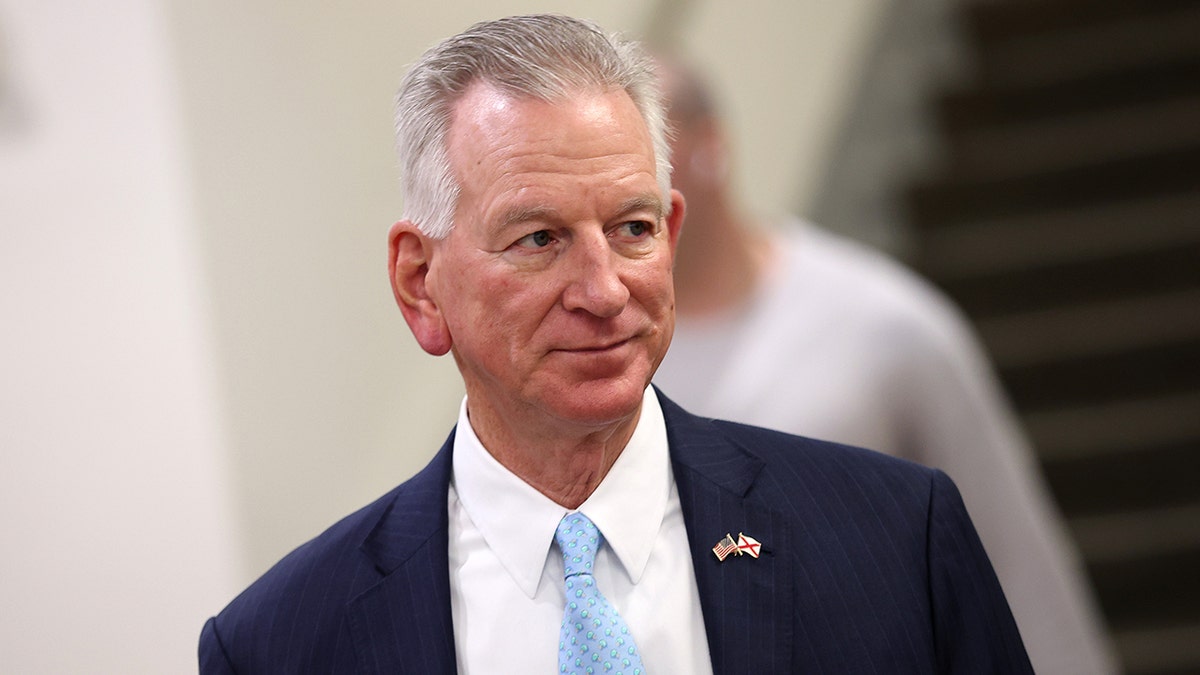
U.S. Sen. Tommy Tuberville (R-AL) speaks to reporters as he returns to his office at the U.S. Capitol on February 10, 2026, in Washington, DC (Kevin Dietsch/Getty Images)
Tuberville shared a photo of Mamdani at the iftar alongside a photo of the Twin Towers on fire after planes hit them on Sept. 11, 2001. «The enemy is inside the gates,» Tuberville captioned the post.
Tuberville has faced backlash over the post, but the GOP senator stood firm and defended his social media post.
«I just go by his rhetoric,» Tuberville said.
«He’s made a lot of statements about his stance with Islam and radical Islam, all the things that go along with what he preaches every day. And I’m just kind of repeating what he’s saying,» the senator told D.C. News Now’s Reshad Hudson.
CLICK HERE TO DOWNLOAD THE FOX NEWS APP
«We don’t need a division in this country. We need everybody to go with the Constitution, understand we have moral values. And if we all stick with those — I don’t care if you’re Muslim or Catholic or Baptist, it makes no difference,» he continued.
He added, «We need to make the country better; we don’t need to divide it. That’s what he’s doing in New York.»
Fox News Digital’s Landon Mion contributed to this report.
new york city,zohran mamdani,police and law enforcement
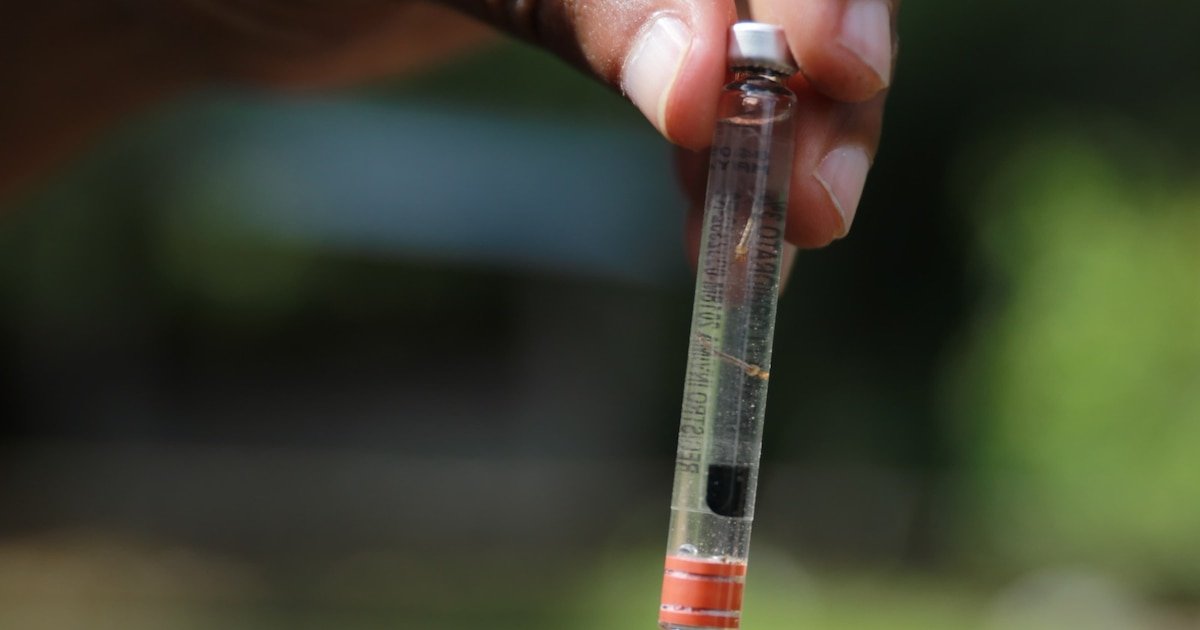
El dengue en Panamá muestra un comportamiento que comienza a encender alertas en la población más joven. Según el último informe del Ministerio de Salud (Minsa), el grupo de 10 a 14 años es actualmente el más afectado, con una tasa de incidencia de 32.4 casos por cada 100,000 habitantes, superando al resto de los rangos etarios.
Este dato refleja una tendencia que preocupa a las autoridades sanitarias, ya que evidencia una mayor exposición de los menores de edad a entornos donde prolifera el mosquito Aedes aegypti.
En términos generales, el país acumula 1,232 casos de dengue hasta la semana epidemiológica No. 8 de 2026. De ese total, 1,081 corresponden a casos sin signos de alarma, mientras que 146 presentan signos de alarma y 5 han sido clasificados como dengue grave, lo que mantiene la vigilancia activa del sistema de salud.
Las cifras evidencian que, aunque la mayoría de los contagios son leves, existe un grupo de pacientes que puede evolucionar hacia formas más complejas de la enfermedad.

El informe también detalla el impacto en el sistema hospitalario, con un total de 149 personas hospitalizadas a nivel nacional. Además, se han registrado 4 defunciones, correspondientes a Bocas del Toro, con tres casos, y Coclé, con uno.
Estas cifras, aunque contenidas en comparación con otros países de la región, reflejan que el dengue sigue siendo una enfermedad con potencial letal si no se detecta y atiende a tiempo.
A nivel territorial, la distribución de los casos confirma que el virus mantiene una circulación activa en distintas zonas del país. La Región Metropolitana encabeza la lista con 337 casos, seguida por Colón, Bocas del Toro, San Miguelito y Panamá Oeste, que concentran una parte importante de los contagios.
También destacan áreas como Panamá Este, Herrera y Panamá Norte, lo que evidencia que la transmisión no está focalizada, sino extendida en múltiples regiones.
Entre los principales síntomas del dengue, las autoridades mencionan la fiebre, el dolor de cabeza, el malestar general, los dolores musculares y el dolor ocular.

Ante la presencia de estos signos, el Minsa insiste en la importancia de no automedicarse y acudir de forma oportuna a un centro de salud. La detección temprana es clave para evitar complicaciones, especialmente en pacientes que pueden desarrollar signos de alarma como sangrados o dolor abdominal intenso.
En el contexto regional, la situación del dengue en las Américas muestra un comportamiento mixto. De acuerdo con la Organización Panamericana de la Salud (OPS), hasta la semana epidemiológica 7 de 2026 se han reportado 299,210 casos sospechosos, de los cuales 66,690 han sido confirmados, además de 458 casos graves y 47 muertes .
Aunque estas cifras representan una disminución frente a 2025, las autoridades mantienen la alerta debido a la circulación simultánea de varios serotipos del virus.

La OPS también ha advertido que el dengue sigue siendo una de las enfermedades vectoriales más relevantes en la región, con capacidad de generar brotes explosivos cuando las condiciones climáticas y ambientales favorecen la reproducción del mosquito.
Factores como el aumento de temperaturas, la acumulación de agua y el crecimiento urbano desordenado continúan impulsando la expansión del virus en países de América Latina.
En Panamá, las autoridades sanitarias han reiterado que el control del dengue depende en gran medida de la participación ciudadana. El Minsa ha intensificado los operativos a través del equipo de Control de Vectores, pero insiste en que la eliminación de criaderos en viviendas y comunidades es fundamental para reducir los casos.
Recipientes como latas, botellas, neumáticos y cualquier objeto que acumule agua representan un riesgo directo.
El comportamiento del dengue en 2026, tanto a nivel nacional como regional, confirma que la enfermedad sigue siendo un desafío constante para los sistemas de salud.
Aunque las cifras actuales muestran cierta contención en comparación con años anteriores, la presencia de casos graves, defunciones y el impacto en población joven obligan a mantener las estrategias de vigilancia, prevención y respuesta activa en todo el país.
paciente,psiquiatría,hospital,salud mental,descanso,cama,luz cálida,noche,recuperación,bienestar
INTERNACIONAL
Trump administration urges judge to dissolve injunction blocking Abrego Garcia’s deportation to Liberia

NEWYou can now listen to Fox News articles!
The Department of Justice (DOJ) on Friday urged a judge to dissolve the injunction that keeps the Trump administration from detaining Kilmar Abrego Garcia again so he can quickly be deported to Liberia.
«Dissolution is also warranted because the Court’s Memorandum Order failed to acknowledge that the Court’s own prior injunction against removal is the sole impediment to Petitioner’s prompt removal,» the DOJ wrote in a court filing obtained by Fox News Digital. «The Court cannot both impose the impediment that delays removal and consequently prolongs detention and, at the same time, hold that the resulting detention is impermissibly prolonged.»
It added, «Any attempt by this Court to permanently enjoin the government from exercising its authority to remove the Petitioner from this country is in direct contradiction to established judicial norms, and a clear error of law.»
The administration deported Abrego Garcia, who they claim is a member of MS-13, a year ago to a prison in his native El Salvador, but he was returned to the U.S. in June to face human smuggling charges in Tennessee related to a 2022 traffic stop despite at first saying the administration had no power to bring him back.
His Lawyers deny he is a member of MS-13.
US JUDGE VOWS TO RULE ‘SOON’ ON ABREGO GARCIA’S FATE AFTER MARATHON HEARING
Kilmar Abrego Garcia arrives at U.S. District Court for the District of Maryland in December. (Alex Wong / Getty Images)
He was released from detention in December on the grounds that the Trump administration had not obtained the final notice of removal order that is needed to deport him to a third country.
Abrego Garcia, 31, has become a flash point in the national immigration debate since last March, when he was deported to El Salvador in violation of a 2019 court order in what Trump administration officials acknowledged was an «administrative error.»
The Supreme Court later ruled that the administration had to work to bring him back to the U.S.
JUDGE ORDERS MIGRANT DEPORTED IN ‘ERROR’ FREE FROM ICE CUSTODY WITH CRIMINAL CASE LOOMING
He has pleaded not guilty on the human smuggling charges and is seeking dismissal of the charges on the grounds of vindictive and selective prosecution.
The 2019 court order prevents Abrego Garcia from being deported to El Salvador after an immigration judge determined he faced danger from a gang that had threatened his family. He immigrated to the U.S. illegally as a teenager and has been under the supervision of Immigration and Customs Enforcement (ICE).
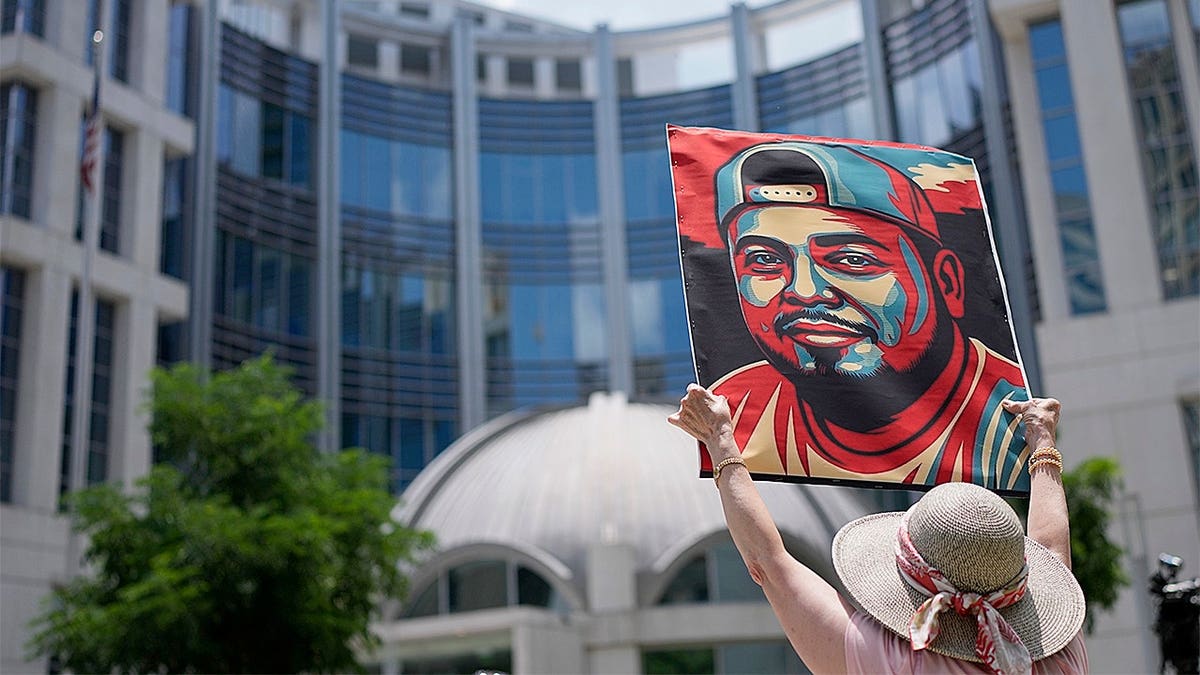
A protester holds a poster of Kilmar Abrego Garcia in front of the U.S. District Court in Nashville, Tenn. (Getty Images )
Last month, U.S. District Judge Paula Xinis agreed to convert her previous emergency order blocking ICE from immediately re-detaining Abrego Garcia into a longer-term form of injunctive relief sought by his lawyers.
She said that the Trump administration failed to provide the court with any «good reason to believe» that they plan to remove Abrego Garcia to a third country in the «reasonably foreseeable future.» Instead, she said, they «made one empty threat after another to remove him to countries in Africa with no real chance of success.»
Abrego Garcia has said he’s willing to be sent to Costa Rica, but Acting Immigrations and Customs Enforcement Director Todd Lyons said he will instead be removed to Liberia.
Abrego Garcia’s attorney said in December Abrego was willing to leave for Costa Rica immediately, and that the country had given him asylum status months ago.
CLICK HERE TO DOWNLOAD THE FOX NEWS APP
Kilmar Abrego Garcia enters a U.S. Immigration and Customs Enforcement (ICE) field office in Baltimore, Md. (Anna Moneymaker/Getty Images)
The government’s «persistent refusal to acknowledge Costa Rica as a viable removal option, their threats to send Abrego Garcia to African countries that never agreed to take him, and their misrepresentation to the Court that Liberia is now the only country available to Abrego Garcia, all reflect that whatever purpose was behind his detention, it was not for the ‘basic purpose’ of timely third-country removal,» Xinis said in December.
The administration asked the judge to rule on its request to have the injunction dissolved by April 17.
Fox News Michael Sinkewicz, Louis Casiano, Breanne Deppisch, and Jake Gibson contributed to this report.
justice department,federal courts,federal judges,immigration,politics,white house,donald trump

Mamdani ignites social media outrage after photo-op at notorious NYC jail: ‘F—ing ridiculous’

Boca Juniors vs. Instituto: formaciones, hora y dónde ver por tv

Casi u$s500 millones más que el año pasado: así crecieron las exportaciones del agro

La ausencia de Final Fantasy en Nintendo ha alejado a los jugadores jóvenesde la franquicia, según Yoshi-P – Nintenderos

Entre la polémica y el show: el íntimo festejo de cumpleaños de Tini Stoessel antes de cantar en el estadio Kempes

Video: el primer gol de Rodrigo Castillo en Brasil

Juicio por YPF: la Justicia de EEUU benefició a Argentina y suspendió todas las demandas hasta que se defina la cuestión de fondo

Senado: la oposición pidió explicaciones por $LIBRA y los vuelos de Adorni y Bullrich defendió al Gobierno

Kicillof desembarcó en CABA, lanzó su proyecto 2027 y empezará a ampliar su armado político en todo el país

¿DÓNDE ESTÁ ESMERALDA? El grito de una madre que sacude a la Argentina: «Me la arrebataron de la puerta»

 POLITICA2 días ago
Kicillof desembarcó en CABA, lanzó su proyecto 2027 y empezará a ampliar su armado político en todo el país
- POLITICA3 días ago
¿DÓNDE ESTÁ ESMERALDA? El grito de una madre que sacude a la Argentina: «Me la arrebataron de la puerta»
- POLITICA2 días ago
¿MACRI 2027? El «operativo retorno» que sacude al PRO y los nombres que suenan para la vicepresidencia