INTERNACIONAL
Nuevo intento para aumentar descuentos a jubilados en Panamá avanza en la Asamblea


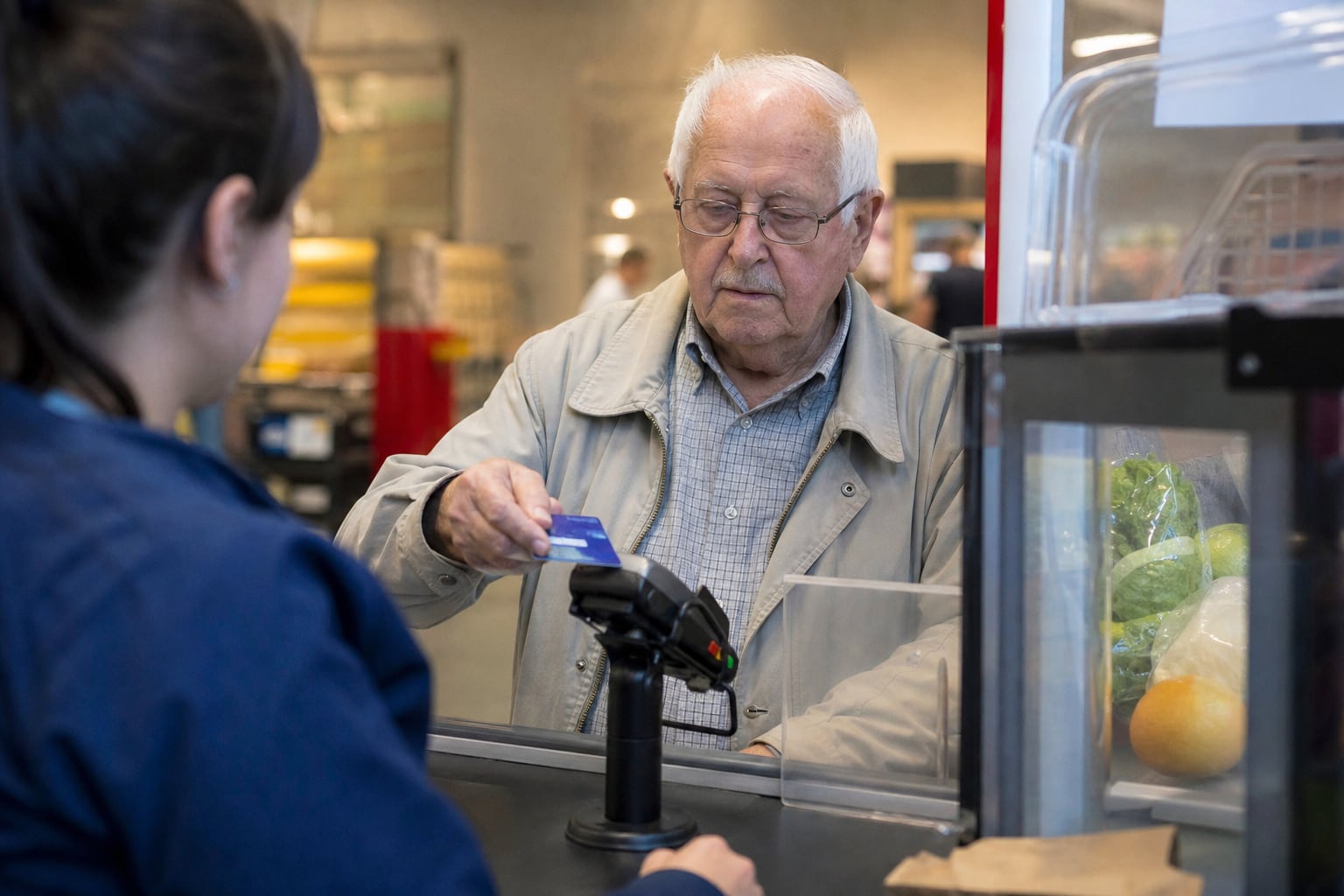
La Asamblea Nacional retomó la ampliación de los descuentos para jubilados, pensionados y adultos mayores con la aprobación en primer debate del proyecto de ley 746.
La nueva iniciativa revisa varios beneficios y contempla mecanismos de compensación para los comercios, después de que el presidente José Raúl Mulino objetara una propuesta similar.
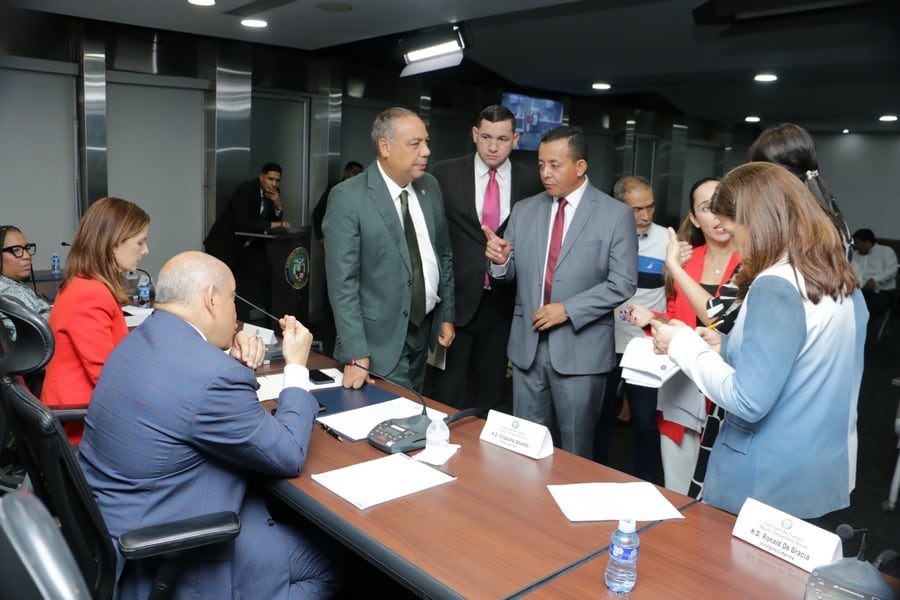
La Comisión de Trabajo, Salud y Desarrollo Social, presidida por Crispiano Adames, aprobó el proyecto tras modificar, eliminar e incorporar artículos durante su discusión. El documento deberá superar el segundo y tercer debate legislativo antes de ser remitido al Ejecutivo para su eventual sanción y promulgación.
El antecedente es el proyecto 226, aprobado por la Asamblea en agosto de 2026, que fue objetado totalmente por Mulino el 20 de septiembre. El mandatario invocó razones de inconveniencia e inexequibilidad, en medio de cuestionamientos sobre las obligaciones económicas que las nuevas rebajas impondrían a distintos sectores.
La comparación de las iniciativas muestra una reducción de algunos porcentajes originalmente propuestos. El proyecto 226 contemplaba inicialmente descuentos del 35% en restaurantes y establecimientos de comida rápida, mientras que el texto presentado del 746 establece una rebaja del 25% sobre el consumo individual, incluidas las franquicias nacionales e internacionales.
En medicamentos, el nuevo documento presentado contempla un descuento del 25% sobre el precio de venta, mientras que el proyecto anterior había planteado porcentajes superiores durante su tramitación. La propuesta también incorpora beneficios específicos para tratamientos oncológicos, incluidos medicamentos, procedimientos e insumos relacionados con la atención de pacientes con cáncer.
Los servicios médicos forman parte de los beneficios que se busca ampliar o actualizar. El proyecto 746 contempla descuentos del 25% en consultas generales y especializadas, 20% en exámenes de laboratorio y 30% en servicios radiológicos y determinados tratamientos oncológicos, según las condiciones previstas en su articulado.
En electricidad, la iniciativa establece una rebaja del 30% para consumos residenciales de hasta 600 kilovatios hora, frente al límite de 700 contemplado en el proyecto anterior. También propone descuentos del 30% en agua, telefonía e internet, sujetos a requisitos relacionados con los contratos y los límites de facturación.
Otros beneficios incluyen rebajas en pañales desechables, productos de higiene y equipos de movilidad, así como descuentos en servicios funerarios y tasa de aseo. El documento incorpora además incentivos para adaptar las viviendas a las necesidades de accesibilidad, especialmente en instalaciones destinadas a mejorar la seguridad y el desplazamiento.
Una diferencia relevante es la creación de un mecanismo para compensar económicamente a las microempresas que otorguen los descuentos. El proyecto propone establecer un fideicomiso destinado a reembolsar hasta el 100% de los beneficios debidamente facturados por negocios inscritos y acreditados ante la Autoridad de la Micro, Pequeña y Mediana Empresa.
La propuesta también contempla el reconocimiento tributario de los descuentos concedidos por los establecimientos y mecanismos de fiscalización para verificar su aplicación. En la administración y supervisión del sistema participarían la Ampyme, el Ministerio de Economía y Finanzas y la Contraloría, conforme a las disposiciones que se establezcan.
Estas modificaciones buscan responder a las preocupaciones expresadas por gremios empresariales durante la discusión del proyecto 226, posteriormente objetado por el Ejecutivo. En aquel debate, la Cámara de Comercio, Industrias y Agricultura de Panamá cuestionó el aumento de los descuentos obligatorios y sus posibles consecuencias para las actividades económicas.

La Asociación Panameña de Hoteles también advirtió sobre el impacto de ampliar las rebajas y las dificultades para deducirlas fiscalmente. Representantes del sector farmacéutico expresaron inquietudes sobre los márgenes de ganancia y la sostenibilidad de los establecimientos, especialmente de los pequeños negocios obligados a conceder beneficios adicionales.
Durante la discusión de aquella propuesta, el Consejo Nacional de la Empresa Privada solicitó una evaluación técnica de las medidas, mientras la Asociación Bancaria de Panamá planteó preocupaciones sobre sus posibles efectos en el acceso al crédito. El Ministerio de Economía y Finanzas también advirtió sobre las implicaciones fiscales de los descuentos.
Las diferencias llevaron a revisar las disposiciones y buscar mecanismos de compensación para los comercios, mediante conversaciones entre representantes empresariales, organizaciones de jubilados y autoridades. Adames destacó que la nueva discusión incorporó una mesa técnica para conciliar los intereses económicos y sociales involucrados.
Con el avance del proyecto 746, queda pendiente conocer la evaluación del sector privado sobre los cambios introducidos, particularmente los porcentajes de descuento y el mecanismo de compensación.

La reacción de los gremios será importante para determinar si las modificaciones atienden las preocupaciones que marcaron la iniciativa anterior.
Guillermo Cortés, dirigente del Movimiento Mundo de Jubilados, sostuvo que los beneficios alcanzarán también a adultos mayores que no reciben pensión. Por su parte, el diputado Javier Sucre, proponente de la iniciativa, estimó en 270 millones de dólares anuales el valor de los beneficios, una cifra presentada durante la discusión legislativa.
Los promotores esperan que el proyecto avance a segundo debate durante la próxima semana y complete su trámite antes del 31 de octubre. Sin embargo, su aprobación definitiva todavía depende del pleno legislativo y del Ejecutivo, mientras permanecen abiertas las interrogantes sobre el financiamiento de las compensaciones y su aplicación.
24 julio 2023,ancianos,calor,canas,carro de la compra,category_code_new,eduardo parra,mayores,persona mayor,población mayor,salud,tercera edad








INTERNACIONAL
Anti-Trump Republican courts other defectors as House weighs another vote against Iran war
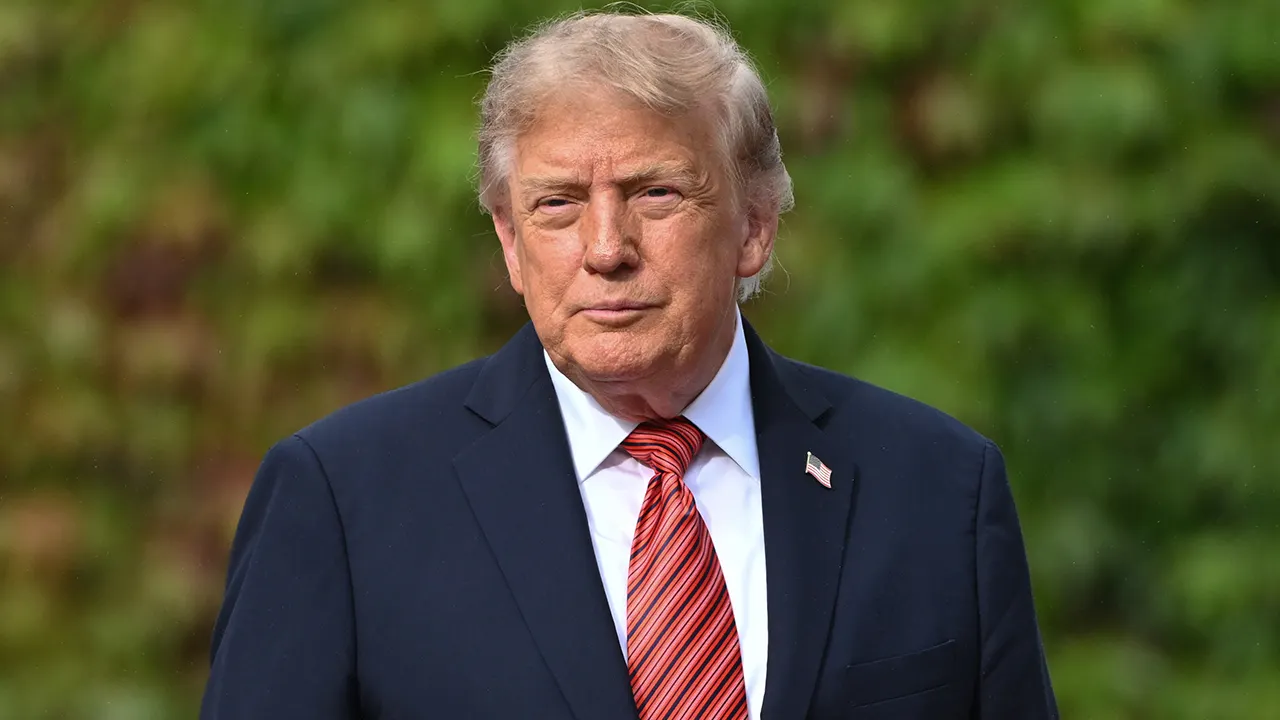
EXCLUSIVE: House Republicans and Democrats are preparing another effort to challenge President Donald Trump’s military operations in Iran, with lawmakers signaling that additional Republicans could break with the president and support a War Powers resolution.
Rep. Thomas Massie, R-Ky., told Digital that another Iran War Powers resolution could come to the House floor «in the next few legislative days» or around Christmas.
This would mark the fourth attempt this year to restrict Trump’s military actions against Iran.
«I’m offering Republicans a life boat from MAGA,» Massie told Digital, expressing optimism that more members of his party could join the effort.
7 REPUBLICANS REBEL AGAINST TRUMP, VOTE WITH DEMS TO REIN IN IRAN WAR POWERS
House Armed Services Committee Chairman Mike Rogers, R-Ala., told Digital that he would oppose the resolution but acknowledged that «Massie has been having conversations with members» in an effort to secure additional Republican support.
Rep. Jeff Van Drew, R-N.J., echoed Rogers’ assessment, suggesting that «one or two» additional Republicans could join Massie and the Democrats who previously supported the measure.
SWING-DISTRICT REPUBLICAN BREAKS WITH TRUMP, PUSHES LIMITS ON IRAN WAR
Reps. Tom Barrett, R-Mich., Warren Davidson, R-Ohio, and Brian Fitzpatrick, R-Pa., previously voted in favor of an Iran War Powers resolution.
Barrett told Digital on Thursday that he would maintain his support if the new resolution mirrors the previous legislation.
«My position would be consistent for it,» Barrett said.
However, Barrett expressed skepticism that additional Republicans would join the effort, noting that few members appeared willing to shift their positions during the previous vote.
GOP HOLDS WITH TRUMP ON IRAN WAR, BUT CRACKS EMERGE AS DEADLINE NEARS
Massie also acknowledged uncertainty over whether he could secure more Republican votes, criticizing his party’s continued support for Trump’s military operations.
«Congress is paralyzed,» Massie told Digital, accusing Republicans of remaining «still in the suicide pact with this administration.»
TRUMP SUFFERS RARE HOUSE DEFEAT AS BIPARTISAN VOTE MOVES TO WITHDRAW TROOPS FROM IRAN CONFLICT
House Democrats, meanwhile, expressed optimism that Republicans’ losses in the 2026 midterm elections could encourage more GOP lawmakers to break with Trump’s foreign policy agenda.
«If they’re listening to the people that sent them here, yes,» Rep. Ayanna Pressley, D-Mass., told Digital when asked whether additional Republicans could support the effort. «That’s what they should do.»
Rep. Rosa DeLauro, D-Conn., also expressed confidence that more Republicans could join the effort, saying she «thinks they would.»
Meanwhile, Rep. Adelita Grijalva, D-Ariz., suggested that Republicans may feel less pressure to remain aligned with Trump following the midterm elections — especially as many prepare to leave Congress and others hunker down to serve in the minority.
«The threat of Trump dumping a lot of money into Republican districts is over, perhaps more members of Congress we think represent their communities will listen to what constituents are saying about the war,» Grijalva told Digital.
TRUMP PLEDGES TO VETO ‘INSANE’ DEM BILLS, PINPOINTS ISSUE PARTIALLY TO BLAME FOR REPUBLICAN LOSSES
The renewed effort comes as lawmakers continue debating Congress’ constitutional authority over military operations and the president’s ability to conduct sustained hostilities without congressional authorization.
Under the Constitution, Congress holds the power to declare war, while the president serves as commander in chief of the armed forces. The War Powers Resolution of 1973 establishes procedures and limits for military operations conducted without congressional authorization.
Despite growing discussions among lawmakers, no vote on an Iran War Powers resolution has been scheduled or confirmed.
politics, congress, war with iran, national security, republicans elections, foreign policy
INTERNACIONAL
El Cuerpo de Bomberos Municipales presenta el Plan Belén 2026 para prevenir incidentes con pirotecnia durante las fiestas
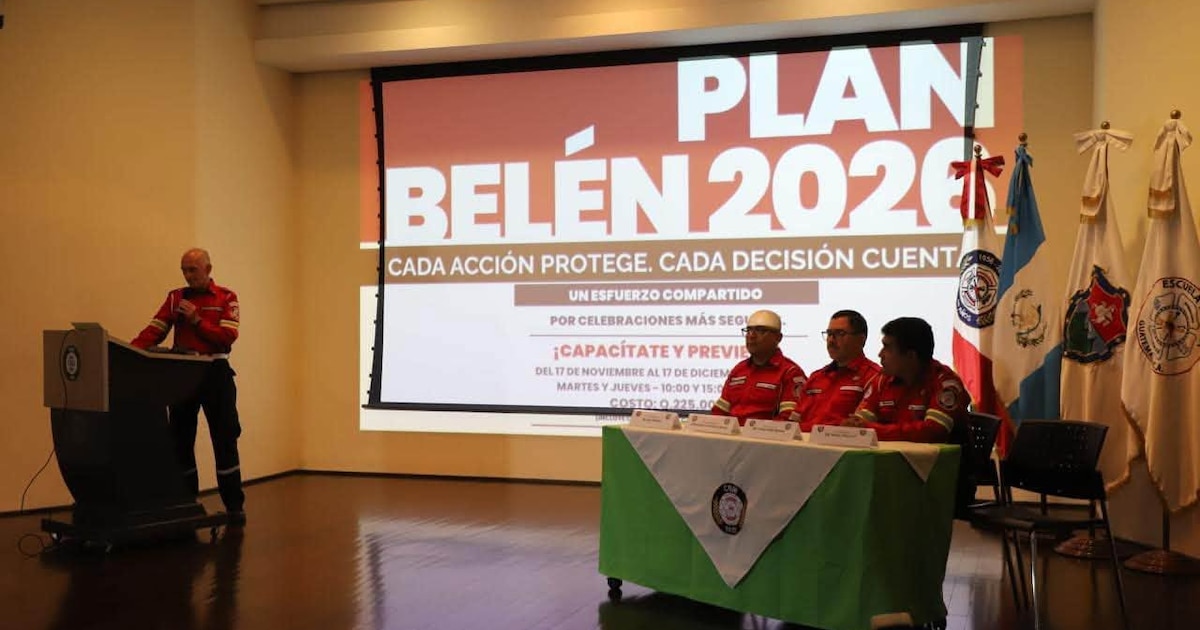
El Cuerpo de Bomberos Municipales de Guatemala presentó el Plan Belén 2026 para reducir incendios, quemaduras y accidentes vinculados con la fabricación, el transporte, la venta y el uso de pirotecnia durante las celebraciones de Navidad y fin de año. La estrategia, anunciada el 12 de noviembre, prioriza la prevención ante el aumento de la comercialización de fuegos artificiales en diciembre.
El programa mantendrá unidades de emergencia y personal operativo disponibles durante las 24 horas en la temporada de fin de año. La institución busca evitar que los incidentes requieran la intervención de los cuerpos de socorro mediante capacitación, difusión de medidas de seguridad y coordinación con organismos estatales.
El comandante ejecutivo de Bomberos Municipales, Luis Antonio Donado, sostuvo que la meta es anticiparse a los riesgos asociados a estos productos. “Nuestro objetivo principal es salvar vidas”, afirmó durante la presentación.
Los accidentes con pirotecnia suelen estar ligados a descuidos, almacenamiento inadecuado o manipulación sin las condiciones de seguridad necesarias. Los riesgos alcanzan a vendedores, compradores, familias y menores de edad, especialmente durante las fiestas de diciembre.

Capacitación para comerciantes entre noviembre y diciembre
Las jornadas de formación para vendedores y distribuidores de productos de pólvora comenzarán el 17 de noviembre y se extenderán hasta el 17 de diciembre. Los encuentros serán los martes y jueves, a las 10 y a las 15, en la Escuela Técnica de Bomberos Municipales, ubicada en el bulevar Liberación 11-20, zona 12 de la Ciudad de Guatemala.
El curso tendrá un costo de Q 225 e incluirá un certificado de participación, de acuerdo con lo comunicado. La formación abordará las condiciones adecuadas para almacenar, manipular y vender juegos pirotécnicos, además de pautas para actuar ante accidentes, incendios o explosiones.
Los productos deben conservarse en áreas exclusivas, alejadas de fuentes de calor, instalaciones eléctricas, alimentos y otras actividades comerciales. La separación busca limitar el contacto con elementos que puedan provocar una ignición accidental.
Las empresas dedicadas a fabricar pirotecnia tampoco deben guardar la mercadería en el mismo lugar de producción. Esa división de espacios apunta a reducir el impacto de una eventual emergencia sobre los trabajadores, los vecinos y los establecimientos cercanos.
La estrategia reúne a la Policía Nacional Civil, la Dirección de Atención y Asistencia al Consumidor, el Ministerio de Economía, el Ministerio de la Defensa Nacional, la Coordinadora Nacional para la Reducción de Desastres y el Instituto Guatemalteco de Seguridad Social. La coordinación abarcará la fabricación, el transporte, la distribución, la venta en mercados y el uso doméstico de los artículos.
Comerciantes, padres de familia y compradores deberán adoptar medidas de protección antes de utilizar pirotecnia, según la Agencia Guatemalteca de Noticias. El llamado se dirige de manera especial a la protección de niños y adolescentes, quienes pueden sufrir lesiones graves si manipulan estos productos de forma inadecuada.
Donado advirtió que las normas existentes no siempre se cumplen, una situación que puede causar daños a la salud, incendios en viviendas y afectaciones en negocios. También consideró necesarias nuevas propuestas para disminuir los peligros presentes en la producción, el traslado y la distribución.
El comandante mencionó el caso de los canchinflines, cuya circulación se redujo tras la aplicación de disposiciones específicas. Esos artículos habían estado relacionados con incendios en la capital guatemalteca.
Supervisión adulta y resguardo de los artefactos
Los Bomberos Municipales recomendaron que los menores de edad no utilicen juegos pirotécnicos sin la supervisión de un adulto. Las familias también deberán comprobar que cada producto sea adecuado para la edad de la persona que lo manipulará.
La institución pidió no guardar cohetillos ni otros artefactos en los bolsillos de la ropa. El contacto con fricción, calor o una chispa puede activarlos y provocar quemaduras.
Los usuarios no deben emplear artículos deteriorados, vencidos o de procedencia desconocida. Tampoco deben intentar encender nuevamente un producto que falló en el primer intento, ya que puede activarse de manera imprevista.
La pirotecnia no debe utilizarse dentro de viviendas, espacios cerrados ni áreas próximas a materiales inflamables. Los artefactos tampoco pueden dirigirse hacia personas, animales, vehículos, postes, cables eléctricos o construcciones.
Plan Belén,Guatemala,Lawrence Bernstein,bomberos,conferencia de prensa
INTERNACIONAL
Inside Arab nation’s battle against radicalism as top official warns of threat brewing on Europe’s streets

NEWYou can now listen to Fox News articles!
ABU DHABI, United Arab Emirates — A senior Emirati official is warning that demonstrations in Europe have crossed a line from political expression into a national security threat, arguing that extremism must be confronted before it turns violent.
«You can go demonstrate, talk, give a speech, but what [we] saw in the street in 11 cities in Europe is not freedom of speech. It is a threat to national security,» Dr. Ali Rashid Al Nuaimi, chairman of the Defense, Interior and Foreign Affairs Committee of the UAE’s Federal National Council, told Fox News Digital in an exclusive interview.
The remarks come against a wider European debate over radicalization. On Nov. 3, Europol reported that authorities from 16 countries had referred more than 9,000 links to extremist and terrorist material appearing across 47 social media and gaming platforms. The operation targeted online role-playing content promoting jihadist, far-right, far-left and anarchist violence, including material that could draw minors toward extremist networks.
AN IRANIAN REFUGEE’S WARNING TO AMERICAN UNIVERSITIES EMBRACING FOREIGN FUNDING AND RADICALISM
A car burns as demonstrators look on during a nationwide day of strikes and protests over wages, the cost of living and public services, called by French labor unions and joined by high school and university students calling for better education conditions, in Lyon, France, on Nov. 5, 2026. (Reuters)
What makes the UAE’s response distinctive, officials and experts argue, is its belief that the struggle against extremism begins long before police make an arrest — in classrooms, families and the way people of different backgrounds learn to live together.
«The root is extremism, not violent extremism. … In our school system, we promote coexistence. We promote the values that bring us together, regardless of our religion, our nationality, our ethnic [background], our color. … We have to learn how to live with our differences and to accept everyone as they are,» Al Nuaimi said.
Preventing extremism before violence
At Hedayah, the Abu Dhabi-based International Center of Excellence for Countering Extremism and Violent Extremism, Fox News Digital spoke with Maqsoud Kruse, chairman of the center’s International Steering Board and the UAE foreign minister’s envoy for countering extremism and terrorism.
Kruse, an organizational psychologist who helped establish Hedayah in 2012, described radicalization as a process that can begin with ideas, develop through emotional responses and, in some cases, lead to violent behavior. Understanding that progression, he argued, creates opportunities to intervene long before violence occurs.
«When we talk about countering extremism and terrorism, we understand and realize that no one country, no one institution, no one individual can deal with this on their own,» Kruse told Fox News Digital. «We need that international collaboration, that networking, that bridging, where everyone is part of the solution.»
INSIDE HOLOCAUST MEMORIAL IN HEART OF ARAB WORLD AS FOUNDER REVEALS WHAT CHANGED EVERYTHING

Maqsoud Kruse, chairman of Hedayah’s International Steering Board and the UAE foreign minister’s envoy for countering extremism and terrorism, speaks with Fox News Digital in Abu Dhabi about preventing radicalization through education, psychology and international cooperation. (Efrat Lachter/Fox News Digital)
Within the UAE, he explained, the emphasis is on an integrated approach that brings together psychology, sociology, education and economics rather than treating extremism solely as a security problem.
«That integrated approach means we need to shift from a problem-focused approach to a solution based approach where we create patterns of hope,» he said.
The distinction is central to the UAE’s tolerance strategy: rather than waiting until extremist beliefs turn into violence, Kruse argues that societies must invest in education, community engagement and other preventive measures that address the underlying drivers of radicalization.
He also challenged the assumption that poverty alone drives extremism. Wealthy, educated individuals can embrace extremist ideologies, while millions of people living in hardship never do. Kruse pointed to the experiences of former extremists who abandoned radical movements, arguing that their stories demonstrate the possibilities for rehabilitation and reintegration.
The institution he leads works with governments, researchers and civil society on prevention programs. Kruse’s argument is not that education replaces counterterrorism operations, but that security alone cannot address the ideas and human vulnerabilities that recruiters exploit, and a holistic approach is needed.
RESCUE EXPERT WARNS FLYDUBAI HIJACKING ATTEMPT SHOWS US, ALLIES ARE ‘PLAYING CHECKERS’ AGAINST TERROR THREAT

U.S. President Donald Trump shakes hands with Yousif Al Obaidli, director of Sheikh Zayed Grand Mosque, as he tours the mosque grounds in Abu Dhabi, United Arab Emirates, May 15, 2025. (Brian Snyder/ Reuters)
Messages of coexistence at the Grand Mosque
That philosophy becomes visible in a very different setting across Abu Dhabi: the Sheikh Zayed Grand Mosque.
During a visit to the sprawling white-marble landmark, Fox News Digital passed displays on the approach to the prayer halls emphasizing tolerance, mutual respect and the legacy of the UAE’s founding president, Sheikh Zayed bin Sultan Al Nahyan. The messages are difficult to separate from the architecture: bright courtyards, floral inlays and rows of colonnades that draw visitors toward one of the country’s most recognizable religious sites.
The mosque, with its 82 domes and architectural influences from across the Islamic world, functions as a place of worship and a destination for visitors interested in the country’s religious and cultural traditions.
ARCHBISHOP OF CANTERBURY WITHDRAWS AWARD FROM MUSLIM CLERIC AFTER PAST OSAMA BIN LADEN PRAISE SURFACES

A sign marking the Multifaith Gallery at the Crossroads of Civilizations Museum in Dubai, United Arab Emirates, where exhibits explore the shared history and heritage of different religious communities. (Efrat Lachter/Fox News Digital)
The vision behind the displays predates the UAE’s opening to Israel. Sheikh Zayed helped establish the federation in 1971, and the leadership has long presented tolerance as a central part of national identity. The Sheikh Zayed Grand Mosque Centre points to religious accommodation and the importance of welcoming people from different cultures as elements of his legacy.
The policy became more formal over time. In 2015, the UAE adopted legislation against discrimination and religious hatred. In 2016, it appointed a minister of state for tolerance and launched a national tolerance program. The government updated its legal framework in 2023 to address discrimination, hatred and extremism.
Today, the UAE government says the country is home to more than 200 nationalities, a scale of diversity that creates an everyday test of how different cultures and faiths share public space.
ITALY’S SCHOOL VEIL BAN EXPOSES EUROPE’S ASSIMILATION FIGHT AS EXPERT WARNS US COULD BE NEXT
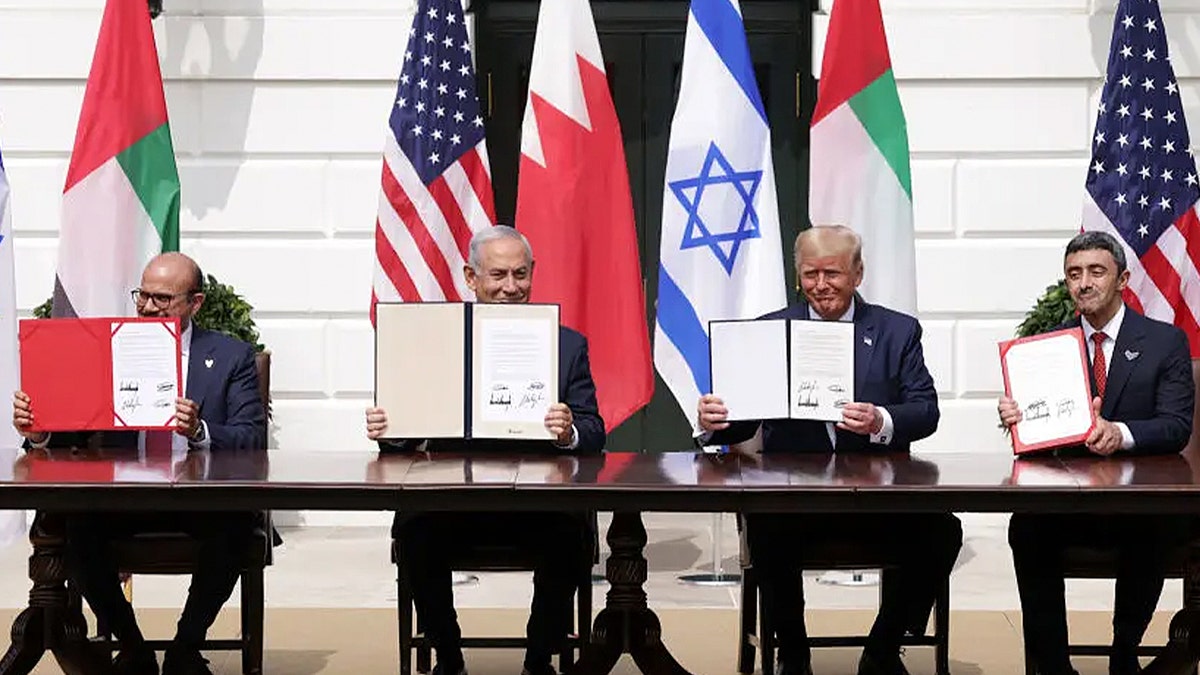
Israeli Prime Minister Benjamin Netanyahu, Bahrain’s Foreign Affairs Minister Abdullatif bin Rashid Al Zayani, and United Arab Emirates Foreign Affairs Minister Abdullah bin Zayed Al Nahyan join President Trump for the Abraham Accords signing ceremony on the South Lawn of the White House on Sept. 15, 2020, in Washington. (Alex Wong/Getty Images)
From interfaith dialogue to the Abraham Accords
The UAE has also tried to extend that vision beyond its borders. In February 2019, Pope Francis and Ahmed Al-Tayeb, the Grand Imam of Al-Azhar, signed the Document on Human Fraternity in Abu Dhabi, calling for dialogue and peaceful coexistence.
Four years later, the country inaugurated the Abrahamic Family House on Saadiyat Island. Its mosque, church and synagogue occupy separate but equally prominent buildings linked by common spaces intended for learning and conversation.
During Fox News Digital’s visit to the UAE, the Abrahamic Family House was temporarily closed. Emirati officials told Fox News Digital that the closure followed an Iranian attempt to target the interfaith complex during the war.
In Dubai, Mohammed Baharoon, director general of the B’huth research center, argued that the Emirates’ commitment to tolerance cannot simply be credited to oil wealth.
«So it is will, not wealth. It’s vision, views, and respect to people,» Baharoon told Fox News Digital, describing what he sees as a deliberate policy decision to attract people from different countries and give them a stake in the UAE’s development.
EUROPEAN PARLIAMENT VOTES TO CONFRONT MUSLIM BROTHERHOOD, ‘ISLAMIST ENTRYISM’ IN OVERWHELMING VOTE

Ahmed Obaid Al Mansoori (right), founder of Dubai’s Crossroads of Civilizations Museum, pictured with a rabbi. Al Mansoori established one of the Arab world’s first permanent Holocaust memorial exhibitions, promoting interfaith understanding and coexistence. (Fox News Digital)
For Baharoon, the Abraham Accords, brokered during President Donald Trump’s first term in 2020, reflected the same thinking on a regional scale. The agreement normalized relations between the UAE and Israel, but he said its ambition went beyond opening embassies.
«The Abrahamic Accords are not just normalization,» he explained, in his view, the aim was to challenge a pattern in which the Israeli-Palestinian dispute had increasingly been framed as a confrontation between entire religions and peoples. Diplomatic recognition, he argued, matters only if it creates opportunities for relationships that survive disagreements between governments.
Al Nuaimi similarly described the accords as an investment in people rather than a bet on any particular Israeli leadership.
«We believe in people-to-people diplomacy. We believe that we have to work on the people, build bridges with the people. … Regardless of the government that will be in charge in Israel, … the only solution is to start working on a permanent solution for both sides, where the Israelis and the Palestinians will accept to live as neighbors, will respect each other, [and] will care about the future of each other.»
He argued that maintaining trust with Israel has also helped the UAE provide humanitarian assistance to Palestinians in Gaza.
«Through that trust, we were able to go and help the Palestinians in Gaza. … We have three hospitals, eight bakeries, and we did the infrastructure for the water, and many facilities. … It’s because of this relationship with the Israelis.»
TOP GULF OFFICIAL OFFERS GLIMMER OF HOPE ON TRUMP-IRAN NUCLEAR TALKS AS THREAT OF WAR HANGS OVER REGION

A sign marking the «Tolerance Path» at Sheikh Zayed Grand Mosque in Abu Dhabi, United Arab Emirates. The visitor experience highlights the country’s founding president’s vision of religious tolerance, mutual respect and peaceful coexistence. (Efrat Lachter/Fox News Digital)
The limits — and the test — of tolerance
There is a tension in the Emirati model. Cultural and religious coexistence does not mean the same freedom to challenge the government. Freedom House’s 2026 assessment describes a political system in which parties are banned and freedom of expression and assembly are sharply restricted. Its civil liberties record complicates any suggestion that the UAE’s system can be transplanted wholesale into European democracies.
Still, during reporting in Abu Dhabi and Dubai, the emphasis on coexistence appeared in settings as varied as the Grand Mosque’s visitor displays, discussions with counter-extremism specialists and the country’s effort to sustain ties with Israel while supporting Palestinians.
On Saadiyat Island, the temporarily closed Abrahamic Family House offers a stark image of the challenge. Three places of worship were built to stand beside one another, yet the wider regional conflict has disrupted the setting in which they were intended to bring people together.
For Kruse, the answer begins with preventing radicalization at its earliest stages. For Baharoon, it requires political will rather than wealth alone. And for Al Nuaimi, whose warning to Europe opened the debate, it means teaching coexistence at home while seeking a diplomatic future in the region.
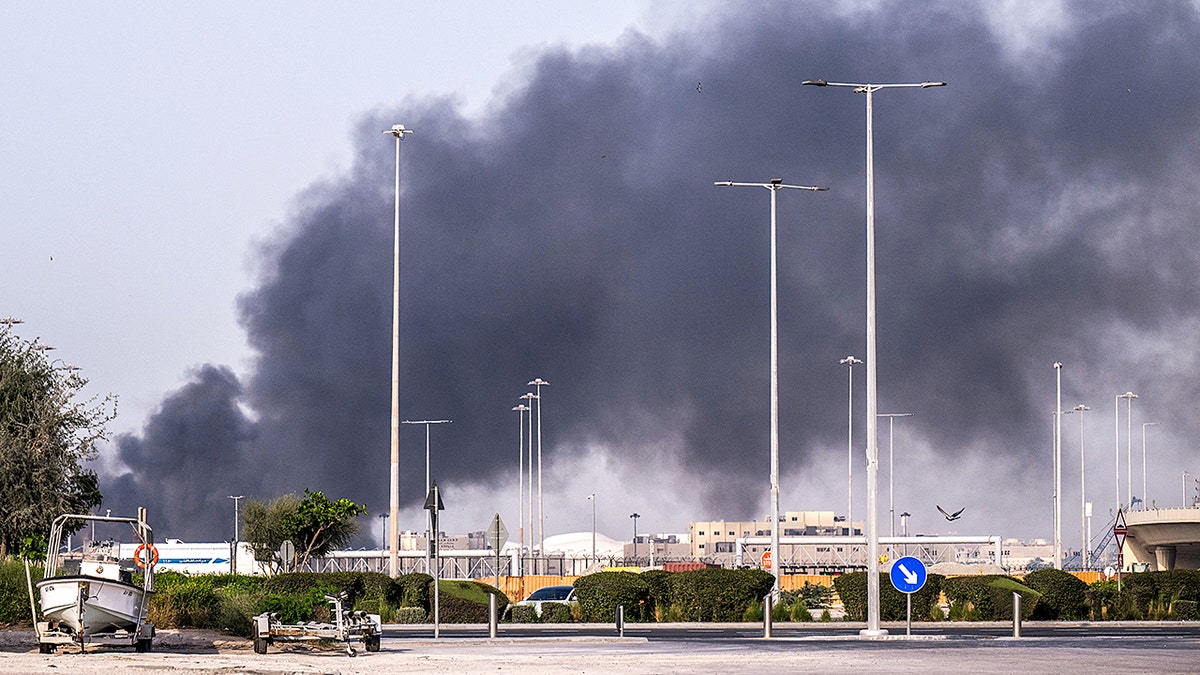
A plume of smoke rises from the Zayed Port following a reported Iranian strike in Abu Dhabi on March 1, 2026. Iran’s retaliatory missile and drone campaign in the Gulf has killed three people and wounded 58 in the United Arab Emirates since it began, Emirati authorities said on March 1, the day after the US and Israel launched a nationwaide attack on Iran killing its supreme leader. (Ryan Lim / AFP via Getty Images)
Whether those ambitions can outlast the pressures of war — or travel beyond the UAE — remains the question.
counter terrorism, middle east, world, world protests

Se vendió una emblemática marca de galletitas: qué gigante de los alimentos se la quedó

Anti-Trump Republican courts other defectors as House weighs another vote against Iran war

José María Muscari cumplió 50 años y se emocionó con el regalo de su hijo: “Soy un privilegiado del amor”

Bariloche: un convencional denunciado por reivindicar a Videla respondió con insultos y gestos obscenos a militantes de izquierda

Sin Luis Díaz, la Colombia de Néstor Lorenzo le dio otro golpe de realidad a Chile

Miguel Kiguel: “No sé si hoy las preferencias del gobierno son las mismas que tiene la sociedad”

PILIPOM: UNA NUEVA HERRAMIENTA EDUCATIVA PARA QUE LOS MÁS CHICOS APRENDAN JUGANDO

El Gobierno toma distancia de los mensajes del papa León XIV, mientras el peronismo intenta capitalizarlos

Es millonario, tiene apenas 22 años, heredó una fortuna enorme, se quedó afuera del VIP del Papa León XIV y la gente ovacionó su actitud

Harry Kane, el gran olvidado

 DEPORTE3 días ago
La dolorosa despedida al aire de Horacio Pagani a su amigo Carlos Babington: “Fue una noticia fulminante que la recibí en el auto”
- INTERNACIONAL3 días ago
La plataforma Doctor SV triplicó su red médica y acumuló 5.4 millones de consultas en su primer año en El Salvador
- DEPORTE3 días ago
Fútbol sudamericano: por qué es importante seguir el calendario de partidos