INTERNACIONAL
ONU alerta en Honduras por un posible estado de excepción y la eventual declaración de estructuras criminales como terroristas

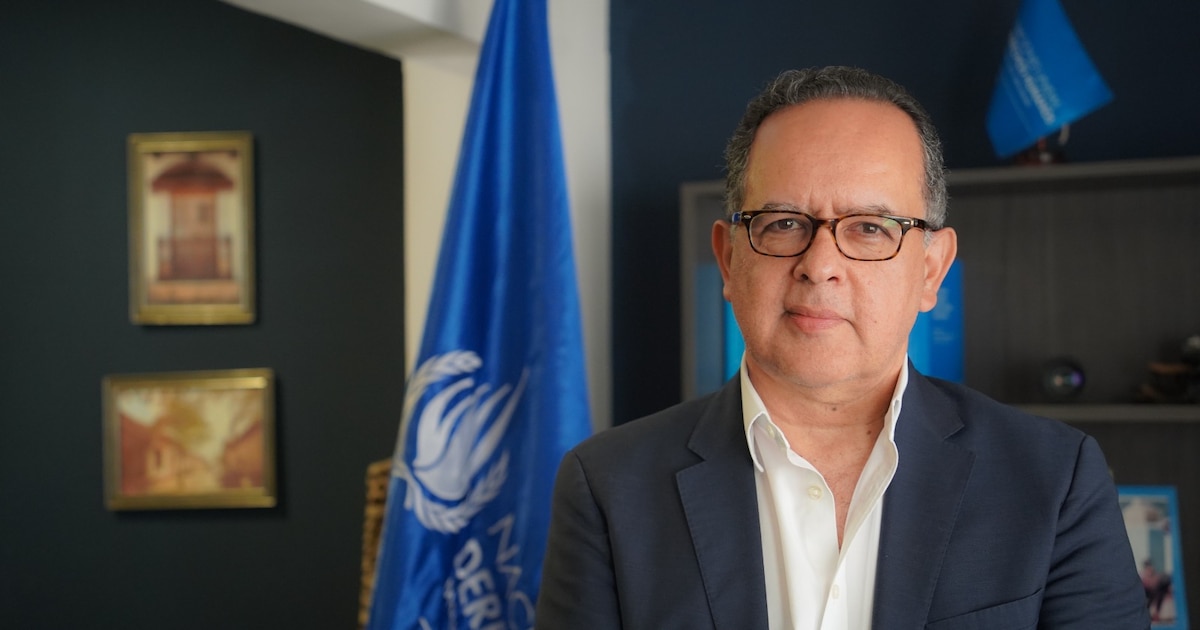
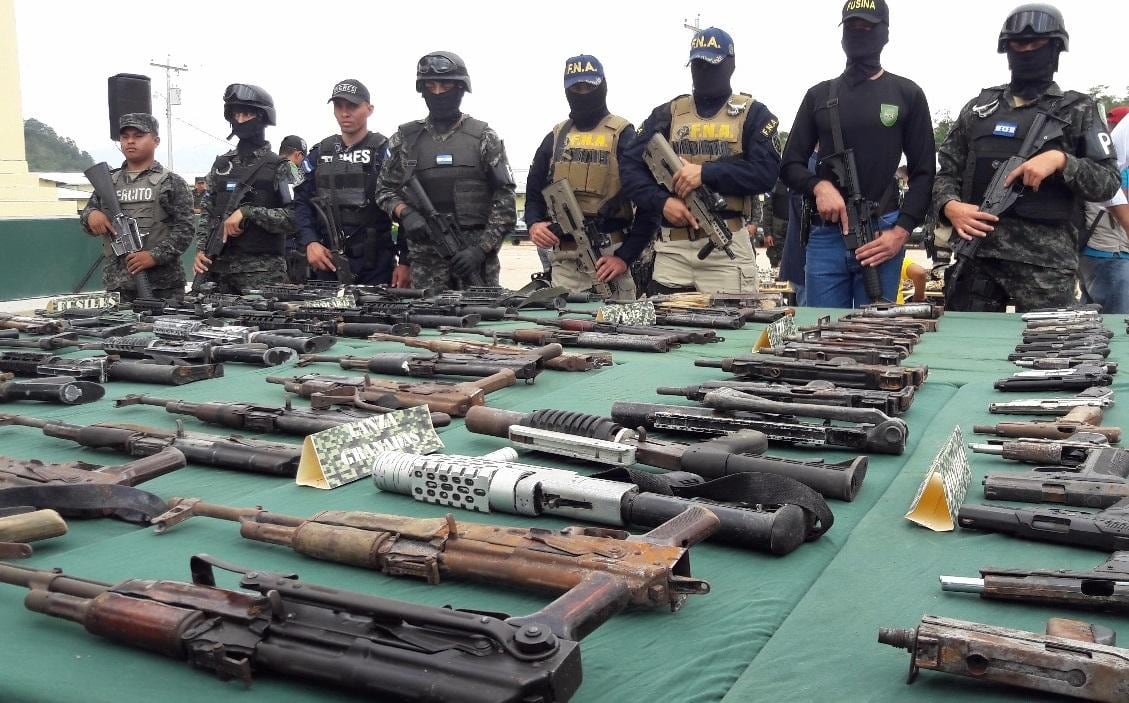
La advertencia surge luego de que distintas autoridades hondureñas plantearan la posibilidad de establecer un estado de excepción focalizado en determinados territorios y analizaran la eventual declaratoria de algunas estructuras criminales como asociaciones terroristas, medidas que podrían implicar restricciones extraordinarias y cambios en la respuesta penal frente a estos grupos.
En un pronunciamiento, la OACNUDH manifestó su preocupación por los anuncios y reconoció, al mismo tiempo, la gravedad de la situación de seguridad que enfrenta la población hondureña. La Oficina señaló que fenómenos como la violencia criminal, las extorsiones, los homicidios y los desplazamientos forzados internos continúan afectando de manera significativa los derechos de las personas.
Ante este escenario, el organismo de Naciones Unidas recordó que el Estado tiene la obligación de proteger a la población, investigar los delitos, identificar y sancionar a los responsables y garantizar los derechos de las víctimas.
La Oficina subrayó que la gravedad de los desafíos de seguridad no elimina las obligaciones que Honduras mantiene en materia de protección de los derechos fundamentales. Por el contrario, sostuvo que las medidas adoptadas para enfrentar la criminalidad deben diseñarse e implementarse bajo los estándares establecidos por el derecho internacional.
“La población hondureña tiene derecho a vivir sin miedo. Los derechos humanos no impiden al Estado actuar contra el crimen; le instan a hacerlo investigando, desarticulando estas estructuras y sancionando a los responsables. Nadie debe elegir entre seguridad y derechos, una seguridad efectiva garantiza ambos”, afirmó Juan Carlos Monge, representante de OACNUDH.
El representante de la Oficina hizo énfasis de esta manera en que la protección de los derechos humanos y las políticas de seguridad no deben entenderse como objetivos contradictorios, sino como elementos que deben avanzar de manera conjunta frente a los problemas de criminalidad y violencia.
Respecto de un eventual estado de excepción, la OACNUDH recordó que cualquier medida extraordinaria debe cumplir estrictamente con los principios de legalidad, necesidad, proporcionalidad y temporalidad.
Además, señaló que este tipo de decisiones deben contar con supervisión independiente y mecanismos de rendición de cuentas, con el objetivo de evitar abusos y garantizar que las restricciones adoptadas respondan realmente a las circunstancias que las justifican.
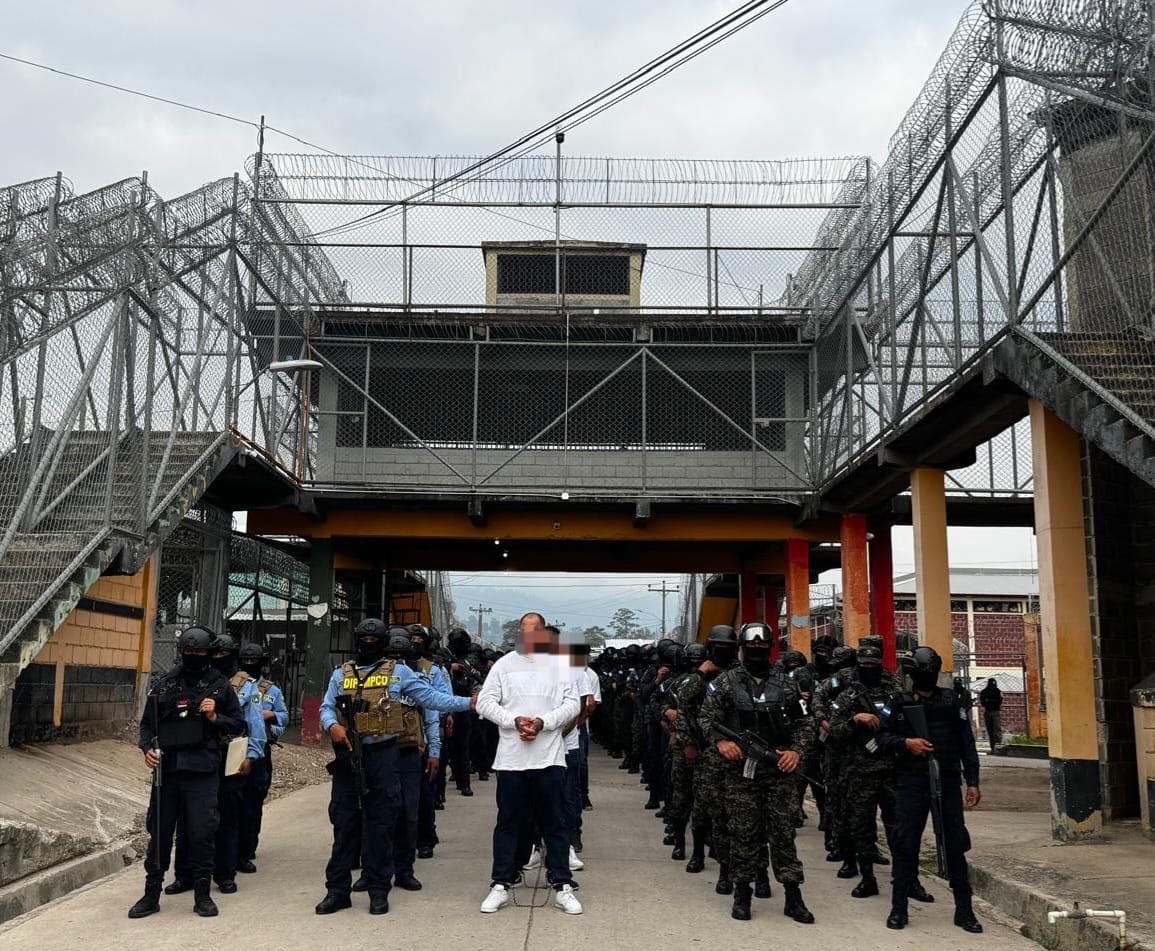
La Oficina indicó que la suspensión o restricción de derechos únicamente puede considerarse cuando resulte indispensable para hacer frente a circunstancias excepcionales y siempre debe estar acompañada de controles efectivos.
La preocupación del organismo se relaciona particularmente con la posibilidad de que las medidas extraordinarias de seguridad sean aplicadas de manera amplia o durante períodos que excedan las circunstancias que originalmente motivaron su adopción.
Por ello, la OACNUDH insistió en que cualquier decisión de esta naturaleza debe estar sustentada en un marco jurídico claro y sometida a mecanismos que permitan verificar su necesidad, alcance y duración.
Otro de los puntos abordados por la Oficina fue la eventual decisión de declarar determinadas organizaciones criminales como asociaciones terroristas.
Sobre este tema, Naciones Unidas recordó que las definiciones de terrorismo deben ser precisas y no excesivamente amplias. Según la Oficina, conceptos imprecisos pueden abrir la puerta a interpretaciones que deriven en nuevas vulneraciones de derechos.

La OACNUDH señaló que toda actuación estatal en materia penal debe respetar principios fundamentales como la legalidad penal, la presunción de inocencia, el debido proceso y la responsabilidad individual.
Esto implica que las personas investigadas o procesadas por su presunta vinculación con estructuras criminales deben responder de manera individual por los hechos que se les atribuyan, bajo procedimientos que garanticen sus derechos.
La Oficina también sostuvo que las estrategias destinadas a combatir a las estructuras criminales deben implementarse de acuerdo con los estándares internacionales de derechos humanos, incluso cuando se trate de organizaciones responsables de delitos graves que afectan a comunidades enteras.
Además de expresar sus preocupaciones, la Oficina exhortó al Estado de Honduras a continuar fortaleciendo una política integral de seguridad ciudadana con enfoque de derechos humanos.

Entre las prioridades señaladas se encuentran la prevención de la violencia, una investigación criminal efectiva, la reducción de los niveles de impunidad, la protección de las víctimas, la transparencia y la rendición de cuentas.
La OACNUDH sostuvo que una estrategia de seguridad sostenible requiere no solamente acciones contra quienes cometen delitos, sino también medidas destinadas a atender las condiciones que permiten la reproducción de la violencia y la criminalidad.
En ese sentido, el organismo de Naciones Unidas afirmó que los resultados duraderos en materia de seguridadsolamente pueden alcanzarse mediante reformas estructurales orientadas a reducir las desigualdades y fortalecer el Estado de derecho.
La Oficina reiteró finalmente su disposición para continuar brindando asistencia técnica y acompañamiento al Estado hondureño en el diseño e implementación de respuestas frente a la violencia y la criminalidad.
El pronunciamiento se produce mientras las autoridades hondureñas evalúan nuevas herramientas para enfrentar a las estructuras criminales que operan en distintos territorios del país, en un contexto marcado por delitos como extorsiones, homicidios, desplazamientos internos y otras manifestaciones de violencia.

INTERNACIONAL
Brasil: Michelle Bolsonaro emerge como la nueva cara del clan, pero la derecha se reorganiza bajo el liderazgo del gobernador de San Pablo
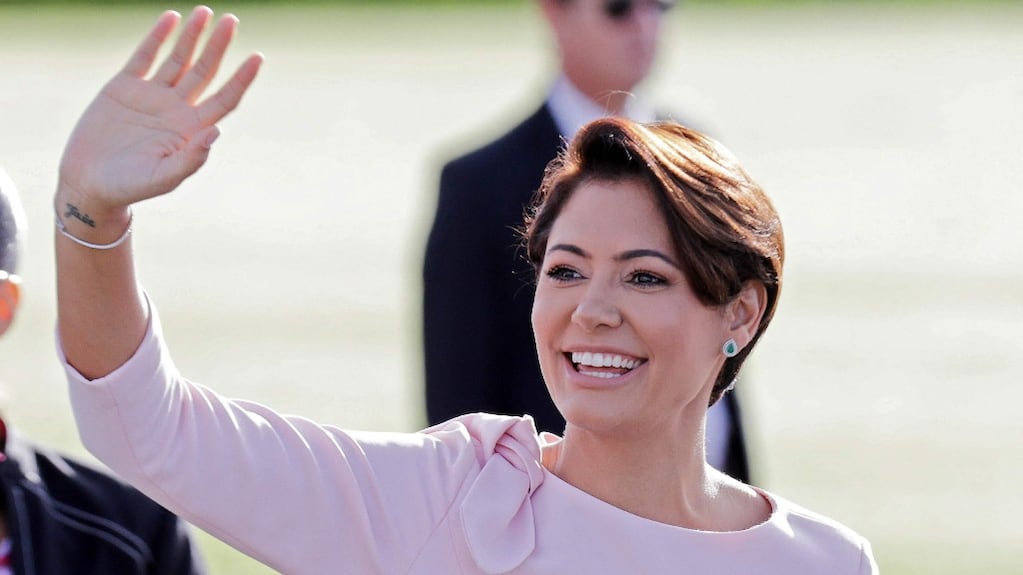
El autoexilio de Flávio Bolsonaro en Estados Unidos puso a la ex primera dama brasileña Michelle Bolsonaro como cabeza política activa del clan familiar, en un clima de reorganización de la derecha brasileña después de la histórica reelección de Lula da Silva.
Michelle Bolsonaro es la gran ganadora de la dinastía creada por el expresidente Jair Bolsonaro, hoy en prisión domiciliaria por una condena a 27 años de cárcel por golpismo y con sus hijos Eduardo y Flávio en la Florida para escapar de la justicia.
Michelle de Paula Firmo Reinaldo Bolsonaro, de 44 años, había perdido la interna familiar con el derrotado candidato presidencial fugado a Estados Unidos. Incluso, mantuvo con él una fuerte disputa pública con acusaciones de maltrato que se saldó con una disculpa de su hijastro.
Ahora, como senadora electa, es la única integrante del clan que aún sonríe para las fotos. Así se la vio en una imagen publicada en la influyente revista Veja junto al presidente nacional de su Partido Liberal (PL), Valdemar Costa Neto. Ambos se reunieron el martes para dialogar sobre el futuro del partido y los desafíos que enfrenta después de la derrota en el balotaje.
Las dos vías del “bolsonarismo”
El “bolsonarismo” quedó virtualmente partido en dos después del duro golpe en las urnas.
“Todavía hay incertidumbre en relación a la estrategia del Partido Liberal (PL) después de la salida de Flavio. Por ahora, el contexto es de desunión”, dijo a TN el analista brasileño Rafael Cortez, de Tendencias Consultoria.
Desde Florida, el derrotado candidato se declaró “líder de Brasil” y denunció fraude en el balotaje que ganó Lula da Silva.
“En contrapartida -señaló Cortez-, el PL camina hacia un escenario de pragmatismo. En su liderazgo, el presidente Valdemar de Costa Neto reconoció el resultado de las elecciones”.
Silva
INTERNACIONAL
Netanyahu alleges fraud as Arab parties score record gains — emerge as potential kingmakers
NEWYou can now listen to Fox News articles!
TEL AVIV, Israel: Israel’s two Arab parties are in a position to have a say in who the country’s next prime minister and government will be — but not if Prime Minister Benjamin Netanyahu has anything to do with it, after he alleged serious criminal activities took place during voting in the Arab areas of the nation.
The two parties were projected to win a combined 19 Knesset seats, according to preliminary results. With both Prime Minister Benjamin Netanyahu’s Likud-led right-wing bloc and the opposition leader Gadi Eisenkot’s centrist bloc falling short of the 61 seats needed for a parliamentary majority.
On Wednesday, Prime Minister Netanyahu wrote on X that Israel’s election had been «stolen by Arab parties that support terrorism and the elimination of the Jewish state,» alleging serious criminal offenses, including bribery, threats, violence, forgery and the use of prohibited software to mobilize voters.
NETANYAHU GAINS OVERNIGHT AS ISRAEL ELECTION HEADS TOWARD POLITICAL DEADLOCK
People cast their votes at a polling station during Israel’s legislative election in the Arab town of Taibe in northern Israel on Oct. 27, 2026. (Gil Cohen-Magen/picture-alliance/dpa/AP Images)
«The Likud party is transferring to the police, the Shin Bet, and the Central Elections Committee hundreds of testimonies and pieces of evidence regarding election theft in many Arab polling stations,» he wrote.
He cited allegations of thousands of envelopes containing cash and Ra’am ballot slips, threats and violence against polling station staff, multiple votes cast behind the voting curtain, voting under multiple identities, discrepancies between the number of ballot envelopes and the number of voters, the use of prohibited voter-mobilization software and other offenses.
«We demand from the police and the Shin Bet a thorough investigation into the election theft by the Arab parties and the full prosecution of the criminals. We demand from the Central Elections Committee an immediate response to investigate these criminal offenses that have severely damaged the integrity of the elections in Israel and the election results,» he added.
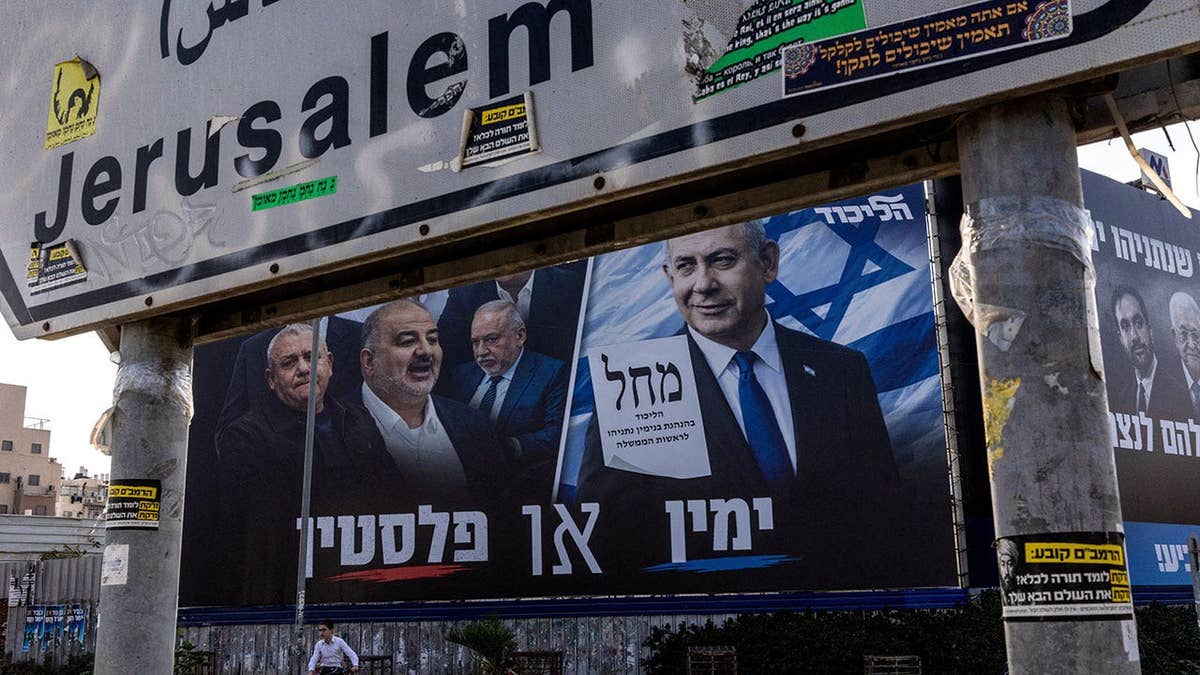
A boy sits on his bicycle next to a campaign banner of Netanyahu’s Likud party, ahead of the Israeli parliamentary election, in Bnei Brak, Israel, October 25, 2026. (Nir Elias/Reuters)
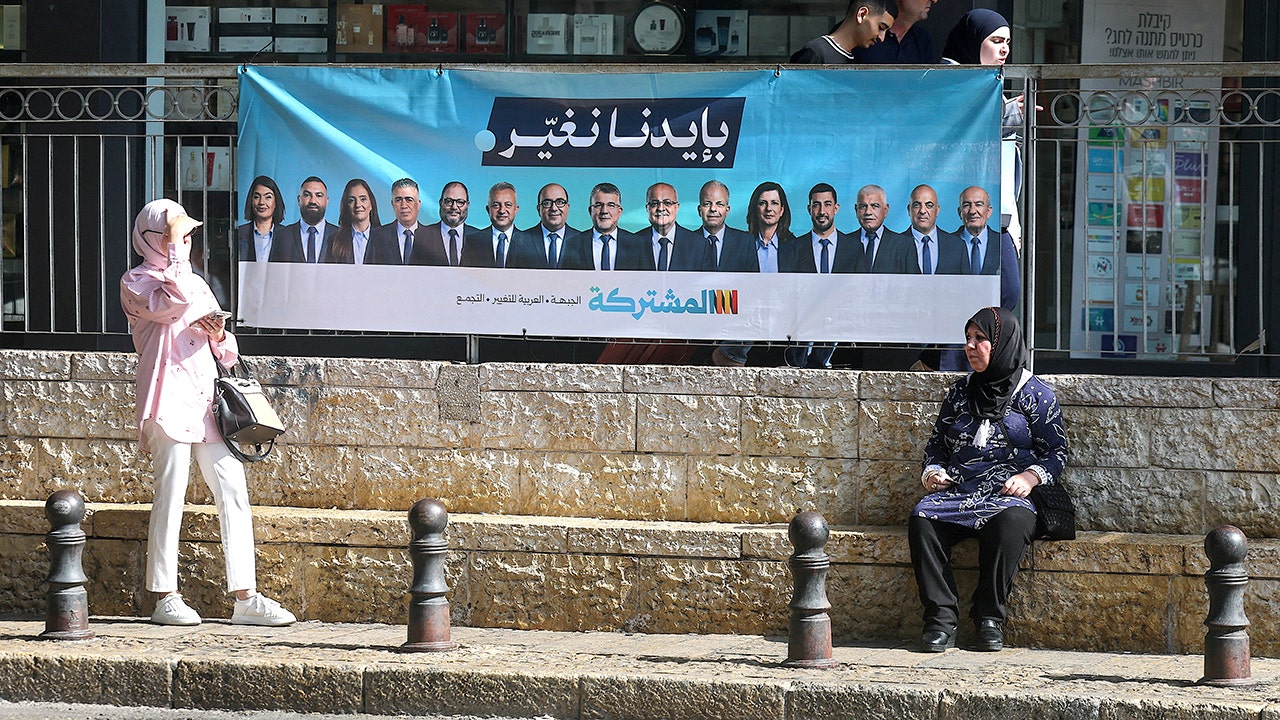
One Arab political alliance, the Joint List, brings together three parties: Hadash, a predominantly Arab-Jewish left-wing party rooted in Israel’s communist movement, and the Arab nationalist parties Ta’al and Balad. With over 90% of ballots counted, the alliance was projected to win 12 seats.
The other Arab party, the United Arab List (Ra’am), led by Mansour Abbas and affiliated with the Southern Branch of the Islamic Movement in Israel, was projected to win seven seats.
Arab citizens make up approximately 21% of Israel’s population. Turnout in this election reached a near record high between 75% to 80%.
«They are a political force to be reckoned with,» Dahlia Scheindlin, a former policy fellow at the Mitvim Institute and a senior analyst at Haaretz, told Fox News Digital.
NETANYAHU DEFIES EXIT POLLS AS VOTE SHIFTS IN HIS FAVOR, BUT MAJORITY REMAINS ELUSIVE

Israel’s Prime Minister Benjamin Netanyahu reacts after filling out his ballot before voting at a polling station in Jerusalem on Oct. 27, 2026, on the day of Israel’s legislative election. (Yonatan Sindel/Pool via Reuters)
Scheindlin said that Netanyahu framed his campaign around the claim that the opposition is prepared to form a government dependent on Arab parties’ support, which he argues would lead to the establishment of a Palestinian state that would become a terror state and ultimately bring about Israel’s destruction.
«This is the most consistent message, and he never stopped saying it, including on election day,» she said.
Scheindlin said that the issue had become politically sensitive, prompting leading Zionist opposition parties to pledge not to cooperate with the Arab parties.
«They have sworn they would not build a coalition that depends on Arab votes, either from within the coalition or from outside it. If they receive any help, they will have to break that promise,» she added.
It is not inconceivable, though highly unlikely, that Netanyahu could reach out to one of the Arab parties to explore the possibility of cooperation, Scheindlin said.

People gather near a pre-election campaign banner featuring leaders of the Joint List, ahead of Israel’s national election, in Nazareth, Israel Oct. 10, 2026. (Ammar Awad/Reuters)
ISRAEL HEADS INTO DEEPLY DIVIDED ELECTION AS OCT. 7 RECKONING LOOMS: WHAT TO KNOW
Dr. Arik Rudnitzky, a researcher in the Israel Democracy Institute’s Arab Society in Israel Program, said that Arab parties had historically remained in the opposition and had not joined governing coalitions.
During the governments of Yitzhak Rabin and, later, Shimon Peres in the 1990s, Arab parties provided a parliamentary safety net from outside the coalition. This enabled the government to remain in office and complete its term even after it effectively became a minority government amid opposition to the Oslo Accords, as the Haredi Shas party left the government.
«Historically, Arab parties were always in the opposition for many reasons. It was quite uncommon to believe Arab parties could [support] the government. It’s a novelty of recent years, plus the fact that their political strength in terms of the number of seats was not as significant as it is today,» Rudnitzky said.
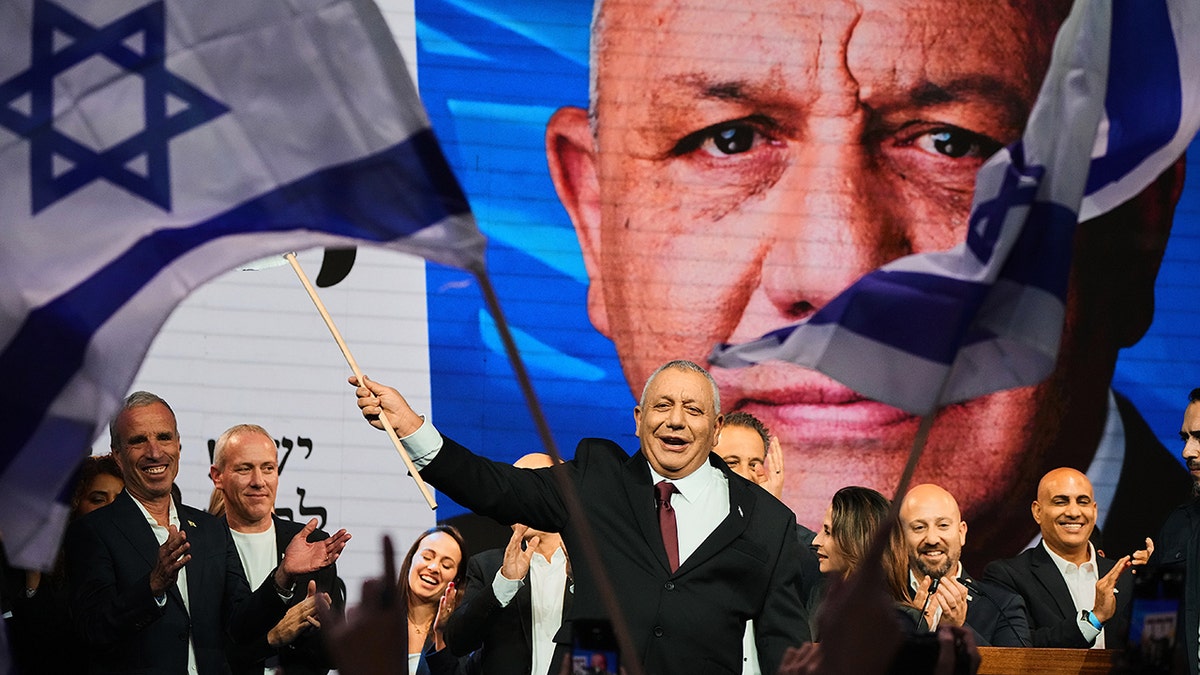
Gadi Eisenkot, leader of the Yashar («Straight») party, waves an Israeli flag onstage following the release of the first exit poll results in Israel’s general election in Tel Aviv, Israel, Wednesday, Oct. 28, 2026. (Ariel Schalit/AP Photo)
Demographic changes alone do not explain the Arab parties’ growing political strength, Rudnitzky said; shifting voting patterns have also played a role.
«In the past, Arab voters supported both Arab and Jewish parties. In the 1980s and 1990s, approximately half voted for Jewish parties,» he continued.
Rudnitzky said historical developments, the impact of the Oslo Accords and the entry of new Arab representatives into the Knesset contributed to a gradual shift away from Jewish parties, with more Arab voters turning to Arab parties.
«Today, we can say that between 85% and 90% of Arab voters support Arab parties. This is the main reason for their increased political strength,» he added.
Any support Arab parties might provide to a prospective coalition would come in exchange for political concessions, Rudnitzky said. Their demands would likely include a government decision and a plan to combat crime in Arab communities, as well as a new socioeconomic development plan for the Arab sector involving budget allocations.
Ultimately, he said, such arrangements would involve allocating public goods and resources in exchange for political support. «There is no free lunch in politics. Every collaboration, either within a coalition or from the outside, has its political price.»
TRUMP SAYS NETANYAHU NEEDS TO BE RE-ELECTED, OR ELSE US WILL HAVE TO ‘FINISH THE JOB’ AGAINST IRAN ALONE
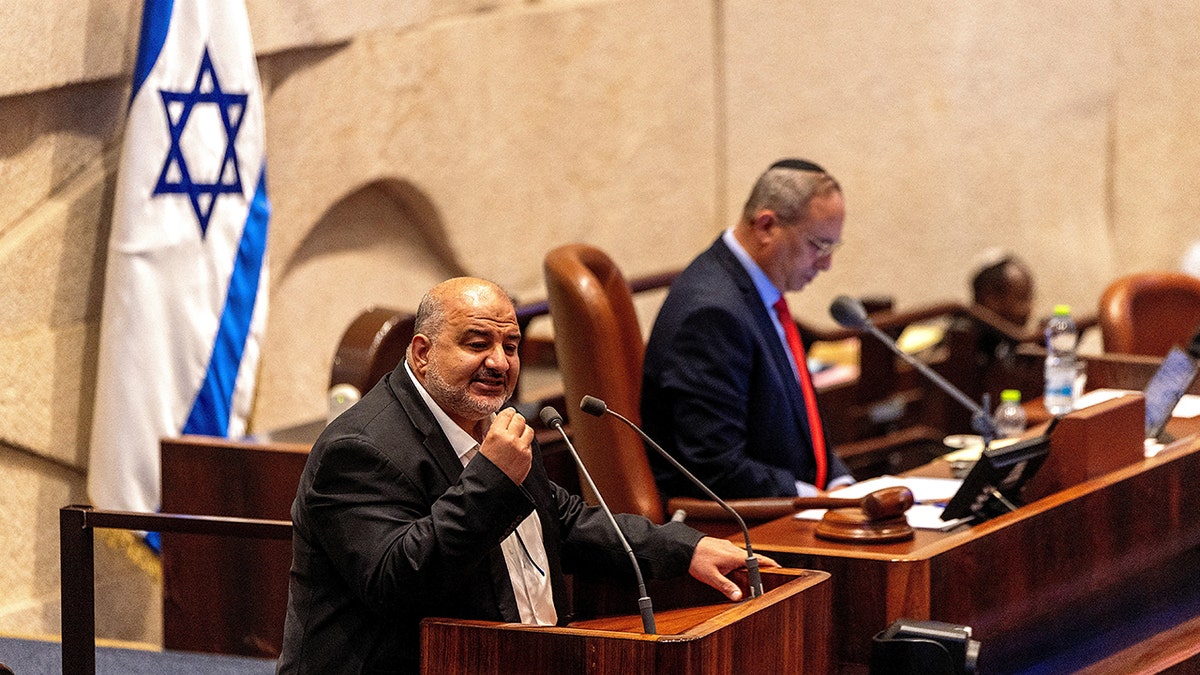
Mansour Abbas, leader of the Ra’am party, speaks at the plenum at the Knesset, Israel’s parliament, in Jerusalem, July 13, 2026 (Ronen Zvulun/Reuters)
Scheindlin noted that while the Joint List would not be invited to join a governing coalition — and its members would not want to do so anyway — Mansour Abbas and his United Arab List have pursued a different, more controversial approach. The party has accepted Israel as a Jewish state and seeks to improve the lives of Arab citizens within that framework, she said.
«They are expecting equality as citizens. They accepted Israel’s identity and are willing to work within that framework to improve the lives of their citizens. They are the only ones who have a chance of being invited into a coalition, as they were in 2021,» she said.
In September, the Central Elections Committee (CEC) voted to disqualify the Joint List and the United Arab list from competing in the Oct. 27 elections. On Oct. 2, Israel’s Supreme Court overturned the CEC’s decisions against both parties.
Section 7A of the Basic Law: The Knesset bars candidates who deny Israel’s existence as a Jewish and democratic state, incite to racism, or support the armed struggle of an enemy state or terrorist organization against Israel from participating in Knesset elections.
Martin Sherman, founder and executive director of the Israel Institute for Strategic Studies, told Fox News Digital that Arab parties in Israel are essentially illegal and should be barred from participating in elections.

A man walks by an election campaign billboard showing Sami Abu Shehadeh, head of the nationalist Balad party, in the northern Israeli city of Umm al-Fahm, Friday, Oct. 21, 2022. (Mahmoud Illean/AP Photo.)
«They have different social agendas, perhaps, but on the political level, they all oppose Israel as the nation-state of the Jewish people. One can only hope that politicians in Israel will realize that and that political ambitions and animosity toward Netanyahu will not prevail,» he said.
One former Israeli diplomat noted the irony and said it was a good teaching moment for those who don’t understand the country. «Arab Israelis voted in huge numbers and, according to the exit polls, won more Knesset seats than ever before. That is the answer to the ridiculously ignorant accusation that Israel is a supposed ‘apartheid’ state,» Shahar Azani, veteran israeli diplomat and former spokesperson of Israel’s consulate in New York, told Fox News Digital.
He added, «Arab citizens are shaping the government and taking part in the Jewish state’s democratic celebration, and we welcome it. But with great power comes great responsibility: they must now take the next step and reject the extremist positions some voiced as soon as the results came in, that would alienate them from Israel’s Jewish majority.»
israel, benjamin netanyahu, hamas, middle east foreign policy, world elections
INTERNACIONAL
ActBlue’s woes not over as top Republican predicts potential DOJ charges over foreign cash controversy
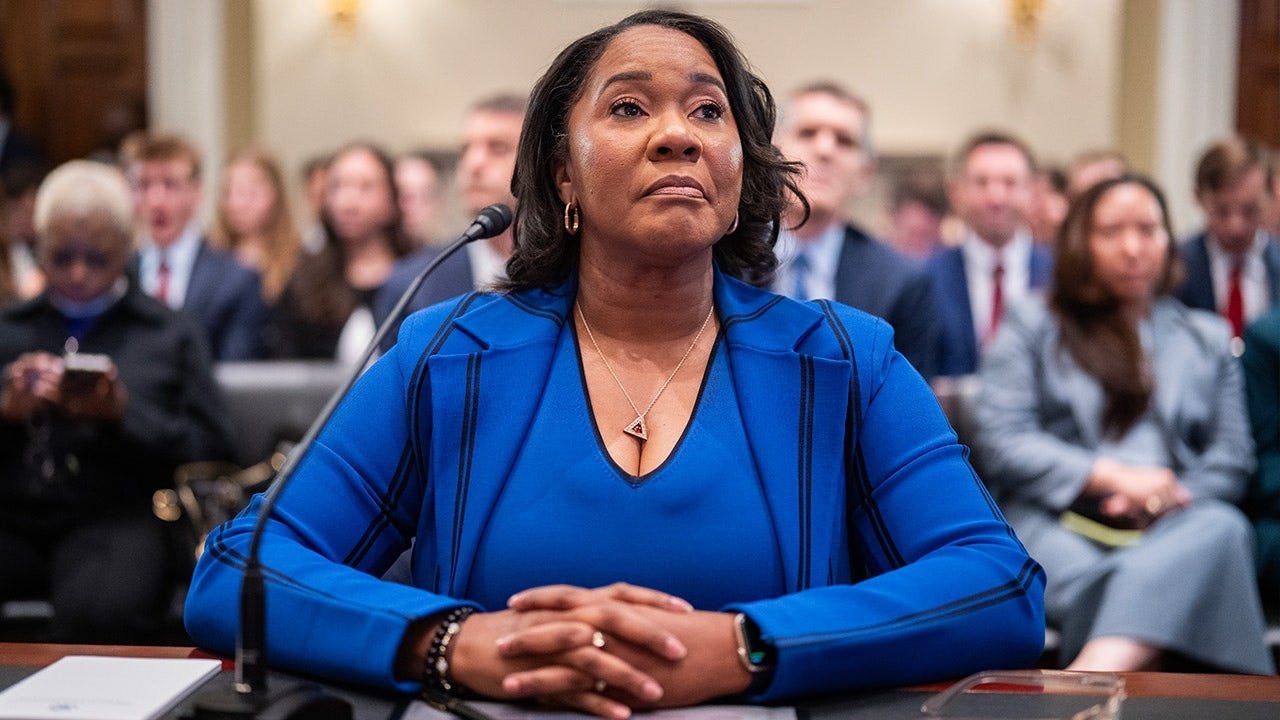
A top House Republican leading the investigation into ActBlue is warning that Democrats’ main fundraising platform could potentially face criminal charges.
Committee on House Administration Chairman Bryan Steil, R-Wis., told Digital that the congressional investigation into ActBlue would continue and that he suspected the Department of Justice (DOJ) would act as well if federal prosecutors believed a crime could be proven in court.
«We know that ActBlue did not have the fraud prevention standards in place that were necessary to prevent foreign funds from finding their way, through the ActBlue platform, into Democratic campaigns and Democratic causes. I’m of the belief that we ultimately need to continue this investigation,» Steil told Digital.
ANOTHER ACTBLUE LEADER PLEADS FIFTH AS HOUSE INVESTIGATES ALLEGED FOREIGN DONATIONS
«And then, separate of that, the United States Department of Justice will make a decision as to whether or not they believe that there was a crime committed. And if they can prove that in court, my belief would be that the Department of Justice would move forward.»
Steil’s committee, along with the House committees on oversight and the judiciary, have for years probed allegations that ActBlue’s lax verification standards have allowed foreign cash to seep into American elections. ActBlue has denied any wrongdoing and dismissed the probe as a partisan attack.
DEM FUNDRAISING GIANT MAKES DAMNING ADMISSION AS GOP PROBES FOREIGN DONATION ALLEGATIONS
ActBlue has, however, sought to shore up its donor verification standards as the probe has gone on, including most recently rolling out a new passport verification system.
«Our investigation is about getting the facts to the American people, and in large part, putting ourselves in a position to update our campaign finance laws for the digital era,» Steil said. «So many of our campaign finance laws were written for a previous time. It is absolutely essential that we’re updating our laws to actually address the fact that we are in a campaign finance digital era.»
President Donald Trump directed now-former Attorney General Pam Bondi to open an investigation into ActBlue in April 2025, but the current status of that probe is unknown. Digital reached out to the DOJ with Steil’s comments, asking for an update on the investigation.
The platform has long been used by many Democrats to raise money for their political campaigns, including Democratic leaders in the House and Senate, though it said it paused donations from Americans abroad in 2025.
FAR-LEFT POLITICIANS STILL USING ACTBLUE AS 88-YEAR-OLD DISPUTES DONATING NEARLY $150,000 TO FUNDRAISING GIANT
ActBlue has consistently denied wrongdoing in responses to Digital and communications to House investigators. Ten top figures within the company, including executives and founders, have pleaded the Fifth Amendment to avoid answering questions in both public and private sit-downs with GOP-led committees.
But a new report released earlier this month, first reported by Digital, appeared to show employees green-lighting donations despite some questions about where they came from.
Chief among the GOP’s concerns was ActBlue’s passport number verification. According to the report, the field only required the correct number of characters for a U.S. passport number rather than a valid code for a donation to be accepted.
A letter sent to House investigators by ActBlue’s lawyers earlier this month said its new program «adds passport-based identity verification as a further enhancement to ActBlue’s multi-layered approach to fraud and foreign-contribution prevention.»
TEXAS AG PAXTON SUES DEM FUNDRAISING PLATFORM ACTBLUE, ALLEGING ‘FRAUDULENT AND FOREIGN DONATIONS’
«The new program uses the best available technology to allow eligible donors located abroad to verify their identity using a valid U.S. passport. It reflects substantial engineering investments by ActBlue to ensure that, as it resumes processing contributions from foreign addresses, its compliance systems can withstand scrutiny,» the letter said.
Steil said at the time that the update «only confirms what we’ve been saying: ActBlue failed to verify the citizenship of individuals who made donations from abroad.»
Digital reached out to ActBlue for comment on Steil’s most recent remarks.
politics, investigations, congress, house of representatives, justice department

"Nos falta una maestra": los sindicatos docentes se movilizan hoy a la casa de Corrientes en el centro porteño

Los Brewers conquistaron la Serie Mundial tras vencer a los Rays y pusieron fin a 57 años de sequía

Gonçalo Ramos: ‘Quería irme del PSG, deseaba marcharme ya en enero’

El feroz escándalo que sacude a Wanda Nara, con uno de los matrimonios más importantes de la farándula: «Un trasfondo siniestro»

Brasil: Michelle Bolsonaro emerge como la nueva cara del clan, pero la derecha se reorganiza bajo el liderazgo del gobernador de San Pablo

En medio de la tensión diplomática y la fuga de Bolsonaro, Quirno coincidirá con su par de Brasil en una reunión de cancilleres del G20

Medios brasileños afirman que Flávio Bolsonaro escapó del país y está en vuelo a Estados Unidos

CFK, Axel Kicillof, Sergio Massa y otros referentes del PJ celebraron el triunfo electoral de Lula da Silva

Edgerunners 2 ha vuelto a poner a David Martinez en el centro de la conversación. Su showrunner tiene algo que aclarar sobre su destino

El boom de Vaca Muerta no para: aporta más del 70% del crudo y empuja a la Argentina hacia el millón de barriles diarios

 INTERNACIONAL2 días ago
Medios brasileños afirman que Flávio Bolsonaro escapó del país y está en vuelo a Estados Unidos
- POLITICA2 días ago
De Bullrich a Lula da Silva: a Milei se le abrieron dos frentes de conflicto con resolución incierta
- DEPORTE2 días ago
Facundo Bagnis vuelve al tenis tras un año de suspensión por doping: “Dejó una cicatriz enorme en mí”