INTERNACIONAL
Starbucks resolves Florida DEI lawsuit with blockbuster agreement

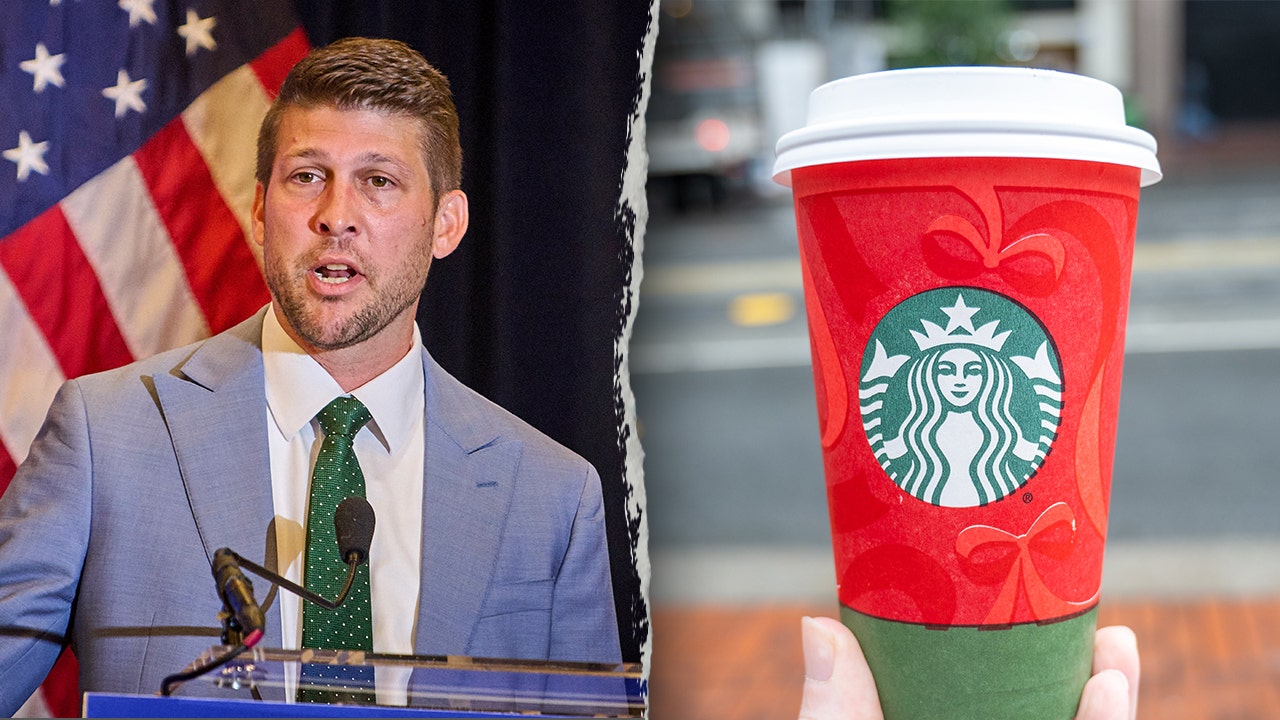
EXCLUSIVE — Starbucks will pay Florida $1 million and will not use race-and sex-based goals, quotas and preferences in employment practices companywide under a sweeping settlement ending the state’s civil rights lawsuit against the coffee giant.
Florida Attorney General James Uthmeier’s office confirmed to Digital that the agreement applies to all Starbucks operations nationwide, not just the company’s locations in Florida.
«Every Floridian deserves to be hired, promoted and compensated based on merit, qualifications and character — not race or sex,» Uthmeier told Digital. «This resolution ensures that Starbucks’ policies and practices fully comply with Florida’s civil rights laws. DEI can never be an excuse to violate civil rights.»
The negotiated resolution ends the lawsuit Uthmeier filed in December 2025 accusing Starbucks of violating the Florida Civil Rights Act through racial and sex-based goals, quotas and preferences in its workplace policies.
GOP FRESHMAN FIREBRAND TARGETS GLOBAL CONSULTING GIANT OVER ‘PLAINLY ILLEGAL’ DEI PRACTICES
Under the agreement, Starbucks committed to complying with the state civil rights law, which prohibits race and sex-based preferences in hiring, promotions, pay, executive compensation, mentorship programs, supplier selection and board composition.
The company also agreed it will not participate in organizations that require it to increase the racial diversity of its board of directors.
GEORGIA DISTRICT QUIETLY TRAINED TEACHERS TO BLAME ‘WHITENESS,’ ‘DECOLONIZE’ UNDER FEDERAL CRACKDOWN: REPORT
Starbucks’ chief legal officer will be required to submit annual certifications of the company’s continued compliance for four years. The company will also pay $1 million to the Florida Department of Legal Affairs to reimburse the office for the time, expenses and costs of bringing the case.
«We’re pleased to have resolved this matter without admission of wrongdoing and appreciate the constructive engagement of the Attorney General’s Office throughout this process,» Pilar Ramos, executive vice president and chief legal officer of Starbucks said.
«We will continue to focus on offering great jobs and career opportunities to our partners who wear the green apron, while making a positive impact on the communities we serve in Florida and around the world.»
The agreement includes no admission of liability or wrongdoing by Starbucks.
SEATTLE MAYOR’S STARBUCKS BOYCOTT CALL SLAMMED BY LOCAL RADIO HOST AS COFFEE GIANT ADDS NASHVILLE-BASED ROLES
The settlement follows Uthmeier’s lawsuit, which alleged Starbucks had turned diversity, equity and inclusion initiatives into a system that discriminated based on race.
The December complaint pointed to goals Starbucks announced in 2020 to have people of color fill 40% of retail and manufacturing jobs and 30% of corporate positions by 2025.
‘SEATTLE CAN’T SURVIVE THIS’: CRITICS HAMMER SOCIALIST MAYOR AFTER STARBUCKS REVERSAL
It also alleged the company paid certain employees more than workers of other races with the same experience and skills and, before March 2024, tied executive bonuses to diversity goals.
For fiscal year 2024, the lawsuit alleged that bonus criteria included executives mentoring Black, Indigenous and other employees of color, holding monthly meetings with mentees and keeping retention among those workers above a stated threshold.
TRUMP ADMINISTRATION ACCUSES PRESTIGIOUS LAW SCHOOL OF FAVORING BLACK APPLICANTS OVER WHITE, ASIAN PEERS
The complaint further alleged that Florida Starbucks employees and job applicants contacted the attorney general’s office and reported feeling excluded or humiliated because they were White. Uthmeier accused the company of «systemic discrimination» against workers it considered «non-diverse.»
«Starbucks made DEI more than a slogan,» Uthmeier said when the lawsuit was announced. «They turned it into a mandatory hiring and promotion system based on race.»
FLORIDA STATE UNIVERSITY HIT WITH FEDERAL CIVIL RIGHTS INVESTIGATION OVER RACE, SEX-BASED SCHOLARSHIP PROGRAMS
He said at the time that race-based hiring goals and executive bonuses tied to meeting them amounted to discrimination prohibited under Florida law.
The state initially sought $10,000 in damages for each alleged instance of racial discrimination against a Florida resident, an amount Uthmeier’s office said could have reached tens of millions of dollars or more. Starbucks operates more than 900 stores in Florida, according to the complaint.
TRUMP ADMINISTRATION PROPOSES STRIPPING TAX-EXEMPT STATUS FROM SCHOOLS USING RACE-BASED PROGRAMS
The effort began in 2024 under then-Florida Attorney General Ashley Moody, now a Republican U.S. senator, after she called for an investigation into the company’s hiring practices.
Florida was not the only state to challenge Starbucks’ DEI policies. Then-Missouri Attorney General Andrew Bailey filed a separate federal lawsuit in February 2025 alleging the company used race and sex-based hiring quotas and unlawfully tied executive pay to diversity targets.
OAKLAND SCHOOLS IN HOT SEAT OVER ‘STUDENTS OF COLOR’ PROGRAM WHILE TAKING MILLIONS IN FEDERAL FUNDING
A federal judge dismissed that case in February 2026, finding that Missouri had not identified a resident who was actually harmed by the policies. The state appealed the ruling.
Starbucks previously disputed Florida’s allegations, telling Digital after the lawsuit was filed that its programs and benefits were open to everyone and lawful.
«Our hiring practices are inclusive, fair and competitive and designed to ensure the strongest candidate for every job, every time,» a company spokesperson said at the time.
Digital’s Rachel del Guidice and Anders Hagstrom contributed to this report.
EDITOR’S NOTE: This story was updated to reflect Starbucks’ commitment to not using race-and sex-based goals, quotas and preferences in employment practices companywide.
politics, organization, florida, diversity, woke, controversies state and local, law












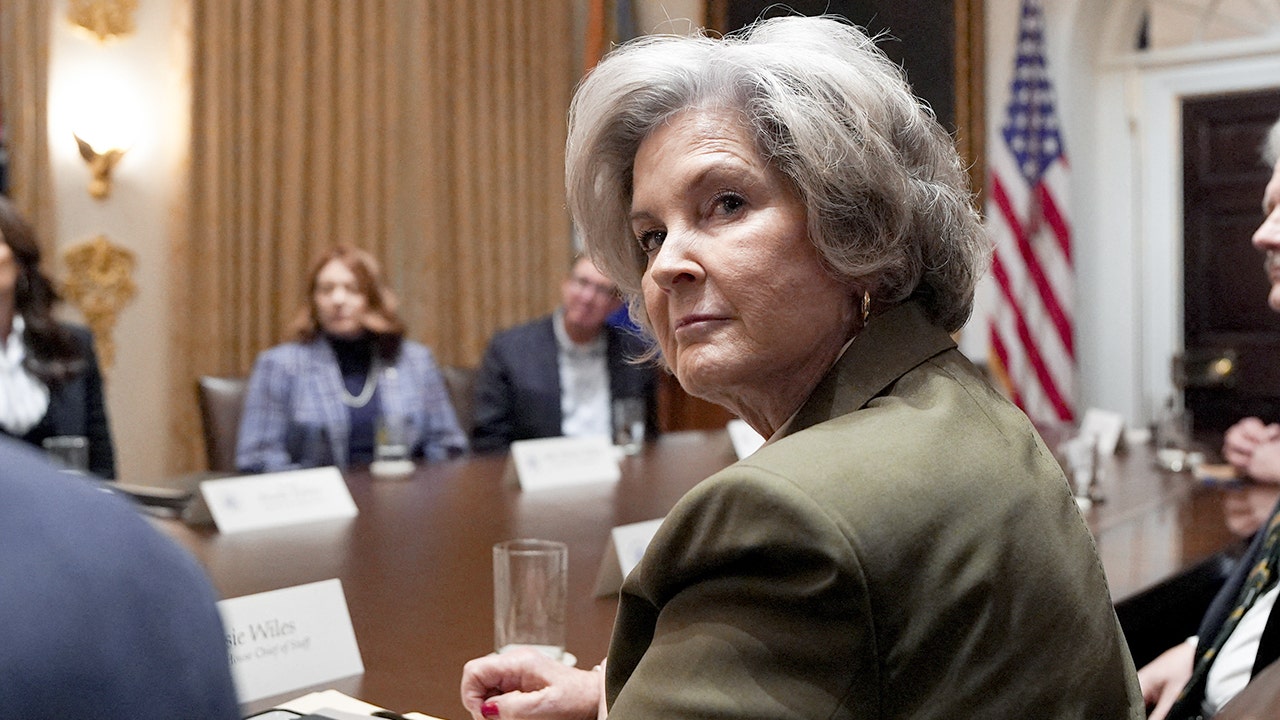
Newly released documents reveal the extent of the FBI’s monitoring of President Donald Trump’s now-chief of staff Susie Wiles, showing investigators tracked phone metadata reflecting her contacts with attorneys, journalists, campaign officials, Trump Organization personnel and Secret Service contacts.
Documents released Monday by the White House detail «Plasmic Echo,» the investigation into Trump’s handling of classified documents and other presidential records that led to the FBI’s 2022 search of Mar-a Lago and later included possible obstruction of the investigation.
The records show the FBI tracked Wiles’ phone activity from at least February through May 2023, cataloging who called her, whom she called, when the calls occurred and how long they lasted.
The documents show Wiles was in contact with at least 21 attorneys, along with campaign personnel, Trump Organization contacts, Secret Service contacts and journalists, offering a fuller account of the reach of the bureau’s monitoring.
TODD BLANCHE EXPOSES HOW AGGRESSIVE BIDEN DOJ TARGETED LOW-LEVEL MAR-A-LAGO EMPLOYEES
Reuters first reported in February that FBI Director Kash Patel said the bureau had subpoenaed phone records belonging to him and Wiles while they were private citizens as part of federal investigations involving Trump.
The newly released documents provide a more detailed picture of the scope and scale of the monitoring, revealing how investigators mapped Wiles’ phone contacts across Trump’s legal, political, business, media and security circles over several months.
Some entries name the contacts swept into the FBI’s monitoring of Wiles, including journalists associated with CNN, The Washington Post and Politico, while dozens of others are identified only by labels such as «Lawyer,» «Campaign» and «USSS.»
Monday’s document dump revealed the FBI’s monitoring also swept in Wiles’ contacts with two separate Secret Service officials, identified only as «USSS 1» and «USSS 2,» extending the bureau’s mapping of her phone activity into Trump’s protective orbit. The records do not reveal what investigators were seeking to establish through those contacts, what was discussed or provide reliable durations for the calls.
A March 24 entry from that year shows investigators logged a 41-second call from «Lawyer 7» to Wiles and then examined earlier calls between the two, illustrating how investigators were not simply capturing isolated contacts but tracing patterns across her network. The documents do not explain what prompted that scrutiny or what investigators believed those contacts could reveal.
In another example, a March 9 log shows investigators cataloging a series of Wiles’ calls with at least six contacts identified as campaign personnel, recording when the communications occurred and how long they lasted, but not the substance of the conversations.
JACK SMITH’S TRUMP PROBE SWEPT UP NEWS, OTHER MEDIA COMMUNICATIONS AS INVESTIGATION WENT BEYOND LAWMAKERS
The probe was launched by the FBI and Justice Department in March 2022, with then-FBI Director Christopher Wray seeking authorization and Attorney General Merrick Garland approving the full investigation. The probe was later placed under special counsel Jack Smith, whom Garland appointed in November 2022 to oversee the ongoing investigation.
Wiles was running Trump’s political operation and serving as a top campaign adviser at the time, and later became his White House chief of staff.
«Jack Smith’s surveillance operation was a disgraceful abuse of government power. Spying on political opponents is weaponization of law enforcement, plain and simple,» White House spokesperson Lauren Bis told Digital. «Those responsible must be held accountable.»
Heritage Foundation foreign policy expert Victoria Coates told Digital the tracking into Wiles is «unprecedented, dangerous and should be illegal.»
«The Biden FBI was following the precedent of the Obama FBI in 2015, when they used their authorities to surveil then-candidate Donald Trump and his campaign at Trump Tower as well as other candidates, notably my then-boss, Senator Ted Cruz. It’s the ultimate political dirty trick,» said Coates.
Coates argued that the breadth of the FBI’s tracking raises concerns about investigative overreach, pointing to what she characterized as a stark contrast with the Justice Department’s handling of President Joe Biden’s classified-documents case.
«No, particularly by the Justice Department’s own very low standards in dealing with President Biden’s classified-document violations from his time as vice president, which were far more egregious than anything retained at Mar-a-Lago,» Coates said.
She also warned that tracking Wiles’ communications with attorneys and journalists carries broader implications for future presidential campaigns.
«In our increasingly digital world, it raises the grim specter of future campaigns where an incumbent can weaponize the private communications of not only a candidate and his family, but also his staff,» Coates said.
The declassified documents also show agents gathering details about the travel of Melania Trump and her son, Barron, as the FBI planned for a potential search of Mar-a-Lago.
Operational planning emails included pre-raid checklists directing agents to «finalize FBI understanding of FPOTUS/FLOTUS/minor son’s travel,» including the type of aircraft and specific travel timeline, as investigators worked to determine when the warrant would be executed.
The FBI executed the search warrant at Trump’s Mar-a-Lago estate in Palm Beach, Florida, on Aug. 8, 2022. Agents entered the property shortly before 9 a.m. and began searching around 10:30 a.m., according to records previously reported by Digital.
Digital’s Stepheny Price and Alec Schemmel contributed to this report.
fbi, donald trump, white house, corruption
INTERNACIONAL
Un estudio estima que los ancestros de tordos y oropéndolas llegaron a Sudamérica hace 6,1 millones de años, antes de la unión terrestre de Panamá

Un modelo biogeográfico estima que los antepasados de los ictéridos, la familia de aves que reúne a oropéndolas, zanates, tordos y pechos amarillos, llegaron a la cuenca amazónica hace unos 6,1 millones de años, antes de que se completara la conexión terrestre entre Panamá y Sudamérica. La estimación surge de un estudio de la Universidad de Wurzburgo, en Alemania, publicado en la revista Frontiers of Biogeography.
De acuerdo con Earth.com, el análisis se basó en la distribución geográfica y las relaciones evolutivas de 104 de las 106 especies reconocidas de la familia Icteridae, desde América del Norte hasta Tierra del Fuego. Los investigadores no utilizaron restos fósiles, por lo que las fechas corresponden a estimaciones de un modelo y presentan un margen de incertidumbre superior a un millón de años.
El modelo ubica el origen de la familia en el Norte

El estudio fue desarrollado por Axel Arango García y Chaitanya Gokhale, de la cátedra de Biología Computacional y Teórica de la universidad alemana.
Para reconstruir la expansión de la familia, el equipo combinó los mapas de reproducción con un árbol evolutivo publicado en 2015 y dividió el continente en 6 zonas: América del Norte; México, América Central y el Caribe; la Amazonía; los Andes; el sur de Sudamérica, y la Patagonia.
Luego compararon tres hipótesis sobre las rutas de desplazamiento entre esas regiones. El modelo que mejor se ajustó a los datos describe una expansión gradual, con una dirección predominante de norte a sur.
El principal punto de paso
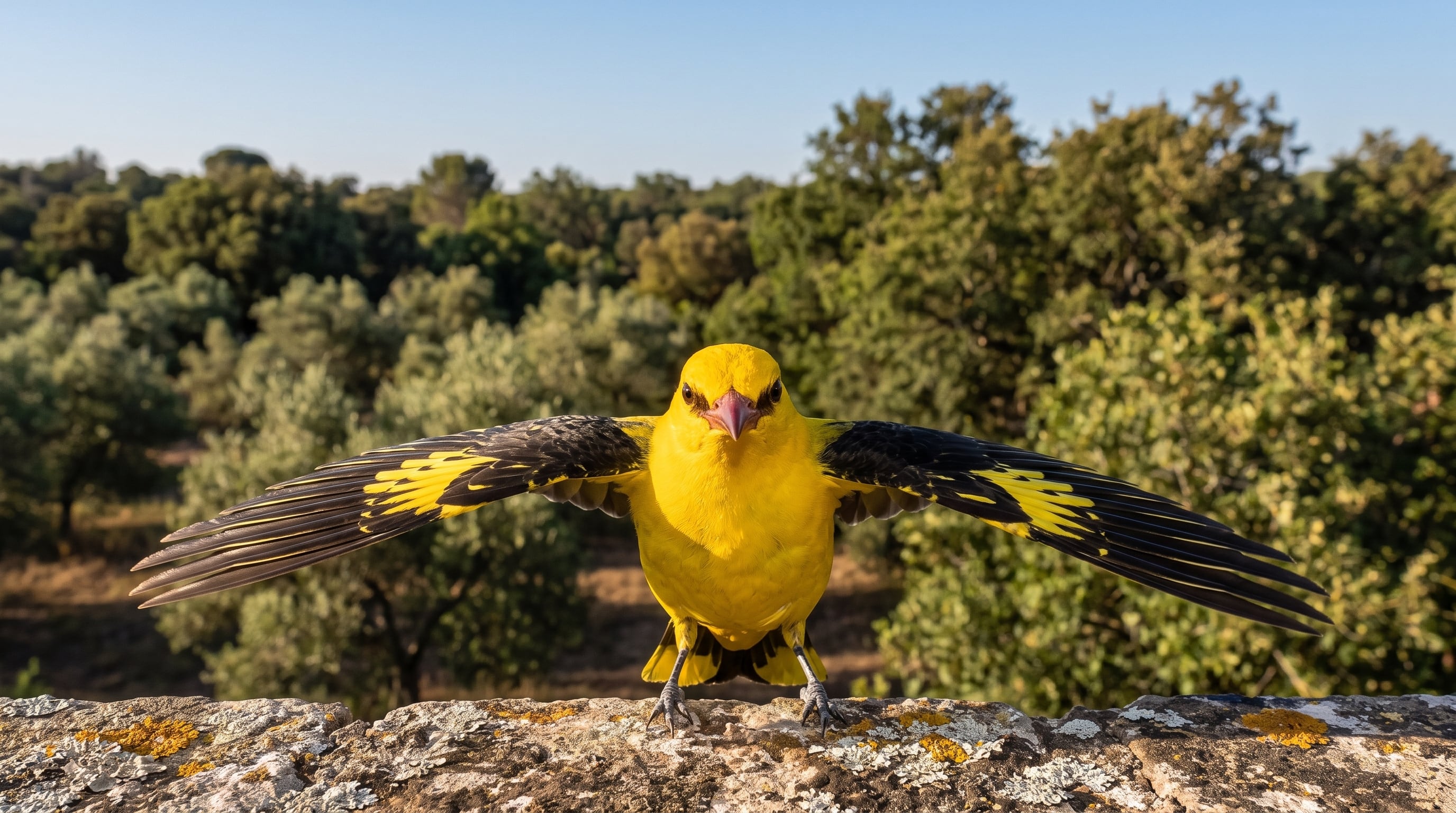
Bajo el modelo seleccionado, los antepasados de estas aves vivieron inicialmente en América del Norte. La primera expansión hacia México, América Central y el Caribe habría ocurrido hace aproximadamente 7,5 millones de años, antes de que los linajes avanzaran hacia territorios sudamericanos.
La llegada a la Amazonía se calcula en torno a 6,1 millones de años atrás, mientras que el ingreso a los Andes habría sucedido poco después. El sur de Sudamérica habría sido ocupado hace cerca de 4,8 millones de años y la Patagonia, última región colonizada, unos 2,7 millones de años atrás.
Las primeras regiones ocupadas funcionaron como los principales corredores de esta dispersión. Desde allí, los grupos se desplazaron tanto hacia la cordillera andina como hacia la cuenca amazónica. En cambio, la Patagonia recibió aves casi exclusivamente desde el sur del continente.
El análisis incluyó 1.000 simulaciones de la historia evolutiva de la familia. Solo en 4 de ellas se formó una especie nueva en la Patagonia, un resultado que indica que el asentamiento en una zona distinta no implicaba necesariamente la aparición inmediata de nuevos linajes.
Las aves pudieron cruzar agua o conexiones terrestres parciales
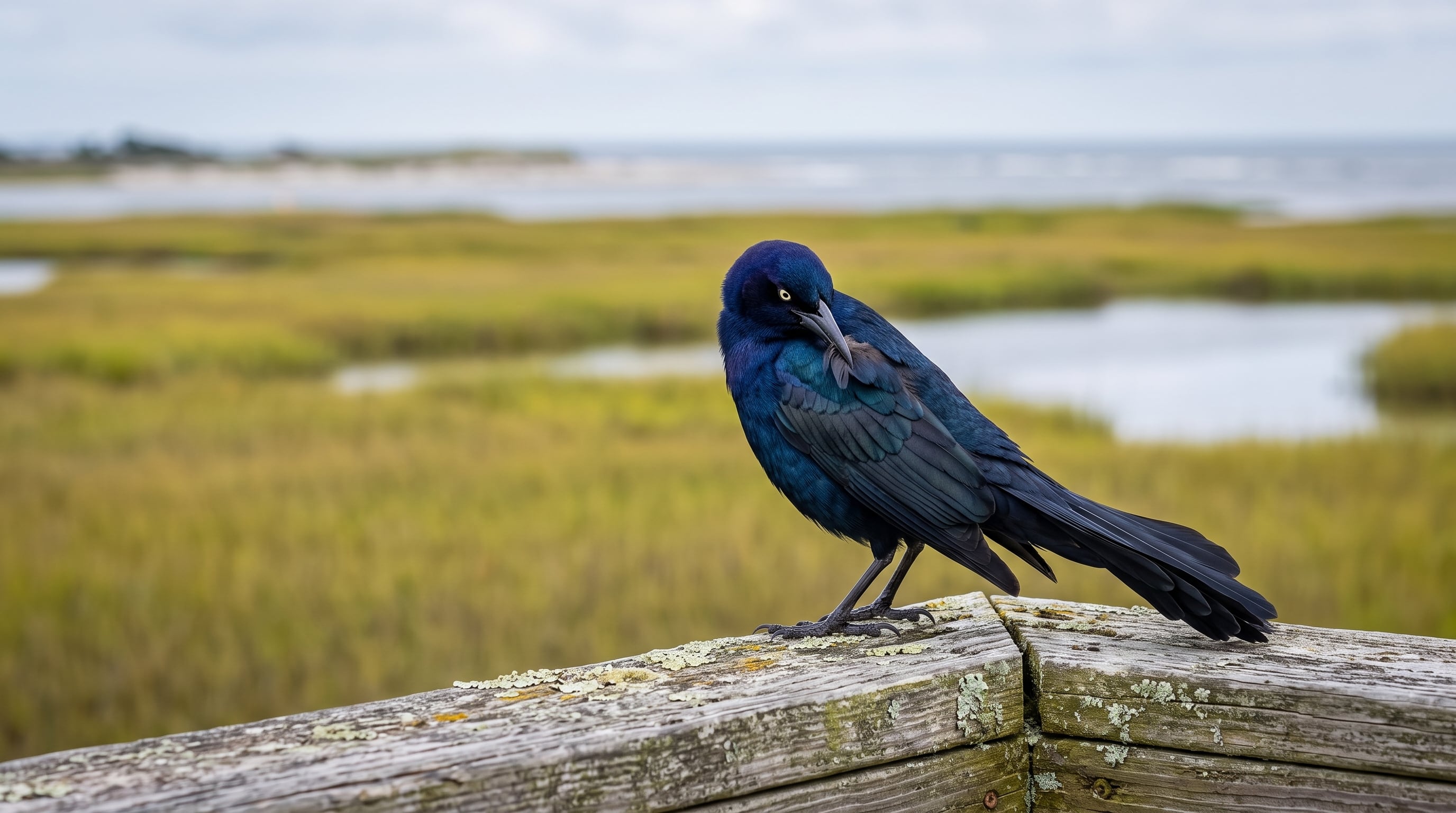
La formación del puente terrestre de Panamá suele ubicarse entre hace 3 millones y 2,7 millones de años. Si los ictéridos llegaron a Sudamérica alrededor de 6 millones de años atrás, debieron utilizar otra vía para atravesar la separación entre ambos continentes.
Los científicos plantearon 2 posibilidades: que los ejemplares cruzaran extensiones de mar abierto o que aprovecharan islas y conexiones terrestres incompletas existentes antes de la unión definitiva. Sin embargo, el estudio no determina cuál de las opciones ocurrió.
La cronología coincide con un cambio ambiental registrado en el norte de Sudamérica: entre hace 9 millones y 6 millones de años, el levantamiento de los Andes favoreció la expansión de paisajes abiertos y cubiertos de pastos. Los pechos amarillos y sus parientes, el primer grupo que se separó dentro de la familia, viven en ese tipo de hábitat.
Los autores aclararon que la coincidencia temporal no demuestra que la expansión de los pastizales haya causado el desplazamiento de las aves. Sin embargo, el trabajo identifica que ambos procesos ocurrieron durante un período similar.
La diversidad de especies requiere otras explicaciones

La familia reúne más de un centenar de especies, pero la geografía no explica por sí sola esa variedad. La mayor cantidad de nuevas especies se habría originado en México y América Central, seguidos por la Amazonía y América del Norte, con ritmos de formación semejantes en las 2 grandes masas continentales.
Los autores explicaron que hay rasgos que el modelo nunca midió, entre ellos figuran la especialización en ciertos alimentos o hábitats, la conducta social y la elección de pareja.
Estudios posteriores podrían integrar esos rasgos para establecer por qué algunos grupos de oropéndolas, zanates y tordos originaron más especies que otros.
bienteveo,Pitangus sulphuratus,fauna tropical
Hace exactamente treinta días Alemania se despertó con un resultado que merecía algo más que reuniones de comité, declaraciones solemnes y caras largas.
AfD había obtenido 43,8% en Sajonia-Anhalt. La CDU, 17,2%. Ulrich Siegmund quedó apenas tres bancas por debajo de la mayoría absoluta.
Friedrich Merz dijo estar profundamente conmocionado. Markus Söder, jefe de la CSU bávara, habló de un “golpe en la boca del estómago”.
Tenía razón en lo del golpe. Lo que Berlín no parece haber entendido es que el estómago no era el órgano que debía reaccionar.
Era el cerebro.
Treinta días después, INSA coloca a AfD en 30,5% nacional y CDU/CSU en 17,5%. El 5 de septiembre estaban 28% y 20%. La brecha pasó de ocho a trece puntos.
Infratest dimap es menos extremo —27% contra 20%— pero cuenta la misma historia. Y hay algo peor para Merz: sólo 10% está satisfecho con su gestión y 88% insatisfecho, mínimo histórico del DeutschlandTrend.
No parece una pequeña indigestión electoral.
El humor cambió. Merz se amargó
Casi nueve de cada diez alemanes miran la situación del país con preocupación. Tres de cada cuatro dicen sentir sobre todo las cargas de las decisiones gubernamentales y no sus beneficios.
Ahí está la clave. Alemania no se volvió súbitamente ultraderechista el 6 de septiembre. Se está quebrando la confianza en que el sistema tradicional pueda producir resultados.
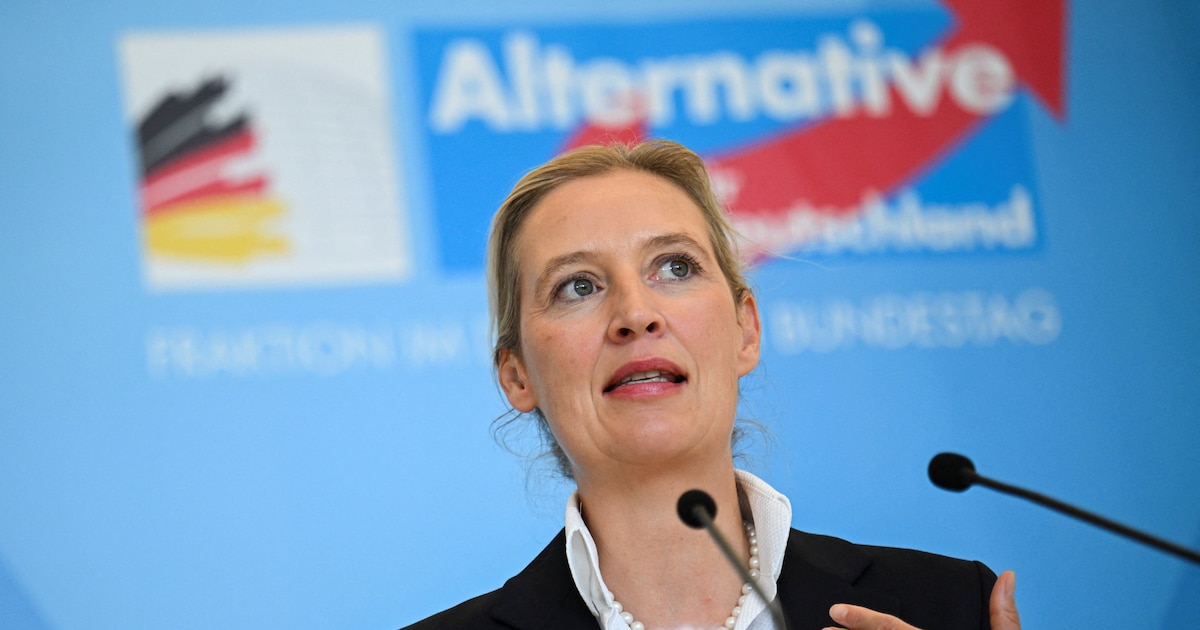
Y mientras tanto Alice sonríe. No necesita hacer demasiado: sus adversarios colaboran.
Dos semanas después llegó Mecklenburg-Vorpommern. AfD volvió a ganar: 38,2%. CDU obtuvo 4,9% y, por primera vez, quedó fuera de un Parlamento regional.
Merz volvió a lamentarse.
Y volvió a prometer reformas.
Quizás alguien en la Cancillería debería explicarle que repetir una respuesta esperando un resultado diferente no constituye exactamente una estrategia.
Söder parece haber olido mejor el problema: a un tortazo político por derecha se le responde con otro más fuerte, no con una comisión que entregue sus conclusiones el año próximo.
Y hoy apareció otra imagen incómoda. Tobias Rausch, de AfD, fue elegido presidente del Parlamento de Sajonia-Anhalt con 48 votos. AfD tiene 39 diputados y los cinco legisladores de BSW habían anunciado su apoyo.
Todavía sobran cuatro votos.
El sufragio fue secreto.
El Brandmauer sigue en pie, naturalmente.
Sólo que alguien acaba de descubrir cuatro ladrillos flojos.
Alice descubre las ventajas de la moderación
Weidel también entendió que para llegar al poder no basta con protestar: hay que parecer capaz de gobernar.
Un documento estratégico conocido esta semana propone dejar la salida del euro para después: primero renegociar Europa, recuperar competencias nacionales y obtener opt-outs. Si eso fracasa, recién entonces habrá un referéndum.
Después de años amenazando con abandonar el club, Alice parece haber descubierto algo elemental: quizá resulte más rentable quedarse con el edificio y cambiar el reglamento.
Con Rusia necesita menos sutilezas. Dirigentes de AfD preparan para 2027 una eventual reunión de Weidel y Tino Chrupalla con Kirill Dmitriev, enviado económico de Vladimir Putin, para discutir el retorno del gas ruso si antes existe un marco de paz con Ucrania.
La receta es seductora: energía barata, sanciones afuera y negocios adentro.
Por Nord Stream deberá volver a pasar gas. La historia, aparentemente, tendrá que buscarse otro caño.
Merz elige Kiev
Merz respondió este domingo desde el otro extremo.
Viajó a Kiev, anunció 1.000 millones de euros adicionales de ayuda militar y otros 350 millones para infraestructura energética. Empresarios alemanes que lo acompañaron firmaron 14 acuerdos por unos 6.600 millones de euros, incluyendo defensa aérea, radares y drones.
Puede existir una sólida justificación estratégica para hacerlo. Pero existe también una pregunta política que Merz no puede evitar: ¿cómo se explica esa prioridad a un país donde tres de cada cuatro ciudadanos sienten que soportan las cargas de las decisiones del gobierno?
Gobernar no consiste solamente en tener razón.
También consiste en conseguir que la sociedad comprenda hacia dónde se la conduce.
Y ahora, un ex jefe de espías
Como si a Alemania le faltaran ingredientes para este otoño, hoy fue detenido August Hanning, director del BND —la inteligencia exterior alemana— entre 1998 y 2005.
La Fiscalía sospecha que obtuvo mediante pagos material secreto y utilizó información clasificada para elaborar un análisis destinado a un servicio de inteligencia extranjero. Su antiguo colaborador Manfred D. habría suministrado alrededor de 2.000 documentos.
Conviene aclararlo: la investigación conocida hasta ahora no establece que el destinatario haya sido Rusia.
Pero la imagen es demoledora.
Mientras Alemania discute Rusia, Ucrania, Nord Stream, guerra híbrida y seguridad energética, uno de sus antiguos jefes de inteligencia termina detenido bajo sospecha de espionaje y tentativa de alta traición.
No es una conexión.
Es el clima.
El problema es bastante mayor que Alice
Aquí aparece el verdadero debate europeo.
Quizás es el momento en que surgen las preguntas políticamente incorrectas: ¿cómo pueden las actuales democracias parlamentarias enfrentar fenómenos políticos disruptivos y distópicos que avanzan mucho más rápido que su capacidad de reaccionar? ¿Y están preparadas para ejecutar las transformaciones económicas que Europa necesita aunque impliquen recortar gastos públicos faraónicos, desmontar burocracias y revisar privilegios construidos durante décadas?
No es la democracia lo que está agotado.
Es una determinada forma de administrarla.
Coaliciones de tres o cuatro partidos, vetos cruzados, ministerios repartidos para sostener mayorías, burocracias que crean nuevas burocracias para administrar las anteriores y Estados que descubren una agencia pública para resolver los problemas creados por otra.
Mientras Estados Unidos y China compiten en inteligencia artificial, semiconductores, energía, defensa, biotecnología y espacio, Europa produce reglamentos.
Y facturas.
Y acaso no será el momento que aparezca Peter Thiel, hoy cómodamente viviendo en Buenos Aires, con sus ideas y propuestas de gobiernos con tecno-estructuras meritocráticas, con estructuras chicas (o por lo menos más chicas que las actuales gastadoras compulsivas), y funcionarios con atributos meritocráticos..?? . El es alemán de nacimiento, amigo de Alice Weidel quien dijo hace un año que si llega al poder, lo encumbra como ministro.
Prueba del actual derrumbe y desorden son los criterios fiscales de Maastricht que siguen diciendo 3% de déficit y 60% de deuda sobre el PBI. Pero doce de los 27 miembros de la Unión terminaron 2025 por encima de aquel 60%. Francia: 115,6%. Italia: 137,1%. España: 100,7%. Hasta la disciplinada Alemania: 63,5%. La eurozona en conjunto: 87,8%.
Maastricht sobrevive espléndidamente.
Pero sobre el papel.
Europa necesita gastar más en defensa, energía, infraestructura y tecnología; no sostener más la entelequia de un “estados de bienestar” diseñados para otra demografía; reducir deuda y déficit; y competir con Estados Unidos y China.
No existe suficiente dinero para hacerlo todo.
Y tampoco suficiente tiempo.
La propia Comisión reconoce que la productividad europea por hora trabajada equivale apenas al 78,5% de la estadounidense, con un retraso particularmente serio en tecnología digital. Mario Draghi ya escribió el diagnóstico: inversión, energía competitiva, innovación, mercados de capitales integrados y menos fragmentación.
El problema europeo no es la falta de informes. Es su extraordinaria capacidad de encargarlos y su mucho menor capacidad de ejecutarlos.
Treinta días
Sajonia-Anhalt puede terminar siendo mucho más que una elección regional.
En treinta días AfD pasó del 43,8% en Sajonia-Anhalt al 30,5% en una encuesta nacional. Ganó otra elección regional. CDU siguió cayendo. Merz alcanzó mínimos históricos. El Brandmauer mostró fisuras. AfD empezó a discutir cómo gobernar, cómo reformular Europa y cómo volver a hacer negocios con Moscú.
Alice Weidel no creó esta crisis.
La está aprovechando.
Y quizá allí radique el error fundamental de Friedrich Merz: sigue tratando a AfD como el problema cuando probablemente sea también el síntoma.
Alemania —y posiblemente Europa— atraviesa un momento bisagra en el que crecimiento mediocre, pérdida de competitividad, presión fiscal, inmigración, energía cara, guerra y revolución tecnológica ocurren simultáneamente.
Frente a semejante transformación, administrar la política como siempre puede resultar tranquilizador.
También puede resultar fatal.
Porque los sistemas políticos suelen descubrir que el mundo cambió bastante después de que los votantes ya lo hicieron.
Domestic,Politics,Europe,Government / Politics

La Reini se borró los tatuajes de su “pasado tumbero”: un exnovio, una estrella de rock y un dibujo para su madre

Biden-era FBI records reveal sprawling Wiles monitoring as buried contacts surface

Las tapas de los diarios del mundo tras el retiro de Lionel Messi de la selección argentina: “Despedida de cuento de hadas”

La inteligencia artificial no fracasa en el piloto, lo hace después

Malvinas: Rockhopper desafía las sanciones del Gobierno y adquiere parte de una empresa para avanzar con el proyecto petrolero Sea Lion

Muere Margaret Hamilton, la mujer que enseñó al ordenador del Apolo a no perder los nervios sobre la Luna

¡Precios de Manhattan con sueldos de Argentina! Cómo los créditos hipotecarios inflaron las propiedades y congelaron el sueño de la casa propia

Los enviados del peronismo y las principales figuras del partido miraron con cautela el resultado en Brasil

La Argentina se sumó a un acuerdo liderado por EE.UU. para impulsar el uso de la inteligencia artificial en la ciencia

Escándalo total en la AFA: reventa millonaria, un homenaje paupérrimo a Messi y el pedido urgente de renuncia a Chiqui Tapia

 DEPORTE11 horas ago
Escándalo total en la AFA: reventa millonaria, un homenaje paupérrimo a Messi y el pedido urgente de renuncia a Chiqui Tapia
- INTERNACIONAL3 días ago
Israeli medical workers who treated Oct 7 wounded relive day terror hit home
- POLITICA3 días ago
El gobernador de la provincia que más ATN recibió de la Casa Rosada no integró la comitiva de Milei en París