INTERNACIONAL
ONU Turismo: la desaceleración global no frenó el crecimiento de República Dominicana


República Dominicana sumó 8,556.415 visitantes entre enero y agosto de 2026, un alza del 6.9% frente al mismo período de 2025. El dato, difundido por el Ministerio de Turismo (Mitur), llega justo cuando el turismo mundial casi no crece.
Esa combinación deja al país caribeño como una de las excepciones dentro de un panorama global que se enfrió de forma abrupta este año.
El turismo mundial creció apenas 0.4% en el primer semestre
Entre enero y junio de 2026 viajaron internacionalmente unos 690 millones de turistas, apenas tres millones más que en igual lapso de 2025. El dato surge del World Tourism Barometer, el reporte más reciente de ONU Turismo, organismo de Naciones Unidas para el sector, publicado el 17 de septiembre.

El avance de 0.4% marca una desaceleración pronunciada frente al 4% que había registrado 2025, año en que 1,520 millones de personas viajaron fuera de sus países.
ONU Turismo atribuye el freno al conflicto en Medio Oriente, al encarecimiento del petróleo y a una revisión a la baja de las proyecciones globales para el año.
República Dominicana cerró el semestre con 6.6 millones de visitantes
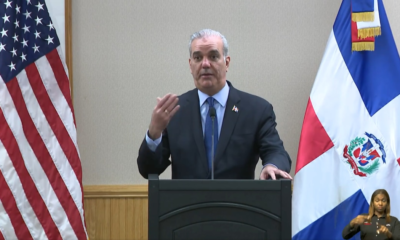
El país terminó los primeros seis meses del año con 6,616.671 visitantes, un incremento de 7.7% respecto de 2025. El dato fue presentado por el ministro de Turismo, David Collado y difundido por medios locales.
De ese total, 4.9 millones llegaron por vía aérea, con un crecimiento de 10%. Otros 1.6 millones arribaron en cruceros, con un aumento de 1.4%.
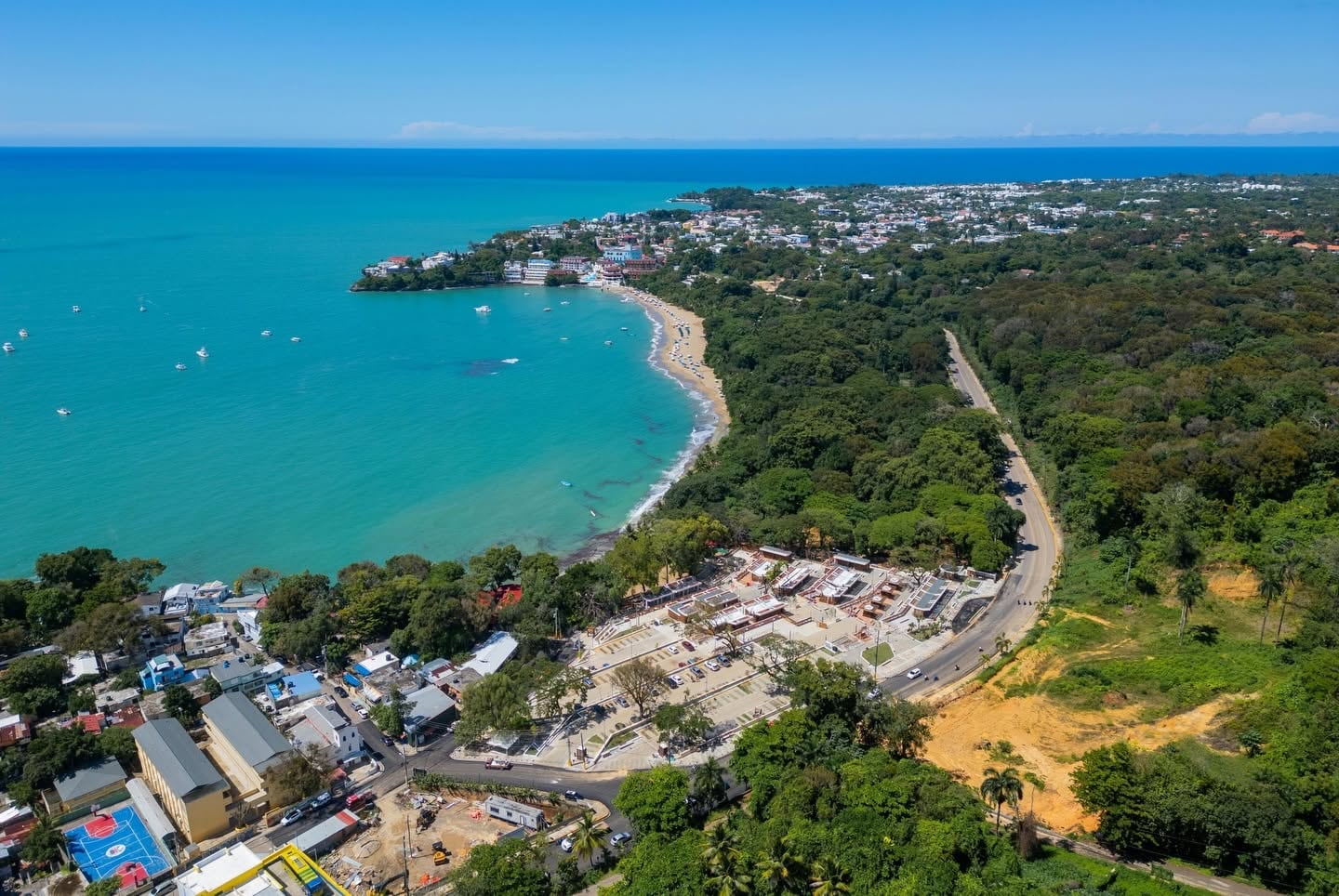
La comparación con el escenario mundial resulta favorable para el destino caribeño. Mientras el planeta apenas sumó tres millones de turistas adicionales en seis meses, República Dominicana por sí sola incorporó cientos de miles de visitantes nuevos y superó ampliamente el promedio global y regional.
Además, el Banco Central de República Dominicana informó que el país captó USD 6,716 millones por turismo durante el primer semestre. La cifra representa un incremento de 15.3% frente a igual período de 2025, equivalente a USD 891.2 millones adicionales.
El alza en los ingresos superó el ritmo de crecimiento en la cantidad de visitantes, lo que sugiere un mayor gasto promedio por turista. El Banco Central no detalló las causas específicas de esa mejora en la facturación del sector.

Estados Unidos lideró el crecimiento de visitantes con 31%
Estados Unidos se mantuvo como el principal mercado emisor del país y explicó el 31% del crecimiento adicional de visitantes durante el semestre. Canadá aportó el 20%, Colombia el 11% y Argentina el 7%.
Esa distribución muestra la dependencia del turismo dominicano de un puñado de mercados concentrados en el continente americano. Cualquier variación en la conectividad aérea con esos países impacta de forma directa en el flujo de visitantes.
Collado proyectó que el país cerrará el año con más de 12 millones de visitantes. El ministro advirtió que esa cifra dependerá de la evolución de los costos globales de transporte y de la conectividad aérea con los principales mercados emisores.
La proyección oficial implicaría sumar cerca de 3.4 millones de visitantes adicionales entre septiembre y diciembre respecto de los 8.556.415 acumulados hasta agosto.
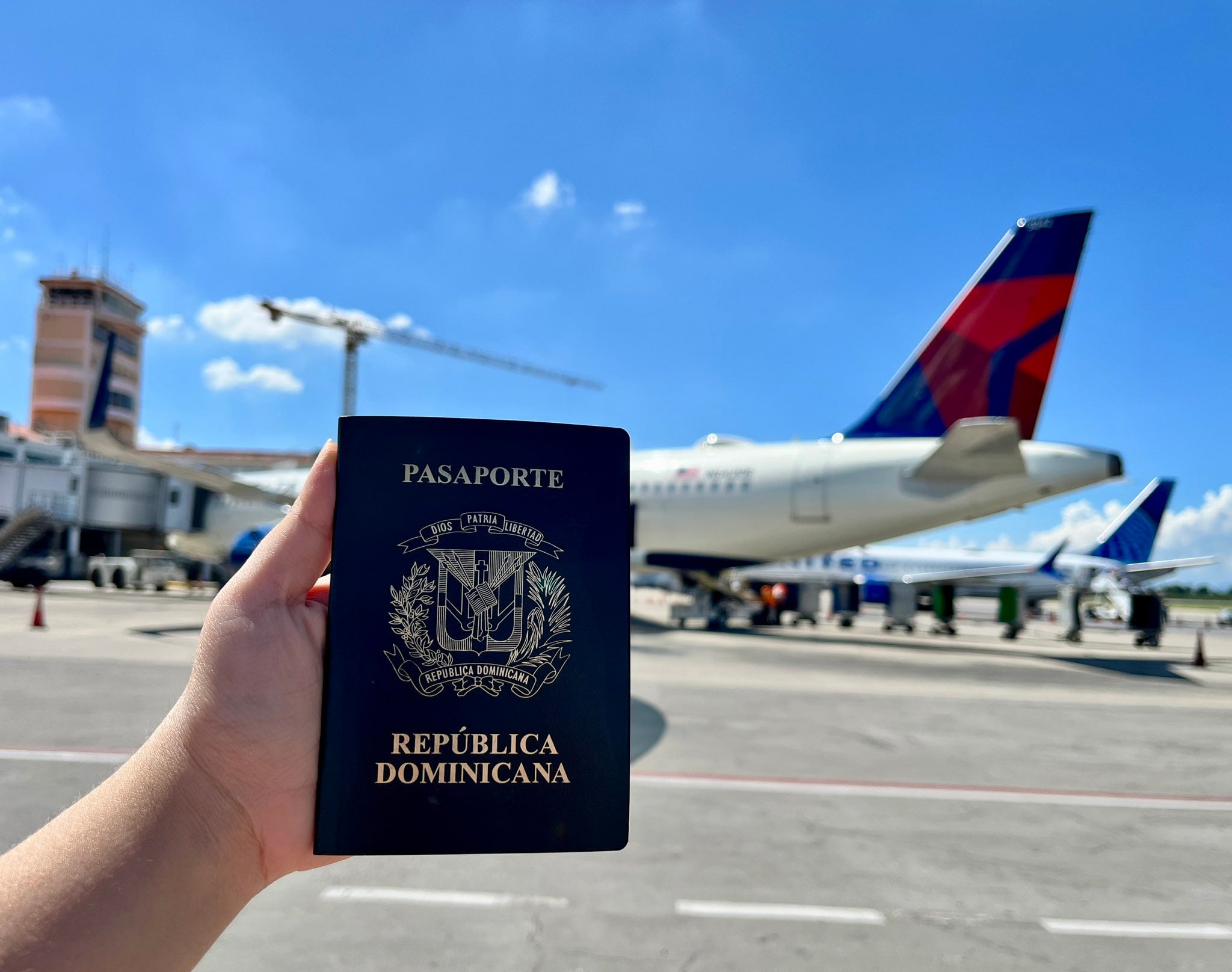
El resultado final quedará sujeto a factores que escapan al control del sector turístico dominicano, como el precio del petróleo y la evolución del conflicto en Medio Oriente que ya condicionó el desempeño mundial durante el primer semestre.
El conflicto en Medio Oriente golpeó la demanda mundial
¿Por qué se frenó el turismo mundial en 2026? Porque la combinación de tensiones bélicas en Medio Oriente y el alza en los precios del petróleo encareció los viajes y golpeó la confianza de los consumidores, según ONU Turismo.
El resultado fue un crecimiento casi nulo en la llegada de turistas internacionales durante el primer semestre, muy por debajo del ritmo registrado un año antes.
El primer trimestre de 2026 había mostrado un crecimiento de 2% en las llegadas internacionales, pero el segundo trimestre cerró con una caída de 1%.
Abril registró un descenso de 3%, atribuido en parte al calendario de Semana Santa y a las primeras consecuencias del conflicto iniciado a fines de febrero en Medio Oriente. En junio, la contracción global volvió a ubicarse en 3%.
La región de Medio Oriente fue la más afectada, con una caída acumulada de 22% en las llegadas internacionales durante el primer semestre.
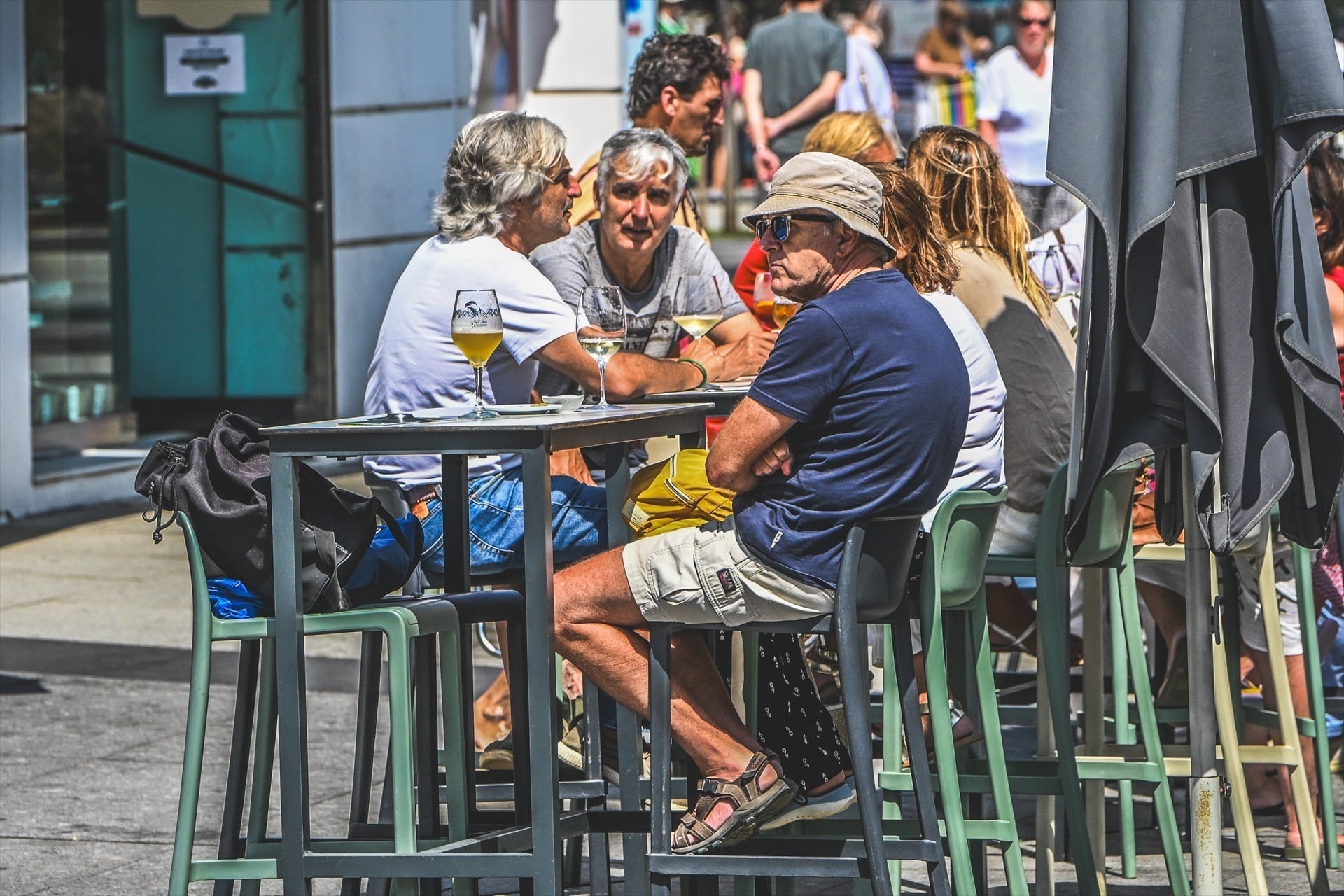
ONU Turismo señaló que las disrupciones en el tráfico aéreo comenzaron a atenuarse en mayo y junio tras el anuncio de un alto el fuego, lo cual permitió la reapertura de algunas rutas y una recuperación gradual, aunque desigual, de la confianza de los viajeros.
Europa creció 3% y África 4% en el primer semestre, mientras que las Américas mostraron una expansión moderada con resultados dispares entre subregiones.
El impacto del conflicto se propagó a otros mercados a través de tarifas aéreas más altas, cambios de rutas, reducción de la capacidad de vuelos y un desplazamiento de la demanda hacia destinos más cercanos y percibidos como más seguros.
Los precios del petróleo se dispararon y luego cedieron
Uno de los factores centrales de la desaceleración fue la volatilidad del mercado petrolero. El precio del crudo WTI pasó de USD 67 por barril el 27 de febrero a USD 113 el 7 de abril, un salto de 68% vinculado a la incertidumbre sobre la producción y el tránsito de petróleo por el estrecho de Ormuz.
El valor cayó por debajo de los USD 70 a fines de junio y luego se estabilizó en un rango de entre USD 80 y USD 90 en julio.
En la encuesta de septiembre realizada por ONU Turismo, el 53% de los expertos consultados afirmó que la crisis en Medio Oriente afecta de manera negativa la demanda en sus destinos, una proporción menor al 64% registrado en mayo. Del total, 39% calificó el impacto como moderado y 14% como alto, mientras que 47% lo consideró menor o inexistente.
ONU Turismo casi duplicó a la baja su previsión anual
Ante estos resultados, el organismo redujo su proyección de crecimiento para 2026 a un rango de entre 1% y 2%, frente al 3% a 4% estimado en enero. La revisión dependerá, según el organismo, de la duración del conflicto y de su efecto sobre los precios del petróleo y la inflación general.
“El mensaje del nuevo Barómetro es claro: el turismo internacional no ha entrado en una recesión, pero el período de crecimiento fácil y rápido ha llegado, por el momento, a su fin”, señaló ONU Turismo en el informe, según recogió Money Tourism, portal especializado en el sector.
esnórquel,República Dominicana,turismo,arrecife de coral











Lawmakers have escalated their probe of three nonprofits linked to Marxist tech tycoon Neville Roy Singham’s funding network, warning that their leaders — and even Singham himself — could be hauled before Congress to answer questions under oath unless they comply with subpoenas by Tuesday.
In new letters announced this week, the Republican-led House Ways and Means Committee renewed its demands for financial records and other documents as lawmakers investigate whether millions of dollars flowing through Singham’s network of tax-exempt nonprofits are being used to advance Chinese Communist Party interests in the United States.
Singham himself is among 21 individuals identified by the committee for potential questioning under oath, according to Digital sources. The list includes nonprofit executives, activists and journalists associated with the three organizations.
PROBE INTO ‘SUBVERSIVE’ ANTI-AI SINGHAM NETWORK IS ‘ENORMOUS,’ FORMER TREASURY ADVISOR SAYS
DOJ LAUNCHES GRAND JURY PROBE INTO MARXIST MOGUL NEVILLE ROY SINGHAM’S FUNDING OF LEFTIST GROUPS
The letters were sent to The People’s Forum Inc., a New York City-based activist hub; BreakThrough News, a left-wing nonprofit media outlet that shares a Manhattan address with The People’s Forum; and Tricontinental: Institute for Social Research, a Massachusetts-based Marxist think tank.
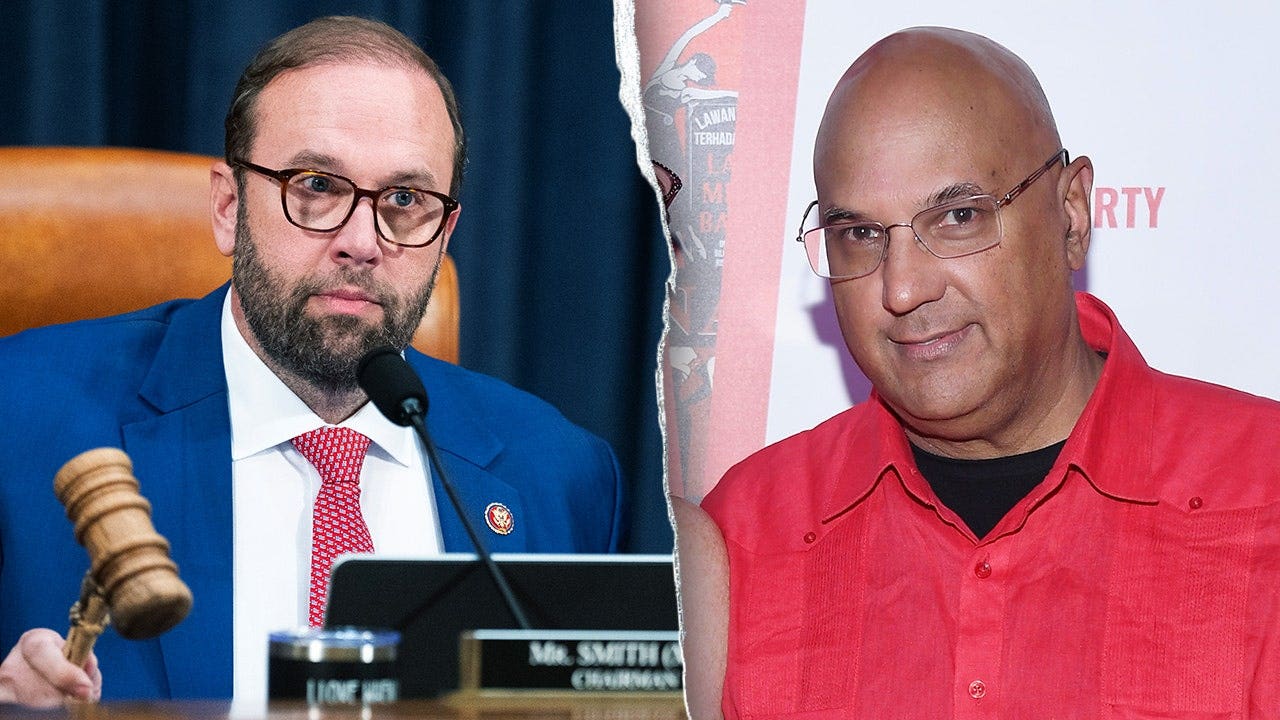
«Shanghai Singham has poured millions of dollars into these groups to take advantage of America’s nonprofit sector and promote Chinese Communist Party propaganda. That much is public. What these groups are fighting to keep hidden is even more concerning,» Ways and Means Committee Chairman Jason Smith, R-Mo., said in a statement.
«Either these organizations turn over the documents, or their leaders will answer the Committee’s questions under oath.»
The threatened depositions mark another escalation in a dispute that began with requests for financial records in 2025 and intensified when the committee subpoenaed the three nonprofits in July.
The organizations have challenged the investigation, arguing lawmakers are targeting their political views and First Amendment-protected activities.
The potential deposition targets include eight individuals at The People’s Forum, seven at BreakThrough News and six at Tricontinental.
Among those named are The People’s Forum executive director Manolo De Los Santos, education director Layan Fuleihan and organizing director David Chung; BreakThrough News editor-in-chief Ben Becker, news director Zoe Alexandra and chief correspondent Rania Khalek; and Tricontinental executive director Vijay Prashad and Singham, who is listed as chairman of its international advisory board.
The committee has not publicly announced that deposition subpoenas have been issued to any of the individuals.
SUBPOENAED PRO-CHINA OUTLET DEFENDS ITSELF ON DEMOCRACY NOW!, WHICH PAID SINGHAM-FOUNDED COMPANY MILLIONS
The panel alleges that Singham channeled money through shell companies and donor-advised funds before it reached the three tax-exempt groups. Such arrangements, the committee said, can allow foreign-linked funding to pass through intermediaries that «by design, obscure the original source of the contribution.»
Singham is an American-born technology tycoon and longtime Marxist activist who sold his software company, ThoughtWorks, for an estimated $785 million in 2017 and now lives in Shanghai.
Digital previously traced at least $278 million from Singham into six core U.S. nonprofits that served as funding hubs within a broader international network of activist groups, media organizations and think tanks promoting socialist, communist and pro-China causes.
Of that funding, the investigation found $22.44 million flowed to The People’s Forum, $16.76 million to Tricontinental and $1.098 million to BreakThrough BT Media Inc., the parent organization of BreakThrough News. Together, the three received approximately $40.3 million, according to the investigation, which the committee cited in its earlier correspondence.
The committee says it is examining whether existing tax laws adequately protect against foreign influence in the nonprofit sector and whether Congress should strengthen those laws.
Separately, Singham is under federal grand jury investigation in the Southern District of New York over alleged financial crimes involving his nonprofit funding network, as previously reported by Digital. The investigation is examining possible wire fraud, bank fraud, money laundering and other financial offenses. No criminal charges against Singham have been announced.
BreakThrough News condemned the latest demands in an Oct. 9 statement on its website, accusing the committee of targeting its journalists because of their political views. The outlet said it receives no outside editorial direction and that its major donations come from U.S. organizations.
During an episode of its BT Live program, hosts Alexandra and Khalek, both named among those facing potential depositions, denounced the committee’s demands.
«Unless BT gives up its legal rights, including our First Amendment protections, he’ll subpoena each of us individually and drag us to Washington for depositions,» Alexandra said.
Khalek accused lawmakers of targeting journalists personally after the outlet challenged earlier demands.
«They will come after us individually if we don’t comply with their unconstitutional demands,» she said.
BreakThrough News also urged supporters to sign a petition opposing the investigation and donate to help cover its legal expenses.
Digital contacted all three organizations and their attorneys for comment on the latest demands but had not received a response as of publication.
The investigation has also drawn accusations of McCarthyism from prominent left-wing figures, including Twitch streamer Hasan Piker, who called the July subpoenas «the McCarthy trials» and warned, «They will come for you,» and CodePink co-founder Medea Benjamin, who described them as a «terrible attack on independent journalism.»
‘MCCARTHY TRIALS’: HASAN PIKER, FAR-LEFT FIGURES ERUPT OVER SUBPOENAS IN $39M SINGHAM PROBE
The committee first sought records from The People’s Forum in September 2025 and expanded its investigation to BreakThrough News and Tricontinental in February 2026. After the organizations challenged the requests, lawmakers narrowed their demands in May before issuing subpoenas in July.
The committee sought records involving foreign-linked funding, financial arrangements, communications with Singham and other foreign interests, and information about donors and overseas grants.
Attorneys for BreakThrough News and The People’s Forum formally objected in August, arguing the subpoenas violated First Amendment protections and demanded information beyond the committee’s legitimate legislative authority.
«A witch-hunt is not a valid legislative purpose,» the attorneys wrote in their Aug. 7 responses, comparing the investigation to the House Un-American Activities Committee’s investigations of suspected communist influence during the 1940s and 1950s.
The organizations also accused lawmakers of repeatedly changing the stated purpose of the investigation as they challenged earlier requests. Both left open the possibility of responding if the committee narrowed or revised its demands.
The committee rejected those arguments, maintaining that its investigation concerns the organizations’ finances and structure rather than their political views or journalism.
politics, hearings house of representatives politics, congress, investigations, fox news investigates, rise of socialism, china
INTERNACIONAL
European Parliament votes to confront Muslim Brotherhood, ‘Islamist entryism’ in overwhelming vote
NEWYou can now listen to Fox News articles!
Following the sanctioning of foreign Muslim Brotherhood groups by the Trump administration, the European Parliament recently took its own action against the transnational radical Islamist group.
As Europe begins to respond to the threat of radical Islam across the continent, an overwhelming majority of the European Parliament voted for a resolution that condemned the Muslim Brotherhood and its actions.
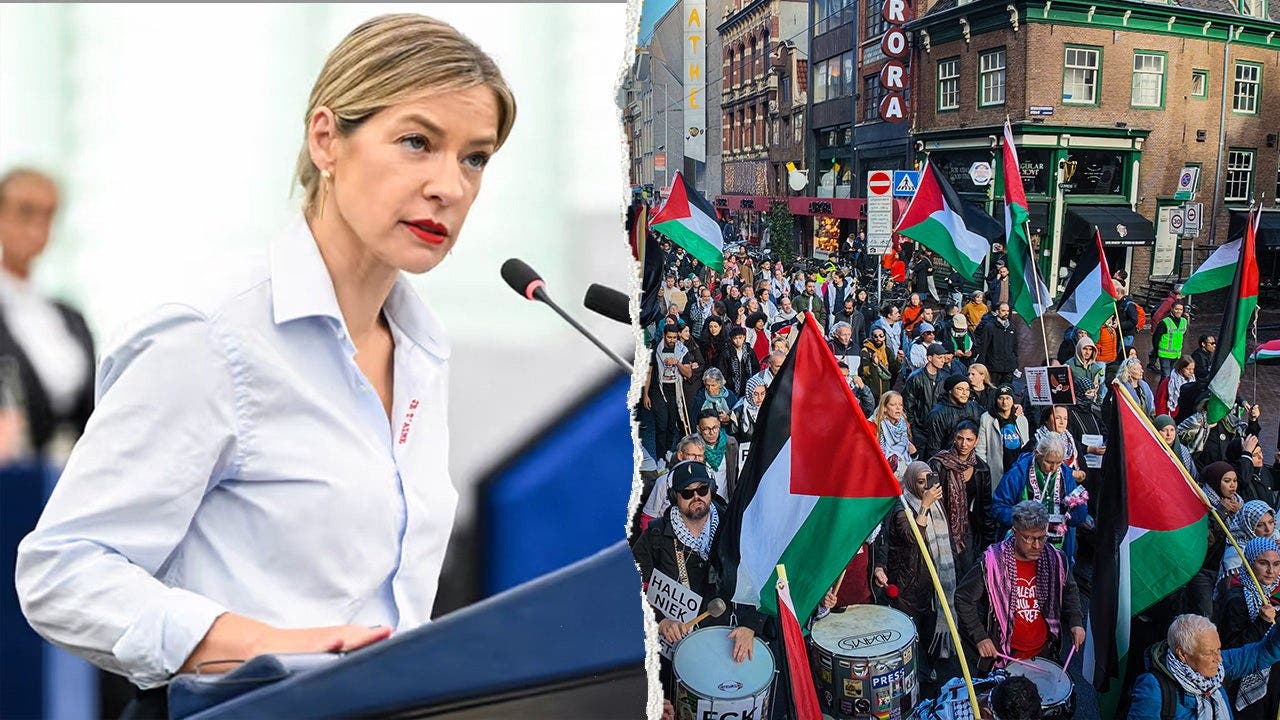
European Parliament member Céline Imart of France, who sponsored the resolution, called the vote «a historic victory because it is a European first. For the first time, Europe has voted on a text that tackles Islamist entryism and the Muslim Brotherhood.»
EUROPE’S LEFT COURTS MUSLIM VOTERS AS ANTI-ISRAEL POLITICS RESHAPE CONTINENT
MEP Céline Imart at European Parliament session confronting the Muslim Brotherhood and Islamist entryism for the first time on Oct. 7 (Jeremy Baumert / European Parliament )
Imart posted on X that she had «broken a taboo that Europe has been dragging around like a chain: this victory signifies a major doctrinal shift in the institutions… We were able to transcend partisan divides on a major issue for our societies and our youth.»
Lorenzo Vidino, director of the program on extremism at George Washington University, told Fox News Digital that, «This is something that the French and the Austrian governments have been pushing for almost a decade,» noting a growing consensus across Europe that wants action.
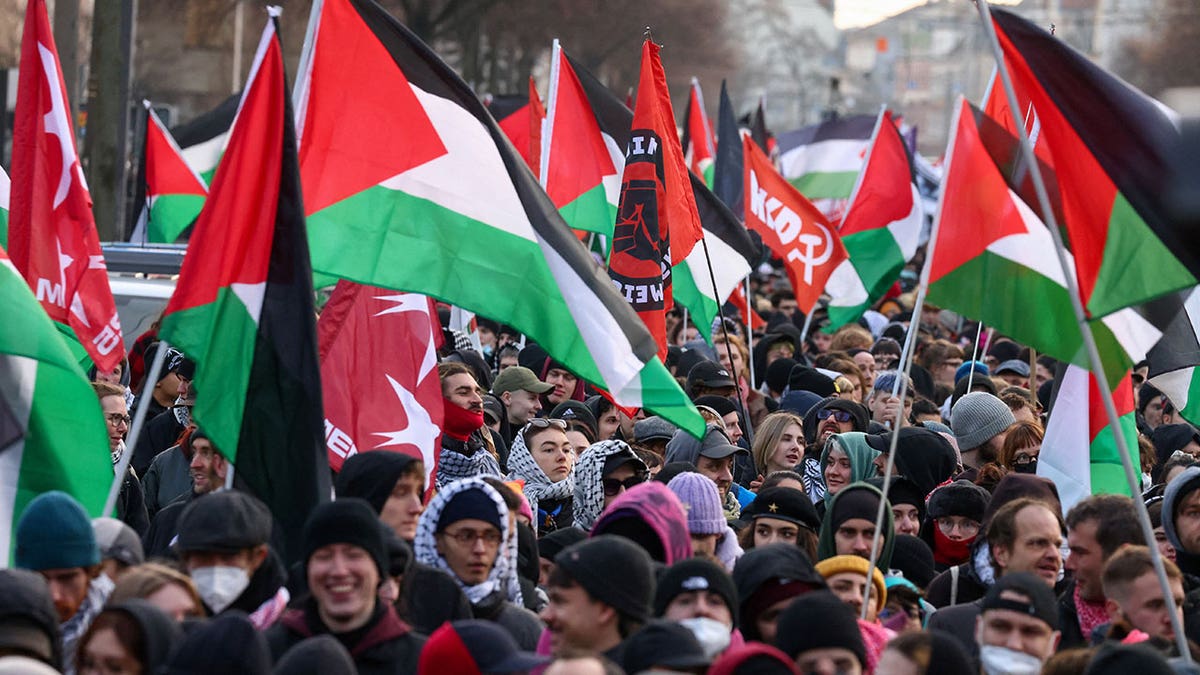
Protesters attend an anti-Israel demonstration in Leipzig, Germany Jan. 17, 2026. (Christian Mang/Reuters)
The resolution was led by the European People’s Party, or EPP, a center-right coalition that is the largest group in the European Parliament. «The voting does reflect a gap between the right and the left,» said Vidino, «with the right voting almost entirely in favor of the resolution, and a good part of the left, although with some notable exceptions, voting against it.»
As part of her post on X, Imart made it a point to thank «the negotiators from the other groups with whom I had the pleasure of working – excluding the socialists and the far left, who boycotted the text.»
Vidino said, «The Brotherhood remains something that is seen through the political lenses of our own political debates, where it shouldn’t be… because it’s a challenge to our societies.»
DENMARK’S LEFT-WING PM WARNS: ‘BIG ENEMY HAS STARTED TO GROW FROM WITHIN’ AS EUROPE FACES MIGRANT RECKONING
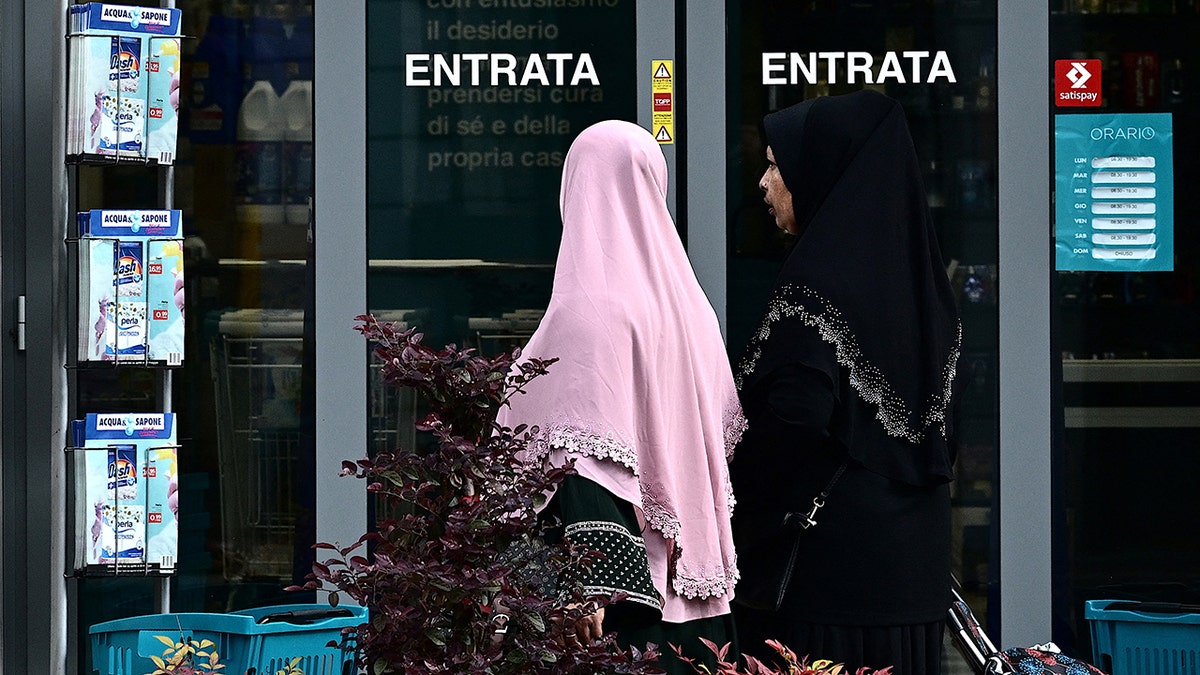
Veiled women walk in a street of Monfalcone, on April 26, 2024. (Alberto Pizzoli via Getty Images)
A press release on the resolution issued by the European Parliament’s news website stated that Islamist entryism targets «democratic institutions, the rule of law, equality between women and men and fundamental freedoms.» It stressed that Muslim citizens must be protected from discrimination as «a democratic obligation,» while «warning against treating organized Islamist networks as representative interlocutors.»
The release also stated, «While Europe must remain free, open and faithful to its principles, it can ‘no longer fund, consult or legitimize networks that use its language, procedures and funding to weaken its values from within,’» but «MEPs stress that anti-discrimination policies must not be used to shield Islam from criticism or legitimize organized Islamist networks.»
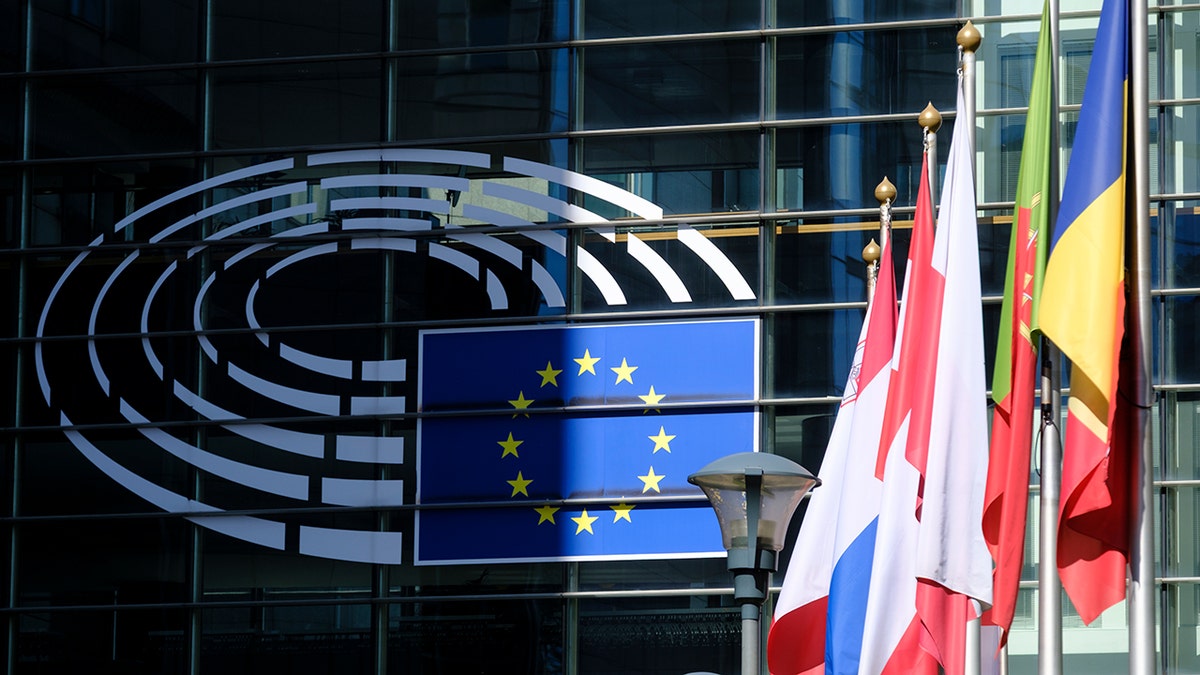
Flags from the 27 countries of the EU fly in the wind in front of the European Parliament on April 5, 2025, in Brussels, Belgium. (Thierry Monasse/Getty Images)
The resolution was slammed by ENAR, a pan-European anti-racism network, which released a statement following its passage. «ENAR condemns in the strongest possible terms the racist and Islamophobic resolution «on the need for an EU strategy to counter Islamist entryism and the influence of the Muslim Brotherhood network» proposed by the European People’s Party (EPP) and passed by the European Parliament today, including its targeting of ENAR and its members like FEMYSO through sham allegations and falsehoods seeking to associate our network with the Muslim Brotherhood. ENAR categorically rejects these claims.»
It added in part, «This resolution is a stain on the European Parliament and marks a profoundly shameful day in Europe’s history. A Parliament that should defend democracy, equality and fundamental rights has instead given institutional legitimacy to a racist politics of suspicion that casts Muslim communities, Muslim-led civil society, organizations combating Islamophobia, and those who defend their rights as inherently suspect.»
Edmund Fitton-Brown, a senior fellow at the Foundation for Defense of Democracies (FDD), told Fox News Digital «This resolution is where the pushback begins against Islamist entryism in Europe. It is admirably clearly worded. The task of converting it into binding legislation begins now and will be difficult.»
The former UK ambassador to Yemen, Fitton-Brown added, «Europe regularly imagines that «legal», «non-violent» Islamism is in conflict with, and a potential antidote to, violent Islamist terrorism. It is not, it is a gateway to it, it creates the climate for it, and the two are pursuing the same goals, only via different tactics.»
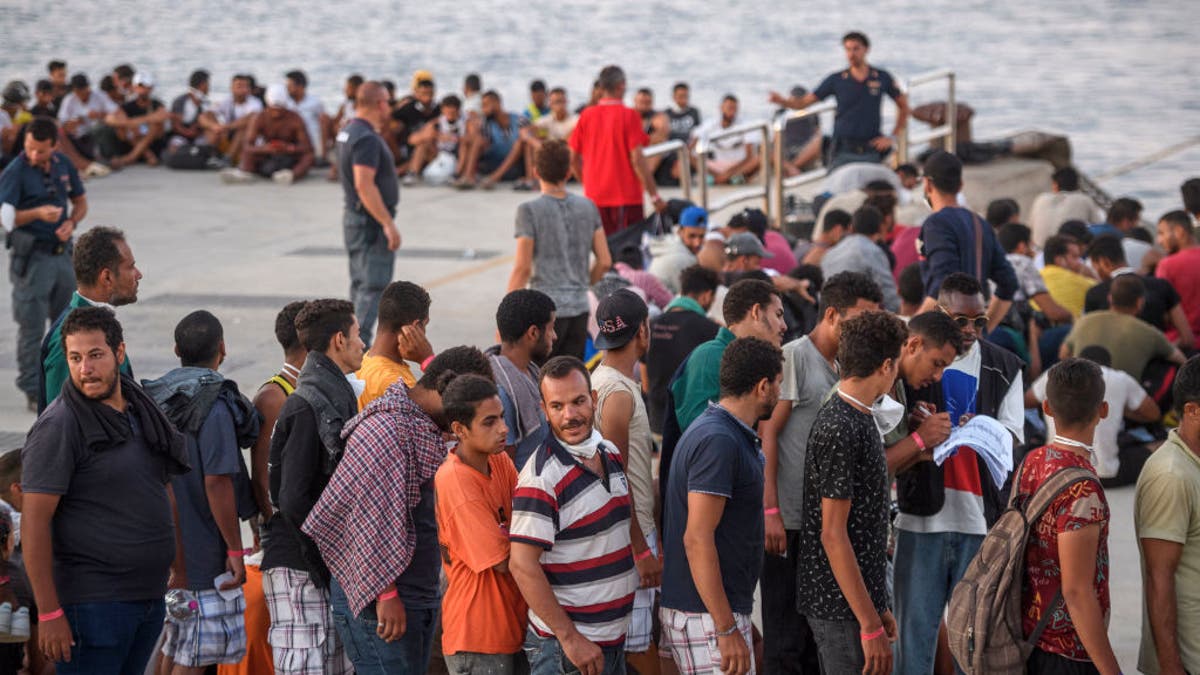
Migrants wait to board the Coast Guard ship «Diciotti» before being transferred to Porto Empedocle from the so-called «Hotspot» operational facility, containing over 1,700 people, on August 3, 2022, in Lampedusa, Italy. (Photo by Antonio Masiello/Getty Images)
He added, «Europe fails to prioritize subversion as a threat, whereas during the Cold War it understood that threat and took serious measures to counter it. Europe also seeks to appease Islamist entryism by adopting hostile policies towards Israel, and sometimes by passing blasphemy-adjacent and anti-«Islamophobia» laws, thinking they are protecting the Muslim community. In fact, the main victims of these laws are liberal Muslims trying to escape the confines of their community and enjoy Western freedoms.»
Asked about the differences between Europe and the U.S. approach to the Brotherhood, Vidino said the European way is «a bit more nuanced» than that of the U.S., where the Trump administration has designated the Muslim Brotherhood and 4 of its branches as terrorist organizations. He says Europe sees the Muslim Brotherhood «mostly through the lenses of entryism, of subversion, of a group that destroys the fabrics of society… a matter of a threat to democracy, but a lot of the activities of the Brotherhood might be legal if taken individually.»
TRUMP ADMIN ACCUSES HAMAS OF BACKING GAZA FLOTILLA, SANCTIONS ACTIVIST AND MUSLIM BROTHERHOOD NETWORKS
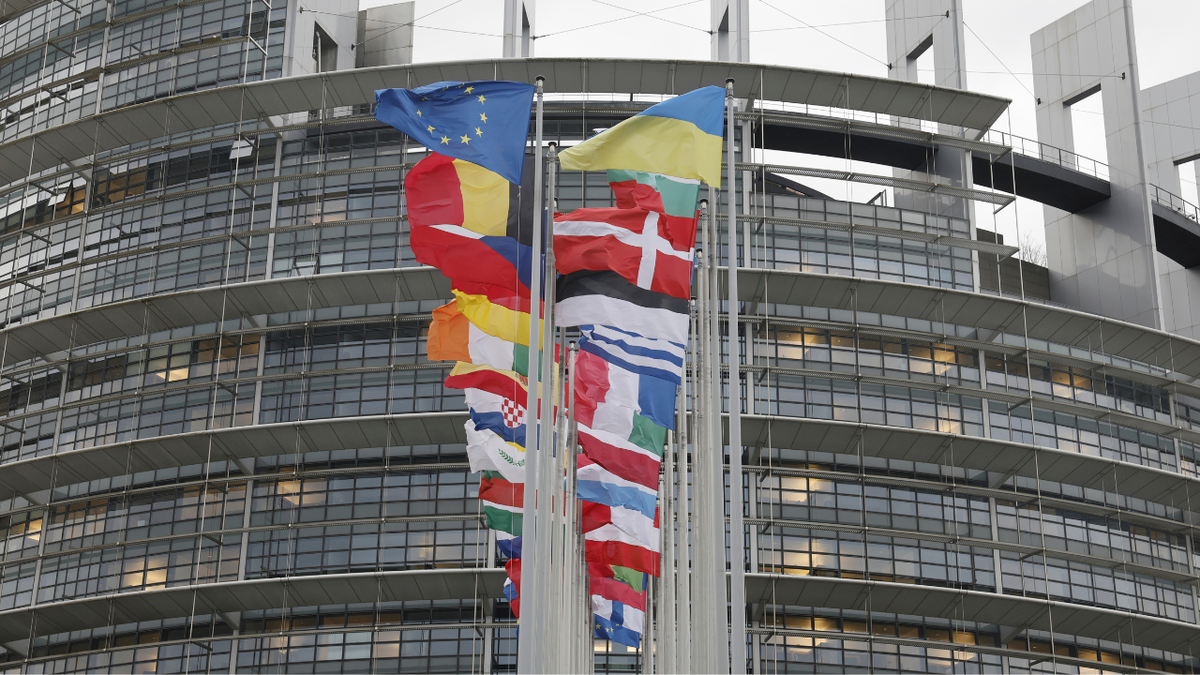
European flags fly outside the European Parliament on Feb. 7, 2024 in Strasbourg, eastern France. (AP Photo/Jean-Francois Badias, File)
While noting that numerous security services across Europe have been warning about the Muslim Brotherhood for some time, Vidino says the resolution «sets the tone. It gives a political push,» suggesting agencies and governments «might feel more legitimized in seeing the Brotherhood in negative ways.»
«I’m a bit skeptical on whether this resolution would have a major tangible impact,» Vidino added. «Islamist groups are very good at camouflaging their activities.» While there is «no organization that calls itself Muslim Brotherhood in Europe,» he said if and when funding is pulled from an Islamist organization by the EU, «They will make a fuss… They fight back. They have an ability to also leverage what could be a crisis, but turn it to their advantage by playing the victim card and the Islamophobia card.»

A man is led by two federal police officers to two waiting emergency vehicles. The Federal Public Prosecutor General had three suspected members of the Islamist terrorist organization Hamas arrested. The men will be brought before the investigating judge of the Federal Court of Justice in Karlsruhe in Oct, 2 2025. (Philipp von Ditfurth/Picture Alliance via Getty Images.)
As part of the resolution, the European Council was asked to assess whether entities or individuals linked to the Muslim Brotherhood should be added to the EU list of terrorist organizations. It called for full traceability of EU funding and a European Commission overview of EU funds awarded to people or entities suspected of links to the Muslim Brotherhood or political Islam.
It also welcomed initiatives by member states to draw up national lists of hate preachers and calls for the establishment of such a list at EU level, while also calling for stronger scrutiny of foreign funding and transnational partnerships, particularly involving actors linked to Qatar or Turkey and greater use of Schengen tools and EU databases.
«This vote is a victory, but it is also a starting point,» Imart said. «The Commission and the Council must now take action, and I will make sure they do.»
the european union, europe, france, islam, terrorism
INTERNACIONAL
Adriana Riva: “No existe la madre pura, casta, buena, perfecta; cada uno hace lo que puede”
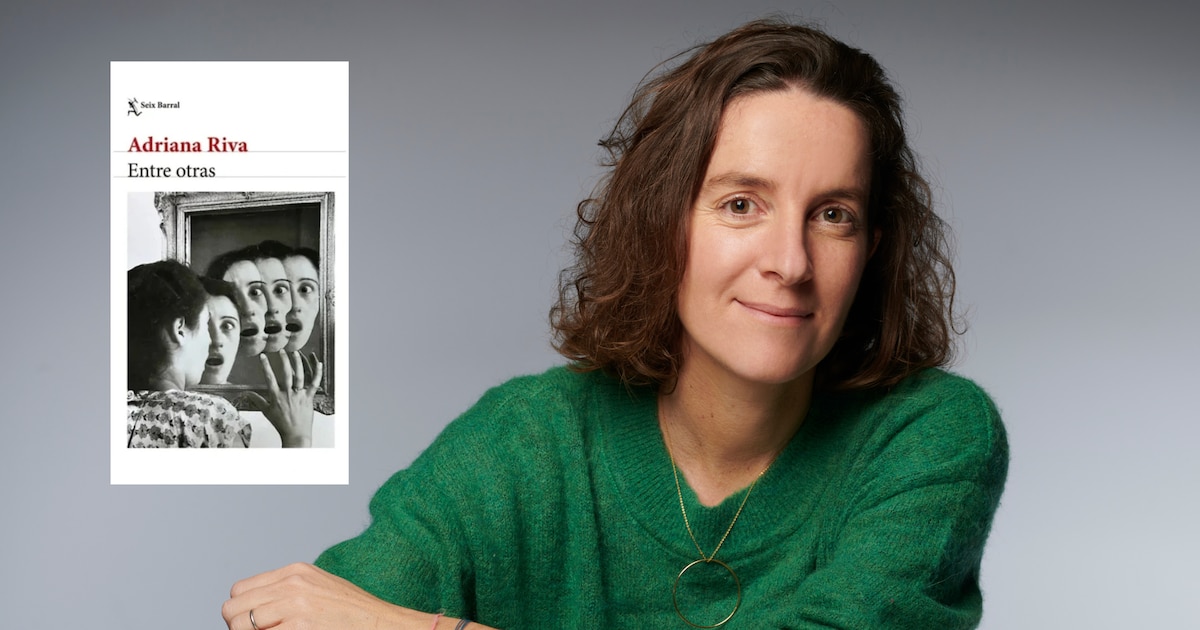
Hace dos años, frente al monitor de su computadora, Adriana Riva recibió una consigna. Desde Traslasierra, en un taller literario vía Zoom, Federico Falco le pedía un trabajo en serie. “Ahora no recuerdo específicamente, pero sí que se basaba en un artista visual que le sacaba fotos cada vez que veía en la vía pública algo amarillo”. Cuando terminó la clase, agarró Punto de fuga de David Markson, y encontró ésta frase subrayada: “Joseph Cornell vivió con su madre toda su vida”. Entonces se le ocurrió una idea.
“Tal vez podía usar el mismo dispositivo de Markson, pero a madres que yo ya venía acumulando por lecturas”, dice. A la clase siguiente del taller llevó cuatro carillas escritas. “Vi que generaba mucho entusiasmo”, recuerda. A las pocas horas ya estaba, otra vez, buceando en su biblioteca. “La maternidad es siempre el tema que me está rondando y sobre el que yo escribo”, agrega del otro lado del teléfono, en un día de lloviznas y ansiedad, como los que se apilan en las vísperas del Día de la Madre.
Efectivamente, su literatura está completamente atravesada por la maternidad: aparece en algunos de los relatos de su primer libro, Angst (2017), y es central en su novela La sal: “Es una deconstrucción del rol materno”, asegura. También aparece en Ahora sabemos esto (“es un poemario donde, con mi madre, leemos en pandemia La Odisea, y a partir de las cosas que vamos charlando surgen todos esos versos”), y en Ruth, su libro anterior, la protagonista es una viuda de 82 años con hijos ya adultos.

En Entre otras la narradora recorre la casa de su madre: la cocina, el baño, la mesa de luz. Busca cosas, hace un inventario, y naufraga en sus libretas: páginas de anotaciones diarias e inservibles, tachaduras, mandados, nombres, horarios, lugares. “Su caligrafía es apurada, calca la urgencia de la vida”, escribe. “Estoy escribiendo sobre mi madre y tengo la esperanza de que si junto suficientes notas voy a poder construir una madre”. Y más adelante: “Es más fácil reconocer las pertenencias de una madre que a una madre”.
Ese plano íntimo y enigmático se superpone con el de las citas, que funcionan como microcuentos de celebridades artísticas. Por ejemplo: “Constantino Cavafis vivió con su madre hasta que ella murió. Roland Barthes vivió con su madre hasta que ella murió. Jorge Luis Borges vivió con su madre hasta que ella murió. Nunca hay suficiente madre”. O también: “¡No lo hagas! ¡No puedes! ¡No debes!, le respondió Mary Foley a su hijo Arthur Conan Doyle, cuando le confesó que quería matar a Sherlock Holmes«.
“Cuando su hijo David murió a los 13 años, en un accidente, Margaret Ogilvy se metió en la cama y se abrazó a la ropa de bautismo de David. Su otro hijo, James Matthew Barrie, de 6, entró a la habitación en puntas de pie e intentó hacerla reír. Ese es el primer recuerdo del autor de Peter Pan sobre su madre: una sonrisa robada al llanto”, leemos, pero también: “Una madre es una complejidad de por vida. La ausencia de una madre, también. ¿Qué no voy a recordar de mi madre cuando ya no esté?»

“Mi madre leyó y le encantó. Es el que más le gustó, porque no es tan afín a la literatura. Se demoró mucho porque iba a buscar cada una de las referencias. Eso le encanta”. Adriana Riva es hija pero también madre de tres mujeres. “Me encanta el mundo femenino. Todo ese linaje materno me interesa. Tengo una debilidad por las madres de todo tipo: hay madres muy violentas y dañinas, hay madres muy amorosas, hay madres muy locas, madres depresivas. Hay para todos los gustos”, dice y se ríe.
“Siento que es una figura que le pega más a las mujeres, en el sentido de que eventualmente puede reproducir y, si una después se convierte en madre, puede replicar o no a la madre que tuvo. Cosa que un hombre no, porque no puede concebir, no tiene el órgano reproductivo de la mujer. Ahí hay algo que me interesa. Se ve siempre cuando uno charla con amigas o con hermanas o con primas: el miedo a repetir los errores y hasta dónde uno quiere parecerse a la madre que conoció”, continúa.
La fascinación de una transformación: “Cuando uno pasa de ser hija a ser madre”. Pero además: “Incluso si uno no tiene hijos, también es un vínculo que me parece muy complejo y fundacional. Además, todos tenemos una madre. No hay nadie que no tenga una madre. Aunque esté muerta, aunque no haya estado. Nadie nace de un huevo. Incluso siendo huérfano, uno ha tenido una madre: ha sido gestado nueve meses en un vientre materno. Y sin embargo, es una figura que cae muy rápido en clichés”.

“No son lo mismo los padres de ahora que los padres de mitad del siglo pasado o que los padres de fin del siglo XIX. Uno necesita a veces hablar de estereotipos, de generalizaciones, pero siempre hay que poder ver la particularidad de cada uno de estos casos”, dice y marca, otra vez, la transformación: “Antes había un corte mucho más grande entre niños y adultos. Los niños por un lado, los adultos por otro. Y hoy esa brecha se achicó. Los padres van con los hijos a recitales o comparten la misma ropa”.
“Antes había una cosa más de autoridad, más vertical. Se han modificado muchísimo los vínculos”, dice y menciona el feminismo: “Si uno se pone a leer Un cuarto propio de Virginia Woolf, por supuesto que ha habido muchísimos avances, desde el voto, pero siempre queda mucho más por recorrer, por conquistar. Y siempre atento a que hay muchas cosas que se conquistan y después se vuelven a perder. De todos modos, creo que no hay un verdadero retroceso, que siempre se avanza”.
“Hoy el patriarcado sigue vigente. Basta con ver sueldos, cupos, cargos. Sin embargo, hay un montón de conquistas. Prefiero ser mujer ahora que en 1810 o 1910. Creo que sí se van corriendo y se van conquistando ciertas batallas que se han dado”, comenta y vuelve a subrayar que la riqueza está en “la particularidad de cada caso”: “La madre idealizada me parece un delirio. No existe la madre pura, casta, buena, perfecta. Cada uno hace lo que puede, tanto en la maternidad como en los otros aspectos de la vida”.
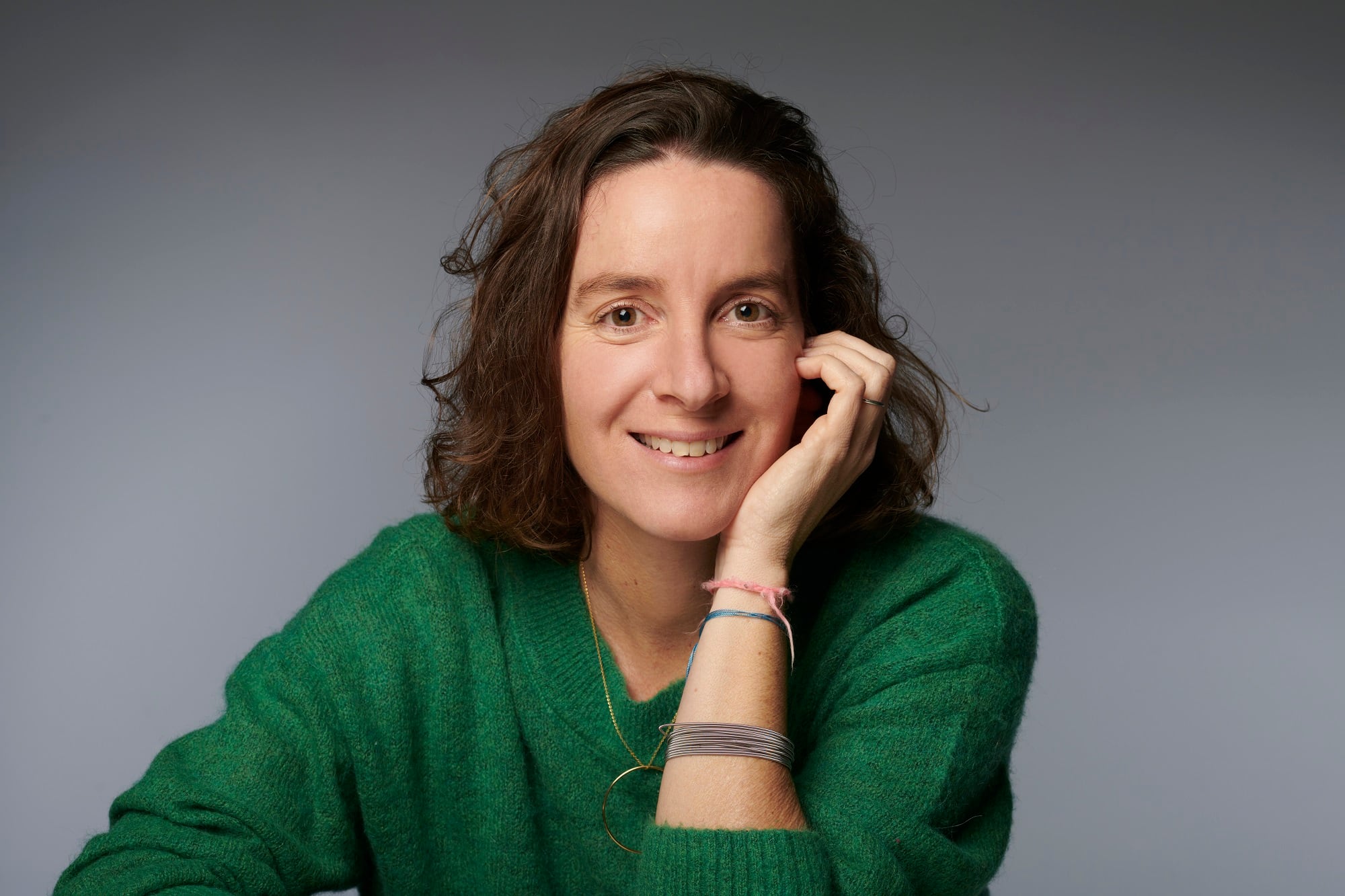
En el mar de citas, escenas y micronarraciones que se despliegan en Entre otras, Riva elige, ahora, eventualmente, una, que es del escritor búlgaro Elías Canetti: “No hay otra forma más intensa de poder”. “Me gusta mucho porque señala que siempre hay algo medio asimétrico en esa relación. Hay que ver cómo uno maneja ese poder para que no lastime, o para que no lastime tanto. Es una responsabilidad enorme, porque hay una asimetría al principio. Es un vínculo que se va modificando con el tiempo”.
“Cuando uno habla de madre la imagina con hijos pequeños, con niños que no se pueden valer por sí mismo. A diferencia de los animales, los humanos necesitan durante mucho tiempo de alguien que lo cuide. Un bebé no puede sobrevivir solo. Hay que andarse con cuidado de ese poder que uno tiene para que sea algo amoroso y no abusivo. También me conmueven todos los fracasos, porque es difícil. Los hijos siempre van a venir a reclamar algo”, dice Riva, y concluye: “Uno siempre equivoca: es parte de la vida”.
(Fotos: Alejandra Lopez)
Adriana Riva,Cultura

«Patada escorpión»: la espectacular definición de un argentino en la MLS que se candidatea como el mejor gol del año

El aterrador dato que Valentín Yankelevich ocultó en su declaración sobre la violencia y el maltrato de Darío Giordano, su papá: “Cuando Cris Morena lo va a buscar, lo golpea y arrastra a la salida del colegio”

El Gobierno denunció penalmente a los manifestantes detenidos por los disturbios en el Congreso

A días de la vuelta ante Boca: Vasco perdió por el Brasileirao y está a tres puntos del descenso, pero el DT avisó que no renunciará a ninguna competencia

El dilema de Milei: sobrevivir con blindaje político hasta que la economía reaccione

China nos engañó con sus monjes Shaolin milenarios. Era puro soft power

Autos chinos en Argentina: el caso de Noruega reaviva las alertas por espionaje y riesgos para la seguridad nacional

El Índice de Incertidumbre Económica de septiembre alcanzó el nivel más alto de 2026, según la UCA

La FIFA busca justificar el indulto a Balogun tras la llamada de Trump