INTERNACIONAL
Cuáles son los mares europeos con mayor riesgo de contaminación lumínica submarina


Cada noche, la luz de ciudades, puertos y plataformas petroleras se filtra bajo la superficie del mar y alcanza las profundidades donde viven organismos que dependen de la oscuridad para alimentarse, reproducirse y migrar. Esa intrusión lumínica afecta ya a buena parte de las costas del planeta, pero hasta ahora no existía una forma estandarizada de medir cuánto daño puede causar en los mares de Europa.
Un equipo internacional propuso el primer marco para evaluarlo y los datos son contundentes: en el Mediterráneo occidental, el 73 % de la franja marítima de hasta 10 kilómetros desde la costa recibe niveles de luz artificial clasificados como de riesgo alto, mientras que el Adriático y el Báltico figuran también entre las zonas con mayor exposición a contaminación lumínica marina.
El problema no es reciente, pero la herramienta para dimensionarlo sí. La Unión Europea aprobó en 2008 una directiva para proteger sus ecosistemas marinos que contemplaba la introducción de energía en el océano como posible amenaza. Sin embargo, todos los esfuerzos regulatorios se concentraron en el ruido submarino y la luz nocturna quedó fuera de cualquier umbral o protocolo de medición.
La investigación, publicada en la revista Ocean & Coastal Management, propone cubrir ese vacío con un sistema de clasificación que combina tres variables: cuánta luz emiten las ciudades y la infraestructura costera, qué tan transparente es el agua en cada zona y si el entorno expuesto corresponde a la columna de agua o al fondo marino.

Este avance llega en un momento preciso: la Directiva Marco sobre la Estrategia Marina está en revisión y los autores buscan que la contaminación lumínica se integre en la próxima versión de esa normativa. El marco todavía no prescribe qué nivel concreto equivale a un mar en buen estado, una decisión que requerirá acuerdos políticos y consultas con distintos sectores, pero ofrece por primera vez una base metodológica con la que los gobiernos pueden identificar zonas de riesgo y diseñar estrategias de mitigación.
El Adriático concentra el riesgo más alto en los ecosistemas de columna de agua
Para estimar el alcance de la luz artificial bajo el mar, los investigadores combinaron los niveles de iluminación de las zonas costeras con la claridad del agua, un factor que determina hasta qué profundidad penetra esa radiación. Emplearon como referencia un umbral precautorio de 0,1 microvatios por metro cuadrado: la mínima intensidad de luz blanca ante la cual los copépodos del género Calanus, pequeños crustáceos considerados entre los organismos marinos más sensibles a la luminosidad documentados hasta la fecha, modifican su comportamiento, según se detalla en el estudio.
A partir de esa referencia, el análisis distingue dos tipos de entornos. Los pelágicos, es decir, los que se desarrollan en la columna de agua entre la superficie y las profundidades, reciben primero el impacto lumínico. Los bentónicos, asociados al fondo marino, están expuestos a una radiación ya atenuada por su paso a través del agua, aunque en zonas de poca profundidad la intensidad puede seguir siendo considerable.
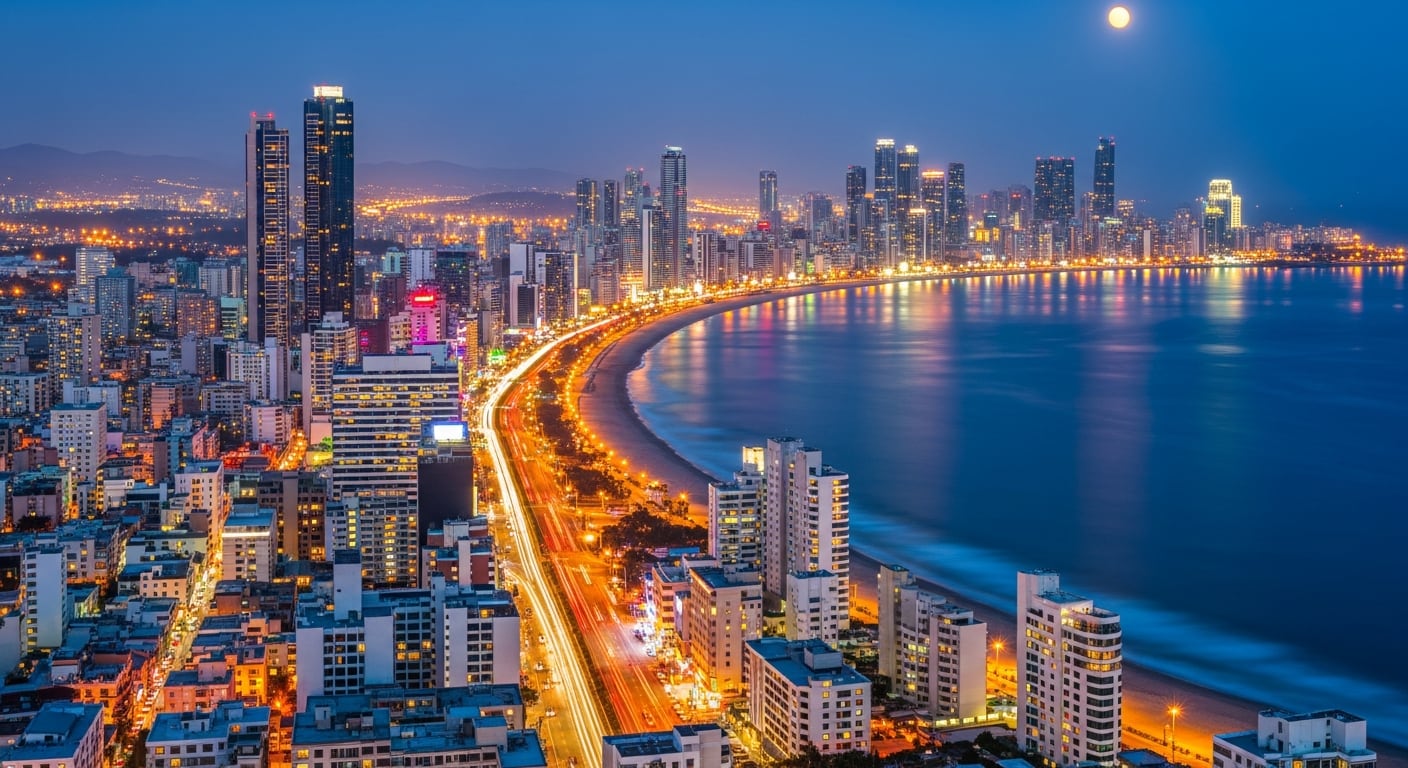
Los resultados revelan un patrón definido: los mares rodeados por tierra en varios de sus flancos acumulan la mayor exposición. En el mar Adriático, el 56 % de la franja costera de hasta 10 kilómetros fue clasificado con riesgo alto para ecosistemas pelágicos. En el Mediterráneo occidental, ese porcentaje trepó al 73 %.
En el extremo opuesto, las aguas abiertas de Macaronesia, una región que comprende las islas Canarias, las Azores, Madeira y Cabo Verde, junto con el mar de Barents y el mar de Islandia, registraron los valores más bajos. Las aguas próximas al Reino Unido presentaron en conjunto riesgos medios a bajos, aunque el trabajo advierte que los campos de petróleo y gas del mar del Norte, con toda la infraestructura que los rodea, elevan la contaminación lumínica en un entorno que, por tratarse de océano abierto, tendría una exposición naturalmente menor.
La expansión de las luminarias LED agrava una interferencia que ya altera ciclos biológicos
Muchas especies marinas regulan comportamientos vitales a partir de las variaciones de luz solar y lunar. Entre esos procesos se cuentan la migración vertical diaria, un desplazamiento masivo de organismos a distintas profundidades que constituye el mayor movimiento de biomasa del planeta, y la reproducción sincronizada de los corales. El estudio señala que las emisiones nocturnas de origen artificial pueden perturbar esos ciclos y comprometer, además, el asentamiento de larvas.
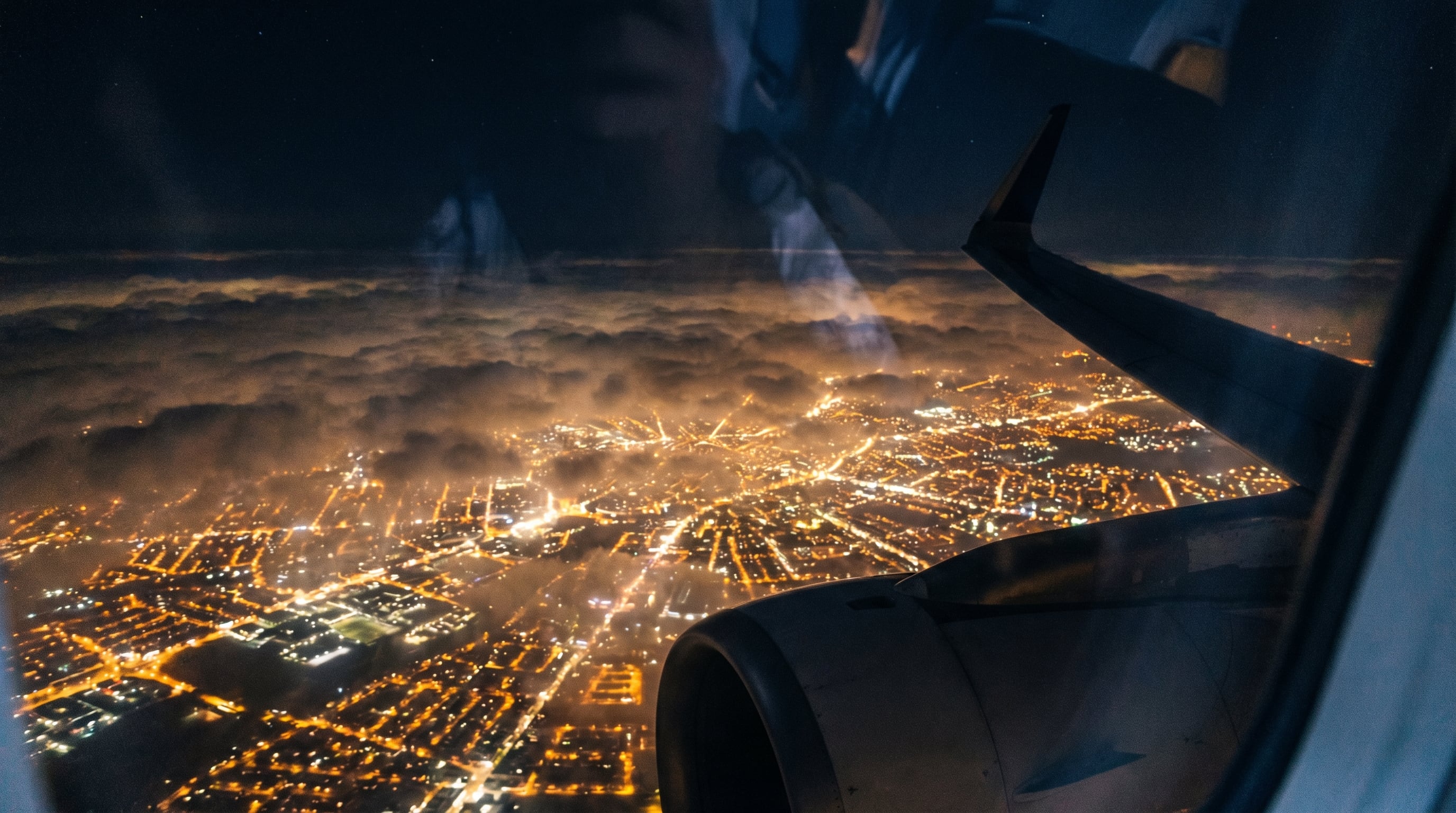
La adopción acelerada de luminarias LED profundizó esa interferencia. Este tipo de iluminación pasó del 2 % del mercado global en 2012 al 48 % en 2019, con una proyección del 87 % para 2030, según los datos que recoge el trabajo.
Su característica emisión en longitudes de onda azules penetra más en el agua que la de las tecnologías anteriores y, al mismo tiempo, coincide con las señales luminosas naturales que numerosas especies emplean para orientarse. En otras palabras, la luz que más se propaga bajo la superficie es la que mayores posibilidades tiene de alterar la conducta de los organismos.
“Durante muchos años, nuestra investigación ha mostrado repetidamente que la contaminación lumínica afecta de forma notable a muchas especies costeras importantes”, afirmó Thomas Davies, profesor asociado de Conservación Marina en la Universidad de Plymouth, según el comunicado de prensa.
Davies añadió que las pruebas acumuladas sobre riesgo y daño “necesitan traducirse con urgencia en acciones concretas” y que el argumento de que no existen datos suficientes para legislar “ya no se sostiene”.
Los destinos turísticos masivos del Mediterráneo, entre las zonas que más necesitan actuar

Buena parte de los mares con mayor exposición coincide con costas mediterráneas que reciben millones de visitantes cada año. El comunicado de la Universidad de Plymouth señala que las autoridades de esas regiones podrían introducir cambios en su infraestructura lumínica, como el blindaje de luminarias, la reducción de intensidad, el apagado parcial durante la noche y la modificación de las longitudes de onda emitidas para limitar cuánta luz penetra en el agua.
Los autores proponen, además, la creación de espacios oscuros en islas y sus alrededores, una alternativa que ofrecería a los visitantes una experiencia distinta a la de costas bañadas por iluminación artificial.
“Disponemos de pruebas sustanciales de que la luz artificial nocturna puede afectar a los organismos marinos y a los procesos ecológicos”, afirmó Elena Maggi, profesora de Ecología en la Universidad de Pisa y coordinadora del proyecto AquaPLAN, según el comunicado de prensa. El desafío, indicó la experta, consiste en convertir ese conocimiento en herramientas que permitan identificar dónde los ecosistemas corren mayor riesgo y hallar formas sostenibles de convivencia entre las actividades humanas y los entornos costeros.
contaminación lumínica,lecho marino,fauna marina,ciudad costera,arrecife de coral



INTERNACIONAL
Obama’s star power gets a reality check from Black voters in crucial Senate race: ‘It’s a turnoff’
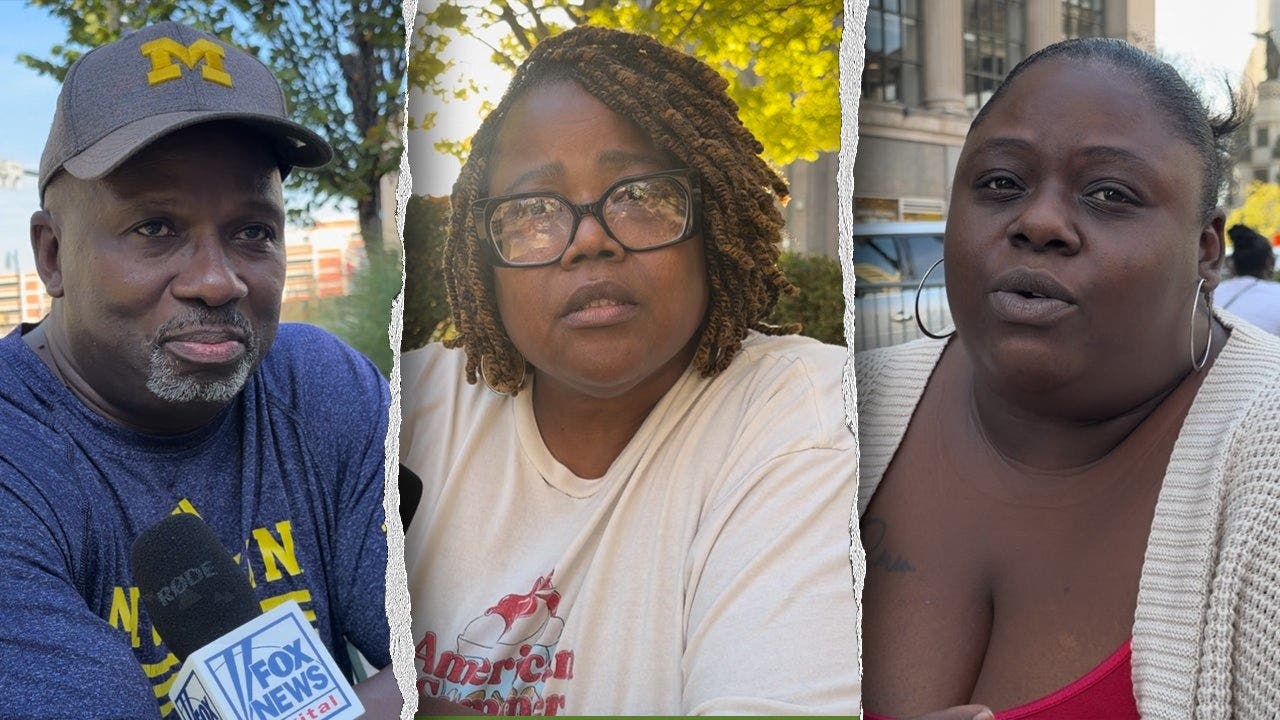
DETROIT — Former President Barack Obama’s endorsement of Michigan Democratic Senate candidate Abdul El-Sayed is getting a mixed reception among Black voters in Detroit, with some undecided voters saying the former president’s backing isn’t enough to win them over.
Digital spoke with more than a dozen Black voters in Detroit, most of whom said they plan to back El-Sayed in November, but several undecided voters said Obama’s endorsement had not persuaded them to support the Democrat. The reactions come as Republican Senate nominee Mike Rogers seeks to win over disaffected Democrats, including Black voters in Detroit, a key constituency for the party in Michigan.
«Honestly, it’s a turn-off just because I’ve seen too many candidates use him just to manipulate the Democratic vote,» Mercedes, one undecided Black voter, told Digital of Obama’s endorsement.
BLACK VOTERS RIP DEMS OVER TAKING THEM FOR GRANTED IN EL-SAYED’S BACKYARD: ‘HUSH US UP’
«No, not at all,» Anthony, another undecided Black voter, told Digital when asked if Obama’s endorsement had swayed him toward El-Sayed. «What he’s been able to do is from an image standpoint, as far as ‘hope,’ he drove the point there. But as far as really giving back to the community, minority owned businesses, and everyone across the board, I don’t really think he really got there for me … he really hasn’t swayed me one way or another.»
Obama and El-Sayed are preparing to campaign together in Michigan despite the Democratic Senate nominee’s history of sharply criticizing the former president, a political reversal that also drew mixed reactions from Black Detroit voters interviewed by Digital.
Juanita, another Black voter who has yet to commit to El-Sayed, told Digital that, «I don’t want to be pushed to vote for him because somebody else is backing him.»
Rita, a Black voter who said she had recently been homeless, told Digital that she would prefer to do her own research rather than relying on Obama’s endorsement.
MICHIGAN SENATE CANDIDATE ABDUL EL-SAYED SAYS LEADERS MUST ADDRESS ‘UNPAID DEBTS’ TO BLACK COMMUNITIES
Even some voters who support El-Sayed stated that Obama’s endorsement didn’t do much for them.
«I think that a lot of people put more stock into who the person is than what he does … his yay or nay doesn’t sway me either way,» one such voter told Digital.
Detroit’s African American residents were not uniform in dismissing Obama’s endorsement, however. Roughly half of those who spoke with Digital said the former president’s backing improved their opinion of El-Sayed, though none of those voters claimed that they were undecided before the endorsement.
«For sure, I’m an Obama stan,» Jamel, a Black voter planning to support El-Sayed, told Digital when asked whether Obama’s endorsement made him more likely to back the Democrat.
«Somebody who is endorsed by Obama, I would want to vote for them, because I stand behind the things he endorsed at the time, and I think that Obama’s endorsement means a lot to our community,» Kenya, another Black voter, told Digital.
Detroit’s Black voters were also divided over El-Sayed’s past criticism of Obama, particularly now that the two are preparing to campaign together.
‘DESTROYING THE AMERICAN WAY OF LIFE’: EL-SAYED’S POLITICAL ORBIT COMPLICATES EFFORT TO MODERATE HIS IMAGE
In a 2012 opinion column, El-Sayed accused then-President Obama of perpetuating war, violating civil liberties and deporting more people than any previous president. He described Obama’s reelection as «no victory,» writing, «it was the rock we chose over the hard place.»
El-Sayed has since walked back those criticisms, praising Obama’s handling of the circumstances he inherited and noting that it is possible to disagree with someone while still admiring them.
«Yeah, I don’t understand how you can endorse somebody that was kind of the opposition when you were in office,» Juanita told Digital. «I mean, that doesn’t make sense.»
«I think I see it as a flip flop, but I also see it as an opportunity to pretty much highlight those things and how he’s actually changed and why their objectives may align now,» Anthony said. «You know, people’s objectives change, their perspectives change.»
Nia, an African American voter who said she intends to support El-Sayed, said that pivots like El-Sayed’s are common in politics, pointing to Vice President JD Vance’s past criticism of President Donald Trump as an example.
Despite mixed reactions to Obama’s endorsement and El-Sayed’s past criticism, several Black voters interviewed by Digital acknowledged the former president’s continuing influence within the Democratic Party.
HARRIS JOINS FORCES WITH RADICAL SENATE NOMINEE IN KEY SWING STATE AS 2028 WHISPERS SWIRL
«He is. I mean, you can’t deny that he has a gigantic following and a lot of people will follow him and will listen to what he has to say,» Vincent, a Black voter who voted early for El-Sayed, told Digital. «But we’re coming into a point in time now where we want to see results on both sides. We’re not seeing results from either party, so we have to see results. So he may still have a big sway in the party now, but I think party politics is coming to an end kind of quick.»
While Digital’s interviews were limited in number, they echo concerns about El-Sayed’s support among Black voters that have surfaced in other reporting and polling. Pre-primary polling showed stronger support for Rep. Haley Stevens among Black Democratic voters, and questions have persisted about whether El-Sayed can consolidate that support heading into November.
A recent focus group of Black voters held by MS NOW, for instance, found reluctance among Black Michigan voters to cast their lot with El-Sayed. A poll conducted in late September found that just 77% of African American voters were supportive of El-Sayed, significantly below the usual Democratic benchmark for the demographic.
«I think he’s taking advantage [of] we as Black people are Democratic, and he think we gonna vote for him anyway,» one middle-aged Black woman told the MS NOW panel. «And I’m like, ‘No sir, I’m gonna put uncommitted down on that little circle and move on.’ If you’re going to Congress to represent me, I need you to talk about what’s going on in this community.»
While the GOP sees an opportunity here, the party has long attempted to court minority support, with mixed results.
Kandia Milton, a government affairs professional with deep ties to Detroit’s African American community, pushed back against the narrative that El-Sayed would struggle with Black voters in November.
MICHIGAN DEMOCRAT HALEY STEVENS BACKS EL-SAYED AFTER NARROW PRIMARY DEFEAT, CALLS SOCIALISM ‘DANGEROUS’
«The great thing about Abdul is that he’s not new to Detroiters. … And so Detroiters, once they understand his background, understand what he stands for and all the things that he’s done in the past, you see greater enthusiasm for his campaign and his candidacy for Senate,» Milton said of El-Sayed.
«He has been very active in getting out into the community. In fact, tomorrow we have a public meeting with Abdul at our church. Where he will be speaking to the community around, you know, the issues that he stands on and stands firm on.»
Milton characterized Obama’s endorsement of El-Sayed as a «great shot in the arm» for his campaign, citing the former president’s «credibility in our community» and arguing that the endorsement «puts to rest this notion that there’s some tension between him and former President Obama.» Milton wasn’t surprised, however, that some Black voters said Obama’s endorsement alone wasn’t enough to win their support.
«I think so often we take for granted the fact that many of the voters are informed voters, all of them are informed voters, and so it’s not just the fact that Obama supported him, thus I’m going to vote for Abdul. A lot of folks are doing their own research,» Milton told Digital. «They’re very curious about Abdul. They see a lot of him on social media, in the media, national media as well. And so it has raised eyebrows and a lot of curiosity around who this guy is.»
Obama’s endorsement comes as both sides are trying to eke out every possible advantage they can in what is likely to be a very tight race.
Fox News’ most recent Power Rankings has Michigan’s Senate race categorized as a «toss-up,» meaning that neither party has an edge.
A representative for Obama and the El-Sayed campaign did not respond to requests for comment when reached by Digital on Friday.
politics, abdul el sayed, barack obama, detroit, campaigning
INTERNACIONAL
Antigua Guatemala reunió a más de 300 especialistas en el FEL Summit 2026 para analizar la transformación digital de los sistemas fiscales en América Latina

Antigua Guatemala reunió el 15 de octubre a más de 300 especialistas, autoridades tributarias y empresas tecnológicas de al menos 10 países en el FEL Summit 2026, un encuentro dedicado a los cambios que la inteligencia artificial, la automatización y la ciberseguridad imponen sobre los sistemas fiscales de América Latina.
La jornada contó con más de 20 expositores internacionales, representantes de 25 compañías y funcionarios de administraciones tributarias de la región.
El encuentro fue organizado por la empresa guatemalteca INFILE y tuvo la coorganización técnica de la Superintendencia de Administración Tributaria de Guatemala.
El debate abarcó la digitalización de los trámites fiscales y financieros, pero también la relación entre los Estados y las empresas. La expansión de los procesos electrónicos durante la última década aceleró esa transformación y planteó exigencias de supervisión, protección de datos y adaptación institucional.

La inteligencia artificial en la administración tributaria
La inteligencia artificial concentró buena parte de las exposiciones por su capacidad para automatizar validaciones, agilizar procedimientos y ampliar el análisis de grandes volúmenes de datos. Los participantes también abordaron los riesgos vinculados con el tratamiento de información y la gestión de amenazas digitales.
José Eduardo Gutiérrez, representante del Banco Mundial, presentó la conferencia “El futuro fiscal de América Latina: tecnología, confianza y desarrollo en una economía digital”. Luego participó de un conversatorio junto con Erick Echeverría, intendente de Recaudación de la SAT, sobre tecnología, formalización y tributación como herramientas para impulsar el desarrollo económico.
Echeverría expuso el recorrido de Guatemala desde la implementación de la factura electrónica hasta su actual objetivo de crear un ecosistema fiscal integrado. Ese modelo busca vincular los comprobantes digitales con otros procesos de administración, control y cumplimiento tributario.
La coordinación entre países surgió como una condición para extender la modernización fiscal en América Latina y el Caribe. Las administraciones de la región avanzan a ritmos distintos: algunas llevan años con la factura electrónica obligatoria, mientras otras todavía comienzan su transición hacia sistemas digitales.
El panel regional reunió al superintendente de la SAT, Werner Ovalle, con especialistas de Panamá, República Dominicana, Honduras, Costa Rica y Perú. Las experiencias compartidas incluyeron modelos de automatización, digitalización y evolución de las obligaciones de los contribuyentes.
La protección de datos y el uso financiero de las facturas
La ciberseguridad ocupó otro lugar central en la agenda por el aumento de los riesgos de fraude digital y robo de identidad. La protección de la información tributaria fue presentada como una condición para sostener la confianza de empresas y contribuyentes en los sistemas electrónicos.
Guillermo Bran, presidente ejecutivo de INFILE, definió el alcance del encuentro: “Conectamos autoridades tributarias, líderes empresariales, especialistas en tecnología y actores del ecosistema financiero, conversando en un mismo espacio sobre contabilidad electrónica, factura electrónica, cumplimiento tributario, factoraje, inteligencia artificial y ciberseguridad”.
“No es una conferencia teórica; es un espacio para entender hacia dónde va la transformación fiscal de la región”, agregó Bran. La convocatoria integró a actores públicos y privados vinculados con los sistemas tributarios, financieros y tecnológicos.
La factura electrónica también fue analizada como una herramienta que puede exceder el cumplimiento fiscal. Entre las posibilidades discutidas figuró su uso como activo financiero y su vínculo con el factoring digital, un mecanismo de financiamiento mediante el cual una empresa cede sus facturas por cobrar para obtener liquidez anticipada.
Estos modelos podrían facilitar el acceso al financiamiento de pequeñas y medianas empresas, que suelen enfrentar mayores dificultades para obtener crédito en la banca tradicional. La agenda incluyó además experiencias regionales sobre el uso de inteligencia artificial en pagos entre empresas y en la contabilidad electrónica.
Los organizadores situaron en 2030 la próxima etapa de los sistemas fiscales latinoamericanos, marcada por la convergencia entre factura electrónica, contabilidad digital, factoring electrónico y transformación tecnológica. El desafío planteado fue combinar innovación, seguridad y capacidad institucional para supervisar los nuevos procesos.
factura electrónica,conferencia,orador
INTERNACIONAL
Democrats’ latest gun-control push runs into inconvenient fact about how school killer was stopped
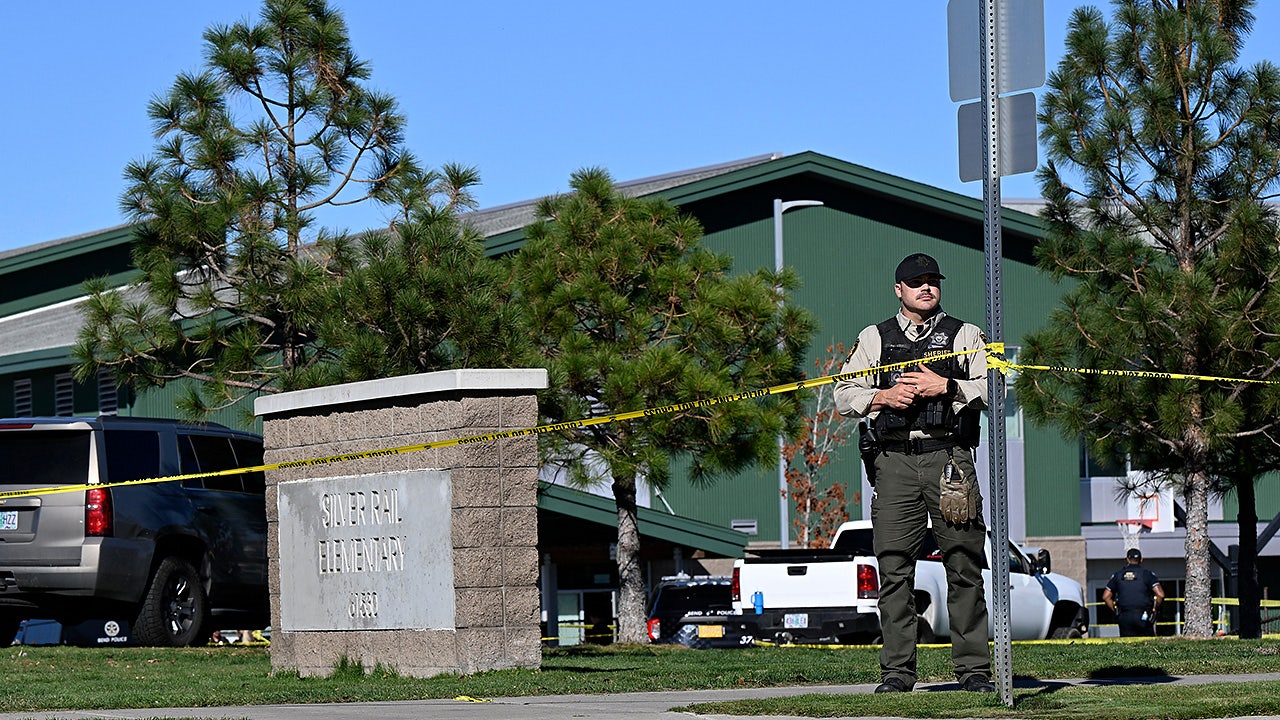
Democrats renewed calls for tougher gun laws after three children and a teacher were killed in an Oregon school shooting, but gun-rights advocates say the circumstances of the attack bolster their case against new restrictions.
The teenage shooter reportedly opened fire with a shotgun purchased by his mother before armed father-of-two-students Kaylub Giamanco pursued him into Silver Rail Elementary School and fatally shot him. Second Amendment advocates argue additional gun restrictions would not have stopped the killer and could make it harder for armed civilians like Giamanco to intervene.
«Democrats are shamefully weaponizing this tragedy in Oregon to advance their political agenda on gun control,» Aidan Johnston, director of federal affairs for Gun Owners of America, told Digital.
«But more gun control isn’t the solution: the school was a gun-free zone and the killer didn’t use a so-called ‘assault weapon.’ What did stop the mass murderer and save lives was an armed bystander with good aim.»
FEDERAL APPEALS COURT UPHOLDS CONTROVERSIAL ILLINOIS BAN ON SEMIAUTOMATIC GUNS
Gun-rights researcher John Lott, president of the Crime Prevention Research Center, separately argued that restrictions on carrying firearms can leave potential victims defenseless.
«These gun-free zones actually serve as a magnet for these attacks rather than stopping them from occurring,» Lott told Digital.
Lott pointed to CPRC research examining active shootings from 2014 through 2024, which he said found that legally-armed civilians stopped more attacks than police did.
The National Rifle Association similarly questioned whether new restrictions would have changed the outcome.
«Oregon already has nearly every gun-control measure on the anti-gun wish list—including an A- rating from groups that push them—yet that did not prevent this attack,» the NRA said in a statement to Digital. «The armed bystander who pursued the shooter inside and ended the threat is the clearest reminder that when seconds count, a prepared law-abiding citizen can stop a killer.»
Sen. Ron Wyden, D-Ore., was among the lawmakers calling for action after the shooting at Silver Rail Elementary School in Bend, where Bend-LaPine school policy bans firearms, including concealed ones.
«The best way to honor these victims is to at long last pass common-sense gun laws that reduce the risks of more children, parents, teachers and staff forced to live in fear of similar nightmares for their schools,» Wyden said in a statement.
JONATHAN TURLEY: JAMES TALARICO’S DEFENSE OF GUN CONTROL LEAVES OUT A KEY WORD
Rep. Janelle Bynum, D-Ore., whose district includes Bend, also called for action while acknowledging the armed bystander’s intervention.
«When are we going to practice that same bravery that that bystander had?» Bynum asked during a vigil, after urging action to keep firearms away from people who should not have them.
Senate Armed Services Committee ranking member Jack Reed, D-R.I., also cited the shooting in calling for additional gun laws and urging the Supreme Court to change course:
«It is far past time for the Roberts Court to make it clear their decision on guns does not endorse unfettered and unregulated access to weapons,» Reed said.
«In the absence of the Supreme Court ceasing its pro-gun rulings, Republicans need to join Democrats in enacting commonsense policies that could prevent these kinds of tragedies,» Reed added.
The Roberts Court has issued consequential gun-rights rulings, including District of Columbia v. Heller — which struck down the District of Columbia’s handgun ban in 2008 — and New York State Rifle & Pistol Assn. v. Bruen, which struck down New York’s requirement that applicants show a special need to obtain a license to carry a handgun in public.
LA GUN OWNERS STUCK WAITING YEARS FOR CONCEALED CARRY PERMITS SCORE MAJOR DOJ VICTORY
The political fighting is unfolding as investigators examine how the teenage gunman gained access to his mother’s shotgun — a key question in determining whether existing or proposed gun laws could have made a difference.
Asked specifically about universal background checks and red-flag laws, the NRA argued that neither would likely have prevented the shooting, citing initial reports that the teenager obtained a family member’s firearm.
The organization noted that background checks generally apply to firearm transfers, not unauthorized access to a firearm already owned by someone else. It also argued that a red-flag order would likely have been ineffective, although the circumstances surrounding the teenager’s access to the shotgun remain unclear.
Lott also pointed to a 2021 change in Oregon law that allowed individual school districts to prohibit concealed carry permit holders from bringing firearms onto school property, arguing that such restrictions can leave schools more vulnerable.
Before that change, Lott said, Oregon teachers with concealed carry permits generally could carry firearms at schools, although some districts imposed employment-related restrictions. He estimated that roughly 25 of the state’s 197 school districts have adopted prohibitions since then.
SIGN UP TO GET THE POLITICS NEWSLETTER
«All the school shootings where anybody has been wounded or killed have occurred in places where people, teachers and staff are banned from having guns,» Lott said, citing CPRC research.
Lott said his organization is updating the research through 2025. He also argued that uniformed school resource officers face tactical disadvantages because attackers can identify them, avoid them or target them first.
«Having somebody in uniform is like having a neon sign above them that says, shoot me first,» Lott said.
Lott also questioned whether penalties for violating gun-free-zone restrictions would deter someone already facing multiple life sentences for murder.
«They may be facing six or seven life sentences [on murder counts and the like]. Does taking five years away from their seventh or eighth life [sentence] going to matter? Is that a penalty for them? And the answer is no,» he said.
The NRA also cited research finding that 94% of mass shootings since 1950 occurred in gun-free zones, echoing Lott’s argument.
«Law-abiding Americans have the right to defend themselves and their communities rather than rely solely on a sign or sticker. The tragedy in Bend is a clear example of how an armed citizen who is prepared and willing to act can stop an attacker and save lives. Policies that keep responsible people disarmed near schools leave those locations more vulnerable, not safer,» an NRA spokesperson said.
Lott maintained that gun-free-zone restrictions can therefore disadvantage lawful gun owners without meaningfully deterring someone planning a mass shooting.
James Cirrone and the Associated Press contributed to this report.
mass shootings, oregon, second amendment, state and local, politics, police and law enforcement

6.000 euros en cerveza: el Dortmund invitó a una ronda a los aficionados que viajaron a Noruega

Movistar dejará de existir como marca en Argentina y detalló que deberán hacer sus clientes que pasarán a Tuenti

Río Negro: el intendente investigado por peculado enfrentará un referéndum para definir su continuidad

Mariano Iúdica reveló la extraña enfermedad que le diagnosticaron a sus 56 años: “El dolor me hace llorar”

Obama’s star power gets a reality check from Black voters in crucial Senate race: ‘It’s a turnoff’

Cuáles son los mares europeos con mayor riesgo de contaminación lumínica submarina

Más de 2.000 islas sin hospitales: así funciona la red de clínicas flotantes de India

La angelita de LAM que reveló la peor infidelidad que sufrió en un matrimonio: «Encontré mensajes con otras mujeres y…»

Autos chinos en Argentina: el caso de Noruega reaviva las alertas por espionaje y riesgos para la seguridad nacional

Milei tildó a Lula de comunista, ratificó su alineamiento con Trump y pidió “defender el legado de occidente”

 CHIMENTOS3 días ago
La angelita de LAM que reveló la peor infidelidad que sufrió en un matrimonio: «Encontré mensajes con otras mujeres y…»
- POLITICA2 días ago
Autos chinos en Argentina: el caso de Noruega reaviva las alertas por espionaje y riesgos para la seguridad nacional
- POLITICA2 días ago
Milei tildó a Lula de comunista, ratificó su alineamiento con Trump y pidió “defender el legado de occidente”