
INTERNACIONAL
Panorama Internacional: algo más que las urnas polarizadas de las Américas




INTERNACIONAL
Democratic socialist Francesca Hong has former child star, OnlyFans model in senior campaign role: report
NEWYou can now listen to Fox News articles!
Former child actress and OnlyFans model Renee Olstead is reportedly serving in a senior role on Wisconsin state Rep. Francesca Hong’s gubernatorial campaign ahead of next week’s Democratic primary.
Olstead, who also goes by Renee Faust, is serving as Hong’s deputy campaign manager, according to The Heartland Post. Hong, a Democratic socialist, is among the candidates competing in next week’s Democratic gubernatorial primary.
The outlet reported that Olstead has worked as a paid campaign operative since at least January. Her X bio reads «HONG 4 GOV» and links to Hong’s get-out-the-vote page.
Her social media account also features photos from campaign events, and The Heartland Post reported that she has coordinated logistics for high-profile surrogates, including streamer and political commentator Hasan Piker.
FRANCESCA HONG REMARKS THANKSGIVING IS HER ‘FAVORITE HOLIDAY,’ ANSWERS SHE DOES NOT ‘WANT TO CANCEL IT’
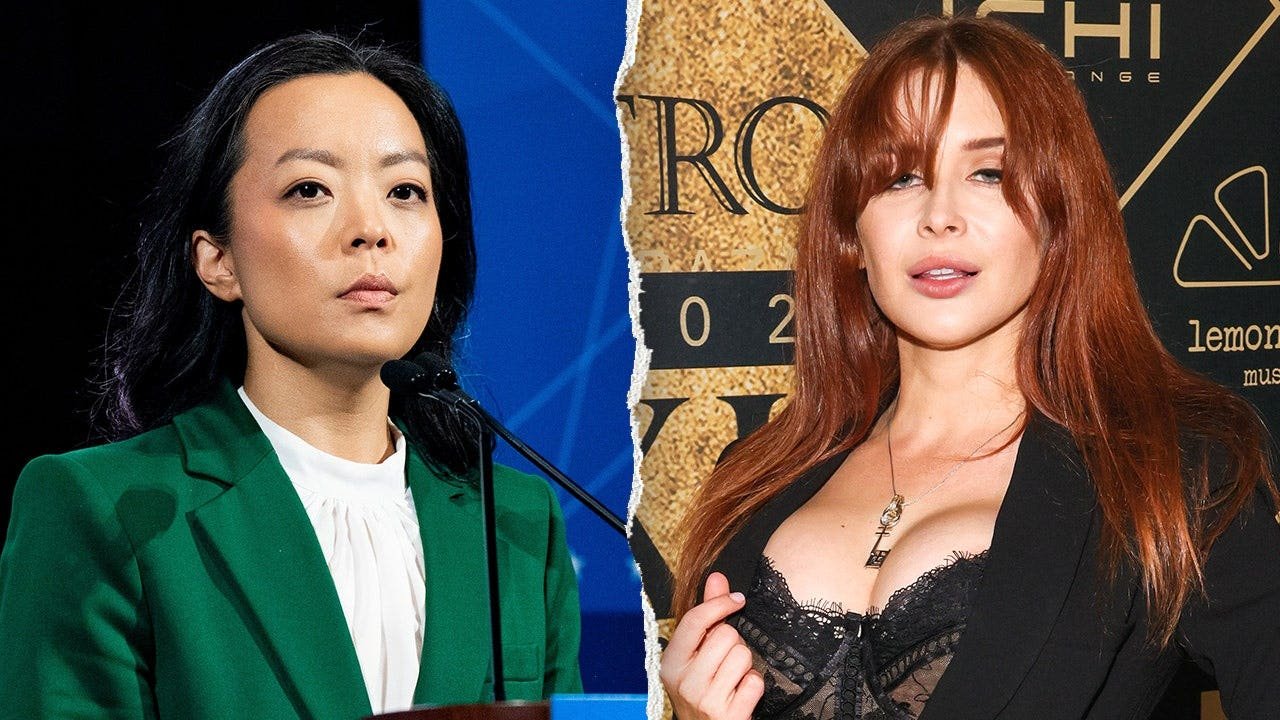
Wisconsin state Rep. Francesca Hong, left, and former child actress Renee Olstead, right. Olstead is serving in a senior role on Hong’s gubernatorial campaign. (Paul Archuleta/Getty Images; USA TODAY Network via Reuters)
Fox News Digital asked Hong’s campaign to confirm Olstead’s title and responsibilities, when she began working for the campaign, whether she is a paid employee and her qualifications for the role. The campaign responded with a statement but did not directly address each question.
«Renee Faust is a licensed mental health clinician who has spent her career providing care to trafficking survivors,» the campaign said. «Since joining the campaign in December, she has helped build the largest grassroots campaign in Wisconsin history. The right-wing politicians attacking her are the same ones who want government dictating women’s health care decisions.»
Olstead previously founded the Coalition for American Sex Workers (CASW – LOCAL 304), which advocates for decriminalization and other policy changes affecting sex workers.
Last year, Hong and three other state representatives presented Olstead with an official Wisconsin State Assembly citation recognizing her advocacy for sex workers’ rights and her selection as «Penthouse Pet of the Year» in 2024.
CONTROVERSIAL SOCIALIST CHEF FLIP-FLOPS ON ABOLISH THE POLICE, SAYS SHE’S ‘SERIOUS ABOUT PUBLIC SAFETY’
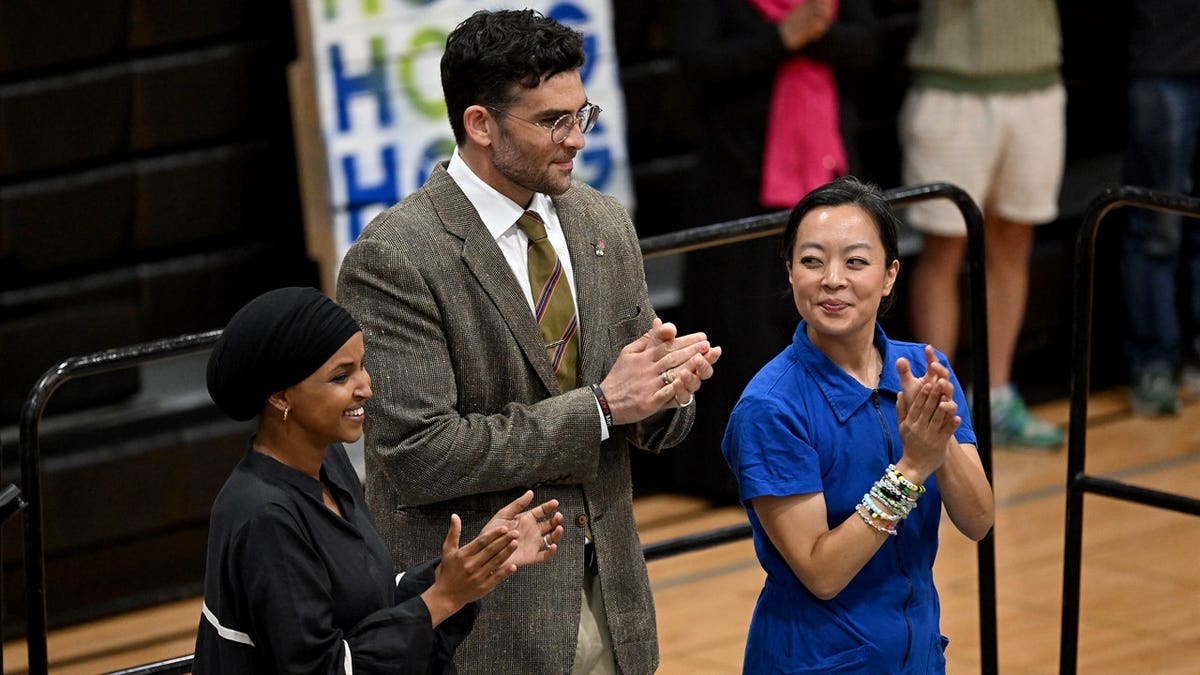
Rep. Ilhan Omar (D-MN) (L) and influencer and left-wing political commentator Hasan Piker (C) stand with Wisconsin Gubernatorial candidate Francesca Hong during a campaign rally for Hong on August 2, 2026 (Joshua Lott/Getty Images)
The campaign did not directly respond to a separate question from Fox News Digital asking Hong to explain her decision to participate in presenting Olstead with the citation and what she intended to recognize.
Hong has also pursued legislation that would decriminalize prostitution involving adults and establish a sex workers’ bill of rights.
Wisconsin Family Action, a conservative advocacy organization based in Madison, criticized Olstead’s involvement in Hong’s campaign.
«Wisconsinites deserve to have serious people leading the state. It is unbelievable to see that the likely Democratic nominee for governor has an active sex worker leading her campaign,» Daniel Degner, president of Wisconsin Family Action, said in a statement. «Voters deserve to know whether if Hong is elected, she will elevate a porn star to leadership in her administration.»
SANDERS’ ANSWER WHEN ASKED IF HE WILL ENDORSE SOCIALIST HONG IN WISCONSIN SPARKS INSTANT MOCKERY: ‘SAYS A LOT’
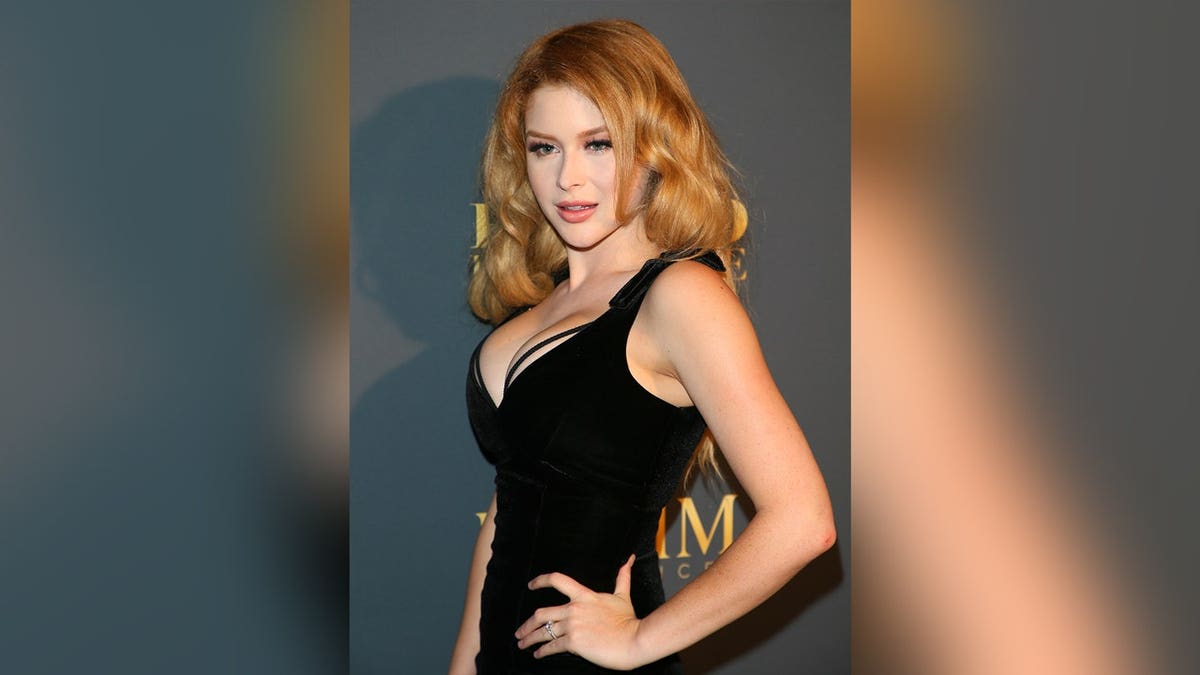
Former child actress Renee Olstead, who also goes by Renee Faust, is reportedly serving as deputy campaign manager for Wisconsin state Rep. Francesca Hong’s gubernatorial campaign. (JB Lacroix/WireImage)
Hong has previously expressed support on social media for progressive proposals including abolishing the U.S. Senate and defunding the police, though she has recently distanced herself from some of those positions in interviews ahead of Tuesday’s gubernatorial primary.
Hong faces Milwaukee County Executive David Crowley, former Wisconsin Department of Administration Secretary Joel Brennan and Democratic state Sen. Kelda Roys in the primary.
Hong also faced renewed scrutiny over a since-deleted 2020 X post calling to «cancel Thanksgiving» in order to «stop celebrating colonialism and the original superspreader event that killed Indegenous [sic] folx and women.»
She recently distanced herself from the post, telling Politico that Thanksgiving is her «favorite holiday» and that she does not want to cancel it.
«My favorite holiday is Thanksgiving,» Hong told Politico Playbook. «Yep, I don’t want to cancel it. I actually love it.»
Fox News Digital’s Andrew Mark Miller contributed to this report.
politics, elections, democrats elections, campaigning, wisconsin, elections state and local
INTERNACIONAL
Polémica en Chile: quieren obligar a las mujeres que decidan hacer un aborto a escuchar antes el latido del corazón del feto
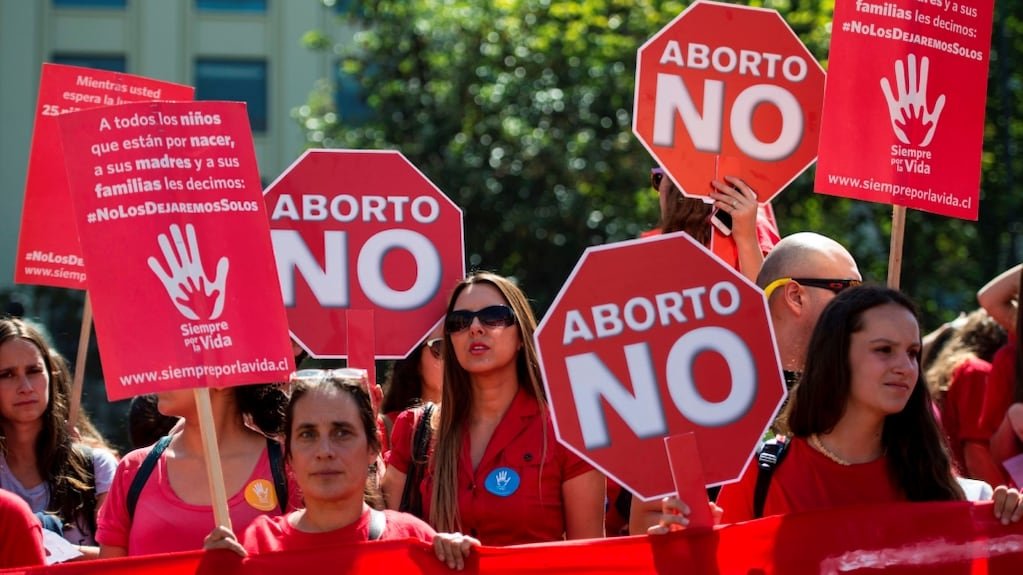
La asunción del presidente ultraderechista José Antonio Kast renovó en Chile el debate sobre el aborto, uno de los tantos temas que dividen y polarizan hoy a los chilenos. En medio de una fuerte polémica, un proyecto de ley busca obligar a las mujeres a escuchar los latidos del feto antes de someterse a esa práctica despenalizada solo parcialmente en el país.
La iniciativa fue presentada por seis diputados de los Partidos Republicano, fundado por el propio Kast; Renovación Nacional y Nacional Libertario, todos de derecha dura. La bautizaron: “Escuchar mi corazón”.
“Esperamos que el presidente de la República y el Gobierno den su apoyo a una iniciativa que lo único que busca es salvar vidas”, dijo su impulsor, el diputado libertario Cristóbal Urruticoechea.
Pero el gobierno se mostró reticente a entrar en este debate después de solo cinco meses de gestión y con una popularidad por el piso, según sondeos, a pesar de la firme postura histórica contra el aborto del mandatario.
En tanto, las combativas organizaciones sociales y movimientos feministas se declararon en alerta.
“El proyecto ‘Escucha mi corazón’ es cruel, por decir lo menos. Impone a las mujeres una barrera inhumana para acceder a una prestación garantizada por ley”, dijo a TN la vocera de la Coordinadora Feminista 8M, Laura Manzi Araneda.
¿Está permitido abortar en Chile?
La libre interrupción del embarazo está permitida en Chile solo bajo tres causales desde 2017: para salvar la vida de la madre, por inviabilidad fetal o violación.
El proyecto busca modificar el artículo 119 del Código Sanitario, que regula el procedimiento del aborto. De avanzar la ley en el Congreso, las mujeres que se sometan a una interrupción del embarazo deberán escuchar antes los latidos del corazón del feto.
Si se niegan, el médico no deberá realizar la intervención.
Una mujer chilena participa en una marcha a favor del aborto en Santiago (Foto de archivo: AP)
Desde el gobierno, la ministra de Salud, May Chomali, se desmarcó de la iniciativa.
“No entiendo cuál es el sentido. Científicamente no hay sentido que la mujer vaya a cambiar de decisión. No existe, y hemos buscando, evidencia científica de que un acto como ese pueda reducir la probabilidad de que la mujer quiera hacerse un aborto”, afirmó a Tele13 Radio.
Kast se mantuvo al margen de toda polémica. En campaña, prometió no dar una “batalla cultural” y dijo que centraría en las dos principales preocupaciones de la sociedad: la delincuencia y la economía. Los sondeos no lo favorecen y entrar en este tema solo le traería más polarización y críticas.
Desde la Iglesia Católica, el arzobispo de Santiago, cardenal Fernando Chomali, reiteró su rechazo a cualquier forma de aborto y dijo que le duele que una iniciativa de este tipo haya causado “una división, una polarización y una ira impresionante”.
“Lo otro que me duele (…) es que haya médicos que se presten para realizar un aborto. Esto lo encuentro terrible. En vez de mostrarle el latido del corazón a una mujer que está en una situación muy muy difícil, muy compleja, que yo reconozco, pienso que sería muy bueno que ese latido lo escuchara un médico que se comprometió a curar, a sanar, a preocuparse de la vida”, afirmó.
“Escucha mi corazón” vs. “Escucha mi decisión”
El debate pasó enseguida a la calle. El plan de la ultraderecha chilena generó una oleada de cuestionamientos en el ala progresista de la sociedad. La semana pasada, miles de mujeres se manifestaron en Santiago y otras ciudades del país bajo el lema: “Escucha mi corazón”, “Escucha mi decisión”.
En su diálogo con TN, Manzi Araneda afirmó: “El oficialismo intenta condicionar nuestras libertades a su moral. Una moral contradictoria, por lo demás: se dicen provida, pero nos niegan acceso a sala cuna universal o a jornadas laborales que permitan el cuidado”.
Dijo además: “Esta es una ley que, si bien no fue presentada por el gobierno, es claro que es parte del mismo proyecto cultural. Buscan reducir al mínimo las posibilidades de una vida digna”.
“El viernes (31 de julio) fuimos miles en las calles de todo el país diciendo: vamos por más. Es por esto que el proyecto no avanzará, porque las mujeres y personas gestantes no permitiremos que iniciativas como esta sean viables. Nosotras lo hemos dicho por años y lo seguiremos diciendo, Chile necesita aborto legal, seguro y gratuito”, sostuvo.
Chile, Aborto, Sumario
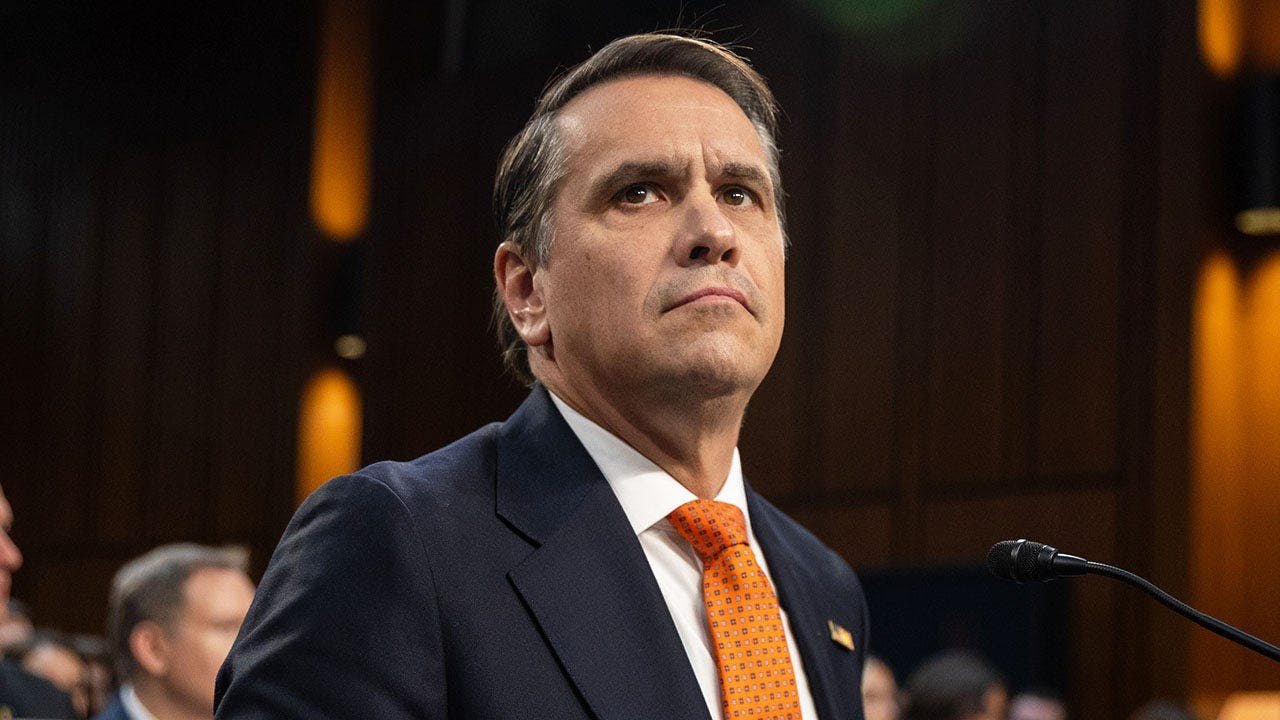
Sen. Bill Cassidy announces ‘yes’ vote on Todd Blanche nomination
Sen. Bill Cassidy, Republican from Louisiana, secures support for Todd Blanche’s nomination as attorney general by announcing his critical yes vote on the Senate floor. Chief congressional correspondent Chad Pergram breaks down how Cassidy’s decision impacts the upcoming Department of Justice confirmation process.
NEWYou can now listen to Fox News articles!
Once thought doomed, President Donald Trump’s pick to lead the Justice Department has survived the Senate and now will take the helm as the nation’s top law enforcement official.
Acting Attorney General Todd Blanche was confirmed early Saturday morning as part of a mad blitz by lawmakers to wrap up their work and jet from Washington, D.C. Now, he’ll officially replace Pam Bondi as attorney general.
Blanche, who is Trump’s former personal lawyer, nearly saw his confirmation hopes go up in smoke as Republicans struggled to swallow his role in rolling out the nearly $2 billion anti-weaponization and sweeping IRS audit immunity for the president and his family.
TRUMP’S AG PICK SURVIVES — FOR NOW — AS REPUBLICANS QUESTION IF WHITE HOUSE DEAL WILL HOLD
Acting Attorney General Todd Blanche appears before a Senate Judiciary Committee confirmation hearing for his nomination to be attorney general at the Dirksen Senate Office Building in Washington, D.C., on July 15, 2026. (Anadolu via Getty Images)
However, a last-minute ally emerged: Sen. Bill Cassidy, R-La., who announced on Friday that he would back Blanche’s confirmation after spending days keeping tight-lipped on his decision.
Though he was concerned about weaponization at the Department of Justice (DOJ) and just how binding an agreement to nix the anti-weaponization fund and limit Trump’s audit immunity would be, he argued that having a Senate-confirmed attorney general was a better option than a placeholder.
«Mr. Blanche is not perfect, and he will tell you this,» Cassidy said on the Senate floor. «But the choice is not between perfection and Mr. Blanche. It is between Mr. Blanche and another acting attorney general, who may not run the department effectively under President Trump.»
TRUMP’S PICK FOR TOP LAW ENFORCEMENT OFFICIAL GETS CRUCIAL LAST-MINUTE LIFELINE FOR CONFIRMATION
Still, Sens. Lisa Murkowski, R-Alaska, and Susan Collins, R-Maine, joined all Senate Democrats to oppose Blanche’s confirmation.
Murkowski announced her opposition hours before Cassidy’s lifeline. She contended that despite Blanche’s trek to Alaska and numerous meetings with him, she could not support him to be the next attorney general.
She was worried about his connection to the anti-weaponization fund, a weaponized Justice Department, Blanche’s role in the Epstein Files release, and the uncertain future of the fund, which several Republicans have raised concerns about over whether taxpayer dollars would flow to rioters who stormed the Capitol on Jan. 6, 2021.
TRUMP ADMIN PUSHES BACK ON ‘SLUSH FUND’ ATTACKS AGAINST ANTI-WEAPONIZATION FUND AND LAYS OUT WHO QUALIFIES
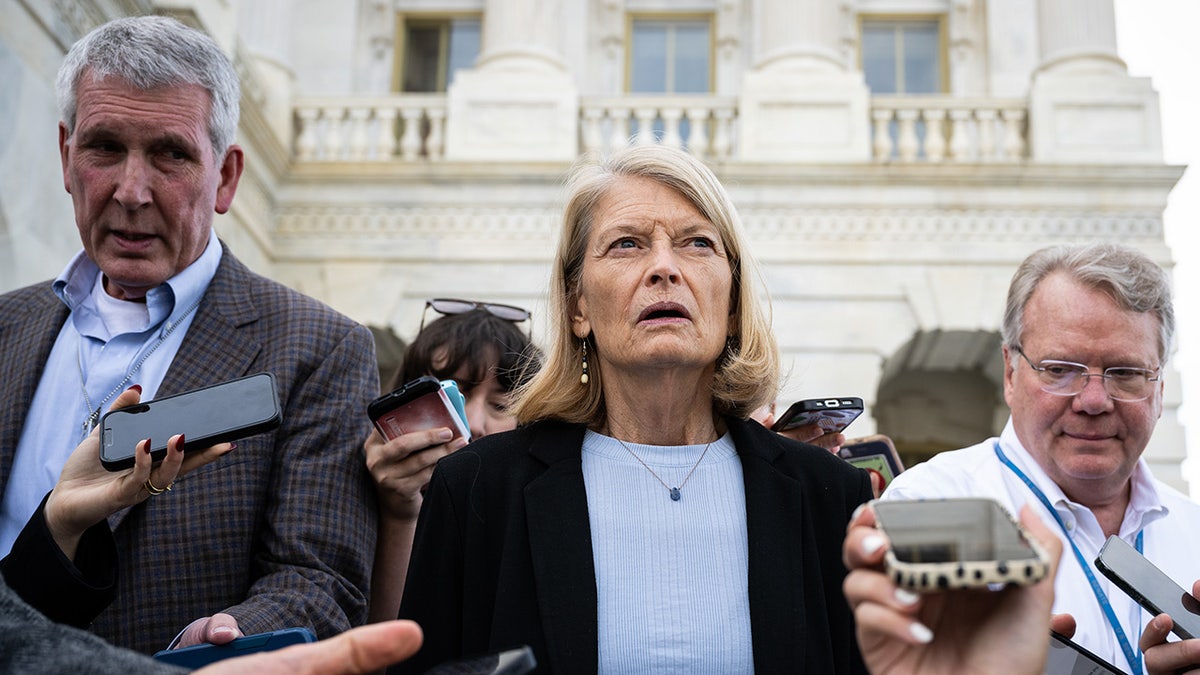
Senator Lisa Murkowski, a Republican from Alaska, speaks to members of the media following a vote outside the US Capitol in Washington, DC, US, on Friday, Oct. 3, 2025. (Graeme Sloan/Getty Images)
«The country needs an Attorney General who will check the worst impulses of this administration,» Murkowski said. «I hope Mr. Blanche is able to achieve that, if confirmed, but I simply do not have confidence that will be the case.»
Collins raised similar concerns earlier in the week, and was the first Republican out of the gate to cast doubt on Blanche’s chances of confirmation.
«While I believe Mr. Blanche is a capable lawyer, the Department of Justice has become increasingly political,» Collins said. «Mr. Blanche has taken several actions that have further eroded the Department’s independence, and that is the basis for my vote to oppose his confirmation.»
politics, todd blanche, justice department, senate elections, attorney general

Tigre vs River Plate: formaciones, hora y dónde ver por tv

Democratic socialist Francesca Hong has former child star, OnlyFans model in senior campaign role: report

Georgina Rodríguez, la futura esposa argentina de Cristiano Ronaldo, contestó las críticas a su cuerpo: “Me llaman gorda, pero…”

Fentanilo mortal: una ex funcionaria sigue detenida y otra fue liberada bajo fianza con prohibición de salir del país

El presidente del Banco del Chaco fue internado con pronóstico reservado tras sufrir un choque múltiple en la ruta 89

Un zaguero del Barcelona para Mac Allister

Dólar hoy en vivo: a cuánto se negocian todas las cotizaciones minuto a minuto este miércoles 5 de agosto

La oposición cuestionó a Benegas Lynch por su empresa para vender campos a extranjeros y el senador libertario se defendió

Brasil retira a su embajador en la Argentina: qué consecuencias tiene la medida diplomática

Las centrales obreras y los movimientos sociales anunciaron dos días de conflicto callejero
-
 ECONOMIA3 días ago
Dólar hoy en vivo: a cuánto se negocian todas las cotizaciones minuto a minuto este miércoles 5 de agosto
-
 POLITICA2 días ago
La oposición cuestionó a Benegas Lynch por su empresa para vender campos a extranjeros y el senador libertario se defendió
-
 POLITICA3 días ago
Brasil retira a su embajador en la Argentina: qué consecuencias tiene la medida diplomática