INTERNACIONAL
Quiet part out loud: Anti-Israel mobs want one state called ‘Palestine,’ erasing Israel

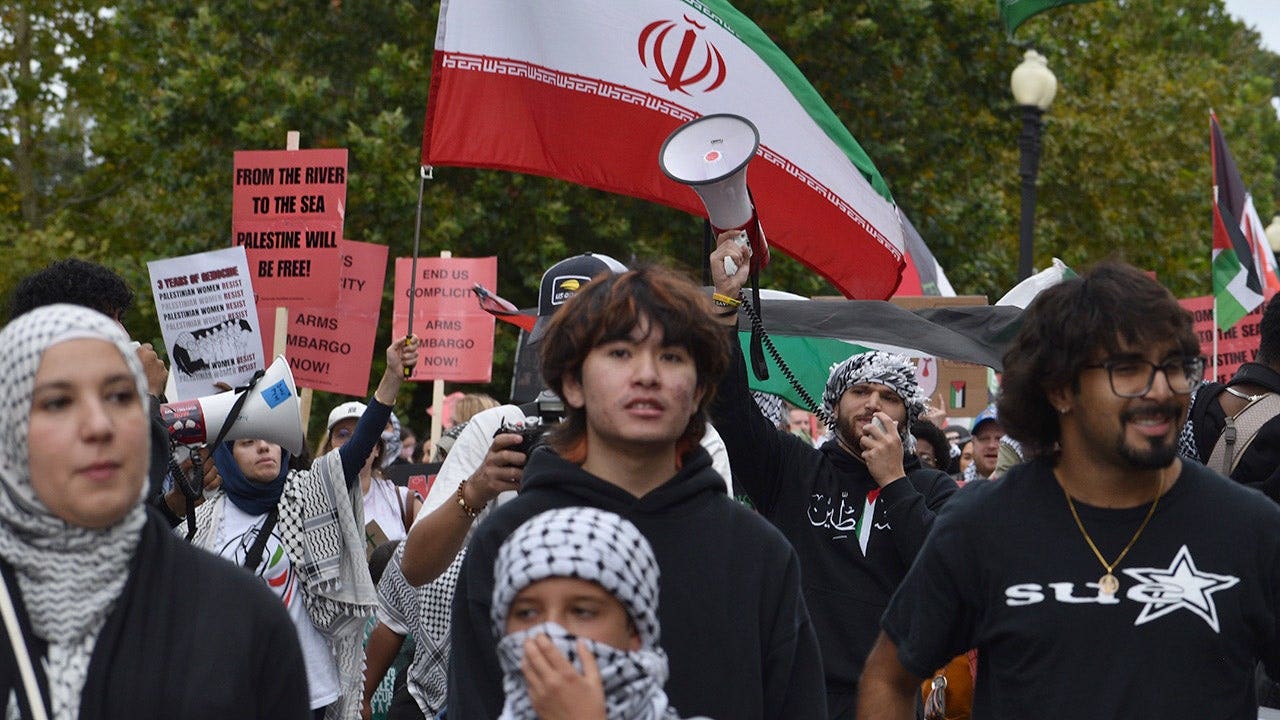
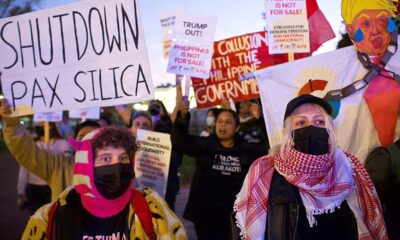
WASHINGTON, D.C. — This weekend, millions of anti-Israel activists marched through the streets of cities in coordinated actions from America’s capital to London, Paris, Madrid and Kuala Lumpar, Malaysia, chanting the familiar refrains of «Free, free Palestine» and «From the river to the sea, Palestine will be free.»
But for the first time, communicated frankly in exclusive interviews with Digital, three anti-Israel leaders acknowledged the goal: one state called «Palestine» encompassing modern-day Israel, the West Bank and Gaza, with a Palestinian «right of return» to the new country and equal political, voting and citizenship rights for Palestinians alongside Jews currently living in Israel.
Most significantly, in the political vision they described, Israel would legally cease to exist as a separate Jewish nation-state and Jews would be quickly overwhelmed demographically.
INSIDE THE PROTEST PLAYBOOK TO VILIFY ISRAEL ON ‘GLOBAL DAY OF ACTION’
The current population of Israel is about 10 million, including about 7.8 million Jews, 2 million Palestinian Arabs (including Palestinians and most of them Muslim), and 200,000 people from other communities. There are another estimated 10.2 million Jews worldwide.
There are about 5.5 million Palestinians in the West Bank and Gaza and about 8 million Palestinians in the diaspora, totaling about 13.5 million.
The candor of the anti-Israel leaders lays bare the political conclusion of an argument that activists have spent years advancing on the streets, through sympathetic media outlets and in legal forums: that Israel is a «settler colonial» state practicing «apartheid» and «genocide,» and therefore should not continue to exist in its current form as a Jewish state. Israeli leaders have fiercely rejected those allegations, disputing accusations of «genocide» and «apartheid» and maintaining that Israel is the nation-state of the Jewish people with equal civil and political rights for citizens that include Jews, Christians and Muslims.
Advocates for Israel note that the nation’s critics rarely apply the same historical lens of human-rights analysis to Arab and Muslim-majority states, many of which emerged from the collapse of empires, wars and population upheavals that displaced millions, including Jews expelled from their countries, today often restricting political, religious and minority rights.
NOBEL PEACE PRIZE AWARDED TO UN JURIST WHO ACCUSED ISRAEL OF COMMITTING GENOCIDE IN GAZA
In Chicago, Hatem Abudayyeh, the Palestinian-American founder of the U.S. Palestinian Community Network and a Muslim, said the new nation would be «one democratic secular state of Palestine.» Jewish Israeli-born community leader Miko Peled, founder of the Palestine House in Washington, D.C., said «the proper name would be Palestine.» And Maryland congressional candidate Sam Husseini, a Palestinian-American Christian, floated another name for the vision of the one state: «1948,» marking the year Israel declared independence and Palestinians commemorate as the «Nakba,» or catastrophe, but he said even Israeli Jews would one day accept another name: «Palestine.»
Their answers provide a striking interpretation from inside a movement where activists have traditionally danced around their demands with euphemisms about «liberation» and media outlets have obscured their answers even when they have been transparent.
On Washington, D.C.’s First Avenue SE, Digital asked Olivia DiNucci, local coordinator for CodePink, a far-left nonprofit, what her group sees as a solution to the Israeli-Palestinian conflict. In her work for CodePink, DiNucci disrupts hearings, restaurant meals and town halls to shout at lawmakers and policymakers who support the state of Israel.
‘TROJAN HORSES’ IN AMERICA: CONGRESS PROBES INFLUENCE NETWORKS TIED TO CHINA, IRAN AND CUBA
«Palestinians in Palestine will decide, DiNucci said.
Asked if «Palestine» includes modern day Israel, she spun around and walked away. Later, she posted a message on social media, saying she was asked «gotcha questions.»
This weekend, protesters signaled their position with certainty, explicitly rejecting the two-state solution that has dominated international diplomacy for decades.
In New York City, the Party for Socialism and Liberation circulated video of protesters marching through the streets chanting: «1-2-3-4. Occupation no more. 5-6-7-8. Israel is a terrorist state.»
ISRAEL, JEWS TARGETED WORLDWIDE AS WELL-FUNDED LEFTIST, ISLAMIST GROUPS JOIN FOR ‘NAKBA 78’ PROTESTS
Then came the point: «We don’t want no two state!»
In London, the Palestine Solidarity Campaign promoted a 15-second video of a woman with a megaphone shouting: «There is only one state!»
«Palestine, ’48!» protesters responded.
«Say it loud, say it clear!» she continued. «Palestine, you make us proud!»
Back in Washington, D.C., protesters carried signs declaring, «LAND YOU HAVE 2 KILL FOR IS NOT YOURS,» a message that challenged Israel’s claim to the land itself, while a banner proclaiming, «THE FIGHT FOR LIBERATION IS OURS,» framed the struggle as one for the territory. The demonstrators yesterday didn’t address the Hamas attacks on Israel on Oct. 7, 2023, but many have called them justified.
ANTI-ISRAEL GROUPS RALLY ACROSS US ON OCTOBER 7 ANNIVERSARY, CHANTING ‘LONG LIVE THE INTIFADA’
The one-state demand is being amplified within a powerful protest infrastructure. The broader «red-green» alliance brings socialist and communist groups together on the streets with Palestinian and Muslim activist organizations, while organizations including the Democratic Socialists of America and nonprofits in the network funded by Neville Roy Singham, an American-born tech tycoon living in Shanghai, help organize, promote and amplify anti-Israel demonstrations.
Singham, has poured $278 million into a pro-communist network, including CodePink, the People’s Forum, the Party for Socialism and Liberation, BreakThrough News and the ANSWER Coalition, which have become major organizing, media and logistical hubs for the protest movement. The result is a powerful infrastructure amplifying slogans such as «Free Palestine» and «from the river to the sea,» even when the organizations and activists doing the amplifying don’t themselves explicitly spell out the one-state political vision described to Digital.
From Chicago, Abudayyeh told Digital that the U.S. Palestinian Community Network advocates for one democratic state across the territory that today encompasses Israel, the West Bank and Gaza.
«Our points of unity, from the very beginning of our existence, included one democratic secular state of Palestine,» he said.
«And for decades and decades, we’ve been saying that…the only true solution that can bring peace and justice to all that live there is … one democratic state,» which includes the West Bank, Gaza and «1948 Palestinian territories,» a term used to describe the land that Israel claimed as a nation in 1948.
This can only happen, he said, if «the racist system of Zionism is dismantled.»
The ADL, a leading Jewish organization based in New York, describes Zionism as a «movement for the self-determination and statehood for the Jewish people in their ancestral homeland, the land of Israel.»
Abudayyeh said the new state would include a «right of return» for Palestinian refugees and their descendants. «Our points of unity from day one included the right of return,» he said.
Activists from a U.S.-based network of groups called «Al-Awda: The Palestine Right to Return Coalition» joined the protest in Los Angeles and posted a message online: «OUR PEOPLE WILL RETURN, PALESTINE WILL BE FREE!
«If all of our refugees, who have the internationally recognized right to return to Palestine, are able to return, and the system, the racist system is dismantled, then all the people there can live in peace and justice,» Abudayyeh told Digital. «That’s our position. It’s always been our position. We’re not going to abandon the five to seven million refugees that we have.»
«They have the right to go back to the homes and lands in which they were exiled,» he explained.
Abudayyeh said that wouldn’t mean removing the people – most of them Jewish – living in Israel.
«It doesn’t mean that we’re going to kick people out,» he said. «It just means that these folks have an internationally recognized right, and you will never get peace and justice there unless you uphold that right.»
«I believe, very clearly, USPCN believes very clearly that there can be peace and justice as long as that system, that racist system of Zionism is dismantled,» Abudayyeh said. «That’s the essence of it.»
Abudayyeh compared the Palestinian movement’s objective to the international campaign against apartheid South Africa. «And we’re getting close to having international consensus today on the question of Israel and Zionism, where Israel doesnt have the «right to exist as a racist, Zionist, apartheid, white supremacist state.»
«That’s what we say,» he continued. «We’re adamant about that. We’re clear about it. Unabashed.»
Digital asked Abudayyeh whether «Palestine» includes modern-day Israel when protest leaders and activists chant «Palestine will be free» or «Free, free Palestine.»
«The majority of the majority of the people, especially in the past period, have moved to that conclusion,» Abudayyeh said.
Husseini, a Palestinian-American journalist running for Congress in Maryland’s 4th Congressional District, offered a similar one-state vision and an unusual proposal for what the country might be called.
Standing on First Avenue SE, between the U.S. Supreme Court and the U.S. Capitol, Husseini told Digital that his long-term vision is «one person, one vote,» coupled with a Palestinian right of return.
«Ultimately, long-term, I that it should be one person, one vote,» Husseini said.
«Why aren’t they allowed back into their homes? So I think that they should,» he said of Palestinian refugees. «I mean, that includes myself. I don’t know that I would actually move back there, but as a descendant of a Palestinian who was forcibly displaced, I should have that right or compensation.»
Husseini offered another possibility for the country’s name.
«I’ve often thought of a novel proposal because people get hung up on the names. Are they going to call it Israel or are they going call it Palestine?» Husseini said.
«I’ve toyed with the idea of calling it 1948, having a country with a number signifying the year of this cataclysm, which should be the last gasp of imperialism.»
If the new state is called Palestine, Husseini said, «I think a lot of Jews, when they think about it, will say, so long as they have equal rights and all are protected, will adopt the term Palestine.»
Standing on Pennsylvania Avenue SE, the roar of the demonstrators getting closer as they marched from the U.S. Capitol to talks at the Palestine House of Freedom, Miko Peled, an Israeli-born Jewish activist, was equally blunt about what a «Free Palestine» means to him.
«Well, our vision, our mission, and our vision is to educate people to see that a free Palestine, which means a post-Zionist, post-apartheid Palestine with equal rights and the right of the Palestinians to return, is the best vision that will benefit everybody who lives there currently, which means Israelis and Palestinians,» he said.
Asked whether that meant one state, he answered yes.
«It’s already one state, it’s just an apartheid state,» Peled said.
«So that’s our vision, to create a real democracy, free Palestine, with equal rights.»
Digital asked what that country would be called.
«Well, historically the country was called Palestine for thousands of years and so it should be called Palestine,» Peled said. «Israel is a new name. They renamed the country 78 years ago, so the proper name would be Palestine.»
For Peled, the familiar protest demand «Free Palestine» has a literal political meaning: One state with the new name «Palestine.»
fox news investigates







INTERNACIONAL
Venezuela elimina el requisito de visa para los panameños tras años de tensiones diplomáticas
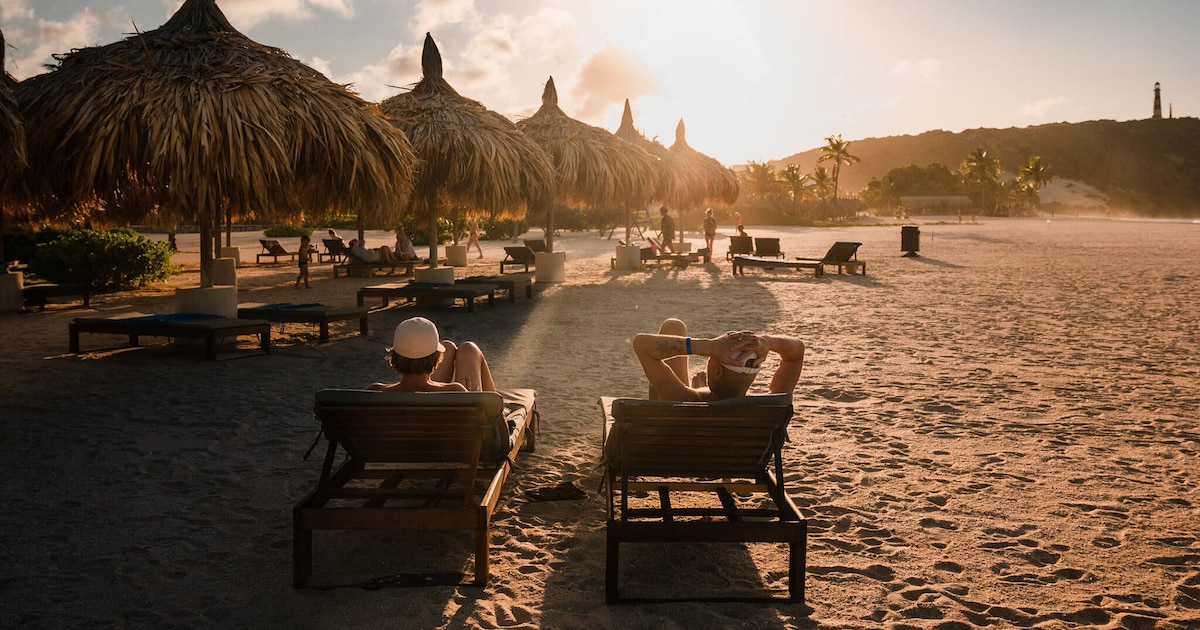
Venezuela anunció la eliminación del requisito de visa para los ciudadanos panameños, una medida que marca un nuevo capítulo en las relaciones entre ambos países, deterioradas tras las controvertidas elecciones presidenciales venezolanas de julio de 2024.
La decisión fue anunciada este viernes 27 de noviembre por Delcy Rodríguez, quien instruyó al canciller venezolano, Oliver Blanco, a eliminar la exigencia migratoria como parte de las iniciativas para impulsar el turismo internacional.
El anuncio se produjo durante la celebración del 56.º aniversario de Consecomercio, un día después de que Copa Airlines inaugurara sus operaciones comerciales hacia la isla de Margarita, ampliando la conectividad aérea entre ambos países.
La mandataria indicó que la eliminación de las visas debía aplicarse desde este viernes, aunque durante su intervención no precisó el período de permanencia autorizado ni las condiciones migratorias aplicables a los viajeros panameños.
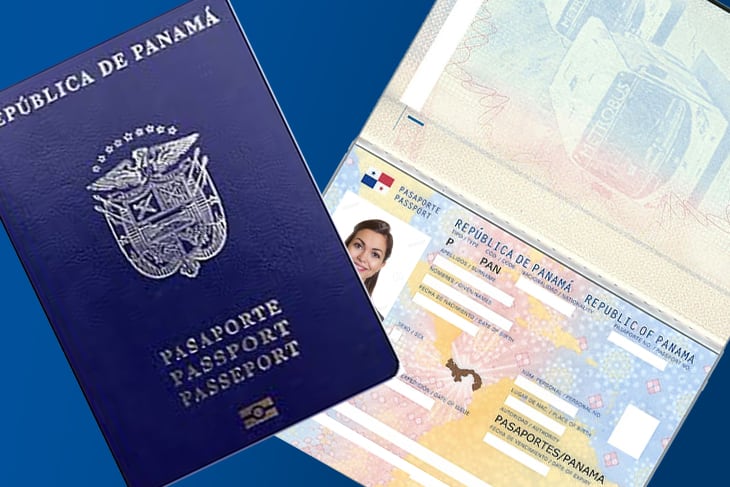
La exigencia de visa para los panameños se remonta a octubre de 2017, cuando el gobierno venezolano adoptó una medida de reciprocidad migratoria, después de que Panamá estableciera ese requisito para los ciudadanos de nacionalidad venezolana.
Las relaciones bilaterales atravesaron uno de sus momentos más críticos después de las elecciones presidenciales del 28 de julio de 2024, cuando el Consejo Nacional Electoral (CNE) proclamó ganador al entonces mandatario Nicolás Maduro.
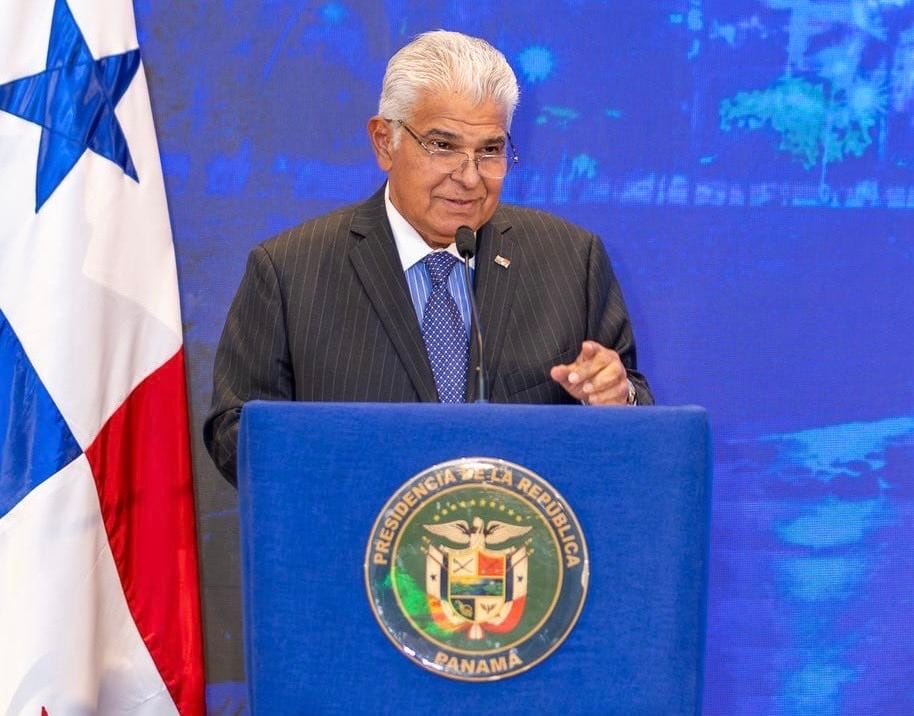
El presidente panameño, José Raúl Mulino, cuestionó los resultados y anunció el 29 de julio el retiro del personal diplomático acreditado en Caracas, además de suspender las relaciones hasta que se realizara una revisión del escrutinio electoral.
Mulino también respaldó al candidato opositor Edmundo González Urrutia y promovió discusiones sobre la situación venezolana ante la Organización de los Estados Americanos (OEA), reclamando transparencia en los resultados electorales.
Las tensiones derivaron en la suspensión de las operaciones aéreas comerciales entre ambos países, afectando a miles de viajeros, las conexiones internacionales de Copa Airlines y las actividades de empresas establecidas en la Zona Libre de Colón.
En mayo de 2025, las autoridades aeronáuticas autorizaron el restablecimiento de los vuelos comerciales, después de casi diez meses de interrupción, permitiendo a la aerolínea panameña recuperar progresivamente sus frecuencias hacia el mercado venezolano.
Posteriormente, ambos gobiernos acordaron reactivar los servicios consulares, una decisión orientada a facilitar la atención de sus ciudadanos y atender asuntos relacionados con el comercio bilateral y los procesos de retorno de migrantes venezolanos.
Mulino aclaró en septiembre de 2025 que la recuperación de los servicios consulares no implicaba el restablecimiento de las relaciones diplomáticas, aunque permitía atender algunas de las consecuencias humanitarias y comerciales del distanciamiento entre ambos gobiernos.
Con la incorporación de Porlamar, Copa Airlines amplía su oferta a 47 frecuencias semanales entre Panamá y Venezuela, distribuidas entre seis destinos, según la programación anunciada por la compañía para noviembre de 2026.

La oferta contempla 14 vuelos semanales hacia Caracas e igual cantidad hacia Valencia, siete a Maracaibo, cinco a Barcelona, cuatro a Barquisimeto y tres hacia la isla de Margarita.
Antes de los terremotos del 24 de junio, la aerolínea operaba tres vuelos diarios hacia Caracas. Las operaciones se reanudaron el 1 de septiembre, mientras que la segunda frecuencia diaria fue restablecida dos semanas después.
La suspensión temporal estuvo relacionada con los daños ocasionados por los movimientos sísmicos en el Aeropuerto Internacional Simón Bolívar de Maiquetía, principal terminal aérea venezolana, cuya recuperación permitió el retorno gradual de las operaciones comerciales.
El vuelo inaugural hacia Margarita transportó a 166 pasajeros y aterrizó en el Aeropuerto Internacional Santiago Mariño, en el estado Nueva Esparta. La ruta opera con aeronaves Boeing 737-800 los días martes, jueves y domingos.
La nueva conexión representa una oferta aproximada de 3,500 asientos mensuales entre ambos sentidos y permite enlazar la isla venezolana con más de 85 destinos internacionales mediante el centro de conexiones de Panamá.
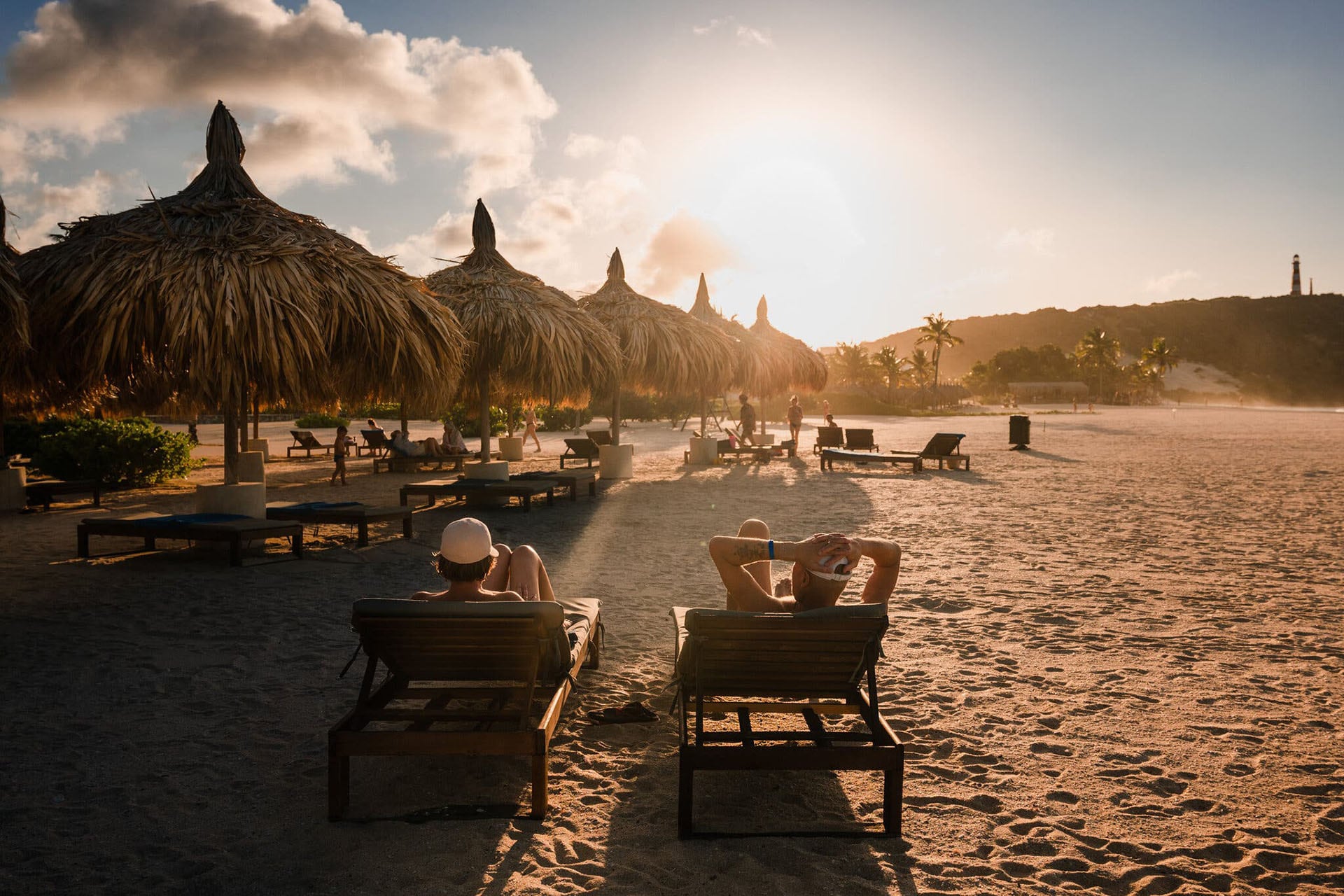
La eliminación del requisito de visa busca favorecer la llegada de turistas panameños y dinamizar actividades económicas vinculadas con la hotelería, la gastronomía y el transporte, en momentos en que Venezuela procura ampliar su conectividad aérea internacional.
Disasters / Accidents,South America / Central America
INTERNACIONAL
US military disables tanker ship attempting to slip through Iran blockade on Thanksgiving Day
NEWYou can now listen to Fox News articles!
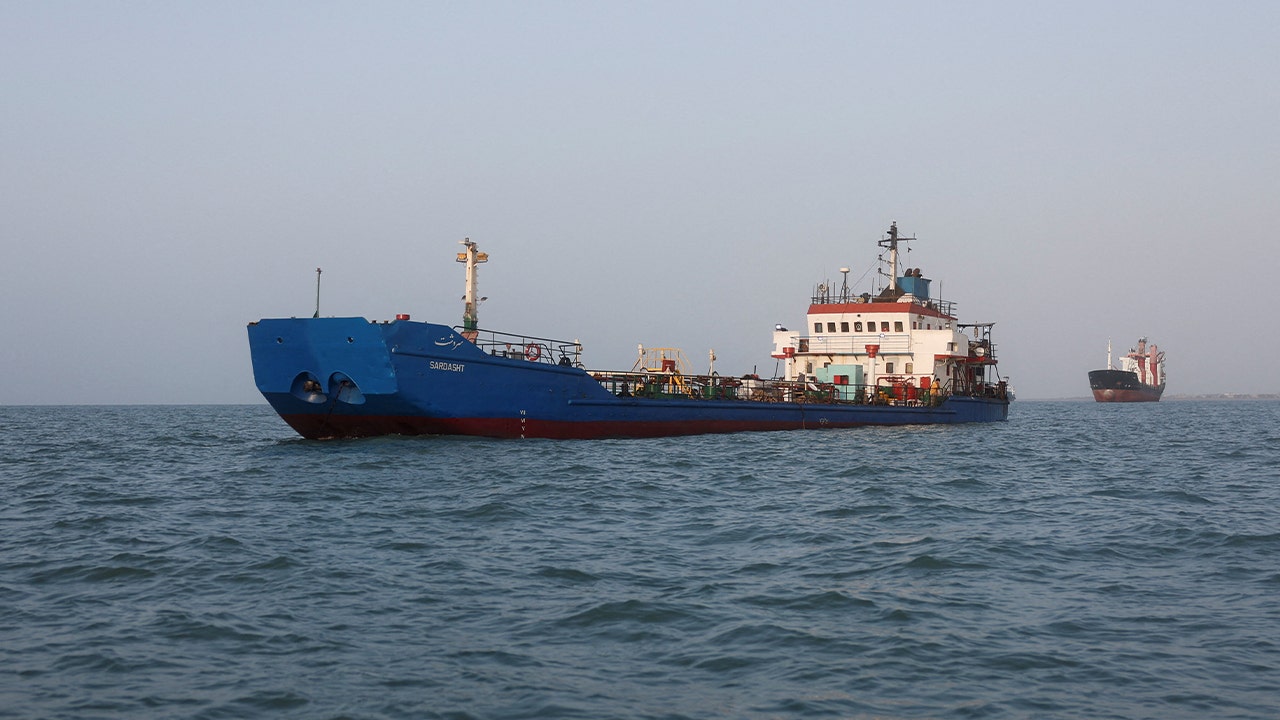
A U.S. military aircraft disabled a commercial vessel in the Gulf of Oman on Thursday after it tried to evade the naval blockade of all Iranian ports, which has been in effect since mid-July.
The Palau-flagged M/V Pacific Archer left Bandar Abbas, a major port city on Iran’s southern coast, before the U.S. Central Command (CENTCOM) fired precision munitions at the ship’s stern, destroying its propulsion.
A video released by the military shows a projectile hitting the back of the ship and causing an explosion. The civilian crew was unharmed in the strike, CENTCOM said.
So far, U.S. forces have redirected 158 compliant commercial vessels and disabled six that refused to comply.
The moment a U.S. military aircraft struck a Palau-flagged commercial ship in the Gulf of Oman on Nov. 26, 2026. The ship left Bandar Abbas and tried to slip through the U.S. naval blockade. (U.S. Central Command)
TRUMP DARES IRAN TO BREACH US PORT BLOCKADE AS TEHRAN REPORTEDLY READIES 14 OIL TANKERS
President Donald Trump said Thursday, while celebrating Thanksgiving at Mar-a-Lago in Palm Beach, Florida, that victory in the Iran war would come «whenever I want it.»
«We have victory at hand. It’s going to be whenever, sort of, whatever I want it to be. To be honest, and we’re trying to be nice, we’re giving them every chance to make a deal and save a lot of lives. But I am not sure if they are going to take advantage of that,» he said in a phone call to U.S. service members.
Trump also praised U.S. troops for their role in preventing Iran from obtaining a nuclear weapon.

President Donald Trump and first lady Melania Trump speak with participate in calls with U.S. service members from Mar-a-Lago on Thanksgiving Day, on Nov. 26, 2026 in Palm Beach, Florida. (Daniel Heuer/Getty Images)
TRUMP PAUSES TURKEY PARDON TO SALUTE US TROOPS GUARDING STRAIT OF HORMUZ: ‘WATCH OVER AND PROTECT’
«Each of you is playing an essential role to protect not only our country today but future generations of Americans by ensuring that Iran will never have a nuclear weapon. They will never have a nuclear weapon. That I can tell you,» he said.
Trump added that the U.S. has launched 150 missiles to intercept threats targeting commercial shipping in the Strait of Hormuz.
Asked whether Moscow and Beijing are providing Iran with intelligence to help it target U.S. military bases, Trump minimized the likelihood and said China was not heavily involved. He maintained that both countries are interested in helping the U.S. bring the war to a close.

Vessels in the Strait of Hormuz are visible near the beach of Bandar Abbas, Iran, August 27, 2026. (Majid Asgaripour/WANA (West Asia News Agency))
Trump said that if the U.S. were to resume strikes, CENTCOM forces would «absolutely hit Pickaxe Mountain,» an underground complex near Iran’s Natanz enrichment complex.
The likelihood of Iran agreeing to a deal proposed by the U.S. is low, Trump also told reporters.
war with iran, donald trump, military, foreign policy, middle east, navy
INTERNACIONAL
Honduras: salarios y aguinaldos inyectarán USD 1,060 millones a la economía durante diciembre, según el Cohep
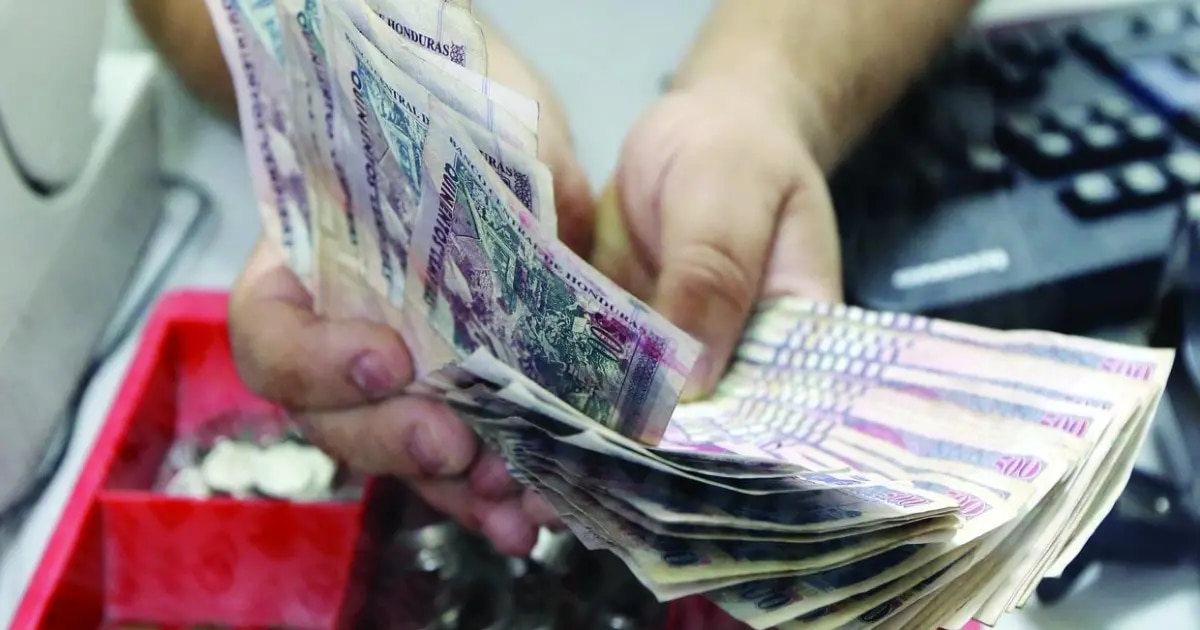
El pago de salarios y aguinaldos durante diciembre inyectará alrededor de 27.000 millones de lempiras (aproximadamente USD 1.060 millones) a la economía de Honduras, un movimiento de recursos que podría impulsar el comercio, aumentar la liquidez de los hogares y generar un repunte en la actividad económica durante la temporada navideña.
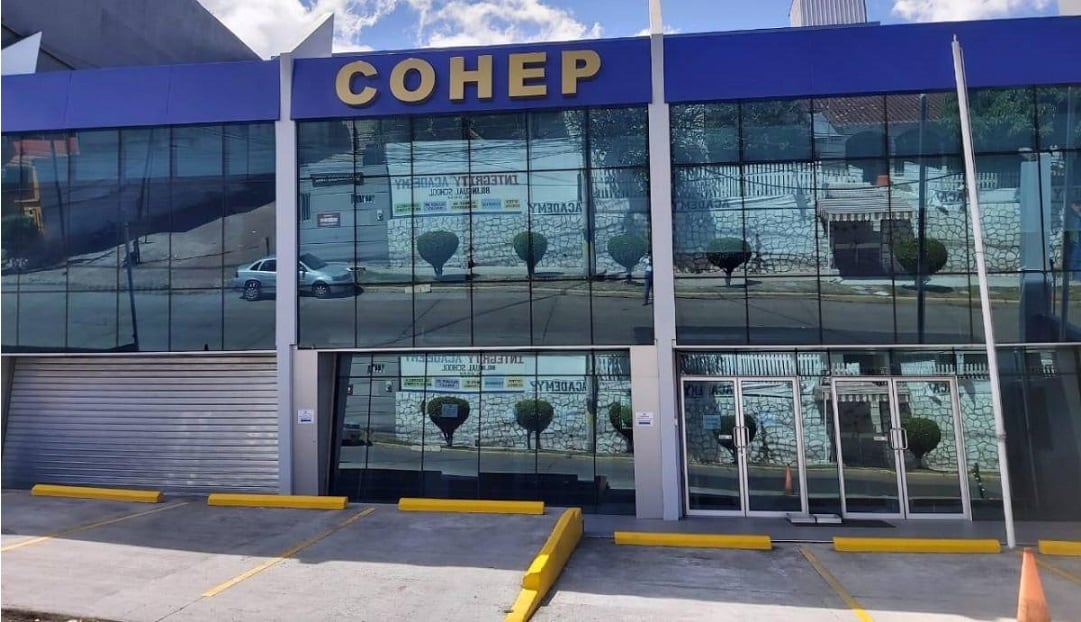
La estimación fue compartida por Lester Amador, oficial de Política Económica del Consejo Hondureño de la Empresa Privada (Cohep), quien explicó que esta inyección de dinero corresponde a los desembolsos que realizarán tanto el Gobierno como las empresas privadas para cumplir con sus obligaciones laborales al cierre de 2026.
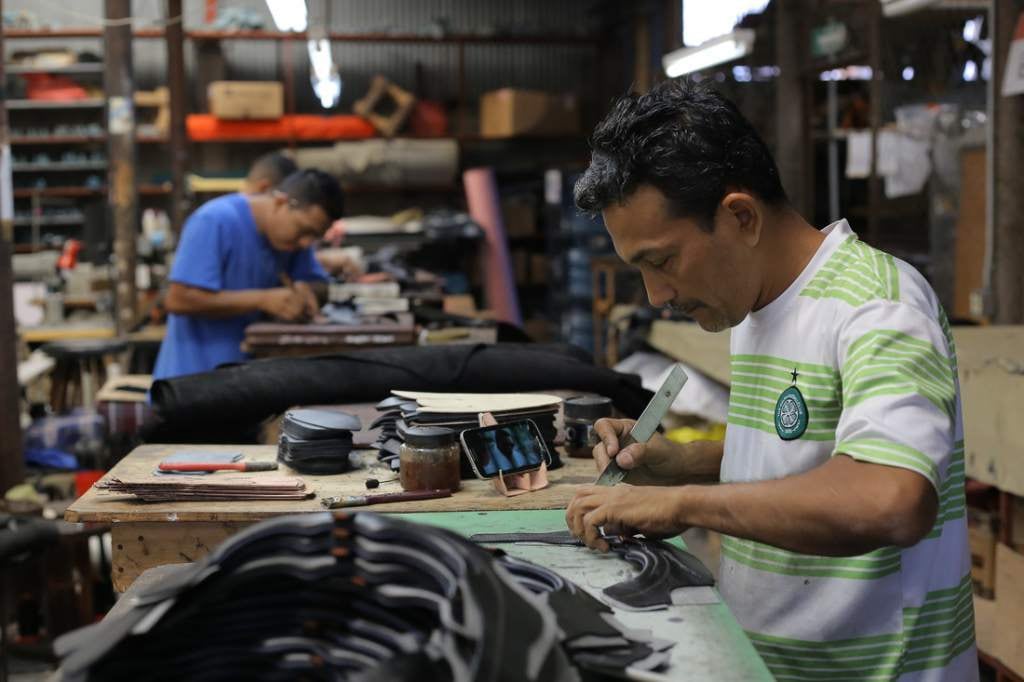
En declaraciones a Noticieros Hoy Mismo de TSi, Amador detalló que el sector público prevé desembolsar aproximadamente 13.000 millones de lempiras (USD 511 millones), correspondientes al salario ordinario de diciembre y al decimotercer mes de salario de sus empleados.
A esta cantidad se sumarán otros 14.000 millones de lempiras (USD 550 millones) que el sector privado destinará al pago del aguinaldo, una prestación laboral que reciben los trabajadores hondureños durante el último mes del año.
«Estamos hablando de 27 mil millones de lempiras», precisó el representante del Cohep al referirse al volumen de recursos que llegará a las familias hondureñas durante diciembre.
La cifra representa uno de los movimientos de dinero más importantes de la economía nacional durante el año, debido a que coincide con una temporada caracterizada por el incremento del consumo, las compras navideñas y una mayor demanda de productos y servicios.
Amador señaló que la disponibilidad de estos recursos constituye una oportunidad para recuperar parte de la actividad económica que no habría alcanzado el dinamismo esperado durante otros meses de 2026.
Según explicó, diciembre tradicionalmente concentra un mayor movimiento comercial porque miles de trabajadores reciben ingresos adicionales que destinan a compras, pagos pendientes, actividades familiares y preparativos para las celebraciones de Navidad y Año Nuevo.
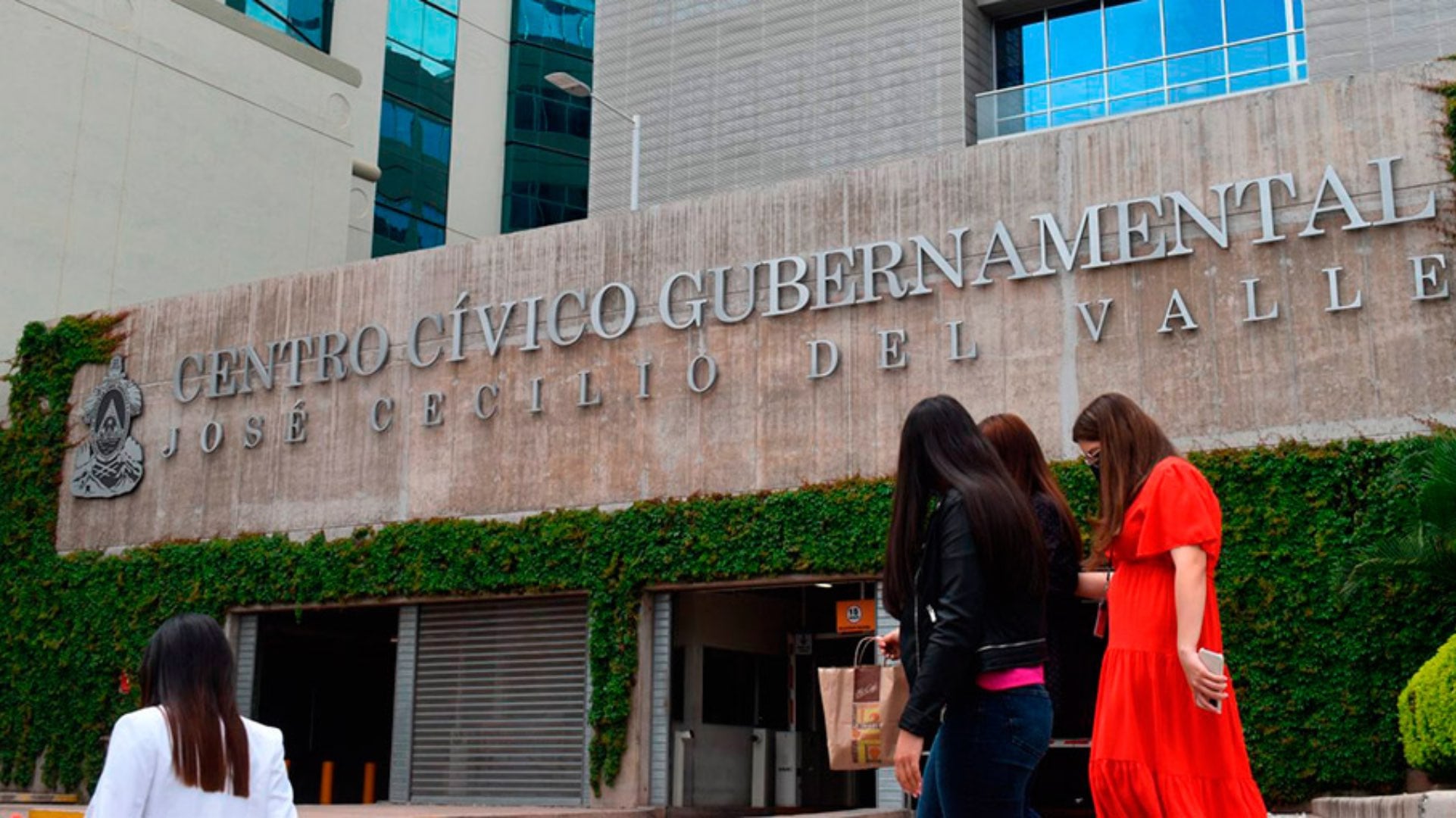
«Es una época en donde el comercio puede movilizarse, donde las familias hondureñas pueden recuperar esa actividad económica que quizás no han tenido en meses anteriores», manifestó el funcionario del Cohep.
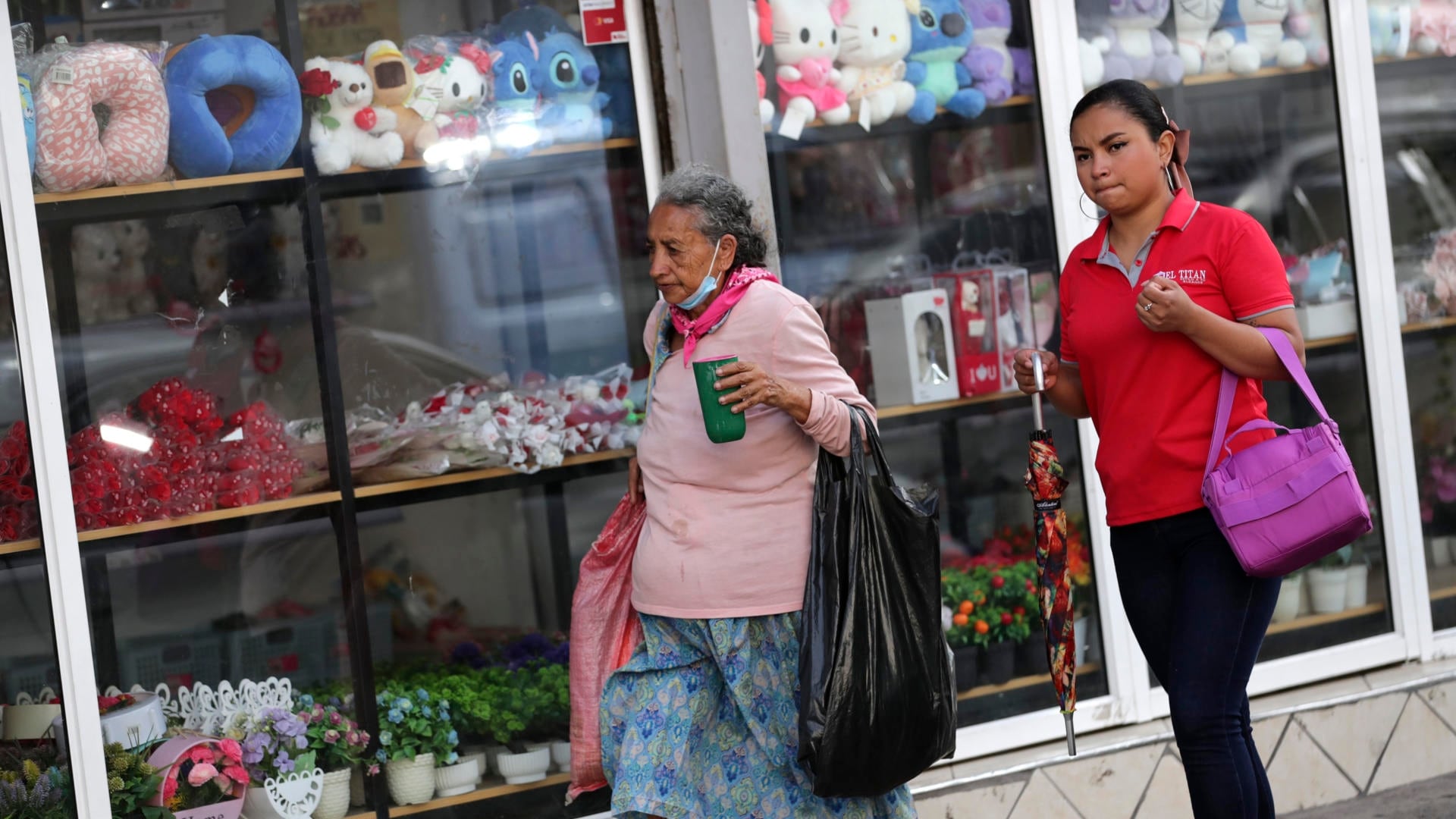
El comportamiento del consumo durante estas semanas será importante para distintos sectores productivos, especialmente los establecimientos comerciales, supermercados, tiendas de ropa, mercados, restaurantes y negocios que dependen de las compras de temporada.
La llegada de más de USD 1.000 millones en salarios y aguinaldos también representa una oportunidad para los pequeños y medianos negocios, que suelen concentrar una parte importante de sus ventas durante las festividades de diciembre.
Sin embargo, el impacto de esta inyección de recursos dependerá de cómo las familias distribuyan sus ingresos y de cuánto dinero destinen efectivamente al consumo. Una parte también estará orientada al pago de deudas, compromisos financieros y necesidades básicas que los hogares mantienen durante todo el año.
Cohep recomienda cuidar el aguinaldo
Aunque el ingreso extraordinario representa un alivio para miles de trabajadores, el Cohep recomendó administrar el aguinaldo con responsabilidad, especialmente ante los compromisos económicos que aparecen después de las celebraciones de fin de año.
Lester Amador aconsejó a los hondureños revisar sus finanzas familiares, identificar las obligaciones pendientes y establecer prioridades antes de destinar el dinero a compras navideñas o gastos que no sean indispensables.
El representante empresarial también destacó la importancia de reservar una parte de estos recursos para cubrir los gastos de enero y febrero de 2027, dos meses en los que muchas familias enfrentan dificultades para reorganizar sus presupuestos después de los desembolsos de diciembre.
Entre los compromisos que suelen acumularse al comenzar el año figuran los gastos escolares, la compra de útiles y uniformes, el pago de servicios básicos, las cuotas de préstamos y otras obligaciones familiares.
La recomendación busca evitar que los trabajadores utilicen la totalidad del aguinaldo durante las festividades y comiencen el nuevo año con problemas de liquidez o la necesidad de recurrir nuevamente al endeudamiento.
Amador insistió en que la planificación financiera permitirá aprovechar mejor el dinero recibido y convertir este ingreso adicional en una herramienta para mejorar la estabilidad económica de los hogares.
La inyección de USD 1.060 millones representa, por tanto, una oportunidad para dinamizar el comercio hondureño durante la Navidad, pero también plantea el desafío de que las familias distribuyan sus recursos de manera que puedan cubrir tanto las celebraciones de diciembre como sus necesidades durante los primeros meses de 2027.
corresponsal:Desde Tegucigalpa, Honduras

Con el proyecto por Malvinas como eje principal, el Gobierno delineó la hoja de ruta para las sesiones extraordinarias

Venezuela elimina el requisito de visa para los panameños tras años de tensiones diplomáticas

El Banco Central retomó la compra de dólares y cortó una racha de cuatro ruedas consecutivas sin sumar divisas

Descubrieron una segunda quinta de casi $100 millones adquirida por una empresa vinculada a “Chiqui” Tapia

La filosa respuesta de Mauricio Pochettino antes de un partido clave del Manchester United en la lucha por evitar el descenso

US military disables tanker ship attempting to slip through Iran blockade on Thanksgiving Day

“Estoy preparada para ser presidenta”: fuerte desafío de Patricia Bullrich a Javier Milei

Efecto reforma electoral: la suspensión de las PASO divide la estrategia de los “outsiders”

El economista Luis Secco cuestionó el programa económico de Milei: “Estamos estancados desde fines del primer trimestre de 2025″

“Lo real es que estamos estancados”: el análisis de un economista tras la caída de la actividad

 POLITICA2 días ago
“Estoy preparada para ser presidenta”: fuerte desafío de Patricia Bullrich a Javier Milei
- POLITICA12 horas ago
Efecto reforma electoral: la suspensión de las PASO divide la estrategia de los “outsiders”
- ECONOMIA3 días ago
El economista Luis Secco cuestionó el programa económico de Milei: “Estamos estancados desde fines del primer trimestre de 2025″