INTERNACIONAL
Reporter’s Notebook: Congress dodged a fall shutdown, but the real fight looms

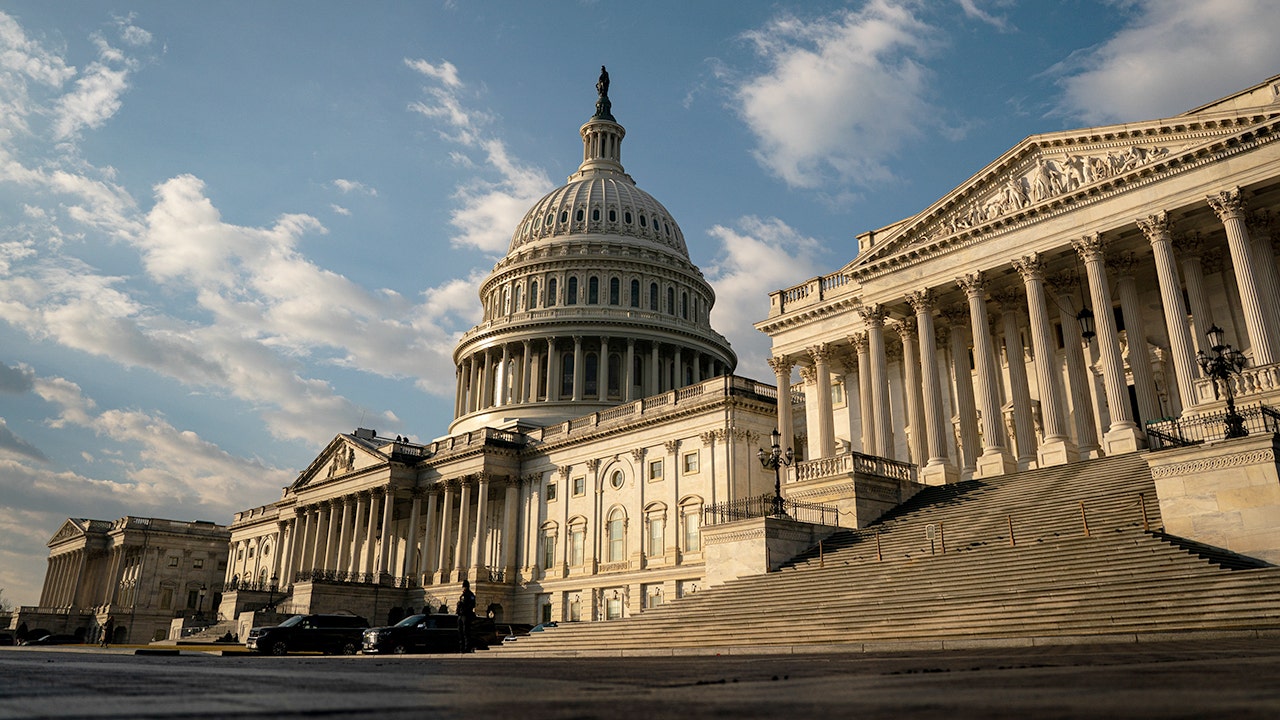
«And all at once, summer collapsed into fall…» – Oscar Wilde
Congress certainly collapsed into fall this year. It lacked the usual mayhem of an imminent government shutdown for the first time in years. The government is usually only funded through September 30, the end of the federal fiscal year. Lawmakers solved that fiscal riddle early.
So the beginning of fall in Congress is usually anything but enjoyable. Others are devouring cobbler, enjoying spiced pumpkin lattes and viewing leaves of amber. When a government shutdown looms, the infernality of summer continues to stew on Capitol Hill. Imagine simmering political temperatures mixed with boiling urban concrete and a soupçon of petrichor. That epitomizes the customary fall tension in the halls of Congress when lawmakers are on the precipice of a shutdown.
But this year is different.
TRUMP SIGNS GOVERNMENT FUNDING BILL, AVOIDING A SHUTDOWN AHEAD OF MIDTERMS
No shutdown. That’s a good thing, considering last year’s 43-day shutdown odyssey which crawled from October 1 into mid-November. Everything is funded through December 11. So at least members and journalists can enjoy some of those autumnal fall trappings and dash to the pumpkin patch. That’s because we don’t know what’s going to await everyone for the next spending round in mid-December.
Lawmakers are recovering from the battle scars of last fall. So with the midterms approaching, no one wanted to return to the 2025 contretemps. The sides are willing to tussle over spending. But only after the midterms.
Does that mean a shutdown in December? Unclear.
If Democrats seize control of the House or Senate — or both — that could compel House and Senate Republicans to fund the government the way they want through the fall of 2027 right away. They won’t want an interim spending bill which punts things into early next year when Democrats may have power.
That said, if Democrats capture either the House or Senate, they will argue that the voters have spoken and it’s incumbent on them to decide how to spend taxpayer money next year. Under those scenarios, Democrats will push for a stopgap bill, hoping to tangle with President Trump in the early days of 2027.
The only thing which is known is that President Trump will in fact still be in office come January. This scenario could spark a shut down next year – if not December.
The reason? You still need 60 votes to clear a filibuster (and probably two) in the U.S. Senate. That means Republicans just can’t ram through whatever spending package they want. That may work in the House. And the GOP could even test the willingness of Reps. Jared Golden, D-Maine, and Marie Gluesenkamp Perez, D-Wash., to buck their party and assist passing a GOP-favored spending measure in the lame duck.
FETTERMAN STRONGLY SUPPORTS THE FILIBUSTER AS TRUMP URGES SENATE REPUBLICANS TO SCRAP IT
But in the Senate, Republicans will certainly need the cooperation of at least seven Democrats to help them hit the 60 vote threshold. Those Democrats won’t be anxious to assist unless they won the majority and think they can apply their stamp on federal spending in the first quarter of next year.
This is the same problem which vexed the Senate during the shutdown of 2025.
The House passed a partisan spending bill to re-up all current funding on an interim basis. But Senate Republicans could never break a filibuster to lug that spending package across the finish line. The same circumstances may be true in December.
So could the 120th Congress begin in January with a shutdown?
It’s happened before. In fact, under very similar circumstances.
Democrats flipped control of the House during the 2018 midterms – two years into President Trump’s first term. But the President and outgoing House Speaker Paul Ryan, R-Wis., balked at a bipartisan spending package the Senate cleared just before Christmas that year. So the government closed. There was no way to resuscitate the Senate-approved package. So the 116th Congress began with a shutdown. It ran a then-record 35 days.
A possible government shutdown over spending disputes frankly serves as a symptom for what could be ahead if voters flip either or both bodies of Congress. Democrats will convulse at spending plans made by Republicans and the President. Plus, House Democrats likely add several progressives and Democratic Socialists to their ranks in November in solidly blue districts. Granted, those left-wing politicians won’t take office until January. But House Minority Leader Hakeem Jeffries, D-N.Y., must court the support of candidates Melat Kiros in Colorado along with Darializa Avila Chevalier and Claire Valdez in New York to win the Speaker’s gavel. Any missteps by the Democratic brain trust in the lame duck could ignite an internecine firestorm – before Democrats potentially seize the majority in January.
Republicans could face their own issues, too.
SCHUMER PREACHES AFFORDABILITY IN DEM MIDTERM PITCH WHILE SABOTAGING GOP FIXES FOR SOARING COSTS
Some rank-and-file Republicans are ready to move on from House Speaker Mike Johnson (R-LA). Granted, it is said that Johnson is Speaker as long as President Trump wants him in the job. But what’s not clear is what happens if Republicans lose control of the House. Will the President and others support Johnson for Minority Leader? Does Johnson want that job? What happens to House Majority Leader Steve Scalise (R-LA) and House Minority Whip Tom Emmer, R-Minn.?
There are signals that House Judiciary Committee Chairman Jim Jordan, R-Ohio, is interested in moving into leadership. Especially if the GOP loses the majority. Jordan is tight with President Trump. He lost a bid to become Speaker three years ago after Republicans unceremoniously ousted former Speaker Kevin McCarthy, R-Calif.
If Republicans lose the majority, it’s not clear that some Republicans will back Johnson for the top GOP job in the House – regardless of what President Trump says. Some House Republicans will blame the President if the party loses the House. Especially since they believe he’s responsible for the toxic political climate they face right now. It’s unknown if a Republican party out of power might begin pushing back against President Trump, frustrated by the economy, tariffs, the price of gasoline and the war in Iran. Most GOPers have shown a reluctance to break with the President so far. But that could change if voters hand Congressional Republicans their head in the midterms.
We haven’t even raised the question about the future of Senate Minority Leader Chuck Schumer, D-N.Y. – although the New York Democrat insists he isn’t going anywhere. But questions would emerge if Democrats don’t flip the Senate, considering that progressives and younger activists want to move on from the 75-year-old Schumer.
The same with Senate Majority Leader John Thune, R-S.D. President Trump and Thune have never been close. If Republicans lose the Senate, would the President use that as a reason to call for the removal of the South Dakota Republican?
All of this will color those questions about spending bills, maybe renewing FISA – or even getting the House to sync up with the Senate on the college sports bill during the lame duck Congress.
Summer collapsed into fall. Capitol Hill was bereft of the usual autumnal mayhem.
So go pick out some pumpkins. Sip a cinnamon spice latte. Prepare for trick or treating. Fall is here.
But that autumn Congressional bedlam is only delayed. It will hit Capitol Hill after the election.
politics, congress, government shutdown, midterm elections, house of representatives, senate













INTERNACIONAL
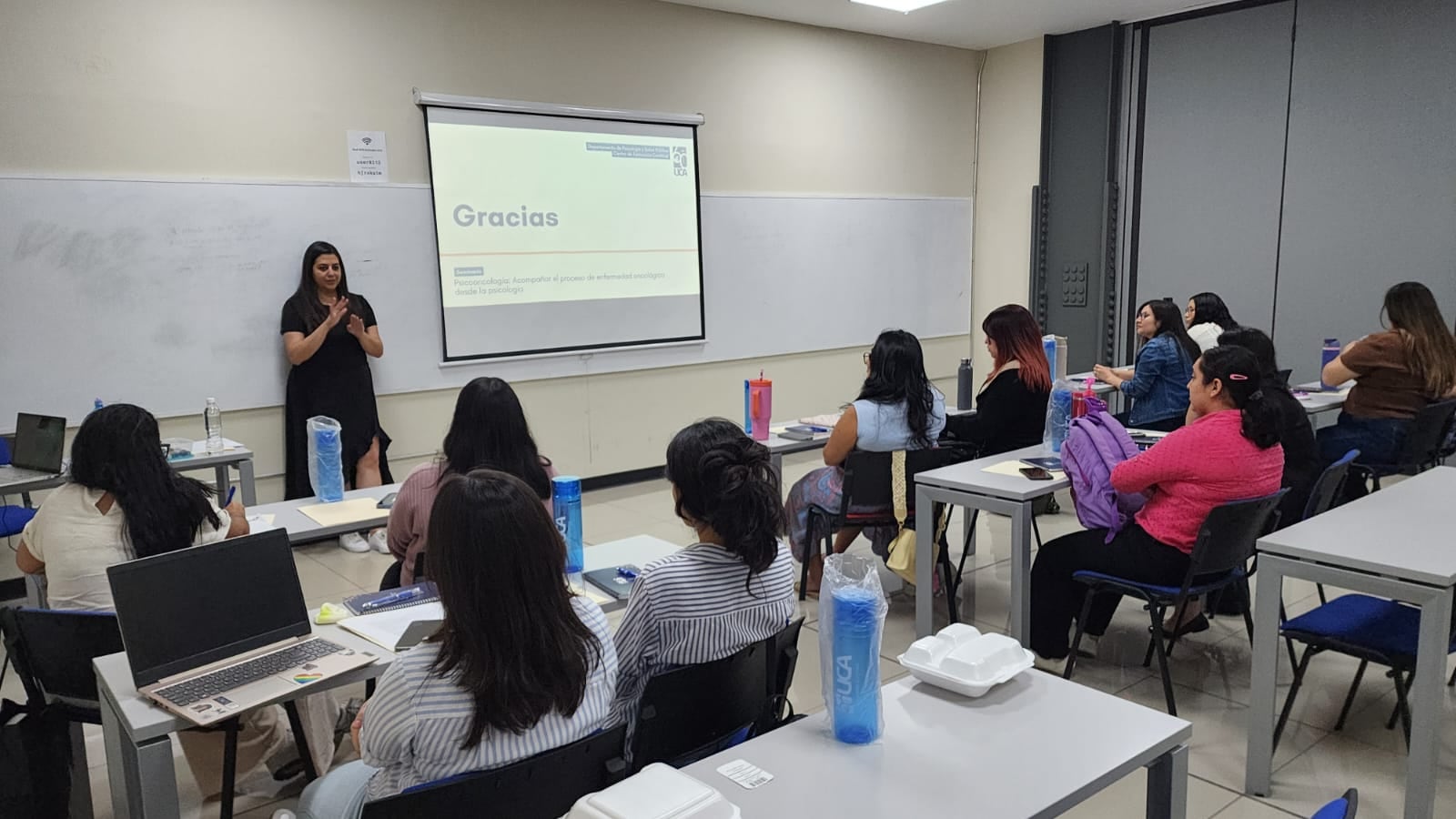
La psicooncóloga Rebeca Salandra habla del acompañamiento desde el diagnóstico de cáncer de mama hasta el final del proceso

Rebeca Salandra, psicooncóloga y psicóloga de la salud, explicó que un diagnóstico de cáncer de mama provoca un impacto emocional que no equivale necesariamente a un trastorno psicológico, pero requiere acompañamiento desde la noticia inicial hasta el final del tratamiento o, según cada caso, el final de la vida. La especialista, que lleva alrededor de 13 años, también coordinadora nacional de los psicólogos de Instituto Salvadoreño del Seguro Social (ISSS), trabajando con pacientes oncológicos, sostuvo que la atención debe combinar el conocimiento de la enfermedad con la evaluación individual de cada persona.
La primera asociación suele ser inmediata: “Tengo cáncer igual a muerte”. En las madres, ese temor suele trasladarse a sus hijos y a la posibilidad de no poder cuidarlos, mientras que quienes tienen pareja piensan en su esposo y en el entorno familiar más cercano.
El cáncer de mama puede tener una alta posibilidad de curación si se detecta a tiempo, pero el miedo no desaparece automáticamente con esa información. Salandra señaló a Infobae que la psicooncología busca educar a las pacientes sobre el tipo específico de tumor, los tratamientos indicados y las emociones que pueden surgir durante el proceso.
Alrededor del 40% de los pacientes puede desarrollar depresión, trastornos de ansiedad o dificultades de adaptación tras el diagnóstico. Sin embargo, la reacción inicial de tristeza, incertidumbre o temor puede ser una respuesta normal frente a una amenaza para la salud y no implica por sí misma una enfermedad mental.

El impacto emocional de los cambios físicos
La quimioterapia, la radioterapia, las intervenciones quirúrgicas y los controles frecuentes modifican la rutina y pueden afectar la imagen corporal. La pérdida del cabello, el descenso de peso, una mastectomía o el uso de una prótesis no tienen el mismo significado para todas las mujeres, porque el impacto depende de la personalidad, la edad, la historia personal y el valor que cada paciente atribuye a su cuerpo.
“Todas las emociones que cada una de las personas vive son naturales y normales, son reacciones ante una amenaza”, afirmó Salandra. La ansiedad puede aumentar al comienzo del tratamiento, cuando aparecen dudas sobre la quimioterapia, la radioterapia o la inmunoterapia y sus posibles efectos secundarios.
La pérdida del cabello puede convertirse en un recordatorio visible de la enfermedad. Aunque vuelva a crecer, la especialista indicó que algunas pacientes atraviesan ese cambio como una pérdida relevante y necesitan despedirse simbólicamente de su cabello antes de que comience a caer.
El abordaje incluye el trabajo sobre la autoimagen y la adaptación a los cambios físicos. También contempla la pérdida de la salud, de la sensación de normalidad y de la autonomía cotidiana, ya que la vida empieza a organizarse alrededor de hospitales, estudios médicos y controles.
La situación económica puede añadir otra fuente de tensión. Por eso, la evaluación psicológica considera el impacto de la enfermedad en la paciente, su familia, su autoestima, la red de apoyo social y posibles antecedentes de depresión u otros trastornos previos al diagnóstico.
Educación sobre la enfermedad y decisiones de tratamiento
La herramienta más utilizada en la atención psicológica oncológica es la educación sobre la enfermedad y las emociones. Salandra explicó que una paciente necesita comprender, por ejemplo, qué implica un cáncer de mama triple negativo, por qué determinado tratamiento puede ser hormonal o por qué otra persona recibe una terapia diferente.
El objetivo es que las decisiones no dependan únicamente de búsquedas en internet, conversaciones con vecinos o información obtenida mediante herramientas digitales. Cuando la paciente recibe explicaciones de profesionales que conocen su caso, puede disminuir la ansiedad y adaptarse mejor a las pérdidas y a los cambios que atraviesa.
El acompañamiento tampoco sigue un esquema idéntico para todas las personas. Algunas mujeres pueden preocuparse principalmente por los cambios físicos, mientras que otras reviven el recuerdo de familiares o conocidos que murieron por cáncer de mama y enfrentan ese antecedente como una fuente adicional de miedo.
El cansancio acumulado puede llevar a una paciente a pensar en abandonar el tratamiento. La especialista consideró que esa decisión debe analizarse a partir de sus causas: efectos secundarios mal controlados, agotamiento, tristeza, temor, conflictos familiares o un objetivo terapéutico paliativo, orientado a aliviar síntomas y no a curar la enfermedad.

“Ellas tienen el derecho de cansarse, de tirar la toalla, pero luego levantarla”, sostuvo Salandra. La intervención psicológica no busca obligar a continuar, sino ayudar a que la decisión se tome con conciencia y no desde un bloqueo emocional.
En algunos casos, el malestar está relacionado con la preocupación por los hijos. La profesional relató que trabajó con una paciente que pensaba abandonar el tratamiento porque no quería que su hijo presenciara el proceso; la respuesta fue involucrarlo para normalizar la situación dentro del hogar.
El miedo después de terminar la terapia
La etapa posterior al tratamiento puede concentrar emociones que quedaron relegadas durante los meses de consultas, cirugías y terapias. Mientras el tratamiento está en marcha, predomina la ansiedad y la incertidumbre; al finalizar, pueden aparecer con más fuerza el miedo y la tristeza.
Salandra definió ese proceso como un duelo oncológico. La rapidez de las decisiones médicas y las exigencias de cada terapia pueden dejar poco espacio para procesar lo vivido, por lo que el impacto emocional puede hacerse más visible durante la fase de vigilancia y los controles posteriores.
El temor a una recaída puede ser natural, especialmente antes de realizarse estudios médicos. La situación requiere una intervención específica cuando ese miedo impide asistir a los controles, altera el sueño, bloquea la vida cotidiana o se vuelve desproporcionado.
La familia también puede influir en la continuidad de los tratamientos. La psicooncóloga advirtió que, en algunas zonas rurales, existen esposos que se oponen a que sus parejas reciban atención médica por mitos sobre la quimioterapia o la radioterapia, aunque esas creencias también aparecen en personas con formación universitaria.

Las reuniones familiares permiten explicar qué ocurre, desarmar temores y abordar las decisiones desde información clínica. La enfermedad puede avanzar aunque al principio no produzca síntomas, por lo que el rechazo al tratamiento necesita ser trabajado junto con la paciente y su entorno.
Salandra planteó que los equipos oncológicos deberían incluir desde el inicio a profesionales de la salud mental formados en cáncer. Cuando eso no ocurre, recomendó buscar ayuda si el llanto se vuelve frecuente, la tristeza se profundiza, los conflictos familiares crecen, el dolor se vuelve difícil de afrontar, aparece insomnio por ansiedad o surge la intención de abandonar la terapia.
Ser fuerte, resumió la especialista, no significa evitar la tristeza, el enojo o el miedo. Significa continuar el proceso pese a esas emociones, identificarlas, validarlas y buscar apoyo en personas de confianza o en un profesional especializado cuando la situación deja de ser manejable.
psicooncología,cáncer,apoyo emocional,El Salvador
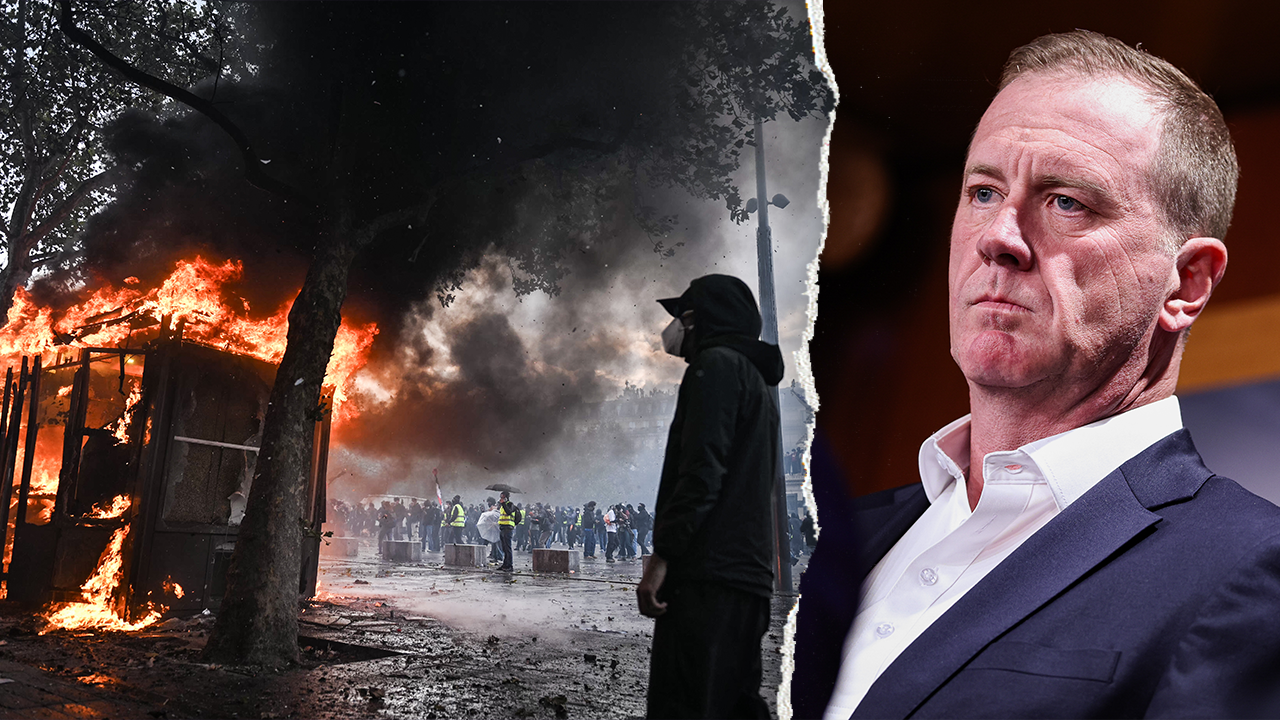
The chaos engulfing France is a preview of what Democrats want for America, Sen. Eric Schmitt warned, contrasting the unrest with new manufacturing jobs and a federal crime crackdown in Missouri that he credits to cooperation with the Trump administration.
«You see what’s happening in France. That’s exactly what they want here, the DSA Democrats,» the Missouri Republican told Digital.
His warning comes as riots, fires and looting have swept France after protests over rising living costs and strained public services turned violent, prompting curfews in parts of Paris and other cities.
«I think the Democrat Party at this point is sort of post-American and anti-Western civilization,» Schmitt said.
VIOLENT FAR-LEFT RIOTS IN FRANCE ARE ‘CHILLING WARNING’ FOR AMERICANS AT HOME, MIKE JOHNSON SAYS
With control of the House «up for grabs,» Schmitt argued, Republicans need to make the stakes clear while showing voters what they have delivered.
INSIDE THE HOUSE GOP’S 4-WEEK BATTLE PLAN TO SAVE ITS MAJORITY
Asked what a Democratic House would mean for Trump’s agenda, Schmitt accused Democrats of obstructing Republican efforts on immigration, permitting reform and regulations.
‘SQUAD’ DEMOCRAT FORMALLY INTRODUCES BILL TO ABOLISH ICE, BORDER PATROL AND DISMANTLE DHS
He warned that Democratic control could jeopardize funding for Immigration and Customs Enforcement and revive what he described as the political weaponization of government under former President Joe Biden.
But Schmitt also argued Republicans need to give voters a reason to support them, pointing to jobs and public safety as areas where he says cooperation with the Trump administration is paying off.
KEY AMERICAN INDUSTRY SEEING BLUE-COLLAR JOBS BOOM AS TRUMP’S RE-SHORING POLICIES PAY OFF
In Missouri, he highlighted Boeing’s selection to build the Air Force’s F-47 and the Navy’s next-generation F/A-XX fighter as a potentially transformative investment in American manufacturing.
Boeing secured the Navy contract in September after winning the Air Force program last year.
BERNIE SANDERS ADMITS DEMOCRATS FAILED WORKING-CLASS VOTERS ON ECONOMICS, DRIVING THEM TO DONALD TRUMP
Schmitt, a member of the Senate Armed Services Committee, said the programs would mean 7,000 direct jobs, with additional opportunities for suppliers and surrounding businesses.
«It means that the goal we’ve been fighting for, which is that St. Louis is the defense tech capital of the United States of America, is coming true,» he said.
TRUMP SAYS POLLS ‘DON’T ACCOUNT FOR ONE THING,’ AS HE PLEDGES TO DEFEAT COMMUNISTS ‘ONCE AND FOR ALL’
Schmitt said he worked with Trump and administration officials to help land the programs, describing them as «generational opportunities» for Missouri workers.
«You think of the good-paying jobs that’s going to mean for generations to come, it’s just a game changer,» he said.
He also tied the aircraft programs to the broader competition with China, saying the next generation of fighters would help meet military demands in the Pacific.
On public safety, Schmitt pointed to Operation Show Me Justice, an ATF-led enforcement surge that resulted in 435 arrests and the seizure of 166 firearms in St. Louis, according to the Justice Department.
Authorities also seized 81 kilograms of drugs and more than $1.25 million linked to suspected illegal gun and drug transactions during the operation, which officials announced had concluded Oct. 15.
Schmitt said his conversations with administration officials have carried a straightforward request for his hometown.
TRUMP’S LAW-AND-ORDER BLITZ MARKS ONE YEAR WITH EYE-POPPING HAUL OF SUSPECTS, GUNS IN BLUE CITY
«St. Louis, we need your help,» he said.
The former Missouri attorney general described the toll of violence on families, including grandparents cleaning up broken glass and parents burying their children.
«We don’t need to accept this,» he said. «We just don’t need to accept the idea that violent crime needs to be in the headlines every single day.»
He pledged the effort would continue beyond the surge.
«This isn’t a one-and-done deal. There are more resources coming,» Schmitt said.
OMAR’S NEW LEGISLATION TARGETING ICE SPARKS OUTRAGE WHEN THE INTERNET SEES WHAT’S IN IT: ‘UN-AMERICAN’
For families wanting to send children safely to school, visit a park or attend a Cardinals game downtown, he said the goal is a better quality of life.
«I think the message is help is on the way, and there are real tangible results now, not just rhetoric, not just empty promises,» Schmitt said.
«We’re not letting up.»
Schmitt’s third major priority is modernizing St. Louis Lambert International Airport, an effort he linked to the region’s aerospace growth and aviation history.
His Modern Skies Act would fund improvements to air traffic control technology, towers and airport terminals. He said midsize airports need help securing investments that larger hubs can more readily finance.
«St. Louis is the gateway to the West,» he said. «It deserves a world-class airport.»
The proposal remains a legislative push rather than a guaranteed funding award for Lambert. Transportation Secretary Sean Duffy said during an October visit that airport funding would be competitive.
For Schmitt, those priorities form part of the argument Republicans need to make as voters weigh control of Congress.
He cast the election as «common sense versus crazy,» but cautioned that Republicans cannot assume their supporters will show up.
«I just don’t think you can take anything for granted,» Schmitt said. «I think we have to fight for every vote and tell an important story.»
«I think if we do that, we’re gonna hold on to the Senate, and the House is up for grabs.»
politics, republicans elections, house of representatives, midterm elections, st louis, defense, air force
INTERNACIONAL
Experto internacional sitúa el terremoto de Panamá entre los más grandes que han afectado poblaciones este año
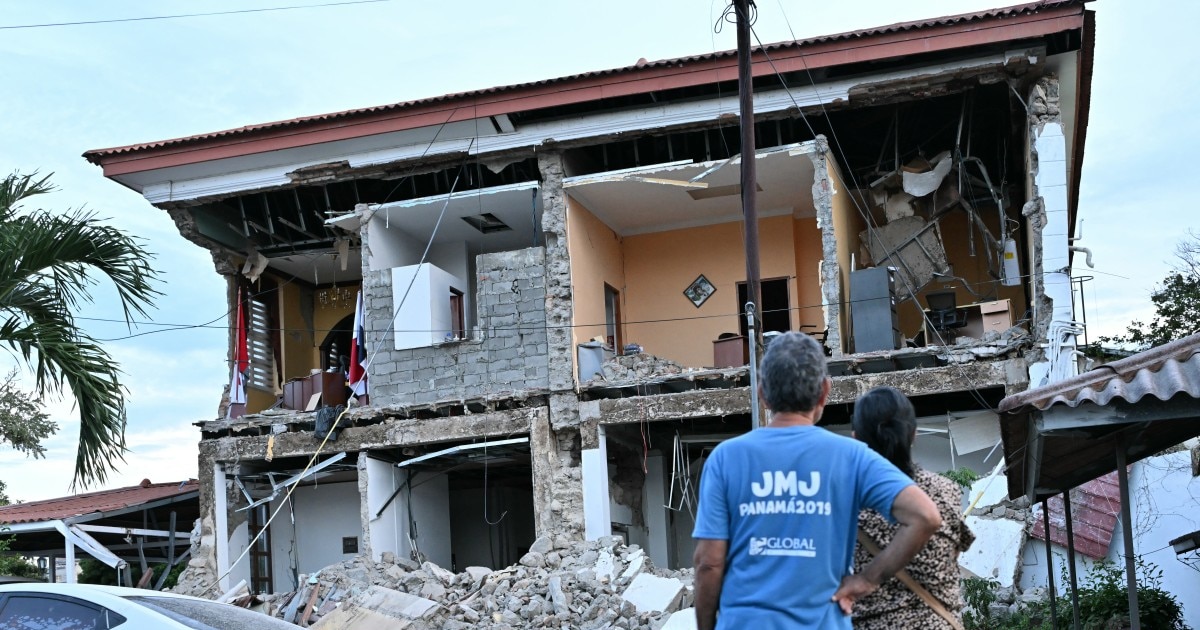
El terremoto que sacudió Panamá el pasado 9 de octubre fue uno de los movimientos sísmicos más grandes que han afectado zonas pobladas del mundo durante 2026, según el ingeniero estructural Kit Miyamoto.
El especialista internacional destacó la enorme cantidad de energía liberada y los desafíos que enfrentan las autoridades para evaluar los daños y garantizar la seguridad de los habitantes.
Miyamoto, director ejecutivo de Miyamoto International, explicó que un terremoto de magnitud 7.7 no puede considerarse un evento menor, especialmente cuando ocurre cerca de comunidades habitadas.
Durante su intervención, afirmó que un movimiento de semejante intensidad provocaría serios problemas incluso en Los Ángeles, California, donde reside y desarrolla parte de su actividad profesional.
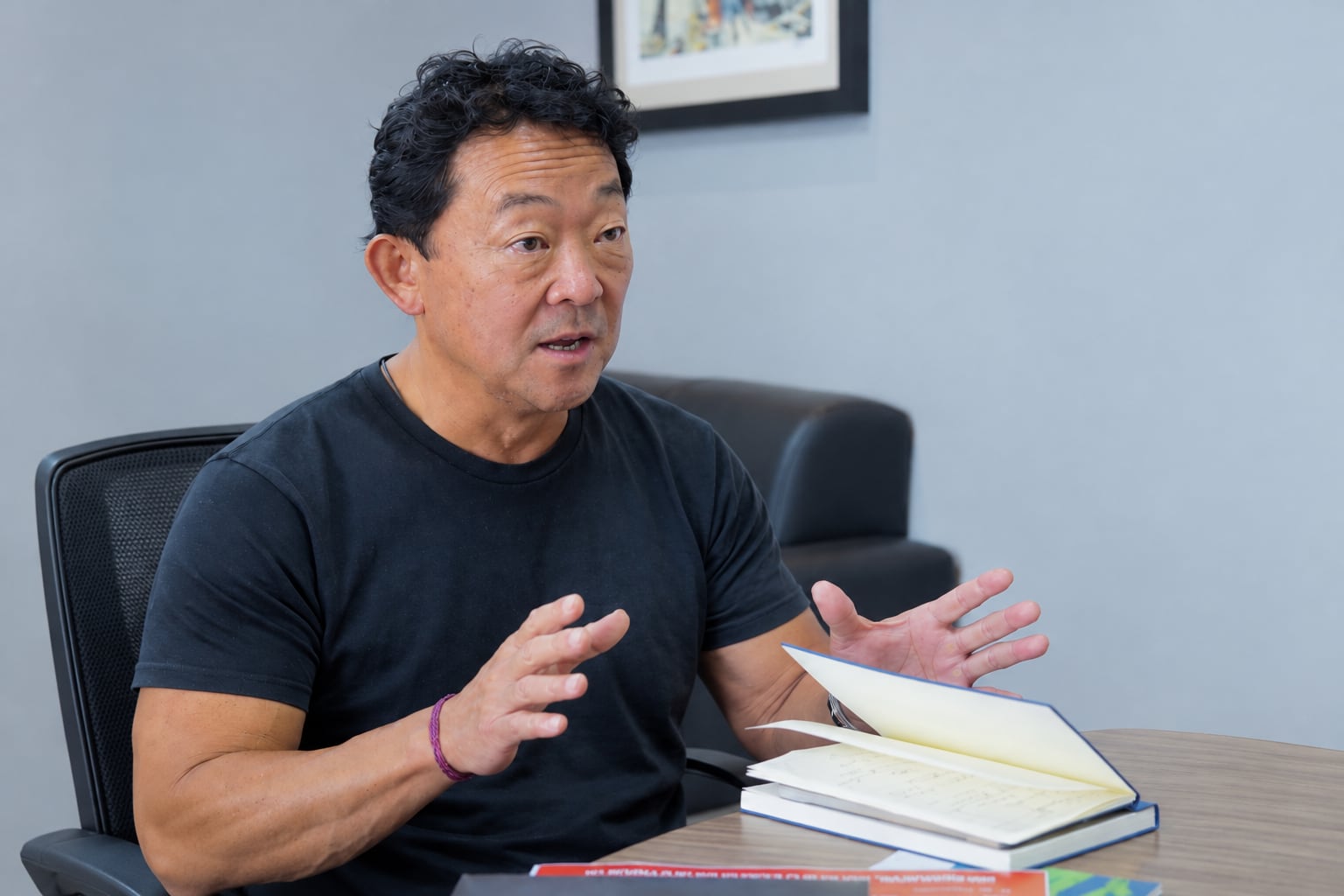
El experto utilizó esa comparación para dimensionar la fuerza del fenómeno y sus posibles consecuencias sobre la infraestructura.
Explicó que después de un terremoto de gran magnitud resulta fundamental identificar rápidamente los daños en carreteras, puentes y edificaciones, así como determinar cuáles instalaciones pueden continuar funcionando sin representar un peligro para la población.
En su evaluación de la emergencia, Miyamoto consideró que la respuesta inicial de las autoridades panameñas fue profesional y adecuada. Entre las medidas que mencionó estuvieron las inspecciones de las principales vías de comunicación, la instalación de equipos médicos de emergencia y la organización de mecanismos para distribuir alimentos entre las comunidades afectadas.
Uno de los aspectos que destacó fue la evaluación de casi 10,000 viviendas y edificios durante los primeros diez días posteriores al movimiento sísmico.
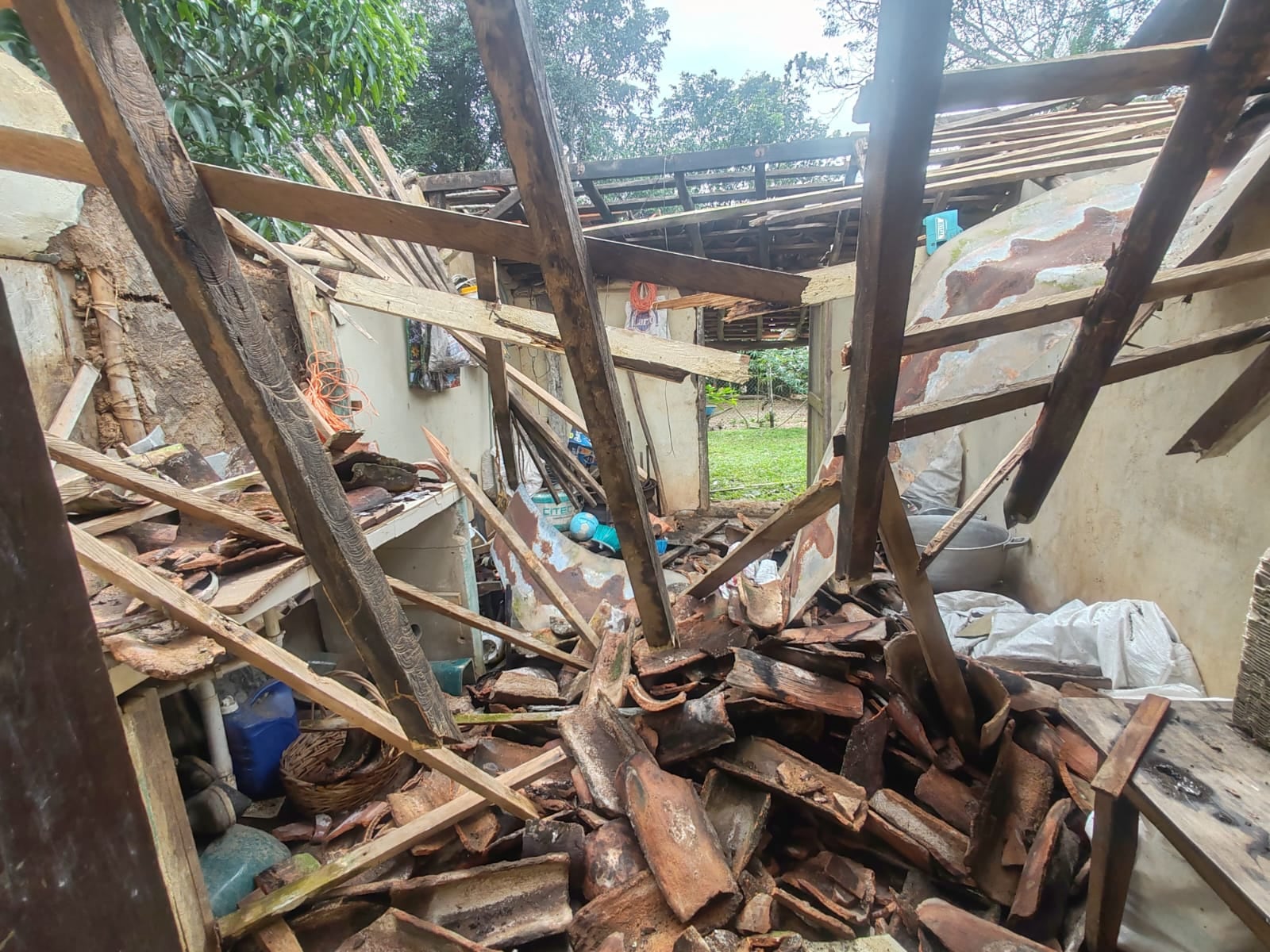
Según explicó, estas inspecciones permiten identificar estructuras peligrosas y ofrecer información a las familias sobre las condiciones de seguridad de los inmuebles que ocupaban antes del desastre.
El ingeniero señaló que en otros países las evaluaciones de daños suelen comenzar después de dos semanas, por lo que consideró relevante el tiempo empleado en Panamá. Sin embargo, la identificación inicial de los problemas estructurales constituye apenas una etapa de un proceso que también requiere reparaciones, reconstrucción y medidas para reducir riesgos futuros.
El terremoto ocurrió el 9 de octubre a las 12:56 de la tarde, con una magnitud de 7.5, según los datos divulgados por el Instituto de Geociencias de la Universidad de Panamá. Su epicentro se localizó a 39 kilómetros al noroeste de Tonosí, con una profundidad aproximada de cuatro kilómetros.
El Instituto de Geociencias explicó que el terremoto estuvo relacionado con el movimiento de la falla de Azuero-Soná, una estructura geológica ubicada en la región afectada. Según la información difundida por sus especialistas, la ruptura se extendió aproximadamente 90 kilómetros, lo que permite dimensionar la extensión del proceso que originó el movimiento.

Una falla geológica se activa cuando la tensión acumulada entre bloques de la corteza terrestre supera su resistencia, provocando un desplazamiento repentino. La energía liberada se propaga mediante ondas sísmicas que pueden afectar viviendas, edificios, carreteras y otras estructuras, dependiendo de su cercanía al epicentro y de las condiciones del terreno.
Las principales afectaciones se concentraron en Los Santos, Herrera, Veraguas y Coclé, donde se reportaron daños en viviendas, centros educativos, instalaciones de salud e infraestructura pública. El terremoto también estuvo acompañado de numerosas réplicas que mantuvieron la preocupación entre los residentes, particularmente en las comunidades que sufrieron mayores daños materiales.
La magnitud de la emergencia obligó a realizar inspecciones estructurales y habilitar servicios médicos provisionales, mientras se organizaba la distribución de suministros. El Gobierno declaró el estado de emergencia el 10 de octubre, una medida que permitió movilizar recursos para atender a las comunidades damnificadas y continuar con la evaluación de los daños.
Miyamoto, quien se reunió con el presidente José Raúl Mulino para abordar las necesidades de recuperación, cuenta con experiencia en proyectos de ingeniería sísmica y reconstrucción internacional.
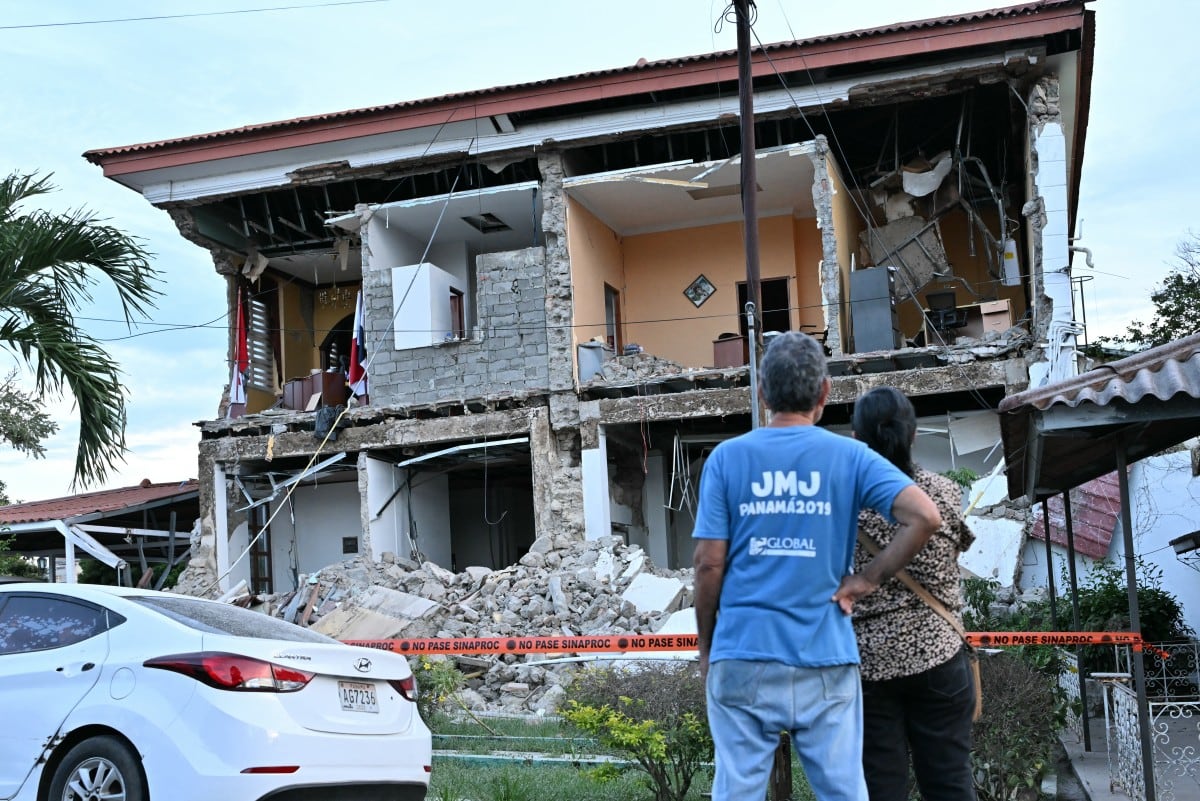
Su participación se produce mientras Panamá enfrenta el desafío de determinar qué edificaciones pueden repararse y cuáles necesitan intervenciones mayores, especialmente en las zonas más afectadas.
Las observaciones del especialista también ponen de relieve la importancia de mantener evaluaciones técnicas durante las siguientes etapas de recuperación. Más allá de las primeras inspecciones, la seguridad de las viviendas y la resistencia de la infraestructura serán determinantes para que las comunidades puedan recuperar sus actividades y reducir su vulnerabilidad ante futuros terremotos.
Accidents,Disasters,Natural Catastrophes,Disasters / Accidents,South America / Central America

Marco Asensio pasa por el quirófano y estará tres meses de baja

Pese a perder 2-0, Atlético Mineiro eliminó a Montevideo City Torque y jugará ante Boca la final de la Sudamericana

La economía se estanca y se reaviva la presión interna para relajar el apretón monetario

Escala la interna libertaria por el Islam: el Gordo Dan atacó a Benegas Lynch, el “prócer” de Milei, y a Martín Menem

La psicooncóloga Rebeca Salandra habla del acompañamiento desde el diagnóstico de cáncer de mama hasta el final del proceso

Gabriel Katopodis: “Axel es el que está en mejores condiciones para 2027″

El Gobierno pone en marcha un nuevo plan de retiros voluntarios y busca que haya 20.000 empleados menos en el Estado

Alerta roja en Sudamérica por el Súper Niño: cambio climático, inundaciones extremas y el hallazgo de microplásticos y metales en el granizo

“Feliz día a la mejor mamá del mundo”: el doble gesto del Chato Prada con Lourdes Sánchez y la reacción de ella

De cara al debate por el endeudamiento familiar, el Gobierno sostiene un discurso duro y considera que funciona para la imagen de Milei

 POLITICA2 días ago
El Gobierno pone en marcha un nuevo plan de retiros voluntarios y busca que haya 20.000 empleados menos en el Estado
- CLIMA2 días ago
Alerta roja en Sudamérica por el Súper Niño: cambio climático, inundaciones extremas y el hallazgo de microplásticos y metales en el granizo
- POLITICA2 días ago
El Gobierno reconoció que “está bajo análisis” la postura argentina en el Comité de Descolonización de la ONU