INTERNACIONAL
Rodrigo Paz recibirá a José Antonio Kast con miras a fortalecer el comercio y la seguridad entre Bolivia y Chile

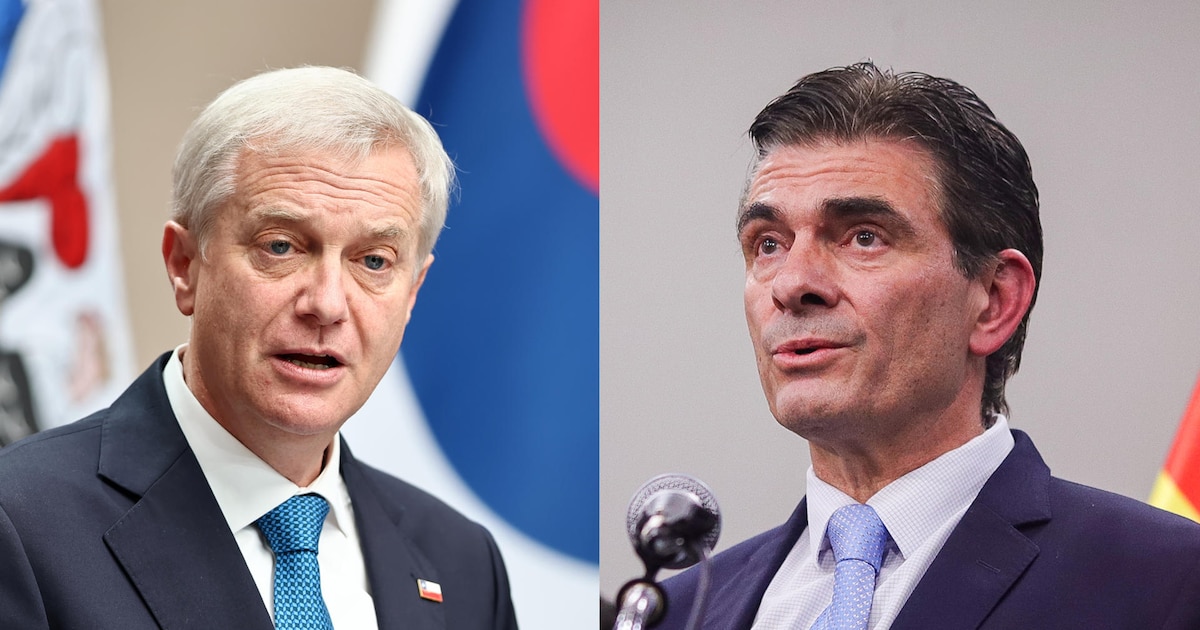
El presidente de Bolivia, Rodrigo Paz, recibirá este viernes en La Paz a su homólogo de Chile, José Antonio Kast, en una visita de Estado que será la primera de un mandatario chileno al país andino en siete décadas y que buscará abrir una etapa de “confianza mutua” y cooperación bilateral.
Kast llegará a la sede del Ejecutivo y del Parlamento bolivianos con una agenda de alrededor de diez asuntos vinculados con economía, comercio, fronteras y seguridad, según adelantaron autoridades en Bolivia.
El encuentro tendrá lugar pese a que ambos países carecen de relaciones diplomáticas a nivel de embajadores desde 1962, con la excepción del período comprendido entre 1975 y 1978. La ausencia de vínculos plenos responde a la falta de un acuerdo sobre la histórica demanda boliviana de una salida soberana al mar, aunque ambos Estados mantienen consulados generales en La Paz y Santiago.
La anterior visita de Estado de un presidente chileno a Bolivia ocurrió en 1955, cuando Carlos Ibáñez del Campo asistió por invitación de Víctor Paz Estenssoro. En las décadas posteriores, otros jefes de Estado chilenos viajaron al país vecino para investiduras presidenciales o compromisos multilaterales.
Bajo las administraciones de Paz y Kast, los dos gobiernos retomaron contactos en los últimos meses. Bolivia reiteró, de todos modos, que su reivindicación marítima forma parte de este “nuevo ciclo” de la relación bilateral.
El acercamiento tomó impulso en abril, cuando el entonces canciller boliviano, Fernando Aramayo, y el ministro de Relaciones Exteriores chileno, Francisco Pérez Mackenna, se reunieron en el paso fronterizo que une Chungará, en Chile, con Tambo Quemado, en Bolivia. Luego mantuvieron encuentros en La Paz sobre seguridad, migración, agricultura, tecnología, uso de puertos, conectividad vial y una eventual reposición de embajadores.
La Cancillería chilena afirmó entonces que, desde la llegada de Kast al Gobierno en marzo, la relación bilateral “ha evolucionado hacia una agenda positiva, contribuyendo a la reconstrucción de las confianzas”.
La visita presidencial estaba prevista para el primer semestre del año, pero quedó aplazada por las protestas contra el Gobierno de Paz entre mayo y junio. Los contactos continuaron después con la primera Reunión de Altos Mandos Policiales y Unidades Especializadas, celebrada en agosto en La Paz, para reforzar la coordinación contra el crimen organizado.
En septiembre, una delegación del Parlamento chileno viajó a Bolivia para discutir con legisladores locales asuntos de migración, comercio y seguridad. Ese mismo mes, el canciller boliviano, Néstor Huanca, propuso a Chile “elegir qué clase de vecinos” desean ser y sostuvo que las diferencias históricas no deben impedir el trabajo conjunto en los temas de interés común.
Bolivia y Chile atravesaron etapas de diálogo y conflictos judiciales por la demanda marítima y las aguas del Silala durante las últimas décadas. Uno de los períodos de mayor acercamiento ocurrió bajo los gobiernos del entonces presidente boliviano Evo Morales y la ex mandataria chilena Michelle Bachelet. En 2006, ambos países acordaron una agenda de diálogo de 13 puntos que incluyó, por primera vez, el reclamo boliviano de una salida soberana al océano Pacífico.
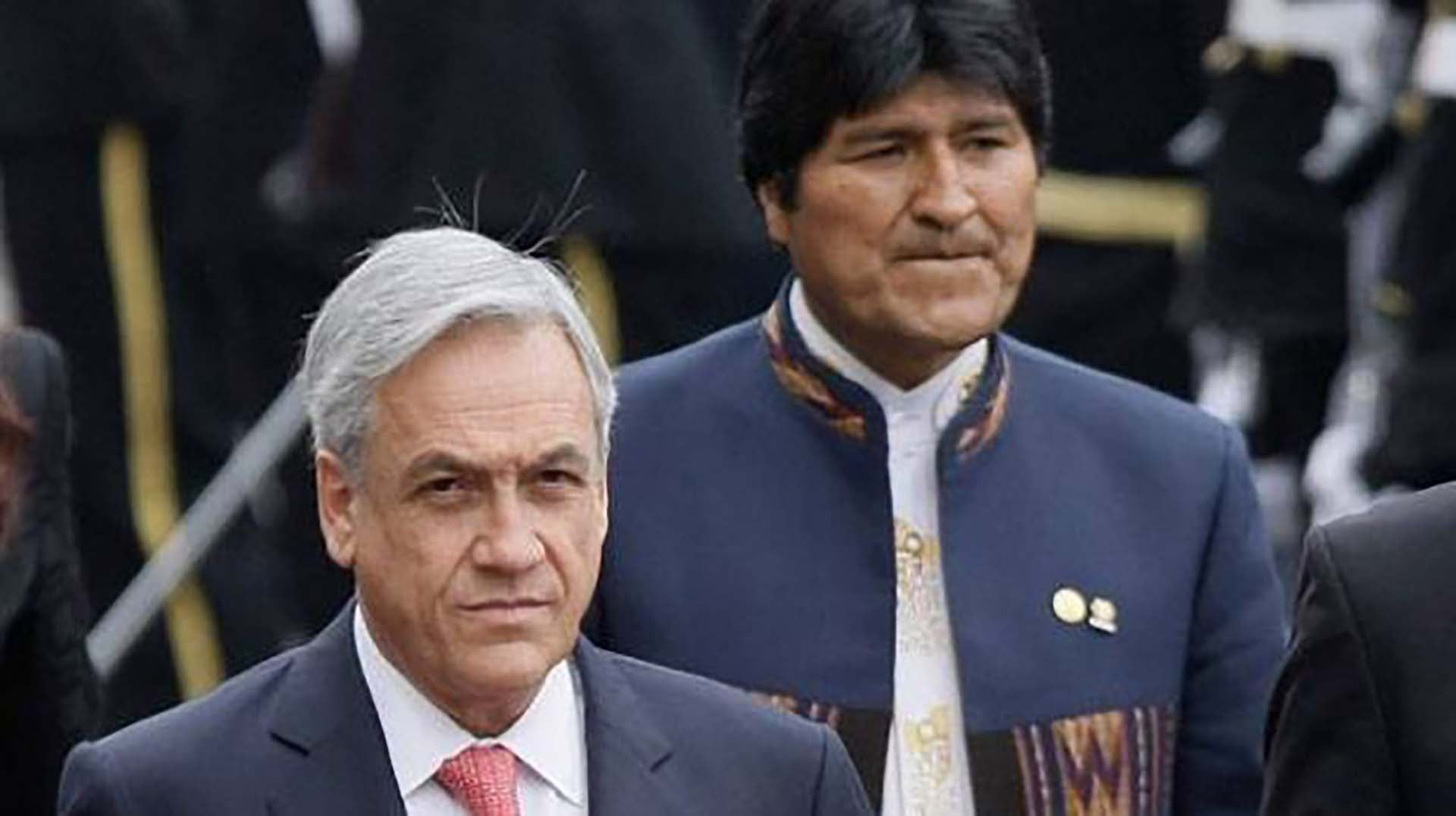
Ese entendimiento perdió fuerza durante el primer mandato de Sebastián Piñera en Chile. La relación bilateral se tensó aún más en 2013, cuando Morales presentó una demanda contra Chile ante la Corte Internacional de Justicia (CIJ), con sede en La Haya.
Bolivia buscaba que el tribunal estableciera la obligación de Chile de negociar de forma efectiva su reclamo marítimo. En 2018, la Corte resolvió que Chile no tiene una obligación legal de negociar con Bolivia por ese asunto.
Los dos países también llevaron a la CIJ su controversia sobre las aguas del Silala, un curso que nace en territorio boliviano y continúa hacia Chile. La disputa giró en torno a su naturaleza y al uso de ese caudal. En 2022, el tribunal cerró el caso después de que ambas partes coincidieran en que el Silala es un río internacional, por lo que no correspondía emitir un fallo sobre el fondo de la controversia.
(Con información de EFE)

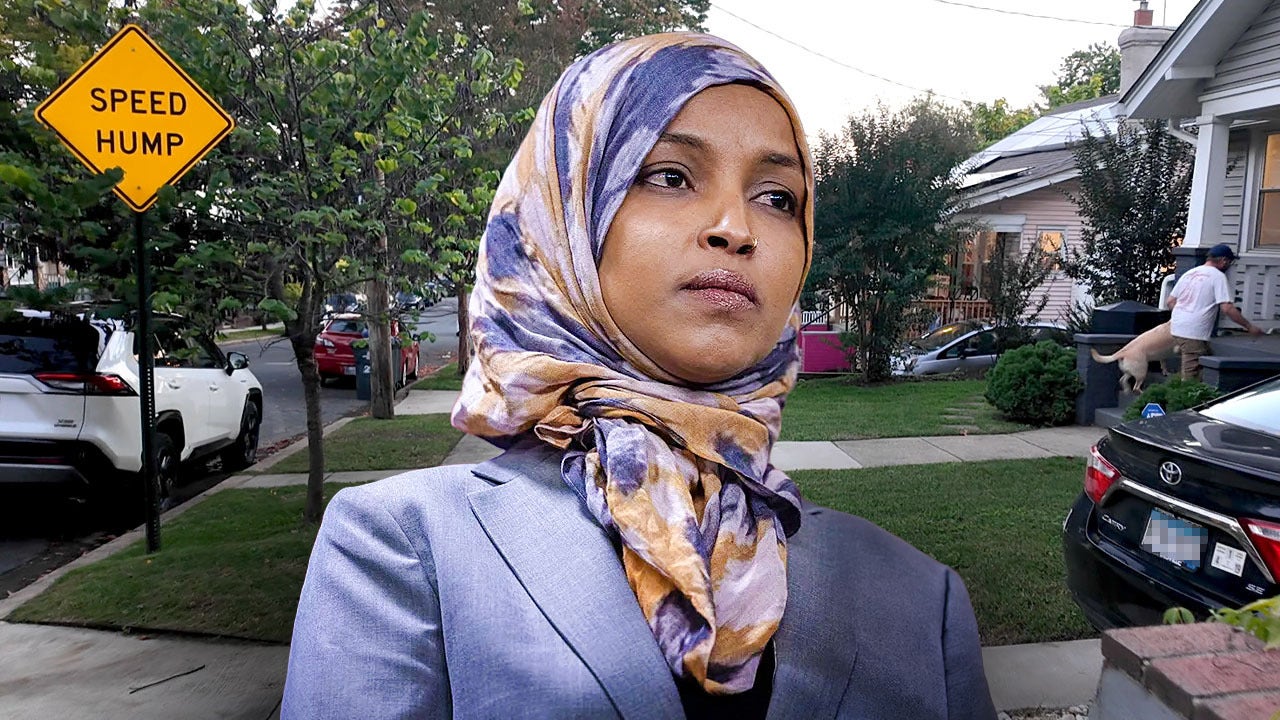
MINNEAPOLIS — Members of Minnesota’s growing Somali community, including a city council member, tore into President Donald Trump and his administration when speaking with Digital after Monday’s raid on Rep. Ilhan Omar’s Washington, D.C., residence.
«Somalis — we all feel attacked by President Trump,» Jamal Osman, the Somali-born vice president of the Minneapolis City Council, said of the impact of the raid carried out by Homeland Security Investigations (HSI) agents.
«Our president has broken the law many times. ICE [is] terrorizing our community … and we’re not surprised such action has taken place,» Osman continued in reference to the search of Omar’s home.
FEDERAL AGENTS RAID ILHAN OMAR’S DC HOME AMID IMMIGRATION FRAUD INVESTIGATION
«We have seen the threats, the horrific language he uses against my community. It’s unacceptable, and we’re hoping this could stop,» Osman said.
A 37-year-old social worker and Minneapolis resident named Abdi, who declined to give his last name or be interviewed on camera, had even harsher words for the president. He, like Osman, said he was born in Somalia.
«I feel like raiding a congresswoman — it feels like Donald Trump and his regime wanted to use their power to dehumanize and also humiliate someone that is part of the Congress,» Abdi said.
He claimed that Trump «hates Somali people because of Ilhan Omar.»
Abdi said Trump created «hate» and a «fight» with Somalis in America and claimed that they are being followed and harassed in the streets because of the president.
TRUMP RALLY CROWD CHANTS ‘DEPORT’ AS PRESIDENT RIPS ILHAN OMAR AFTER FEDERAL RAID
«It’s personal,» he said. «And Ilhan Omar — he doesn’t treat her as a congressmember — he treats her as someone who’s below him.»
«If they take the citizenship away from her, then I will say, ‘Are we in a dictatorship?’ That’s using power to use against an American citizen, then maybe the thinking we have for the United States is completely different.»
Osman said the raid is proof of what the Trump administration is willing to do.
«We live in the United States, which is the land of the laws. I don’t expect Trump or anyone in this matter to break the U.S. Constitution,» he continued. «There’s laws. He can, of course, threaten, but there’s a court process, there’s due process. He can’t say he’s gonna deport her, he’s gonna deport me, thousands of Somalis.»
OMAR RAID OUTRAGE GOES FROM BAD TO WORSE WHEN INTERNET NOTICES HER PAST 6-WORD CLAIM: ‘COULDN’T AGREE MORE’
Osman’s message to the president was simple: «Stop it.»
«We’re American citizens like everyone else,» he said.
A third person, a 22-year-old Somali American woman who declined to be named or filmed, told Digital that she wasn’t surprised about the raid on Omar’s home.
«I thought it was bound to happen soon enough,» she said. «They’ve been talking about her in a negative manner. The government [has been] constantly questioning her immigration status and her naturalization in the country. So it was bound to happen for them to investigate her soon enough.»
When reached about the comments from the Minneapolis Somali community, the White House pointed Digital to the president’s public reaction to the raid on Monday.
«I’ve always found her to be totally crooked, personally, but that has nothing to do with me,» Trump brushed off. «I think she’s a terrible person. Just a complainer. She comes from a country that is a non-country, and then she comes over here, and she complains about our Constitution.»
«I think she’s a terrible person, but that’s really up to the DOJ. I have nothing to do with it.»
ILHAN OMAR’S HUSBAND INSISTS HE HAS ‘NO CONCERNS’ AMID FEDERAL IMMIGRATION INVESTIGATION
HSI, the principal investigative arm of the Department of Homeland Security (DHS), executed a search warrant at Omar’s home in the nation’s capital early Monday morning, as first reported by Digital.
Sources confirmed to Digital that the raid stems from an investigation into whether Omar or her late father, Nur Mohamed, fraudulently filled out her citizenship paperwork decades ago. The investigation, the sources note, could lead to the congresswoman’s denaturalization.
The Wall Street Journal reported Wednesday that Omar’s phone, passport and computers were seized in the raid — it is not clear which other items or materials were taken from her residence, if any.
Omar has not been seen since the raid, but offered her reaction to the unfolding investigation on social media Monday afternoon.
«This raid by Trump’s DHS is an outrageous abuse of power and an unprecedented escalation in the weaponization of federal law enforcement to target political enemies. For a decade, Donald Trump has relentlessly targeted Congresswoman Ilhan Omar with inflammatory rhetoric, repeatedly putting a target on her back,» she said.
«Now, those attacks have escalated to a pointless federal raid. The Congresswoman has done nothing wrong. No president should be able to use the power of the federal government to intimidate his political enemies.»
ilhan omar, politics, somali immigrant community, homeland security, white house
INTERNACIONAL
Honduras: Salud afirma que el 97% de médicos interinos ya cobró y exige el regreso a las consultas
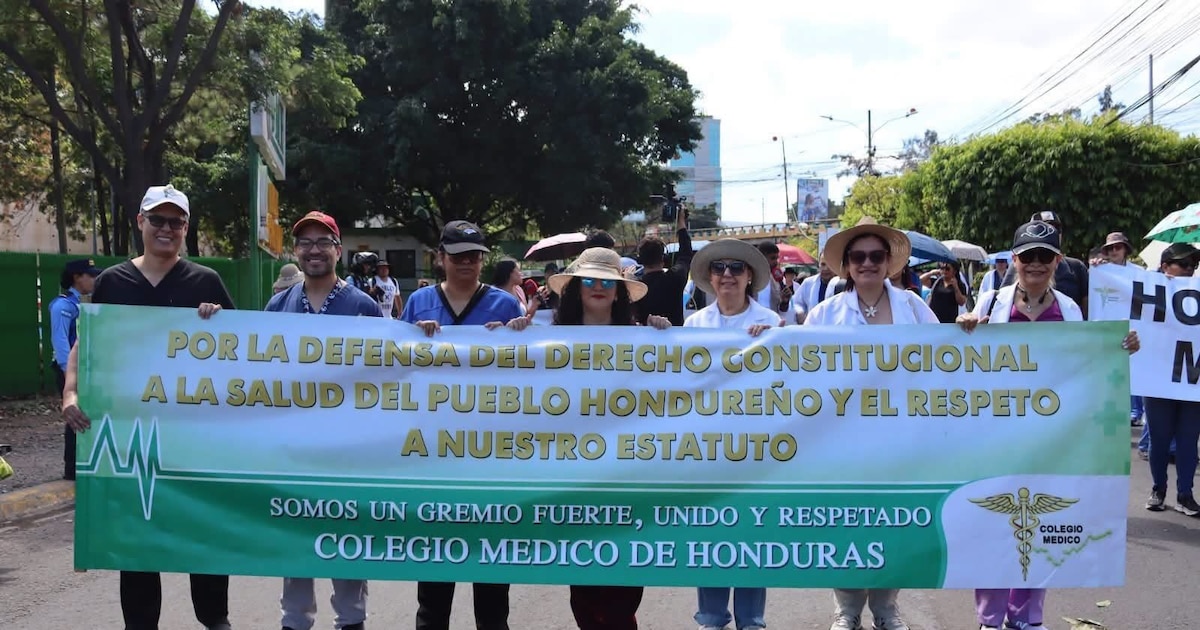
Miles de pacientes continúan a la espera de consultas médicas, procedimientos y evaluaciones especializadas en Honduras, en medio del conflicto laboral que enfrenta a las autoridades sanitarias con la dirigencia del Colegio Médico de Honduras (CMH).
Ante este escenario, la Secretaría de Salud aseguró que el 97% de los médicos contratados bajo la modalidad de interinato ya recibió sus salarios y pidió a los profesionales reincorporarse a sus puestos de trabajo.
El viceministro de Salud, Eduardo Midence, informó este jueves que la mayoría del personal médico interino ya recibió sus pagos, mientras que los casos pendientes están bajo revisión mediante una mesa técnica integrada por representantes del gremio y funcionarios de la institución.
Según el funcionario, el 3% restante está siendo atendido de manera individual para determinar los montos adeudados, las razones de los retrasos y las circunstancias que impidieron completar las transferencias salariales.
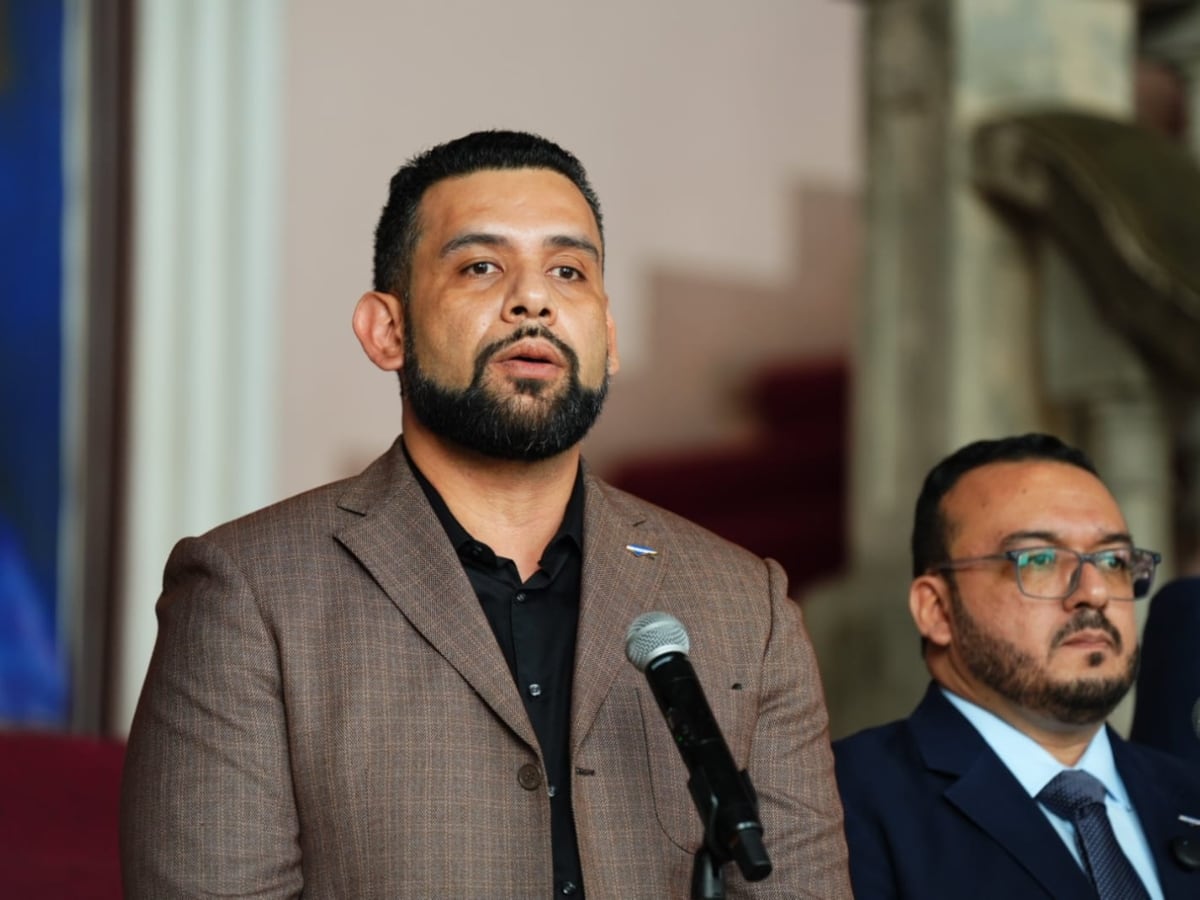
La mesa técnica cuenta con la participación del subsecretario de Salud, José Miguel Castillo, y representantes del Colegio Médico, quienes revisan cada situación para establecer las acciones correspondientes.
Midence también afirmó que el 100% de los médicos contratados bajo la modalidad permanente ya tiene sus salarios pagados. Con base en estas cifras, pidió a los profesionales que recibieron sus ingresos retomar sus actividades y contribuir a restablecer la atención habitual en los establecimientos sanitarios.
El viceministro apeló a la responsabilidad del personal médico ante las necesidades de los pacientes que requieren consultas, controles y tratamientos, mientras continúa la controversia con la Junta Directiva del CMH.
Uno de los principales argumentos expuestos por Midence para solicitar la reanudación de los servicios es la cantidad de personas que, según sus datos, permanecen pendientes de atención especializada.
El funcionario detalló que 3,092 niños y niñas esperan atención pediátrica, mientras que otras 2,979 mujeres necesitan servicios ginecológicos. En conjunto, las cifras representan 6,071 pacientes pendientes de recibir diferentes prestaciones médicas.
En el caso de las mujeres, Midence indicó que las atenciones pendientes incluyen consultas ginecológicas, citologías, seguimiento de lesiones premalignas o malignas relacionadas con el cáncer, ultrasonidos, mamografías y evaluaciones con especialistas.
El viceministro cuestionó la suspensión de las consultas programadas y advirtió sobre las consecuencias que puede tener la interrupción de los controles médicos, particularmente para quienes necesitan seguimiento de enfermedades o evaluaciones oportunas.
Asimismo, señaló que algunos profesionales habrían recibido instrucciones de asistir a asambleas del gremio bajo advertencia de sanciones. Estas afirmaciones fueron expuestas por el funcionario en el contexto de las medidas adoptadas durante el conflicto.
La dirigencia del Colegio Médico de Honduras mantiene su postura de suspender las consultas y limitar la atención a los casos de emergencia, según lo señalado por Midence, mientras continúa la disputa relacionada con las condiciones laborales y los pagos.
Ante las críticas por la interrupción de los servicios, el viceministro sostuvo que el Gobierno garantizó el abastecimiento de material médico quirúrgico y realizó contrataciones de personal para mantener la atención en los establecimientos sanitarios.
Entre los profesionales incorporados mencionó médicos especialistas, enfermeros, enfermeras instrumentistas y otros trabajadores de enfermería.
Sin embargo, aseguró que parte del personal suspendió las consultas tras el llamado de la dirigencia del Colegio Médico, lo que, según su versión, ha dificultado la continuidad de las atenciones programadas.
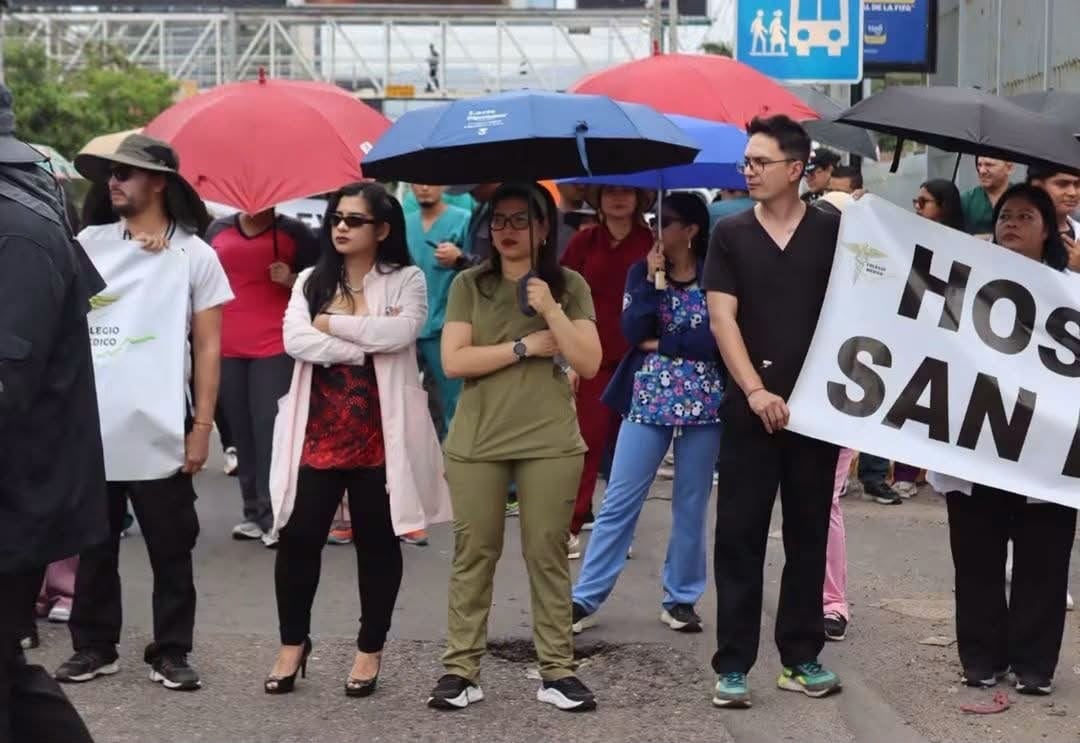
Midence insistió en que el restablecimiento de las consultas permitiría atender a los pacientes que permanecen en espera y dar continuidad a procedimientos que requieren controles periódicos.
En contraste con las consultas suspendidas en algunos establecimientos, el funcionario destacó que las unidades médicas de atención comunitaria continúan desplazándose por diferentes zonas del país como parte del programa “La salud más cerca de usted”.
De acuerdo con los datos proporcionados por Midence, estas unidades han realizado más de 35,677 atenciones médicasy brindado 287 servicios de telemedicina.
El programa permite que pacientes reciban consultas con especialistas ubicados en Tegucigalpa y con profesionales que trabajan desde el extranjero, mediante herramientas de atención médica a distancia.
El viceministro defendió la continuidad de esta estrategia sanitaria, impulsada por el Gobierno del presidente Juan Asfura, y sostuvo que las unidades comunitarias contribuyen a acercar los servicios médicos a personas que enfrentan dificultades para acceder a una consulta especializada.
También reportó que 2,848 mujeres se han sometido a mastografías, entre las cuales 14 recibieron una detección oportuna de cáncer de mama y actualmente se encuentran en tratamiento.
A estos resultados sumó más de 2,500 densitometrías realizadas para identificar posibles casos de osteoporosis, principalmente entre adultos mayores. Según explicó, los diagnósticos obtenidos permitieron que pacientes comenzaran a recibir atención médica.
corresponsal:Desde Tegucigalpa, Honduras
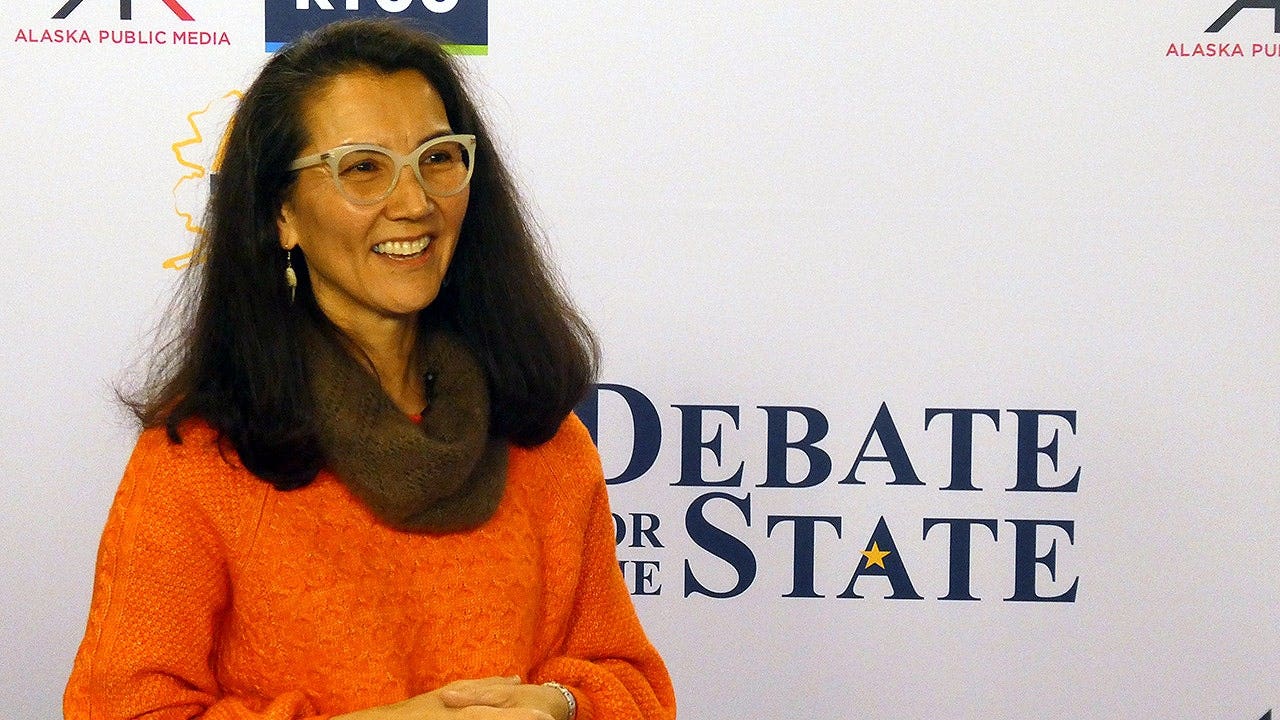
Alaska Democratic Senate hopeful Mary Peltola faced ridicule Thursday night after her use of notecards during a debate with Republican Sen. Dan Sullivan drew mocking responses from GOP critics — including a pointed jab from her incumbent opponent.
Sullivan is in an unusually close race with Peltola, a former congresswoman, that is further complicated by another candidate with his same name but a different middle initial, as Republicans fight to hold their narrow Senate majority.
«Really, Mary? Reading off a script? You can’t cue-card your way through the Senate,» Sullivan wrote on X after Peltola appeared to have a notecard-sized paper with bullet points that she looked down at for several seconds while responding to earlier questions.
GOP SENATOR, EX-HOUSE DEM EMERGE FROM ALASKA’S ‘JUNGLE PRIMARY’ DESPITE FAR-LEFT MEDDLING
The criticism quickly became a flashpoint in the candidates’ debate-night exchanges, with Republican commentators seizing on Peltola’s apparent use of prepared notes.
«Mary, blink twice if you are okay. It seems you can’t string a sentence together without reading from the talking points your Lower 48 handlers wrote you,» NRSC official Joanna Rodriguez posted on X.
Another social media user took aim at Peltola’s apparent reliance on notes even while discussing personal details.
«Mary Peltola can’t read her name or that she’s a grandmother without needing a cue card,» the user wrote, adding a laughing emoji.
After Peltola appeared to read from her card another time, Sullivan cut in that he had a question for the moderators.
‘THEY WERE SPYING’: SULLIVAN SOUNDS ALARM ON JOINT RUSSIA-CHINA MOVES IN U.S. ARCTIC ZONE
INSERT CLIP: 6389131701112
«We weren’t supposed to get these questions beforehand, were we?» he asked the debate moderators.
«No sir,» Alaska’s News Source reporter Wil Courtney replied. «Absolutely not,» added Alaska Public Media chief editor Lori Townsend.
«OK,» Sullivan said. «I’m just watching my opponent.»
Peltola defended herself, interjecting that she was better «prepared.»
The Republican Party’s research arm hit back on X, highlighting a clip of Peltola appearing to read from her card:
«Mary Peltola — who did not introduce a single bill to help Alaska fisherman during her first term in Congress — has to read off of a script when talking about Alaska’s fishing industry,» the party tweeted.
The debate also turned personal when Sullivan confronted Peltola over allegations that she mistreated former staffers, citing reporting by The New York Times and claiming that 25 employees had quit while working for her.
Peltola rejected the allegations as «outright fabrications or mass exaggerations of the truth,» arguing that the election should not be about her «worst day.»
The heated exchange prompted moderators to call for decorum and warn that microphones could be shut off if the candidates continued interrupting one another. Sullivan maintained that the allegations reflected a pattern of behavior, while Peltola accused her opponent of exploiting the controversy for political gain.
The candidates also faced questions over Alaska’s long-discussed liquefied natural gas pipeline after moderators reported South Korea had not committed to investing in the project despite President Donald Trump’s public promotion of a potential deal.
Sullivan defended the administration’s efforts, arguing Seoul had committed funding through a broader trade agreement while acknowledging that the specific investment amount remained under negotiation.
DEM SENATE HOPEFUL VOWS TO UNLEASH ALASKA OIL — BUT HER RECORD TELLS A DIFFERENT STORY
Peltola also expressed support for the pipeline but cautioned against raising expectations without firm commitments, saying Alaska should not be «promoting falsehoods that just have no substance.»
Both candidates emphasized the project’s economic potential, although the exchange exposed uncertainty over whether promised foreign investment would materialize.
Peltola previously became the first Democrat in decades to represent Alaska in the House after the death of Republican Rep. Don Young, and her Senate candidacy again carries potentially sweeping statewide and national repercussions.
SIGN UP TO GET THE POLITICS NEWSLETTER
The showdown comes as Republicans fight to defend their narrow Senate majority, with Sullivan’s seat emerging as a major Democratic pickup opportunity in a state President Donald Trump carried in 2024. The Cook Political Report rates the contest a toss-up, making Alaska one of several battlegrounds that could determine which party controls the chamber in January.
Digital reached out to Peltola’s campaign for comment.
midterm elections, alaska, primary debate videos, politics, republicans, democrats senate

“Contame los votos”: quién es quién en la pelea por la reforma electoral que divide a la mesa política de Milei

ANSES: quiénes cobran hoy, viernes 16 de octubre de 2026

Ander Herrera, a fondo: «Messi es algo que no volveremos a ver», la verdad sobre Di María en el United y «no entendí qué hizo Tuchel vs. Argentina» :: Olé

El Gobierno repudió la violencia durante la marcha universitaria: “Quieren imponer el caos”

El pedido de Nicole Neumann a Wanda Nara por el look que llevó al Martín Fierro: cuánto cuesta su osado jean

Somalis in Minnesota unleash fury on Trump after feds raid Ilhan Omar’s DC home

Milei viajará a EE.UU. para reunirse con empresarios y con el hermano de Flávio Bolsonaro antes del balotaje en Brasil

Más de 2.000 islas sin hospitales: así funciona la red de clínicas flotantes de India

La angelita de LAM que reveló la peor infidelidad que sufrió en un matrimonio: «Encontré mensajes con otras mujeres y…»

Autos chinos en Argentina: el caso de Noruega reaviva las alertas por espionaje y riesgos para la seguridad nacional

 INTERNACIONAL3 días ago
Más de 2.000 islas sin hospitales: así funciona la red de clínicas flotantes de India
- CHIMENTOS2 días ago
La angelita de LAM que reveló la peor infidelidad que sufrió en un matrimonio: «Encontré mensajes con otras mujeres y…»
- POLITICA2 días ago
Autos chinos en Argentina: el caso de Noruega reaviva las alertas por espionaje y riesgos para la seguridad nacional