INTERNACIONAL
Saudi Arabia facing ‘biggest threat’ ever to oil production as Iran-proxy Houthis launch attacks, expert says

NEWYou can now listen to Fox News articles!
Saudi Arabia is currently facing «the biggest threat» ever to its production of oil as the Iran-backed Houthis in Yemen are launching cross-border attacks and seizing territory near the Red Sea’s Bab el-Mandeb Strait, an expert told Fox News Digital.
Hussain Abdul-Hussain, a research fellow at the Foundation for Defense of Democracies, said Thursday that the situation is escalating in the Middle East as Iran «likely instigated the Houthis to force a blockade on Saudi Arabia.»
«I think this situation is really precarious for the Saudis. This is the biggest threat to their production of oil since their kingdom was founded in 1932. And this is almost existential,» he said.
«We see that the Saudis are trying to shop for some force to fight their war for them. And I think along the lines, they also called President Trump. It doesn’t look to me that Washington is going to get involved in this one,» he added. «We’ll probably offer them advice and tell support, but I don’t think we, the United States, will get involved with this war over Bab el-Mandeb.»
IRAN-BACKED TERROR GROUP’S LATEST TERRITORIAL GRAB THREATENS SECOND GLOBAL SHIPPING CHOKEPOINT
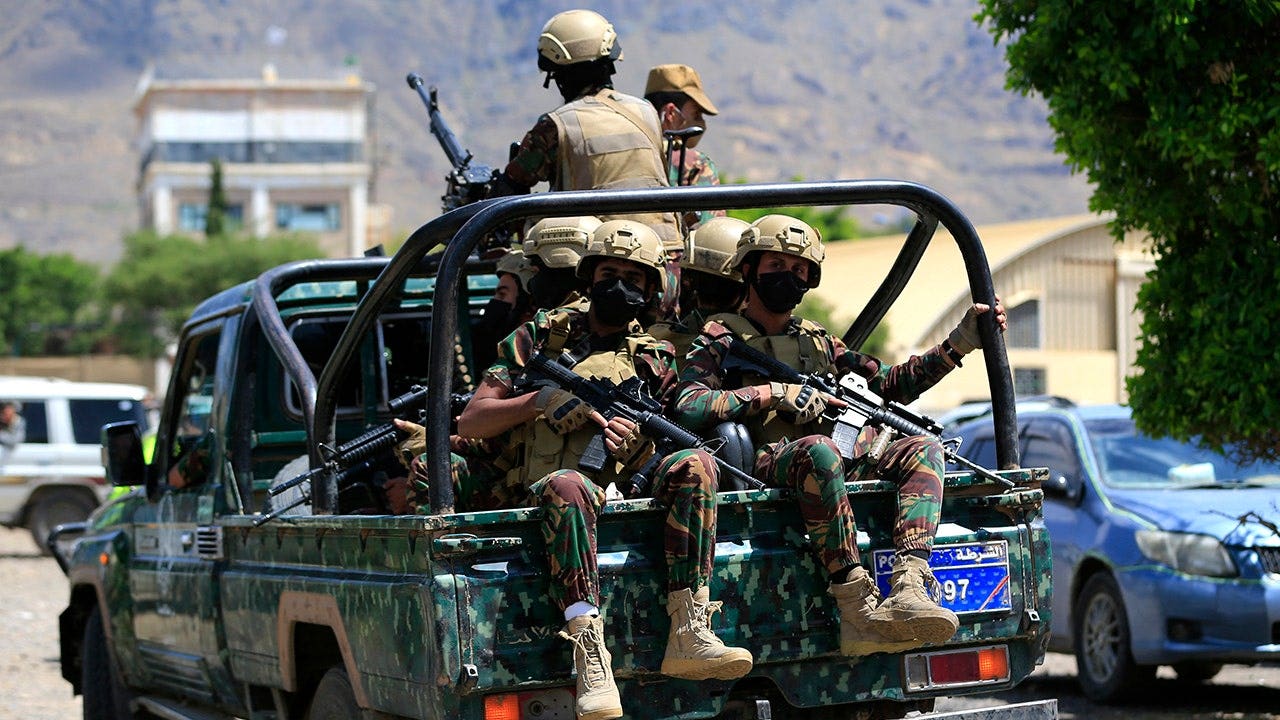
Yemen’s Houthi armed forces patrol as Yemeni prisoners loyal to the Houthis arrive in the capital of Sanaa on Sept. 12, 2026, after being released on the west coast where they had been held by Yemen’s Saudi-backed government forces. (AFP via Getty Images)
Saudi Arabia was forced to temporarily close its East-West oil pipeline last week following a drone attack launched from Iraq, which Trump said he believes Iran was behind. Then on Tuesday, Saudi Arabia destroyed a Houthi drone that attempted to enter the airspace near Mecca, among other recent provocations.
«We know that the United States imposes a blockade on Iran, so Iran is unable to export any of its oil, licitly or illicitly. What the Iranians are trying to do is that they’re trying to telegraph to the other oil exporters in the region that either we export, all of us export oil, or none of us will export oil,» Abdul-Hussain told Fox News Digital. «This is why you see Iran shutting down the Strait of Hormuz. This forced Saudi Arabia to switch its oil production from east to west, from Hormuz to the other side to the Red Sea. Tankers started picking up oil at the port of Yanbu in Saudi Arabia on the Red Sea and sailing south through the Bab al-Mandeb all the way to the Asian markets.
«Iran didn’t like this because clearly all or none didn’t work,» he said. «So they likely instigated the Houthis to force a blockade on Saudi Arabia.»
HOUTHIS ENTER US ‘KILL BOX’ AFTER SEIZING RED SEA ISLAND, FORMER PENTAGON OFFICIAL WARNS
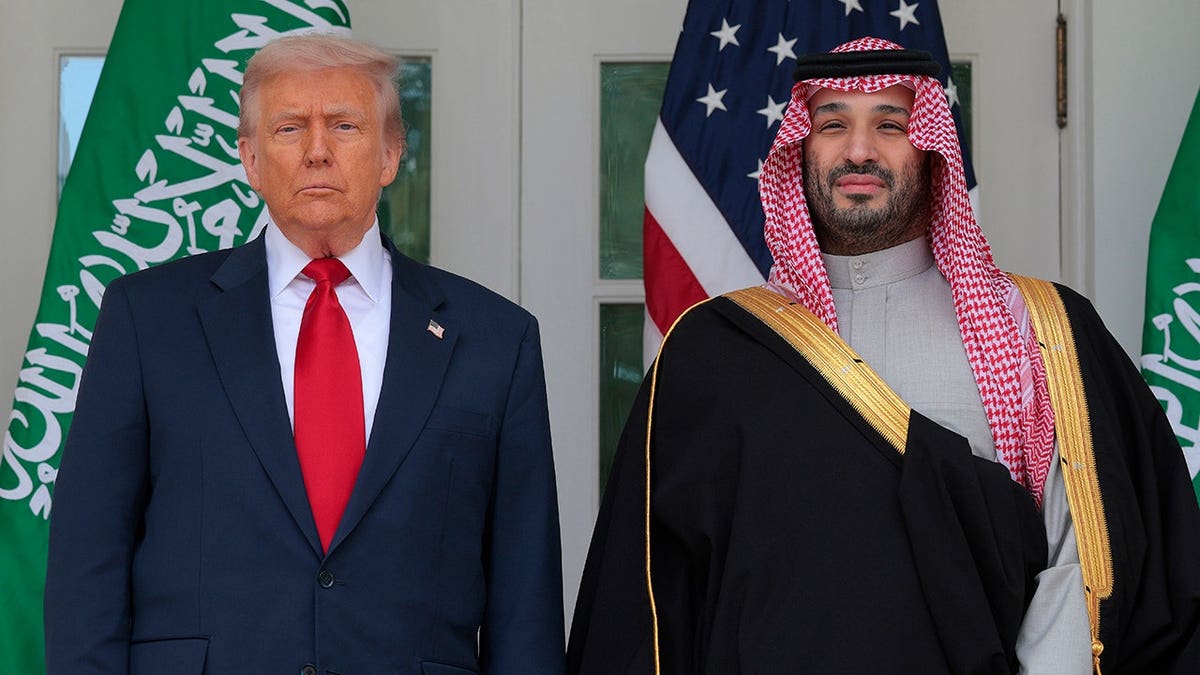
President Donald Trump and Crown Prince and Prime Minister Mohammed bin Salman of Saudi Arabia pause for photographs along the West Wing Colonnade at the White House on Nov. 18, 2025, in Washington, D.C. (Getty Images)
Fox News Digital, citing a source familiar with the matter, reported on Friday that Saudi Crown Prince Mohammed bin Salman urged Trump to take military action against the Houthis.
Trump then said the next day during a visit to Ireland that «the Houthis called us and they don’t want to fight with us.»
«They let us know, they don’t want to fight with us…they don’t want us to go after them,» Trump added. «But they have called and they have talked to us, and they don’t want us to, they would much prefer not having us involved.»
Abdul-Hussain told Fox News Digital that «Our expectation as Washington is that the Saudis, with all these arms that we’ve sold them over the past few decades, with all the military support and advice we give them, that they should be able to protect their own tankers and ships in this waterway and keep it open.
«The Houthis announced that they’re only going after Saudi ships and Saudi navigation and they made it clear that they are not going after international shipping, whether [they] are U.S. ships or European ships,» he continued. «So this forces a choice on us. Do we go to war with the Houthis out of nowhere, even though they’re not willing to, or at least they didn’t wage war on our ships and our navigations through Bab el-Mandeb?»
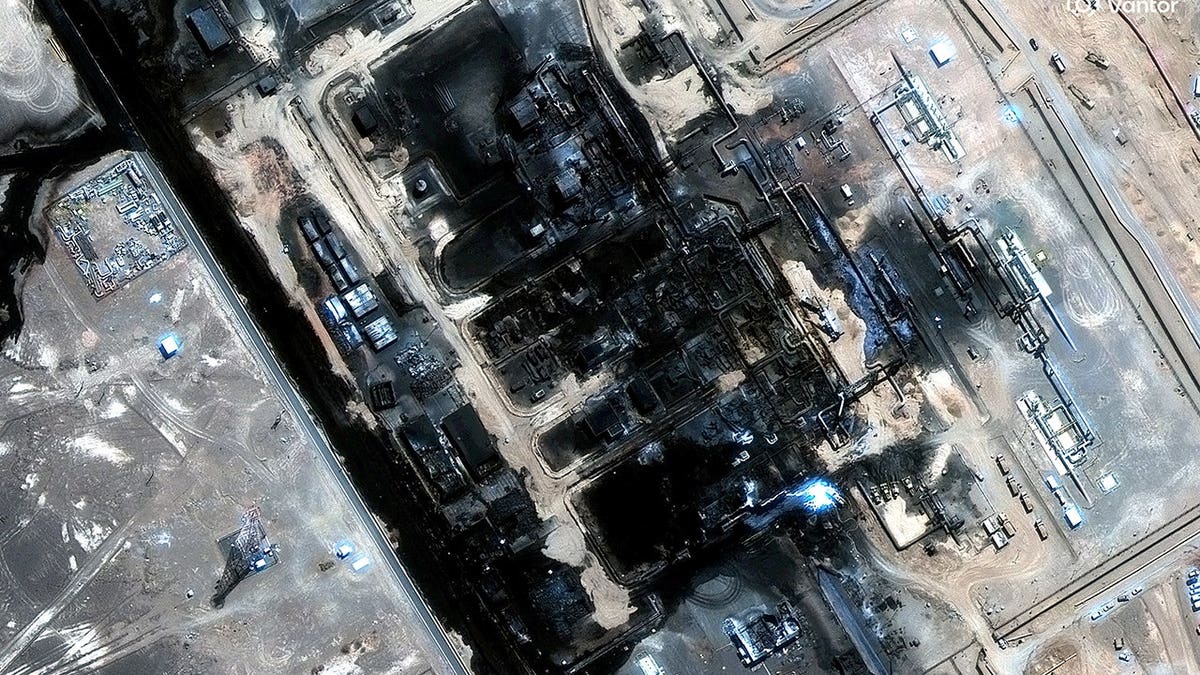
A satellite image shows damage to the Saudi Arabia East-West pipeline after a strike on Sept. 11, 2026. The image was captured on Sept. 13, 2026. (Vantor/Reuters)
«Or we ask the Saudis to handle this, you know, after all the Houthis are not really a state, they’re a non-state actor and Saudi Arabia should be able to deal with them,» Abdul-Hussain added. «Unfortunately, the Saudis don’t seem to have been able to deal with the Houthis.»
A senior administration official told Fox News Digital on Thursday that the U.S. remains focused on protecting core national security interests such as the freedom of navigation in the Red Sea while simultaneously empowering allies in the region to manage and resolve security challenges.
The Trump administration also remains in continuous dialogue with Saudi Arabia and Yemen over regional stability , the official added.
Fox News Digital has reached out to the Saudi Embassy in Washington, D.C., for comment.
Fox News Digital’s Efrat Lachter contributed to this report.
saudi arabia, iran, geopolitics, middle east foreign policy, foreign policy, national security, iraq, donald trump, conflicts, world







INTERNACIONAL
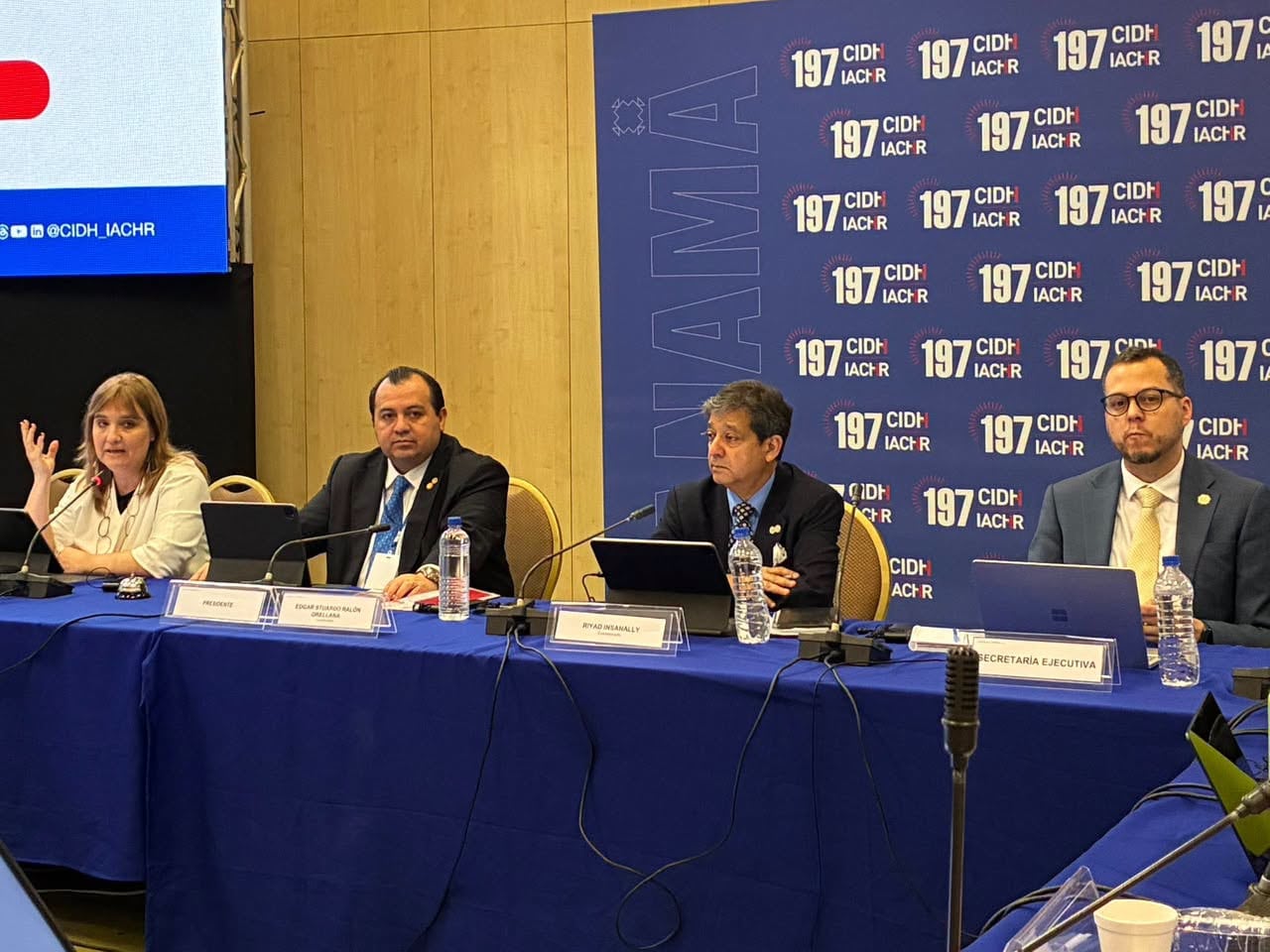
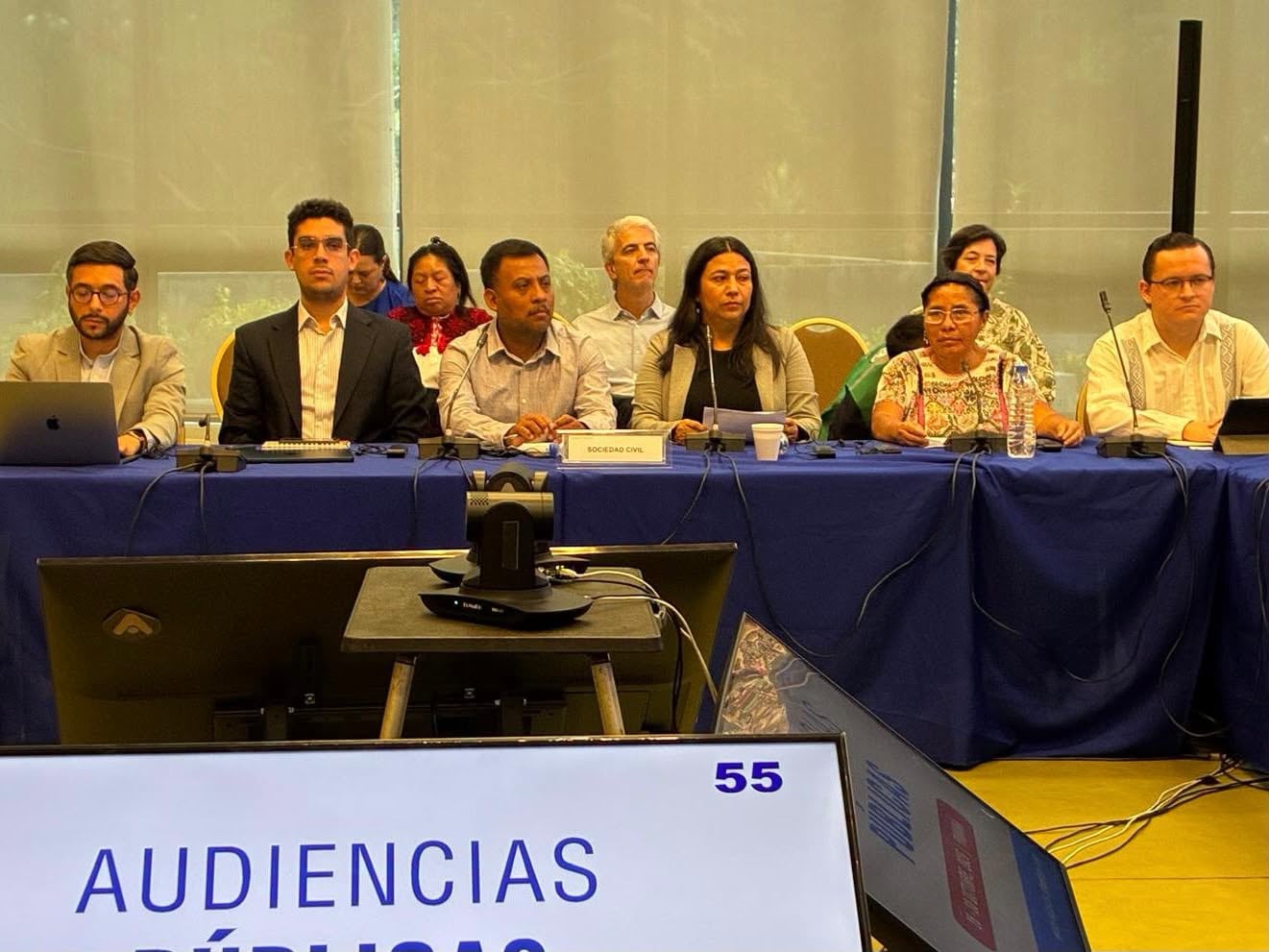
La Comisión Interamericana de Derechos Humanos presentó ante la Corte IDH el caso de 14 comunidades Maya Q’eqchi’ contra Guatemala
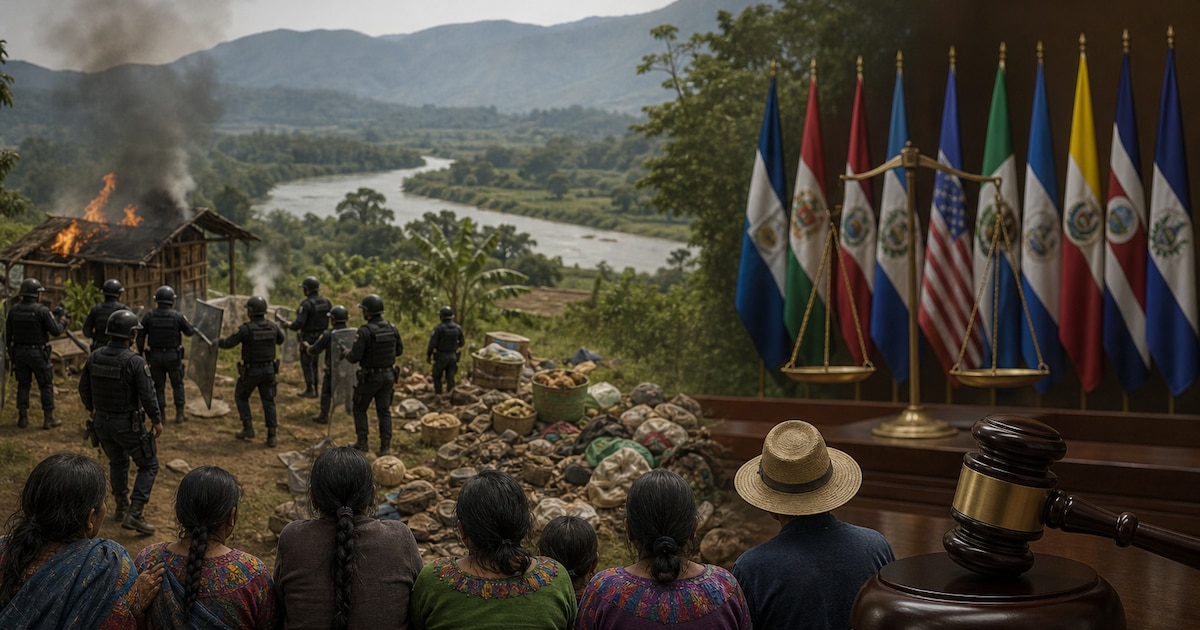
La Comisión Interamericana de Derechos Humanos (CIDH) sometió el 17 de septiembre de 2026 ante la Corte Interamericana de Derechos Humanos el caso de 14 comunidades indígenas Maya Q’eqchi’ contra Guatemala por desalojos forzados, muertes, detenciones arbitrarias y despojo de territorios ancestrales en el Valle del Polochic, hechos que se remontan a 2011 y podrían derivar en una condena internacional al Estado.
La petición fue presentada ante el organismo el 31 de marzo de 2011 y quedó registrada como el caso N.º 13.159. Más de 13 años después de los primeros operativos, Guatemala había transferido tierras a 355 familias Maya Q’eqchi’, sin abarcar a todas las personas afectadas ni acreditar medidas de indemnización.
El reclamo se originó luego de que el Estado otorgara la titularidad de varias fincas del Valle del Polochic a la empresa Chabil Utzaj S.A. para cultivar caña de azúcar. Según la CIDH, la decisión se tomó sin una consulta previa, libre e informada a las comunidades, que perdieron sus plantaciones tradicionales de maíz, arroz y frijol.
Muertes, heridos y destrucción de viviendas en los desalojos
Los desalojos de 2011 involucraron a autoridades estatales y agentes privados, en operativos que no respetaron los estándares internacionales sobre el uso de la fuerza. Murieron Beb Ac y Óscar Reyes, mientras que Miguel Chub Cucul, Marcelino Ical Chub y Arnoldo Caal Rax resultaron heridos.
También hubo detenciones arbitrarias, incendios de viviendas y destrucción de cosechas. Las familias fueron desplazadas de las fincas que reclamaban como parte de su territorio ancestral.
Las comunidades promovieron dos acciones constitucionales de amparo el 18 de marzo de 2011 para detener las demoliciones. La primera fue rechazada, mientras que la segunda obtuvo una orden provisional del Juzgado Segundo de Primera Instancia Penal de Alta Verapaz para suspender la destrucción de siembras y casas.
El juzgado no supervisó el cumplimiento de esa medida y la acción terminó igualmente rechazada. La falta de protección judicial forma parte de las violaciones denunciadas ante el tribunal interamericano.
La violencia continuó el 25 de mayo de 2013, cuando la comunidad El Rodeo sufrió un nuevo desalojo extrajudicial atribuido a la empresa. Ese mismo día, empleados intentaron desplazar a unas 95 familias que ocupaban la finca Río Polochic, en el municipio de Panzós.
Cinco campesinos recibieron disparos, entre ellos dos menores de edad, y fueron trasladados al Hospital Nacional de La Tinta. Los hechos profundizaron la situación de desplazamiento de las familias Q’eqchi’ del norte de Guatemala.
La falta de títulos sobre los territorios ancestrales
El Informe de Admisibilidad y Fondo N.º 111/24 concluyó que no existe controversia sobre la ocupación histórica de las 14 comunidades en esa región. Sin embargo, el Estado nunca delimitó, demarcó ni tituló los territorios a favor de sus habitantes.
Para la Comisión, la posesión ancestral es suficiente para acreditar la propiedad colectiva, de acuerdo con la jurisprudencia interamericana. El organismo sostuvo además que Guatemala no realizó estudios de impacto ambiental y social antes de autorizar el monocultivo de caña de azúcar.
Las autoridades tampoco garantizaron mecanismos adecuados de participación comunitaria. A esa omisión se sumó la inexistencia de un censo confiable sobre la población desplazada: la parte peticionaria afirmó que al menos 387 familias quedaron fuera de los registros oficiales tras los desalojos.
La CIDH señaló además que persistieron acciones de persecución y campañas de desacreditación contra integrantes del Comité de Unidad Campesina, organización vinculada con la defensa de las comunidades. La falta de reconocimiento territorial dejó a las familias sin garantías para habitar y trabajar sus tierras.
El informe de fondo sostuvo: “La falta de reconocimiento y garantía de su derecho a la propiedad comunal ha provocado que las comunidades no puedan usar ni gozar de sus tierras en forma pacífica”. Esa situación, añadió, mantiene incertidumbre sobre la existencia y preservación de las 14 comunidades.
Las reparaciones solicitadas a la Corte Interamericana
La Comisión pidió a la Corte Interamericana que declare la responsabilidad internacional de Guatemala por la violación de nueve derechos contemplados en la Convención Americana sobre Derechos Humanos: vida, integridad personal, garantías judiciales, acceso a la información, protección de la niñez, propiedad comunal, derechos políticos, protección judicial y derechos económicos, sociales y culturales.
La solicitud menciona los artículos 4, 5, 8.1, 13, 19, 21, 22, 23, 25.1 y 26 de la Convención, en relación con los artículos 1.1 y 2 del tratado. También cuestiona la falta de investigación de los actos de violencia contra la población Maya Q’eqchi’.
Entre las reparaciones requeridas figuran la delimitación, demarcación y titulación colectiva de los territorios mediante un título registrable de pleno dominio. El planteo incluye garantías para un retorno seguro de las comunidades y una investigación que identifique y sancione a los responsables de las muertes y lesiones.
La Comisión solicitó medidas para impedir que proyectos legislativos, administrativos o empresariales que afecten a estas comunidades avancen sin cumplir los estándares de consulta y consentimiento previo. También requirió un marco legal que armonice el derecho de consulta con el Convenio 169 de la Organización Internacional del Trabajo.
La Corte Interamericana deberá determinar si Guatemala incurrió en responsabilidad internacional por los desalojos, la falta de titulación colectiva y la ausencia de investigaciones sobre la violencia contra las comunidades del Valle del Polochic.
Comisión Interamericana de Derechos Humanos,Panamá,audiencia,conferencia
INTERNACIONAL
Minnesota official’s voter guide message on Somali TV triggers viral backlash: ‘Not an accident’
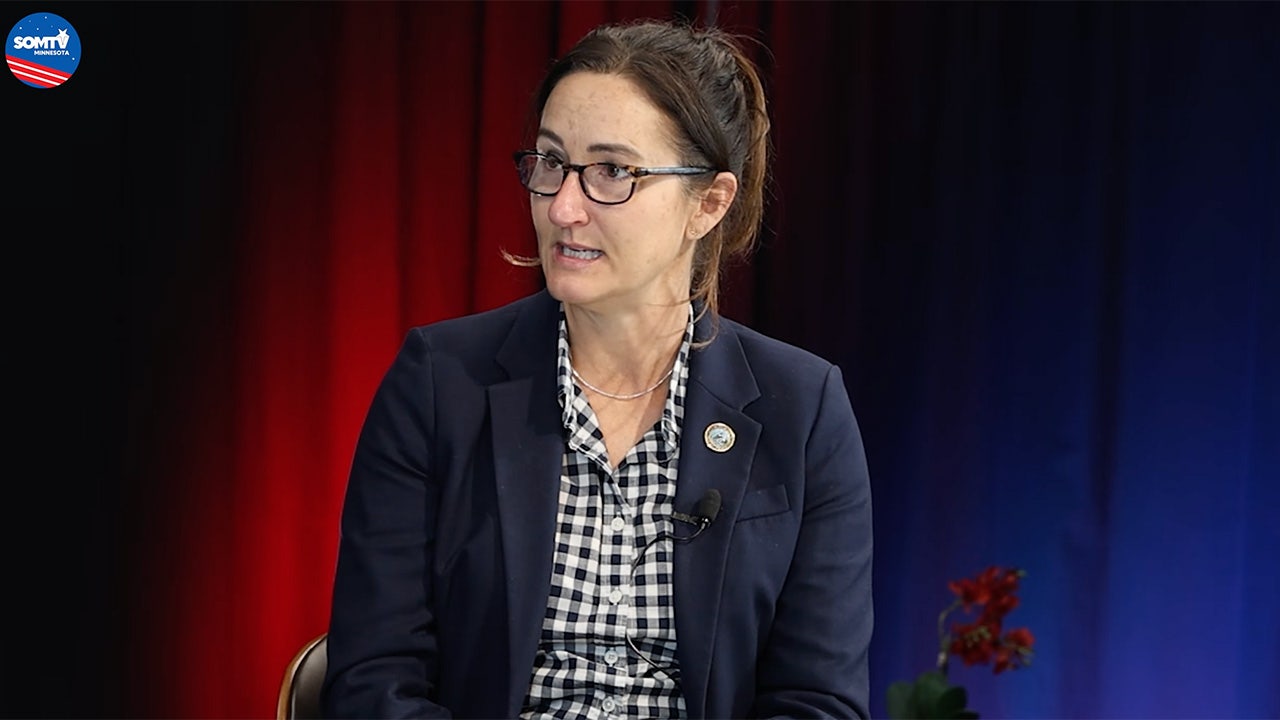
The election system in Minnesota is facing scrutiny on social media after a clip of a state official speaking to Somali voters reignited concerns about election integrity in the state.
«If you’re already registered to vote, you don’t need to bring anything with you,» said Minnesota voter outreach director Melanie Hazelip on Somali TV.
«You just show up to your early voting location, which is usually the county office or City Hall. Minneapolis and the bigger jurisdictions have a lot of extra places where you can go, like a lot of libraries or community centers. As long as you’re registered to vote, you don’t need to bring anything with you. If you’re not registered to vote…you still have options. If you have a Minnesota ID that is updated, that’s all you need to bring with you. If you don’t have that, there is a list of documents on our website that you can find. You still have options to get registered same day.»
While Hazelip’s comments were in accordance with the laws on the books, they caused outrage on social media after being posted by conservative influencer End Wokeness, as the post racked up almost a million views with users making the case that the system is too lax.
TRUMP SCORES SUPREME COURT WIN IN ELECTION INTEGRITY FIGHT AS STATES GAIN NEW VOTER ROLL TOOL
«A Minnesota election official just went on Somali TV and walked viewers through how to same-day register and vote using a Minnesota state ID,» retired Navy intelligence officer Phillip C. Parrish posted on X. «Minnesota hands out those IDs to non-citizens with no citizenship marking. Vouching lets one registered voter clear up to eight others on an oath. Citizenship is required by law. Real-time proof is not. The same state that lost hundreds of millions to documented fraud in childcare, nutrition, and Medicaid programs is now advertising the lowest-friction path to the ballot on community TV. Affirm you’re a citizen. Cast the vote. Get investigated later—if at all. This is how the system is built. It is not an accident.»
Federalist Society co-founder David McIntosh wrote on X, «Democrats are on a mission to tell every non-citizen how they can get away with voting in our elections.
ELECTION CRIME ARRESTS KEEP PILING UP AS DEMS INSIST IT ‘JUST DOESN’T HAPPEN’
«How is this not election interference?» He added.
«Nothing to see here, I’m sure,» Red Ax Strategies president Matthew Brodsky posted on X.
«This is why passing the SAVE America Act is crucial,» conservative commentator Riley Gaines posted on X.
In a statement to Digital, the Minnesota Secretary of State’s office said it «provides information and resources on Minnesota election laws to hundreds of nonpartisan community groups every year as a part of our regular voter engagement efforts.»
«Recently, our voter outreach director spoke with a local news outlet and provided accurate information about Minnesota election laws and how eligible voters cast their ballots. Unfortunately, her accurate remarks have been misinterpreted and misrepresented by political actors online,» the statement said. «With only a few days left before the election, we remain focused on making sure every eligible Minnesotan knows how and where to cast their ballot.»
Bill Glahn, a policy fellow at the Center of the American Experiment, told Digital that «given the timing, so close to the election, and the audience, Somali TV, she really should have emphasized the need to be an American citizen in order to vote.»
«It’s true most Somali immigrants are naturalized citizens, but not all,» Glahn said. «In fact, we just had a noncitizen sentenced to 30 years in federal prison for the Feeding Our Future fraud.»
The scrutiny comes as the Walz administration confronts hundreds of millions of dollars lost to social services fraud tied to the state’s Somali immigrant community. Critics pointed to a further wrinkle in Minnesota state law – signed by Gov. Tim Walz in 2023 – that provided for «Driver’s Licenses For All» regardless of immigration status. The policy also stipulates that the licenses carry no markings indicating citizenship, even though such IDs are commonly used to register to vote.
Under Minnesota law, a registered voter can «vouch» for up to eight other voters’ residency who want to sign up for same-day voter registration without an ID. The registered voter must go with the person or people to the polling place and sign an oath verifying their address, according to an official fact sheet from the Office of the Minnesota Secretary of State.
Glahn told Digital earlier this year that while the state touts the safeguards it has put in place to ensure only citizens vote, «it’s like murder’s illegal, but it happens all the time.»
«It’s a penalty of perjury,» he said. «You signed an oath, but if you signed as Mickey Mouse, they’re not going to find you.»
In September, a federal indictment was handed down charging an illegal immigrant from India for knowingly making the false claim to be a U.S. citizen to vote in the 2024 general election in Minnesota.
Digital’s Charles Creitz contributed to this report
politics, voting, voter fraud concerns, minnesota, elections state and local, somali immigrant community
INTERNACIONAL
Entre el silencio de Milei y la presión de Trump, Flávio Bolsonaro quedó sin poder y aislado en Miami
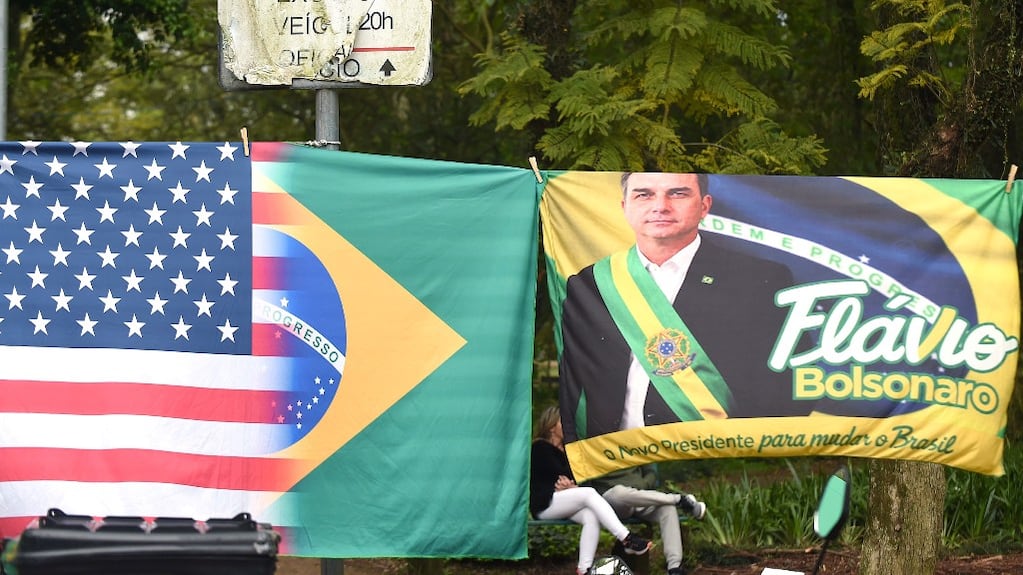
Tildado de “golpista” por sus enemigos, abandonado por su propio Partido Liberal e ignorado por la centroderecha brasileña, Flávio Bolsonaro quedó más aislado que nunca. Solo le queda el silencio de Javier Milei frente a la sospecha de ayuda oficial a su plan de fuga y un refugio dorado en Miami sin ningún poder de fuego.
En su autoexilio de la Florida, donde está acompañado por su familia y su hermano Eduardo, condenado a cuatro años de cárcel por coacción a la justicia, el derrotado candidato presidencial movió las piezas equivocadas en el tablero político brasileño y recibió hasta la reprimenda de su anfitrión, el presidente estadounidense, Donald Trump.
En menos de media hora, el primogénito de Jair Bolsonaro pasó de autodefinirse como el “verdadero presidente electo” a “líder” de su país. En el medio, Trump aclaró públicamente que no tomaría partido en ese tema. La rectificación fue inmediata.
El rápido cambio en el comunicado que divulgó en su primer día en la Florida fue el mayor papelón de su carrera política. La nota incluyó hasta un viejo escudo brasileño con la antigua denominación del país -Estados Unidos del Brasil- y que también debió apresurarse a correguir.
Washington no quiere más problemas con Lula y menos a pocos días de las elecciones de medio término del martes próximo. A Trump ya no le sirve acorralar al presidente reelecto. Brasil no será conservador, al menos por los próximos cuatro años. Eso sí, fiel a su estilo explosivo, dijo sin pruebas que las elecciones fueron “muy corruptas”, pero adelantó que igualmente hablará con el mandatario de izquierda.
“Flávio salió de las urnas con 60 millones de votos y abandonó el país justo cuando tenía la oportunidad de consolidarse como el principal líder de la oposición. Cambió el protagonismo político por el aislamiento”, resumió a TN el analista brasileño Murilo Medeiros, de la Universidad de Brasília (UnB).
Flávio Bolsonaro ya no tiene quién le escriba
La salida del país de Flávio Bolsonaro dejó un vacío en el liderazgo opositor y en la disputa por el legado electoral del líder del clan, Jair Bolsonaro, en prisión domiciliaria por una condena a 27 años de prisión por golpismo.
“Su ausencia acelera la emancipación política dentro del campo bolsonarista, con nuevas figuras -especialmente el reelecto gobernador de San Pablo, Tarcísio de Freitas– buscando ocupar ese espacio”, dijo Medeiros.
Para el analista, “el bolsonarismo sigue conservando una fuerza electoral considerable”, pero “la familia Bolsonaro corre el riesgo de perder el monopolio de su representación política”.
En ese escenario, irrumpe en escena la figura de la ex primera dama, Michelle Bolsonaro, electa senadora en las últimas elecciones y con un fuerte peso electoral entre los evangélicos. Pero no es suficiente.
“Están surgiendo movimientos que buscan nuevos caminos y liderazgos más allá del núcleo familiar”, alertó Medeiros.
Toda la derecha le dio la espalda a Flávio Bolsonaro, incluso su Partido Federal, que reconoció el resultado de las elecciones y se despegó de sus denuncias de fraude. El resto de los partidos de la centroderecha brasileña, que respaldaron su candidatura en el balotaje, también dio vuelta la página y se apresta a organizar la oposición en el Congreso.
Denilde Holzhacker, directora del área de Investigaciones en la Escuela Superior de Publicidad y Marketing de San Pablo, dijo a TN que el hijo mayor de Jair Bolsonaro “perdió la oportunidad de ser el líder de la oposición, incluso porque la distancia hará que otros surjan y ganen más fuerza” en el territorio.
“Flávio cálculó que tendría más apoyo tanto del gobierno estadounidense, con un pedido de asilo que reafirmaría el concepto de la persecución política, como también de sus seguidores en Brasil. Entonces, en ese momento está, de hecho, más aislado”, indicó.
Silva

Mauricio Macri dijo que “no se ha avanzado nada” en el acuerdo electoral con La Libertad Avanza para 2027

El Senado le pidió al Gobierno que Villarruel sea parte del encuentro con el papa León XIV en el Palacio Libertad

Tras ganar el BOAT, Cristiano Ronaldo convirtió un hat-trick en Arabia Saudita: cómo quedó en la carrera por los 1.000 goles

El futbolista que perdió a toda su familia en un terremoto reveló la increíble ayuda de Antonela Roccuzzo en su tragedia: “No lo voy a olvidar nunca”

Subieron los bonos argentinos pese a la tendencia negativa de Wall Street y Brasil

Una peligrosa escalada de intolerancia y negación

Medios brasileños afirman que Flávio Bolsonaro escapó del país y está en vuelo a Estados Unidos

El acusado de amenazar a Waldo Wolff reconoció el delito, pidió disculpas en un video y visitará dos museos

Jugó un Mundial con la Selección, el Dibu le regaló sus guantes y apunta a enfrentar a Messi

El video revelador sobre el toque que dejó afuera a Franco Colapinto del GP de los Estados Unidos de Fórmula 1

 INTERNACIONAL2 días ago
Medios brasileños afirman que Flávio Bolsonaro escapó del país y está en vuelo a Estados Unidos
- POLITICA3 días ago
De Bullrich a Lula da Silva: a Milei se le abrieron dos frentes de conflicto con resolución incierta
- SOCIEDAD2 días ago
Avanza la búsqueda de los hermanos desaparecidos que fueron arrastrados por la corriente de un río en Santa Cruz