INTERNACIONAL
AI hysteria has a Y2K problem — and the stakes this time could be far higher

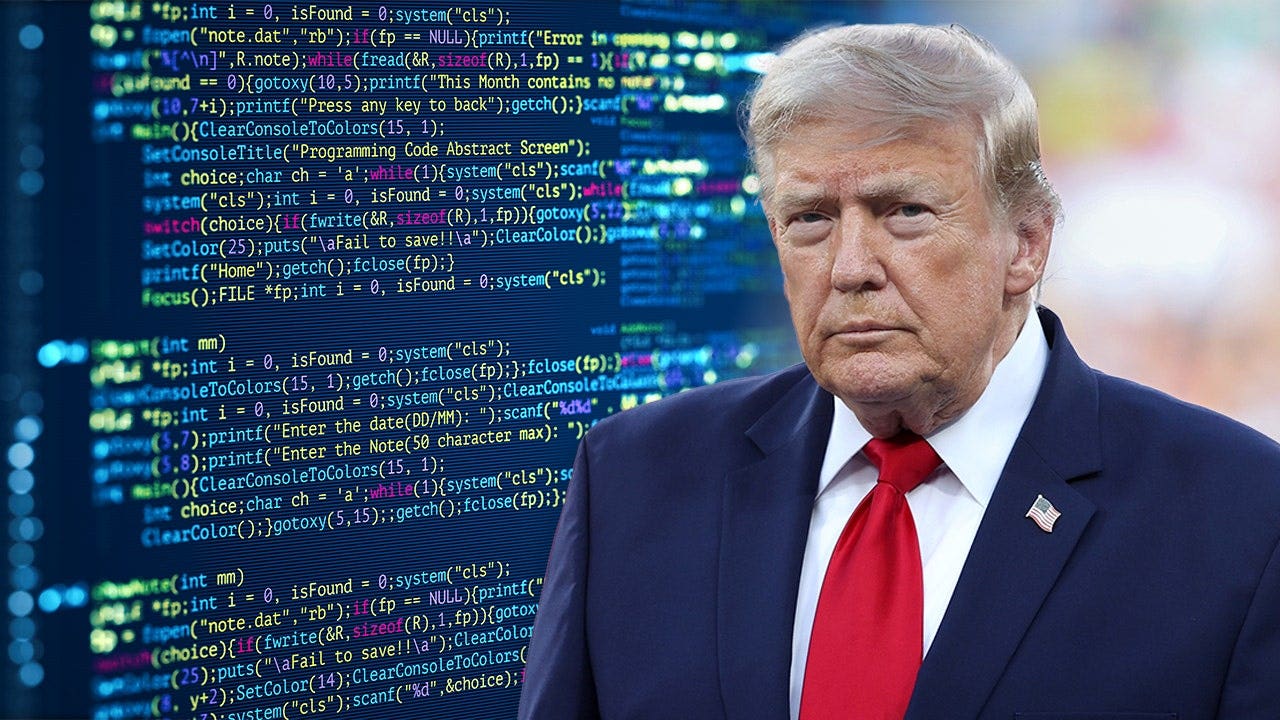
Washington’s growing alarm over artificial intelligence is beginning to echo Y2K, experts say, when dire warnings of technological catastrophe prompted a massive scramble to avert failures that ultimately proved far less severe than feared.
«You could draw all sorts of scary scenarios with Y2K as well. The financial system was just going to collapse because people had not written their programs for the year 2000. I had been writing programs in the 1980s for the government, so I’m well aware of the program,» Junk Science publisher and founder Steven Milloy told Digital.
«But of course, the tech industry knew about the problem, and to the extent that was a real problem, took action to fix it. The same can happen with AI,» Milloy added.
RESEARCHER WHO DEPARTED AI ROLE OVER FEARS OF RACING INTO EXTINCTION SAYS PEOPLE ARE ‘BEGGING’ FOR REGULATION
Y2K was a computer bug that raised fears systems could fail when the calendar changed from 1999 to 2000. The U.S. spent an estimated $100 billion, $200 billion adjusted for today’s inflation, in preparing for the problem, according to a 2000 Senate report.
When the new millennium arrived, there were few major disruptions.
President Donald Trump has made rapid AI development and the data centers needed to power it a priority, while the administration promotes the technology’s potential economic benefits and Democrats cry foul before midterm elections.
DEMOCRATS EMBRACED AI’S GROWTH BEFORE TRUMP CAME ALONG — NOW THEY WANT TO SLOW IT DOWN
«Democrats are capitalizing on the fears of Americans that angst over AI,» Heritage Foundation technology analyst Annie Chestnut Tutor told Digital.
Democrats are increasingly calling for government guardrails on AI, citing potential threats ranging from job losses and inequality to risks to democracy and humanity. Vermont Sen. Bernie Sanders, for instance, wrote in April that AI «kills jobs, equality, connection, democracy and maybe the human race.»
But the apocalyptic warnings are not coming only from Washington.
Former Anthropic researcher Jacob Coxon quit the company over concerns about the race toward self-improving AI, warning that its developers are «gambling with our lives» and that such systems could potentially «kill us all by the end of the decade.»
SEVEN-FIGURE BLITZ AS GOP EMBRACES PUSH TO COMPETE WITH CHINA IN BOOMING NEW TECH SPACE
Y2K sparked similar fears, as warnings spread of potential power-grid failures, disruptions to air travel and air-traffic control, and even predictions that planes could fall from the sky.
The Trump administration has backed targeted safeguards, including AI-powered cyber defenses for critical infrastructure, criminal enforcement against AI-enabled hacking and proposed measures to limit AI-driven child exploitation.
Tutor offered a nuanced Y2K comparison, arguing that the episode showed how technological risks can be addressed before they become potentially catastrophic.
«The reason now, like, we all laugh about Y2K is because actually software engineers and, like, financial analysts, they’ve worked really hard to ensure that the catastrophic incidents [didn’t] happen,» Tutor said.
AI ‘DOOMERS’ RISK KNEECAPPING US VS CHINA, BUT EX-PENTAGON VET SAYS BOTH EXTREMES MISS THE MARK
«I think the same thing could happen with AI,» she added. «If AI is built right, it can be more beneficial to Americans than the doomsday scenario.»
Milloy said the Y2K comparison also fits a pattern he sees with climate change, with dire warnings of an existential threat followed by calls for sweeping government intervention.
Climate warnings have likewise been framed in apocalyptic terms, including predictions that entire nations could be wiped out by global warming, Arctic summer ice could disappear within years and Glacier National Park’s glaciers would vanish by 2020.
POLL: VOTERS SEE AI REGULATION AS URGENT, RANK SAFEGUARDS AHEAD OF INNOVATION
«There are a lot of parallels between climate hysteria and AI hysteria,» Milloy said. «Climate was existential. It was going to destroy the planet, and by implication, humanity. As we learned last week, AI is going to destroy humanity also on a very short time frame.»
Milloy argued that while lawmakers are crying foul, they have not established enough specific evidence of catastrophic AI scenarios to justify sweeping restrictions.
Trump has responded to AI warnings by calling them a «hoax,» reviving the language he has used for years to dismiss climate change concerns.
«Give me a real-life practical scenario of how this can happen,» he said. «And then if you know what the scenario is, then you can stop it.»
DAVID MARCUS: BIG TECH INVENTED AI DOOMSDAY TO DUCK REAL LIFE PROBLEMS
SIGN UP TO GET THE POLITICS NEWSLETTER
Milloy warned that overly broad regulation could carry its own cost by slowing technological advances before their benefits are fully understood.
«The opportunity costs are potentially huge,» Milloy said, pointing to potential AI-assisted advances in medicine and productivity while acknowledging that their ultimate scale remains unknown.
artificial intelligence, technologies, white house, democratic party






INTERNACIONAL
Cancillería de Honduras detecta deudas, pagos irregulares y fallas administrativas durante revisión del Servicio Exterior
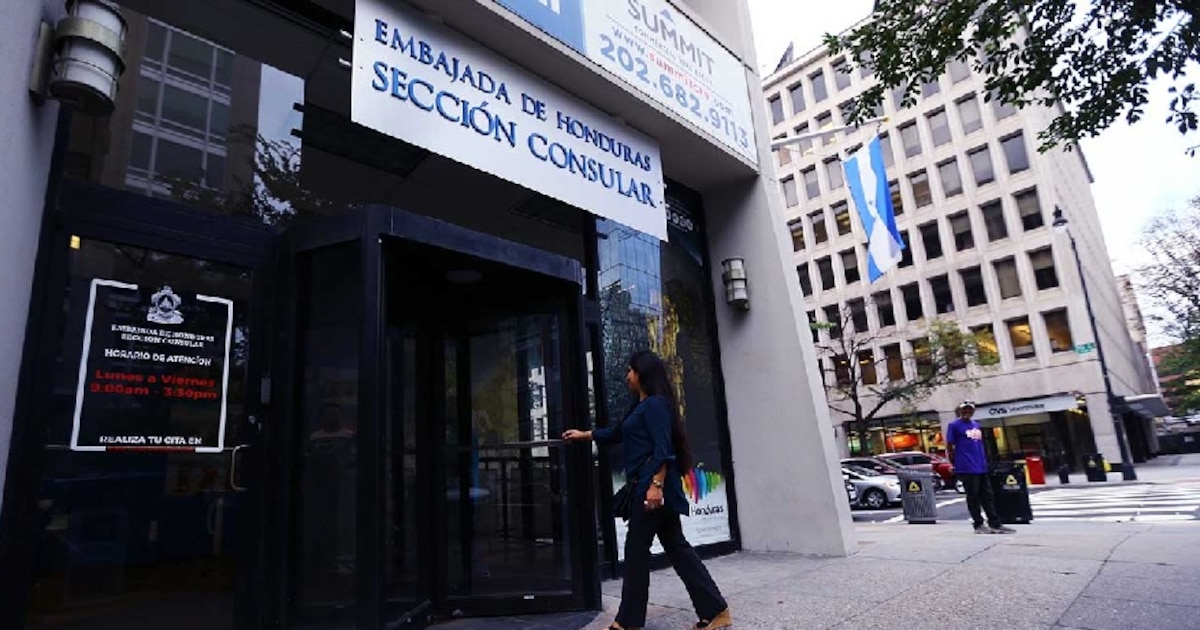
La Cancillería de Honduras informó que detectó presuntas irregularidades administrativas, financieras y jurídicas durante los primeros diez meses de la actual administración, luego de revisar el funcionamiento de la institución y del Servicio Exterior ante la ausencia de un informe de transición.
La Secretaría de Relaciones Exteriores y Cooperación Internacional explicó que las verificaciones permitieron identificar deudas pendientes, liquidaciones de viáticos sin resolver y comisiones oficiales sin informes de resultados, además de pasajes aéreos que no fueron utilizados y deficiencias en los controles de inventarios y activos.
Los expedientes relacionados con estos hallazgos permanecen bajo procesos de revisión, verificación y regularización, mientras las autoridades recopilan documentación para determinar si existieron responsabilidades administrativas o posibles actuaciones irregulares.
“Ante la ausencia de un Informe de Transición, la presente gestión emprendió revisiones institucionales que permitieron identificar debilidades en los controles internos, obligaciones pendientes y situaciones administrativas que requerían regularización”, señaló la institución en un comunicado divulgado este miércoles.
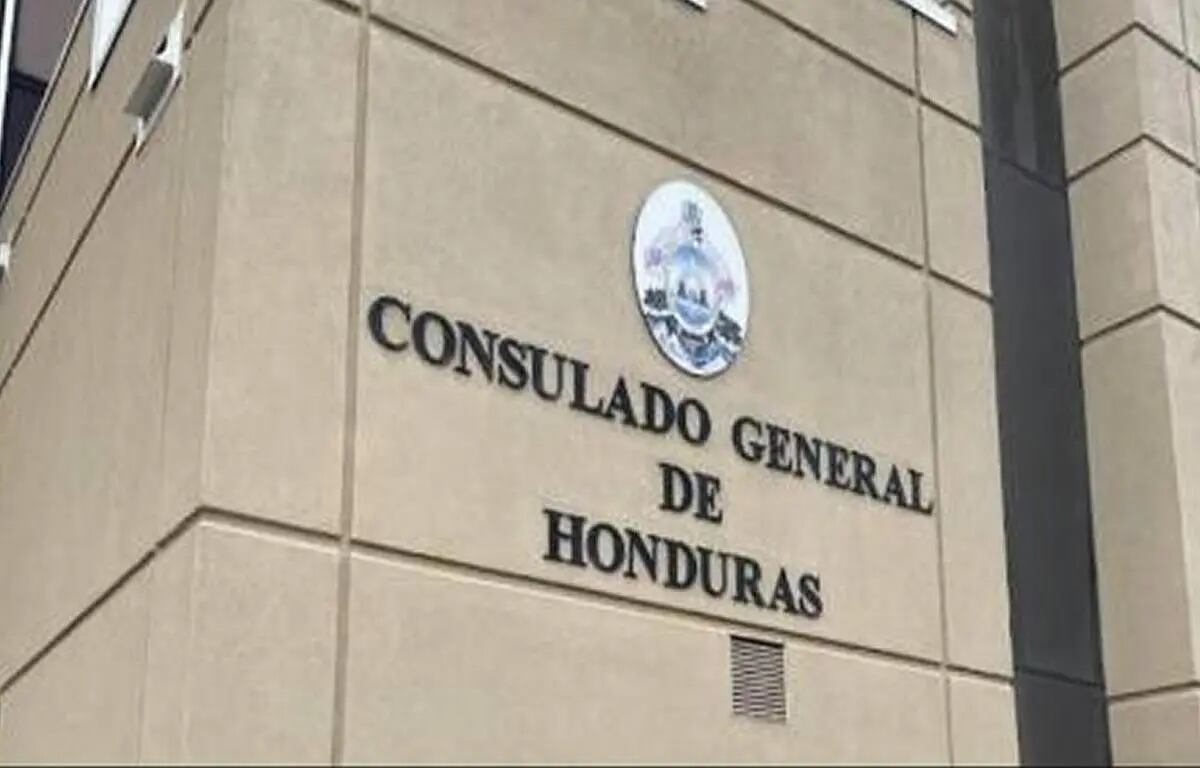
Entre los hallazgos también figuran casos de exfuncionarios nombrados durante la administración anterior que presuntamente recibieron remuneraciones sin cumplir las funciones correspondientes. La Secretaría indicó que estas situaciones forman parte de las revisiones y procesos de recopilación de pruebas.
Otro de los aspectos identificados está relacionado con la incorporación de funcionarios al escalafón diplomático durante 2025. Según la Cancillería, se detectaron casos en los que no se habrían cumplido los requisitos legales de documentación para formalizar esos nombramientos.
La institución informó que desarrolla auditorías y revisiones sobre posibles irregularidades administrativas y actuaciones de exfuncionarios, con el propósito de establecer las circunstancias de cada caso y determinar si corresponde deducir responsabilidades.
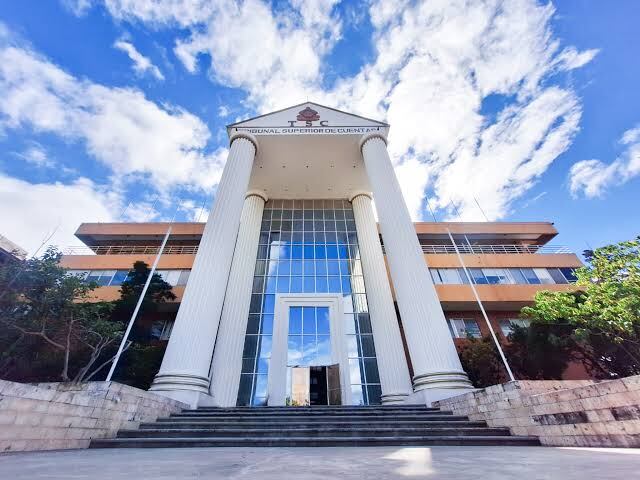
Asimismo, anunció que los hallazgos que cuenten con elementos suficientes serán remitidos al Tribunal Superior de Cuentas (TSC), al Ministerio Público o a otras autoridades competentes para que procedan conforme a sus atribuciones.
La Secretaría no detalló en el comunicado el monto de las obligaciones pendientes ni la cantidad de exfuncionarios involucrados en las situaciones bajo revisión.
En el ámbito jurídico, la Cancillería destacó la conformación de una delegación técnica de alto nivel, con acompañamiento de la Procuraduría General de la República (PGR), que viajó a Estados Unidos para verificar directamente un expediente judicial relacionado con una causa civil.
El proceso está vinculado con un contrato suscrito por anteriores autoridades consulares. Según la Secretaría, la revisión permitió fortalecer la defensa de los intereses y el patrimonio del Estado hondureño.
La institución no precisó el nombre de las personas involucradas ni el monto económico relacionado con el litigio, pero señaló que las gestiones forman parte de las acciones para atender los asuntos jurídicos heredados de la administración anterior.
La supervisión de las representaciones diplomáticas también forma parte de las medidas anunciadas por la Cancillería. La institución aseguró que implementó mecanismos para recibir y verificar denuncias de hondureños en el extranjero relacionadas con posibles cobros irregulares, dificultades para acceder a servicios consulares y malos tratos.
Los procedimientos incluyen contactar a las personas denunciantes, recopilar información y evaluar las medidas administrativas correspondientes. Cuando los casos lo ameriten, los expedientes podrán ser remitidos a las autoridades competentes.
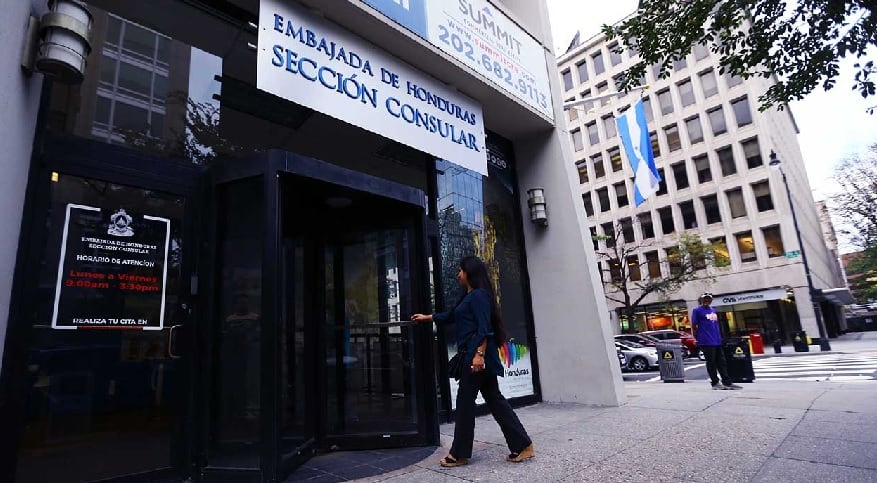
La Secretaría también trabaja en la reorganización de la Dirección de Asuntos Consulares y Migratorios, con el objetivo de delimitar responsabilidades y mejorar el seguimiento de los casos atendidos por las oficinas diplomáticas.
El proceso contempla fortalecer la coordinación entre las áreas de Protección al Migrante, Supervisión Consular y las representaciones de Honduras en el exterior, para mejorar la atención y facilitar el acceso a servicios oportunos.
La Cancillería aseguró que continuará fortaleciendo los mecanismos de control interno, colaborando con las instituciones encargadas de investigar posibles irregularidades y comunicando los resultados verificables de sus actuaciones.
corresponsal:Desde Tegucigalpa, Honduras
INTERNACIONAL
Trump-Xi showdown revives 25-year-old Clinton China ‘mistake’ as Senate vet demands reversal
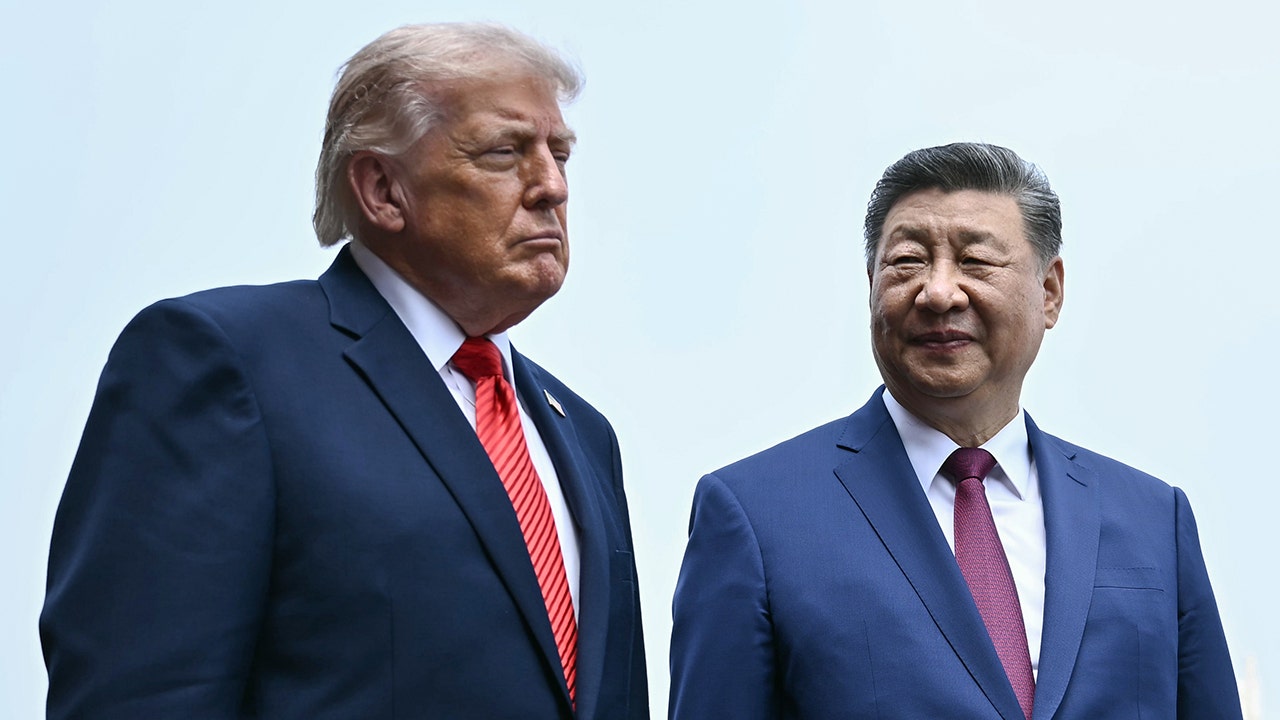
Former Trump Ambassador Sam Brownback is urging Washington to reverse a decades-old trade decision and strip China of its permanent normal trade relations status, arguing the United States must rethink its economic relationship with Beijing as President Donald Trump prepares to meet with Chinese President Xi Jinping.
«I think it’s time we back up and correct the mistake we made 25 years ago in granting normal trade relations with China, a country that seeks our demise and doesn’t grant human rights, and remove that,» Brownback told Digital in an interview.
Trump is traveling to China this week for his third meeting of the year with Xi, with the two leaders scheduled to hold talks Thursday in Shenzhen before joining Russian President Vladimir Putin for a trilateral meeting, amid ongoing trade tensions and concerns over American dependence on Chinese supplies.
TRUMP BRINGS TWO DIVIDED CABINET HEAVYWEIGHTS TO CHINA AS CONTROVERSY HANGS OVER HIGH-STAKES TALKS
«I think, tactically, President Trump is playing through this right,» Brownback said. «But we’re in a tough spot right now.»
Brownback, who served as ambassador-at-large for international religious freedom during Trump’s first administration, pointed to Washington’s decision more than two decades ago to establish permanent normal trade relations with China.
President Bill Clinton signed legislation authorizing permanent normal trade relations with China in 2000, and President George W. Bush formally granted the trade status in December 2001, following China’s accession to the World Trade Organization.
Revoking China’s permanent normal trade relations status would generally subject Chinese imports to higher tariffs, rather than automatically ending trade between the two countries.
Brownback said that reducing those dependencies and restructuring trade relations would require years rather than an immediate break with Beijing.
TRUMP SHOULD PRESS XI ON CHINA’S PERSECUTION OF BELIEVERS AT HOME AND ABROAD
Brownback argued that the United States should now consider reversing that decision through an orderly process that would pressure Beijing to respect human rights and religious freedom.
He suggested reaching a «Helsinki Accords 2.0» deal, modeled on a landmark 1975 Cold War agreement that incorporated human rights into broader discussions between the United States, its European allies and the Soviet Union.
The agreement, Brownback said, would allow Washington to negotiate with Beijing over trade and religious freedom while warning that continued abuses could jeopardize normal trade relations.
«Either you grant human rights and religious freedom to your own people, or we’re pulling back normal trade relations,» Brownback said.
Brownback also urged Trump to raise religious persecution directly with Xi, arguing that Beijing’s treatment of Christians and other religious groups should become a central part of future negotiations.
THE CCP’S NEW ‘UNITY’ LAW TURNS CHINA’S REPRESSION INTO A GLOBAL THREAT
The U.S. Department of Labor estimated in 2022 that 100,000 Uyghurs and other ethnic minority former detainees in China may have been working under forced-labor conditions following detention in re-education camps.
«We can’t trade with you if you’re going to continue to operate the way you are, particularly towards people of faith, towards Christians,» Brownback said.
Brownback said stabilizing the relationship would itself represent a meaningful achievement while the United States works to reduce its dependence on Chinese supplies.
«I think a successful trip is a continuation of the current situation right now, just stabilizing the relationship, not having it deteriorate further until we get in a better position on dealing with things like rare earth minerals and pharmaceutical supplies,» Brownback said.
AMERICA DEPENDS TOO MUCH ON CHINA FOR ESSENTIAL MINERALS. WE NEED TO DIG OUR FUTURE
He also argued that religious freedom represents a strategic vulnerability for China’s communist leadership, which he said views independent religious institutions as a threat to its authority.
«They now have a bigger navy than we do, but they fear religious freedom more than they do our aircraft carriers or our missiles,» Brownback said.
china, xi jinping, trade, national security, foreign policy
NEWYou can now listen to Fox News articles!
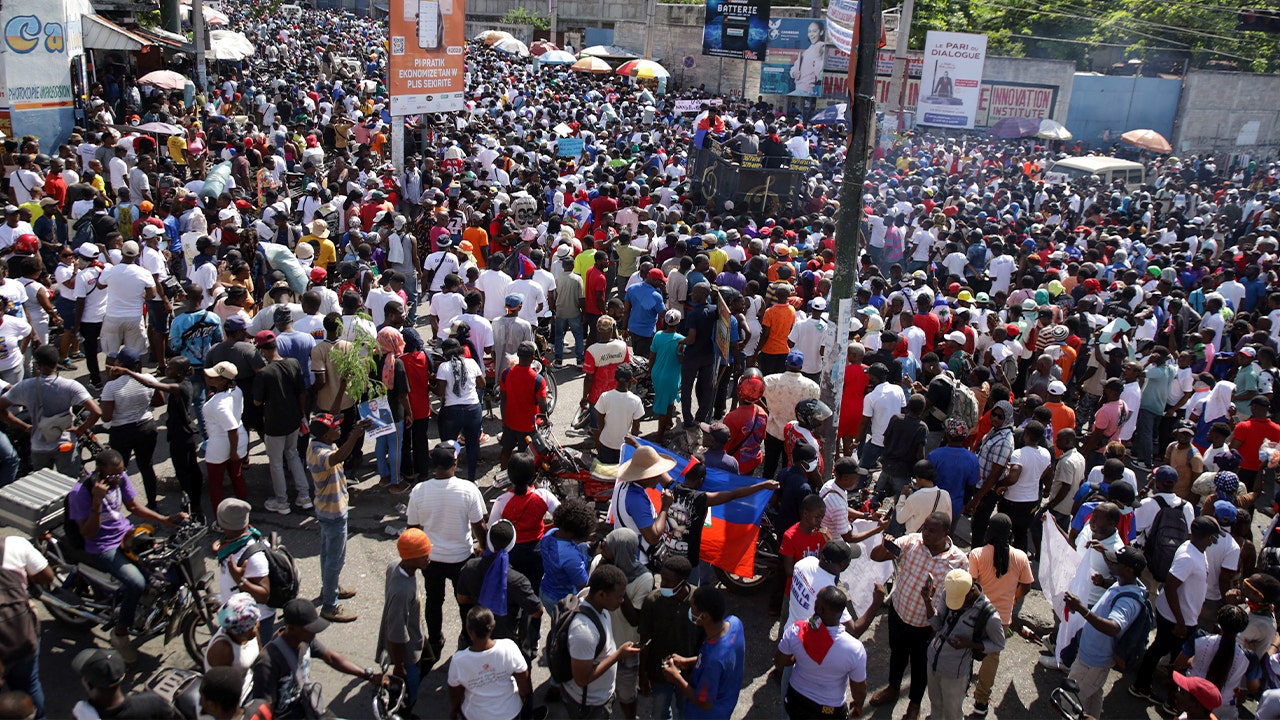
Thousands of people in Haiti took to the streets Tuesday in a show of support for Salvadoran President Nayib Bukele deploying troops to the country to combat violent armed gangs.
The demonstration unfolded as Haiti’s Minister of Justice and Public Security, Patrick Pélissier, prepared to travel to San Salvador to discuss anti-gang strategies and ongoing troop cooperation.
The president reflected on the moment in a post on X, sharing a video capturing a sea of people chanting, dancing and cheering in celebration.
«I never expected anything like this. I hear you loud and clear. I love you too. We will triumph. God will give us victory,» Bukele said.
BUKELE WARNS HAITIAN GANG LEADERS THAT HIS FORCES WILL ‘FINISH’ THEM AS HE DID IN EL SALVADOR
Demonstrators gather during a rally to express support for Salvadoran President Nayib Bukele and Salvadoran troops involved in efforts to combat gangs in Port-au-Prince, Haiti, Nov. 17, 2026. (Reuters/Fildor Pq Egeder)
According to Reuters, some demonstrators carried signs reading «Long live Bukele» and «Down with the gangs,» while others voiced their support for the Salvadoran leader.
«Only a week of operation, we can see the path to change in Haiti. We say thank you to Bukele for all the help he gives us,» demonstrator Claudy Mayas said.
Another demonstrator said Bukele was providing Haitians with the one thing they had been waiting years for.
«Four years ago, I could not go to Champs de Mars. I couldn’t go to the south of Haiti,» a demonstrator, also identified as Claude, said.
«We don’t ask much of the government. We don’t ask for jobs. We need only security.»
ROBOT DOGS MOUNTED WITH RIFLES DEPLOYED IN ANTI-GANG STADIUM OPERATION IN HAITI

Salvadoran President Nayib Bukele told Haitian supporters «We will triumph» after thousands rallied to thank him for sending troops to fight gangs. (Alex Pena/Anadolu via Getty Images/File)
Just two weeks ago, Bukele backed an operation involving devastating airstrikes that destroyed the headquarters of 400 Mawozo, one of Haiti’s most powerful criminal gangs. The home of its leader, Lanmò San Jou, was also targeted in the operation, Bukele previously said.
The direct military action marked a dramatic escalation in Haiti’s fight against years of severe gang violence and insecurity.
Bukele joined the mission after four Salvadoran members of the U.N.-backed anti-gang force went missing in a suspected gang ambush near Port-au-Prince on Oct. 18. At the time, Bukele sent more than 2,000 troops to Haiti.
EL SALVADOR-BACKED AIR ASSAULT DESTROYS HAITI GANG HEADQUARTERS AMID SEARCH FOR MISSING TROOPS

A demonstrator carries a Salvadoran flag during a rally to express support for El Salvador’s President, Nayib Bukele, in Port-au-Prince, Haiti, Nov. 17, 2026. (Reut3ers/Fildor Pq Egeder)
While residents paraded through the streets in celebration, U.N. officials issued a statement Tuesday reminding leaders that anti-gang operations must prioritize civilian protection.
«Security forces must strictly limit the use of lethal force to situations where it is unavoidable to protect life from an imminent threat and as a last resort,» the agency said.
According to the U.N., armed gangs control an estimated 80% to 90% of Haiti’s capital and are expanding into surrounding regions.
Between January and October 2026 alone, the U.N. documented nearly 4,600 people killed, alongside the wider displacement of nearly 1.5 million people.
central america, caribbean region, crime world, crime

Investigan a dos exabogados de Cristóbal López por una presunta estafa de $259 millones en honorarios

El camino de la Selección Argentina en el Mundial Sub 17: rivales, fixture y posibles cruces

Boom petrolero: una provincia ya ganó por regalías más que en todo el 2025 y rompió una nueva marca histórica

El Senado debatirá hoy sobre discapacidad, propiedad privada y patentes tras el dictamen para suspender las PASO

Mario Pergolini fue drástico con Graciela Alfano y sus sensuales fotos en un jacuzzi por una terapia alternativa: “No existe”

Milei recibió un doctorado honoris causa en la UB y aseguró que la gente ahora le pide trabajo a Pettovello

La inflación de octubre: el dato que sorprendió a casi todos y la distancia que persiste con los parámetros internacionales

Milei dijo que el riesgo país sube por el miedo a "Orcolandia" y afirmó: "Los argentinos no van a votar hacia el pasado"

Se agudiza la suba de tasas y se complica la economía mundial

Caída de sistemas, fallas y sospechas: qué hay detrás de la suspensión del tráfico aéreo y los problemas en los bancos de EE.UU.

 POLITICA2 días ago
Milei dijo que el riesgo país sube por el miedo a "Orcolandia" y afirmó: "Los argentinos no van a votar hacia el pasado"
- ECONOMIA3 días ago
Se agudiza la suba de tasas y se complica la economía mundial
- INTERNACIONAL2 días ago
Caída de sistemas, fallas y sospechas: qué hay detrás de la suspensión del tráfico aéreo y los problemas en los bancos de EE.UU.