
INTERNACIONAL
Stanley Kubrick, antes de Hollywood: descubren fotos inéditas realizadas en el subte de Nueva York

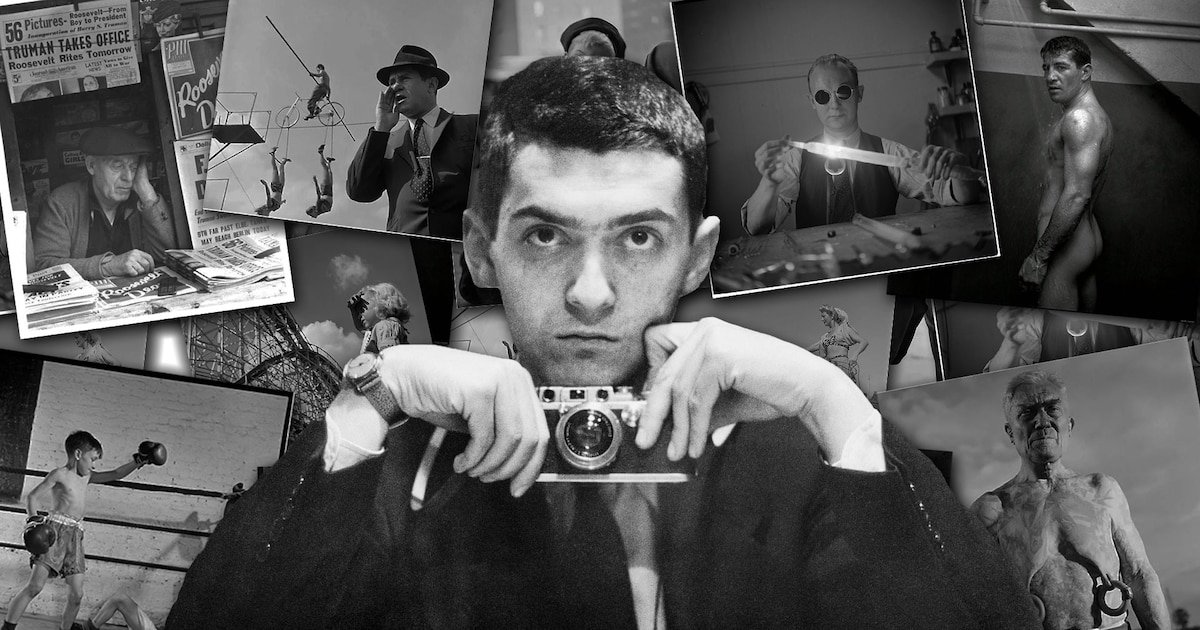
Stanley Kubrick inició su carrera visual en los subterráneos de Nueva York mucho antes de convertirse en uno de los cineastas estadounidenses más influyentes del siglo XX.
Un conjunto inédito de 18 fotografías tempranas tomadas en el metro de la ciudad será exhibido por primera vez en la Photography Show de Nueva York. Estas imágenes, adquiridas y descubiertas recientemente por la galería Duncan Miller de Los Angeles, ofrecen una mirada singular al pulso social de la década de 1940 y a los primeros experimentos narrativos de Kubrick.
Aunque gran parte del archivo fotográfico de Kubrick ya había sido mostrado al público en la exposición itinerante Through A Different Lens inaugurada en el Museum of the City of New York hace ocho años, estas 18 tomas específicas —todas realizadas entre la medianoche y las 06:00 horas— nunca habían sido expuestas fuera de las páginas de la revista Look.

La propia galería Duncan Miller identificó estas obras al analizar un lote reciente, como indicó su director Daniel Miller: “Estas impresiones de Kubrick estaban enterradas profundamente en una compra reciente”. Este hallazgo marca una diferencia frente a cualquier cobertura previa del legado fotográfico del director al poner en circulación imágenes inéditas para coleccionistas y críticos.
Kubrick, nacido y criado en el Bronx, comenzó a fotografiar profesionalmente incluso antes de terminar la secundaria, cuando en 1945 fue admitido como reportero gráfico en Look, una revista enfocada en el relato visual de la vida cotidiana. Su promedio académico le impedía el acceso universitario, pero logró canalizar su atención minuciosa hacia la observación de los demás a través del lente.
“En la escuela era un inadaptado. Tenía muy poco interés por lo que me enseñaban, la lectura estaba relacionada a las tareas escolares. Creo que recién comencé a leer por placer cuando terminé el secundario. Sin embargo, sí había algo que despertaba mi interés: la fotografía”, dijo el director de La Naranja Mecánica y Senderos de Gloria, entre otras.

“Empecé simplemente tomando la cámara y sacaba fotos. Aprendí luego a armar un cuarto oscuro y todas las cuestiones técnicas, y así seguí. Hasta que llegó el momento en que empecé a buscar la manera de venderlas, de convertirme en un profesional”, recordó Kubrick en una entrevista sobre esta pasión que comenzó cuando un vecino, Marvin Traub, quien también era un aficionado a la fotografía, le regaló su primera cámara, con quien revelaba en un cuarto oscuro que tenía en su hogar en el Bronx.
Entonces, Kubrick admiraba a Arthur Fellig, conocido como Weegee, un fotógrafo y reportero gráfico ucraniano especializado en documentar el ambiente callejero de Nueva York de manera desgarradora.
Kubrick pasaba horas en las calles, y así fue consiguió la imagen que sería el principio de todo. En 1945, cuando tenía 16 años, capturó a un vendedor de periódicos en su puesto, en una actitud derrotada, desconsolada, tras la muerte del presidente Franklin D. Roosevelt.

Llevó la imagen a Helen O’Brian, jefa del departamento fotográfico de la revista Look, una publicación que intentaba competir con Life a partir de las imágenes. Salió del edificio con USD 25 en el bolsillo. Meses después, colaboraciones mediante, terminó el secundario e ingresó al staff de Look, para convertirse así en el fotógrafo más joven de la historia de la revista.
Durante los cinco años que permaneció en Look, documentó escenas tan diversas como la rutina de un lustrabotas, el entrenamiento del boxeador Walter Cartier o los ensayos de la vedette Rosemary Williams. Abandonó la publicación en 1951, año en el que también realizó sus dos primeras películas documentales y concluyó su matrimonio con su novia de la secundaria.
El valor documental de este grupo de 18 imágenes reside en su contexto nocturno y su carácter transversal: Kubrick retrató con igual curiosidad los vagones llenos de jóvenes conversando, a mujeres enfrascadas en proyectos textiles en pleno trayecto, y a figuras solitarias sentadas en asientos forrados, escenas que testimonian la variedad de interacciones sociales promovidas por el transporte subterráneo.

Kubrick describía el metro como “una sala de lectura sobre ruedas, un paseo de enamorados y, después de las 23:00 horas, un albergue improvisado”. Esa pluralidad se manifiesta en gestos sutiles: miradas, evaluaciones silenciosas y hasta una mujer cubriéndose la nariz.
Para lograr la espontaneidad deseada, el joven Kubrick utilizaba un método discreto: llevaba su cámara al cuello y había acoplado un disparador de cable dentro del bolsillo del abrigo, de modo que podía fotografiar sin ser detectado, como relató Daniel Miller.
El futuro director de El resplandor, 2001: una odisea del espacio y The Full Metal Jacket, entre otras joyas, solía disparar rollos enteros de película para extraer de ellos apenas “un puñado de imágenes contundentes”. Esta búsqueda de la naturalidad anticipa la ética de observación que marcaría todo su cine posterior.
Las fotografías reunidas por Duncan Miller Gallery se presentan junto a obras de la fotógrafa contemporánea Jacqueline Woods, en una edición que fortalece la relación entre la investigación documental de la posguerra y los discursos visuales actuales. El proyecto de la galería, Your Daily Photo, lleva desde 2012 distribuyendo imágenes de archivo a suscriptores de todo el mundo y apostando por descubrimientos que, como en este caso, amplían el mapa histórico de la fotografía estadounidense.
Stanley Kubrick,Nueva York,metro,1945,Vida y amor en el metro de Nueva York,transporte,vida urbana,blanco y negro,fotografía,historia












INTERNACIONAL
US intel warns Russia could launch limited attack on NATO ally in effort to fragment organization: report

NEWYou can now listen to Fox News articles!
Russian President Vladimir Putin could attack a NATO member country in the next few years in an attempt to fragment the post-World War II organization and test Article 5, new U.S. intelligence has found, according to a report.
While U.S. intelligence had previously assessed that Putin wouldn’t launch an assault on a NATO country while still involved in the war in Ukraine, the Russian president is now looking for a victory as Ukraine makes gains, and the U.S. and Europe have seen increasing signs he is testing the organization, according to a report from The Wall Street Journal.
That includes a drone that hit a Romanian apartment building in May and cruise missiles that landed in Poland late last month, a NATO country.
RUSSIA PREPARING HYBRID ATTACKS ON NATO’S EASTERN FLANK, INTELLIGENCE WARNS
Russian President Vladimir Putin holds a Security Council meeting in Moscow Friday, Aug. 7, 2026. (Alexander Kazakov/Pool Sputnik Kremlin via AP)
Article 5 of NATO states that an attack on one country is an attack on all countries.
The assessment said it would likely be a limited attack that could range anywhere from a cyberattack to a small-scale land incursion and would likely be focused on the Baltics or Poland.
The attack could happen any time between this fall and 2029, the assessment said.
«The question mark is how the United States would respond in that case,» Heather Conley, senior fellow with the American Enterprise Institute, told the Journal. «It has always been a goal [of Russia’s] to challenge the credibility of NATO and to separate the United States from its allies.»
THE TWO MOST IMPORTANT AMERICAN WEAPONS SYSTEMS NATO IS EAGER TO HAVE
The assessment also comes amid claims the United States’ munitions stockpile has been depleted by arms sent to support Ukraine and due to the war in Iran.
Chief Pentagon spokesman Sean Parnell, however, called those claims false.

Police and forensic investigators examine the location of impact after a Russian drone struck an apartment building in Galati, Romania, May 29, 2026. (AFP via Getty Images)
«We have everything required to strike at the time and place of the president’s choosing,» Parnell told the Journal. «Across multiple combatant commands, we have already executed successful operations while maintaining a deep, ready arsenal to defend our people and our interests. Any adversary who confuses media noise with American weakness will discover the truth the hard way.»
A land incursion was deemed the least likely because it would trigger Article 5, but it’s unclear what the response would be to something like a cyberattack.
REPORT WARNS RUSSIA USING SHADOW FLEET TO PROBE NATO DRONE DEFENSES

The Polish army secures a large crater, the probable impact site of a projectile linked to overnight strikes in Ukraine, in Tarnawa-Kolonia, eastern Poland, July 30, 2026. (TVN Poland/AFPTV/AFP via Getty Images)
«This has always been NATO’s challenge to respond to a sub-Article 5 attack, and it’s been very true that to this point, NATO allies have preferred not to escalate,» Conley told the Journal.
Fox News Digital has reached out to NATO for comment.
Col. Martin O’Donnell, a NATO spokesman, told the Journal, «We are always thinking through and preparing for any number of scenarios. NATO is watching, and we are ready to deter and defend as necessary, which we continue to demonstrate.»
vladimir putin, military, europe, russia, nato, geopolitics, world

House committee debates DEI impact on medical school standards
The House committee debates the influence of DEI policies on medical school admissions and patient care standards. Lawmakers question deans from major medical schools about allegations from the Justice Department that UCLA granted an illegal edge to Black and Hispanic applicants.
NEWYou can now listen to Fox News articles!
The Justice Department is accusing Duke University School of Law of favoring Black and Hispanic applicants over White and Asian applicants with the same academic records in its admissions process, which the Trump administration argues the law school used to meet its «diversity goals.»
«Duke Law School doesn’t get a free pass to discriminate against white and Asian students simply because it thinks it has good intentions,» Assistant Attorney General Harmeet Dhillon of the Justice Department’s Civil Rights Division said.
In 2023, the Supreme Court ruled in Students for Fair Admissions v. Harvard (SFFA) that it was unconstitutional for colleges and higher education institutions to consider a student’s race in their admissions processes. The decision prompted the Trump administration to open investigations into alleged race-based discrimination at dozens of colleges and universities.
JUSTICE DEPARTMENT ZEROES IN ON UCLA FOR ALLEGED ILLEGAL DEI ADMISSIONS AS ELITE SCHOOL CRACKDOWN EXPANDS
A photo of Duke University’s west campus in Fall 202 (Duke University – Jared Lazarus)
The Civil Rights Division, which began investigating Duke Law in April 2025, found that Black applicants who applied in 2025 had roughly 3.5 times the chance of admission as Asian applicants with the same academic credentials, according to a Justice Department letter sent to Duke Law. Investigators found that the median LSAT score for accepted Black applicants was lower than the median score for rejected Asian and White applicants.
«This consistent difference in the test scores between students of different racial groups is substantial and cannot be explained by a coincidence,» the letter stated. «The magnitude and durability of these preferences across multiple cycles (including post-SFFA) confirm intentional discrimination.»
The Trump administration’s review of internal communications found that the law school began preparing for the Supreme Court’s SFFA ruling so its admissions process could continue «to meet the Law School’s goals for a broadly diverse student body.»
For instance, Duke Law’s post-SFFA guidance for admissions allowed officials to «consider applicants’ discussion of how race affected their life, be it through discrimination, inspiration, or otherwise.» Applicants provided these discussions in short-answer essays, where admissions officials could then «tag» the responses to provide context for weaker academic records when evaluating applicants.
COAST GUARD ENDING RACE-BASED ADMISSIONS FOR OFFICER COMMISSIONING PROGRAM UNDER TRUMP DEI CRACKDOWN
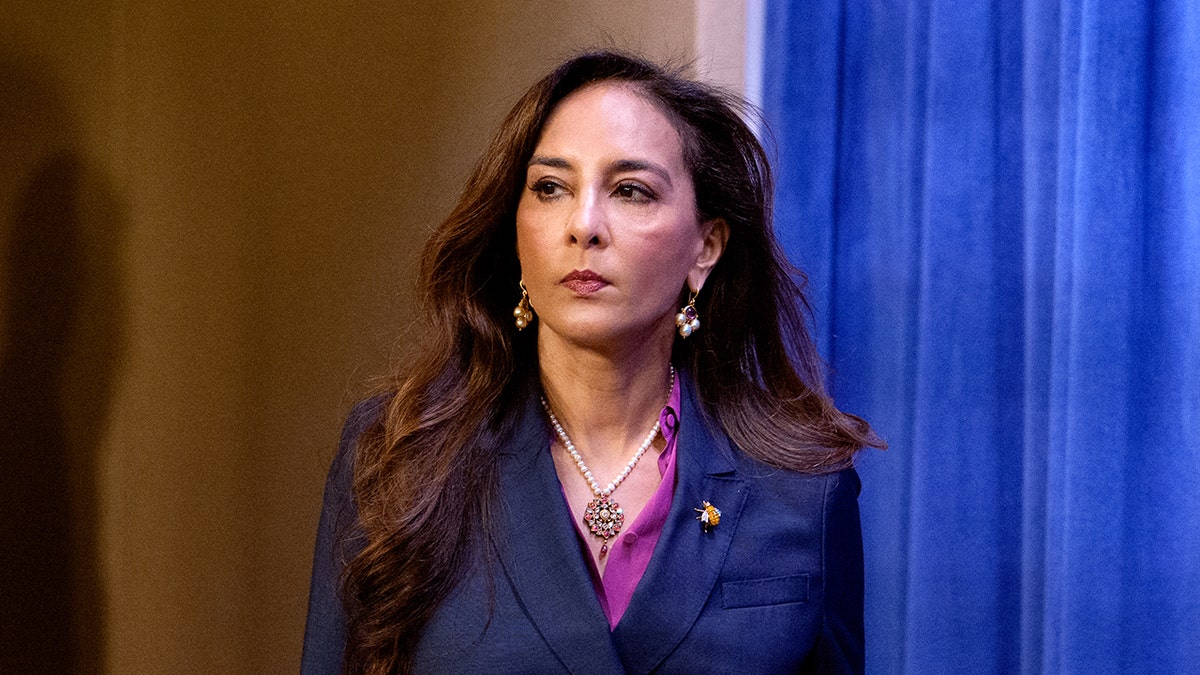
Assistant Attorney General for Civil Rights Harmeet Dhillon arrives for a news conference at the Justice Department on September 29, 2025, in Washington, DC. (Andrew Harnik/Getty Images)
Duke Law states that it values «students with a wide range of experiences, backgrounds, and interests that may not be directly related to their legal ambitions,» encouraging applicants to «highlight different elements» of who they are.
«Using ‘diversity’ essay questions to identify preferred races for admission is still illegal discrimination based on race, and this Department is committed to eliminating it everywhere we find it, including in our nation’s law schools,» Dhillon said in a statement.
After SFFA, Duke Law admissions continued to release reports highlighting the school’s diversity and its efforts to achieve «race-neutral» admissions standards. In a May 2024 annual review, the associate dean of admissions highlighted the diversity of the incoming fall 2023 class, including the number of Latino, Black and Asian or Asian American students.
In the school’s 2025 Annual Review Memorandum, the admissions dean suggested that the law school can gauge the diversity of its student body by observing students on campus rather than compiling formal statistics.
SIGN UP TO GET THE POLITICS NEWSLETTER
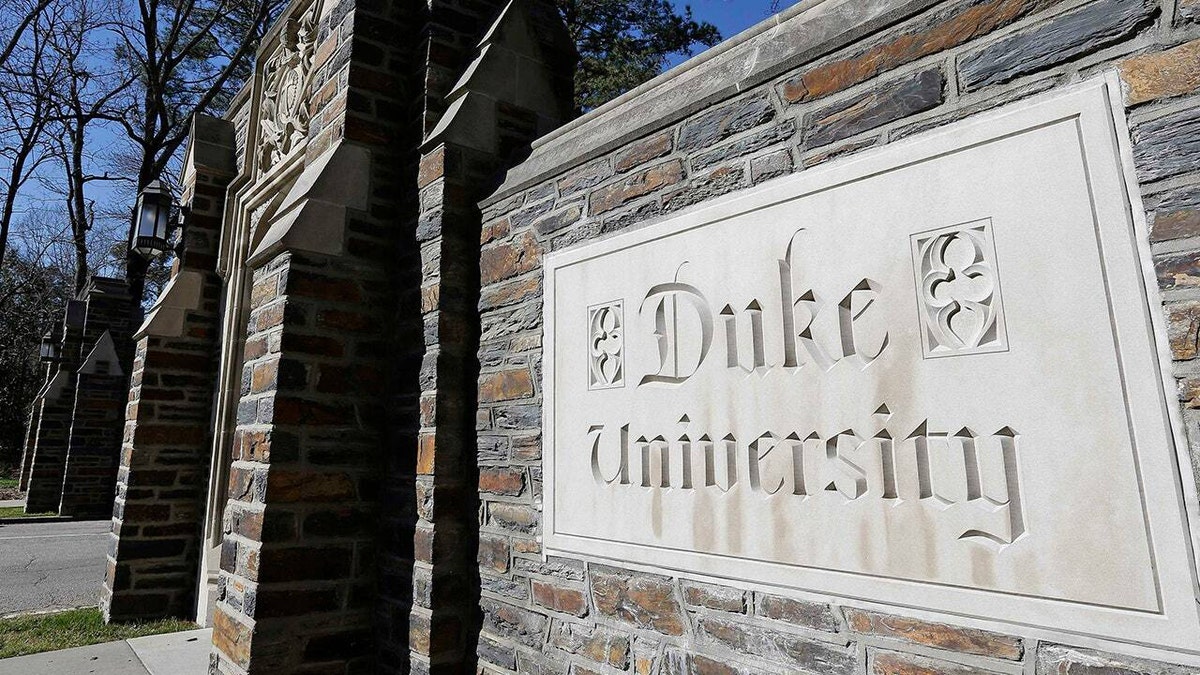
FILE – This Jan. 28, 2019 file photo shows the entrance to the main Duke University campus in Durham, N.C. (AP Photo/Gerry Broome, File)
A Duke University spokesperson told Fox News Digital that the university is aware of the Justice Department’s allegations.
«The Department of Justice’s Civil Rights Division issued a letter of findings related to Duke Law’s admissions practices. We are reviewing the letter and its conclusions carefully. Duke is committed to complying with the law and will continue to do so in a manner that is consistent with our academic mission,» a Duke University spokesperson said.
Fox News Digital reached out to the Justice Department for additional comment.
justice department, controversies education, federal courts, politics, education, law
INTERNACIONAL
Abrir una cuenta en redes sociales antes de los 14 años podría afectar el rendimiento escolar, según un estudio

En el norte de Italia, un reciente estudio puso la lupa sobre el impacto de las redes sociales en el rendimiento escolar de los adolescentes. Según la investigación, publicada en Nature Human Behaviour, abrir una cuenta personal antes de los 14 años —edad mínima legal en el país europeo para el acceso autónomo a estas plataformas— se asoció con un descenso en el desempeño académico, en comparación con quienes esperan hasta cumplir esa edad.
El trabajo, encabezado por los profesores y sociólogos Marco Gui y Giovanni Abbiati de la Universidad de Milano-Bicocca y la Universidad de Brescia, y con la participación del Centro Studi Socialis, analizó de forma longitudinal a 5.227 estudiantes nacidos en 2007 y 2008, que cursaron sus estudios en las provincias de Brescia, Cremona, Mantua, Milán y Monza e Brianza, en la región de Lombardía, durante el ciclo 2023-2024.
El análisis detectó que abrir una cuenta entre los 11 y 13 años reduce los resultados en lengua y matemáticas, con una pérdida equivalente a medio año escolar.
El estudio siguió la evolución escolar de estos jóvenes desde segundo hasta el décimo grado, un período que abarca edades entre 7 y 16 años.

Los investigadores crearon una base de datos que integró encuestas retrospectivas sobre los hábitos digitales de los participantes y los resultados de las pruebas estandarizadas INVALSI en lengua italiana, matemáticas e inglés.
Uno de los puntos de partida del análisis fue dividir a los alumnos según el momento en que abrieron su primera cuenta personal en redes sociales. De esa manera, quedaron definidos dos grandes grupos: quienes lo hicieron en sexto, séptimo u octavo grado —los llamados usuarios tempranos— y quienes esperaron hasta el noveno grado o más, coincidiendo con la edad mínima legal para el acceso autónomo en Italia, fijada en 14 años.
El diseño de la investigación excluyó a aquellos que abrieron su primera cuenta en primaria, por no contar con una base suficiente para el análisis longitudinal, así como a quienes declararon haberse iniciado en redes sociales antes de tener un celular propio, dado que el objetivo era medir el efecto combinado de la tenencia personal de teléfono y la entrada en plataformas digitales.

La realidad tecnológica de los adolescentes italianos quedó reflejada en los datos: el 98% de los estudiantes disponía de un celular al finalizar la secundaria básica, y casi la mitad —el 47%— recibió su primer teléfono con internet en sexto grado.
El acceso a las redes sociales también llegó temprano: el 11,2% abrió un perfil en primaria, el 29,5% en sexto grado, el 25% en séptimo y el 18% en octavo. Solo el 16,3% esperó hasta noveno, pese a que la legislación establece esa edad como el umbral legal.
Los resultados mostraron que quienes abrieron su primera cuenta personal antes de los 14 años perdieron el equivalente a medio año escolar en comprensión de las materias lengua (italiana) y matemáticas.
En cifras, el equipo documentó que quienes abrieron una cuenta en sexto grado presentaron una diferencia de hasta 0,27 desviaciones estándar menos en matemáticas y 0,22 menos en lengua en comparación con quienes esperaron hasta noveno grado o más.
Ya en octavo grado, los estudiantes que accedieron a redes sociales en sexto grado mostraban una caída de -0,18 en matemáticas y -0,22 en italiano. Aquellos que iniciaron en séptimo también evidenciaron un descenso, aunque menor: -0,10 y -0,14, respectivamente.

Para quienes abrieron su primera cuenta en octavo, el impacto negativo resultó más débil y menos consistente. En décimo, sin importar el momento de apertura, persistió una diferencia de -0,11 en ambos campos para este grupo.
El patrón, según los autores, fue acumulativo: cuanto antes se iniciaba el acceso, mayor era la pérdida posterior en rendimiento escolar.
En ese sentido, Giovanni Abbiati indicó que “la pérdida inducida por abrir una cuenta en redes sociales en sexto grado representa alrededor del 30% de la mayor brecha social educativa observada en Italia”.
El trabajo también abordó los mecanismos detrás de este fenómeno. El uso más intrusivo del celular en momentos clave —antes de dormir, al despertar y durante las tareas escolares— apareció como un factor central.
Para medirlo, se utilizó una escala validada de “pervasividad del smartphone”, es decir el uso continuo, masivo y dominante en todos los aspectos de la vida diaria, y no el tiempo de pantalla autodeclarado, considerado poco fiable.

Un aumento de una desviación estándar en esa escala se asoció con una caída de 0,14 en matemáticas y de 0,11 en lengua italiana en décimo grado. Este indicador explicó entre el 33% y el 47% del efecto en matemáticas y entre el 15% y el 34% en italiano, lo que equivale a un tercio del impacto negativo total. Es decir, una parte importante del descenso en el rendimiento escolar se debe a lo invasivo que resulta el teléfono en los momentos clave del día.
El estudio también examinó otras variables escolares. Los alumnos que abrieron cuentas en sexto o séptimo grado mostraron mayor probabilidad de repetir curso en la secundaria superior, y los tres grupos de usuarios tempranos eran menos propensos a lograr una nota final excelente al cierre de la secundaria inferior, definida como 8/10 o más. Además, manifestaron menor autoeficacia académica, aunque la elección del tipo de escuela secundaria superior pareció apenas influida por el inicio temprano en redes sociales.

“Nuestros hallazgos apoyan la idea de que el retraso en el acceso puede ser beneficioso. La exposición temprana y acumulada a redes sociales a través del smartphone impacta de manera mensurable y persistente en el aprendizaje”, señalaron los autores.
Por otro lado, el estudio no encontró una relación clara entre el bienestar emocional de los chicos y su rendimiento escolar, y el control de los padres tuvo un efecto muy limitado como protección. Tampoco se observó un impacto negativo en el aprendizaje de inglés: los investigadores lo asociaron a que los chicos están expuestos al idioma cuando usan redes sociales. Además, en pruebas de lectura y comprensión oral, no hubo diferencias importantes entre quienes empezaron a usar redes sociales antes y quienes lo hicieron después.
A diferencia de la mayoría de estudios previos —que se enfocan en la cantidad de uso o en el impacto sobre el bienestar psicológico—, esta investigación aporta evidencia causal sobre los efectos del momento de inicio en el uso de redes sociales. Según los autores, “los efectos hallados, cercanos a media desviación estándar, superan a los de estudios anteriores sobre posesión temprana de celulares”.

Los responsables del trabajo advierten que los resultados deben interpretarse en el contexto social, educativo y tecnológico específico del norte de Italia y Europa occidental, en años dominados por plataformas como TikTok e Instagram y por un acceso casi completamente mediado por celulares.
El estudio comparó grupos de estudiantes con métodos que ayudan a reducir las diferencias entre ellos. Se tuvieron en cuenta factores como el nivel educativo de las familias y si los estudiantes vivían con ambos padres, porque quienes empezaron antes a usar las redes venían, en general, de hogares con menos estudios y menos familias con ambos padres presentes. Además, estos estudiantes ya tenían calificaciones más bajas antes de participar.
Entre las limitaciones del análisis —indican los autores— se encuentran la imposibilidad de controlar todos los sesgos propios de un enfoque no experimental, la falta de datos sobre abandono escolar y la exclusión de jóvenes fuera del sistema educativo, quienes podrían experimentar efectos más acentuados.
El análisis concluye que retrasar la apertura de cuentas en redes sociales hasta los 14 años podría proteger el rendimiento académico, al reducir la exposición acumulativa en edades particularmente sensibles.
Las políticas italianas y europeas establecen esa edad mínima, aunque el cumplimiento es escaso. Los autores subrayan la necesidad de fortalecer la alfabetización digital para padres y estudiantes, junto con programas escolares que promuevan decisiones informadas sobre el uso de redes sociales y dispositivos.
Por último, el equipo investigador plantea que futuras investigaciones deberán explorar si este patrón se repite en otros países y en diferentes dimensiones sociales o emocionales, así como analizar el efecto de modalidades específicas de uso digital sobre el desarrollo estudiantil.
estudiante,redes sociales,distracción,aula,teléfono móvil,educación

Cómo pagar la mitad e incluso viajar gratis en colectivos y subtes todos los días

US intel warns Russia could launch limited attack on NATO ally in effort to fragment organization: report

Uno por uno: cómo votaron los senadores la ley de Propiedad Privada

Bandas criminales se enfrentaron entre sí y con la Policía en San Martín: un menor detenido y varias armas secuestradas

Con Di María, Rosario Central recibe a Aldosivi en el inicio de la fecha 4 del Torneo Clausura

En la carrera para lograr la reelección, Rogelio Frigerio se prepara para eliminar las PASO en Entre Ríos

Dólar hoy en vivo: a cuánto se negocian todas las cotizaciones minuto a minuto este miércoles 5 de agosto

La oposición cuestionó a Benegas Lynch por su empresa para vender campos a extranjeros y el senador libertario se defendió

Brasil retira a su embajador en la Argentina: qué consecuencias tiene la medida diplomática

Las centrales obreras y los movimientos sociales anunciaron dos días de conflicto callejero
-
 ECONOMIA2 días ago
Dólar hoy en vivo: a cuánto se negocian todas las cotizaciones minuto a minuto este miércoles 5 de agosto
-
 POLITICA1 día ago
La oposición cuestionó a Benegas Lynch por su empresa para vender campos a extranjeros y el senador libertario se defendió
-
 POLITICA2 días ago
Brasil retira a su embajador en la Argentina: qué consecuencias tiene la medida diplomática