INTERNACIONAL
The battle for Congress is just the beginning. Here’s what’s at stake on Election Day

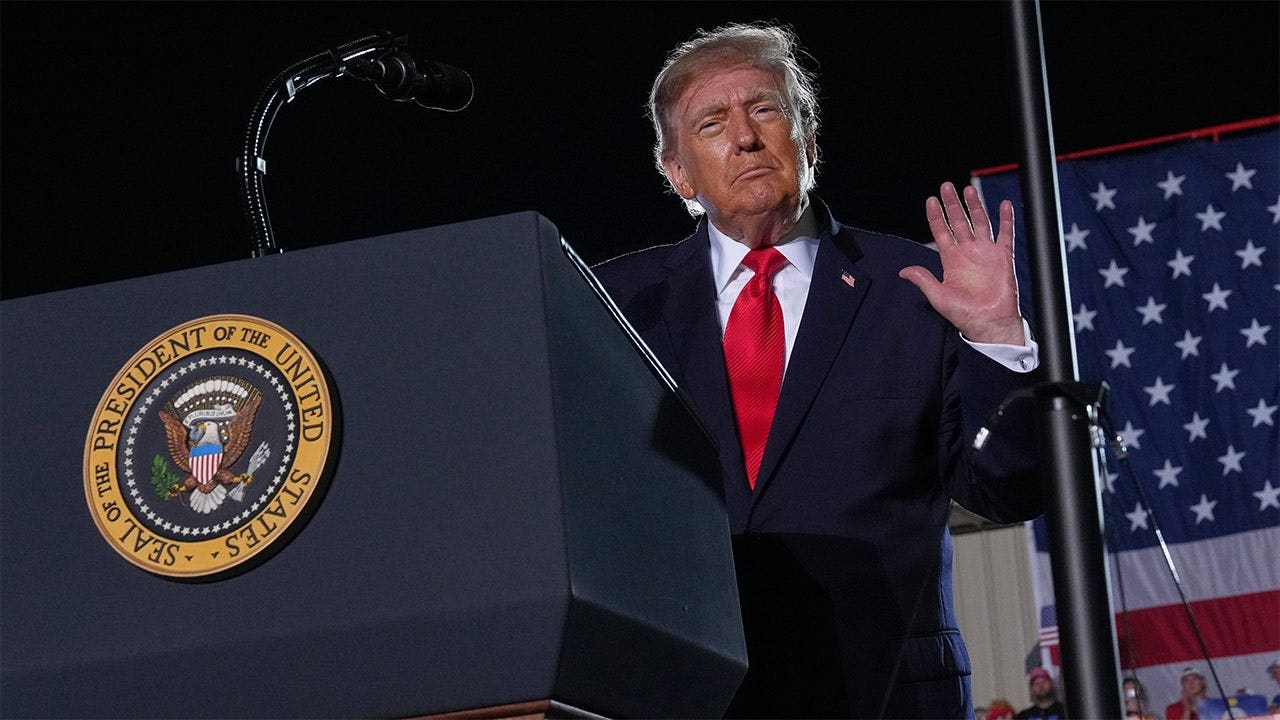
It’s Election Day in America, with voters heading to the polls to determine control of the U.S. House and Senate for the next two years.
Republicans are defending their slim congressional majorities, but President Donald Trump predicts the GOP will hold the House and Senate for the final two years of his presidency.
«We’re going to win and let’s make the next two years bigger and better and stronger than ever before,» Trump told supporters Sunday night at a rally in Kansas.
But Republicans are fighting political history, as the party in power in Washington has traditionally lost seats during midterm election years. The GOP also faces a challenging political climate fueled by persistent inflation tied in part to what polls show is an unpopular war with Iran and Trump’s increasingly negative approval ratings.
DEMOCRACY 2026: STAY UP TO DATE WITH THE ELECTION HUB
The GOP is also facing a potential turnout deficit, with public opinion polls indicating Democrats are more energized than Republicans to cast ballots in the midterms.
Early voting in the midterms has shattered previous records, with more than 54 million people already casting ballots, according to the Associated Press. That’s nearly nine million more ballots cast in early voting than in 2022, the previous midterm elections.
With early voting traditionally favoring Democrats, Republican National Committee Chair Joe Gruters, pointing to Election Day turnout, recently told Digital, «If our voters turn out, we win.»
SIGN UP TO GET THE POLITICS NEWSLETTER
The political climate has the GOP playing plenty of defense on the campaign trail, as the president tries to energize the GOP base.
Trump’s event in red-leaning Kansas, which he touted as his 30th rally over the past month, came hours after the Power Rankings shifted the state’s Senate race from Lean Republican to Toss-up. Democratic pastor Adam Hamilton, who is challenging GOP Sen. Roger Marshall, is aiming to become the first Democrat in nearly a century to win a Senate election in Kansas.
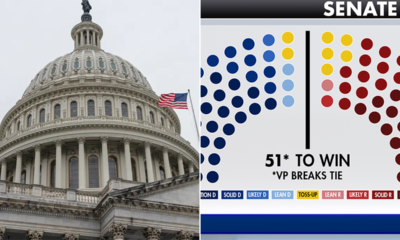
The Power Rankings, as well as many of the leading nonpartisan political handicappers, point to Democrats retaking control of the House, with the majority in the Senate a toss-up heading into Election Day.
«Think of what is possible tomorrow: Democrats can flip the House, take back the Senate, and stop Trump’s harmful agenda,» Democratic National Committee Chair Ken Martin spotlighted, in an Election Eve social media post.
Also up for grabs in this year’s elections — governorships in 36 of the 50 states. Plus, all but four states are holding legislative elections. And voters will also weigh in on 145 statewide ballot measures in states from coast to coast.
The big question with Election Day upon us — have the public opinion polls that point to a potential blue wave undercounted Republican voters?
LEAVITT SAYS TRUMP DEFYING MIDTERM HEADWINDS AS HE BARNSTORMS COUNTRY
We’ll find out in the coming hours.
Until then, here’s a closer look at what’s up for grabs on Election Day 2026.
Republicans currently control the chamber 53-47, which means Democrats need a net gain of four seats to win back the majority. The GOP needs to hold at least 50 seats to retain control of the chamber, since Republican Vice President JD Vance is the tie-breaking vote in the Senate.
Besides Kansas, Republicans are also playing defense in Alaska, Iowa, Maine, Nebraska, Ohio, South Carolina and Texas, which are all rated toss-ups in the Power Rankings. They’re also defending seats in competitive races in Kansas, which is rated Lean Republican, and Ohio, which is rated Lean Democrat.
Democrats are on defense in Michigan, Minnesota and New Hampshire.
The GOP is hanging on to a razor-thin majority in the House, with Democrats needing a net gain of just three seats to reach 218, which would hand them the majority.
A good night for the Democrats could see them ending up with as many as 240 seats in the 435-seat chamber, according to the Power Rankings. But if Republicans have a good night, they could end up with 212 seats. That’s six short of a majority, but enough to make life difficult for the next Democratic House speaker, who would have to balance the demands of the moderate and far-left wings of the party.
The earliest-closing districts on election night will give some sense of the House’s future.
«Keep an eye on Kentucky’s 6th District, which covers Lexington and a large central area of the state. Trump won here by 15 points in the last presidential election. Thanks to a combination of left-leaning college voters and farmers grappling with higher costs, it looks close this cycle,» Remy Numa, a contributor who steers the network’s Power Rankings, said.
There are currently 26 Republican and 24 Democratic governors.
The Power Rankings list three states where the GOP controls the governor’s office – Alaska, Nevada and Georgia – as toss-ups. Wisconsin, which has an open Democratic-controlled governor’s office, is also rated a toss-up.
The gubernatorial races in red states Florida, Kansas and Texas are rated Lean Republican, according to the Power Rankings. Meanwhile, the showdowns in Arizona, Iowa, Michigan, Ohio and Oregon are rated Lean Democrat.
Referendums requiring voters to present identification when they show up at the polls, or bans on noncitizen voting, are on the ballot in 11 states: Alaska, Arizona, Arkansas, California, Colorado, Kansas, Nevada, North Carolina, Ohio, South Dakota and West Virginia.
Voters in Alaska will also decide if they want to repeal the state’s ranked choice voting system, open primaries and a campaign finance disclosure rule. Voters approved the current system in 2020 and narrowly kept it in 2024.
But the voting system has come under fresh scrutiny amid the controversy over a potential spoiler candidate in Alaska’s U.S. Senate race.
Voters in Virginia will decide whether the right to vote should be restored to convicted felons upon their release.
California’s Proposition 40 is making national headlines.
The measure, the first of its kind, would slap a one-time 5% tax on wealth for Californians worth over $1 billion, with the vast majority of the revenue generated going to pay for healthcare.
Also in the spotlight is a millionaires’ tax in Washington state. If passed, the referendum would repeal a 9.9% tax on income over $1 million a year, which state lawmakers recently approved. Washington state currently does not have a personal income tax.
Voters in Maryland, Missouri and Colorado weigh in on ballot measures on congressional redistricting, as the mid-decade redistricting fight between Democrats and Republicans will be waged again in 2028.
Arizona, Colorado, Nebraska and Washington state have referendums on transgender students’ participation in sports. Colorado also has a referendum on blocking gender transition surgeries for minors and preventing state or federal funding from being used for those operations.
Voters in Missouri weigh in on repealing a right to abortion and banning gender transition medical care for children. Meanwhile, an Idaho initiative would overturn one of the nation’s strictest abortion bans, while Virginia and Nevada voters decide on establishing a right to abortion in their state constitutions.
California, Colorado and Arizona hold ballot measures on policy around energy, transportation and development.
The first poll closings come at 6 p.m. ET, with the final poll closings happening at 1 a.m. ET.
6 p.m. ET: Polls close in parts of Kentucky and Indiana.
7 p.m. ET: Polls close in Georgia, South Carolina, Vermont and Virginia. The final polls in Kentucky and Indiana close. And most polls in Florida and New Hampshire close.
7:30 p.m. ET: Polls close in North Carolina, Ohio and West Virginia.
8 p.m. ET: Polls close in Alabama, Connecticut, Delaware, Illinois, Maine, Maryland, Massachusetts, Mississippi, Missouri, New Jersey, Oklahoma, Pennsylvania, Rhode Island, Tennessee and Washington, D.C. The remaining polls in Florida and New Hampshire close. Most polls close in Texas, Michigan, Kansas, North Dakota and South Dakota.
8:30 p.m. ET: Polls close in Arkansas.
9 p.m. ET: Polls close in Arizona, Colorado, Iowa, Louisiana, Minnesota, Nebraska, New Mexico, New York, Wisconsin and Wyoming. The final polls close in Texas, Michigan, Kansas, North Dakota and South Dakota.
10 p.m. ET: Polls close in Montana and Utah. Most polls also close in Idaho and Oregon.
11 p.m. ET: Polls close in California and Washington state, with the remaining polls in Idaho and Oregon also closing.
Midnight ET: Polls in all of Hawaii and most of Alaska close, with the remaining polls in Alaska closing at 1 a.m. ET.
politics, midterm elections, elections, voting, polls, republicans elections, donald trump









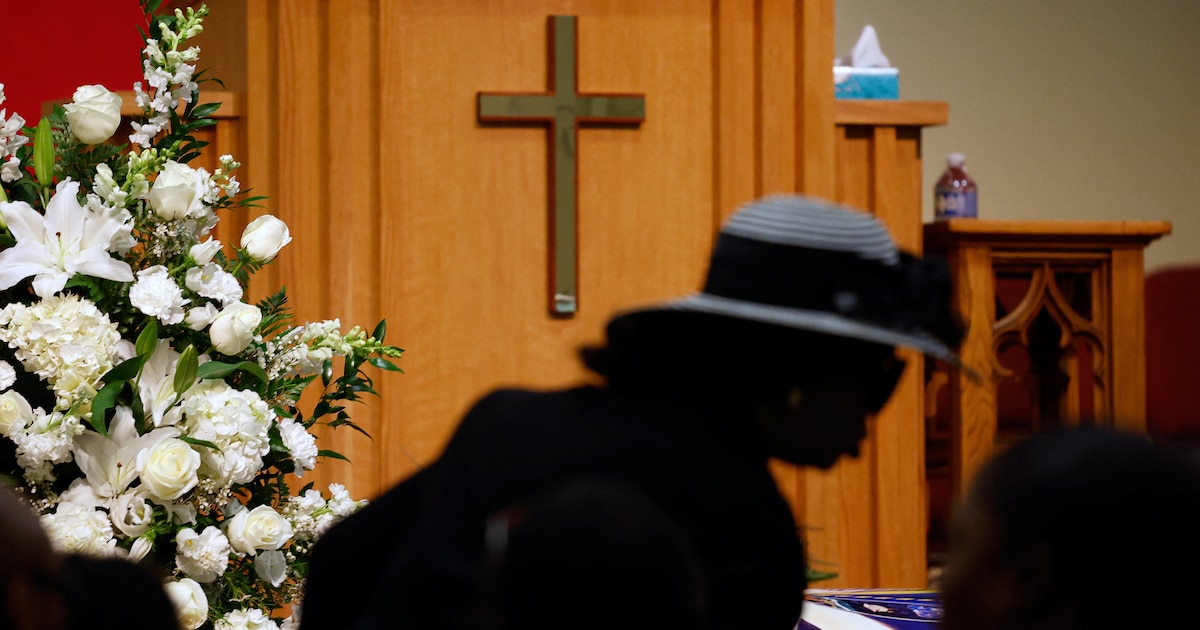
La muerte de un familiar puede convertir en experiencia personal aquello que, hasta entonces, parecía una certeza distante. El dolor, los recuerdos y las preguntas por lo que se hizo o se dejó de hacer forman parte de un proceso de duelo que cada persona transita de forma diferente.
“No es lo mismo verlo de lejos que tenerlo cerca”, afirmó la terapeuta familiar Yuli de Sosa al describir el impacto que puede provocar la muerte de un ser querido. La especialista hizo la reflexión durante el programa de entrevistas Diálogo 21, emitido el 2 de noviembre en el marco del Día de los Fieles Difuntos.
Para Sosa, comprender de forma racional que la muerte es parte de la vida no elimina las reacciones emocionales que genera una despedida. Explicó que frases frecuentes, como que la persona fallecida está en un lugar mejor o que el tiempo aliviará el dolor, pueden resultar insuficientes para alguien que atraviesa una pérdida.
La terapeuta relató que la muerte de su padre le permitió entender la diferencia entre conocer esa realidad y vivirla. Según señaló, el luto supone permitir un diálogo interno entre las emociones y la razón para asimilar que el familiar ya no está físicamente, aunque permanece en la memoria, los aprendizajes y los vínculos de quienes lo conocieron.
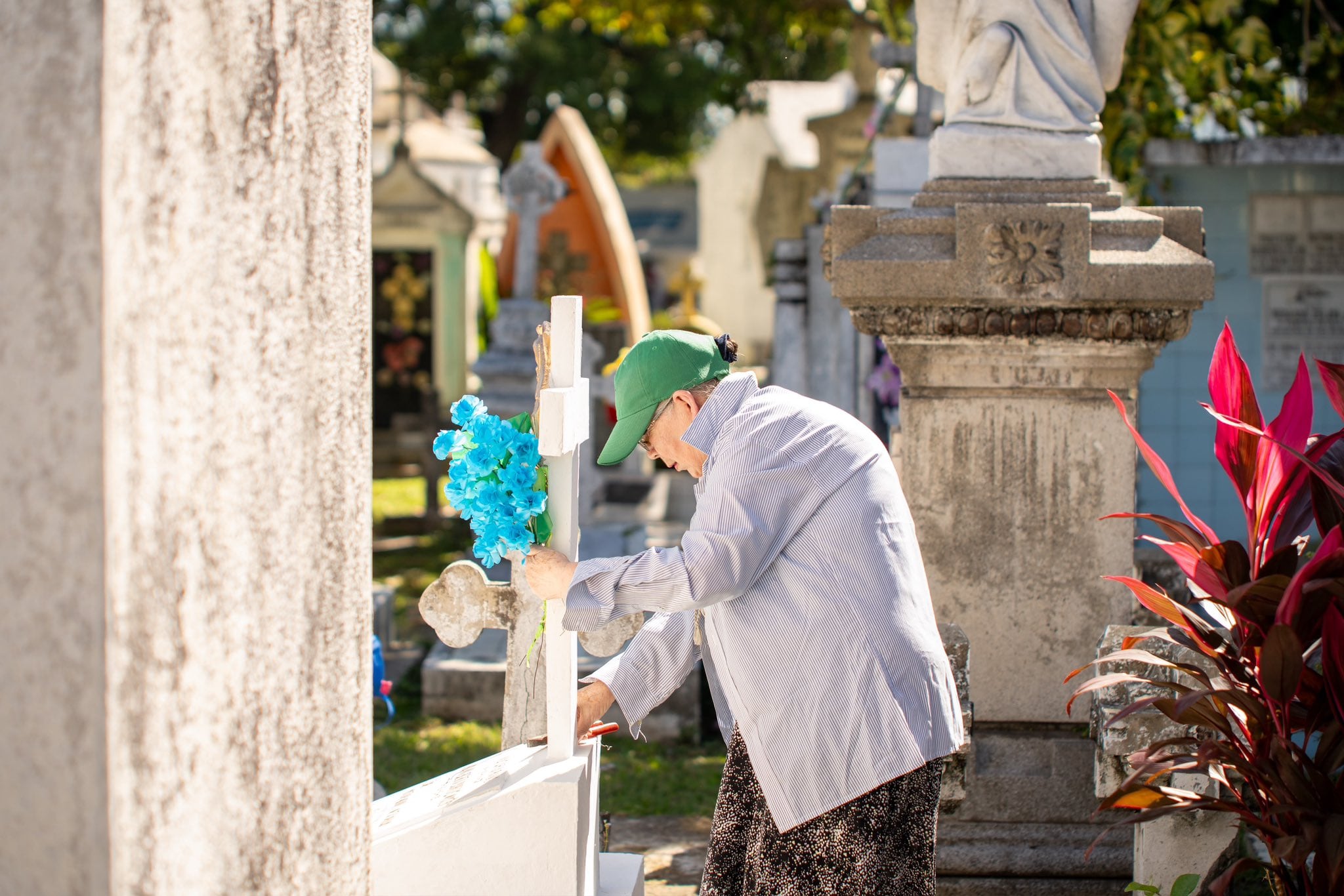
La tristeza no responde a una fecha determinada
El duelo no sigue un mismo ritmo para todas las personas. Sosa sostuvo que cada pérdida tiene una vivencia particular y que la presión social puede dificultar la expresión de la tristeza. En ese contexto, se refirió al duelo no resuelto, que puede aparecer cuando una persona intenta mostrar hacia afuera que ya superó la muerte, aunque por dentro conserva un dolor que no ha podido procesar.
“Hay que dejar vivir la emoción de la tristeza, no suprimirla”, expresó. Para la especialista, recordar no equivale a olvidar a quien murió, sino a integrar los momentos compartidos, los consejos y el legado que dejó dentro de una familia.
El sacerdote y comunicador Edwin Baños, quien también participó de la entrevista matutina, señaló que las experiencias previas pueden influir en la manera en que cada persona enfrenta una muerte. Indicó que, para algunos, los funerales, los cementerios o el contacto con una persona fallecida se viven como parte natural del final de la vida, mientras que para otros esas escenas quedan asociadas a imágenes difíciles de procesar.
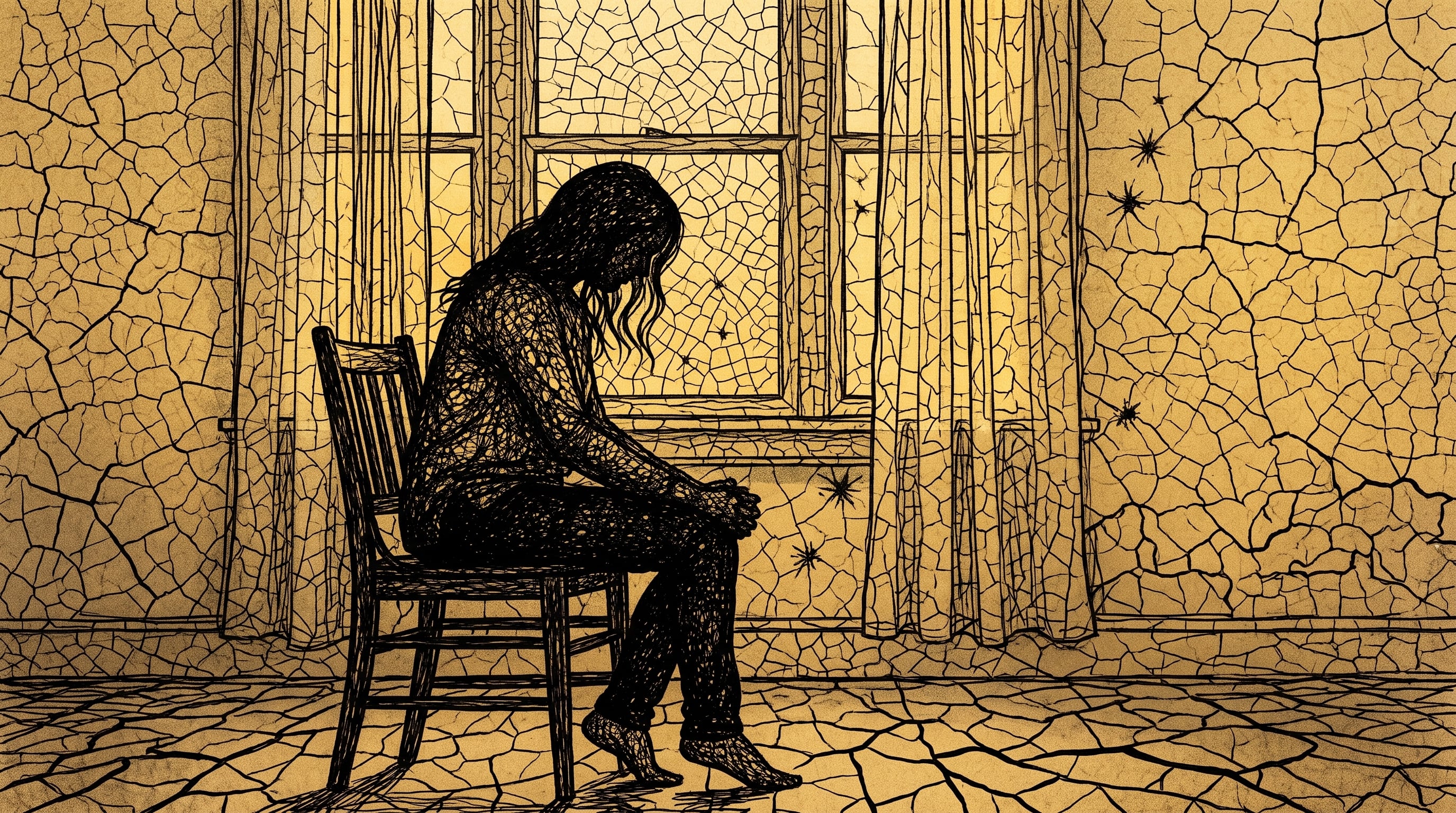
La culpa puede extender el dolor durante años
La culpa fue otro de los aspectos abordados durante la conversación. Baños indicó que ese sentimiento puede aparecer incluso en personas que acompañaron a un familiar enfermo o anciano de forma constante. “Siempre pudiste hacer más”, resumió al describir una percepción frecuente después de una muerte.
Ese cuestionamiento puede intensificarse cuando hubo distancia familiar, llamadas que no se hicieron, visitas postergadas o conflictos pendientes. Baños planteó que la sensación de no haber estado presente puede prolongarse en el tiempo y reaparecer en fechas significativas o visitas al cementerio.
Sosa mencionó que la culpa puede tener una dimensión más intensa ante una muerte por suicidio. En esos casos, madres, padres, parejas o hijos suelen preguntarse si pudieron advertir señales previas o intervenir de otra manera. “¿Cómo no lo vi?, ¿cómo no me enteré?”, son algunas de las preguntas que, según explicó, quedan presentes entre quienes sobreviven a esa pérdida.
Baños añadió que el duelo también puede quedar atravesado por resentimientos hacia una persona que murió. Diferenció entre conservar un recuerdo afectuoso y mantener heridas vinculadas con conflictos familiares o daños del pasado. En ese punto, consideró que el perdón puede entenderse como una forma de liberarse de sentimientos que afectan a quien permanece con vida.
El legado permanece entre los recuerdos y los vínculos
Ambos coincidieron en que la ausencia no borra la influencia de una persona dentro de una familia. Sosa explicó que padres, madres, abuelos y otros referentes continúan presentes a través de valores, consejos y formas de relacionarse que pasan de una generación a otra.
“En nuestras manos está dejar cicatrices o huellas”, sostuvo la terapeuta. La frase condensó una idea que atravesó la entrevista: la memoria de quienes ya no están puede conservar afectos, enseñanzas y también conflictos que no llegaron a resolverse.
Immigration,Asylum / Immigration / Refugees,North America
INTERNACIONAL
Estados Unidos vota en las elecciones legislativas con un fuerte operativo de vigilancia y una alta participación anticipada
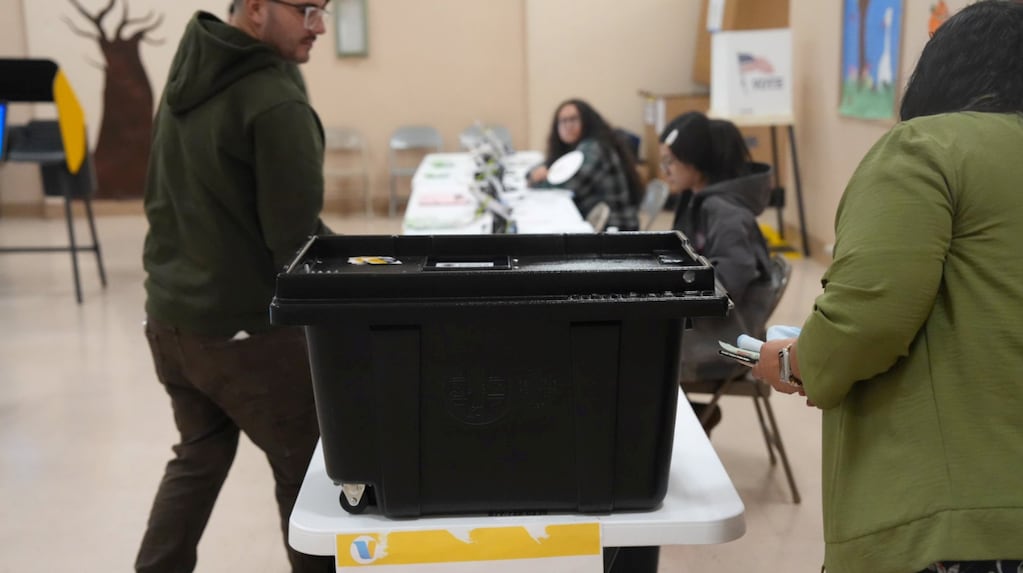
Estados Unidos celebra este martes las elecciones legislativas de mitad de mandato, en las que se definirá si el Partido Republicano del presidente Donald Trump mantiene el control del Congreso. La jornada está marcada por un amplio despliegue de observadores electorales, una elevada participación en el voto anticipado y una serie de disputas judiciales por los intentos de la Casa Blanca de intervenir en la organización de los comicios.
Millones de estadounidenses ya acudieron a las urnas y la participación anticipada va camino de superar la registrada en las anteriores elecciones de mitad de mandato. A pesar de las reiteradas denuncias de fraude de Trump, el proceso se desarrolló hasta ahora con relativamente pocos inconvenientes, según informó la agencia Associated Press.
El Departamento de Justicia preparó su mayor operativo de supervisión de centros de votación hasta la fecha, mientras que organizaciones vinculadas al Partido Demócrata y grupos defensores del derecho al voto organizaron un despliegue todavía mayor de observadores.
La elección se desarrolla en un contexto de incertidumbre política, después de que Trump condicionara su reconocimiento de los resultados a que los comicios fueran, según sus propias palabras, honestos.
La vigilancia electoral y las disputas judiciales que marcaron la previa de las elecciones
Durante los últimos meses, el gobierno de Trump impulsó distintas iniciativas para ampliar el control federal sobre las elecciones, cuya administración corresponde principalmente a los estados.
Los departamentos de Justicia y Seguridad Nacional participaron en una investigación a gran escala para identificar posibles votantes sin ciudadanía estadounidense. Una de las operaciones, realizada antes del amanecer en California, terminó con más de dos docenas de arrestos.
Sin embargo, los registros del propio gobierno y las investigaciones estatales muestran que los casos de personas sin ciudadanía que votan son extremadamente infrecuentes.
En paralelo, las reiteradas denuncias de fraude del presidente llevaron a funcionarios electorales y organizaciones demócratas a prepararse ante la posibilidad de que agentes de inmigración se presentaran en los centros de votación o de que las autoridades federales intentaran incautar máquinas electorales.
La administración republicana aseguró que no habría agentes federales armados custodiando las urnas durante la jornada. Hasta el lunes, las medidas que más preocupaban a los demócratas no se habían concretado.
La tensión también se trasladó a los tribunales. El lunes por la noche, la Corte Suprema de Estados Unidos rechazó un pedido del gobierno para obligar a California a separar miles de boletas, en el marco de sus investigaciones sobre presuntos votantes no habilitados.
El fallo se sumó a otra derrota judicial de Trump, ocurrida menos de dos meses antes, cuando el máximo tribunal frenó una iniciativa para modificar las condiciones del voto por correo mediante cambios en el Servicio Postal.
Además, el Departamento de Justicia había presentado una demanda para bloquear la certificación de los resultados en Alaska si la elección al Senado favorecía a los demócratas.
Especialistas en derecho electoral advirtieron que las iniciativas del presidente exceden las prácticas habituales de intervención federal en los comicios, aunque consideraron poco probable que sus argumentos prosperaran ante los tribunales.
Una semana antes de la votación, Trump volvió a poner en duda la legitimidad del proceso. Cuando un periodista le preguntó si aceptaría los resultados, respondió: “Lo haré si son honestos”.
La alta participación anticipada y los problemas que podrían afectar la votación
Los primeros centros de votación tenían previsto abrir a las 6 de la mañana, hora local, en distintos estados, entre ellos Connecticut, Indiana, Kentucky, Luisiana, Maine, Missouri, Nueva Jersey, Nueva York y Virginia.
La elevada concurrencia anticipada aparece como uno de los datos centrales de estas elecciones. Millones de ciudadanos ya emitieron su voto antes de la jornada principal, una tendencia que podría superar los niveles registrados en los anteriores comicios legislativos de mitad de mandato.
Sin embargo, las autoridades electorales también enfrentan dificultades logísticas que podrían afectar el desarrollo de la votación y el posterior escrutinio.
Las fuertes lluvias y las inundaciones repentinas registradas durante el fin de semana amenazaban con dificultar el acceso a los centros electorales en algunas zonas de Colorado, Arizona y Nuevo México.
Aunque la mayoría de los establecimientos mantuvieron sus ubicaciones, los funcionarios evaluaban posibles modificaciones según la evolución de las condiciones meteorológicas.
Otro motivo de preocupación es el voto por correo, debido a cambios recientes en las operaciones del Servicio Postal estadounidense que podrían provocar demoras en el matasellado de las boletas.
Por ese motivo, los responsables electorales recomendaron que quienes todavía deban entregar sus votos utilicen los buzones habilitados o los lleven personalmente a los centros de votación.
Durante las primarias de este año, decenas de miles de electores de California, Oregon y Washington quedaron sin poder contabilizar sus sufragios porque las boletas llegaron fuera de término o tenían matasellos tardíos.
Trump
INTERNACIONAL
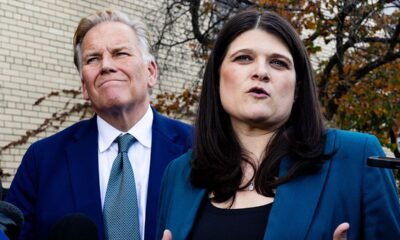
Mike Rogers dishes on how shock Haley Stevens endorsement unfolded hours before Election Day
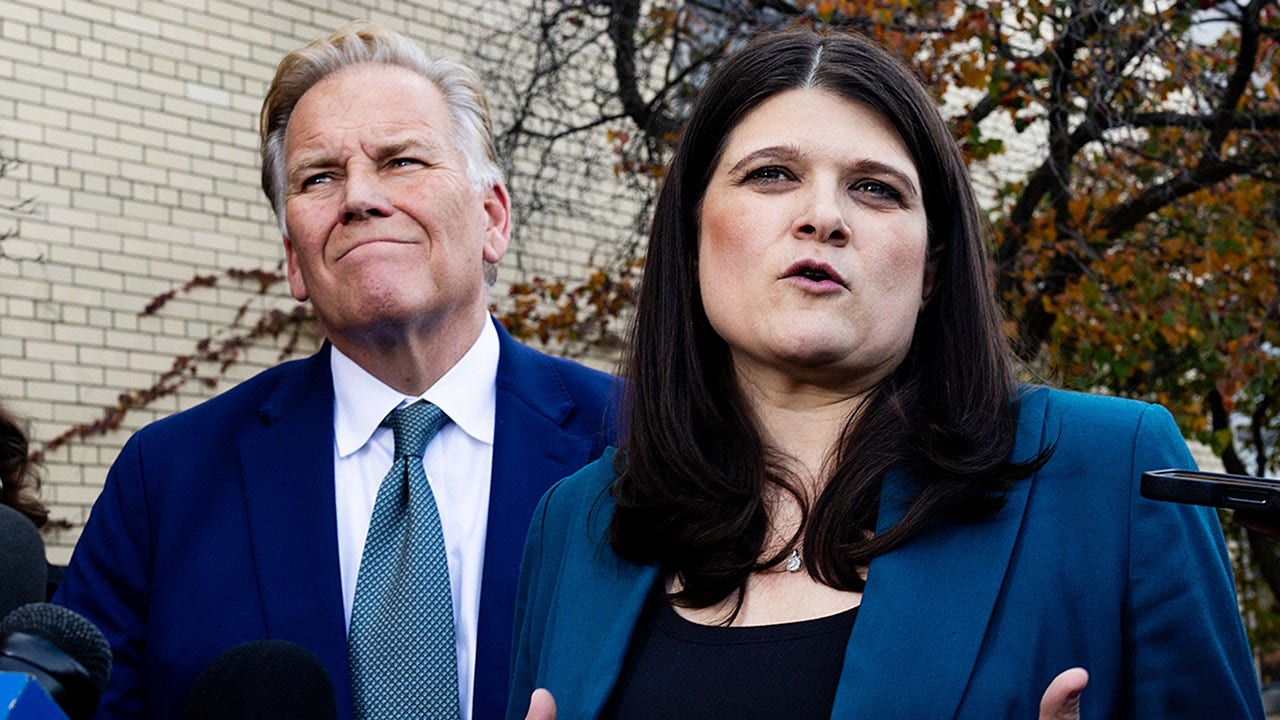
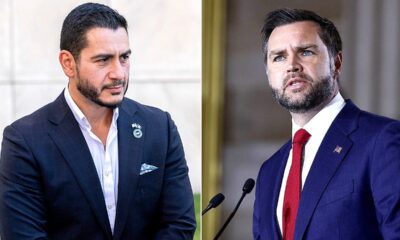
Michigan Republican U.S. Senate candidate Mike Rogers praised Democratic Rep. Haley Stevens for putting America ahead of her party Monday while accusing Democrats of viciously attacking the congresswoman after she stunned her party by endorsing him over Democratic candidate Abdul El-Sayed.
Rogers told Brian Kilmeade on the «Brian Kilmeade Show» that Stevens’ endorsement «flipped this thing upside down,» saying the congresswoman called him Sunday morning while he was on his way to church before ultimately deciding to publicly back his campaign following her bruising primary loss to El-Sayed.
«This is a congresswoman who just stood up and said, ‘America is more important than my party right now,’» Rogers said. «And we cannot elect somebody who is so anti-Jewish, who is divisive, who’s angry, who was mean about his politics. It’s just the wrong thing to do.»
EL SAYED’S LEFT-WING ALLIES ATTACK ‘EVIL’ STEVENS AFTER BOMBSHELL ROGERS ENDORSEMENT
Rogers’ comments came as reported Monday that Stevens’ endorsement triggered backlash from top Democrats, including Senate Minority Leader Chuck Schumer, D-N.Y., and former House Speaker Nancy Pelosi, D-Calif.
Schumer called the move a «despicable betrayal,» while Pelosi accused Stevens of «dangerously» betraying Michigan families by backing Rogers.
The endorsement marked a dramatic break for Stevens, who had stopped short of explicitly endorsing El-Sayed in the weeks after losing the Democratic primary but continued to publicly align herself with the party. During an October CNN interview, Stevens was repeatedly pressed on whether she supported El-Sayed and declined to explicitly say she endorsed him, instead stressing that she was «still on the team» and planned to support Democrats on the ballot.
The tensions between the former primary rivals had been building in the closing stretch of the race. Stevens pressed El-Sayed to condemn an outside group’s ad linking U.S. support for Israel to higher grocery prices, which she called antisemitic, before El-Sayed’s campaign asked her to stay away from its remaining campaign events. El-Sayed said his campaign did not produce the ad and that he disagreed with its contents.
MICHIGAN DEMOCRAT HALEY STEVENS BACKS EL-SAYED AFTER NARROW PRIMARY DEFEAT, CALLS SOCIALISM ‘DANGEROUS’
Meanwhile, days before she publicly endorsed Rogers, Stevens’ fiancé, Jason Turkish, had already broken with the Democratic nominee. Turkish, a Jewish Michigan attorney and registered Democrat, told reporters at a Rogers campaign event that he planned to vote for the Republican, arguing that El-Sayed’s rhetoric on Israel had made the Jewish community «less safe.» Turkish described his decision as «putting country before party.»
Still, even hours before the endorsement, Stevens appeared to be denying that she planned to back Rogers. Digital reported Monday that Rep. Debbie Dingell, D-Mich., said she spoke with Stevens around midnight Saturday and was told reports of an impending Rogers endorsement were a «rumor» and «not true.»
However, hours later, Stevens was standing alongside Rogers at a Detroit church service, where she ultimately announced she would cross party lines and endorse him over El-Sayed.
«We didn’t know what was going to happen. We were driving to the church yesterday morning when the call came in,» Rogers said. «I just invited her to come in. She decided between when she got in the car and she got to the church, she was going to not only withdraw the endorsement, but endorse me.»
DEMOCRATS WHO ‘NEVER VOTED REPUBLICAN’ BACK ROGERS OVER EL-SAYED IN RAZOR-CLOSE RACE
Rogers, who said the pair had a «great conversation» on the phone, also pushed back on suggestions that Stevens had received anything in exchange for the endorsement, saying his campaign had no advance knowledge that she planned to back him.
«Absolutely not. Matter of fact, we didn’t know what was going to happen,» Rogers said when asked whether he had offered Stevens anything. «She said, ‘I’ve not asked anyone to go with me, I’m just telling you what I’m doing.’»
Rogers then took aim at Democrats who have attacked Stevens since her announcement.
«They want to attack Haley Stevens for saying, ‘I’m a Democrat, I’m voting Democrat up and down the ticket, except for one race, Abdul El-Sayed. I am voting for Mike Rogers,’» Rogers said.
ROGERS ARGUES EL-SAYED IS VULNERABLE WITH 2 TRADITIONALLY DEMOCRATIC BLOCS AS OBAMA HEADS TO MICHIGAN
«Their whole plan now is to come out and attack her with viciousness,» he continued. «She’s the only one in the Democrat Party today that has enough common sense to know you elect somebody that hates a group of people this much, it’s gonna be a disaster for Democrats and America.»
During his appearance on Kilmeade’s radio show, Rogers was pressed on a New York Times/Siena poll released Sunday that showed El-Sayed leading him 53% to 42% among likely Michigan voters, a significantly wider margin than other surveys of the race.
Rogers rejected the findings, pointing to his campaign’s internal polling and modeling, which he said showed the race within one or two points.
«We have it as a one- or two-point race,» Rogers said. «Our polling, our modeling and polling shows this is tied or we’re up by two. So we think that’s closer to the truth.»
Rogers also argued that the poll underestimated his support among Black voters in Detroit, saying his campaign had made «great inroads» in the community.
SIGN UP TO GET THE POLITICS NEWSLETTER
His comments come after Stevens publicly questioned El-Sayed’s outreach to Black voters. During the October CNN interview, when she would not explicitly back El-Sayed, Stevens said she had urged El-Sayed and his campaign to deliver a speech to the Black community.
«But yeah, I mean, that didn’t happen,» Stevens said at the time. «That speech hasn’t happened.»
elections, democratic party, politics, abdul el sayed, chuck schumer, democrats senate, democrats elections, nancy pelosi

Dolorosa noticia en España: falleció el futbolista del Tenerife que había recibido un brutal golpe del arquero rival durante un partido

Cuánto cobrarán los cajeros de supermercado en noviembre 2026

El Gobierno oficializó a Juan Navarro como vicecanciller a más de un año de la salida de su antecesor

¿Cómo superar el duelo y la culpa?: “No es lo mismo verlo de lejos que vivirlo”

Cuándo es feriado nacional por la visita del papa León XIV a la Argentina y cuándo es solo en provincia de Buenos Aires

El extraño mensaje de Emanuel Ortega cuando le preguntaron si su separación de Julieta Prandi es definitiva

Qué pasó con el Refugio de Eli y por qué hizo enfurecer a Santi Maratea: «Fue un desastre, él nunca más le contestó y le prohibió…»

Darío Barassi reveló el nombre que había elegido en caso de tener un hijo varón: «Tiene personalidad»

El “efecto Lula” sigue pegando en Argentina: los bonos sintieron el impacto, pero el tipo de cambio aguantó

El secretario de Culto dijo que Milei recibirá al Papa en el aeropuerto y habló de una cadena nacional

 CHIMENTOS1 día ago
Qué pasó con el Refugio de Eli y por qué hizo enfurecer a Santi Maratea: «Fue un desastre, él nunca más le contestó y le prohibió…»
- ECONOMIA2 días ago
El “efecto Lula” sigue pegando en Argentina: los bonos sintieron el impacto, pero el tipo de cambio aguantó
- POLITICA2 días ago
Agustín Caulo: “El Gobierno sigue trabajando para que no se politice la visita de León XIV a la Argentina”