INTERNACIONAL
Trump administration slashes time refugees have to challenge loss of legal status

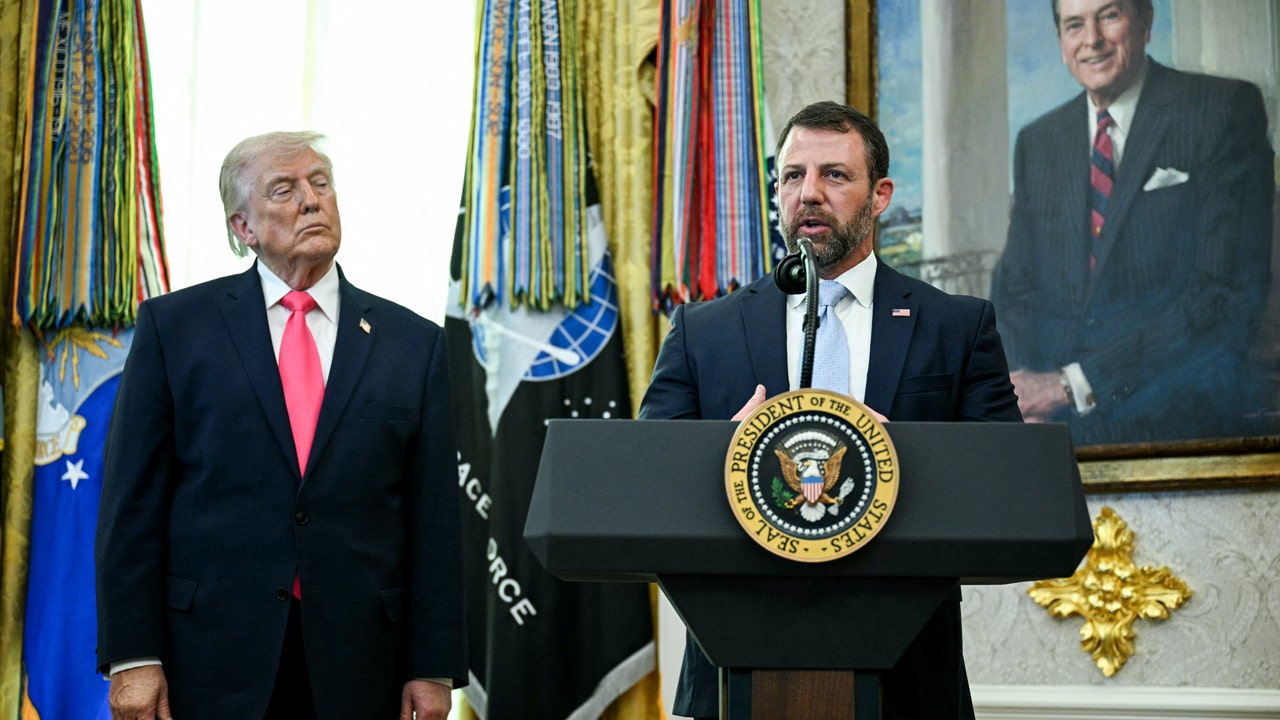
The Trump administration is adopting a new rule that would shorten the time refugees have to challenge the termination of their legal status, marking another restriction on legal immigration pathways as the White House continues its immigration enforcement crackdown.
The new policy, which takes effect Wednesday without undergoing the usual advance public notice-and-comment process, reduces the time refugees have to respond to a notice of intent to terminate their status from 30 days to 10.
According to the new rule, the administration is aiming to «mitigate potential risks» linked to people who were admitted as refugees but were not eligible for refugee status.
The documents pointed to refugees admitted during the Biden administration, claiming there was an «alarming erosion of the integrity» of the refugee program during those years, although refugee advocates dispute that allegation.
TRUMP ADMIN PAUSES VISA APPOINTMENTS WORLDWIDE AMID HEIGHTENED SCREENING FOR APPLICANTS
«A review of refugee processing policies and procedures implemented under the Biden administration indicates an alarming erosion of integrity leading to aliens being admitted to the United States as refugees when their identities, eligibility for refugee classification, and admissibility were determined based on incomplete records,» DHS’ document reads.
«The priority of expediency over quality encouraged a lack of robust interviews,» it added. «Certain questions to ensure that aliens were eligible for refugee status prior to admission to the United States were omitted and this increased the risk of ineligible aliens being approved for refugee classification and subsequently admitted to the United States.»
A spokesman for Citizenship and Immigration Services, Zach Kahler, similarly said the agency has found «an alarming erosion of screening and vetting measures» during the Biden administration to «rush processing and maximize the number of refugees admitted.»
The Trump administration is «ensuring that refugee status is reserved only for those who were eligible under the law,» he said in a statement to The Associated Press.
This comes after the Trump administration ordered the review of at least 185,000 refugees admitted during the Biden administration who still have pending green card applications.
The U.S. refugee admissions program has historically enjoyed bipartisan support since Congress passed the Refugee Act of 1980. Refugees undergo extensive security screenings and background checks before being approved for resettlement. Many spend years waiting in refugee camps before they can be admitted after undergoing multiple rounds of interviews and screenings.
With the Trump administration’s new rule, critics argue tens of thousands of people who fled persecution and wars in their home countries could be forced into deportation.
«These families did everything asked of them,» Krish O’Mara Vignarajah, president of Global Refuge, said in a statement. «They submitted to interviews, background checks and years of waiting abroad, only setting foot on U.S. soil once government officials approved their applications.»
She said the Department of Homeland Security now wants to «revisit those decisions on a 10-day clock, a notice period wholly insufficient to find a lawyer, translate documents or get records out of a country they were forced to flee due to conflict or persecution.»
«In some cases, refugees may not even receive the notice before their ten days are up, effectively eliminating their only chance to respond,» she added. «If the government’s case for termination is truly strong, it can afford to give people a meaningful chance to challenge it.»
HIAS, a major refugee aid group, also warned that refugees who have fled violence, persecution and displacement will be at risk of being deported to countries where they could be subject to persecution and torture.
«They are trying to upend the core principle that refugee resettlement represents permanent protection,» HIAS Vice President Naomi Steinberg said in a statement.
FEDERAL JUDGE BLOCKS TRUMP ADMINISTRATION FINES OF UP TO $1.8M FOR MIGRANTS
The Trump administration has significantly overhauled the U.S. refugee admissions program, sharply restricting overall admissions while prioritizing the resettlement of white South Africans.
Last month, the Trump administration established a ceiling of 17,500 refugee admissions for fiscal year 2027, with most slots allocated to Afrikaners, a predominantly white ethnic group in South Africa.
During his first term, President Donald Trump reduced the number of refugees approved every year. The Biden administration reversed that trend, setting a refugee admissions ceiling of 125,000 for fiscal year 2025.
When Trump returned to the White House in January 2025, he immediately suspended the refugee program, stranding people around the world who had been set to come to the U.S. The administration later reopened the program but limited it mostly to white South Africans.
The Associated Press contributed to this report.
immigration, donald trump, politics, refugees, homeland security, deportation










INTERNACIONAL
Marco Rubio’s 2028 stock surges among House Republicans as Trump insiders split on Vance
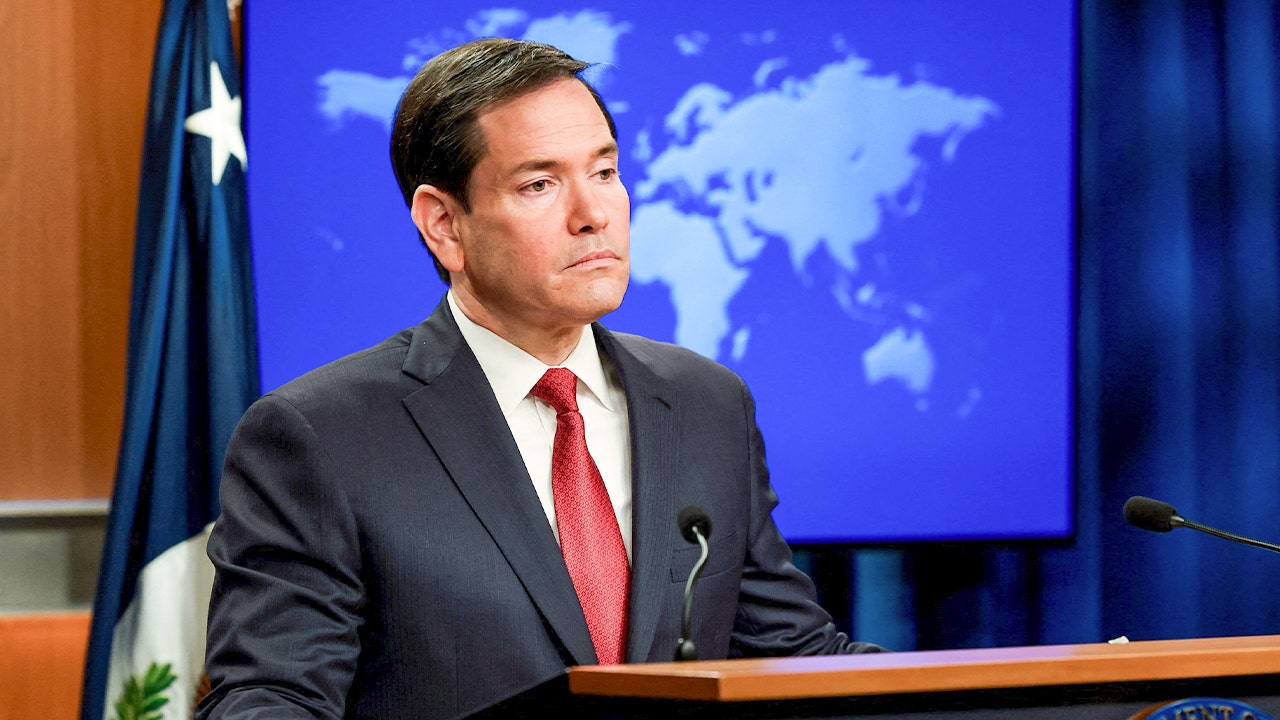
As Republicans continue to pick up the pieces from their 2026 midterm losses, one Trump administration official is catching some GOP lawmakers’ eyes as the party’s next great hope.
«[Secretary of State Marco Rubio] is the whole package. He’s intelligent, charismatic, level-headed, cool-tempered, and very knowledgeable about the issues and eloquent in explaining them,» Rep. Nicole Malliotakis, R-N.Y., told Digital. «I think there is a lot of interest from Republicans in seeing him explore a run.»
Indeed, multiple House Republicans who spoke with Digital said they and their colleagues are pushing Rubio to run for president in 2028. The Cabinet official himself has publicly dismissed any talk about his future political plans, but his name is on the rise among Republicans who have said the party needs to pivot from the issues that cost them votes in November.
HOUSE CONSERVATIVE EMERGES WITH 2028 PRESIDENTIAL PICK AFTER GOP’S MIDTERM MASSACRE: ‘I AM ALL IN’
«Now that we lost majorities, we can’t push policy, so we will have to do better at communicating,» Rep. Marlin Stutzman, R-Ind., told Digital on election night. «I am all in for Marco. He can be a unifier.»
They’re notable comments coming from the Indiana Republican, who was among the founding members of the conservative House Freedom Caucus.
MAGA VOTERS REVEAL WHO THEY WANT TO SEE LEAD GOP IN 2028
Rubio has long been held up as a potential 2028 contender, despite a previous unsuccessful White House bid in 2016.
He and Vice President JD Vance have been regarded as the top contenders for the GOP nomination, but it’s Rubio’s name that has come up in conversations among House Republicans, Digital was told.
GOP MIDTERM BLOODBATH EXPOSES CRACKS IN VANCE’S 2028 WHITE HOUSE AMBITIONS
«A number of my colleagues, unsolicited by me — they come up with me, knowing that I’m on board, [from] Miami, et cetera — and said that they’d want to support him, that they would support him if he ran,» Rep. Carlos Gimenez, R-Fla., told Digital. « And it’s not just a few. There’s a number, a pretty good number, that have told me that.»
Gimenez said he supported Rubio even before the election. The same goes for Rep. Mike Haridopolos, R-Fla., who told Digital he’s been openly backing his fellow Florida Republican for two months.
«And I think the affirmation that I’m getting from talking to people is overwhelming,» Haridopolos said.
«He is not only understanding what’s happening today, but our place in history. And I think his inspirational story, his parents coming from Cuba and living the opportunity that is America, and inspiring people that anything is possible, is the uplifting message we need.»
SEC MARCO RUBIO: THE WEST FORGOT WHAT MADE IT GREAT. WE MUST REDISCOVER OUR ROOTS BEFORE WE LOSE THEM
Both Haridopolos and Malliotakis pointed to Rubio’s recent speech in Greece calling for the renewal of Western civilization as an example of his presidential possibility. Those remarks, set in Athens, were widely lauded for their scenic backdrop of the Acropolis at sunset.
And Malliotakis, who is half Cuban herself, said Rubio could «reach» Hispanic voters who largely turned away from the GOP in November.
LATINO VOTERS SWING BACK TO DEMOCRATS AHEAD OF MIDTERM ELECTIONS: POLL
«The potential for him to be the first Hispanic president is huge for our party and the country,» she said.
But within the administration itself, it appears no clear successor has emerged.
One source familiar with talks told Digital that Trump administration staffers were «about 50/50» when asked if they favored Vance or Rubio.
«I think it’s pretty split,» one administration official said. «I don’t think the president really knows. I think if you asked him today, he’d say Rubio.»
«50/50 feels right to me,» a second administration official said.
White House spokeswoman Anna Kelly referred Digital to Trump’s previous comments on the matter.
Over the weekend, Trump told Fox News’ «Saturday in America» that Vance and Rubio are «doing fantastically» and are «both very, very popular» when asked who he would like to see run on the Republican and Democratic tickets ahead of the 2028 presidential election.
Digital reached out to the State Department for comment but did not hear back by press time.
politics, marco rubio, donald trump, elections
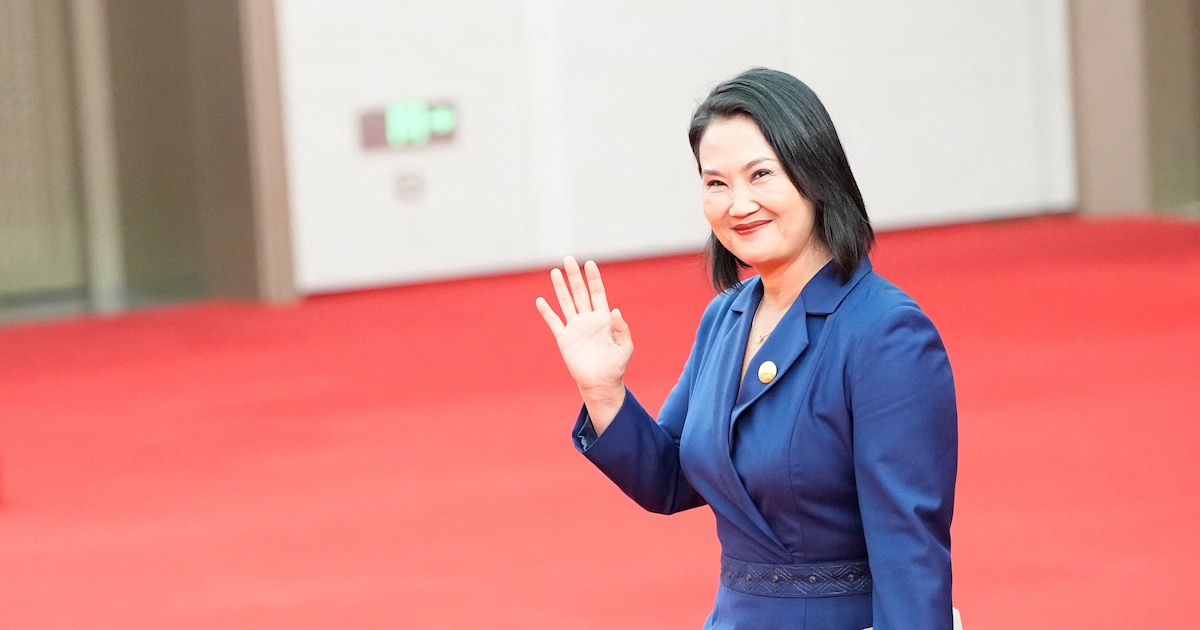
Hace unos días me reuní con los jefes de Estado y de Gobierno que representan a más de 3.000 millones de personas, el 36 por ciento de la población global, y el 62 por ciento de la economía mundial. En cada reunión, en cada entrevista, tanto en los encuentros oficiales como en los informales, insistí en el mismo objetivo nacional: el Perú está listo para convertirse en la puerta de entrada de la inversión global a Sudamérica. Este es mi mensaje para Estados Unidos, para China y para todo el mundo.
El Foro de Cooperación Económica Asia-Pacífico (APEC) era el mejor lugar para transmitir este objetivo. No sólo porque allí participaron los líderes políticos de los 21 países que concentran más del 50 por ciento de las exportaciones y casi el 49 por ciento de las importaciones de todo el planeta; si no porque los compromisos políticos de esta envergadura, que colocarían al Perú en el centro de la economía global, se proponen, discuten y cimentan a nivel presidencial.
Fue un viaje intenso, pero productivo. Compartimos reuniones bilaterales con diversos líderes globales, entre ellos el presidente de China, el presidente de Vietnam, el sultan de Brunei, el presidente de Chile, el primer ministro de Singapur, el primer ministro de Tailandia, el presidente de Filipinas, la primera ministra y el emperador de Japón y otros líderes políticos, empresariales y representantes de organizaciones multilaterales, como la directora gerente del Fondo Monetario Internacional. En estas reuniones oficiales, y en otros encuentros informales, compartí mi visión del Perú en el mundo y las grandes oportunidades que ofrece nuestro país como destino de inversión.
En Shenzhen transmitimos las razones por las que el Perú puede ser la conexión comercial entre Sudamérica y el mundo. Mostramos la capacidad, constante expansión y privilegiada ubicación geográfica de nuestra infraestructura portuaria y logística. Aprobamos un marco de digitalización del comercio cuya implementación simplificará trámites aduaneros, impulsará el comercio electrónico y facilitará el flujo de datos. También acordamos proteger las cadenas de suministro, manteniendo abiertos los corredores comerciales.
También tuve la oportunidad de reunirme con líderes de algunos de los grupos empresariales más importantes de China (actualmente nuestro mayor sociocomercial) y de Estados Unidos. Les agradecí la confianza que han depositado en el Perú y les transmití nuestra voluntad de seguir construyendo oportunidades de inversión y negocios.

La participación en la APEC sirvió además para expandir nuestra apertura comercial con la firma del Tratado de Libre Comercio con Tailandia, después de diez años de negociaciones. Pasamos de una cobertura del 66% al 94% de nuestros productos en un mercado de más de 70 millones de personas. El acuerdo va más allá del comercio de mercancías. Incorpora servicios, movilidad de profesionales y flujo de capital. Es, además, una oportunidad para ampliar nuestra presencia en el Sudeste Asiático.
La visita oficiala Japón merecetambién una menciónespecial. La nuestraes una de las más antiguas y profundas relaciones entre Sudamérica y Asia. El primer Tratado de Amistad, Comercio y Navegación se remonta a 1873 hasta llegar al Acuerdo de Asociación Económica, vigentedesde el 2012. En mi visita añadimos nueve instrumentos adicionales de cooperación a esta larga historia.
Escuchar al emperador Naruhito darme la bienvenida en español, oír nuestro himnonacional durante la ceremonia encabezada por la primera ministra Sanae Takaichi y, días antes, escuchar en China los acordes de El Cóndor Pasa fueron experiencias profundamente emotivas. Nos confirma que representar al Perú es mucho más que una responsabilidad institucional; es llevar nuestra identidad, historia y el orgullo de millones de peruanos.

Quiero terminar estas líneas compartiendo un sentimiento que acompañó todas mis reuniones. Cada diálogoy cada acuerdo adoptado es una nuevapuerta que abrimosal mundo y que nos permite lo verdaderamente importante: convertir estos foros internacionales en progreso, empleo y nuevas oportunidades para más peruanos.
Business,Diplomacy,International Relations,Politics,Asia / Pacific,Corporate Events,Diplomacy / Foreign Policy
INTERNACIONAL
¿Souvenirs prehistóricos? Un estudio aseguró que los primeros humanos ya guardaban recuerdos hace 500 mil años

Alzar una piedra de colores del suelo, guardar una herramienta vieja que ya no sirve o conservar un fósil incrustado en un trozo de sílex, una roca dura que los primeros humanos usaban para fabricar utensilios, son conductas que hoy parecen caprichosas o sentimentales, pero que podrían tener raíces mucho más profundas de lo que cualquiera supondría.
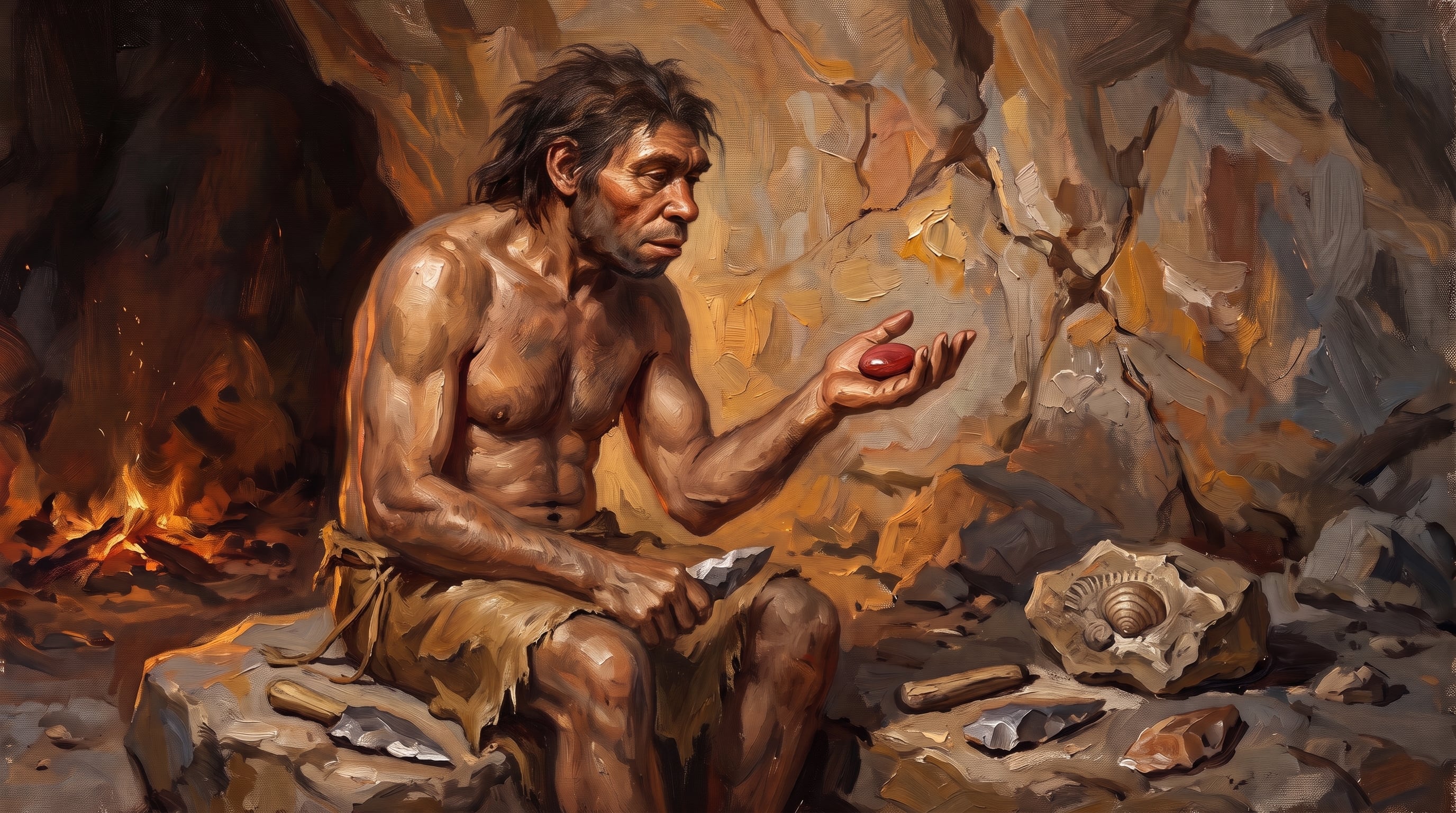
Un equipo de investigadores de la Universidad de Tel Aviv propone que los homínidos que habitaron el Levante hace medio millón de años ya recolectaban objetos sin valor utilitario aparente y los conservaban como recordatorios de lugares visitados y experiencias vividas.
La pregunta que impulsó el trabajo parece simple, aunque muestra su complejidad cuando se intenta responder: ¿cuándo y por qué los humanos comenzaron a atribuirle significado personal a los objetos materiales? Un estudio publicado en la revista Evolutionary Anthropology, de la editorial Wiley, combina hallazgos arqueológicos con perspectivas de la teoría evolutiva, la psicología y la neurociencia para proponer una respuesta.
El trabajo fue liderado por investigadores de las áreas de zoología, arqueología y ciencias psicológicas de la Universidad de Tel Aviv, en colaboración con el Dr. Bar Efrati, de la Universidad de Oxford, según el comunicado institucional.
Los objetos no tenían uso práctico identificable
Las pruebas materiales que sostienen la hipótesis provienen de varios yacimientos en Israel. En la Cueva de Qesem se hallaron pequeños guijarros de colores traídos desde distintos puntos del territorio, sin uso funcional identificado.
En el Valle de Sakhnin aparecieron hachas de mano talladas sobre bloques de roca con fósiles o formaciones geológicas poco comunes, preservadas deliberadamente en el centro de la pieza, donde podían verse y tocarse.
En Revadim y Jaljulia, además de en el mismo yacimiento de Qesem, se recuperaron herramientas antiguas cuyas superficies originales se mantenían en gran parte intactas pese al paso del tiempo.
Según el comunicado institucional de la Universidad de Tel Aviv, los investigadores sugieren que el aspecto envejecido de esas herramientas pudo haber tenido valor en sí mismo, pues el objeto contaba su propia historia. La lógica que proponen es que una pieza traída de un lugar determinado podía activar el recuerdo de una experiencia personal y ayudar a su portador a distinguir entre algo que había vivido directamente y algo que le habían contado o imaginado.
Guardar objetos con carga afectiva habría fortalecido la memoria y la cohesión social
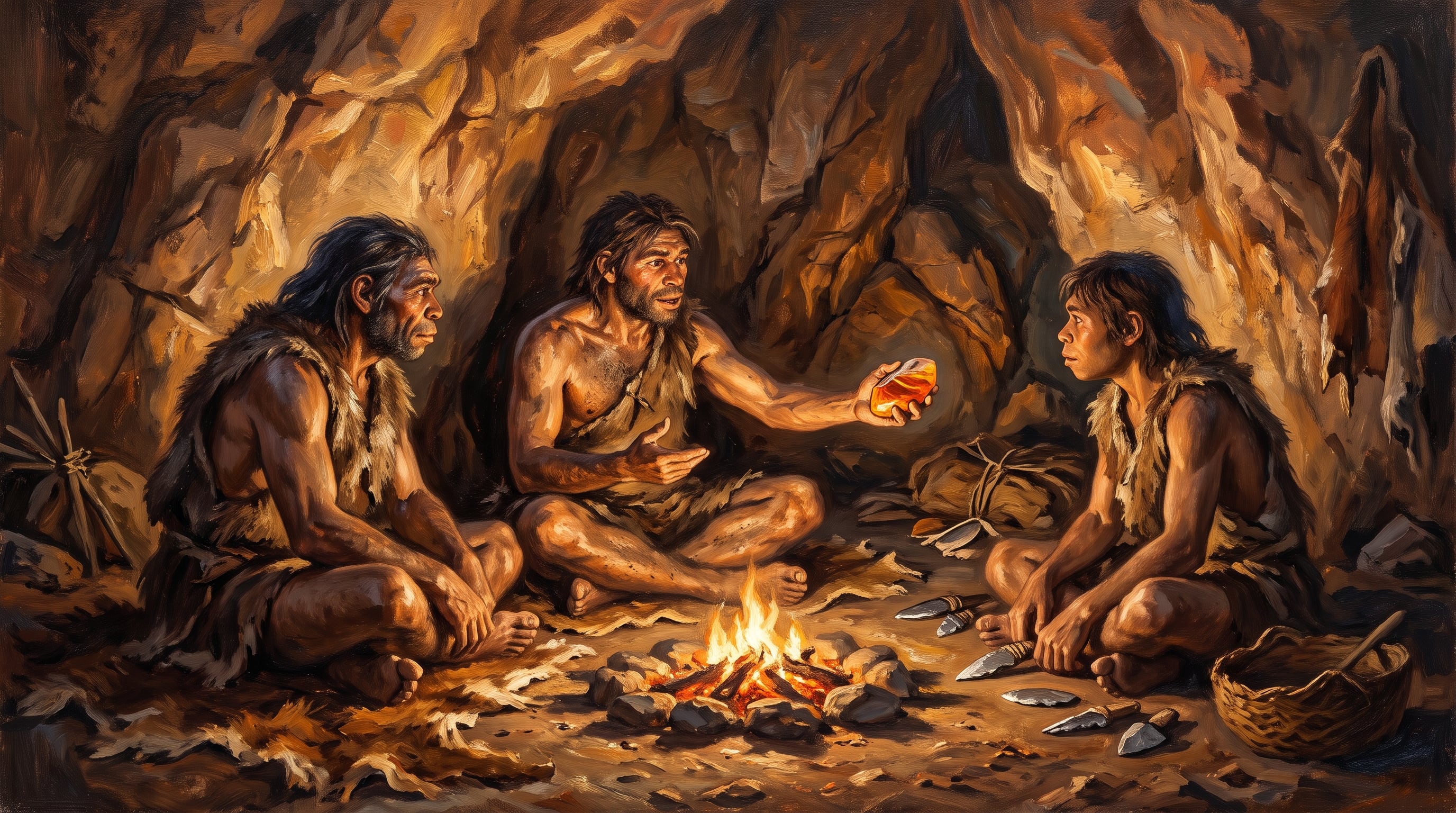
La hipótesis articula dos planos: el individual y el colectivo. A nivel personal, un objeto portátil y visible podía funcionar como un dispositivo de memoria externo que reforzaba la capacidad de organizar experiencias propias en una secuencia coherente. Esa capacidad es lo que se conoce como memoria autobiográfica, la habilidad de estructurar vivencias pasadas en una historia de vida continua que sustenta la identidad personal.
A nivel social, el beneficio era igualmente concreto. Un objeto personal podía trasladarse, mostrarse y usarse para corroborar un relato ante otros, lo que otorgaba credibilidad a quien lo portaba.
En grupos donde recordar alianzas, intercambios y derechos sobre territorios de caza resultaba decisivo, una memoria personal confiable facilitaba la cooperación y el mantenimiento de vínculos. Esa presión acumulada a lo largo de generaciones habría favorecido el desarrollo de los mecanismos cerebrales que evalúan el origen y la fiabilidad de los recuerdos.
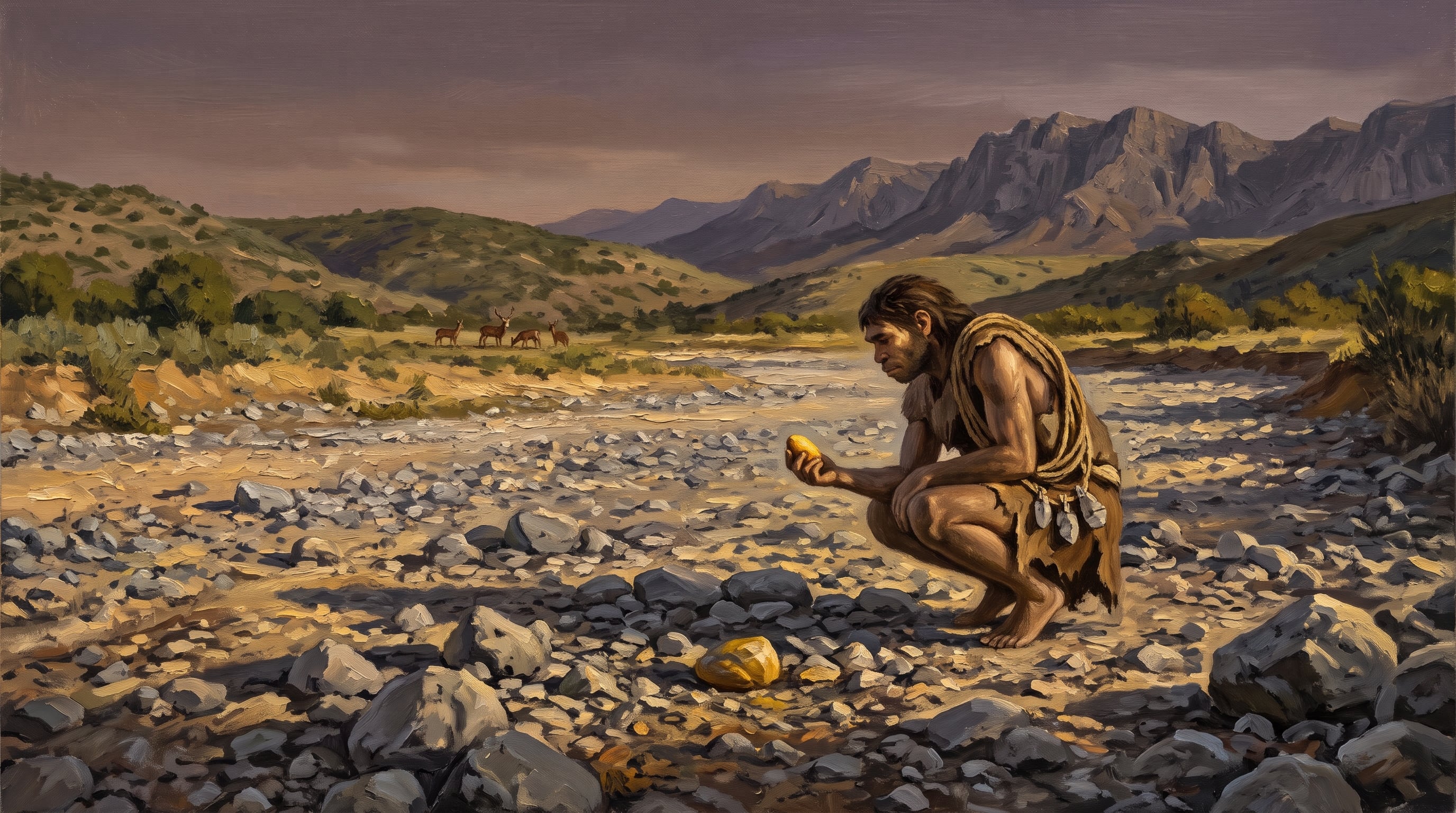
El Prof. Ran Barkai señala una posible razón para que esta práctica haya surgido en ese período: “La desaparición de animales de gran tamaño, en particular los elefantes, obligó a los primeros humanos a desarrollar nuevos métodos de caza y a familiarizarse con territorios habitados por ciervos y bovinos salvajes. Los objetos tomados de esos lugares pueden haberlos ayudado a mantener una conexión personal con los sitios que a partir de entonces les proveían el sustento”, afirmó el arqueólogo, según el comunicado de prensa de la Universidad de Tel Aviv.
Una hipótesis y un patrón que persistió medio millón de años
Los autores son explícitos en cuanto a los alcances de su propuesta: se trata de una hipótesis, no de una prueba de que cada piedra llamativa fuera un recuerdo intencional.
Sin embargo, el registro arqueológico muestra una continuidad notable desde hace 500.000 años hasta hoy, lo que hace razonable atribuirle un peso evolutivo a esa conducta.
El Dr. Yoav Ram lo resume así: “Cuando los primeros humanos llevaban una piedra de colores o una herramienta vieja de regreso a su cueva, ese objeto pudo haberlos ayudado a recordar un evento significativo por el resto de sus vidas”.
“De esa manera, los recuerdos tangibles pueden haberse convertido en una suerte de memoria externa que favoreció la evolución de los mecanismos cerebrales responsables de la memoria autobiográfica, tan característica de nosotros como especie”, concluyó el investigador de la Escuela de Zoología, según el comunicado institucional.
bifaz,ammonite,sílex,paleolítico,homínidos

Polémica por la venta de tierras frente al Perito Moreno a un grupo empresarial emiratí: la decisión de la Justicia

Ludopatía: antes del debate, los aliados piden un compromiso del Gobierno para que haya ley antes de 2027

El Inter de Lautaro Martínez y el Atlético de Madrid de Julián Álvarez salen a la cancha por la fecha 5 de la Champions League: la agenda de la jornada

Boca Juniors vs. Independiente Rivadavia: cómo está el historial entre ambos

Subsidio para garrafas: cómo inscribirse, qué requisitos hay que cumplir y con qué billeteras cobrar el reintegro

Marco Rubio’s 2028 stock surges among House Republicans as Trump insiders split on Vance

Financial Times duda de la economía argentina: riesgo país, financiamiento e imagen Milei

El economista Luis Secco cuestionó el programa económico de Milei: “Estamos estancados desde fines del primer trimestre de 2025″

Agustín “Rada” Aristarán se despide de Chanta: “Con esta obra dejé de ser un impostor”

NYC college put on notice after Jewish campus group shunned by student government: ‘rude awakening’

 ECONOMIA2 días ago
Financial Times duda de la economía argentina: riesgo país, financiamiento e imagen Milei
- ECONOMIA12 horas ago
El economista Luis Secco cuestionó el programa económico de Milei: “Estamos estancados desde fines del primer trimestre de 2025″
- CHIMENTOS3 días ago
Agustín “Rada” Aristarán se despide de Chanta: “Con esta obra dejé de ser un impostor”